


Yes — Mount Batur is safe for most reasonably fit travelers when climbed with a local guide, and hundreds of people summit it every morning in high season. The ascent takes 1.5-2 hours, pickups run at 01:30-03:00, and the descent happens in daylight, which removes the scenario most people worry about. The honest hazards are specific rather than dramatic: loose volcanic scree on the way down, cold wind at the summit, and slippery sections in the November-March rains. This guide breaks the climb into seven factors, from the dark trail to fitness and crowds, so you can judge it against your own condition — and covers the sunrise jeep alternative from $45 for anyone the hike does not suit.
By Alex Moskvin, Founder of SB Excursions · Published 21 May 2026 · Updated 23 October 2026
Tour on this route: Mount Batur Sunrise Hike — From $35, 5-8 hours.
Is Mount Batur safe to climb?
Yes — for a reasonably fit adult climbing with a local guide, Mount Batur is one of the safer volcano hikes in Indonesia. The ascent takes 1.5-2 hours, the descent happens in daylight, and volcanic activity is monitored continuously. The realistic risks are a rolled ankle on loose scree and getting cold at the summit.
This guide also answers:
- How hard is the Mount Batur hike?
- Can beginners climb Mount Batur?
- Can you climb Mount Batur without a guide?
Top picks from this guide
 #1
#1
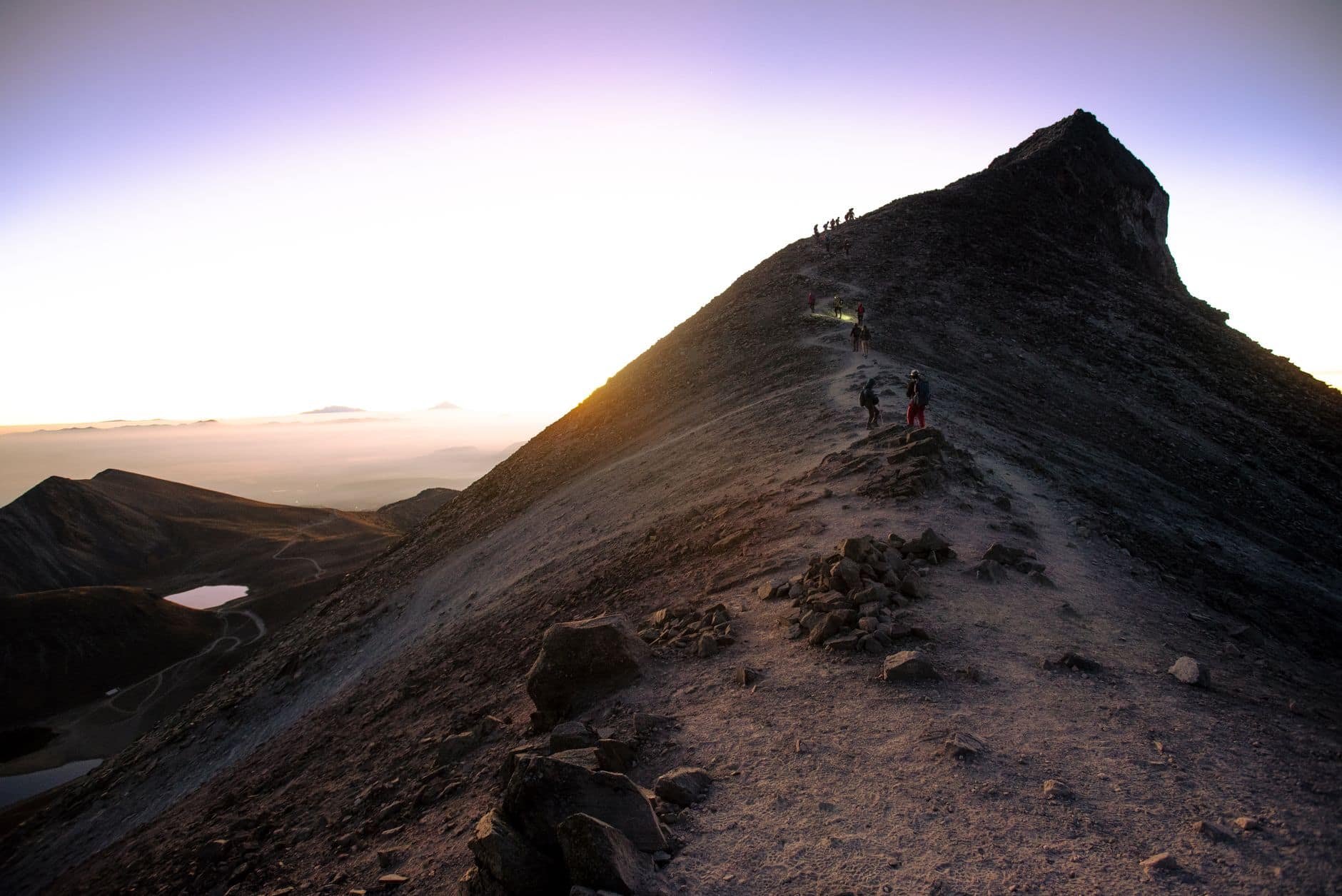
Hiking in the dark
Pickup runs at 01:30-03:00 and the entire ascent happens before first light. In practice this is the least dangerous part of the morning: the pace is slow, guides know every fork in the path, and a headlamp turns the trail into a narrow corridor. The fear of climbing in darkness fades faster than most people expect.
 #2
#2
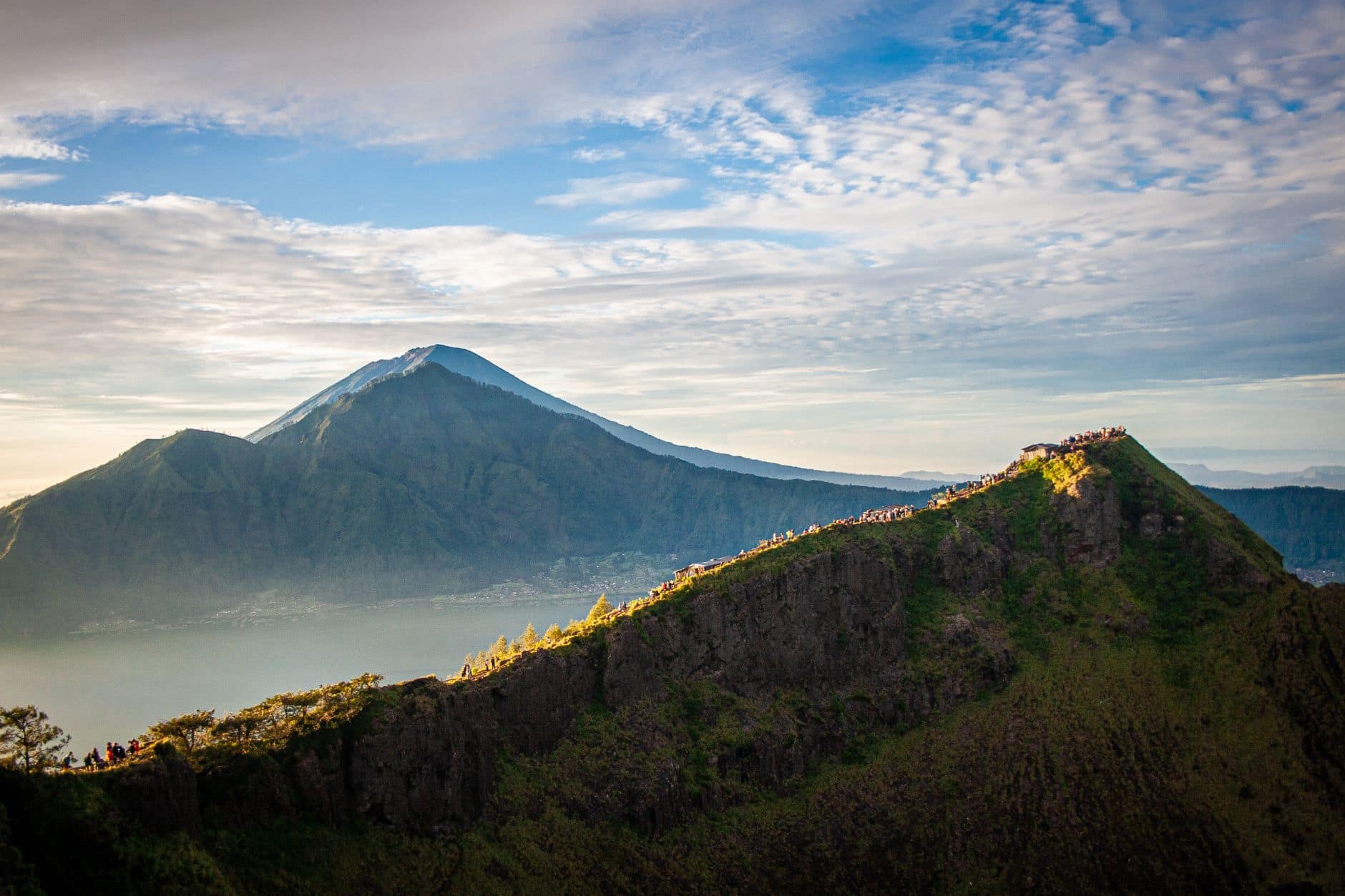
Loose volcanic scree
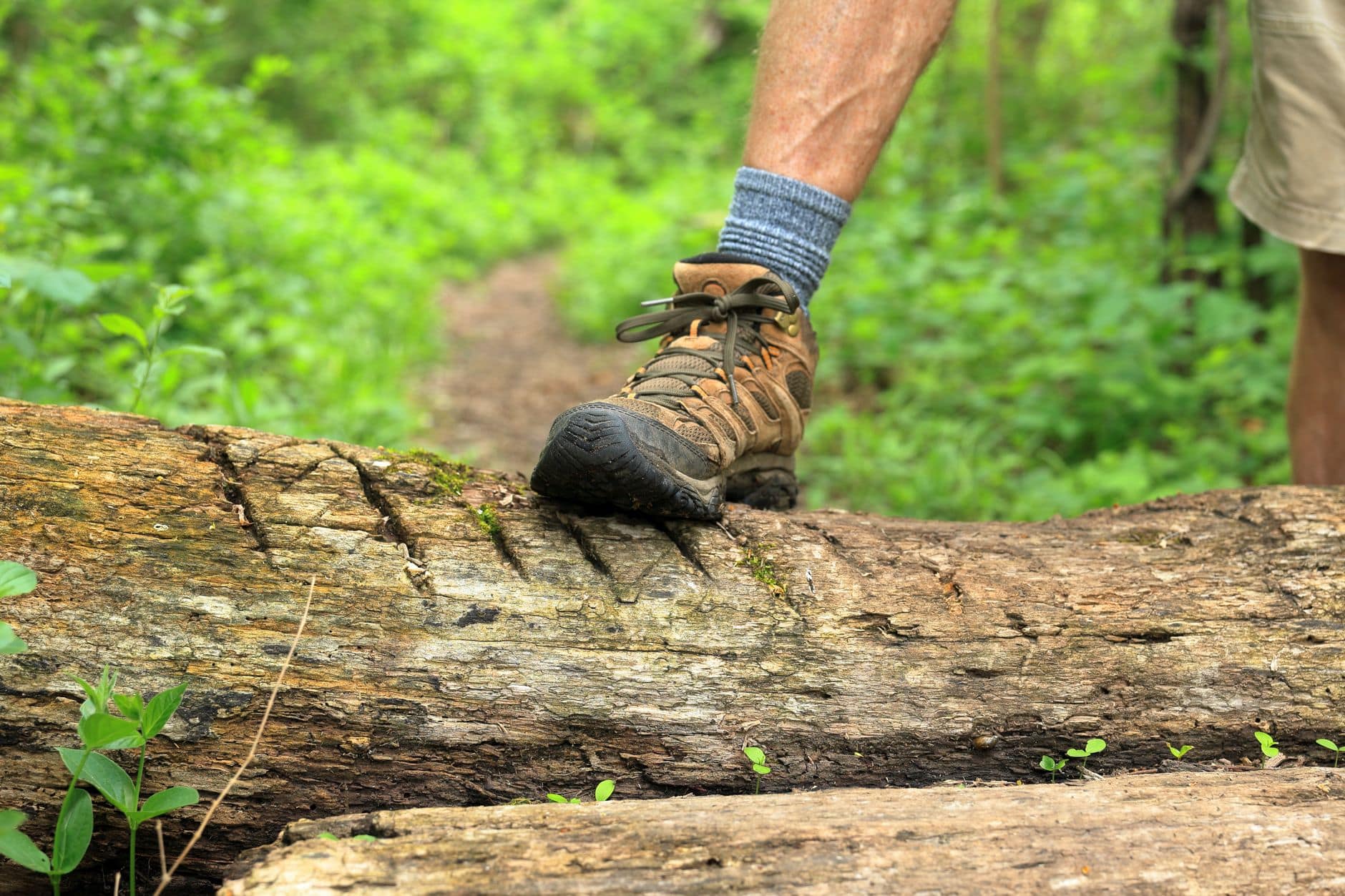
The final stretch of the ascent steepens onto black volcanic sand that slides half a step back for every step up. Going up it is tiring rather than dangerous — the risk moves to the descent, where the same surface behaves like ball bearings underfoot. Slow, short steps and shoes with real tread solve most of it.
 #3
#3
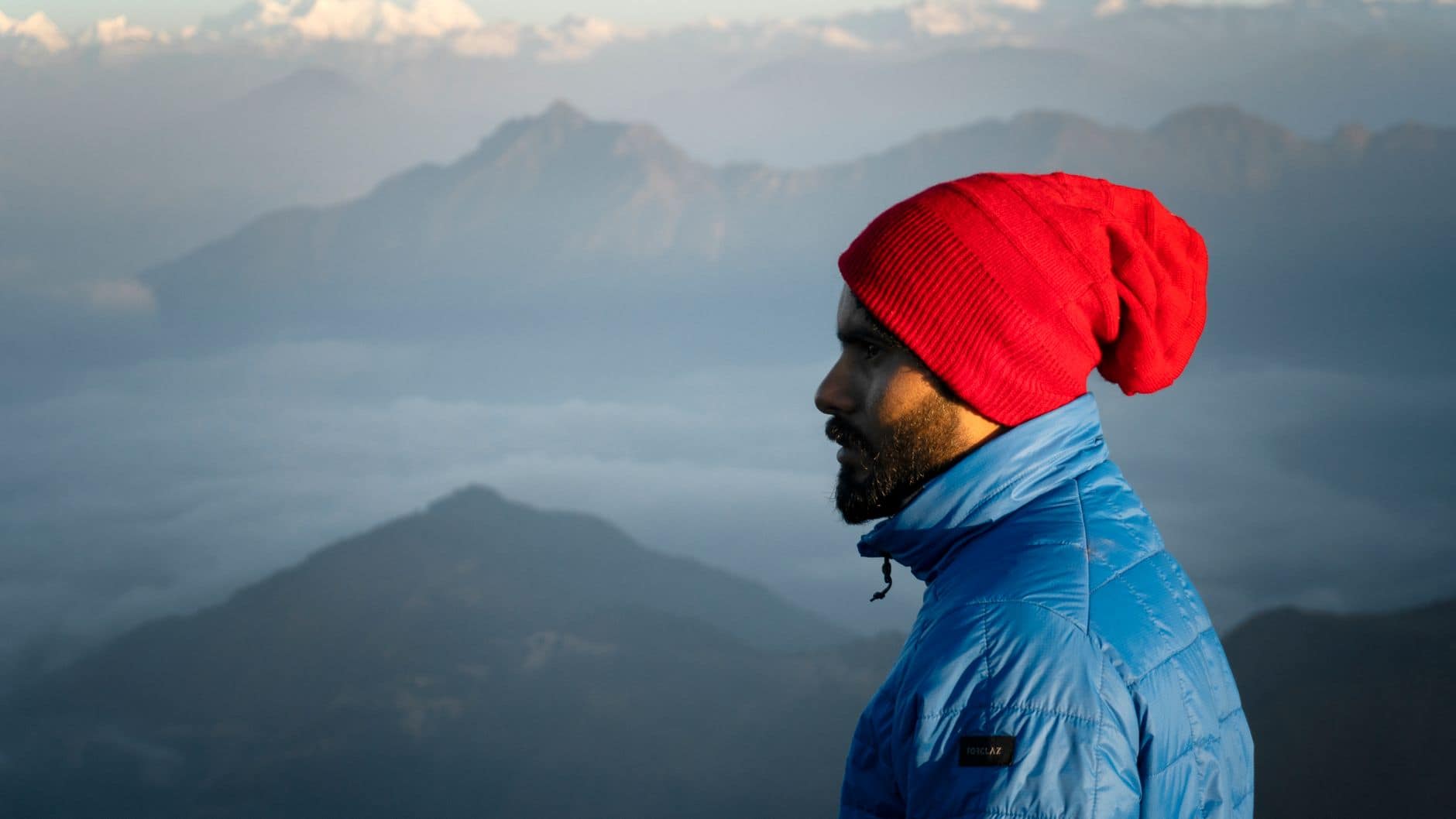
Cold and wind at the summit
You arrive sweating from the climb, then stand still in the wind waiting for sunrise. Without a warm layer that wait is genuinely miserable, and getting chilled is the most common complaint guides hear. A fleece plus a windproof shell fixes the problem completely, and a hat helps more than people expect.
 #4
#4
Weather and season
From April to October the trail is dry and sunrises are dependable. From November to March rain makes the upper section slippery and cloud can swallow the view — guides still climb on most mornings, but the margin gets thinner. If your dates fall in the wet season, watch the forecast and keep a backup morning free.
 #5
#5
Fitness required
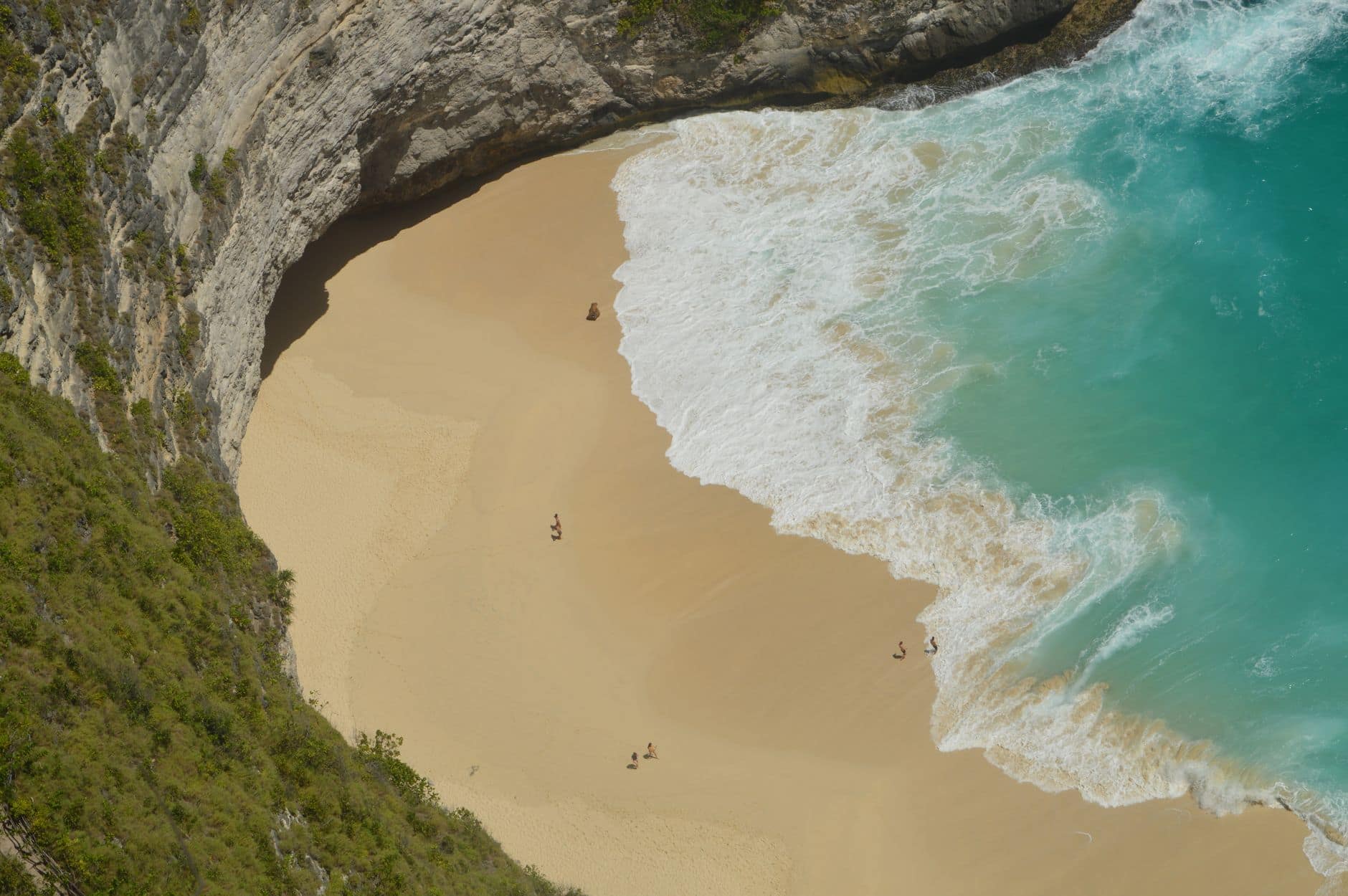
The climb is 1.5-2 hours of steady uphill with regular breaks — comparable to a long stair session, not a mountaineering objective. Guides pace the group off the slowest walker. If stairs leave you badly winded, or your knees complain on the way down slopes, that is the signal to book the jeep instead of pushing through.
 #6
#6
Crowds on the trail
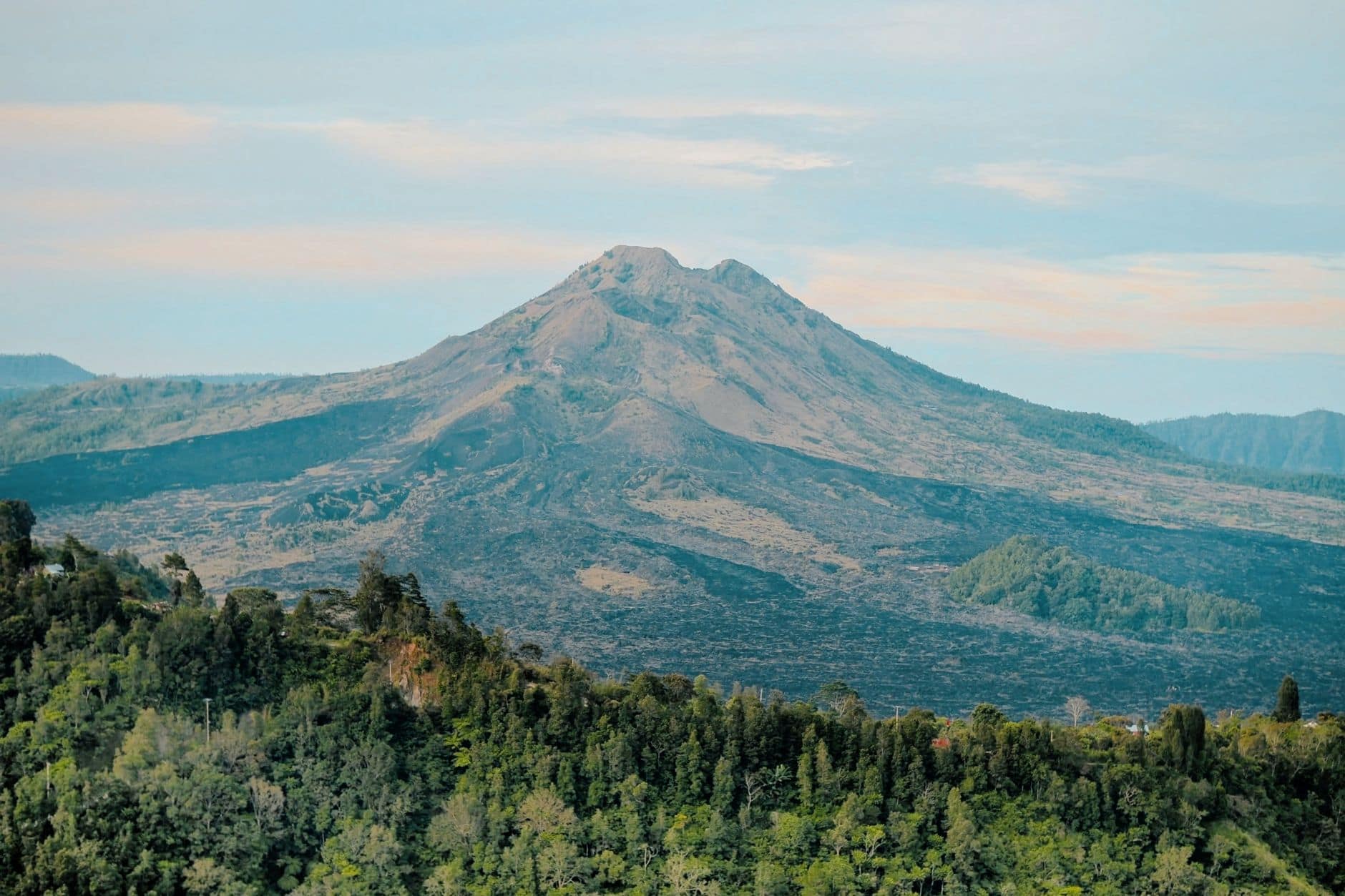
In July, August and around New Year the trail carries long chains of headlamps and the narrow upper section can bottleneck. Crowds make the climb slower, not more dangerous — but a queue on scree tempts people into risky overtaking. Asking for an earlier pickup inside the 01:30-03:00 window buys breathing room.
 #7
#7
The sunrise jeep alternative
A 4x4 drives the volcano track to a sunrise viewpoint, replacing the entire hike — from $45, with a jeep and hot spring version from $55. Same sunrise, same black-lava landscape, no scree. For travelers with joint issues or young children this is not a compromise, it is the correct choice.
Mount Batur risks at a glance: how real, how to avoid, what to do
Every risk below is specific rather than dramatic, and each one has a known answer. Times refer to the guided sunrise hike, which is where all of them apply:
| Risk | When you meet it | How to avoid it | What to do if it happens |
|---|---|---|---|
| Loose volcanic scree | The final stretch up, then the whole descent in daylight | Shoes with real tread; short, slow steps on the way down | The surface behaves like ball bearings — shorten your stride rather than brace against it |
| Cold and wind at the top | The 30-60 minute wait at 1,717 m after you arrive sweating | Fleece plus a windproof shell, and a hat | The most common complaint guides hear, and the easiest to prevent — it fades once the sun is up |
| A slippery trail in the wet season | November to March, on the upper section after overnight rain | Book April to October, or take the jeep instead | Guides still climb most mornings and cancel only in genuinely bad weather — that call is theirs |
| Climbing in the dark | Pickup 01:30-03:00; the entire climb happens before first light | A headlamp, and staying behind the guide | In practice the least dangerous part: the pace is slow and guides know every fork |
| Being less fit than you thought | 1.5-2 hours of steady uphill, around 700 m of ascent | Judge it as a long stair session, not a mountaineering day | If stairs leave you winded or your knees complain downhill, book the jeep from $45 |
| Crowds on the trail | July, August and around New Year, at the narrow upper section | Ask for the earlier end of the 01:30-03:00 pickup window | Crowds make the climb slower, not more dangerous — the danger is overtaking on scree |
Is Mount Batur actually dangerous?
No — climbed with a local guide, Mount Batur is one of the most forgiving volcano hikes in Indonesia, and the injuries that do happen are almost all minor: rolled ankles and scraped palms on the loose descent. The mountain is an active volcano, which sounds alarming, but activity is monitored continuously and tours simply stop running if the status changes. Terrain and weather, not the volcano itself, are what deserve your attention. The pattern behind most bad mornings is predictable — wrong shoes, no warm layer, rushing the descent — which is why this guide spends more time on scree and jackets than on eruption talk. For how Batur compares with its taller, harder neighbour, see our Mount Batur vs Mount Agung comparison.
The structure of the morning also works in your favour. On the Mount Batur sunrise hike — from $35, running 5-8 hours door to door — pickup comes at 01:30-03:00, the ascent happens slowly in the dark, and you walk down in full daylight after sunrise. That removes the scenario people actually worry about: descending a volcano at night. Guides climb this trail daily, set the pace off the slowest walker in the group, and carry lights. From the southern resort areas the night drive to Kintamani typically takes 1.5-2.5 hours depending on your hotel area and traffic, which is exactly why the pickup window starts so early.
Who the hike suits — and who should take the jeep instead
The hike suits anyone who can walk uphill for 1.5-2 hours with regular breaks. That is the entire physical requirement: no scrambling, no exposed ledges, no technical ground — just a steady incline that finishes on loose volcanic sand. Teenagers, active parents and ordinary travelers who manage long walks or gym sessions at home finish it comfortably every morning. You do not need hiking experience; you need functioning knees and honesty about your stair tolerance.
The jeep is the right call for bad knees, small children, anyone short on sleep, and travelers who simply want the sunrise without earning it. The Mount Batur sunrise jeep tour — from $45 — drives a 4x4 track to a viewpoint for the same sunrise, and the jeep with hot spring version — from $55, with pickup at 02:00-03:30 — adds a soak in the lakeside hot springs afterwards. Both run 6-8 hours door to door. For a stop-by-stop comparison of the two formats, our jeep vs hike breakdown goes deeper. The short version: choosing the jeep is a format decision, not a failure.
What to wear for Mount Batur
Dress for two climates in one morning: a sweaty uphill climb and a cold, windy wait at the summit. The kit that keeps the morning comfortable:
- Shoes with tread — trainers are fine, light hikers are better; flip-flops and slides fail on the scree descent
- A warm layer — fleece or light down for the summit wait; you climb in a t-shirt and want the jacket the moment you stop moving
- Windproof outer shell — summit wind cuts through fleece alone; from November to March make it a rain shell
- Long trousers or leggings — jeans soak up sweat and chill you; sports fabric dries on the move
- Headlamp or phone torch — ask on WhatsApp what your guide provides when you book
- Small backpack — water, a dry shirt to change into at the top, and your camera; keep both hands free for the descent
Everything else stays at the hotel — the lighter you climb, the steadier you are on the loose sections. For the broader trip picture, from reef days to temple dress codes, our Bali packing guide covers the full list.
Common mistakes that turn an easy climb into a rough one
Almost every rough Batur story traces back to a handful of avoidable decisions. These are the ones guides see week after week:
- Racing the descent. The scree rewards slow, short steps. Most falls happen when people come down at sidewalk speed on a surface that behaves like loose sand over rock.
- Skipping the warm layer. The single most common regret at the summit. A packed fleece weighs nothing and changes the whole sunrise wait.
- Wrong footwear. Smooth-soled sneakers and sandals are the top cause of slips on both the ascent and the way down.
- Zero sleep the night before. Pickup at 01:30-03:00 means an early night, not a late dinner. If you stay in the far south, staging a night closer to the volcano shortens the drive — our guide to Batur sunrise from south Bali covers the logistics.
- Booking the hike when the jeep fits better. Pushing a reluctant partner or a bad knee up scree in the dark helps nobody; the jeep from $45 watches the same sunrise.
- Wet-season denial. From November to March, plan for a slippery upper trail and a possible cloudy sunrise instead of being surprised by both.
None of these are dramatic, and that is the point: Mount Batur difficulty is a management problem, not a danger problem. Sort out the shoes, the jacket, the sleep and the right format for your group, and the mountain gives back one of the easiest big sunrises in Indonesia.
FAQ
Is Mount Batur safe to climb?
Yes — for a reasonably fit adult climbing with a local guide, Mount Batur is one of the safer volcano hikes in Indonesia. The ascent takes 1.5-2 hours, the descent happens in daylight, and volcanic activity is monitored continuously. The realistic risks are a rolled ankle on loose scree and getting cold at the summit.
How hard is the Mount Batur hike?
Moderate. The ascent takes 1.5-2 hours at a guided pace with breaks, mostly on a steady incline with one steeper, looser final section on volcanic sand. Anyone who can climb stairs for that long can manage it. The descent is where most people struggle — take slow, short steps and it is fine.
Can beginners climb Mount Batur?
Yes. Guides pace the group off the slowest walker, and the route needs no technical skill or gear beyond decent shoes and a warm layer. First-time hikers finish it every morning. If you have knee problems, very low fitness or small children, take the jeep instead — from $45 it reaches a sunrise viewpoint with no climbing.
Can you climb Mount Batur without a guide?
Technically some try; practically it is a bad idea. The trailhead is managed by the local guide association, the path forks repeatedly in the dark, and solo hikers are regularly turned around. On a guided sunrise hike from $35 the guide is already included, knows the safe lines on the scree, and times the summit for sunrise.
What should I wear to climb Mount Batur?
Trainers or light hiking shoes with real tread, long trousers or leggings, a t-shirt base, and a warm layer plus a windproof jacket for the summit wait. Add a rain shell from November to March. Skip flip-flops and jeans — the first fail on the scree, the second soak through and chill you.
How cold is it at the top of Mount Batur?
Cold enough that a jacket is not optional. You generate heat on the climb, then stand still in the wind waiting for sunrise, sometimes inside cloud. Most people are comfortable in a fleece or light down layer plus a windbreaker, and glad of a hat. The chill fades quickly once the sun is up.
Is Mount Batur safe in the rainy season?
Yes, with adjustments. From November to March the upper trail gets slippery and sunrise is sometimes lost in cloud, but guides still run the climb on most mornings and cancel only in genuinely bad weather. Wear shoes with proper tread, pack a rain shell, and keep your expectations for the view flexible.
Is the Mount Batur jeep tour safe?
Yes. The 4x4s are driven by locals who run the volcano track daily, and the ride replaces the entire climb — you step out at a sunrise viewpoint with no walking on scree. From $45, it is the sensible choice for bad knees, young children, or anyone who wants the view without the pre-dawn hike.
Recommended Bali tours for this guide
Mount Batur Sunrise Hike
This is the classic Bali volcano morning: a real summit trek that stays within reach of most fitness levels, with the uphill section taking around 1.5 to 2 hours. It suits couples, friends, and solo travelers who would rather earn their sunrise than drive to it.
- Duration
- 5-8 hours
- Area
- Kintamani and Mount Batur
- Format
- Private guided summit trek
- Best for
- Active travelers and sunrise seekers
From $35 No prepayment
View tour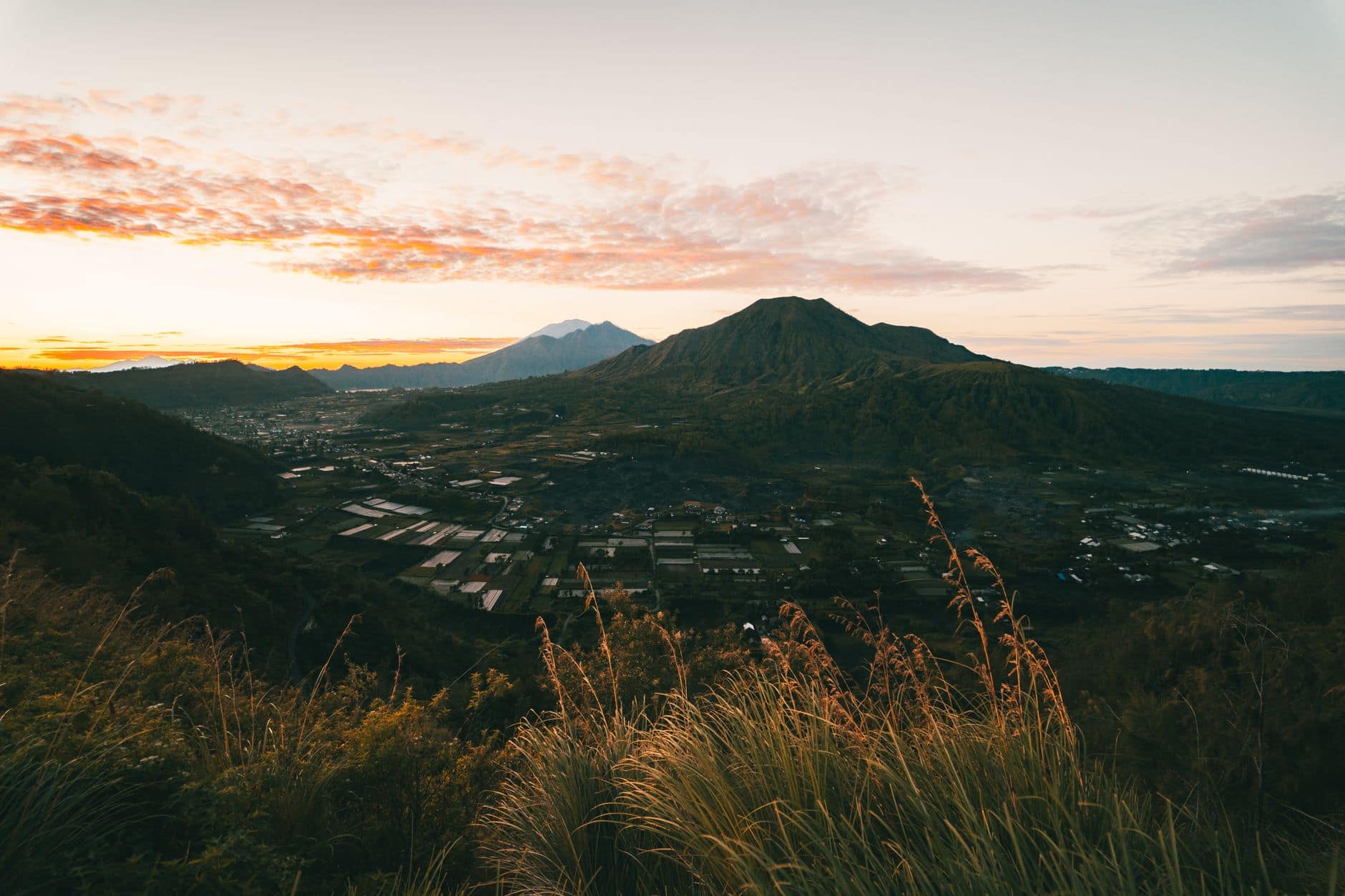
Mount Batur Sunrise Jeep Tour
This is one of the most accessible sunrise adventures in Bali because you still get the volcano mood without committing to a full trekking route. It is ideal for couples, small groups, and guests who want a signature morning with strong visuals.
- Duration
- 6-8 hours
- Area
- Kintamani and Mount Batur
- Format
- Private or small group jeep trip
- Best for
- Adventure lovers and sunrise seekers
From $45 No prepayment
View tour
Mount Batur Sunrise Jeep & Hot Spring
This combo adds the one thing most volcano mornings skip: a warm-water finish before the drive back. It suits couples and small groups who want the complete Batur sequence — sunrise viewpoint, lava fields, and hot spring — in a single pre-dawn outing with no summit hike.
- Duration
- 6-8 hours
- Area
- Kintamani and Mount Batur
- Format
- Private or small group jeep trip
- Best for
- Sunrise seekers who want to end with a soak
From $55 No prepayment
View tour