

Yes — Nusa Penida is safe to visit, provided you treat it as rugged terrain with almost no safety infrastructure rather than a polished resort island. The accidents that reach the news happen in the same few places for the same few reasons: unfenced cliff edges, the steep Kelingking descent, rogue waves at the tide pools, and rented scooters on broken roads. Every one of them is avoidable with decisions made before you arrive. This guide grades the island's 7 real risks and the fix for each, explains why incidents at the viewpoints keep repeating, covers the 30-45 minute crossing from Sanur, and shows why a private car with a local driver — from $49 per car for a full west-coast day — is the single biggest safety upgrade available.
By Alex Moskvin, Founder of SB Excursions · Published 21 May 2026 · Updated 23 October 2026
Tour on this route: Nusa Penida West Tour — From $49 per car, full day.
Is Nusa Penida safe to visit?
Yes. Serious incidents are rare relative to the island's visitor numbers, and the risks are concentrated in known places: unfenced cliff edges, the Kelingking descent, the tide pools and rented scooters. Treat Penida as rugged terrain with no safety infrastructure rather than a resort, and a day trip is straightforward.
This guide also answers:
- Is the fast boat from Sanur to Nusa Penida safe?
- Is it safe to rent a scooter on Nusa Penida?
Top picks from this guide
 #1
#1
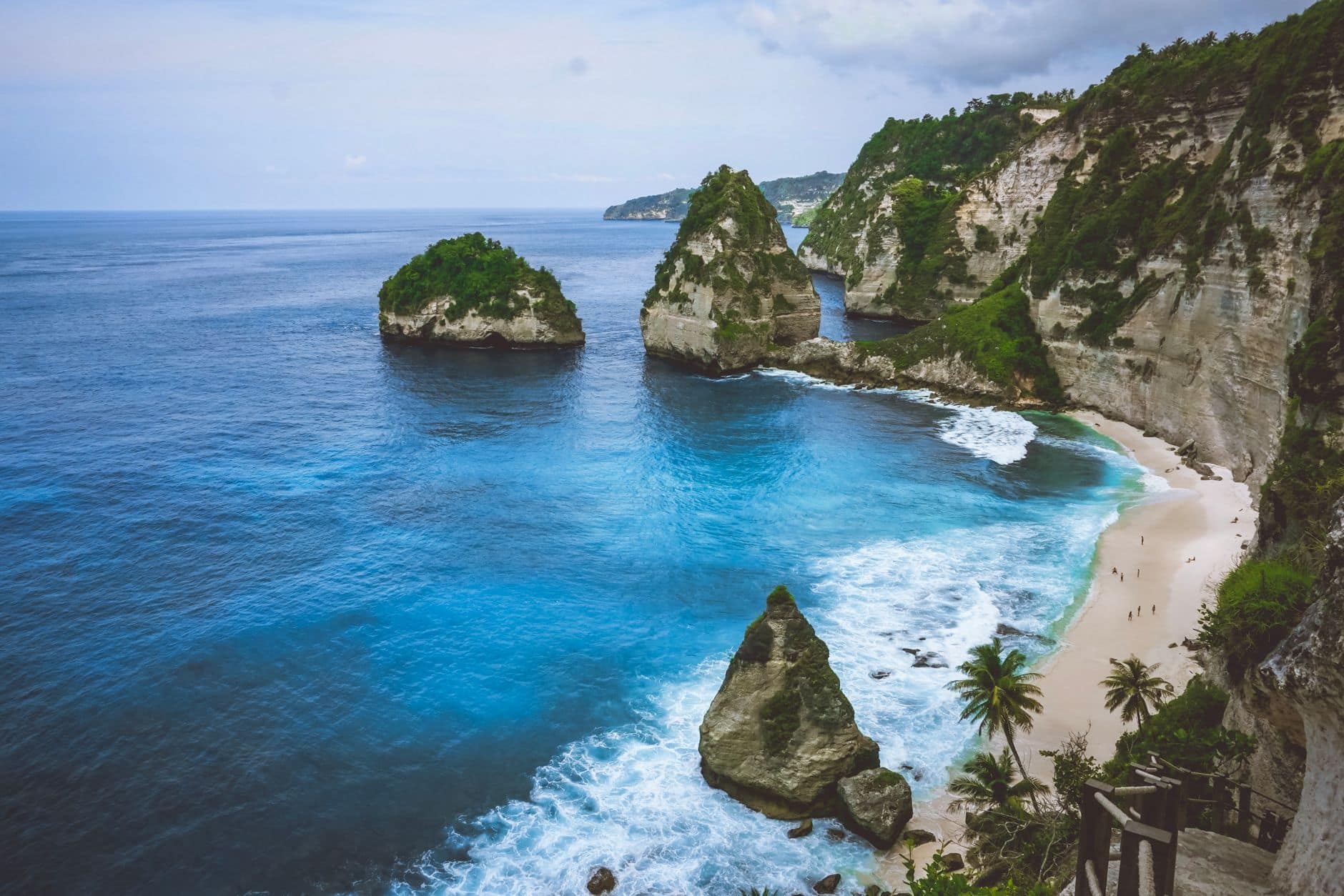
Unfenced cliff edges at the viewpoints
The island's signature viewpoints are raw limestone drops with no railings, and the lip is often undercut. The fix costs nothing: keep two full steps back, never walk backwards while framing a photo, and treat the vegetation line as the edge — the real edge may be behind it.
 #2
#2
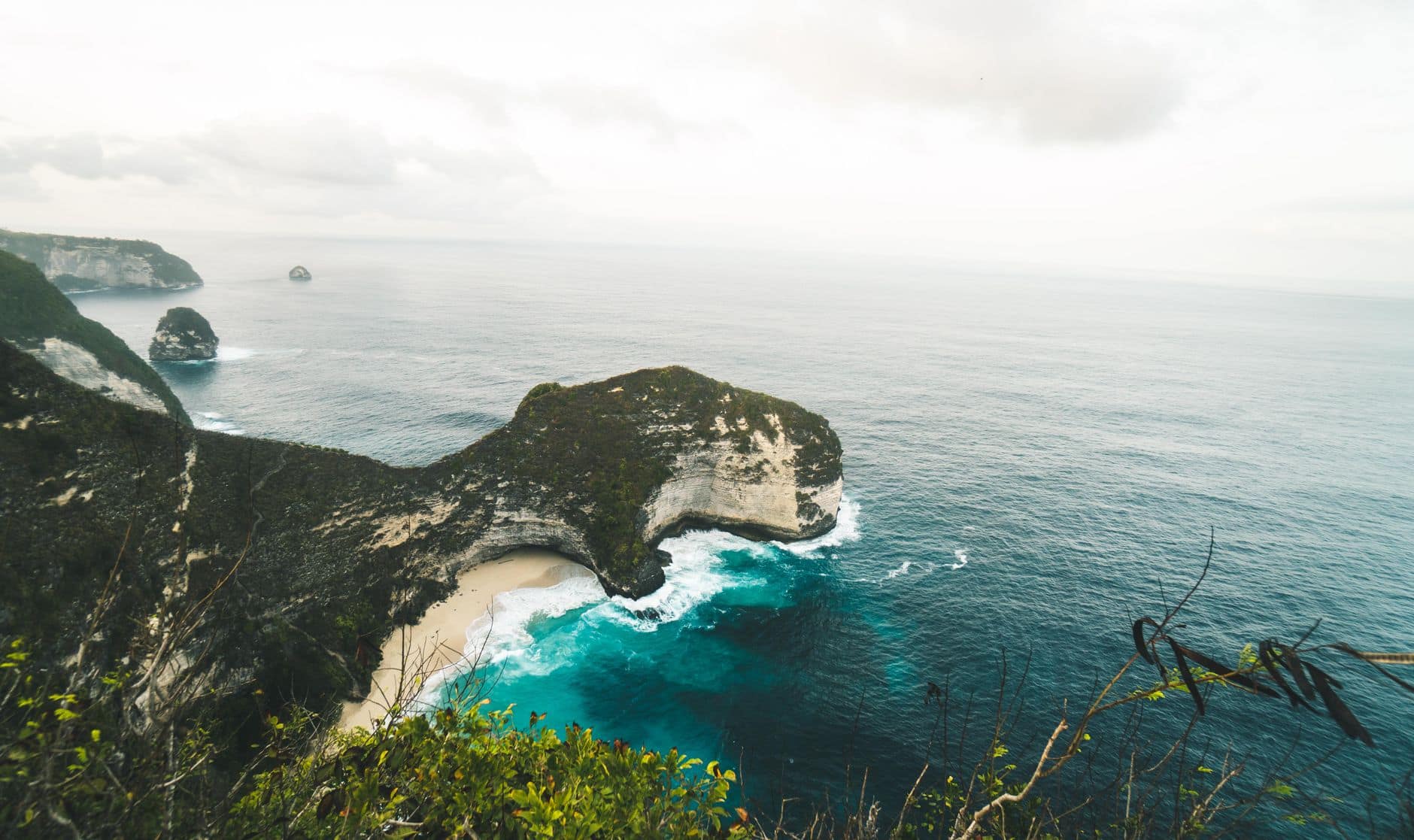
The Kelingking descent
A steep dirt-and-bamboo path that drops the full height of the cliff to the sand, with the hard part — climbing back out — arriving in midday heat. Do it early, in real shoes, with water in hand, or skip it entirely: the famous view is from the top and loses nothing.
 #3
#3
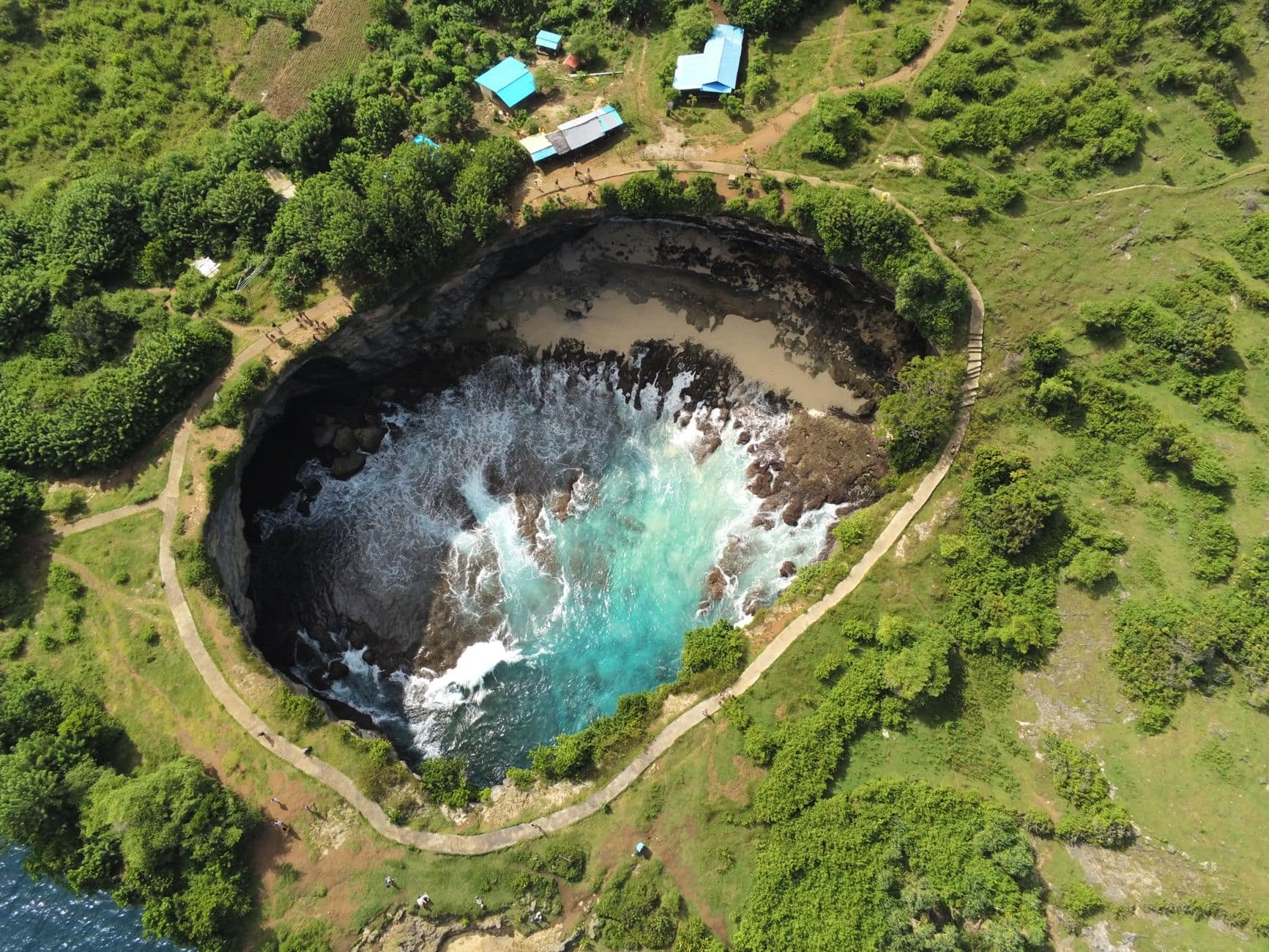
Set waves at Angel's Billabong
The rock pool looks still until a set wave breaks over the shelf, and there is nothing to hold onto. Never swim here in any visible swell, watch the water for several minutes before stepping onto the rock, and treat a guard's whistle as an order rather than a suggestion.
 #4
#4
Midday heat and dehydration
Viewpoint paths are exposed, shade is scarce and midday temperatures push past 30°C. Heat causes more ruined days here than anything else on this list. Drink before each stop rather than after, wear a hat, and use the air-conditioned car between viewpoints as deliberate recovery time.
 #5
#5
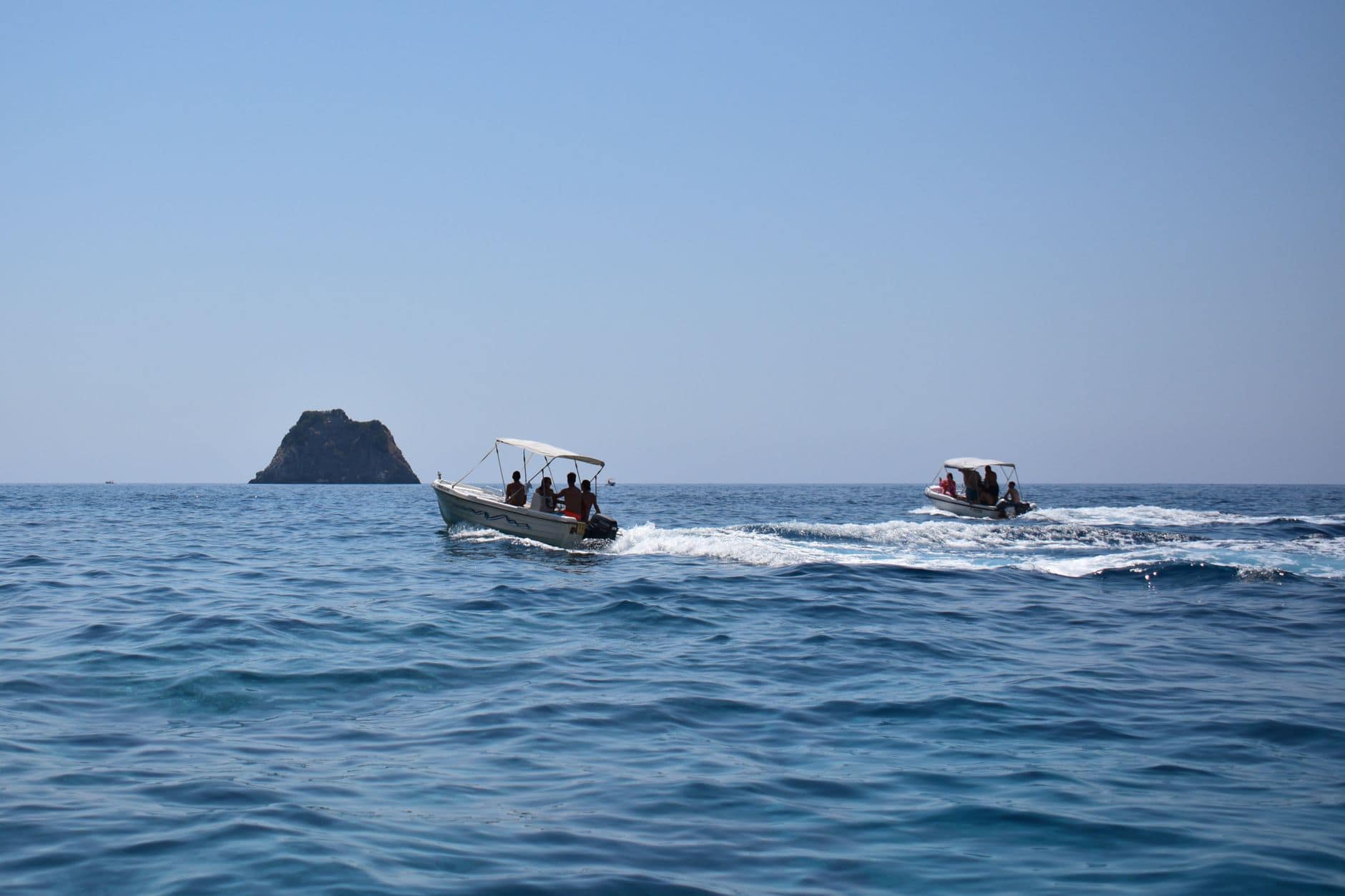
The fast-boat crossing
Roughly 30-45 minutes across open water, with chop and a wet beach landing as standard. Take a morning boat when the strait is calmest, note where the life jackets sit, and read a cancelled sailing as good judgment by the crew — never shop around for an operator that still runs.
 #6
#6
Rented scooters on island roads
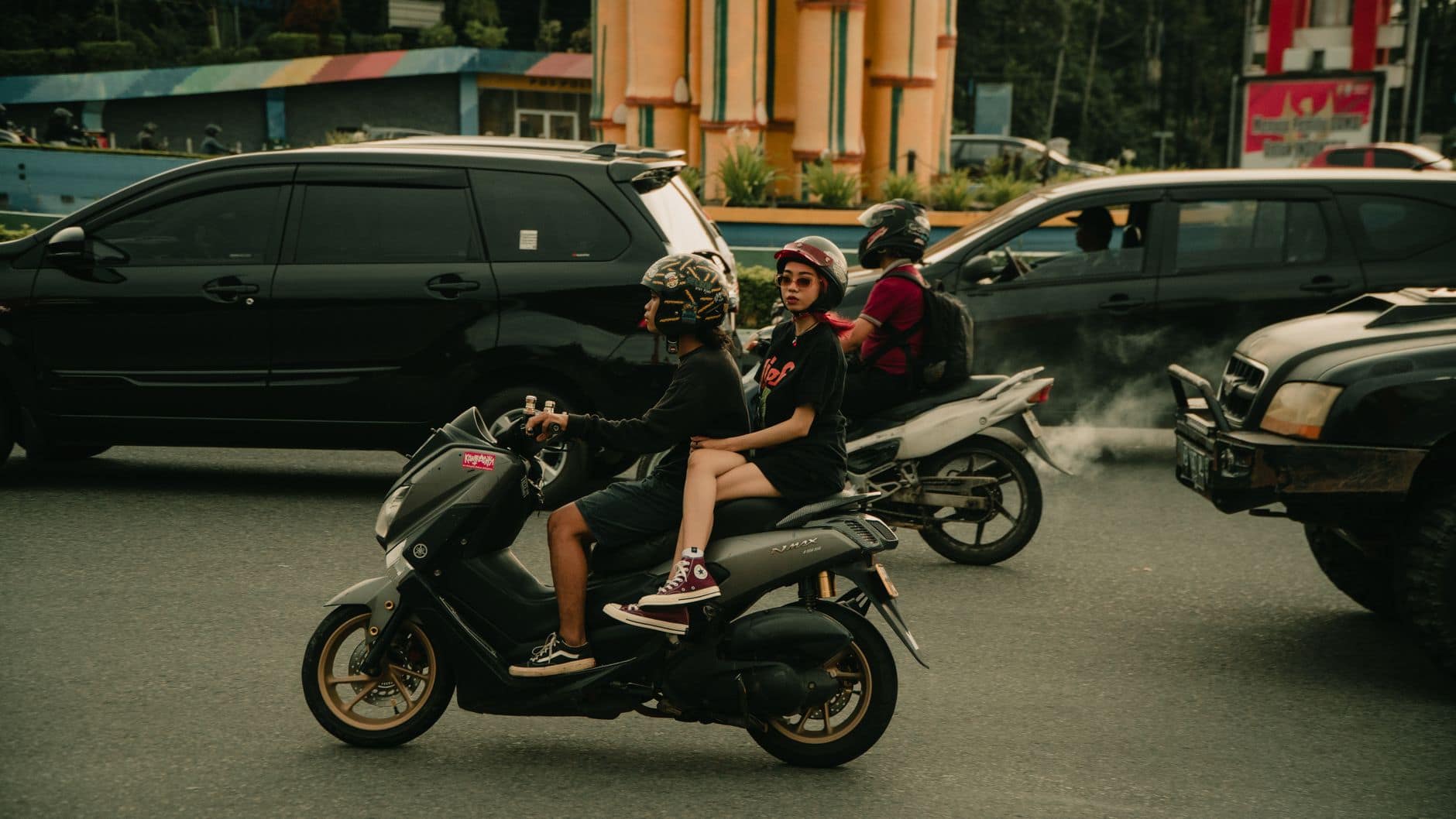
Steep single-lane concrete, blind crests, potholes and gravel corners make Penida's roads far harder than Bali's, and scooter crashes are the island's most common tourist injury. Unless you ride confidently at home and hold a licence your insurer accepts, take a car with a driver instead.
 #7
#7
Swimming outside the safe zones
Crystal Bay's inner section is a genuine morning swim; Kelingking and Diamond Beach are not — both carry heavy shore break and rip currents, and there are no lifeguards anywhere on the island. Swim where your driver or boat crew confirms conditions that day, not where a photo suggested.
Why the same accidents keep happening
Nearly every serious incident on Nusa Penida follows one of four repeatable patterns: standing past the safe line at an unfenced viewpoint for a photo, slipping on a steep descent after rain or in bad footwear, entering the water at the tide pools during swell, or crashing a rented scooter. None of these are freak events, and that is the useful part — predictable danger is avoidable danger. The island went from fishing villages to mass day-trip tourism in roughly a decade, and safety infrastructure never caught up: the drops at Kelingking, Diamond Beach and Broken Beach are raw limestone with no railings, and the lip is often undercut, so ground that looks solid two steps from the edge may not be.
The defence is procedural, not athletic. Keep two full steps between you and any edge, and never move backwards while framing a photo — backing toward a drop is how most close calls begin. Treat wet ground as a route change: after rain the viewpoints still work, the descents do not. Arrive early, before the paths heat up and the photo queues create pressure at the lip. And accept that some places are for looking only — the pool at Angel's Billabong faces open ocean, and set waves wash across the shelf without warning. If the water is moving anywhere near the rock shelf, stay off it.
What changed in 2025 and 2026
The cliff edges are still the risk that kills. On 12 September 2026 a 29-year-old visitor from Queensland died at Kelingking after leaving the path to look for her own route to the edge of the cliff, ABC reported, quoting the island's alert unit; her body was carried up the steep stairs in an operation that took an hour and a half. The lesson is the one in every section of this guide: stay on the marked path, however good the photo looks from further out.
Theft is the new item on the list. In November 2025 the Nusa Penida police chief announced five arrests in four theft cases from October and November, including a bag stolen from a tourist, and asked visitors to lock doors and windows, keep valuables out of sight and use a safe (The Bali Sun, 15 November 2025). On a day trip that comes down to one rule: nothing valuable left visible in the car or on the sand.
Two changes at Kelingking itself. The glass lift beside the stairs never opened and is now in the courts; the Kelingking glass lift guide has the timeline. And Bali Portal News reported in March 2026 that a renovation of the staircase had been completed, with stronger steps, handrails and rest points. The descent is still steep and exposed: allow about 45 minutes down and up to an hour back.
Is the boat crossing to Nusa Penida safe?
Yes — the fast-boat crossing is safe in normal daylight conditions, and it is the part of the trip people worry about most and should worry about least. Boats leave Sanur through the morning and take roughly 30-45 minutes depending on sea state. The Badung Strait is real ocean, so expect chop, spray and a firm beach landing at both ends, usually with a short wade through shin-deep water. Conditions are calmest early in the morning and roughest in afternoon wind or the wet-season swells from roughly December to March. The rules that matter:
- Take the earliest boat you can — the strait is at its calmest before the wind builds
- Note where the life jackets sit when you board — under the seats or overhead on most boats
- Dry-bag phones and cameras — spray and beach landings soak day packs regularly
- Confirm the return time twice, with the crew and with your driver — the last boats leave in the late afternoon
- Respect cancellations — when operators stand down for weather, do not shop for one that still runs
Harbors, operators and luggage logistics are covered in our guide to getting to Nusa Penida. If you would rather have tickets and timing handled for you, we arrange the crossing as a fast boat transfer from $15, matched to your hotel pickup.
Why a car with a driver beats a scooter here
A private car with a local driver removes the two risks behind most real injuries on Nusa Penida: the roads and the heat. Penida's roads are nothing like southern Bali's — steep single-lane concrete, blind crests, potholes deep enough to swallow a wheel and gravel scattered through the corners. Scooter crashes are the island's most common tourist injury, and they happen to experienced riders too, because the surface changes without warning. A driver converts the most dangerous part of the day into the safest: you cross the island in air conditioning, recover between exposed stops, and hand navigation to someone who drives these lanes every day and knows which viewpoint works at which hour.
The Nusa Penida West Tour — Kelingking, Angel's Billabong and Broken Beach with a private car and driver — starts from $49 per car, which split between two or four people undercuts almost every alternative. The Nusa Penida Full Day Tour from $75 runs a flexible route when you want more than the west coast, and the private day tour with Manta Point snorkeling from $60 adds the water with a crew that reads conditions daily. All three include early hotel pickup and the harbor transfer, booked direct on WhatsApp with no prepayment — the exact pickup time is confirmed on WhatsApp the day before. Set on going independently? Our Nusa Penida without a tour guide lays out honestly what that takes.
Clinics, insurance and who should adjust the plan
Nusa Penida has small local clinics but no full hospital, so anything beyond cuts, stings and dehydration means a boat back to mainland Bali. That single fact should shape the whole day: it is not the place to push through dizziness on a descent or attempt a swim you are half sure about. Heat is the most common problem by far — drink before each stop rather than after, wear a hat, and use car time between viewpoints as deliberate recovery. Travel insurance is not optional here, and read the motorbike clause carefully: most policies void scooter injuries unless you hold a valid motorbike licence.
Two groups should adjust rather than cancel. Families do Penida comfortably with a driver and an edited route — hands held at viewpoints, calm-morning swimming only, no tide pools and no Kelingking descent; our Nusa Penida with kids guide has the full route logic. Anyone with limited mobility, knee trouble or a heart condition should plan a viewpoint-only day and skip every descent — the famous views are from the top, and they lose almost nothing. For the island-wide picture on clinics, common scams and staying healthy, see our Bali safety, scams and health guide.
Where the 2025-2026 facts come from
- ABC News, 13 September 2026 — the fall at Kelingking on 12 September 2026, retrieved 23 September 2026
- The Bali Sun, 15 November 2025 — theft cases and police advice on Nusa Penida, retrieved 23 September 2026
- Bali Portal News, 26 March 2026 — Kelingking staircase renovation completed, retrieved 23 September 2026
- Staircase times, sea conditions and tour prices: our own guides and SB Excursions tour pages, September 2026
FAQ
Is Nusa Penida safe to visit?
Yes. Serious incidents are rare relative to the island's visitor numbers, and the risks are concentrated in known places: unfenced cliff edges, the Kelingking descent, the tide pools and rented scooters. Treat Penida as rugged terrain with no safety infrastructure rather than a resort, and a day trip is straightforward.
Why is Nusa Penida considered dangerous?
Because its most photographed places have no safety infrastructure. The cliff viewpoints are unfenced, the Kelingking path is a steep dirt track, the tide pools face open ocean, and the roads were never built for traffic. The danger is real but static — it sits in predictable places, which makes it easy to plan around.
Is it safe to walk down to Kelingking Beach?
Only in dry conditions, with proper shoes, water and daylight in hand — and even then it is a hard climb back up. There have been fatal falls and swimming accidents here, which is why most visitors should stop at the viewpoint. The beach itself has dangerous shore break; treat it as a walk, not a swim.
Is the fast boat from Sanur to Nusa Penida safe?
Yes, in normal daylight conditions. The crossing takes roughly 30-45 minutes and thousands of people make it daily in high season. Choose a morning departure when the Badung Strait is calmest, note where the life jackets are, and treat a cancelled sailing as a decision made for you, not a problem to solve.
Is it safe to rent a scooter on Nusa Penida?
Not for most visitors. Penida's roads are steeper, narrower and more broken than Bali's, and scooter crashes are the most common tourist injury on the island. Ride only if you are experienced and hold a motorbike licence your insurance accepts. Otherwise a private car with a driver, from $49 per car, removes the risk entirely.
Can you swim at Nusa Penida?
Only in the right places. Crystal Bay's inner section is calm on most mornings, and guided snorkeling stops are chosen for that day's conditions. Kelingking and Diamond Beach carry powerful shore break and rip currents with no lifeguards, and the Angel's Billabong pool is dangerous in any swell. Swim where locals confirm it, not where photos suggest.
Is Nusa Penida safe for families with kids?
Yes, with a car and driver and an edited route: viewpoints with hands held, calm-morning swimming at Crystal Bay only, no Kelingking descent and no tide pools. The crossing is manageable for children in the morning. Penida rewards a slower two-or-three-stop family day far more than a checklist sprint.
Do I need travel insurance for Nusa Penida?
Yes. The island has small clinics but no full hospital, so anything serious means an evacuation boat back to mainland Bali. Check two clauses before you travel: medical evacuation cover, and the motorbike exclusion — most policies void scooter injuries unless you hold a valid motorbike licence.
Recommended Bali tours for this guide
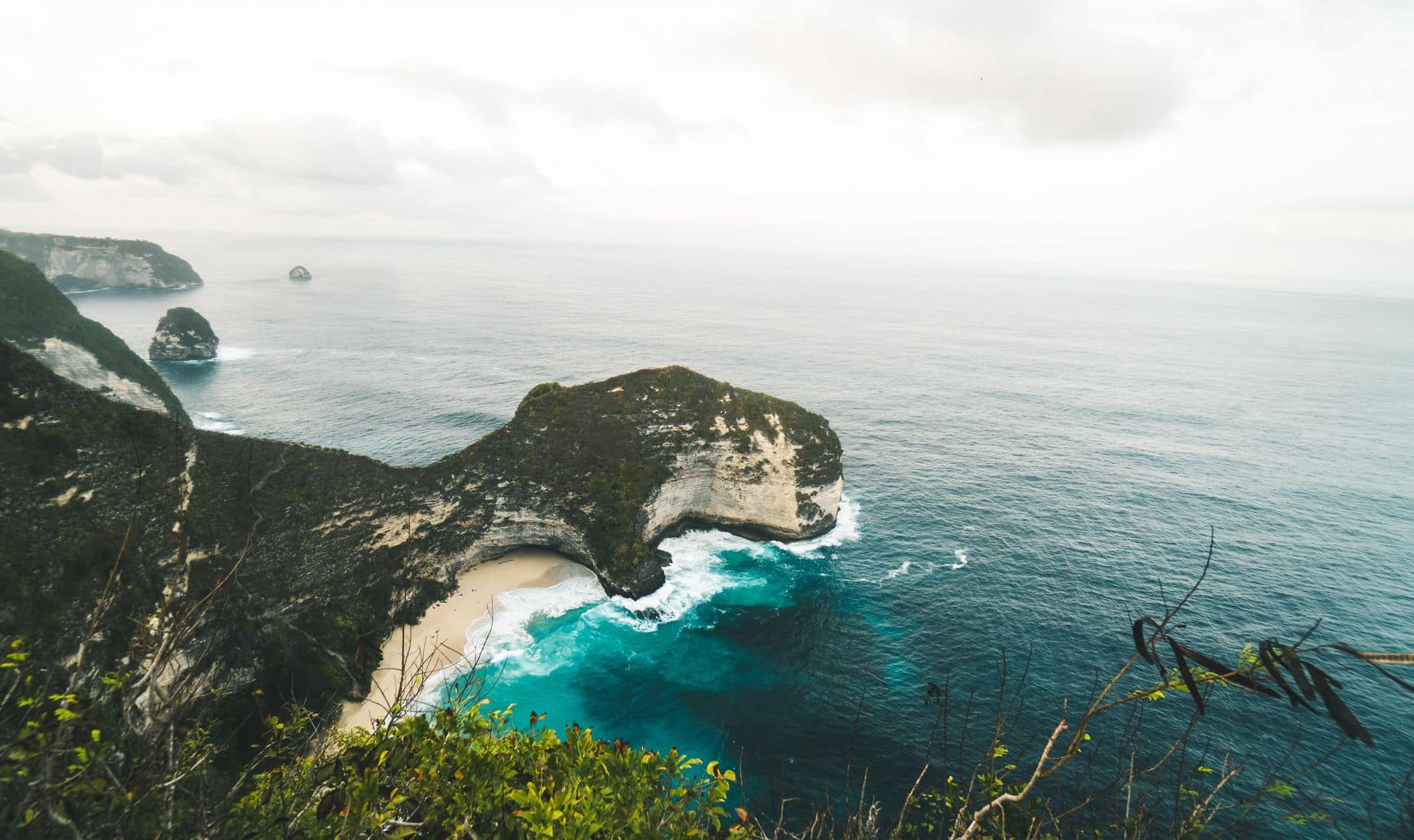
Nusa Penida West Tour
If your priority is bold scenery over snorkeling, the west route is the cleanest and most iconic Penida choice: one car, one driver and the island's four most photographed stops in a single day. It is especially strong for couples and first-time visitors who want the headline views with transport handled professionally.
- Duration
- Full day
- Area
- West Nusa Penida
- Format
- Island day tour
- Best for
- Cliff viewpoints and first-time Penida sightseeing
From $49 per car No prepayment
View tour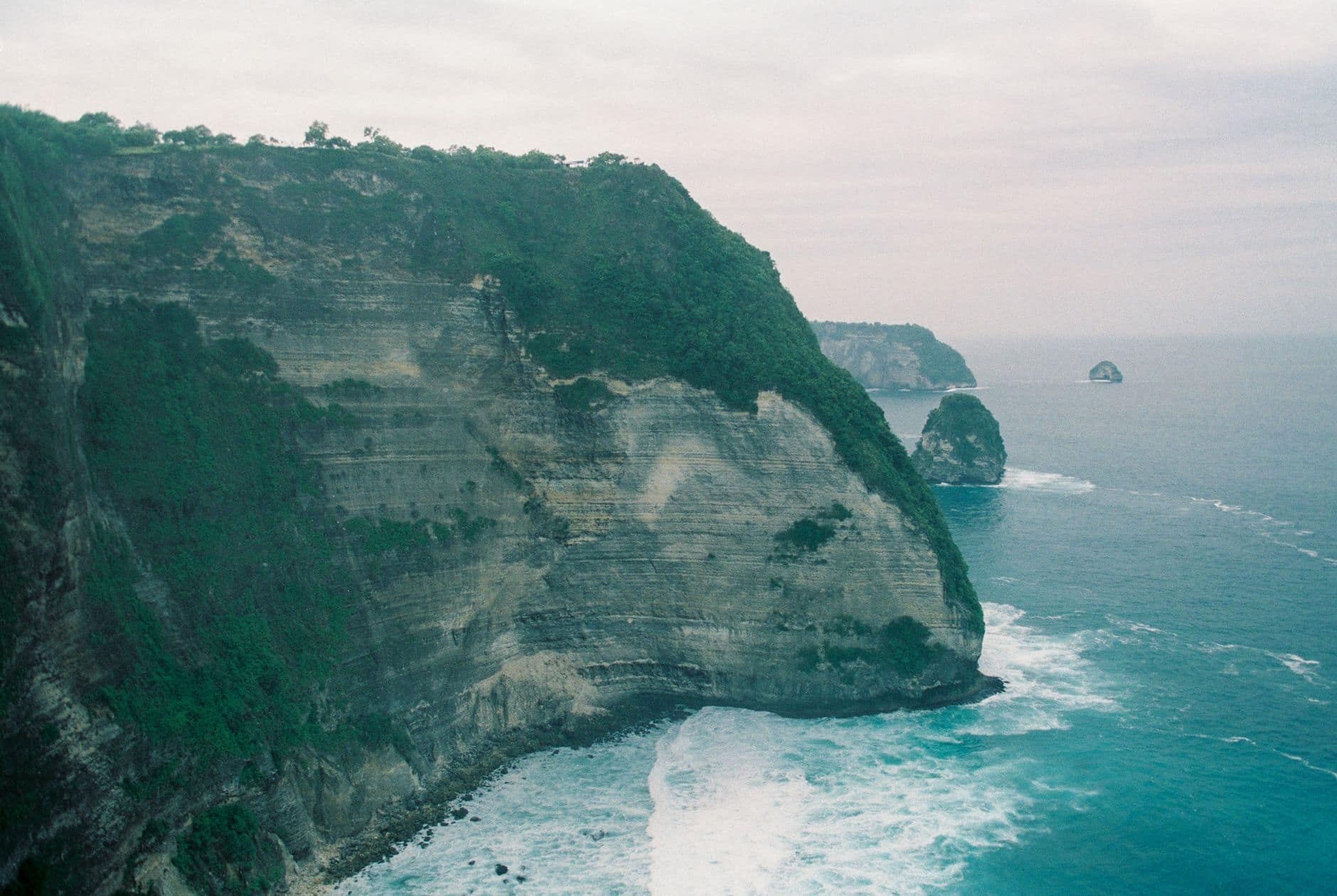
Nusa Penida Full Day Tour
This tour is the practical middle ground between the fully fixed scenic routes and the sea-plus-land combo packages. It works well for travelers who want Penida's name-value but also want room to adapt around conditions, pace, or group energy.
- Duration
- Full day
- Area
- Nusa Penida
- Format
- Island day tour
- Best for
- Guests wanting a flexible Penida route
From $75 No prepayment
View tour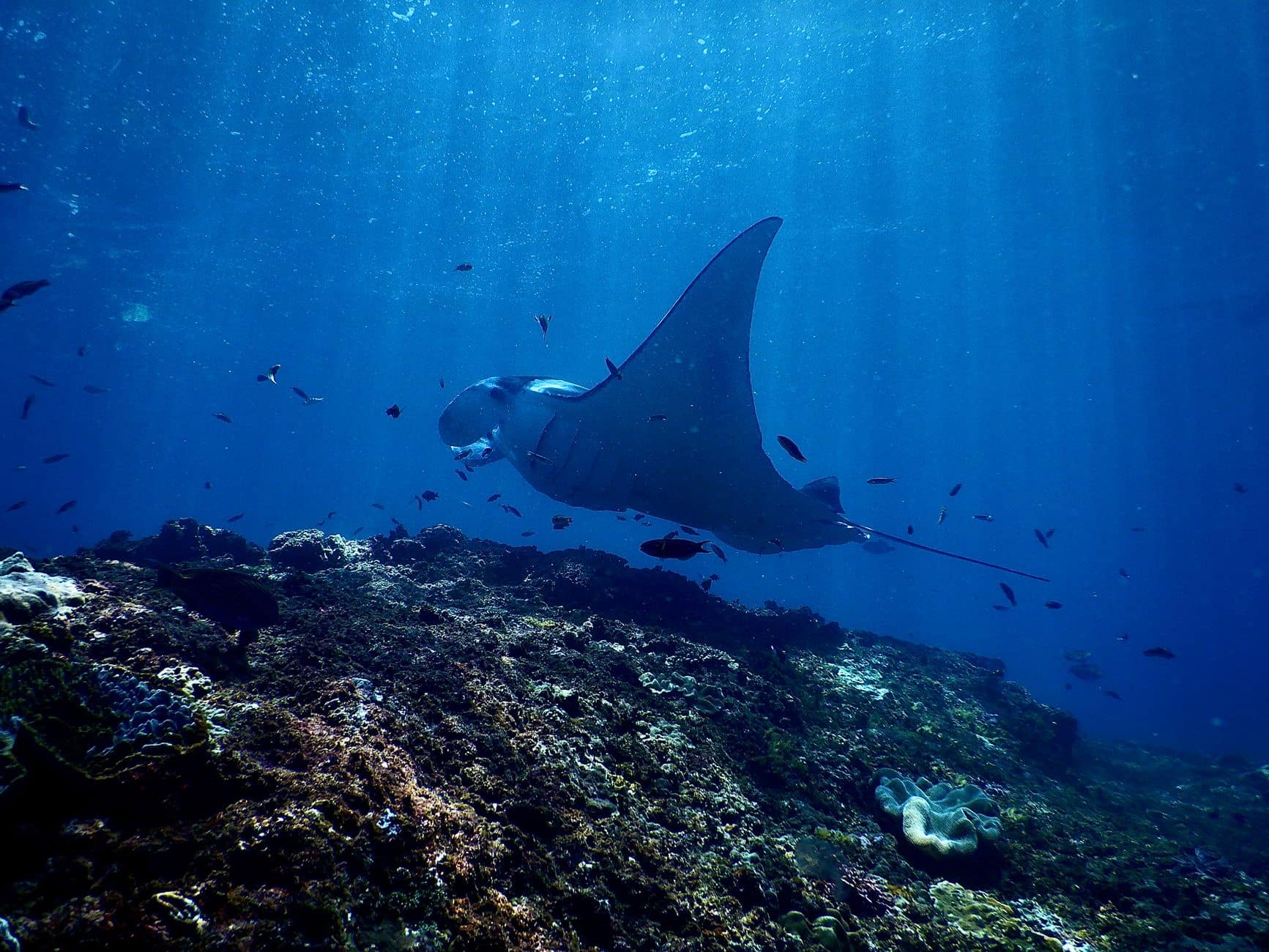
Nusa Penida Private car Day Tour+Snorkeling Manta Point
This is the highest-value option for many first-time Nusa Penida visitors because it avoids choosing between island sightseeing and the signature snorkeling experience. The private land transport keeps the second half of the day efficient and much more comfortable.
- Duration
- Full day
- Area
- Nusa Penida
- Format
- Private island combo tour
- Best for
- Travelers wanting sea and sightseeing in one day
From $60 No prepayment
View tour