

Yes, Bali is safe for most visitors, with four specific caveats. As of August 2026 Australia and the UK both rate Indonesia at "exercise a high degree of caution", with no advisory against travelling to Bali, and violent crime against tourists stays rare. What actually ends trips early is mundane: scooter crashes, rip currents on the west-coast surf beaches, methanol in cheap spirits, and rabies from dog or monkey bites. Three habits cover most of it — wear a helmet and carry a licence with a motorcycle class, or skip two wheels entirely (2026 prices: a private car with driver from $59 per car, an airport transfer from $15); swim only between the red-and-yellow flags; drink only sealed, branded bottles. Save 112 before you land, and note that international-standard hospitals sit in Denpasar and Kuta, 30-60 min from most south Bali hotels, traffic depending.
By Alex Moskvin, Founder of SB Excursions · Published 21 May 2026 · Updated 23 October 2026
Tour on this route: Private Car with Driver in Bali — From $59 per car, flexible daily use.
Is Bali safe for tourists?
Generally yes. Violent crime against visitors is rare, and Australia and the UK both advise a high degree of caution without advising against travel. The real risks are scooter crashes, rip currents, stomach illness, bag snatching and methanol in cheap spirits — all largely avoidable.
This guide also answers:
- Do I need travel insurance for Bali?
- Is it safe to drink alcohol in Bali?
- What should I do if a monkey or dog bites me in Bali?
Top picks from this guide
 #1
#1
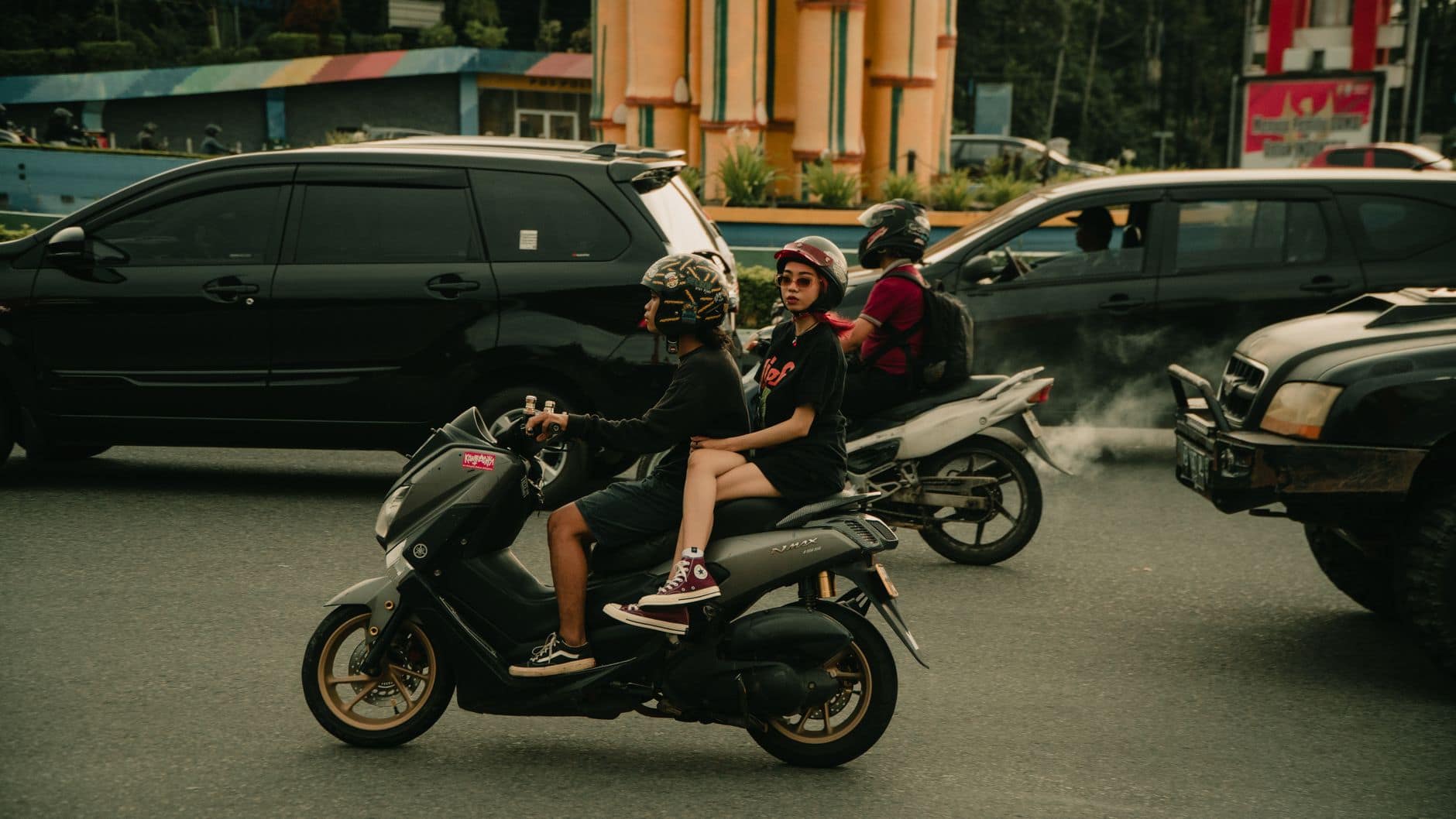
Scooter crashes
142 crashes involving foreign tourists in 2024, up about 35% year on year, causing 21 deaths. Most travel insurance voids motorcycle claims without the correct licence.
 #2
#2
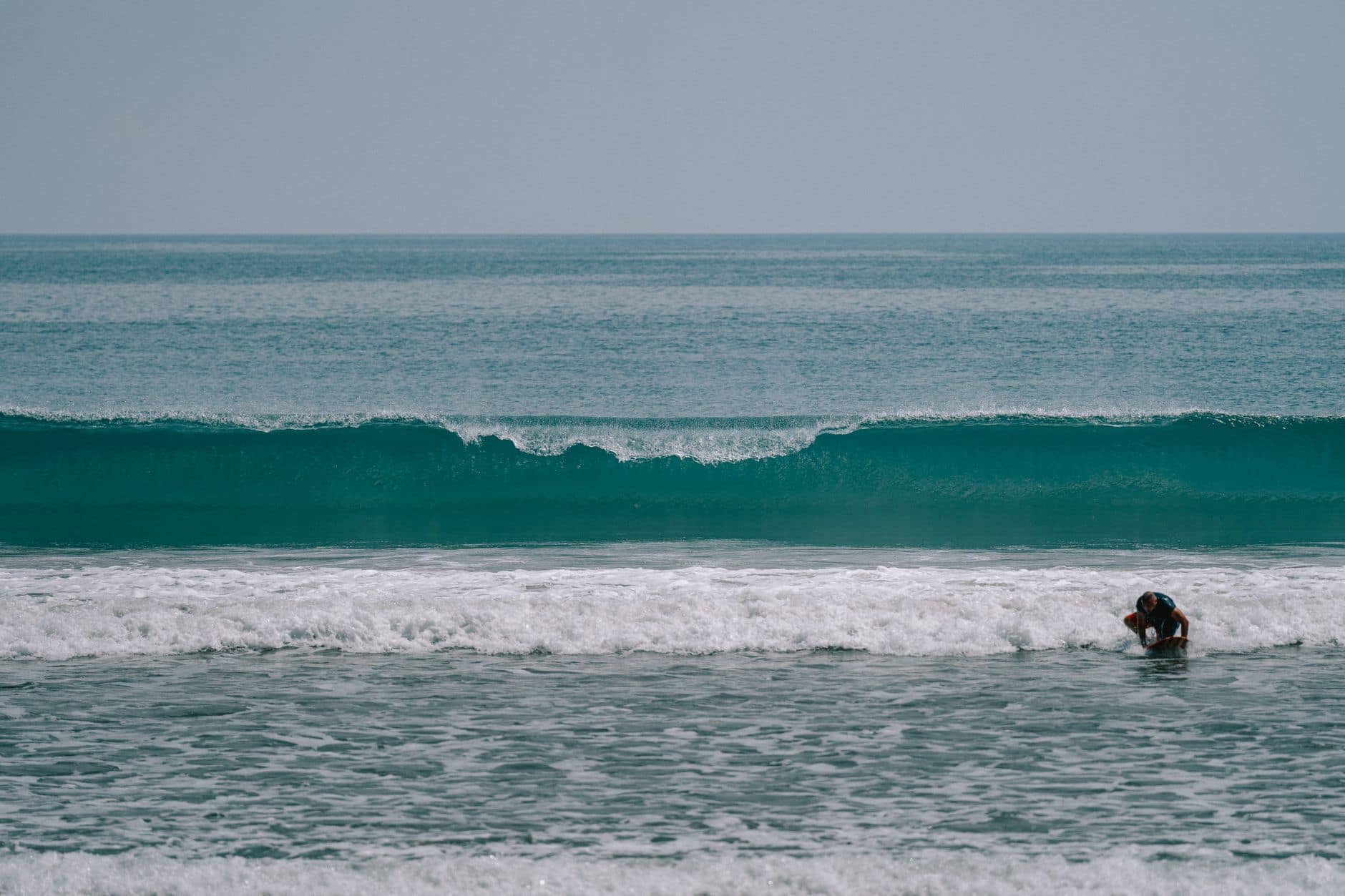
Rip currents
Research at Kuta found rip currents present about 83% of the time. Swim between the red-and-yellow flags; red flags mean no swimming.
 #3
#3
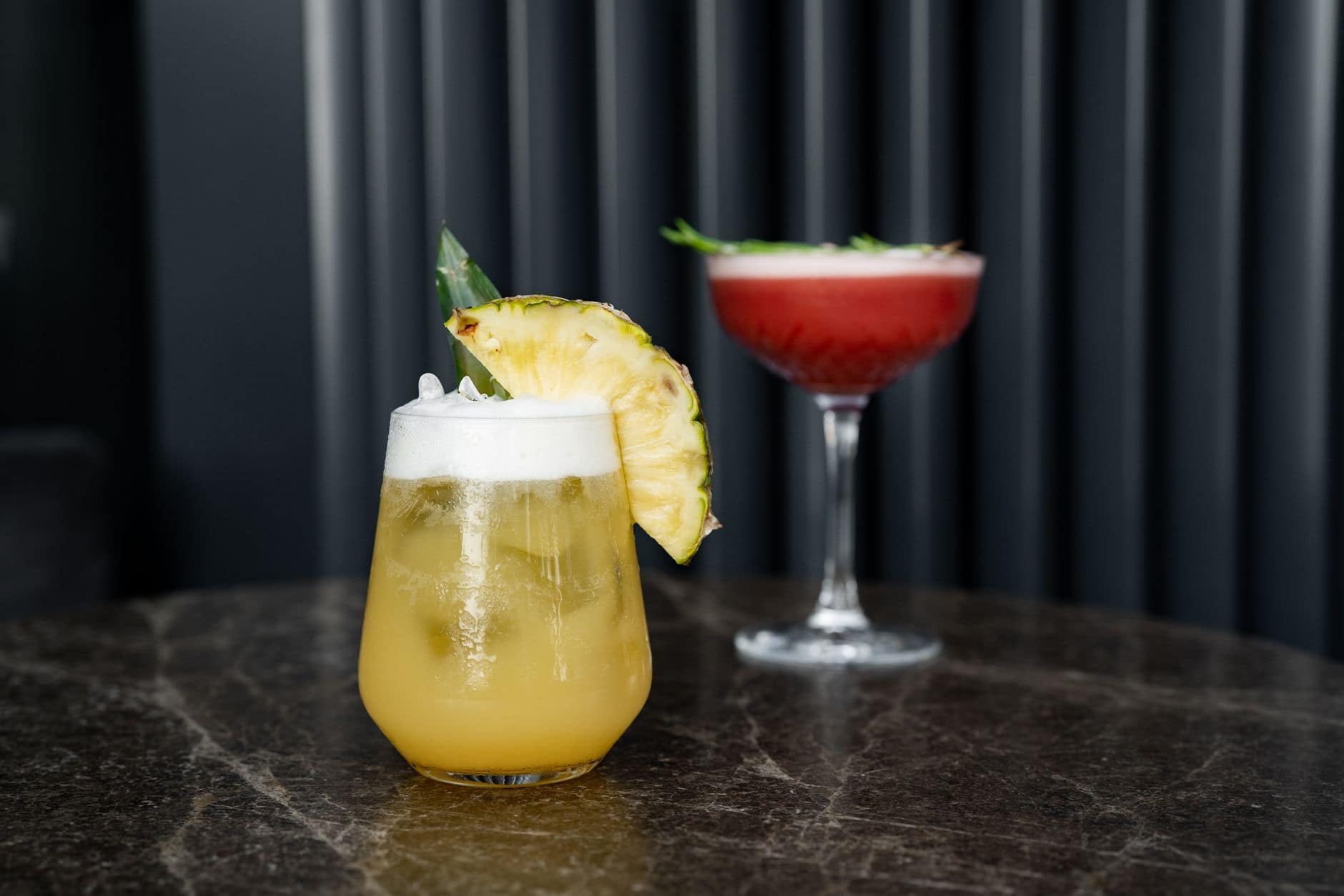
Methanol in cheap spirits
As little as 10 ml can blind and around 30 ml can kill, with symptoms often delayed 12–24 hours. Bootleg arak and refilled brand-name bottles are the usual source.
 #4
#4
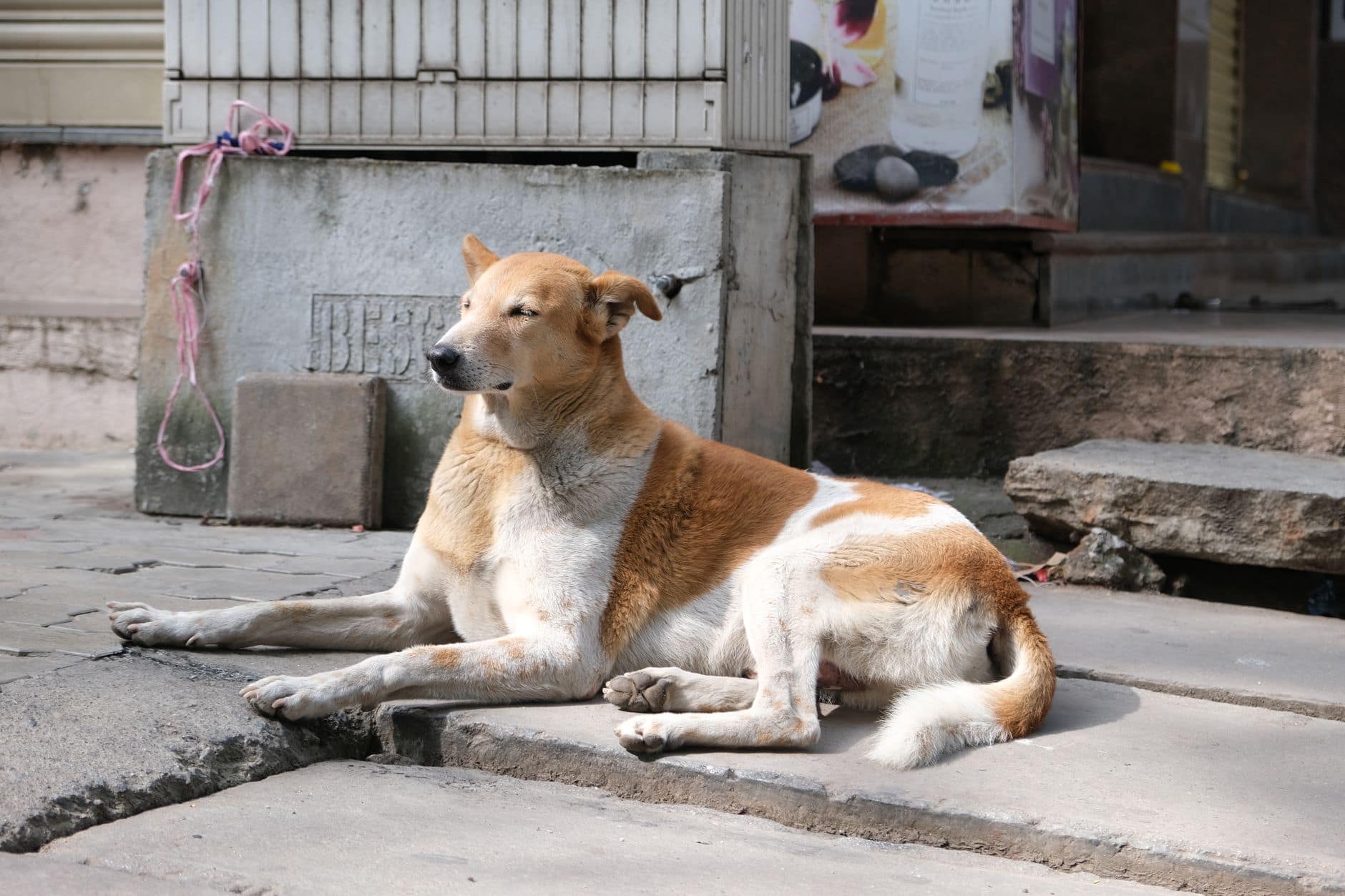
Rabies
Roughly 30,000 suspected rabid-animal bites between January and May 2026. Wash any bite for 15 minutes and get treatment the same day — rabies is fatal once symptomatic.
 #5
#5
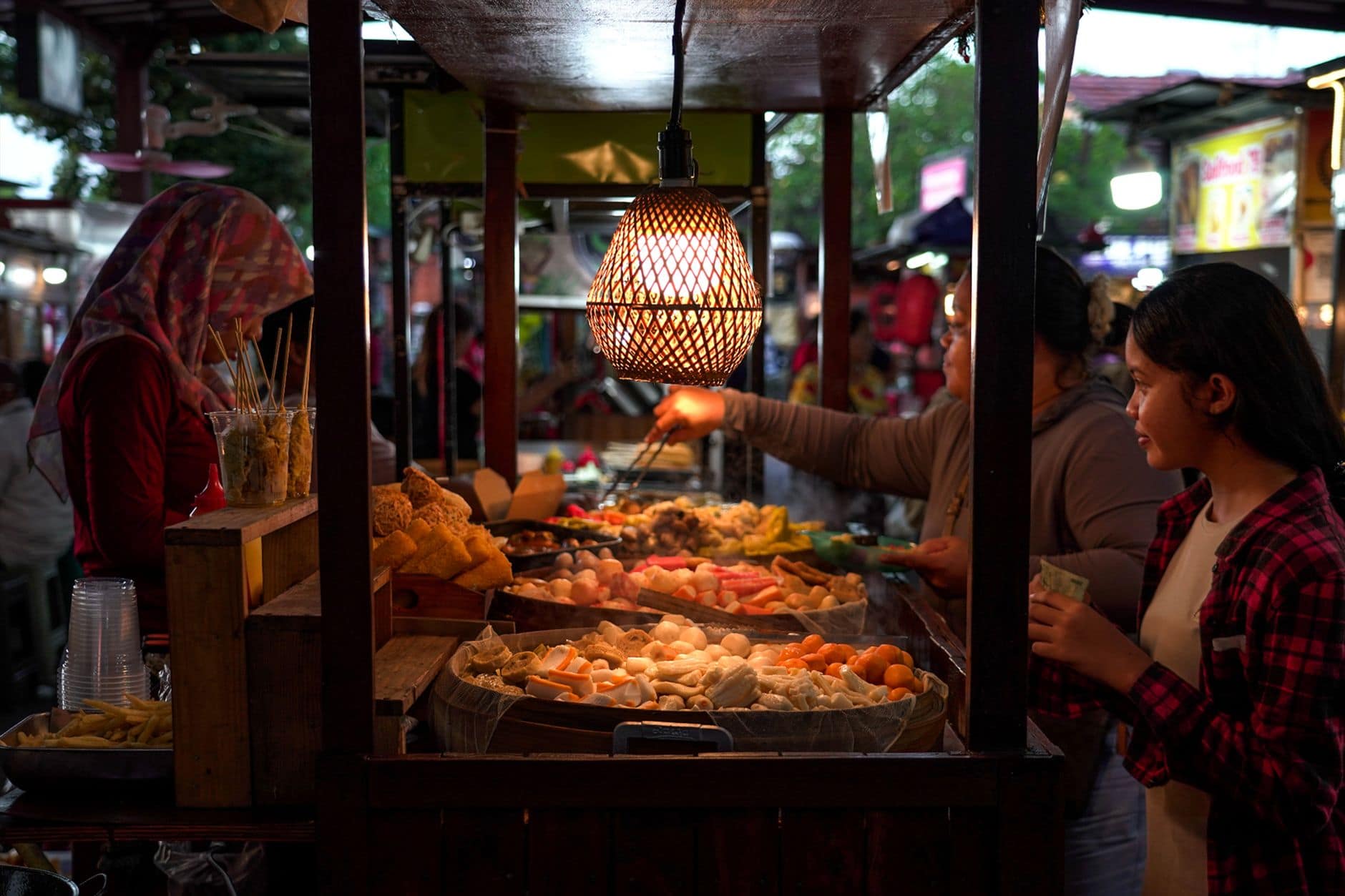
Bag snatching from scooters
Riders trail pedestrians and grab bags and phones. Worst after dark near bar strips. Victims are often dragged — carry bags on the shoulder away from the road.
 #6
#6
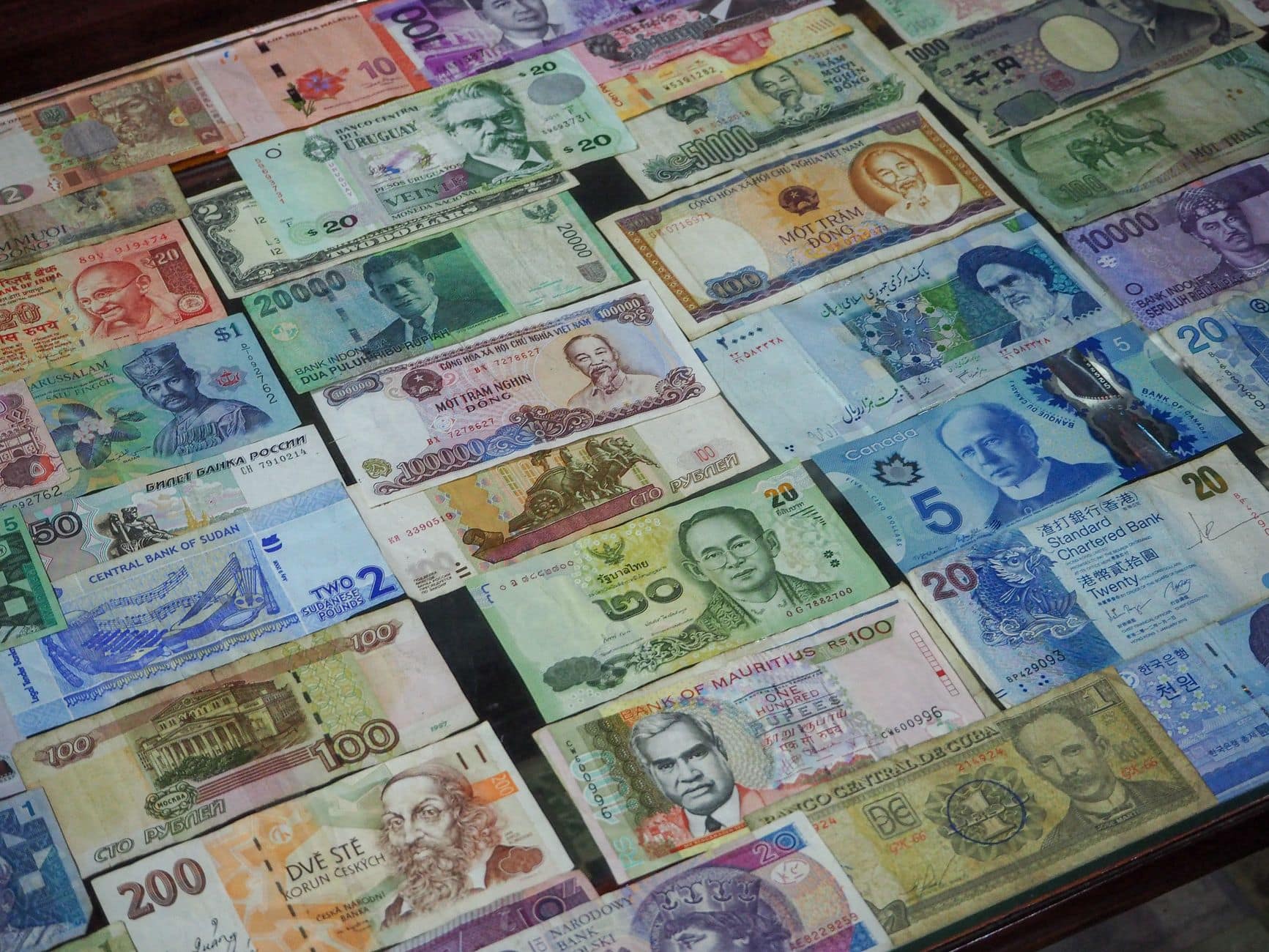
Money changer sleight of hand
Notes removed mid-fold while the cashier distracts you. Use licensed changers or banks, and count the money yourself before handing over your own.
Bali risks at a glance: how common, how to avoid, what to do
The realistic risk list for a Bali trip is short, and every item on it has a known prevention and a known first response. Read each row prevention first, response second:
| Risk | How common | How to avoid it | If it happens |
|---|---|---|---|
| Scooter crash | Most common tourist injury | Helmet, licence with motorcycle class, no night or rain rides | Photograph the scene, private clinic same day, call your insurer |
| Rip current | Leading cause of beach drownings | Swim between red-and-yellow flags; west-coast surf beaches are the risky ones | Do not fight it: float, swim parallel to shore, raise one arm |
| Methanol in spirits | Rare, but can be fatal | Sealed branded bottles only; skip free-pour arak cocktails | Blurred vision or vomiting 6-24 h after drinking: hospital immediately |
| Dog or monkey bite (rabies) | Ongoing island-wide risk | Do not feed or touch monkeys; keep food and bags closed at temples | Wash the wound 15 min with soap, then post-exposure vaccine the same day |
| Money-changer scam | Common in Kuta, Legian, Seminyak | Authorised counters inside banks and hotels; refuse booths with rates far above the norm | Count the notes yourself before handing anything over; walk away if rushed |
| Bag snatch or pickpocketing | Occasional, often from a passing scooter | Bag on the shoulder away from the road; no phone in hand while walking | Report at the nearest police station: no report, no insurance claim |
| Stomach illness (Bali belly) | Affects many visitors in week 1 | Bottled water, no street-cart ice, hot freshly cooked food | Oral rehydration salts; see a doctor past 48 h, or with fever or blood |
| ATM card skimming | Occasional at standalone street ATMs | Use machines inside banks or malls; cover the keypad | Freeze the card in your banking app, then report the transactions |
Frequency labels are relative, not official statistics; check your own government's travel advisory before departure, since ratings and local conditions change.
🛵 Scooters: the risk people underestimate
This is where tourists actually get hurt. Legally you need an International Driving Permit with a motorcycle (A) endorsement, backed by a motorcycle licence at home — a car-only IDP is not valid. Roadside licence and helmet checks have increased since 2025.
The insurance consequence is the expensive part. Most policies void motorcycle claims if you lacked the correct licence, were not wearing a helmet, or had any alcohol in your system. Repatriating an injured rider commonly runs into tens of thousands of dollars, which is why crowdfunding appeals for injured travelers are so common.
Bali-specific hazards worth knowing: unlit potholes and open roadside drains, sand on corners near beaches, painted road markings that turn slick in a downpour, dogs on the road, and unpredictable right of way. Night riding and riding after drinking are heavily over-represented in fatalities.
If any of that gives you pause, hiring a private driver costs about $40–55 for a full day including fuel — cheap relative to the risk, and it removes navigation and parking from your holiday entirely.
🎭 The scams you will actually meet
- Money changers — notes palmed mid-count. Use licensed offices or banks; count after they finish, before handing over your currency
- Fake or rogue police — an invented violation and an on-the-spot "settlement". Ask for the official ticket (surat tilang) and say you will pay at the station
- Scooter damage claims — a pre-existing scuff becomes your bill. Film a slow 360° video with the odometer in front of the agent before riding off
- ATM skimming — use machines inside bank branches, not standalone ones outside minimarts
- Temple "donations" — real temples have posted fixed fees and printed tickets. Decline unsolicited "guides" at the gate
- Bracelet sellers — an item tied onto you then payment demanded. Do not accept anything placed on you
- Fake Bluebird taxis — copycats in near-identical blue. Book through the MyBluebird app, or use Grab or Gojek for upfront pricing
🍹 Methanol — the one drink risk that kills
Methanol poisoning from bootleg alcohol is the one drink risk in Bali that kills, and both Australia's Smartraveller and the UK FCDO carry standing methanol warnings for Indonesia. Methanol has no taste or smell. Around 10 ml can cause blindness and about 30 ml — less than a shot — can kill. Symptoms are typically delayed 12 to 24 hours: vision disturbance often described as a snowstorm, severe headache, abdominal pain, breathlessness.
Delayed presentation is what kills people. Anyone who suspects methanol after drinking arak or cheap cocktails in Bali should go straight to hospital rather than sleeping it off.
The source is bootleg arak and counterfeit brand-name spirits — real bottles refilled and resold, sometimes to licensed venues. Highest risk: free welcome shots, arak cocktails, unbranded spirits, bottomless-brunch deals, mixed jugs and cheap cocktails at beach shacks. Sealed beer, or canned and bottled drinks opened in front of you, are the safest choice.
🐕 Rabies and other health risks
Bali is rabies-endemic and this is a live risk, not a theoretical one. Around 30,000 people were bitten by suspected rabid animals between January and May 2026. Dogs cause the overwhelming majority of human deaths, but monkeys — including at the Ubud Monkey Forest and Uluwatu — and cats also transmit it.
If you are bitten, scratched, or licked on broken skin: wash the wound with soap under running water for a full 15 minutes, apply iodine or alcohol, and get to a hospital the same day for post-exposure treatment. Unvaccinated travelers need immunoglobulin as well as the vaccine series, and immunoglobulin is scarce in Bali. Pre-travel rabies vaccination removes that problem and is worth discussing with a travel clinic if you plan to ride scooters or visit monkey forests.
Dengue is present and peaks in the wet season, roughly January to April. Bali recorded 10,391 cases in 2025, down from 15,570 in 2024. The mosquito bites in daylight, so daytime repellent matters. Bali belly is ordinary traveler's diarrhoea — rehydration salts are the priority, and you should see a doctor for fever, blood, or symptoms past 48 hours.
- Recommended vaccinations usually include hepatitis A and typhoid for most travelers
- Rabies and Japanese encephalitis for at-risk or longer stays — see a travel clinic 4–6 weeks ahead
- Malaria risk in Bali itself is negligible; prophylaxis is generally not recommended
🌊 Water safety and where not to swim
Rip currents are the leading environmental killer of tourists in Bali. Swim between the red-and-yellow flags at lifeguarded beaches — Kuta, Legian, Seminyak, Jimbaran, Nusa Dua, Sanur, Double Six and Batu Bolong. Red flags mean no swimming, and they are ignored to fatal effect every year.
Nusa Penida has recorded at least 14 tourist drownings since 2023 and most of its beaches have no professional rescue cover. Angel's Billabong has killed at least four people — rogue waves sweep the overhang and drag people out. It is a photo spot, not a swimming pool. Kelingking has an official no-swimming rule that is widely ignored.
If you are caught in a rip: do not fight it. Swim parallel to the shore, or float and signal.
🏥 Medical care and why insurance is not optional
Bali has genuinely good international-standard facilities in the south — BIMC in Nusa Dua and Kuta, and Siloam in Denpasar — with 24-hour emergency departments and English-speaking staff. Quality drops sharply outside the south.
The costs are the issue. An emergency visit with IV fluids typically runs $200–500, and hospitals require payment or a guarantee upfront. An air ambulance from Bali to Singapore costs $55,000–100,000, and uninsured patients must fund evacuation in full before it is arranged.
Carry a policy with at least $250,000 of medical and evacuation cover. Check explicitly that it covers motorcycle riding under the licence conditions above, plus surfing or diving if you plan them, and confirm your insurer is on the direct-billing list at BIMC or Siloam.
📞 Emergency numbers
- 112 — universal emergency, works from any mobile
- 110 — police · 113 — fire
- 118 / 119 — ambulance and medical emergency
- 115 — Search and Rescue (Basarnas), for water and marine incidents
- Bali Tourist Police, Kuta: +62 361 300 7777
- Tourist Assistance Centre: +62 361 224111
- Add +62 before any number if you are using a foreign SIM
⚖️ Legal risks worth taking seriously
Drug laws are among the most severe anywhere. Zero tolerance applies fully to foreigners and consulates have essentially no leverage. Penalties run from years of imprisonment and very large fines to life sentences or the death penalty for trafficking quantities. Cannabis is illegal in all forms, including CBD oil and prescribed medical cannabis. Never carry anything for anyone.
Bali also introduced formal tourist conduct rules in 2025 covering temple etiquette, dress, licensed guides and accommodation, traffic law and the tourist levy. Penalties range from fines to deportation and blacklisting, and deportations have been publicised repeatedly. Working on a tourist visa — including paid remote work and content creation — is being enforced far more aggressively.
At temples: sarong and sash are required, do not climb sacred structures, do not stand in front of people praying, and do not touch the offerings on the ground. Nude or lewd photos at sacred sites are treated as a serious offence and have led to deportations.
👩 Solo female travelers
Bali is generally one of Asia's more comfortable destinations for solo women, with low street harassment and rare violent crime. Both the UK and Australian advisories do, however, flag sexual assault reports in Bali, Lombok and the Gilis, frequently linked to drink spiking and to unregistered taxis or scooter taxis hailed off the street.
The practical measures are straightforward: book transport through Grab or Gojek rather than street taxis at night, keep to the drink rules above, choose accommodation with 24-hour reception over remote villas when travelling alone, share your live location, and avoid unlit stretches in Canggu and Kuta after dark — which are also the bag-snatching hours.
📚 Official sources
This guide follows the two government advisories that most Bali travelers are covered by, and both are worth a read before the flight: Australia's Smartraveller advice for Indonesia and the UK FCDO travel advice for Indonesia. Both pages carry the current alert level, the methanol warning, and entry rules, and both are updated whenever the situation changes.
FAQ
Is Bali safe for tourists?
Generally yes. Violent crime against visitors is rare, and Australia and the UK both advise a high degree of caution without advising against travel. The real risks are scooter crashes, rip currents, stomach illness, bag snatching and methanol in cheap spirits — all largely avoidable.
What are the most common scams in Bali?
Money changer sleight of hand, scooter rental damage claims, fake or rogue police demanding on-the-spot settlements, fake Bluebird taxis, unsolicited temple guides and compulsory-sounding donations, and bracelet sellers who tie an item on you then demand payment.
Do I need travel insurance for Bali?
Yes, and with at least $250,000 of medical and evacuation cover. Hospitals require payment upfront, an emergency visit runs $200–500, and an air ambulance to Singapore costs $55,000–100,000. Check the policy explicitly covers motorcycle riding if you intend to use a scooter.
Is it safe to drink alcohol in Bali?
Stick to sealed beer or canned and bottled drinks opened in front of you. Bootleg arak and refilled counterfeit spirit bottles have caused methanol poisoning — around 10 ml can blind and 30 ml can kill, with symptoms delayed 12 to 24 hours. Avoid free shots, unbranded spirits and very cheap cocktails.
What should I do if a monkey or dog bites me in Bali?
Wash the wound with soap under running water for a full 15 minutes, apply iodine or alcohol, and get to a hospital the same day for post-exposure treatment. Bali is rabies-endemic and rabies is fatal once symptoms appear, so this is not something to postpone.
Which beaches in Bali are dangerous for swimming?
Unpatrolled Bukit beaches such as Nyang-Nyang, Uluwatu, Bingin and Balangan, and most of Nusa Penida. Angel's Billabong has killed at least four people and swimming there is banned, and Kelingking Beach also has a no-swimming rule. Stick to lifeguarded beaches and swim between the red-and-yellow flags.
Recommended Bali tours for this guide
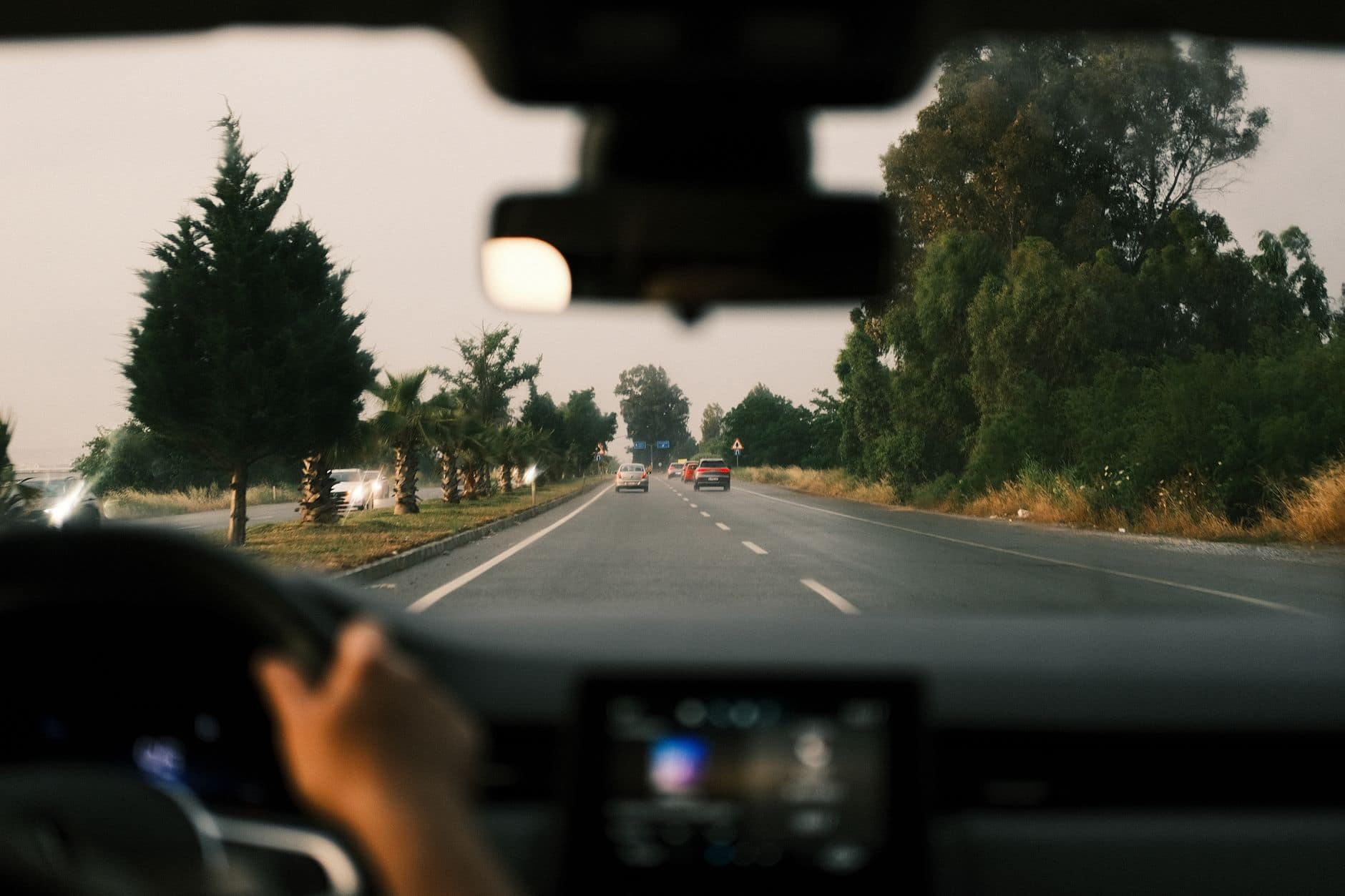
Private Car with Driver in Bali
This is one of the most useful products in Bali because so many plans become easier once transport is flexible. It is perfect for custom sightseeing, shopping days, family pacing, and travelers who already know roughly where they want to go.
- Duration
- Flexible daily use
- Area
- All major Bali regions
- Format
- Private transport service
- Best for
- Travelers who want total route flexibility
From $59 per car No prepayment
View tour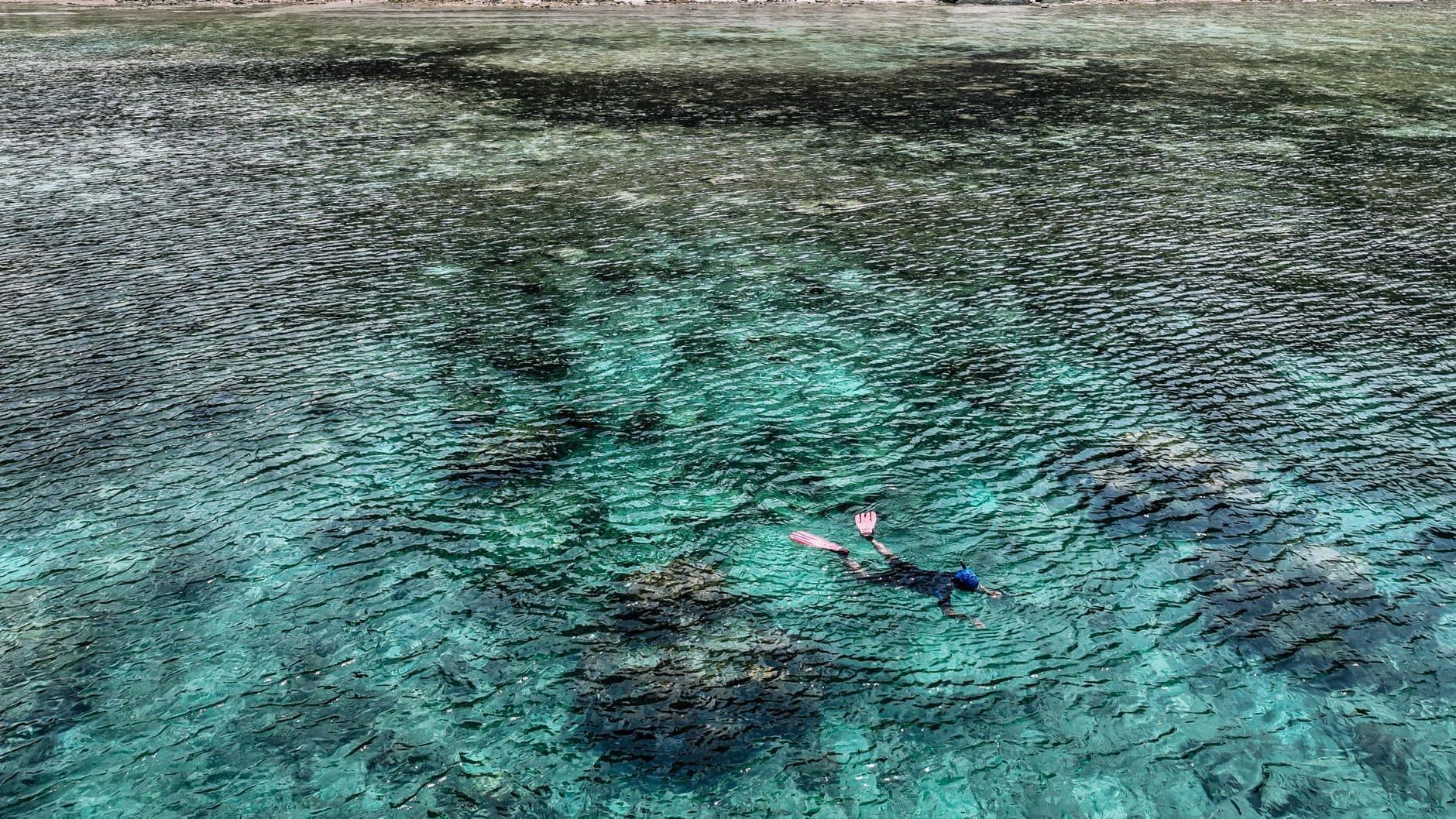
Blue Lagoon Snorkeling, Padang Bai
This is one of the easiest snorkeling products to recommend for beginners and casual sea-day travelers. It gives you underwater visibility, reef-life value, and a cleaner half-day or lighter full-day structure than more demanding offshore routes.
- Duration
- 2 hours on the water
- Area
- Padang Bai and Blue Lagoon
- Format
- Snorkeling trip
- Best for
- Beginners, couples, and mixed groups
From $19 No prepayment
View tour
Bali Airport Transfer
Airport transfers are not glamorous, but they have an outsized impact on how the trip starts. A clean pickup, clear driver coordination, and direct route to the hotel make a huge difference after a long flight.
- Duration
- Depends on hotel area
- Area
- Ngurah Rai Airport and Bali hotel areas
- Format
- Private transfer service
- Best for
- New arrivals and stress-free departures
From $15 per car No prepayment
View tour