

The black lava fields of Mount Batur are solidified lava flows left by the volcano's past eruptions — the major ones in 1917 and 1926, and the most recent in 2000. They spread across the caldera floor in the Kintamani highlands of northeast Bali, and the black sand and rock set against the green caldera walls is the visual signature of the trip. The easiest way to stand on them is the private sunrise jeep tour from $45: a 4x4 drives a separate track to a crater-rim viewpoint for sunrise between 06:00 and 06:30, then crosses the old flows, where you can step out and walk on them. Hikers on the sunrise hike from $35 get the 1,717 m summit instead — the trail does not cross the main fields. This guide covers what the fields are, every way to see them, and what each option costs — with no prepayment on any of our private tours.
By Alex Moskvin, Founder of SB Excursions · Published 21 May 2026 · Updated 23 October 2026
Tour on this route: Mount Batur Sunrise Jeep Tour — From $45, 6-8 hours.
What are the black lava fields at Mount Batur?
They are solidified lava flows left on the caldera floor by past eruptions of Mount Batur — the major ones in 1917 and 1926 and the most recent in 2000. The black sand and rock sit in sharp contrast to the green caldera walls, and the area has been part of a UNESCO Global Geopark, Indonesia's first, since 2012.
This guide also answers:
- Can you walk on the Mount Batur lava fields?
- Does the Mount Batur sunrise hike go through the lava fields?
- How much does it cost to see the Mount Batur black lava?
Top picks from this guide
 #1
#1
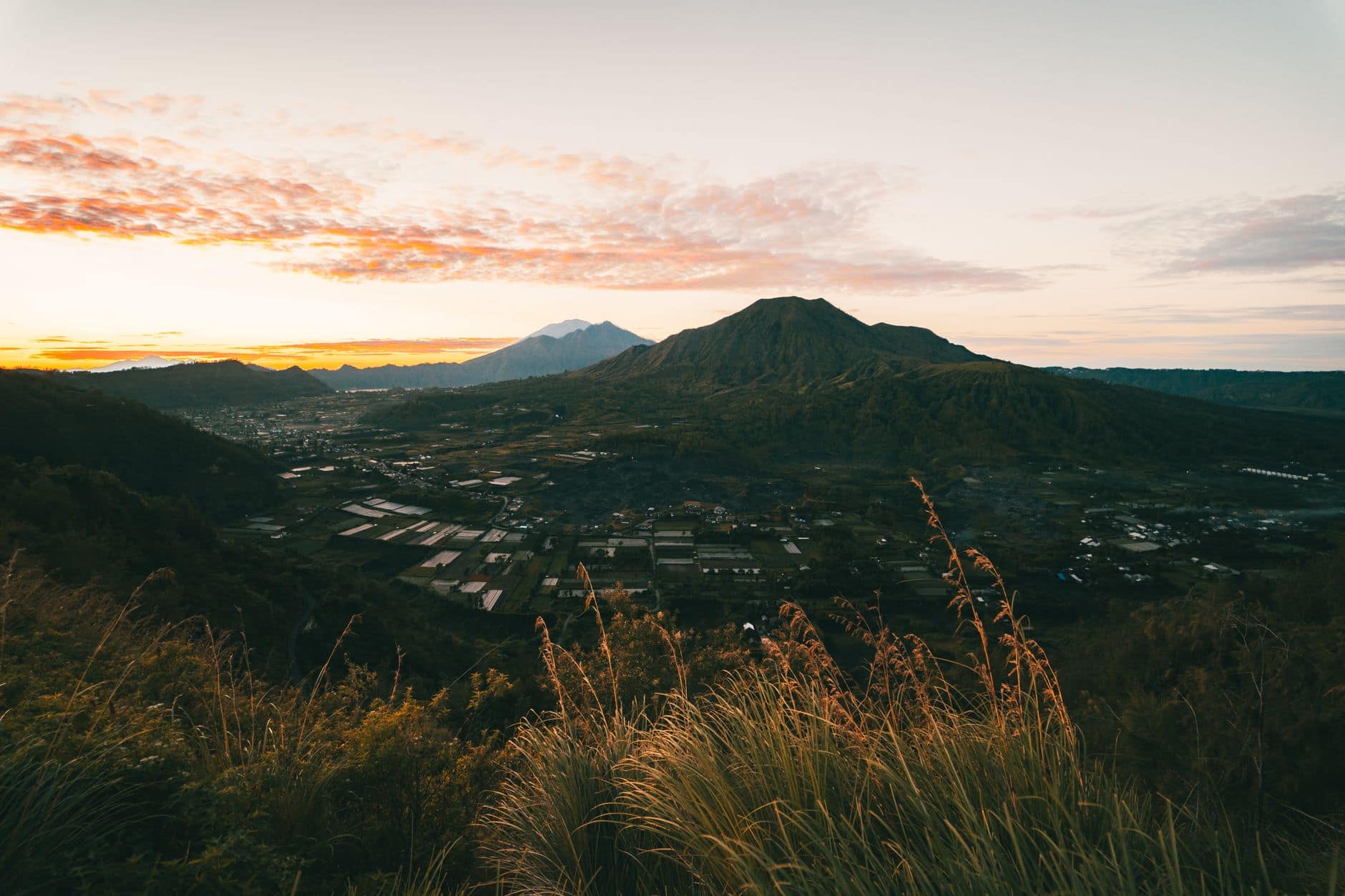
The lava-field crossing by 4x4
After sunrise the jeep leaves the viewpoint and drives across the solidified flows on the caldera floor. The driver stops, you step out and walk on the black sand and rock left by the 1917, 1926 and 2000 eruptions. This is the part of the morning the jeep format from $45 is built around — none of our other tours puts you on the lava itself.
 #2
#2
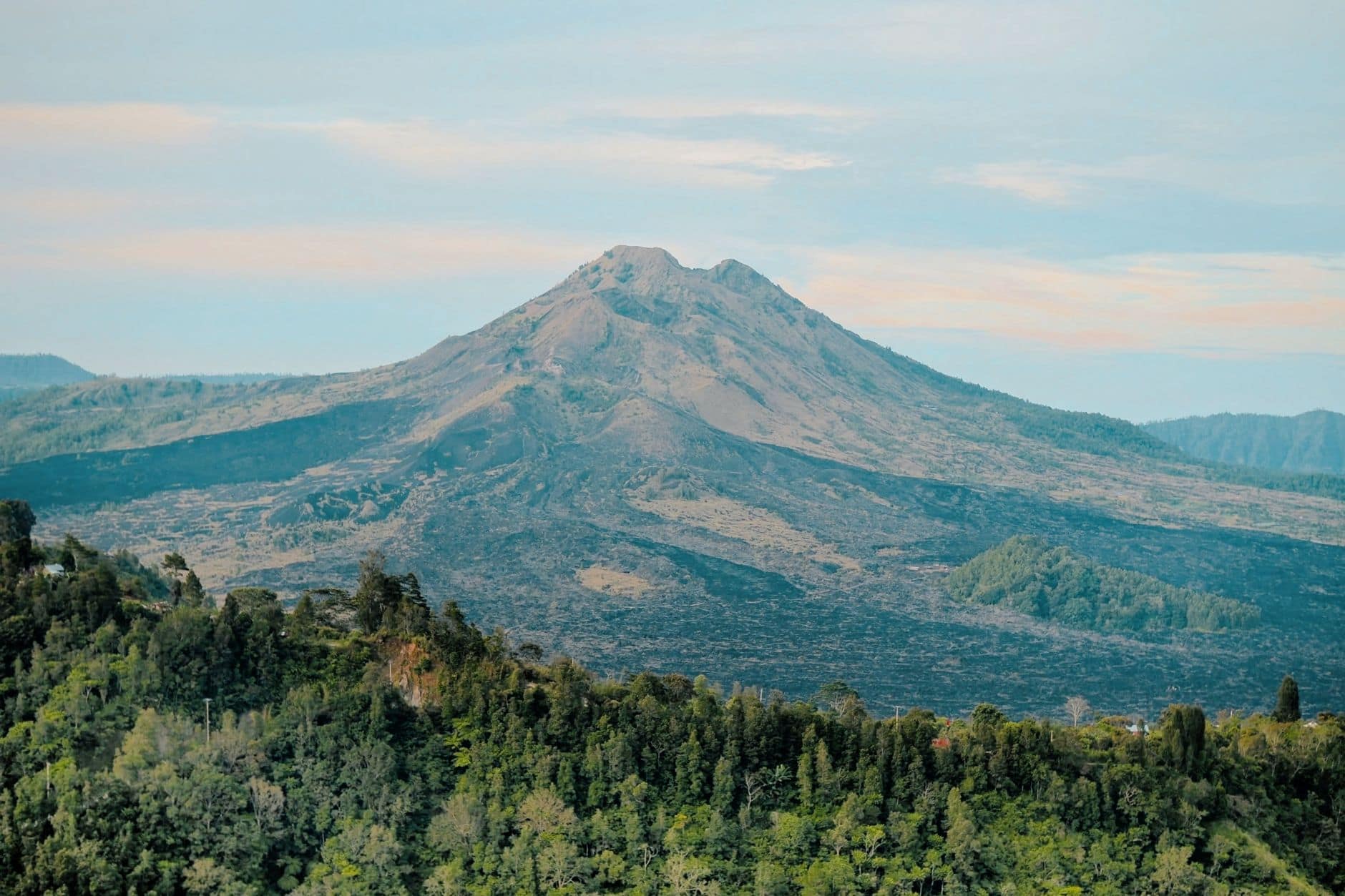
The crater-rim viewpoint at sunrise
Before the crossing, the 4x4 climbs a separate track to a viewpoint on the crater rim. Sunrise arrives between 06:00 and 06:30 all year, the rim faces east across Lake Batur toward Mount Agung, and mist often sits over the lake at first light. The black flows below turn from shadow to texture as the light comes up.
 #3
#3
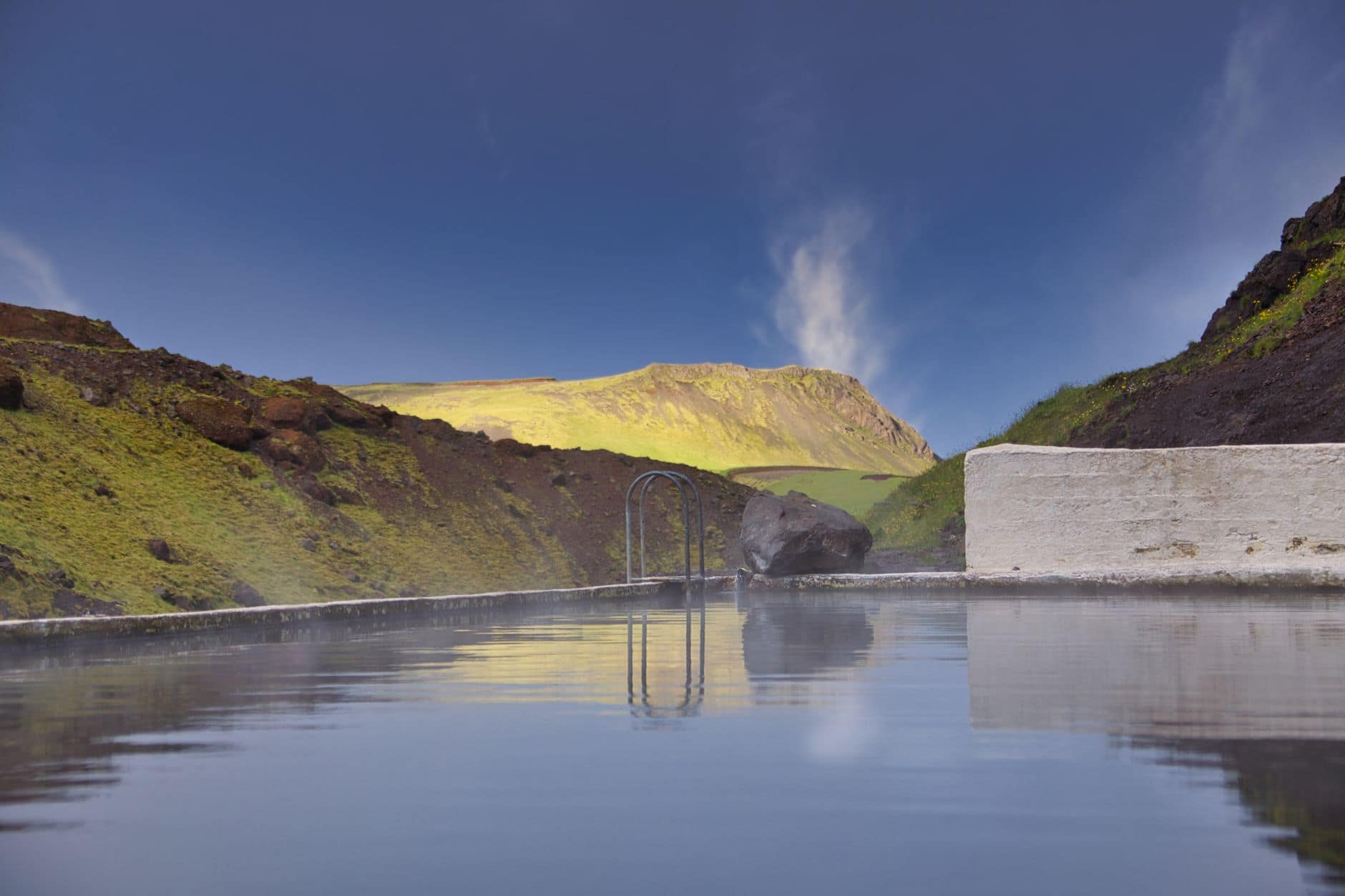
The hot springs finish
The jeep and hot spring version, from $55, finishes the morning with a soak in natural hot springs beside the lake. After a cold, windy sunrise on the rim and a walk on the lava fields, warm water on the shoreline is a practical ending rather than a gimmick. The whole trip still runs 6-8 hours door to door.
 #4
#4
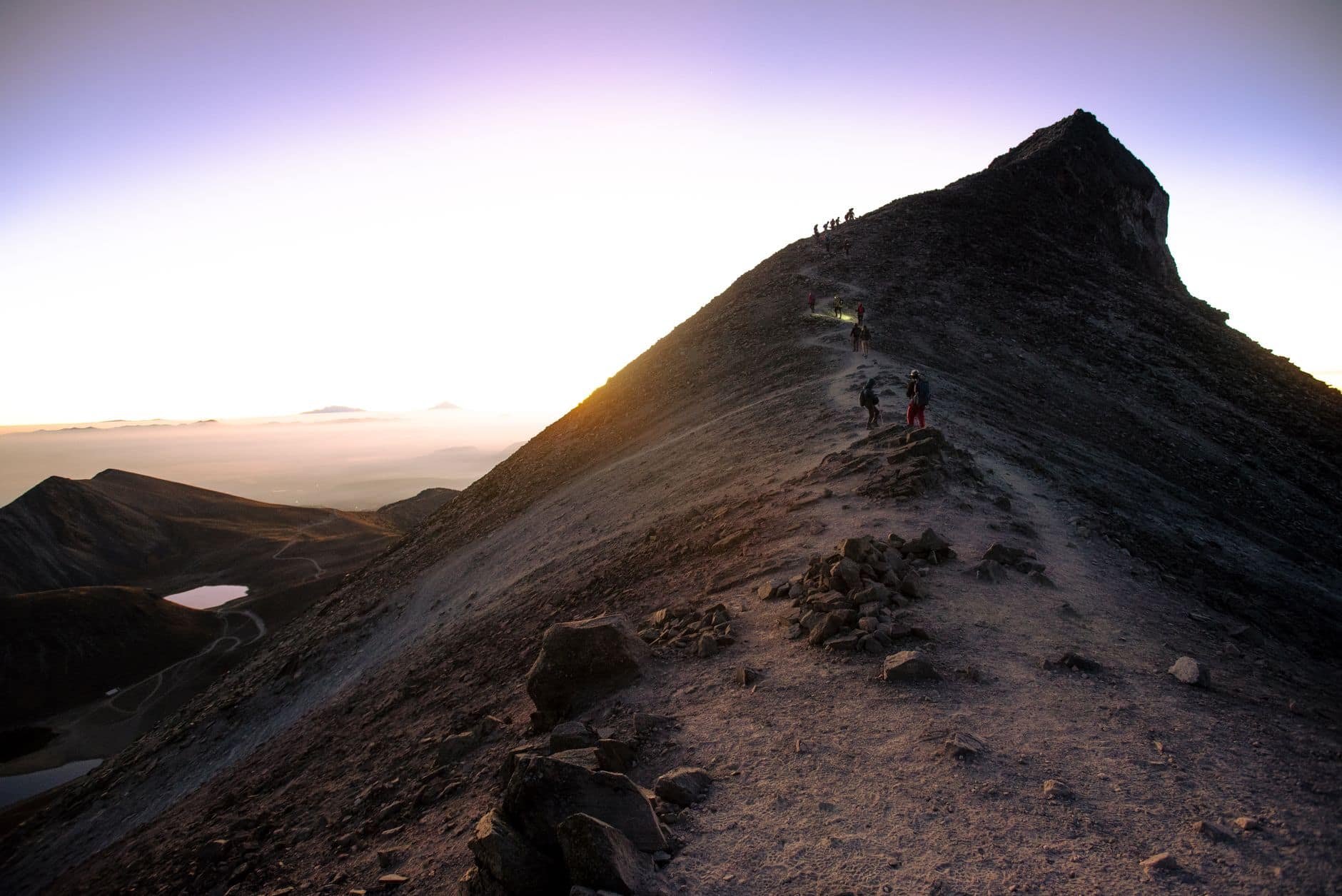
The summit hike's volcanic sand
The sunrise hike from $35 does not cross the main lava fields — it climbs to the summit in 1.5-2 hours, and the upper trail itself is loose black volcanic sand underfoot. Hikers trade the fields for the crater and the view from the top; the two formats see different sides of the same volcano.
 #5
#5
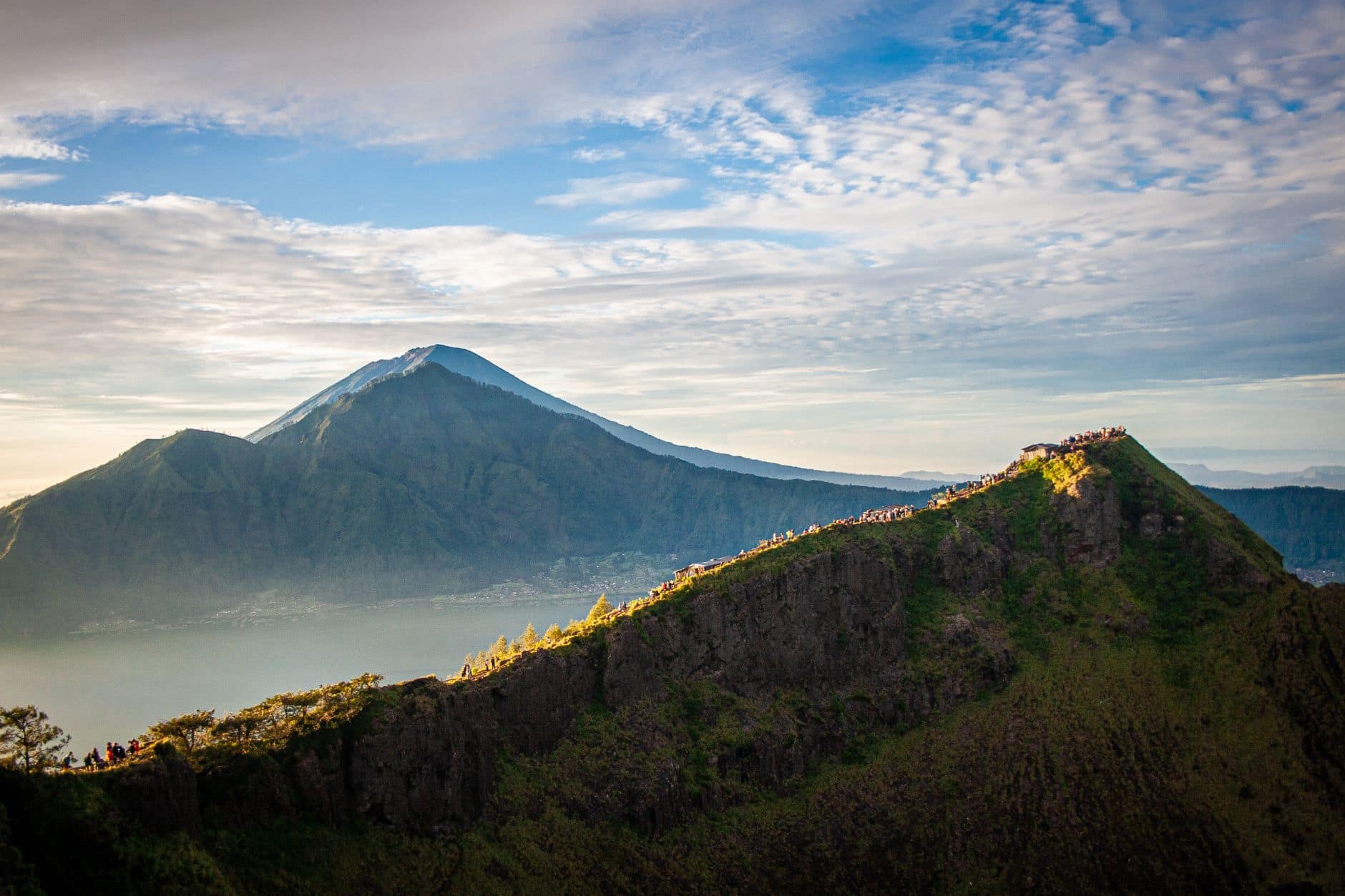
The free view from the rim road
The public rim road on the Penelokan side has the classic daytime view of the caldera for free: Lake Batur, the cone, and the dark flows spread across the green floor below. You cannot walk on the lava from up here, but as a no-cost look at the sheer scale of the fields it is hard to beat.
Every way to experience the black lava fields
The lava fields sit on the caldera floor, below the crater-rim viewpoints and away from the hiking trail — which is why the format you choose decides whether you stand on them or only see them from a distance. The table below sets out each option as we actually run it: every tour is private, includes hotel pickup and return, and takes no prepayment.
| Way to experience the lava fields | What you see | Physical effort required | Cost |
|---|---|---|---|
| Private sunrise jeep tour | Sunrise from a crater-rim viewpoint, then the 4x4 crosses the black lava fields and you step out and walk on them | None — no climbing at any point | From $45 |
| Private jeep tour with hot springs | The same viewpoint and lava-field crossing, finished with a soak in natural hot springs on the shore of Lake Batur | None — no climbing at any point | From $55 |
| Guided sunrise hike to the summit | Sunrise from the 1,717 m summit; the upper trail is loose black volcanic sand, but the route does not cross the main lava fields | 1.5-2 hours of climbing with about 700 m of ascent | From $35 |
| Public rim road on the Penelokan side | A free daytime view over the caldera, with the dark flows visible against the green slopes below | None — the view is beside the road | Free |
| Private car with driver for a daytime visit | A flexible day that can include the Penelokan viewpoint and Lake Batur, without the pre-dawn start | None — sightseeing from the car with short stops | From $59 per car |
The private car is priced per car, not per person. All bookings are confirmed over WhatsApp and paid on the day — we take no prepayment.
What the black lava fields actually are
The fields are solidified lava flows from Mount Batur's past eruptions. The major ones came in 1917 and 1926 — the 1926 flow destroyed the old village of Batur, which was rebuilt up on the caldera rim — and the most recent eruption was in 2000. Batur is still an active volcano under continuous monitoring; we cover what that means in practice in is Mount Batur an active volcano.
What makes the fields worth the detour is the contrast. Black sand and rough black rock spread across the caldera floor, with the green caldera walls rising behind them and Lake Batur alongside — that colour clash is the visual signature of the whole trip. The landscape has been part of a UNESCO Global Geopark since 2012, Indonesia's first.
Geographically you are in the Kintamani area, in the highlands of northeast Bali. The cone itself rises to 1,717 m; the fields sit low on the floor of the older, much larger caldera, crossed by the jeep track rather than by the hiking trail.
How the jeep morning works, step by step
Pickup is at night or pre-dawn. From Ubud the drive takes about 90 minutes — the full logistics are in Ubud to Mount Batur — and at that hour the roads are empty, so the outbound leg is the fastest drive of the trip. The 4x4 then climbs a separate track, not the hiking trail, to a viewpoint on the crater rim.
Sunrise lands between 06:00 and 06:30 all year. The rim faces east across Lake Batur toward Mount Agung, mist often sits on the lake at first light, and the wind chill is real, so bring a warm layer. After sunrise the jeep drops down and crosses the old lava fields; the driver stops, and you step out and walk on the black sand and rock in proper daylight — the best conditions of the morning for photographs.
The whole trip runs 6-8 hours door to door and starts at $45, with no climbing at any point; the version that ends in the lakeside hot springs is from $55. If you are torn between formats, jeep vs hike compares them honestly.
Seeing the lava fields without a pre-dawn start
You do not have to get up in the middle of the night to see black lava. The public rim road on the Penelokan side has the classic daytime view for free, with the dark flows laid out across the caldera floor below — our guide to the Kintamani viewpoint and Lake Batur covers the practical side. What the roadside cannot give you is the walk on the rock itself; for that, the jeep track is the only way in that we offer.
A private car with driver from $59 per car builds a relaxed day around it — Kintamani at midday, lunch above the lake, no alarm clock. And if your priority is the climb rather than the fields, the sunrise hike from $35 puts you on the summit at first light instead; the two formats simply see different sides of the same volcano.
FAQ
What are the black lava fields at Mount Batur?
They are solidified lava flows left on the caldera floor by past eruptions of Mount Batur — the major ones in 1917 and 1926 and the most recent in 2000. The black sand and rock sit in sharp contrast to the green caldera walls, and the area has been part of a UNESCO Global Geopark, Indonesia's first, since 2012.
Can you walk on the Mount Batur lava fields?
Yes. The private sunrise jeep tour, from $45, crosses the old lava fields after the crater-rim viewpoint, and the driver stops so you can step out and walk on the black sand and rock. There is no climbing at any point — the 4x4 does all the work on a track separate from the hiking trail.
Does the Mount Batur sunrise hike go through the lava fields?
No. The hike climbs to the 1,717 m summit — about 700 m of ascent in 1.5-2 hours — and its upper trail is loose black volcanic sand, but the route does not cross the main lava fields. Those sit on the caldera floor along the jeep track, so hikers get the summit and jeep guests get the fields.
How much does it cost to see the Mount Batur black lava?
The private sunrise jeep tour that crosses the fields starts at $45; adding the lakeside hot springs takes it to $55. The daytime view of the flows from the public rim road at Penelokan is free, and a private car with driver from $59 per car can build a flexible day around it. We take no prepayment on any tour.
When did lava last flow at Mount Batur?
Mount Batur last erupted in 2000, with major eruptions in 1917 and 1926 — the 1926 flow destroyed the old village, which was rebuilt up on the caldera rim. The volcano is still classed as active and is monitored continuously, which is part of why the black fields below the cone look so fresh.
Is the lava field jeep tour suitable if I cannot hike?
Yes — it involves no climbing at all. The 4x4 collects you from your hotel at night or pre-dawn, drives a separate track to the crater-rim viewpoint for sunrise, then crosses the lava fields, where you walk as little or as much as you like. The whole trip takes 6-8 hours door to door.
Recommended Bali tours for this guide
Mount Batur Sunrise Jeep & Hot Spring
This combo adds the one thing most volcano mornings skip: a warm-water finish before the drive back. It suits couples and small groups who want the complete Batur sequence — sunrise viewpoint, lava fields, and hot spring — in a single pre-dawn outing with no summit hike.
- Duration
- 6-8 hours
- Area
- Kintamani and Mount Batur
- Format
- Private or small group jeep trip
- Best for
- Sunrise seekers who want to end with a soak
From $55 No prepayment
View tour
Mount Batur Sunrise Hike
This is the classic Bali volcano morning: a real summit trek that stays within reach of most fitness levels, with the uphill section taking around 1.5 to 2 hours. It suits couples, friends, and solo travelers who would rather earn their sunrise than drive to it.
- Duration
- 5-8 hours
- Area
- Kintamani and Mount Batur
- Format
- Private guided summit trek
- Best for
- Active travelers and sunrise seekers
From $35 No prepayment
View tour
Private Car with Driver in Bali
This is one of the most useful products in Bali because so many plans become easier once transport is flexible. It is perfect for custom sightseeing, shopping days, family pacing, and travelers who already know roughly where they want to go.
- Duration
- Flexible daily use
- Area
- All major Bali regions
- Format
- Private transport service
- Best for
- Travelers who want total route flexibility
From $59 per car No prepayment
View tour