

Swimming with turtles in Bali means getting on a boat to the Gilis: green and hawksbill turtles graze the seagrass off Gili Trawangan and Gili Meno all year. Green and hawksbill turtles graze the seagrass off Gili Trawangan and Gili Meno all year. Here is exactly where to drop in — and how not to ruin it for the turtle.
By Alex Moskvin, Founder of SB Excursions · Published 21 May 2026 · Updated 16 October 2026
Tour on this route: Gili Islands Private Snorkeling Day Trip — From $115, 7-9 hours.
Where can you snorkel with turtles in Bali?
The honest answer is mostly off Bali: the dependable turtle water is around the Gili Islands, reachable as a day trip by fast boat. Turtle Point off Gili Trawangan and the seagrass off Gili Meno produce sightings on most swims. On Bali itself, Amed, Padang Bai and Nusa Penida deliver occasional encounters, not reliable ones.
This guide also answers:
- What are the chances of actually seeing a turtle at the Gilis?
- How much does turtle snorkeling from Bali cost?
- Is the Gili Meno statue snorkel worth doing?
Top picks from this guide
 #1
#1
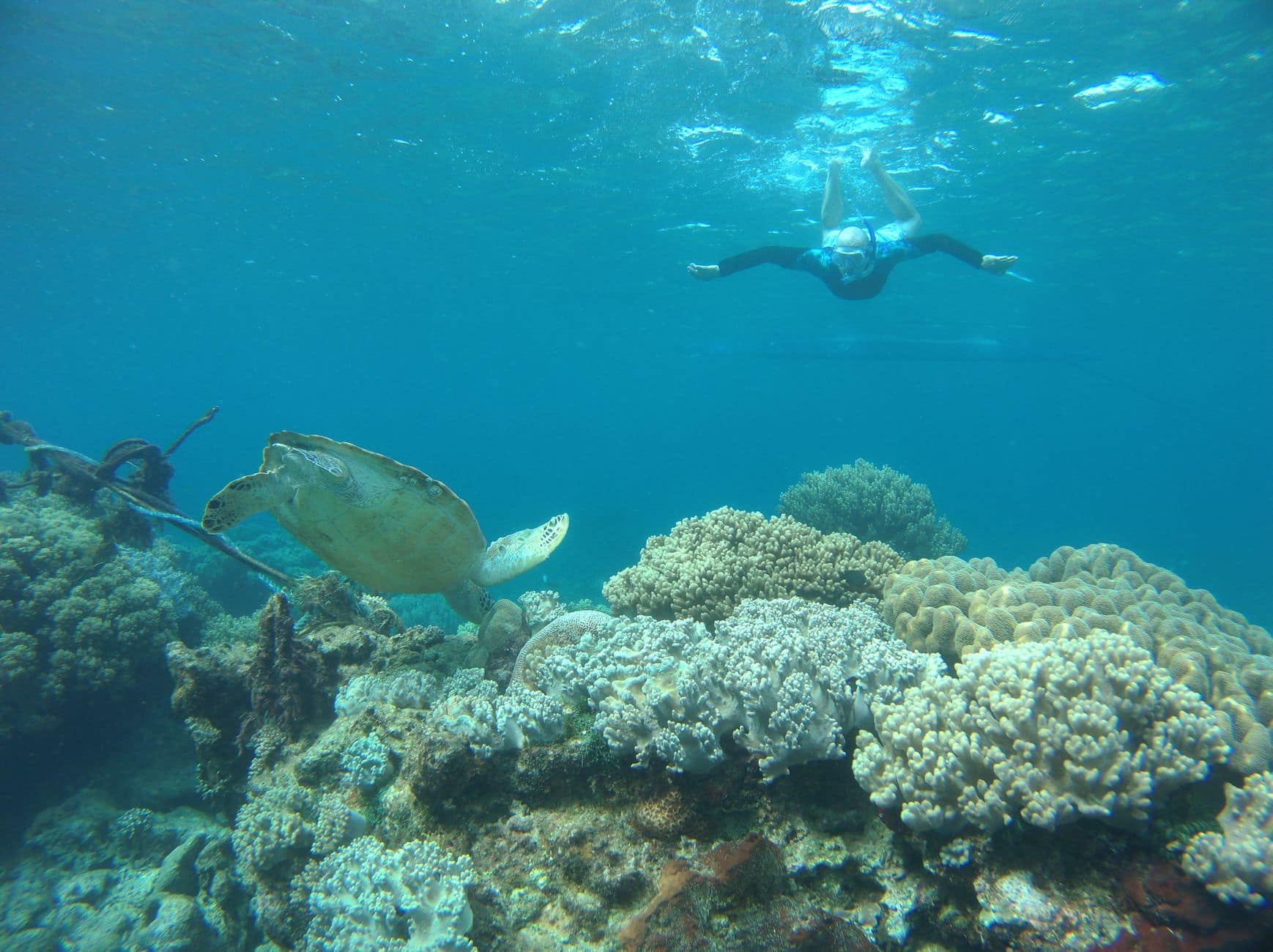
Turtle Point, Gili Trawangan
The most reliable turtle water in the region: a seagrass slope off Trawangan's north-east corner where green turtles graze at easy snorkeling depth, close enough that some people swim out from the beach. Boats stop here on essentially every Gili snorkel route, so go early or late if you want the turtles without a crowd floating above them.
 #2
#2
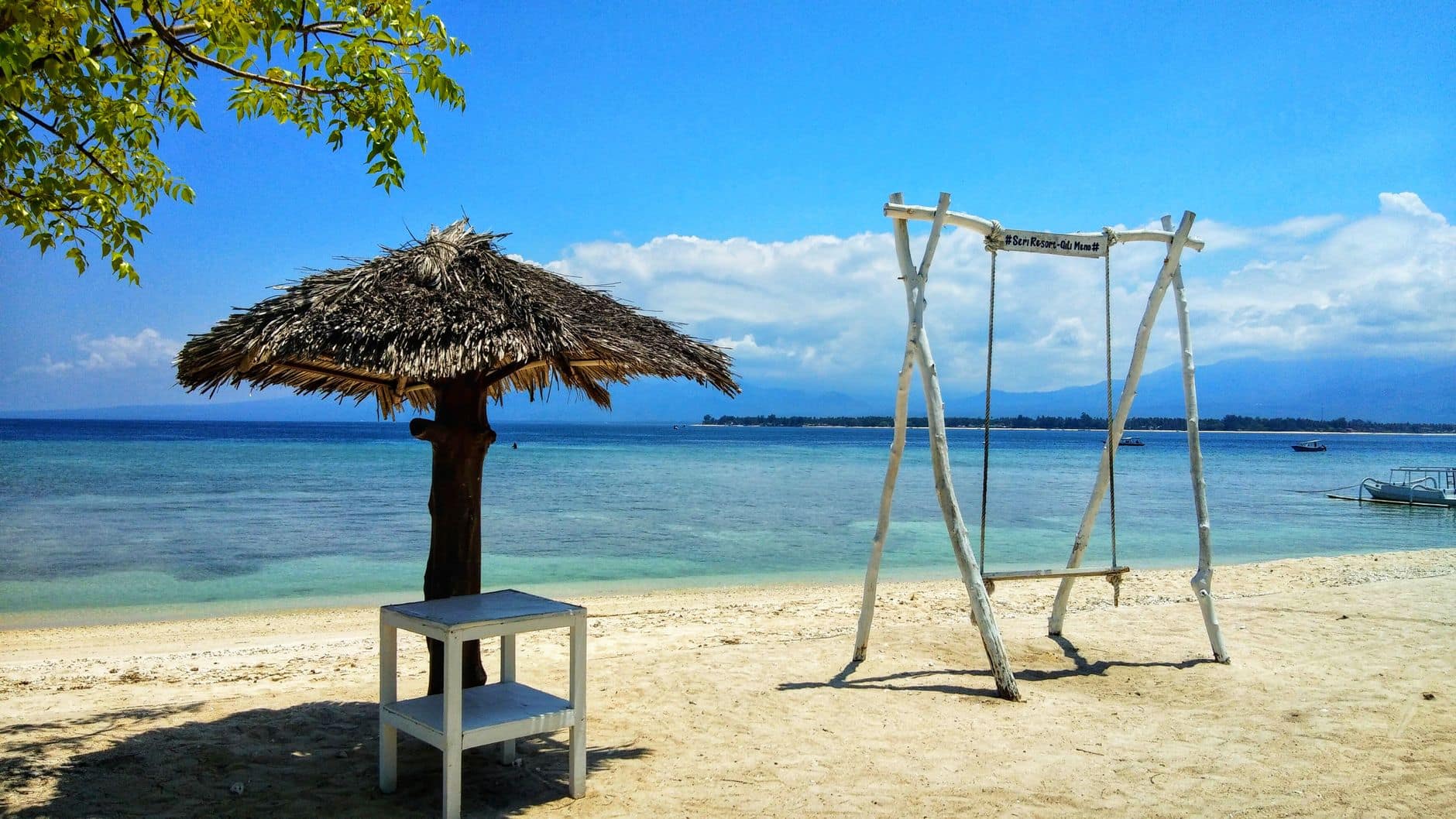
Gili Meno's west side
Meno is the quietest of the three islands and its turtles behave accordingly — less startled, slower moving, easier to watch. The seagrass and coral slope off the west and north beaches produces sightings on most swims, and the water here is often the calmest of the three islands. If you snorkel one shoreline for turtles, make it this one.
#3
The Nest statue garden
Forty-eight life-size figures arranged in a ring on the sand off Gili Meno, in shallow, swimmable depth — the most photographed snorkel site in the Gilis. It is a sculpture stop rather than a turtle stop, but it sits minutes from the seagrass, so most boats pair the two. Go before mid-morning: after that there is a queue floating above it.
 #4
#4
The seagrass, not the coral
Counterintuitive but decisive: turtles are grazers, and the grass beds are their dining room. Coral gardens get the photos; seagrass gets the sightings. The meadows sit in roughly two to eight metres of water, which means you can watch a feeding turtle comfortably from the surface with no freediving skills at all. Guides know each meadow — let them position the boat.
#5
The season question
Gili turtles are residents, so any month works for sightings. April to October gives the smoothest crossings and the clearest water; November to March means planning around rain cells and shorter weather windows, not fewer turtles. Mornings beat afternoons in every month — less wind chop, better light, and fewer boats sitting over the reef.
 #6
#6
The rules: look, don't touch
Sea turtles are protected in Indonesia. Keep two to three metres of distance, never touch or hold one, and never block its path upward — turtles have to surface to breathe every few minutes. No chasing for a photo, no flash. The practical payoff: an unbothered turtle keeps feeding and stays with you far longer than a harassed one ever will.
 #7
#7
Nusa Penida's occasionals
You can meet a turtle at Crystal Bay or along Penida's north-coast reefs, but treat it as a bonus, not the plan — the currents that make Penida spectacular also make its turtles transient. If turtles are the priority, cross to the Gilis. If the priority is mantas and cliffs with a chance of turtles on the side, Penida is the trip.
Why the turtles are at the Gilis, not off your hotel
Mainland Bali has turtles — you might meet one at Amed, Padang Bai or on a Nusa Penida crossing — but those sightings are luck, not plan. The three Gili islands, a fast-boat ride east, have what turtles actually want: wide seagrass meadows in calm, shallow water, plus decades of protective habits from the local dive industry. Green and hawksbill turtles live there year-round and graze on a schedule you can set a snorkel to. A Gili island tour from $115 covers hotel pickup, the crossing and the best drop-in points in a single day; how the Gilis stack up against Penida overall is its own question, answered in Gili Islands vs Nusa Penida.
How a turtle sighting actually goes
Drop in over the seagrass, not the coral — turtles feed on the meadows in two to eight metres of water, so the plain green patches are the productive ones. Scan for the head, not the shell — a grazing turtle reads as a rock until it lifts its head. Hold your position at the surface and let it work; a calm snorkeler becomes furniture within a minute. Leave it a clear lane upward — turtles must surface to breathe every few minutes, and a swimmer floating directly overhead is a real problem for them. Do those four things and the sighting lasts as long as your patience does.
Season, visibility and when to book
Gili turtles are residents, not migrants, so there is no turtle season to chase — sightings happen in every month. What changes is the water around them. In the dry months, roughly April to October, the crossings are smoother and visibility is at its best; in the wet season you plan around morning weather windows instead. Morning is the better half of the day year-round: lighter wind, flatter surface, and boats not yet stacked over the reef. The month-by-month detail lives in the best time for clear water in Bali, and if clarity itself is what you are optimising for, start with the best beaches in Bali with crystal-clear water.
Day trip, overnight or warm-up: three ways to do it
One day — the Gili island day tour above, from $115, runs hotel pickup, the fast boat and snorkel stops at Turtle Point and Meno in one long, well-organised day. Overnight — the Gili Islands getaway from $70 buys you the early-morning water before the day boats arrive, which is when the seagrass is quietest. Warm-up — if you have never snorkeled, do a low-stakes session on a Blue Lagoon snorkeling trip from $50 first: it is calm, shallow and minutes from the fast-boat port, and the occasional turtle passes through there too. Whichever you pick, book around the weather, not the date. Currents, boats and the honest risks on the islands are covered in are the Gili Islands safe.
FAQ
Where can you snorkel with turtles in Bali?
The honest answer is mostly off Bali: the dependable turtle water is around the Gili Islands, reachable as a day trip by fast boat. Turtle Point off Gili Trawangan and the seagrass off Gili Meno produce sightings on most swims. On Bali itself, Amed, Padang Bai and Nusa Penida deliver occasional encounters, not reliable ones.
What are the chances of actually seeing a turtle at the Gilis?
High, by wildlife standards. Two species — green and hawksbill — live around the islands year-round and feed on fixed seagrass meadows, so guides are not searching blind. Most snorkel mornings at Turtle Point or off Gili Meno produce at least one sighting. No operator can honestly promise 100 percent, and you should be suspicious of any that does.
When is the best time of year to swim with turtles in Bali?
Any month — the turtles are residents, not migrants. What varies is the water: April to October brings the smoothest boat crossings and the best visibility, while November to March means working around rain and choppier afternoons. Within any month, mornings are better than afternoons: less wind, calmer surface, fewer boats over the reef.
Can you touch or hold a sea turtle?
No. Sea turtles are legally protected in Indonesia, and touching one stresses the animal, damages the protective layer on its skin and shell, and usually ends the sighting. Keep two to three metres of distance and never position yourself between a turtle and the surface — they need to come up for air every few minutes. Guides on decent boats enforce this.
Do you need to be a strong swimmer or a diver?
No. The turtle meadows sit in roughly two to eight metres of calm water and the turtles are perfectly visible from the surface — you float, you watch. Life jackets and guided groups are standard on Gili trips, and the format suits first-timers. If you are nervous, do a calm practice session at Blue Lagoon in Padang Bai before the crossing.
How much does turtle snorkeling from Bali cost?
A full Gili day trip runs from $115 with hotel pickup, the fast boat and snorkel stops included. An overnight Gili getaway starts from $70, and the boat crossing on its own is from $15. Beyond that, the price depends on your pickup area, group size and season rather than on the snorkel sites themselves.
Is the Gili Meno statue snorkel worth doing?
Yes, as a short stop. The Nest is a ring of 48 life-size figures in shallow water off Gili Meno — striking, easy to reach, and heavily photographed. It is not a turtle site, but the real seagrass is minutes away by boat, so every sensible route pairs the two. Go before mid-morning to avoid the floating queue above the sculptures.
Can kids snorkel with turtles at the Gilis?
Yes — this is one of the better wildlife experiences for children in the region: calm, shallow water, no long swims, and an animal that simply ignores you. Kids need to be comfortable in a mask and briefed on the no-touching rule before they get in. A private boat makes it easier to set the pace, so nobody rushes your eight-year-old.
Recommended Bali tours for this guide
Gili Islands Private Snorkeling Day Trip
This route is built for travelers who want turtles, clear water, and a real Gili Islands experience without organizing fast boats, harbor flow, snorkeling logistics, and local coordination on their own. The private snorkeling setup makes the day feel cleaner and more premium than a basic shared island transfer.
- Duration
- 7-9 hours
- Area
- Gili Trawangan and Gili Meno
- Format
- Private snorkeling day trip
- Best for
- Sea lovers, couples, and travelers who want one big Gili day from Bali
From $115 No prepayment
View tour
Gili Islands Getaway from Bali
The Gili trip is perfect for travelers who want to connect Bali with a slower island stay or a big sea-focused day. Timing, departure ports, and luggage flow matter here, so setup support adds real value.
- Duration
- Full day or multi-day base route
- Area
- Gili Islands connection
- Format
- Fast boat island transfer route
- Best for
- Travelers extending beyond Bali
From $70 No prepayment
View tour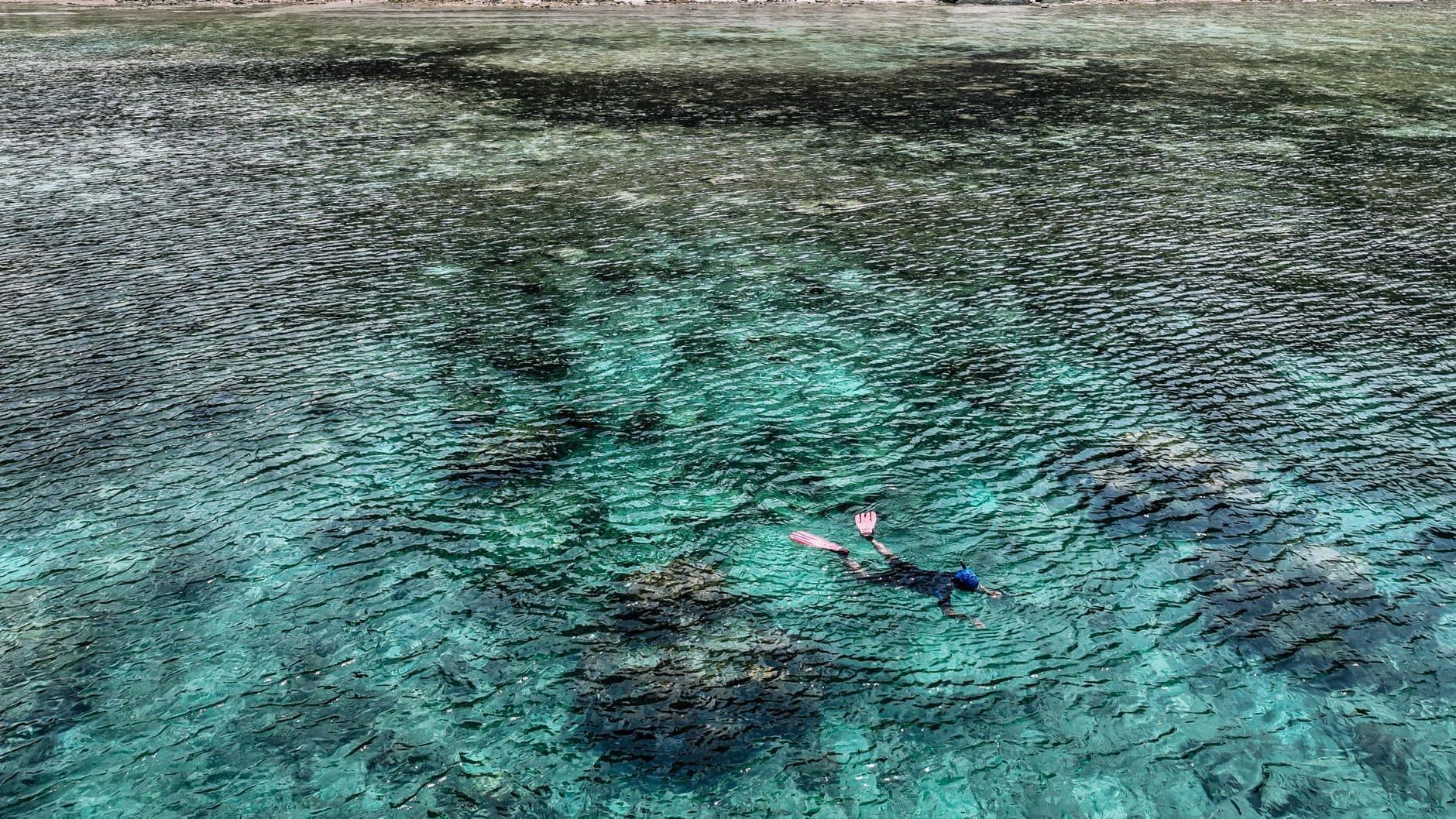
Blue Lagoon Snorkeling, Padang Bai
This is one of the easiest snorkeling products to recommend for beginners and casual sea-day travelers. It gives you underwater visibility, reef-life value, and a cleaner half-day or lighter full-day structure than more demanding offshore routes.
- Duration
- 2 hours on the water
- Area
- Padang Bai and Blue Lagoon
- Format
- Snorkeling trip
- Best for
- Beginners, couples, and mixed groups
From $19 No prepayment
View tour