

Yes, the Gili Islands are safe to visit, and in one specific way they are safer than Bali: there are no cars and no motorbikes on any of the three islands, only bicycles and horse-drawn cidomo carts, so the most common way travellers get hurt in Indonesia is simply absent. What replaces it is water and weather. The channels between the islands run strong currents, and swimming from one Gili to the next is not an option at any fitness level. Fast boats cross open sea and get cancelled when conditions turn, which is the crew doing their job. ATMs are few. This guide grades the six real risks and how a day trip from $115 handles them.
By Alex Moskvin, Founder of SB Excursions · Published 21 May 2026 · Updated 23 October 2026
Tour on this route: Gili Islands Private Snorkeling Day Trip — From $115, 7-9 hours.
Are the Gili Islands safe?
Yes. There are no cars and no motorbikes on any of the three islands, which removes the most common cause of tourist injury in Indonesia. The real hazards are water and logistics: strong currents in the channels between the islands, an open-sea fast-boat crossing that gets cancelled in bad weather, very few ATMs and no hospital. Plan around those four and a Gili trip is straightforward.
Top picks from this guide
 #1
#1
Currents in the channels between the islands
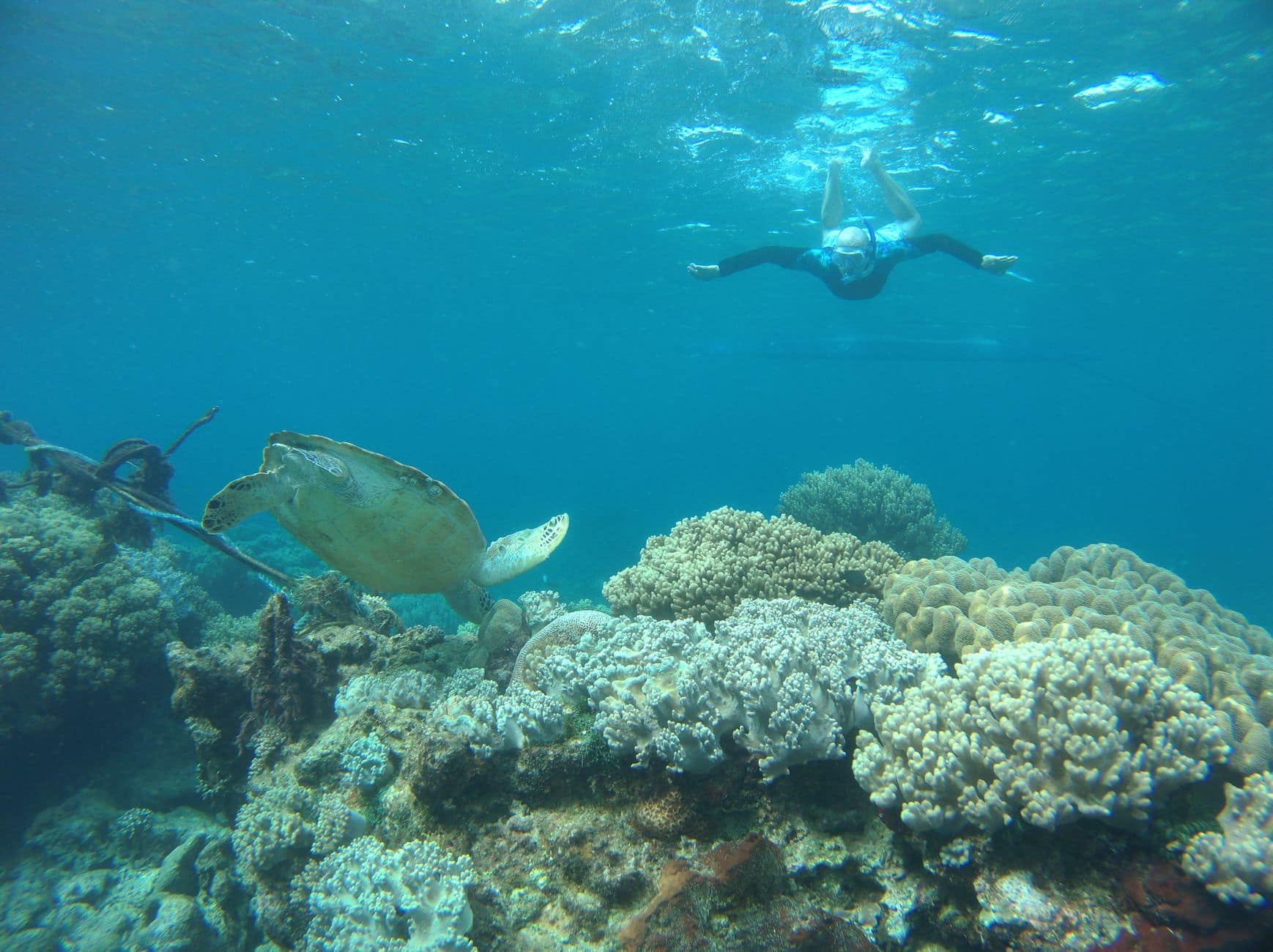
The water between the three islands moves fast enough to carry a strong swimmer past the far island and into open sea, and the surface can look flat while the current runs underneath. There is no fitness level at which swimming between the Gilis is sensible. You cross by boat, full stop.
 #2
#2
The fast-boat crossing and its weather calls
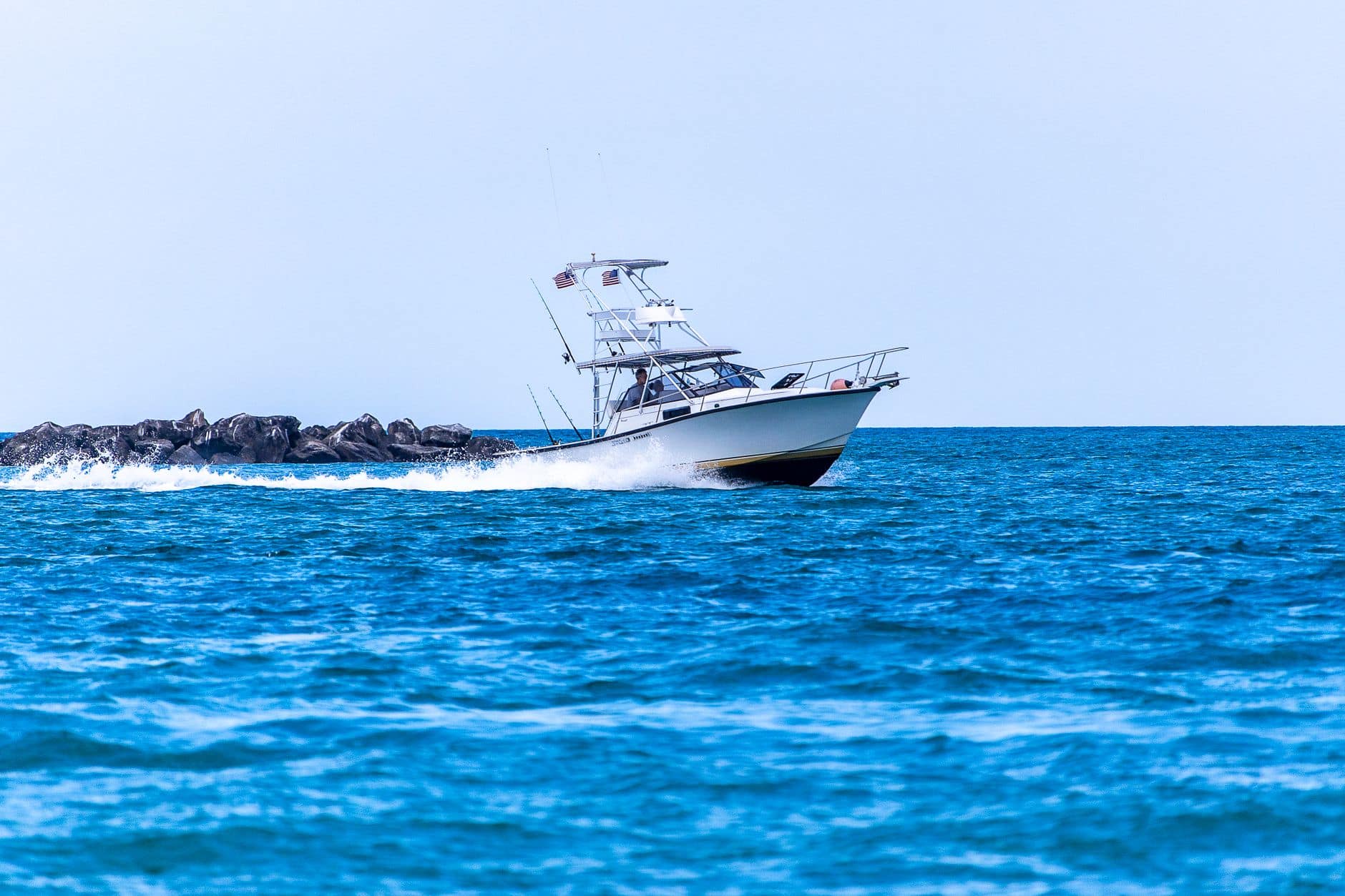
This is open sea rather than a sheltered hop, so chop, spray and a wet landing are normal, and sailings get cancelled when the weather turns. The cancellation is the safety system working. Take the earliest boat, dry-bag your electronics, and never book the last return on a flight day.
 #3
#3
Bicycles, carts and deep sand
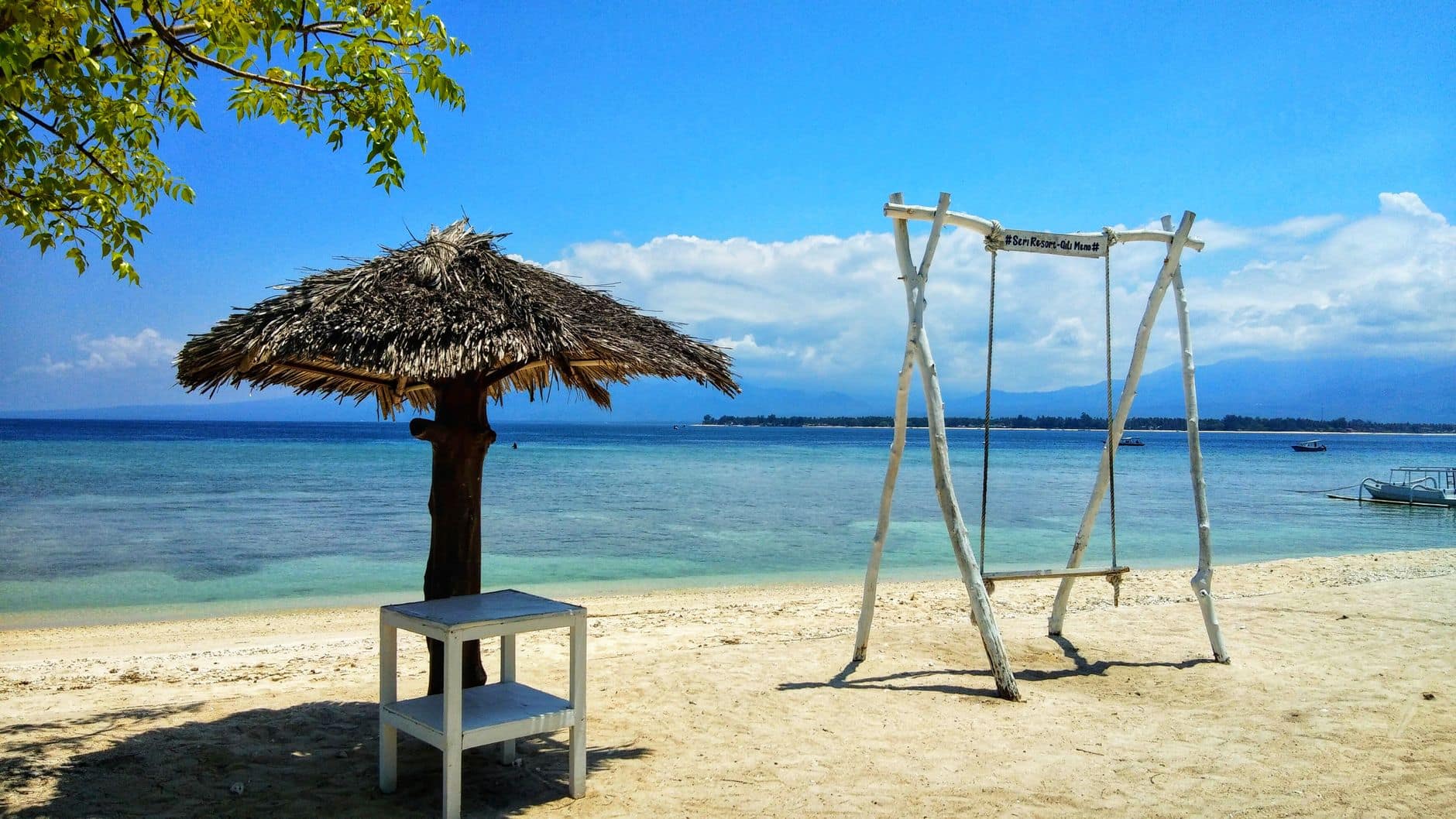
With no cars or motorbikes, the worst that shares your path is a bicycle or a cidomo horse cart. The catch is the surface: deep sand stops a bike dead, and most people end up pushing. Check the brakes before you ride off, and give the horses room instead of squeezing past.
 #4
#4
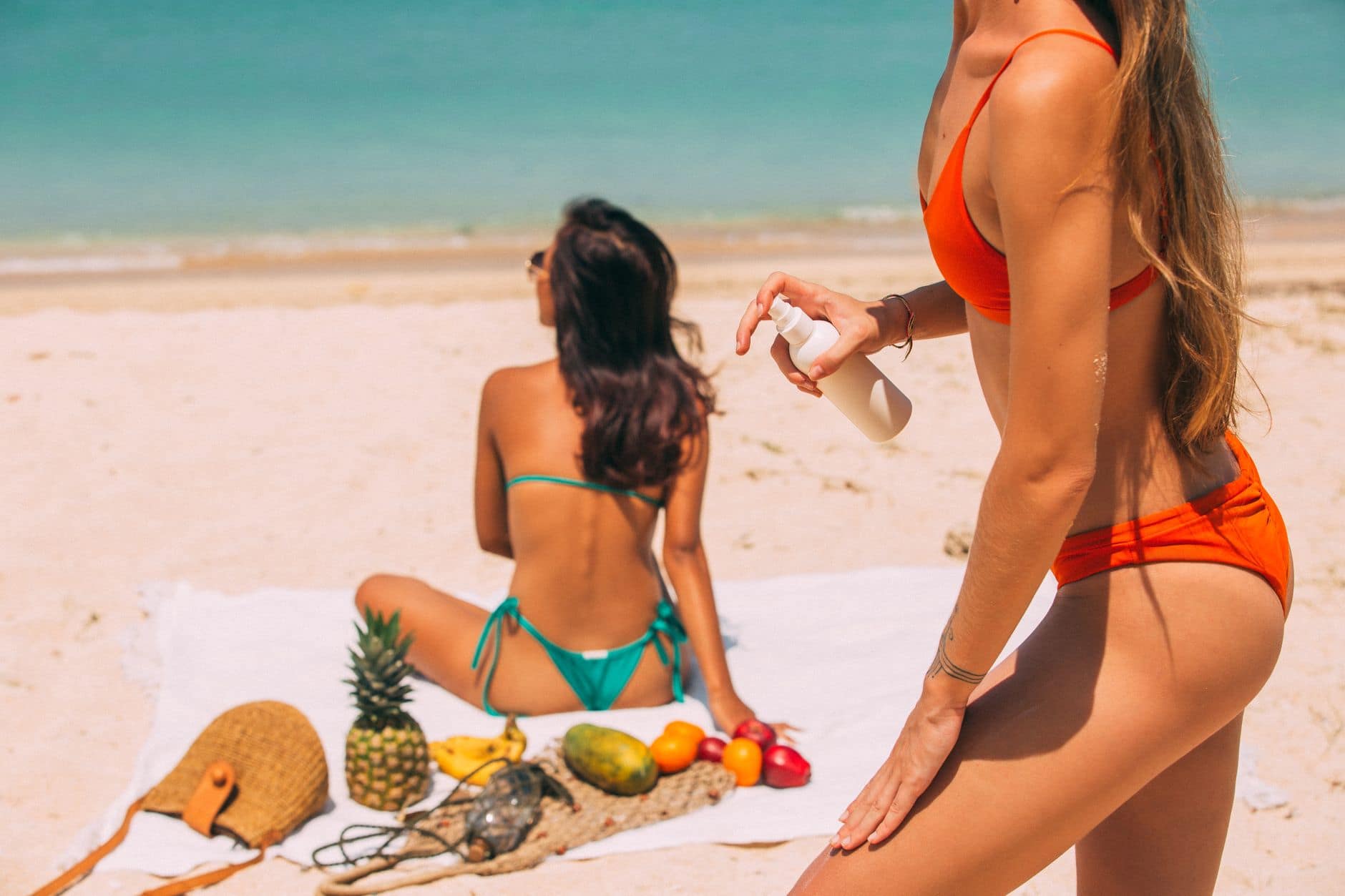
Sun and heat with almost no shade
The islands are flat, low and mostly unshaded, and you cover them on foot or by bike rather than in air conditioning. Heat and sunburn ruin more Gili days than anything else here. Drink before you set off rather than when you feel thirsty, wear a hat, and keep midday for the water.
 #5
#5
Running out of cash
There are very few ATMs on the islands, and the ones that exist go offline or run dry, most often at weekends and late in the day. Card machines in smaller warungs are intermittent. Bring rupiah from Bali for the whole stay plus boat and cart fares, and split it between two places.
 #6
#6
Drinks and late nights on Gili Trawangan
Gili T's evening scene is a drinking scene, and the incidents that follow are alcohol-shaped: over-served people on bikes in the dark, unlit back lanes, and drinks nobody watched being poured. Keep to lit main paths, watch your own pour, and treat anything offered on the beach as a serious legal risk in Indonesia.
No cars, no motorbikes: the safest thing about the Gilis
Start with the fact that reshapes the whole risk picture. There are no cars and no motorbikes on any of the three Gili Islands — transport is bicycles, walking and horse-drawn cidomo carts. In Bali, the single most common way a traveller gets hurt is a scooter crash, and here that risk is not managed or mitigated, it is absent. Nobody overtakes you on a blind bend, there is no traffic to cross holding a child's hand, and you can walk down the middle of the main path all day. For families and nervous travellers, that one detail does more for safety than any advice list.
The replacement problems are smaller and easy to plan around. The paths are sand, and deep sand is far harder to cycle through than it looks — most people end up pushing the bike for stretches. Rental bikes are basic, so squeeze the brakes before you ride away, because there is no roadside help waiting. Away from the harbour strip there is very little lighting after dark, so a phone torch belongs in your pocket at night. Give the cidomo horses space on narrow sections rather than squeezing past them.
The water between the islands is the real hazard
The channels between the Gilis carry strong currents, and swimming from one island to another is not an option — not for strong swimmers, not on a morning that looks glassy. The water between Trawangan, Meno and Gili Air moves fast enough to push a fit swimmer past the far island and out into open water, and it gives you almost no warning, because the surface can sit flat while the current runs underneath. People attempt it every season and boats go out after them. If you want to be in that channel, you are in a boat.
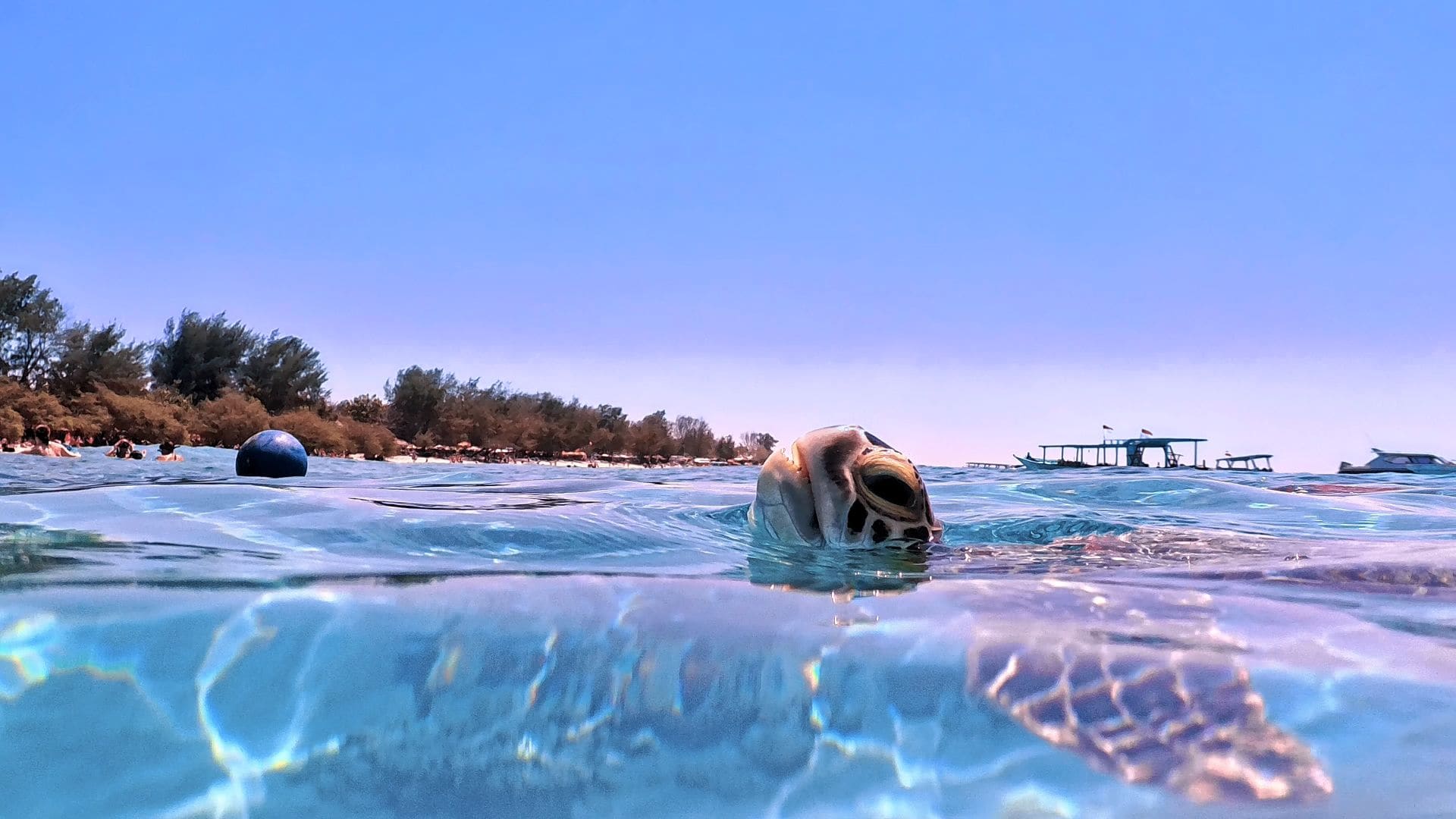
Close to shore the picture is completely different, and generally friendly. Snorkelling straight off the beach is why most people come, and in the sheltered sections it is easy, warm, clear water. Two habits keep it that way: swim parallel to the beach rather than out toward the horizon, and ask a local boat crew which side of the island is working that morning, because it shifts with tide and wind. Nobody is watching the water for you, so stay inside marked areas near jetties and moorings where boats come and go.
If you are new to snorkelling, read our beginner's snorkelling guide before you go, and our guide to snorkelling with turtles for how to behave around them. The broader question of where Bali's water is calm enough to get into is covered in can you swim in Bali.
Are Gili fast boats safe?
Yes, in normal daylight conditions and with an operator that respects the weather — and the most important safety feature of the whole system is the one travellers complain about. Fast boats to the Gilis are cancelled when the weather turns. This is open sea, not the short sheltered hop to Nusa Lembongan, and swell builds quickly. A cancelled or delayed sailing means the crew made the right call. The wrong response is to go hunting for the one operator still running that morning; the right one is to take the later boat, the refund, or the change of plan.
The crossing itself is unglamorous rather than frightening: engine noise, spray, some slamming through chop, and a wet boarding at both ends. A few habits make it a non-event:
- Take the earliest sailing you can — the sea is usually calmest before the afternoon wind builds
- Note where the life jackets are stowed as you board, before you settle in
- Sit mid-boat and low if you get seasick; the bow slams hardest and the stern smells of fuel
- Dry-bag phones, cameras and passports — spray reaches every seat and landings are wet
- Never book the last boat back on the day you fly — leave a buffer night in Bali
- Treat a cancellation as good judgement, not as a problem to shop around
We arrange the crossing as a fast boat transfer from $15, matched to your hotel pickup and departure harbour. Which harbour, which operator and how long the door-to-door trip really takes is laid out in how to get to Gili Trawangan from Bali.
Cash, clinics and what the islands do not have
ATMs on the Gilis are few, and they are not reliable. They run out of cash, go offline, or sit behind a queue at exactly the moment you need them, most often on weekends and late in the day. Card machines in smaller warungs and dive shops work intermittently. Bring rupiah from Bali covering your whole stay plus boat tickets, cidomo fares and a margin, and keep it in two separate places. Running out of money on a small island with no bank branch is the most avoidable bad day on this list.
There is no hospital on the islands, only small clinics, so anything serious means a boat to Lombok or Bali — and boats depend on weather, which is the whole point of taking small things seriously early. Rinse and clean coral cuts the same day rather than the next, handle dehydration before it becomes a lost afternoon, and bring your own basics because pharmacy stock is thin. Travel insurance matters more here than it does in Kuta. Our Bali safety, scams and health guide covers the wider picture, and what to pack for Bali lists the kit worth carrying over.
Gili Trawangan at night versus Gili Air and Gili Meno
Which island you pick changes the evening far more than it changes the day. Gili Trawangan's main strip is a drinking scene, busy and loud until late, and the trouble that happens there is alcohol-shaped rather than violent: people cycling in the dark after too many drinks, unlit back lanes, drinks left unattended. Gili Air is quieter with a handful of bars, and Gili Meno is quiet in a way some people find lovely and others find dull by 21:00. If you want an early night, choosing Trawangan and hoping for calm is the wrong plan.
For solo travellers, and for solo women in particular, days on all three islands are easy — small, flat, no traffic, plenty of other travellers walking the same paths. Nights need ordinary judgement, concentrated on Gili T: stay on lit main paths rather than the dark beach track on the far side, keep your own drink in sight and prefer sealed bottles, and know how you are getting home before you need to. Anything openly offered on the beach at night is illegal in Indonesia and carries penalties worth taking seriously. Our Gili Air vs Gili Trawangan comparison goes island by island.
How we run a Gili day, and who should skip it
Our Gili Islands Private Snorkeling Day Trip runs 7-9 hours from $115, covering Gili Trawangan and Gili Meno, with either a hotel pickup or a meeting point at Padang Bai. The safety value of doing it this way is not a badge on a website: it is a crew that reads the strait every morning, a fixed return boat that somebody is tracking, and a person on WhatsApp who tells you the night before whether tomorrow is on. If you want the islands as a base rather than a single day, the Gili Islands Getaway from $70 handles the connection with morning harbour transfer support.
Booking is direct on WhatsApp with no prepayment, which matters on this route specifically — when the sea calls it off, nothing of yours is stuck on a card. Skip the trip if you get badly seasick and the forecast is rough, because the crossing is the price of admission and there is no land route. Skip it if you have one day left and a flight the next morning. And if what you actually want is warm clear water without an open-sea crossing, Blue Lagoon snorkelling at Padang Bai from $50 gives you a half-day version an hour from the south.
Still deciding whether the Gilis are worth the distance at all? We put them head to head with the closer option in Gili Islands vs Nusa Penida, and the hour-by-hour mechanics of the long version are in Gili Islands day trip from Bali.
FAQ
Are the Gili Islands safe?
Yes. There are no cars and no motorbikes on any of the three islands, which removes the most common cause of tourist injury in Indonesia. The real hazards are water and logistics: strong currents in the channels between the islands, an open-sea fast-boat crossing that gets cancelled in bad weather, very few ATMs and no hospital. Plan around those four and a Gili trip is straightforward.
Is the Gili fast boat safe?
Yes in normal daylight conditions. It is open sea, so expect chop, spray and a wet landing, and expect cancellations when weather turns — that is the system working rather than failing. Take the earliest sailing, note where the life jackets are stowed, dry-bag your electronics, and never book the last boat back on the day you fly. Do not shop for an operator that sails when others stand down.
Can you swim between the Gili Islands?
No. The channels between Gili Trawangan, Gili Meno and Gili Air carry strong currents that can push even a strong swimmer past the island and out into open water, and the surface often looks calm while the current runs beneath it. Cross by boat. Snorkelling close to shore and parallel to the beach is a completely different proposition and is generally easy water.
Are the Gili Islands safe for solo female travellers?
Generally yes. Days are simple: small flat islands, no traffic, plenty of other travellers on the same paths. Nights need ordinary judgement, mainly on Gili Trawangan, where the strip is a drinking scene. Stay on lit main paths rather than the dark beach track, keep your own drink in sight, and sort out how you are getting home before you need to. Gili Air and Gili Meno are much quieter.
Are there ATMs on the Gili Islands?
Few, and they are unreliable. They run out of cash or drop offline, especially at weekends and late in the day, and card machines in smaller warungs work only some of the time. Bring rupiah from Bali to cover the whole stay plus boat tickets and cidomo fares, and split it between two places. Clinic visits are cash as well.
Is Gili Trawangan safe at night?
Mostly yes, with the caveats of any small party island. The problems are alcohol-related rather than violent: over-served people cycling in the dark, unlit back lanes away from the strip, and drinks nobody watched being poured. Keep to the lit main path, carry a torch beyond it, and treat anything openly offered on the beach as illegal in Indonesia with serious consequences.
Recommended Bali tours for this guide
Gili Islands Private Snorkeling Day Trip
This route is built for travelers who want turtles, clear water, and a real Gili Islands experience without organizing fast boats, harbor flow, snorkeling logistics, and local coordination on their own. The private snorkeling setup makes the day feel cleaner and more premium than a basic shared island transfer.
- Duration
- 7-9 hours
- Area
- Gili Trawangan and Gili Meno
- Format
- Private snorkeling day trip
- Best for
- Sea lovers, couples, and travelers who want one big Gili day from Bali
From $115 No prepayment
View tour
Bali Fast Boat Transfer
Fast boats are simple once booked correctly, but confusing when you are juggling ports, check-in windows, and hotel distance. This service helps turn the whole process into a clean transfer day instead of a stressful logistics puzzle.
- Duration
- Depends on destination
- Area
- Bali harbors and island routes
- Format
- Transfer service
- Best for
- Island-bound travelers
From $15 No prepayment
View tour
Gili Islands Getaway from Bali
The Gili trip is perfect for travelers who want to connect Bali with a slower island stay or a big sea-focused day. Timing, departure ports, and luggage flow matter here, so setup support adds real value.
- Duration
- Full day or multi-day base route
- Area
- Gili Islands connection
- Format
- Fast boat island transfer route
- Best for
- Travelers extending beyond Bali
From $70 No prepayment
View tour