

Most entrance fees in Bali are small and paid in cash at the gate — expect anywhere from a few tens of thousands of rupiah up to around Rp 100,000 per person at the best-known sites. Temples, waterfalls, rice terraces and the Nusa Penida cliff viewpoints each run their own ticket booth, set their own price and change it without announcing anything, so treat every figure you read online, including this page, as a range rather than a quote. Parking is often a separate payment, a sarong may be rented at the gate, and card machines are rare. This guide covers what to budget per site, what is extra, and how many notes to carry.
By Alex Moskvin, Founder of SB Excursions · Published 21 May 2026 · Updated 16 October 2026
Tour on this route: Ubud Rice Terrace, Temple & Volcano Tour — From $65 per car, 10 hours.
How much is the entrance fee for a waterfall in Bali?
Most Bali waterfalls charge in the lower part of the island's range, a few tens of thousands of rupiah per person, paid in cash at a booth near the car park. Each fall is managed by its own village, so prices differ between them and change without notice. Parking is normally a separate small payment, and some falls collect again at a second gate further down the path.
This guide also answers:
- What is the Besakih temple entrance fee?
- How much are Bali temple entrance fees?
- Can you pay Bali entrance fees by card?
Top picks from this guide
 #1
#1
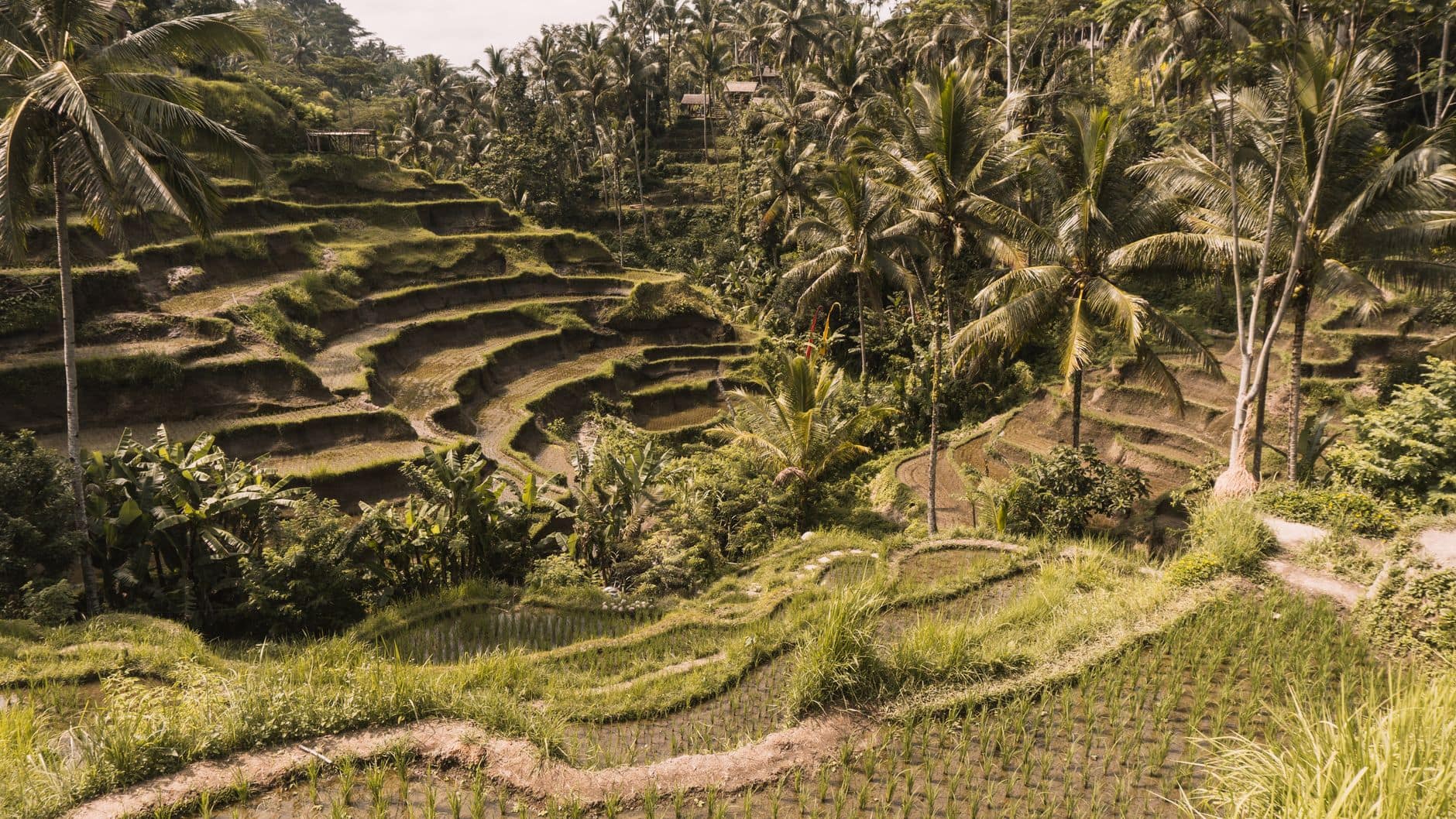
Tegalalang Rice Terrace
A small payment at the gate, parking separately, and then further small collections inside from the families whose land the paths cross. The swings are privately run businesses with their own price lists and cost several times the ticket. Come before 09:00 for light and space, and expect slick mud on the steps after rain.
 #2
#2
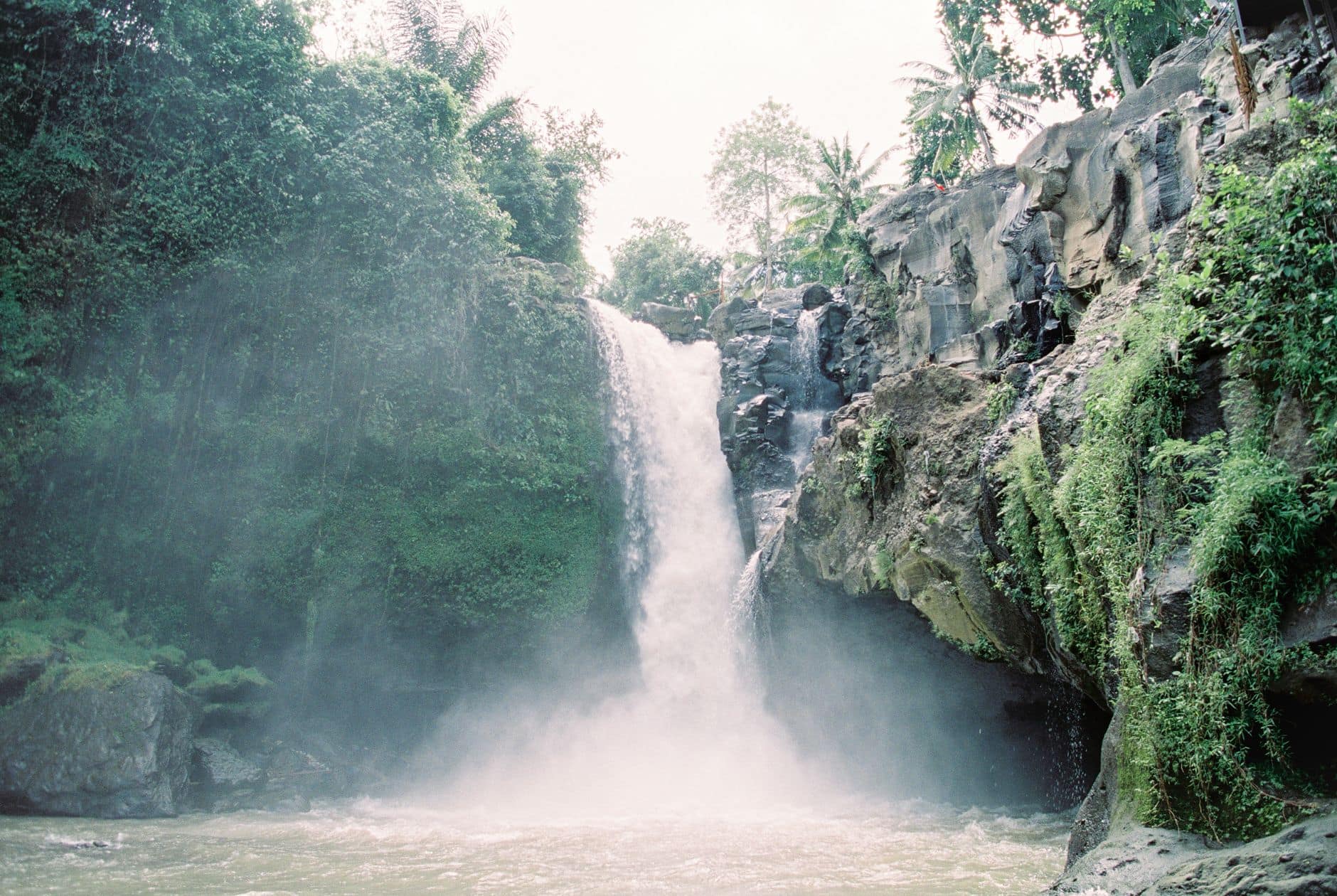
Village waterfalls: Tegenungan, Gitgit, Munduk
Each fall is run by its own village, which built the steps and sets the price, so no two match. Expect the lower half of the island's range in cash, plus parking before the path. Some collect a second time at a lower gate. Tegenungan is the easiest walk of the well-known ones.
 #3
#3
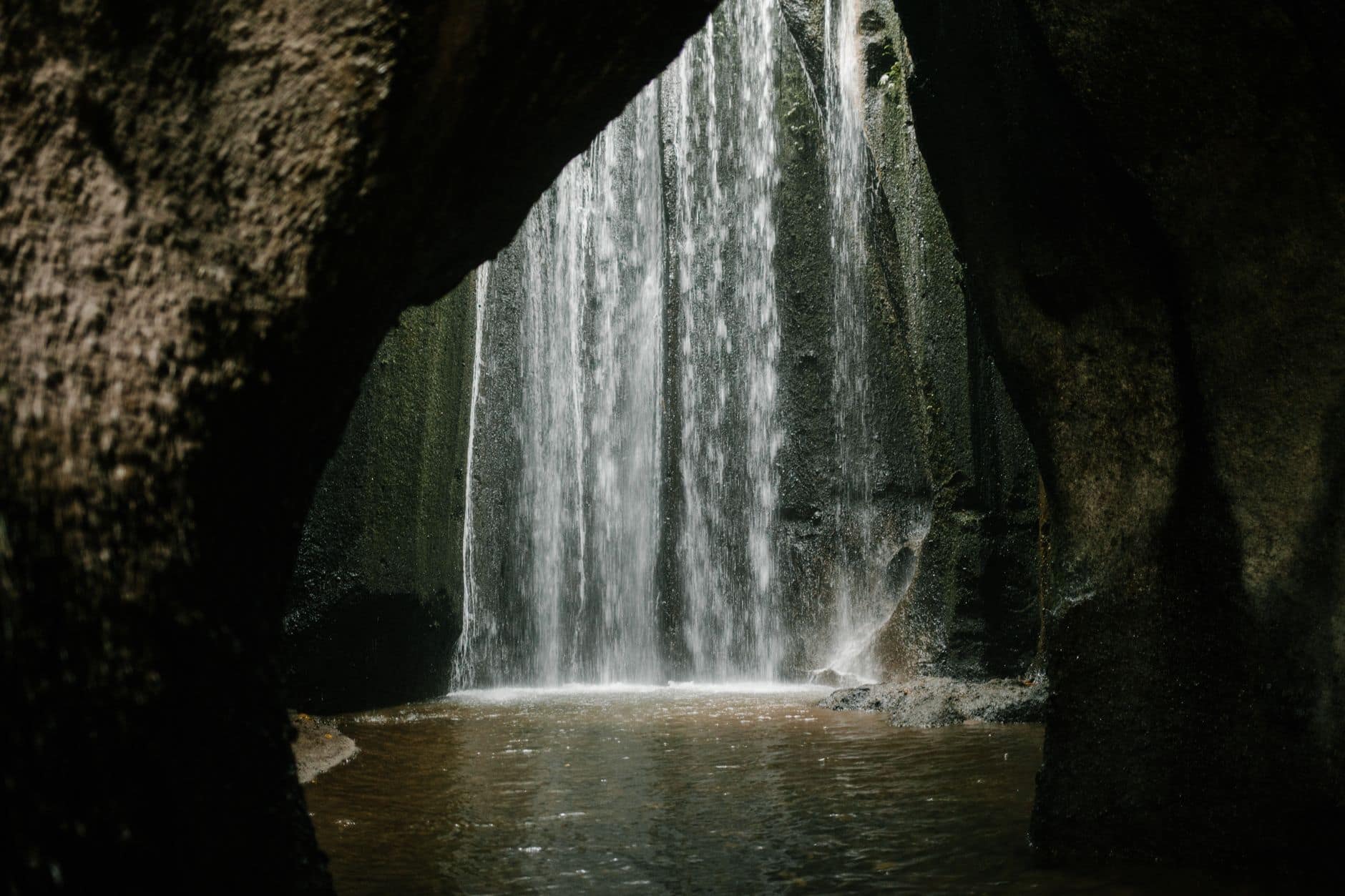
Tukad Cepung
Ticket at the top, parking separate, then a short descent and a wade up a river bed inside a canyon. The beams need midday sun in the dry season, so an early start actually works against you here. This is also the first waterfall on the island to close after heavy rain, and that call is made on the day.
 #4
#4
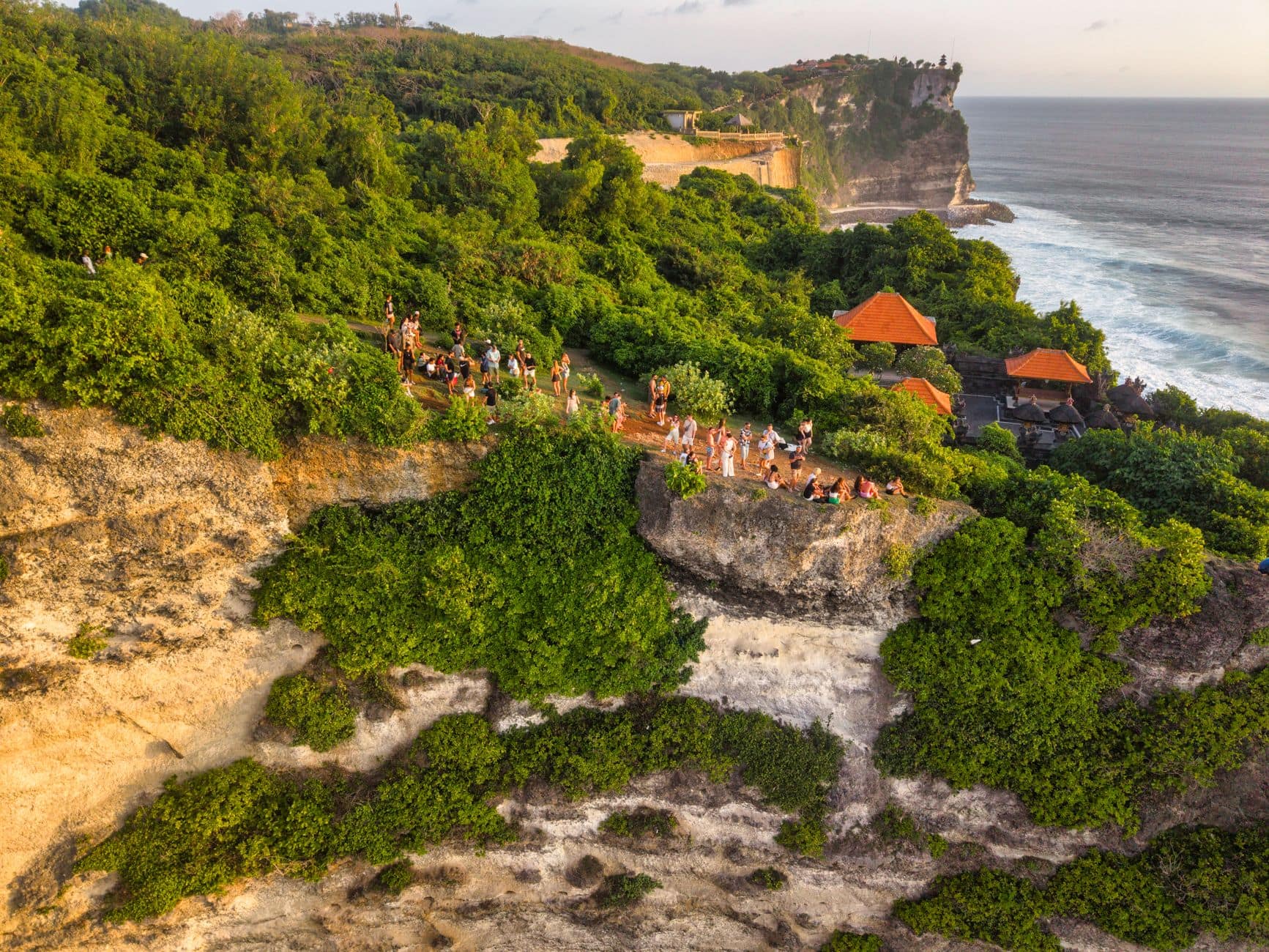
Uluwatu Temple
Near the top of the temple range, with the sarong normally handed over at the ticket window. The Kecak fire dance at sunset is a separate ticket bought at the amphitheatre, not part of temple entry. The monkeys here are practised thieves — sunglasses, caps and phones go in a zipped bag before you walk in.
 #5
#5
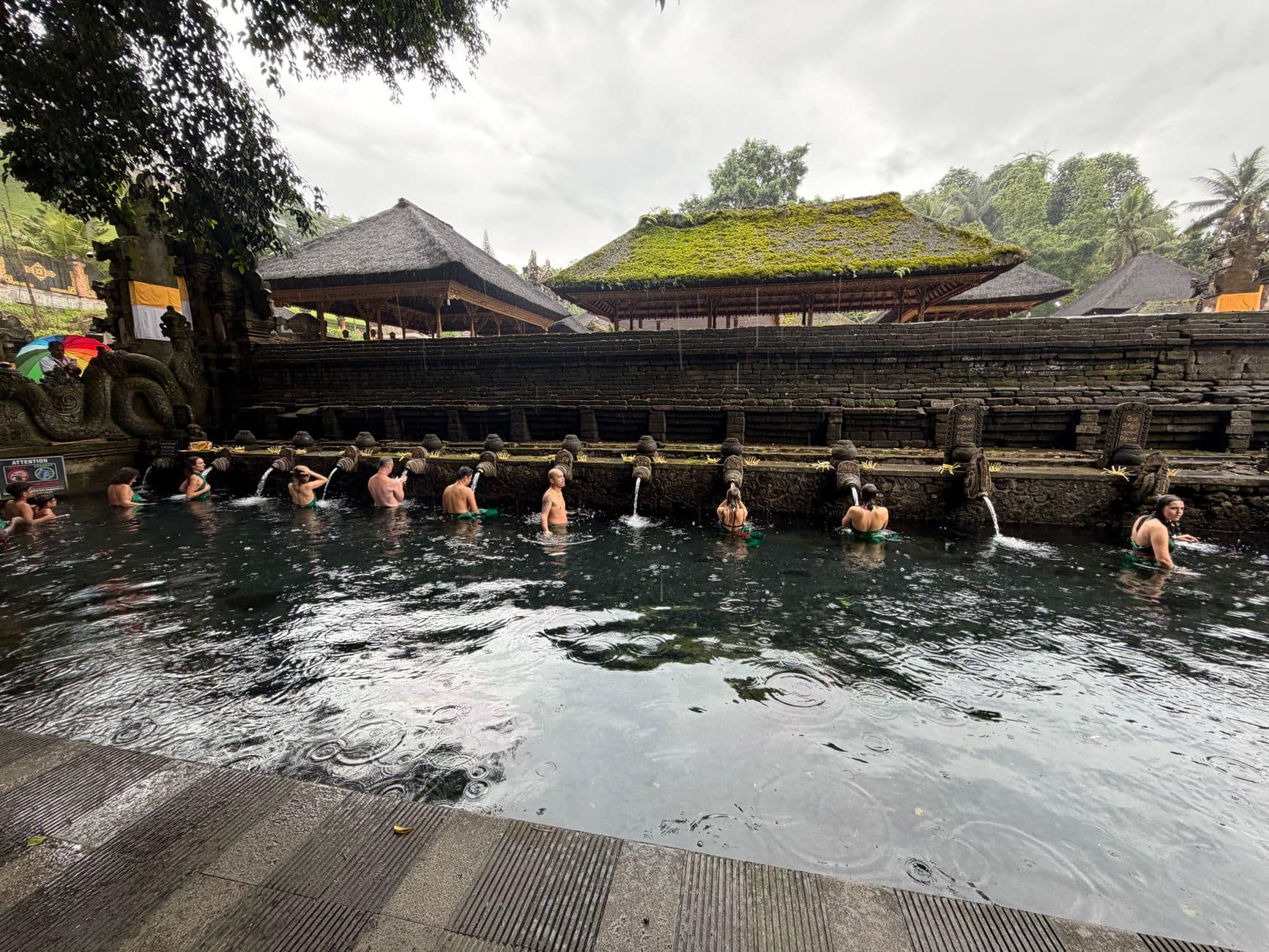
Tirta Empul
Upper end of the temple range, and the one place where the extras are worth paying: a bathing sarong and a locker if you plan to enter the water. Bring a towel and dry clothes, because you will be soaked. Go early — by mid-morning the queue in the purification pool moves slowly.
 #6
#6
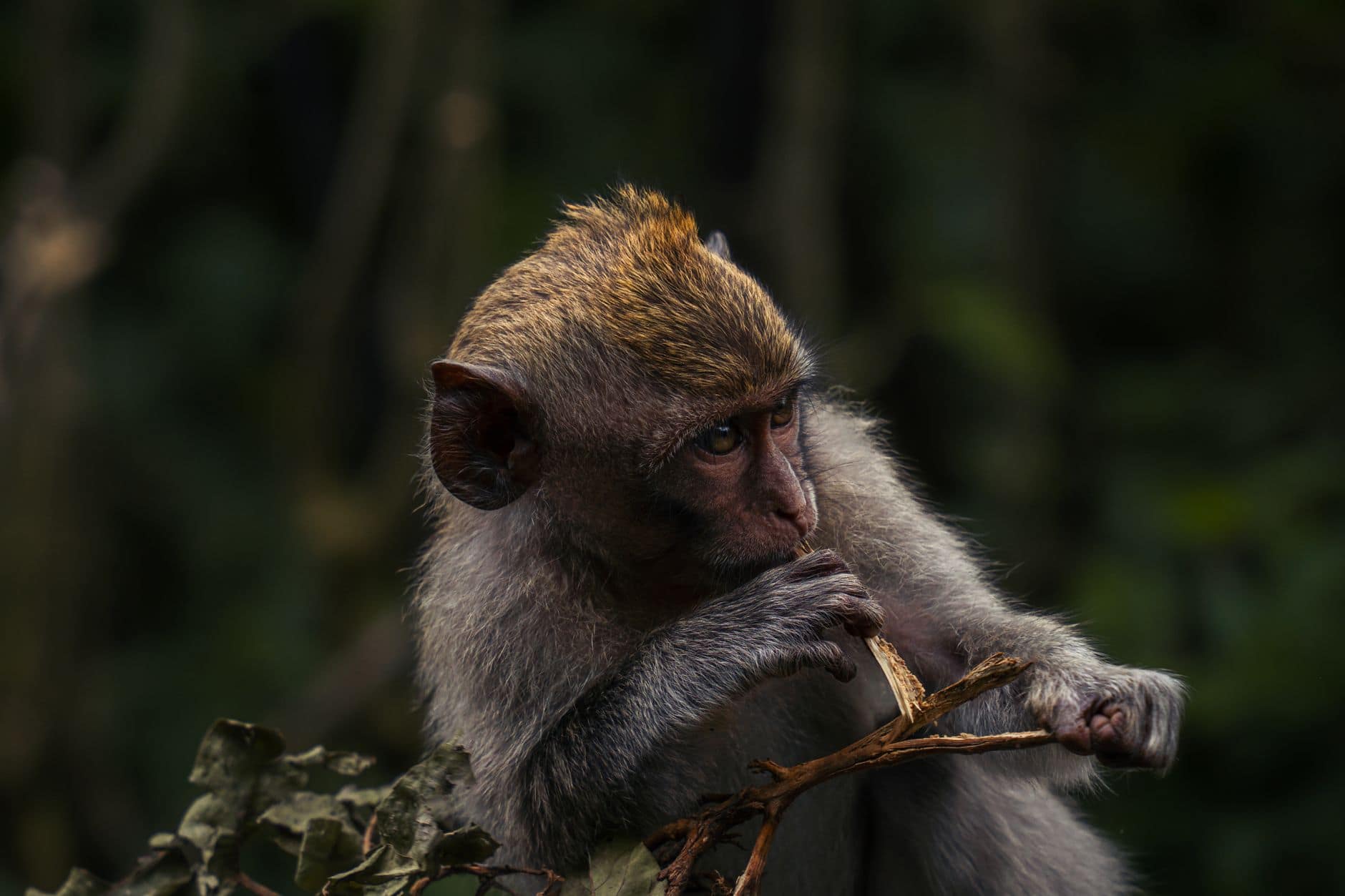
Ubud Monkey Forest
One of the higher tickets in Ubud, with separate adult and child prices, and it is a sanctuary rather than a temple visit. Walking distance from most of central Ubud, so no car or parking needed. Leave loose water bottles, snacks and sunglasses in your bag — the monkeys take them, and they do not give them back.
 #7
#7
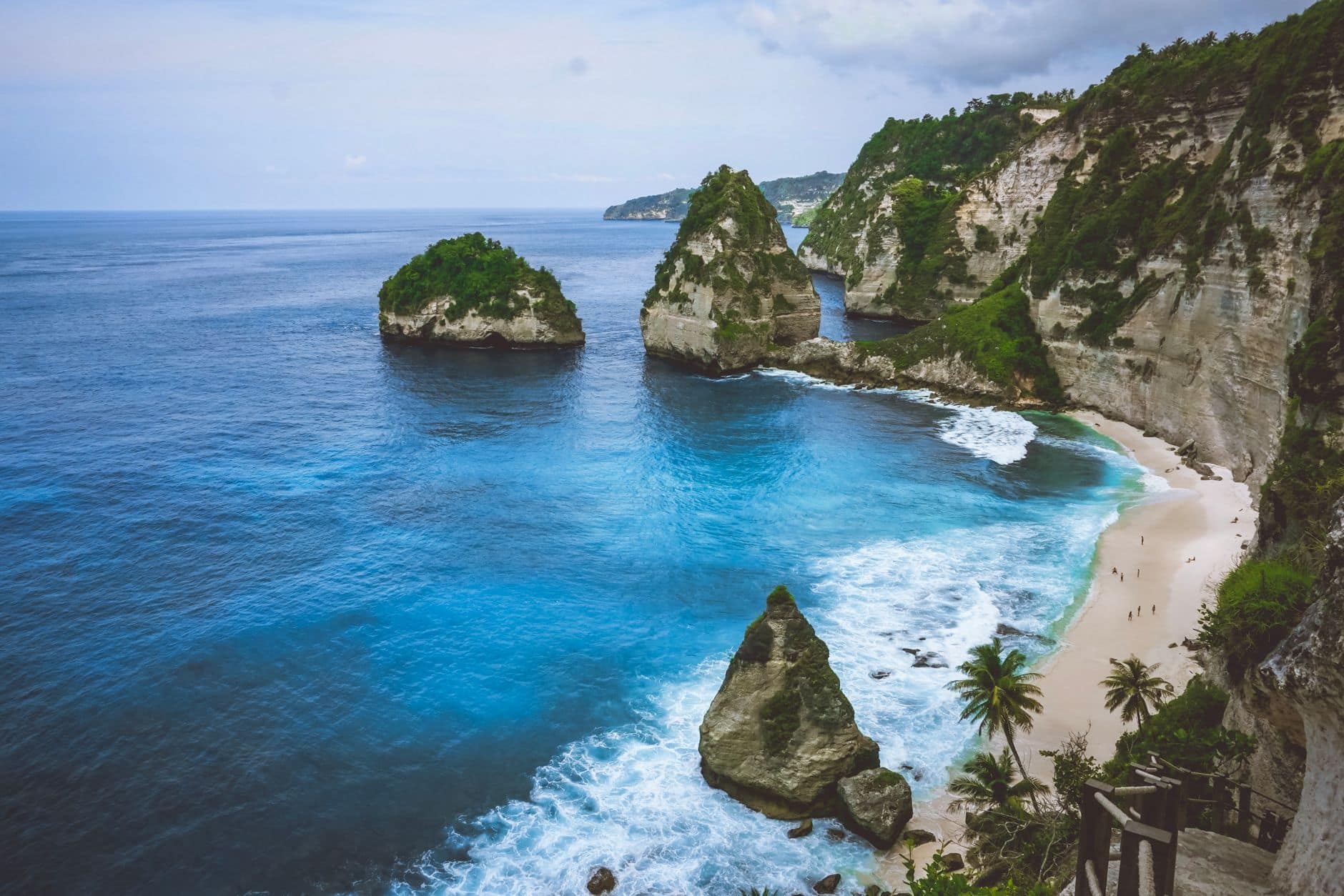
Diamond Beach
A small per-person fee in cash at the top, plus parking, collected before the staircase. Atuh next door charges again at its own booth. The stairway down is railed but steep and completely sun-exposed, and it is much harder on the way back up. Paying, looking from the rim and skipping the descent is a legitimate choice.
 #8
#8
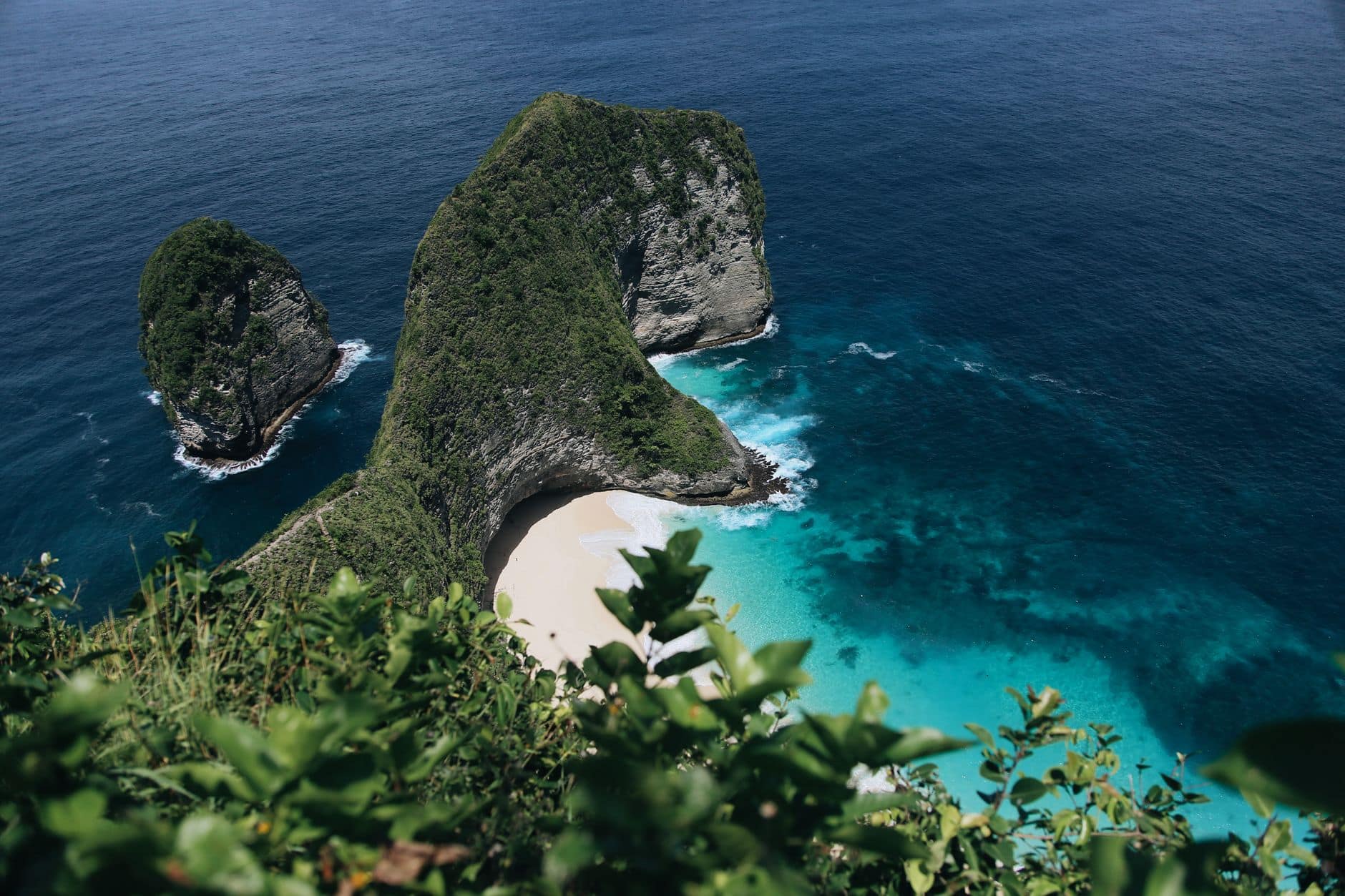
Kelingking Beach viewpoint
Small entry fee at the gate plus parking, both cash. The viewpoint alone justifies the stop; the scramble down to the sand is steep, unshaded and takes far longer than it looks from the top. Arrive before midday for softer light and fewer people queuing at the two good photo ledges.
What Bali entrance fees actually cost in 2026
Nearly every fee on the island sits inside one band: from a few tens of thousands of rupiah at a village waterfall up to around Rp 100,000 per person at the temples and viewpoints everyone has heard of. In dollar terms that is somewhere between a coffee and a decent lunch. No single ticket is a real line in your travel budget — the problem is accumulation. A ten-hour day with four stops, parking at each one and a sarong rental turns into a handful of notes, and none of those booths will happily break a large bill at 08:30.
- Waterfalls — the lower part of the range at most village-run falls, with parking charged separately before you reach the path.
- Big-name temples — the upper part of the range, with the sarong usually handed to you at the busiest ones.
- Village temples — a small donation box, or nothing at all.
- Rice terraces — a small ticket at the gate, then further small collections inside from the families whose land you cross.
- Nusa Penida viewpoints — a per-person fee at each cliff entrance, cash, plus parking at each one.
- Parking — a separate payment almost everywhere, taken by an attendant with a book of paper tickets.
- The Love Bali tourist levy — a one-off payment for the island, not a site ticket; it is covered in our visa and entry requirements guide.
Two honest caveats before you plan around any number, including ours. First, these are ranges rather than quotes: individual sites raise prices when they decide to, sometimes adding new tiers for foreign visitors, and a page written in January can be wrong by June. Second, the figure you found on a forum from two years ago is almost certainly too low. If a booth asks for more than you expected, that is usually simply the current price — the tariff board is normally posted beside the window, and it is fine to read it before you pay.
Bali waterfall entrance fees: every village runs its own gate
There is no single waterfall authority in Bali. Each fall sits on land belonging to a village, and that village built the path, the steps and the ticket booth, then set its own price. This is why the Bali waterfall entrance fee you paid at Tegenungan tells you nothing about what Sekumpul will charge tomorrow. Expect the lower half of the island's range at most falls, cash at a small window, and parking taken separately before you get there. Some falls also collect twice — one ticket at the road, another at a second gate further down, or an extra charge to cross to the far viewpoint.
The other thing nobody mentions is closures. After heavy rain the lower sections get shut by the same villagers who sold you the ticket, and that is the correct call: the steps are stone and clay, and the water rises quickly. Tukad Cepung, where you wade up a narrow river bed, is the first to close. Budget your legs as well as your wallet — the classic falls are all down and back up, and the climb out of Sekumpul is the hardest thing most visitors do that day. Our waterfall day trips guide covers which ones still work on a wet morning.
Bali temple entrance fees, and why Besakih works differently
Bali temple entrance fees cluster at the top of the range at the famous sites — Uluwatu, Tirta Empul, Tanah Lot, Besakih, Ulun Danu Beratan — and drop to a donation box at the thousands of village temples nobody queues for. All of them expect a sarong and sash over your knees. The busiest hand you one with the ticket, quieter ones rent them at the gate for a small sum, and nobody objects if you bring your own, which is the cheapest and cleanest option. Signs at the entrance also ask menstruating women not to enter the inner courtyards.
Besakih is the one people query most, and it no longer behaves like the others. Since the site was rebuilt around a large arrival and parking complex, you buy the Besakih temple entrance fee at the bottom and then either walk uphill to the temple gates or pay for a shuttle buggy — the buggy is separate, and so is parking. You will also be approached about hiring a local guide, usually described as compulsory. Paying a guide at Besakih is normal and the explanations are genuinely useful, but it is a negotiated fee rather than part of your ticket, so agree the number before anyone starts walking.
On a temple day the tickets are not where your money goes — the driving is. Besakih is roughly a two-hour drive from the south coast, and combining it with anything else fills a full day. Our Bali UNESCO heritage tour runs **10 hours from $65 per car with a morning pickup from Ubud, Sanur, Seminyak, Canggu, Legian, Kuta, Nusa Dua or Jimbaran. If you would rather choose one temple properly than tick off four, we compared them in the best temples and cultural sites in Bali.
Tegalalang entrance fee and the donation boxes inside the valley
The Tegalalang entrance fee is one of the smallest tickets in this guide and the one most likely to end up costing you the most. A small payment at the gate gets you into the valley, and parking is charged on top. After that, the terraces are working farmland split between different families, several of whom have set up their own collection points — a plank bridge here, a path up the far slope there — each asking for a further small amount as you pass. It is not a scam. It is how the families whose rice you are photographing are paid for the foot traffic.
The swings are a separate business again. Each platform is privately run with its own price list, and this is the one item on a Tegalalang morning that costs several times the entrance ticket. If you only want the terrace photograph, you do not need one. Two more practical notes: the valley is steep and the steps turn to slick mud after rain, and the light and the crowds are both best before about 09:00, ahead of the buses from the south. Our Ubud Rice Terrace, Temple and Volcano tour from $65 per car starts with an 08:00 hotel pickup for exactly that reason, and Ubud in one day shows how the rest of the day fits around it.
Nusa Penida: Diamond Beach, Kelingking and the fees that stack up
Nusa Penida charges per viewpoint, and this is where small fees add up fastest. The Diamond Beach Nusa Penida entry fee is collected in cash at the clifftop before you reach the staircase, with parking on top, and neighbouring Atuh runs its own booth even though the two are minutes apart. Kelingking, Broken Beach and Angel's Billabong work the same way. A full east-and-west day can pass through five or six separate gates, each one small, all of them cash.
Two warnings worth more than the money. There are very few working ATMs on the island, so bring what you need from the mainland in Rp 20,000 and Rp 50,000 notes — nobody at a cliff edge wants to break a Rp 100,000 bill. And the staircase down to Diamond Beach is cut into the cliff face: railed and rebuilt now, but steep, fully sun-exposed and far harder coming back up than going down. Plenty of people pay, look from the top, and skip the descent, which is a perfectly reasonable way to spend that ticket.
If you are pricing a Penida day, the boat and the car dwarf the gate fees. Our Nusa Penida West Tour starts from $49 per car, and the East Tour, which is the one that reaches Diamond Beach and Atuh, runs 10-12 hours from $75 with a 07:00 Sanur port meeting or an optional 06:15-06:30 hotel pickup. For which stops are worth their fee, see the best beaches on Nusa Penida.
How much cash to carry, and what a tour price does not include
Carry more small notes than you think you need. A realistic sightseeing day — four stops, parking at each, one sarong rental — still lands well under a few hundred thousand rupiah per person, which is not much money, but it has to be in your pocket, in the right denominations, at a window with no card machine and no change. Draw cash the evening before at a bank ATM rather than a standalone machine on a tourist street, and split it between pockets so you are not opening a full wallet at every booth.
On our tours what you are paying for is the car, the driver and the fuel. Assume entrance tickets and parking are yours to pay in cash at each gate unless we have told you otherwise for a specific route. Ask us on WhatsApp before you book and we will tell you what that day's gates are likely to come to for your itinerary. Nothing is prepaid with us, so there is no deposit tied to a ticket price that may well have changed by the time you arrive.
If you would rather decide site by site, a private car with driver from $59 per car lets you look at the queue and the tariff board and change your mind. Drivers wait outside, they do not pay your entry, and a good one will tell you honestly when a site is not worth the money that day. For the wider picture, our breakdowns of real 2026 tour prices and how much a Bali trip costs put these tickets in proportion.
FAQ
How much is the entrance fee for a waterfall in Bali?
Most Bali waterfalls charge in the lower part of the island's range, a few tens of thousands of rupiah per person, paid in cash at a booth near the car park. Each fall is managed by its own village, so prices differ between them and change without notice. Parking is normally a separate small payment, and some falls collect again at a second gate further down the path.
What is the Besakih temple entrance fee?
Besakih sits at the upper end of Bali's usual band, up to roughly Rp 100,000 per person, paid in cash at the arrival complex below the temple. Budget for extras: parking, and the shuttle buggy up to the gates if you would rather not walk the hill. Local guides approach everyone and are often described as compulsory — that fee is negotiated separately, so agree it before you set off.
How much is the Diamond Beach Nusa Penida entry fee?
Diamond Beach charges a small per-person fee in cash at the clifftop, collected before you reach the staircase, with parking on top of that. Neighbouring Atuh Beach has its own separate booth minutes away. There are almost no working ATMs on Nusa Penida, so bring small notes from the mainland — a full east-coast day passes through several of these gates.
How much are Bali temple entrance fees?
The well-known temples — Uluwatu, Tirta Empul, Tanah Lot, Besakih, Ulun Danu Beratan — sit at the top of the range, up to about Rp 100,000 per person. Village temples take a small donation or nothing. A sarong and sash are required everywhere: handed out with the ticket at the busiest temples, rented for a small fee elsewhere, free if you bring your own.
What is the Tegalalang entrance fee?
The ticket at the Tegalalang gate is one of the cheapest on the island, but it is not the end of the spending. Inside the valley, individual families collect further small amounts at bridges and paths across their land, and the swings are separate businesses charging several times the entrance ticket. Parking at the top is also charged separately.
Can you pay Bali entrance fees by card?
Rarely. Assume every gate, car park and sarong counter is cash only in rupiah, and carry Rp 20,000 and Rp 50,000 notes so you are not waiting on change. A few large sites have card machines, and they work some of the time. Draw cash at a bank ATM the evening before rather than hoping to find one near a waterfall or a cliff viewpoint.
Recommended Bali tours for this guide
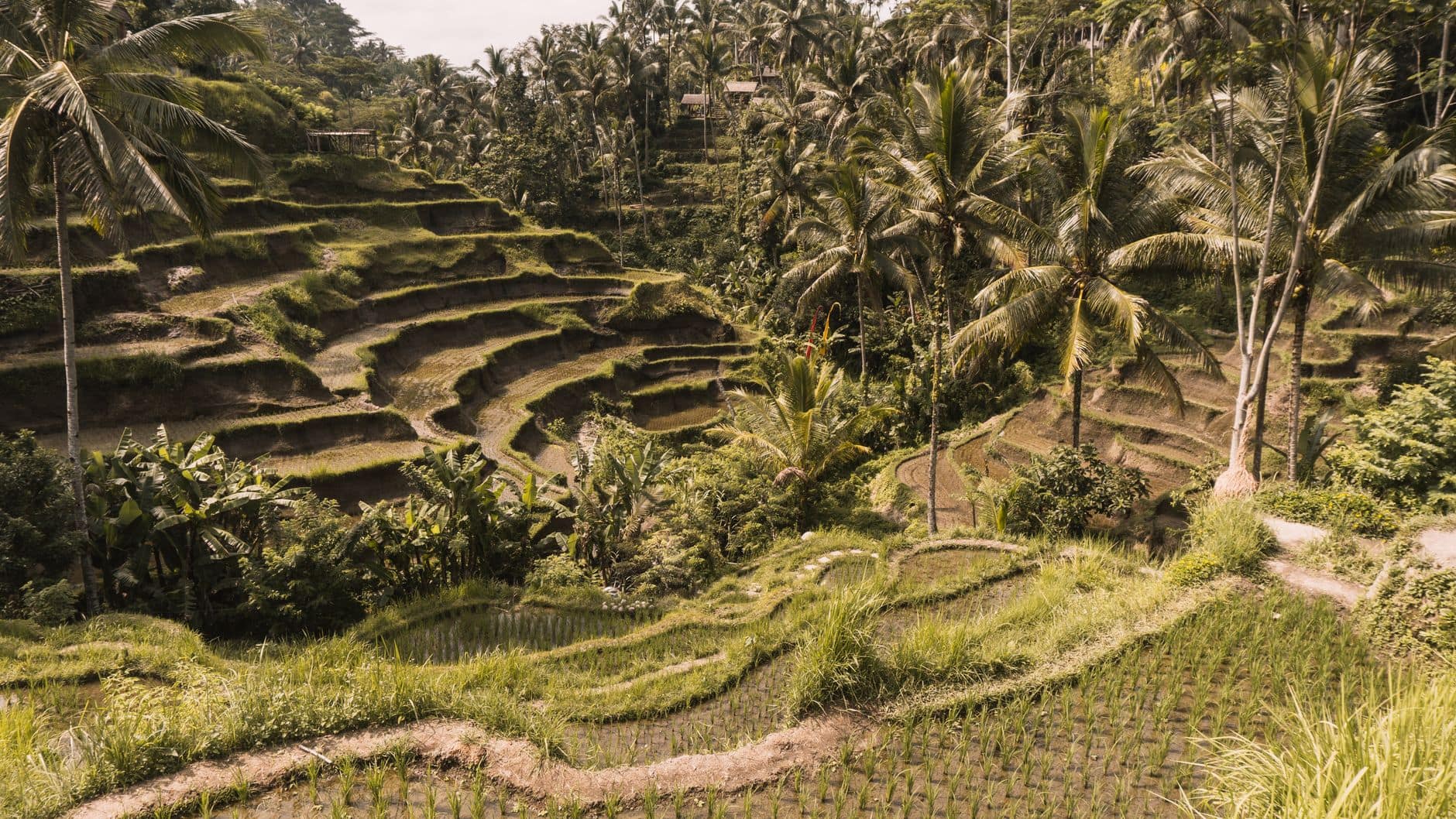
Ubud Rice Terrace, Temple & Volcano Tour
This private Ubud and Kintamani day tour is built for travelers who want Bali culture, scenery, and soft adventure without planning the route or doing the driving. It works especially well for first-time visitors because the route moves from craft villages and temples to volcano views, rice terraces, and the Ubud center in one organized flow.
- Duration
- 10 hours
- Area
- Kintamani, Ubud, and central Bali
- Format
- Private day tour by car
- Best for
- First-time Bali visitors
From $65 per car No prepayment
View tour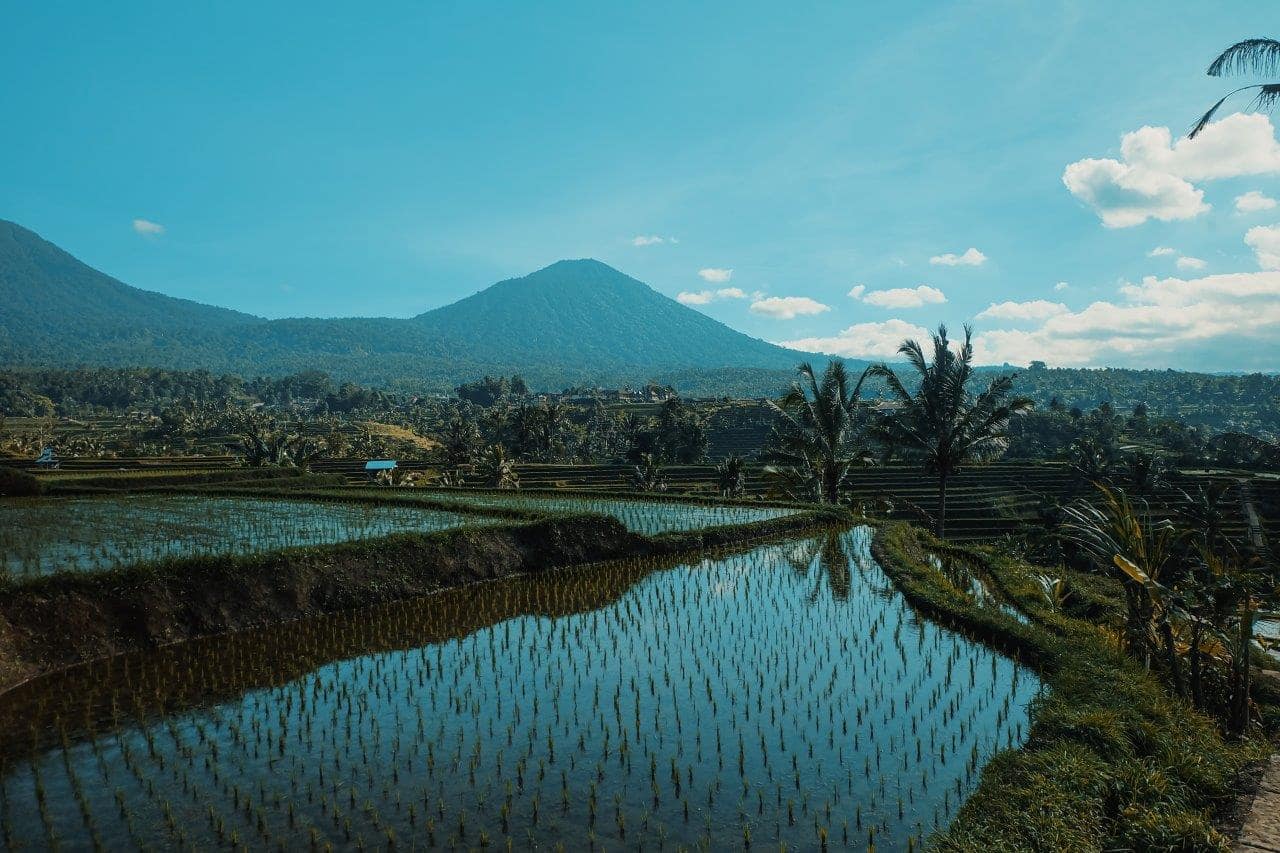
Bali UNESCO Heritage Sites Tour
This Bali UNESCO Heritage Sites Tour is built for travelers who want temple courtyards, mountain-lake views, UNESCO rice terraces, and a famous coastal temple finish without stitching separate day trips together. Private transport, a temple sarong, and bottled water are handled from $65 per car, with entrance tickets added at $20 per person.
- Duration
- 10 hours
- Area
- West & Central Bali UNESCO route
- Format
- Private heritage sightseeing route
- Best for
- culture lovers, couples, families, and first-time Bali sightseeing days
From $65 per car No prepayment
View tour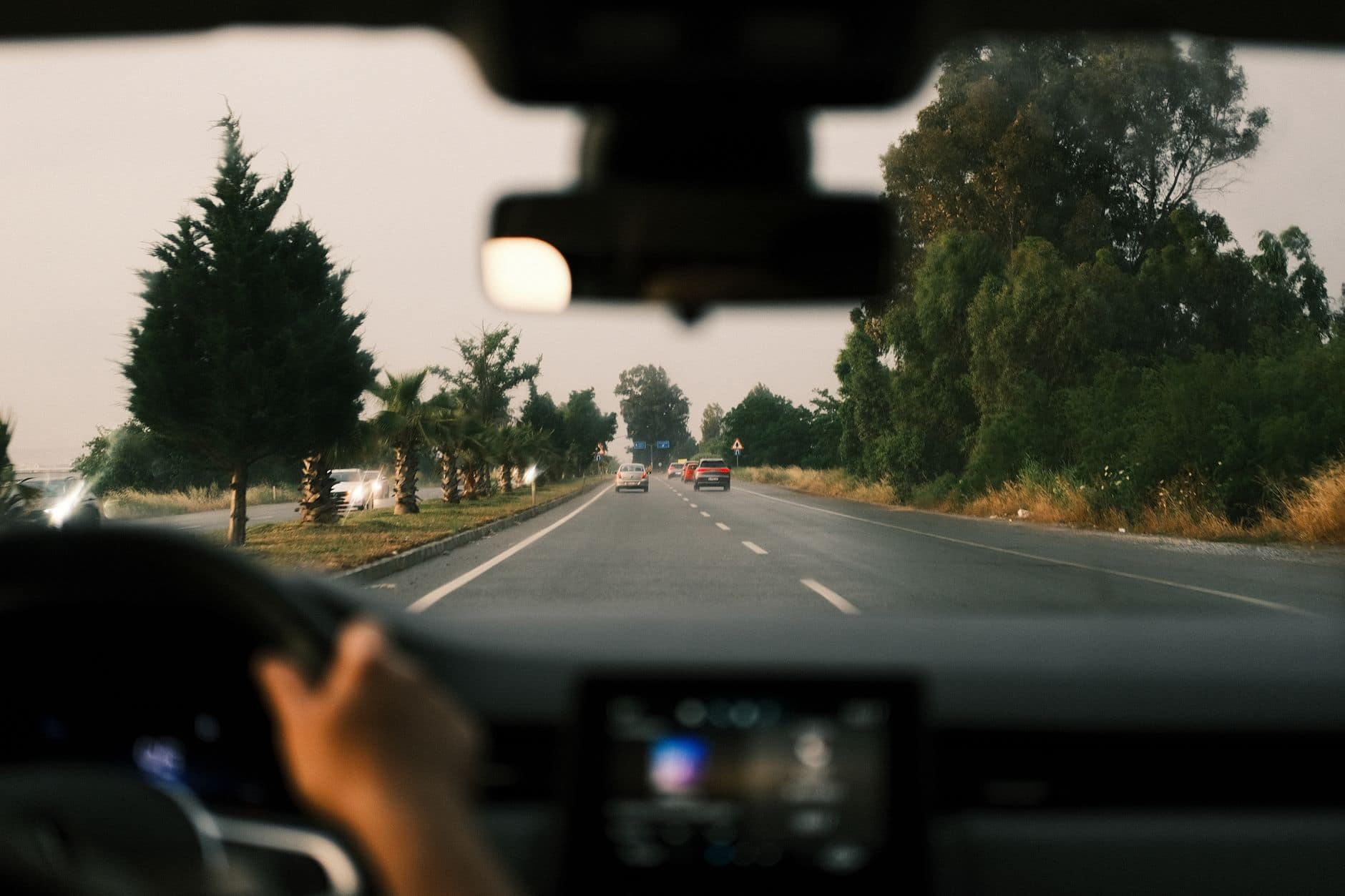
Private Car with Driver in Bali
This is one of the most useful products in Bali because so many plans become easier once transport is flexible. It is perfect for custom sightseeing, shopping days, family pacing, and travelers who already know roughly where they want to go.
- Duration
- Flexible daily use
- Area
- All major Bali regions
- Format
- Private transport service
- Best for
- Travelers who want total route flexibility
From $59 per car No prepayment
View tour