

Bali is warm all year — sea temperature never drops below 27°C. What actually changes is rain, crowds and price, and they do not move together. The cheapest months have the fullest waterfalls, and the driest month is also the most expensive and crowded.
By Alex Moskvin, Founder of SB Excursions · Published 21 May 2026 · Updated 23 October 2026
Tour on this route: Snorkel with Manta Rays, Nusa Penida — From $29, full day.
What is the best month to visit Bali?
May, June and September offer the best balance — dry weather without peak-season crowds or prices. July and August have the driest weather and best underwater visibility but are the busiest and most expensive months.
This guide also answers:
- Is Bali worth visiting in the rainy season?
- When is Nyepi and how does it affect travel?
- What is the cheapest time to go to Bali?
Top picks from this guide
 #1
#1
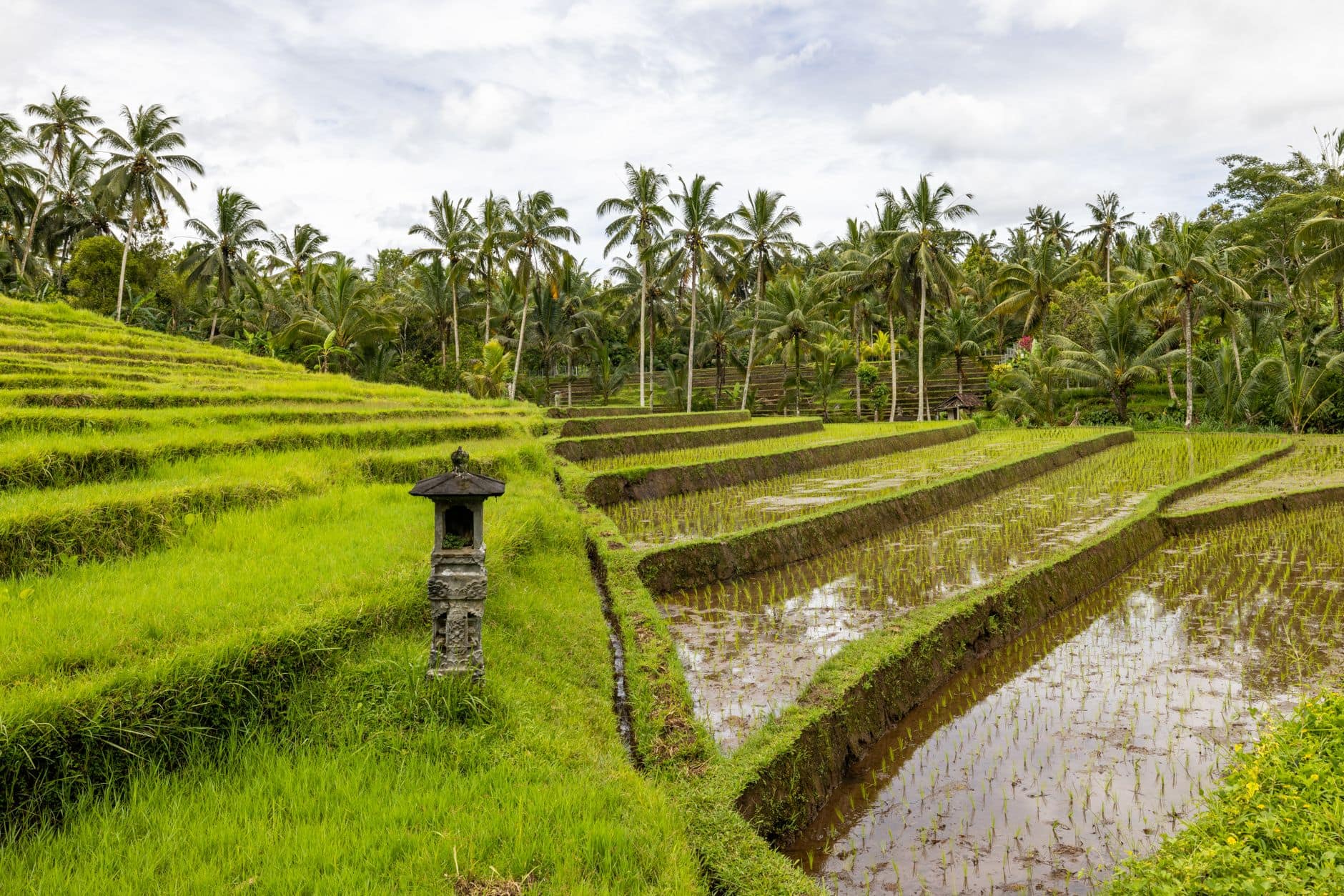
April to June
Dry weather without peak prices or peak crowds. May is a sweet spot: manta numbers peak and the island is not yet full.
 #2
#2
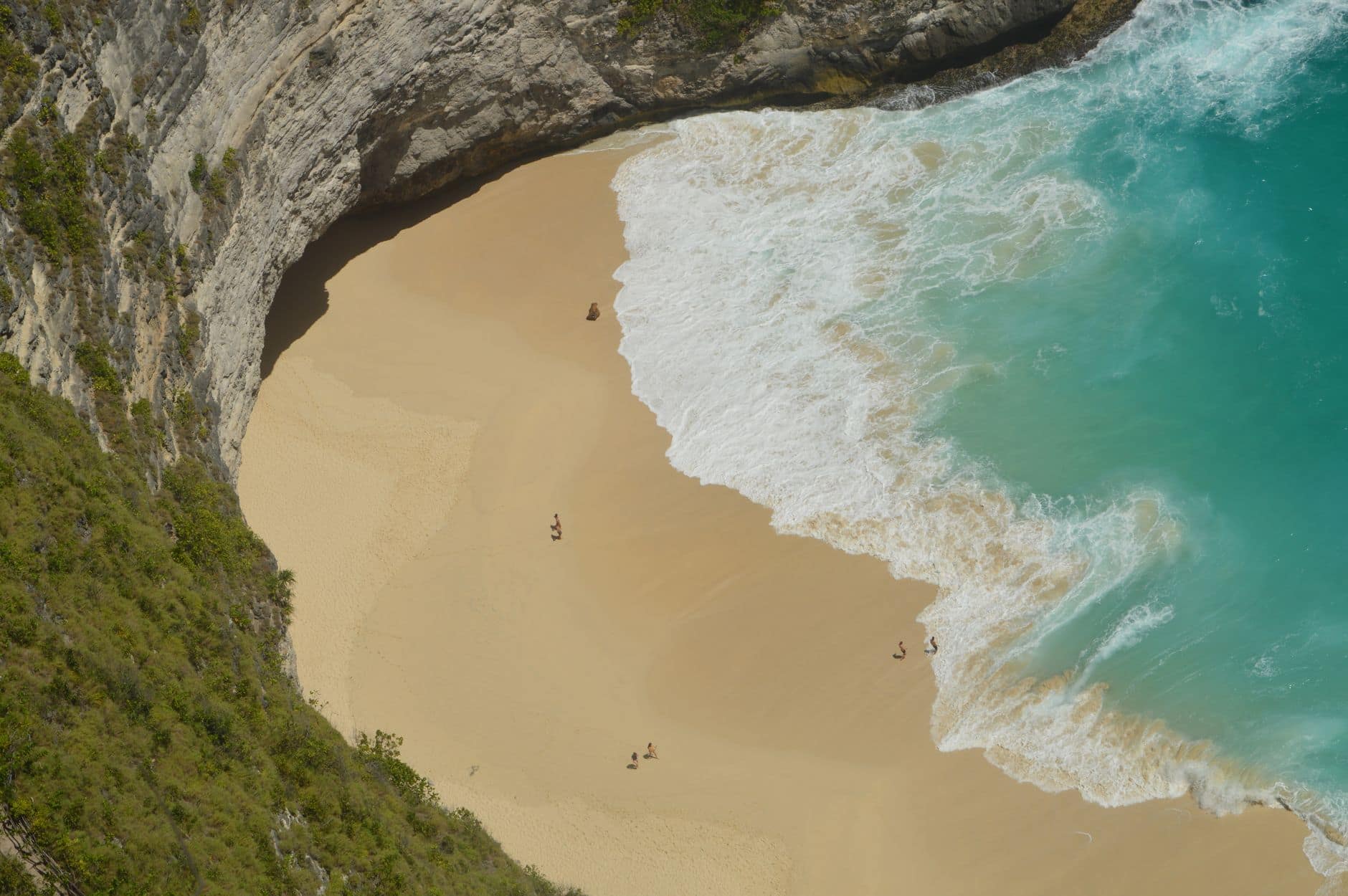
July and August
July and August are the driest months, 27.6 mm and 36.4 mm on the airport's 1991-2020 normals, with the best underwater visibility. They are also the most expensive and busiest — Mount Batur sees 600+ climbers a day.
 #3
#3
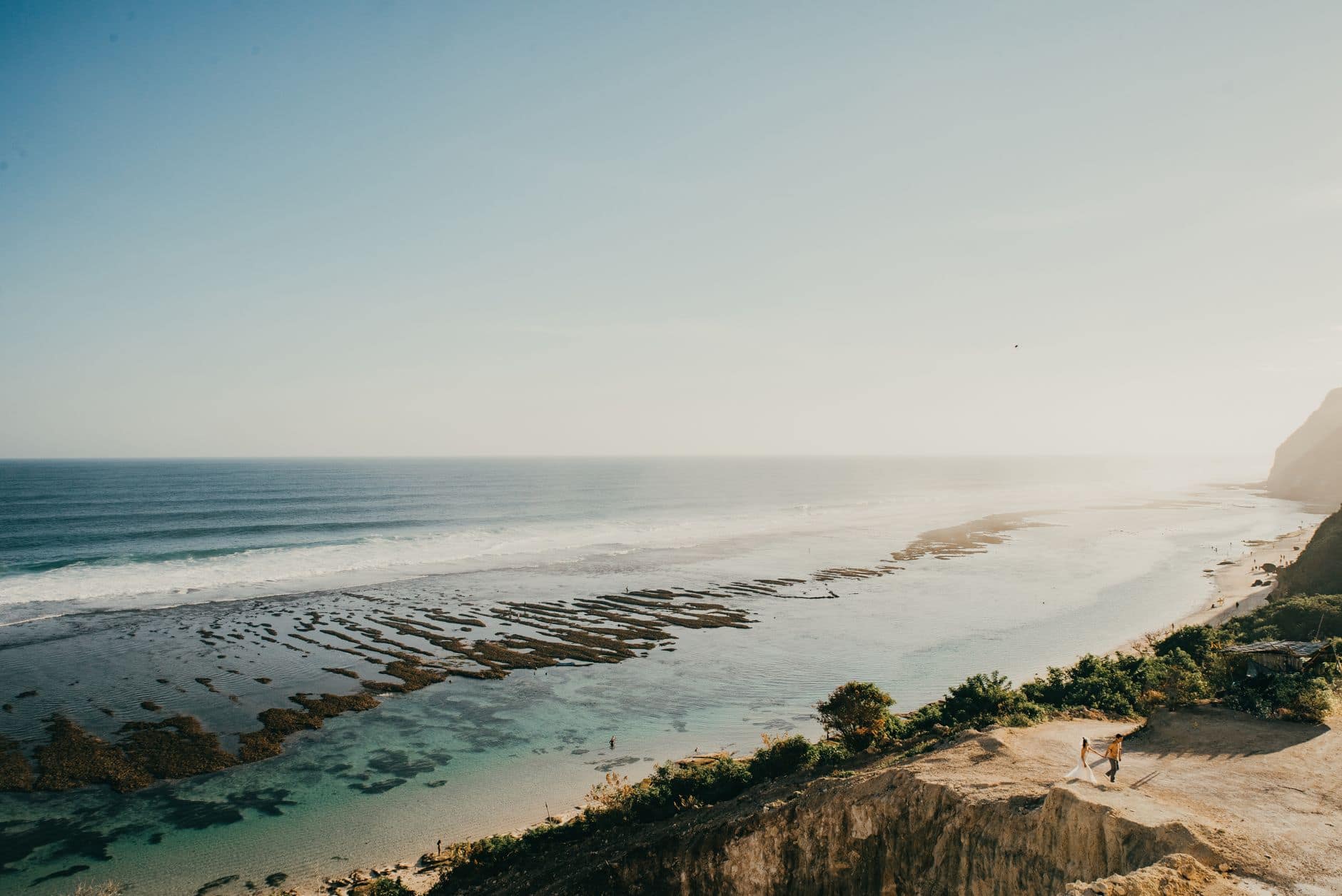
September and October
Dry season holds while crowds thin and prices ease. September is arguably the best value month of the year.
 #4
#4
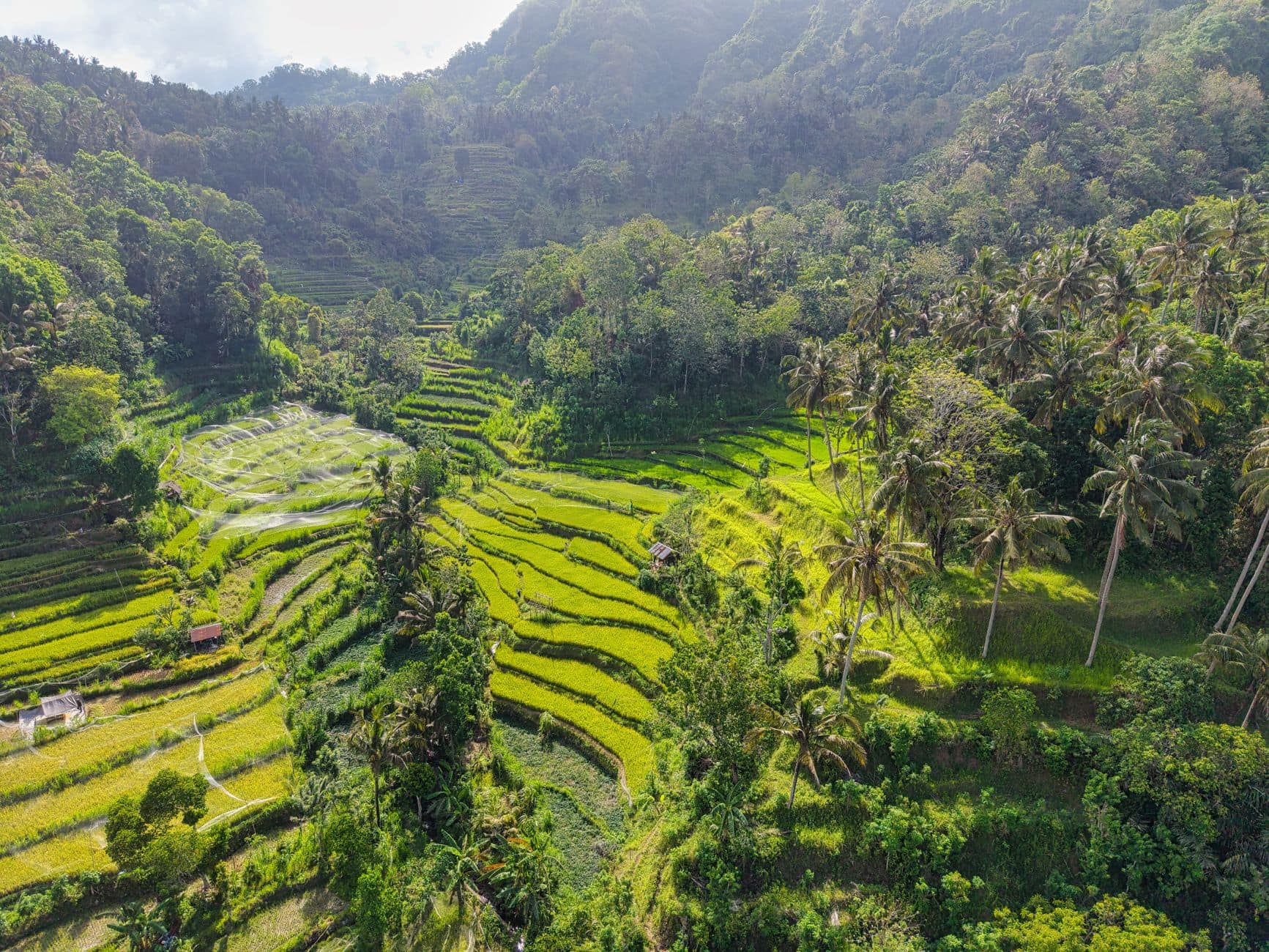
November and December
Short afternoon showers rather than all-day rain. Prices are low until the 20 Dec–5 Jan holiday spike.
 #5
#5
January to March
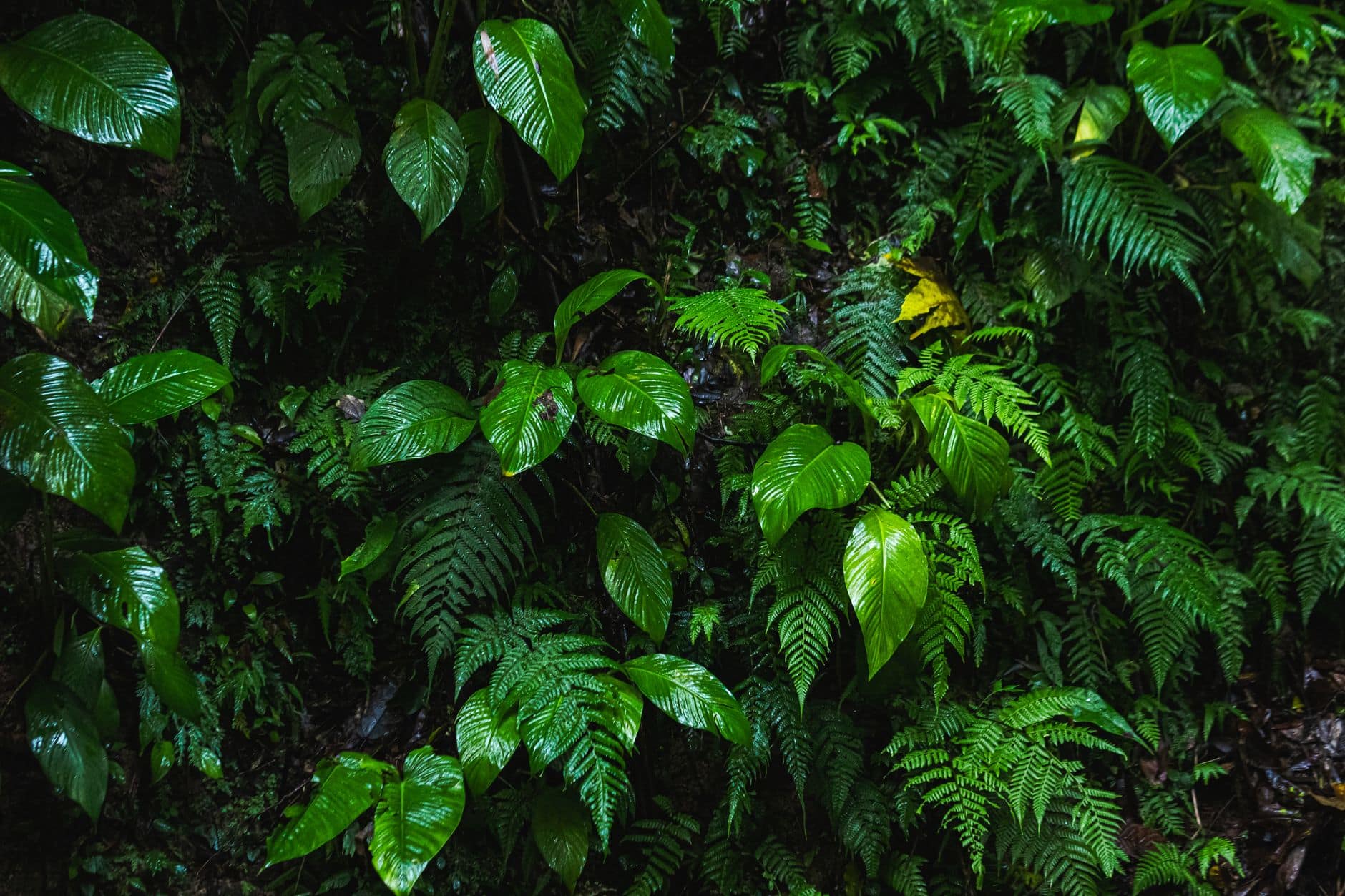
January is wettest (~350 mm) and rates run 30–40% below peak. Waterfalls are at full power; seas are roughest and some fast boats cancel.
🌦️ Dry and wet season, without the myths
Dry season runs April to October, wet season November to March. Daily temperatures sit around 26.5–28°C all year, with a 22–32°C range, and the sea stays between 27 and 29°C. Ubud and Kintamani run several degrees cooler than the coast.
The wet season does not mean all-day rain. The usual pattern is a heavy downpour of one to two hours in the late afternoon or evening, with sunshine either side. Even in January there are plenty of clear mornings. The trade-off is real though: more humidity and mosquitoes, rougher seas, occasional boat cancellations, and beach trash washing onto the west coast between December and February.
The practical strategy for green season is simply to front-load the day — outdoor plans before 14:00, indoor plans after.
For the months ahead, each has its own page with the rain normals, BMKG's 2026/2027 forecast and the exact holiday dates: Bali in October, Bali in November, Bali in December, Bali in January and Bali in February.
🤿 Best months for specific activities
- Surfing, west coast (Uluwatu, Bingin, Canggu): April–October, biggest swell June–August
- Surfing, east coast (Keramas, Sanur, Nusa Dua): November–March, smaller and more forgiving
- Diving and snorkeling visibility: June–October, 25–30 m+ around Nusa Penida
- Manta rays: year-round at Manta Point, most reliable April–October, numbers peak in May
- Mola-mola (ocean sunfish): July–October at Crystal Bay — water can drop to 18–20°C
- Waterfalls: strongest November–March, but best photographed late March–April for full flow without brown water
- Mount Batur sunrise: April–October, clearest June–September, best crowd-to-weather balance April–June
🤫 Nyepi — the one date that can ruin a trip
Nyepi, the Balinese Day of Silence, is the single most important date to plan around. The next one is Monday 8 March 2027, running 06:00 to 06:00 the following morning.
For 24 hours Ngurah Rai airport closes completely — no arrivals, no departures. Roads and ports close, shops and restaurants shut, mobile data is switched off island-wide, and everyone including tourists must stay on hotel or villa grounds. Village security patrol to enforce it.
Plan to arrive the day before at the latest and depart the day after, confirm your hotel is serving meals, and stock water and snacks. The upside: the ogoh-ogoh parades on the eve of Nyepi are one of the best spectacles in Bali, and the night sky with the island's lights off is extraordinary.
🎋 Other dates worth knowing
- Galungan and Kuningan 2027: 13–23 January and 11–21 August. Tourist areas run normally, but expect frequent road processions and penjor poles lining every street
- Melasti, two or three days before Nyepi: mass purification processions to the beaches, spectacular but coastal roads get blocked
- Indonesian Independence Day, 17 August: a domestic travel surge on top of peak season
- Idul Fitri: a large domestic influx with packed flights and ferries; dates shift each year with moon sighting
FAQ
What is the best month to visit Bali?
May, June and September offer the best balance — dry weather without peak-season crowds or prices. July and August have the driest weather and best underwater visibility but are the busiest and most expensive months.
Is Bali worth visiting in the rainy season?
Yes, with a flexible schedule. Rain usually comes as a heavy one to two hour downpour in the late afternoon rather than all day. The island is greener, waterfalls are at full power, crowds thin out, and rates run 30–40% below peak.
When is Nyepi and how does it affect travel?
The next Nyepi is Monday 8 March 2027. For 24 hours the airport closes entirely, roads and shops shut, mobile data is switched off, and everyone must stay on their accommodation grounds. Arrive at least a day before and depart at least a day after.
What is the cheapest time to go to Bali?
January to March, and November. Accommodation runs 30–40% below peak-season rates and flights are cheaper. Expect afternoon rain, rougher seas and the occasional fast-boat cancellation.
When can you see manta rays in Bali?
Manta rays are at Manta Point off Nusa Penida year-round, but sightings are most reliable from April to October, with numbers often peaking in May. Underwater visibility is best between June and October.
Recommended Bali tours for this guide
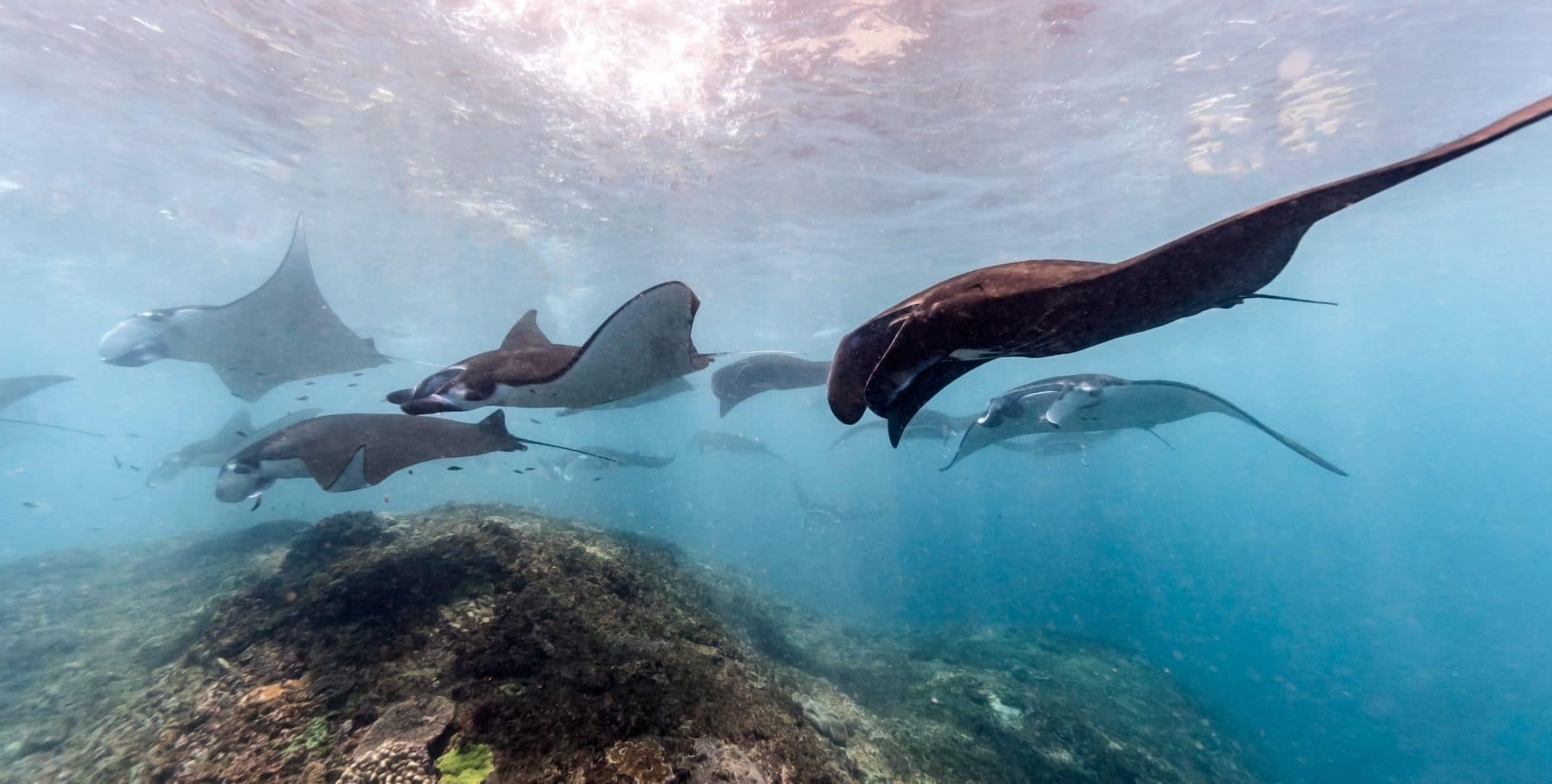
Snorkel with Manta Rays, Nusa Penida
This is one of Bali's strongest sea-day products because the experience starts delivering early and stays visually powerful all day. It works for couples, small groups, and first-time snorkelers who want clear planning and strong photo value.
- Duration
- Full day
- Area
- Manta Point and Nusa Penida waters
- Format
- Snorkeling tour
- Best for
- Snorkeling lovers and sea-day travelers
From $29 No prepayment
View tour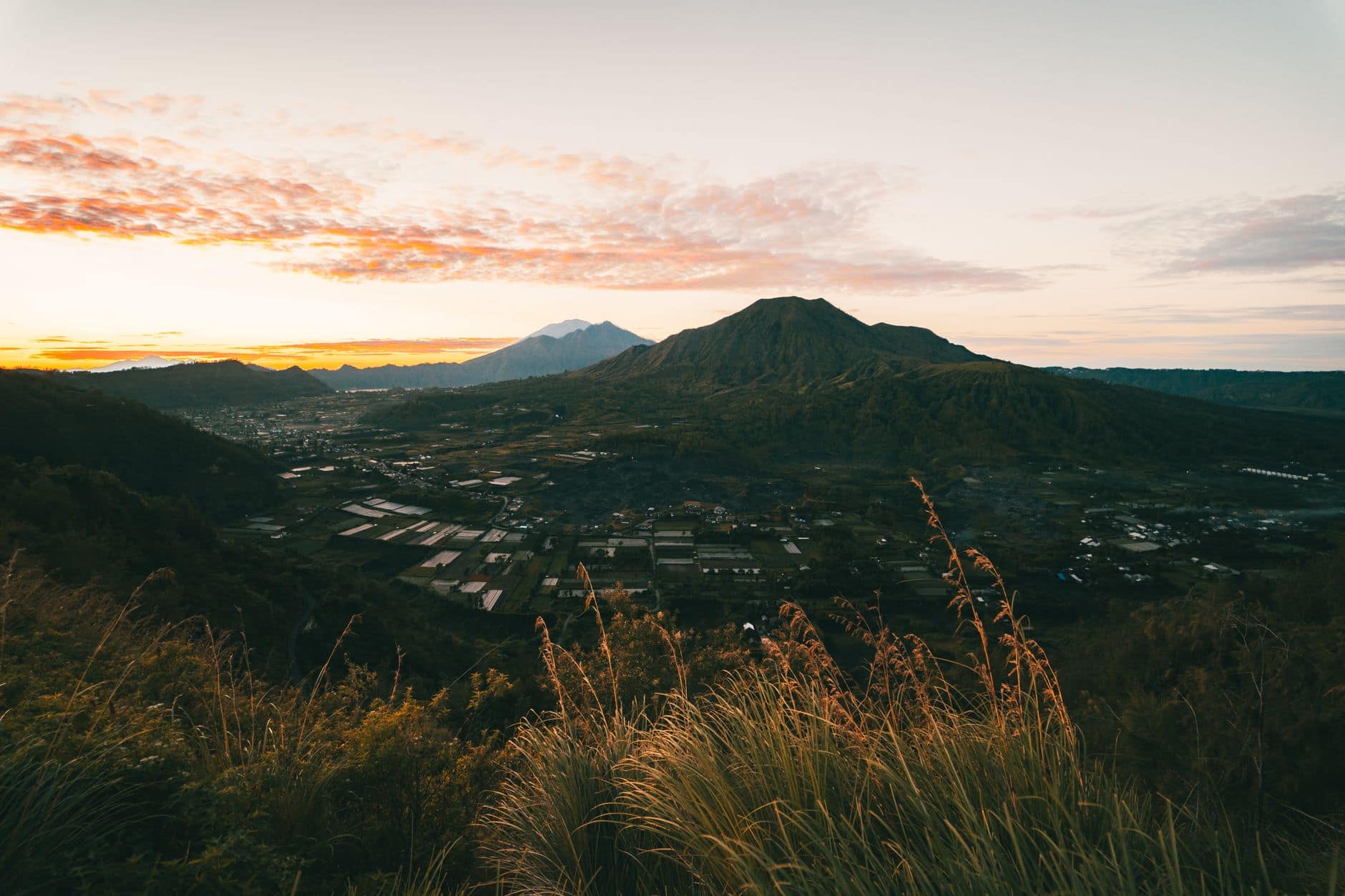
Mount Batur Sunrise Jeep Tour
This is one of the most accessible sunrise adventures in Bali because you still get the volcano mood without committing to a full trekking route. It is ideal for couples, small groups, and guests who want a signature morning with strong visuals.
- Duration
- 6-8 hours
- Area
- Kintamani and Mount Batur
- Format
- Private or small group jeep trip
- Best for
- Adventure lovers and sunrise seekers
From $45 No prepayment
View tour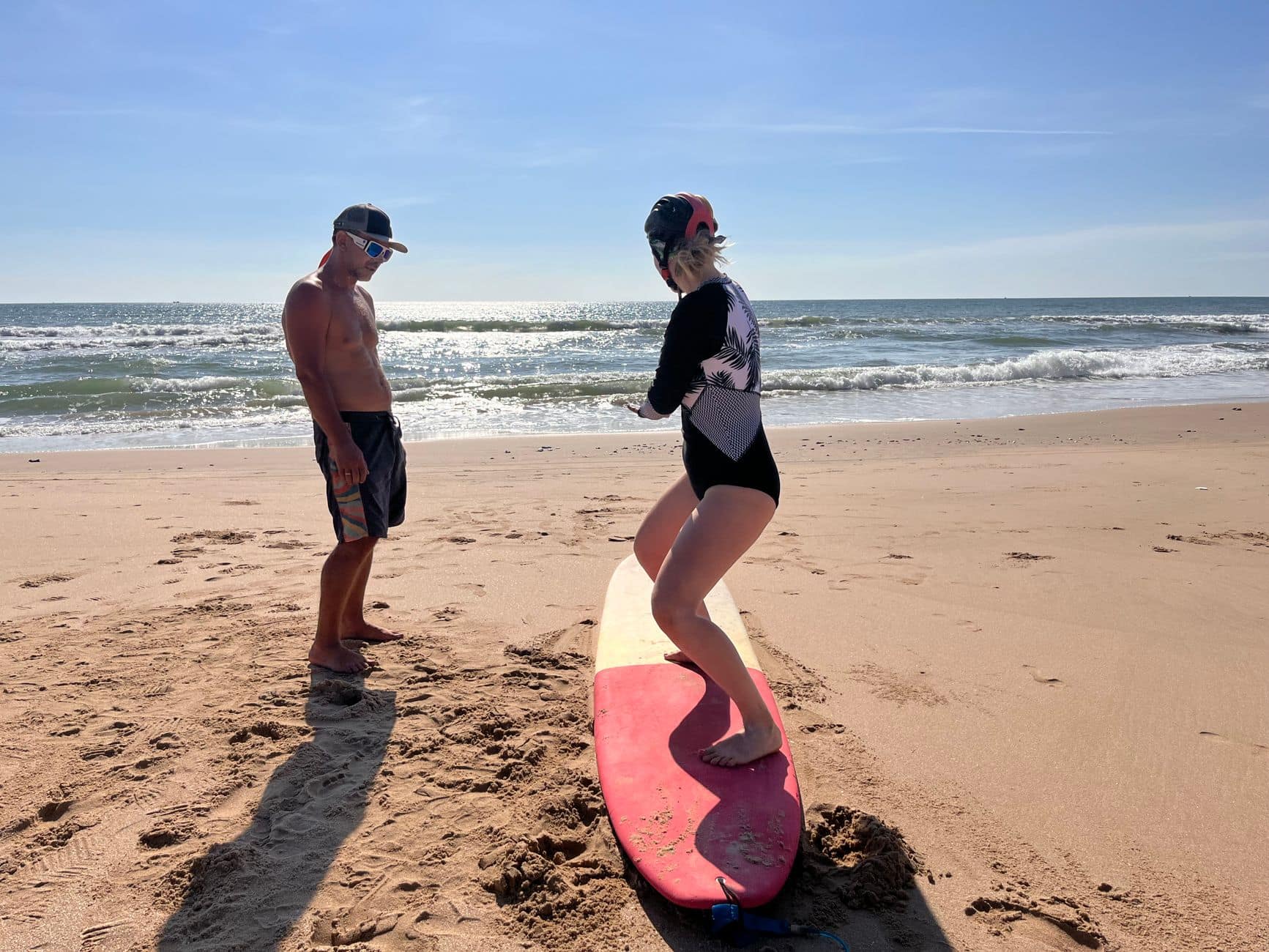
Bali Surf Lesson for Beginners
A surf lesson is one of the best short-format Bali activities because it feels local, active, and iconic without taking over the whole day. It is ideal for couples, friends, solo travelers, and anyone curious about the island's surf culture.
- Duration
- 2-4 hours
- Area
- Beginner-friendly Bali surf beaches
- Format
- Water activity
- Best for
- Beginners and casual active travelers
From $35 No prepayment
View tour