

Blue Lagoon is a sheltered snorkeling cove on Bali's east coast, about 5 minutes north of Padang Bai harbor and a 90-120 minute drive from Seminyak or Kuta, traffic depending; from Ubud it is closer to 60-90 minutes. Water is clearest between 07:00 and 10:00, before wind and boat traffic stir the sand, and the dry season from April to October holds visibility best. Entry is either straight off the beach into 1-3 m of water or by a 5-minute jukung boat out to the reef edge. Two neighboring spots most visitors skip, Tanjung Jepun and Bias Tugel, sit within a 10-15 minute walk or short boat ride. Guided snorkeling trips from Padang Bai start from $50 as of August 2026, half day to full day with morning hotel pickup; a private car with driver for a self-planned east-coast day is from $59 per car.
By Alex Moskvin, Founder of SB Excursions · Published 21 May 2026 · Updated 16 October 2026
Tour on this route: Blue Lagoon Snorkeling, Padang Bai — From $19, 2 hours on the water.
Is Blue Lagoon in Bali worth visiting?
Yes, with the right expectations. It is a small cove with easy, genuinely good snorkeling, not a vast lagoon. Arrive between 8:00 and 10:30 and you get calm, clear water and thin crowds; arrive mid-afternoon and you may wonder what the fuss was about. As a half-day from anywhere in east or south Bali, it earns its place.
This guide also answers:
- How much does Blue Lagoon snorkeling cost?
- What is the best time to visit Blue Lagoon Padang Bai?
- How do you get to Padang Bai from Canggu or Seminyak?
Top picks from this guide
 #1
#1
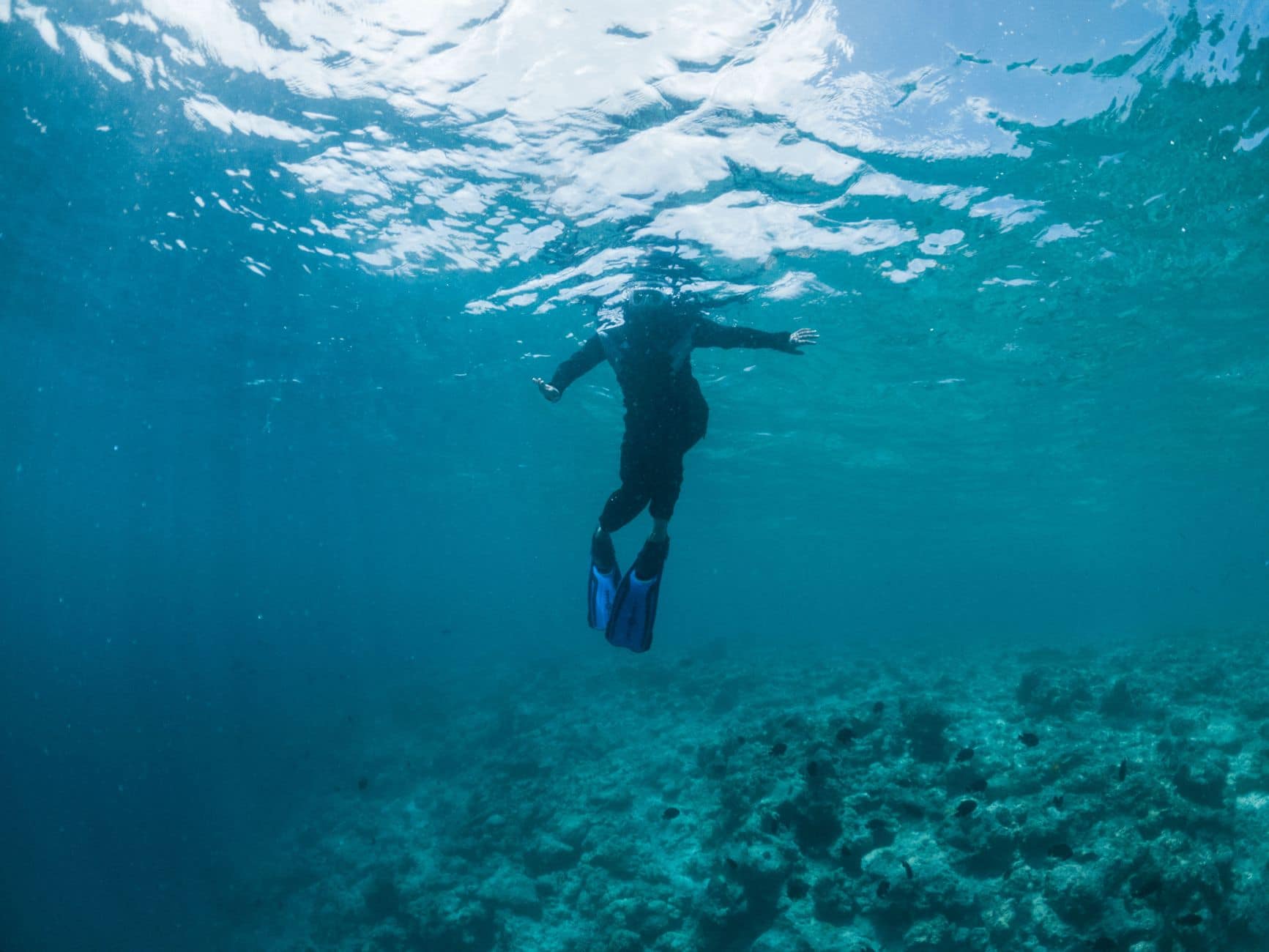
Blue Lagoon (the cove itself)
A pocket of white sand between two headlands, a short scooter or boat hop north of the harbor. The reef starts a few fin-kicks from shore: parrotfish, angelfish, the occasional blue-spotted ray, sometimes a reef octopus. It is small — that is the point and the catch. Arrive early and it feels private; arrive at noon and you share it with day boats.
 #2
#2
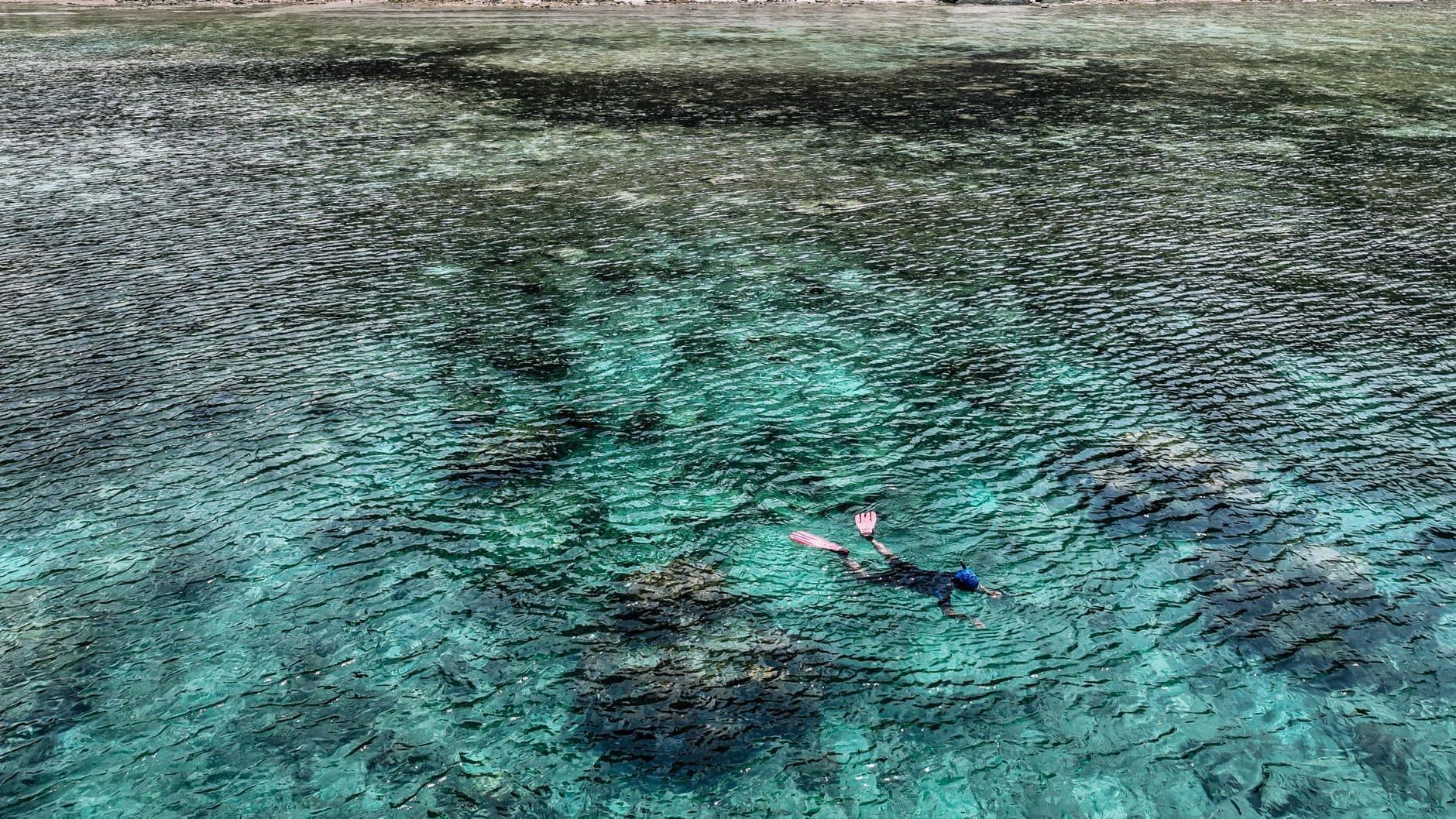
Tanjung Jepun
The reef point one small bay north, reachable only by boat, which is why most shore visitors never see it. Coral is in better shape than inside Blue Lagoon, and a few sunken objects act as an artificial reef that pulls in schooling fish. Private boat trips pair it with the lagoon as a two-stop morning — worth insisting on.
 #3
#3
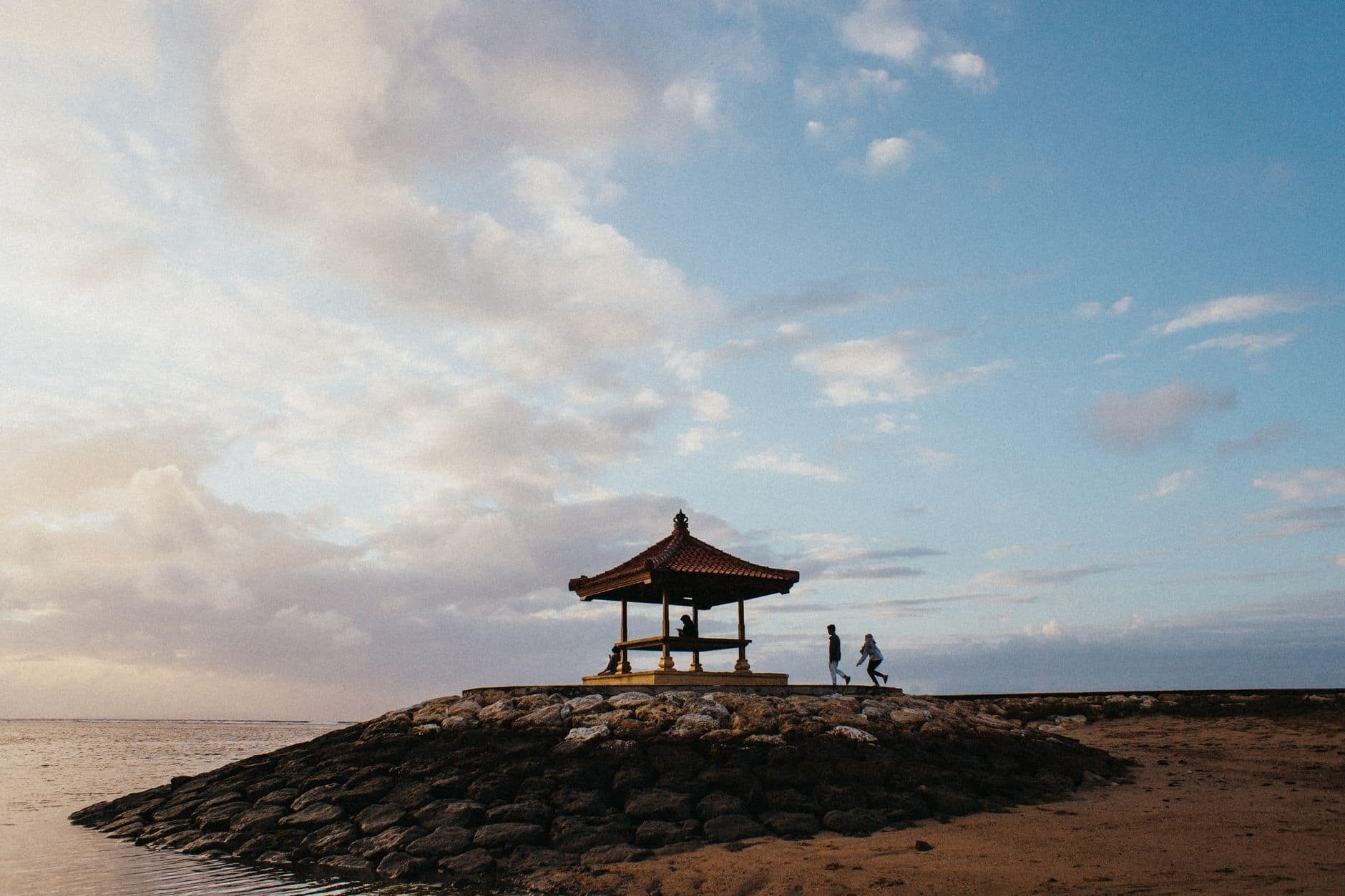
Bias Tugel Beach
A proper white-sand beach ten minutes' walk over the headland south of the harbor, down a steep path that keeps the crowds thin. Better for lying on the sand than snorkeling — the break is punchier and there is some current, so swim close in. A couple of warungs do simple lunches. Come here after the morning snorkel, not instead of it.
 #4
#4
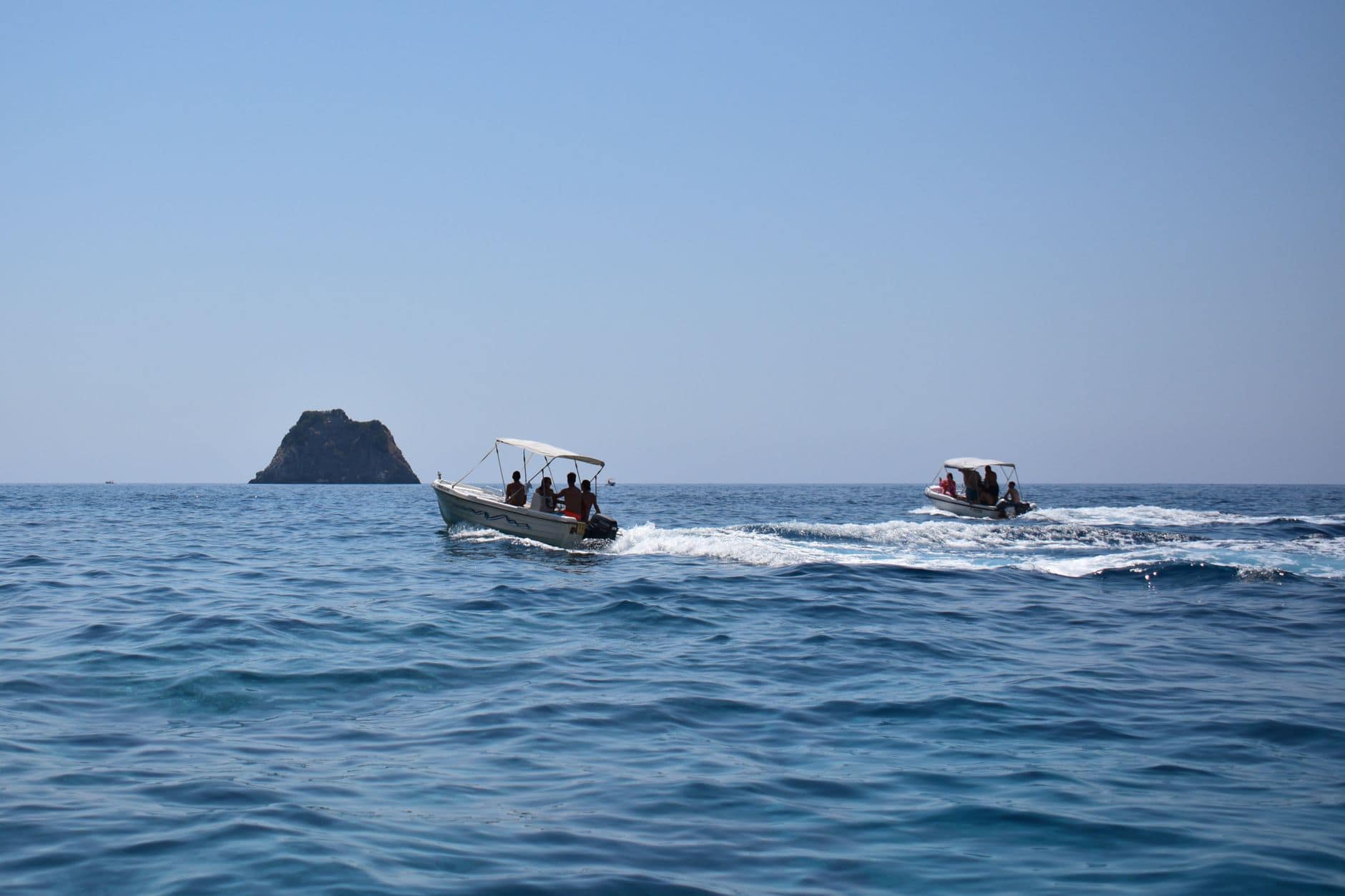
Padang Bai harbor & village
A working ferry port, not a postcard — and useful precisely because of that. This is where fast boats leave for the Gilis and Lombok, where your snorkel boat picks you up, and where you find honest warung food between swims. If you are connecting to the islands, the harbor is the reason Blue Lagoon makes such an easy add-on.
 #5
#5
The morning window
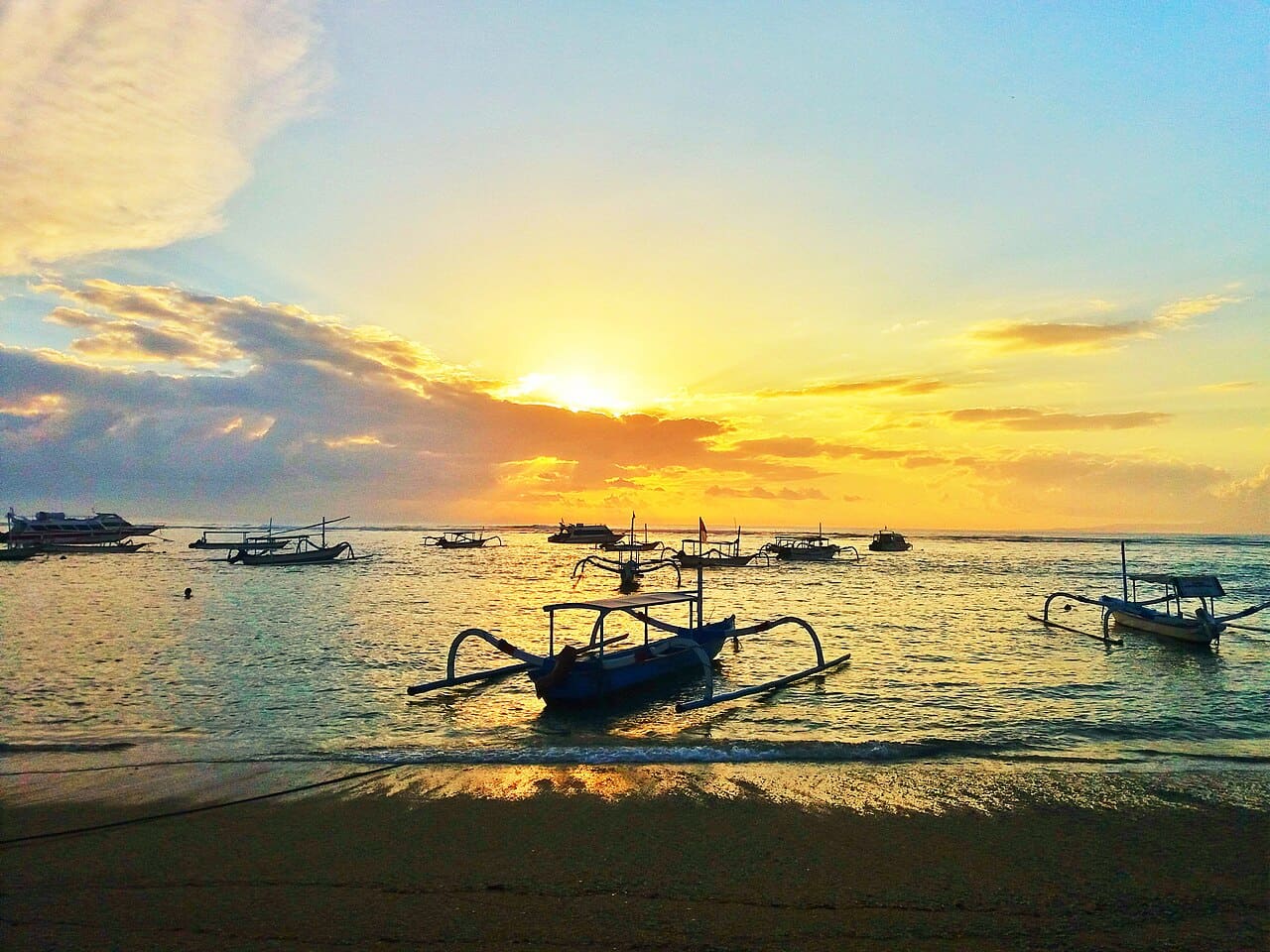
Blue Lagoon is a different place at 8:30 than at 13:00. Early, the sea is usually glassy, visibility is at its best and you might have the cove to yourself. From late morning, day boats arrive, wind chops the surface and sand gets kicked into the shallows. In dry season, April to October, the window is most reliable. Build the whole day around it.
#6
Shore entry vs boat trip
From the beach you wade in over rock and coral rubble — fine with reef shoes if you pick your line carefully. By boat, you skip the scramble, reach Tanjung Jepun, and someone watches the currents while you float. If you snorkel twice a year, take the boat; if you snorkel every week and travel with your own gear, shore entry is fine.
 #7
#7
What to bring
Reef shoes for the rocky entry, a mask you have actually tested, a rash guard so you can skip most of the sunscreen, water, and a dry bag for phones on the boat. Rental gear exists at the beach, but fit is a lottery. Small cash notes cover parking, coconuts and the warung — cards are optimistic in Padang Bai.
Padang Bai snorkeling spots: depth, difficulty and access
The bay has more than one entry point and they are not interchangeable: depth and current decide who each spot suits. Depths, difficulty and access times as of August 2026:
| Spot near Padang Bai | Depth and conditions | Best for | How to get there |
|---|---|---|---|
| Blue Lagoon cove (main beach) | 1-3 m, calm until about 10:00 | Beginners, families, first snorkel | 10-min walk over the headland from the harbor |
| Blue Lagoon reef edge | 5-10 m, mild current after midday | Confident swimmers, freedivers | 5-min jukung boat from the cove |
| Tanjung Jepun | 8-14 m, sloping wall | Strong snorkelers with a guide, divers | 5-10 min boat south of the harbor |
| Bias Tugel beach | Shore break, no reef | Swimming and sunbathing, not snorkeling | 10-15 min walk south of the harbor |
| Padang Bai jetty / Tanjung Sari | 5-12 m, ferry and boat traffic | Guided divers only | 5-min boat from the harbor |
| Gili Tepekong and Mimpang | 15-25 m, strong drift, cold patches | Certified divers only | 20-30 min boat, weather permitting |
| Jemeluk Bay, Amed | 2-12 m, very calm | A quieter second stop on an east-coast day | 60-75 min drive north, traffic depending |
Depths are the usual snorkeling range at each spot rather than the maximum, and conditions shift with tide, wind and boat traffic, so the 07:00-10:00 window is the one that holds up across the year.
What Blue Lagoon actually is
Blue Lagoon is a small cove just north of Padang Bai harbor on Bali's east coast — two headlands, a strip of pale sand, and a house reef that starts almost at the waterline. It is not a lagoon in the Icelandic-spa sense and it is not big; on a busy afternoon the whole beach holds a few dozen people. What it does offer is the easiest genuinely good snorkeling on mainland Bali: real coral, real fish, no long boat crossing. A private Blue Lagoon snorkeling trip runs from $50 per person with boat and gear handled, booked over WhatsApp with no prepayment — but you can also do the cove independently if you know what you are walking into.
Time it like a local
The single biggest lever you control is the clock. Between roughly 8:00 and 10:30 the sea off Padang Bai is usually at its calmest, visibility at its best, and the cove close to empty. After that, day-trip boats arrive, the breeze picks up and the shallows cloud with stirred sand. Dry season, April through October, gives you the most consistent mornings; in rainy season you can still get lucky, but river runoff after storms can dull the water for a day or two. If you are chasing genuinely clear water across the island, the same morning logic applies everywhere — we break it down month by month in when Bali's water is clearest.
Shore entry or boat trip
Shore entry — walk in from the beach over rock and rubble, snorkel the near reef, pay nothing for a boat. You will want reef shoes, your own mask, and a realistic eye on conditions, because nobody is watching you. Boat trip — a local jukung picks you up at the harbor, covers Blue Lagoon plus Tanjung Jepun, and the captain reads the current so you don't have to. Our private trip from $50 per person is the second option, with gear, water and photos handled. First-time snorkelers, families, and anyone who wants the second reef should take the boat; confident swimmers with their own kit can happily do the shore. That includes people who cannot swim at all — the vest-and-guide routine that makes the boat option work for them is the whole subject of our guide to snorkeling in Bali for beginners and non-swimmers.
Make it a full east-coast day
Blue Lagoon on its own is a two-hour stop, so build around it. Swim first, then walk or ride over to Bias Tugel for beach time, and eat at a harbor warung before the drive back. If you are heading onward, Padang Bai is Bali's main jump-off for the islands — fast boat transfers run from $15, which is why plenty of people snorkel the lagoon the morning before a Gili crossing. Staying in Bali? Pair the cove with the east side's temples, palms and viewpoints on an East Bali day trip from $65 per car.
If snorkeling is the main event of your Bali trip, keep perspective: Blue Lagoon is the convenient option, not the ceiling. The wall at Amed and the wreck at Tulamben are about an hour further up the coast, and the really clear water lives across the channel. Start with our island-wide list of the best snorkeling spots in Bali, then see which beaches actually have crystal-clear water before you lock the itinerary. Bias Tugel is one of the few coves on this coast with genuinely pale sand, which is why it makes our list of Bali's real white sand beaches. Padang Bai is also the harbour the Gili boats leave from, which is why it is the only base where a day trip to the Gili Islands from Bali leaves you real hours ashore rather than ninety minutes.
FAQ
Is Blue Lagoon in Bali worth visiting?
Yes, with the right expectations. It is a small cove with easy, genuinely good snorkeling, not a vast lagoon. Arrive between 8:00 and 10:30 and you get calm, clear water and thin crowds; arrive mid-afternoon and you may wonder what the fuss was about. As a half-day from anywhere in east or south Bali, it earns its place.
How much does Blue Lagoon snorkeling cost?
A private boat trip with SB Excursions runs from $50 per person, including the boat, snorkeling gear and a second stop at Tanjung Jepun, booked over WhatsApp with no prepayment. If you snorkel from shore instead, your costs come down to transport, parking and any gear you rent on the beach — those depend on where you start and what you carry.
Can you snorkel Blue Lagoon from the beach without a boat?
Yes. The reef starts close to shore, so shore snorkeling is real here, not a consolation prize. The entry is over rock and coral rubble, so wear reef shoes and pick a sandy channel to wade in. The trade-off: you miss Tanjung Jepun, and nobody is watching the current with you, so stay inside the cove and go early when the sea is calm.
What is the best time to visit Blue Lagoon Padang Bai?
Between 8:00 and 10:30 in the morning, almost regardless of season. That window has the calmest sea, the best visibility and the fewest boats. Month to month, the dry season from April to October is the most reliable; after heavy rain in the wet season, runoff can cloud the water for a day or two, so give it a morning to settle.
Is Blue Lagoon safe for kids and weak swimmers?
On a calm morning, the inner cove is sheltered and shallow enough for supervised kids and nervous swimmers, especially with a life vest from the boat. Two honest cautions: afternoon swell wraps around the headland and changes the mood quickly, and small boats come and go, so stay out of the middle channel. If in doubt, tell the captain — reading the day is their job.
How do you get to Padang Bai from Canggu or Seminyak?
Padang Bai sits on Bali's east coast. From Canggu or Seminyak plan on roughly two hours by car depending on traffic, and about half that from Sanur. There is no useful public transport for a morning arrival, so it is either your own scooter, a ride-hailing app willing to go that far, or a private car with driver from $59 per car for the day.
What fish can you see at Blue Lagoon?
On a normal morning: parrotfish, angelfish, butterflyfish, damselfish, moray eels in the rock, and often a blue-spotted stingray on the sand. Octopus and lionfish show up for people who look slowly. No turtles or mantas here as a rule — for those, cross the channel to Nusa Penida, where Manta Point trips run from $29 per person.
Can you combine Blue Lagoon with a Gili Islands trip?
Easily — the fast boats to the Gilis leave from the harbor around the corner, and transfers start from $15. Plenty of travelers snorkel the lagoon at 8:00, shower off, and board a late-morning boat. If you would rather have everything organized as one trip, a Gili day tour from Bali runs from $115.
Recommended Bali tours for this guide
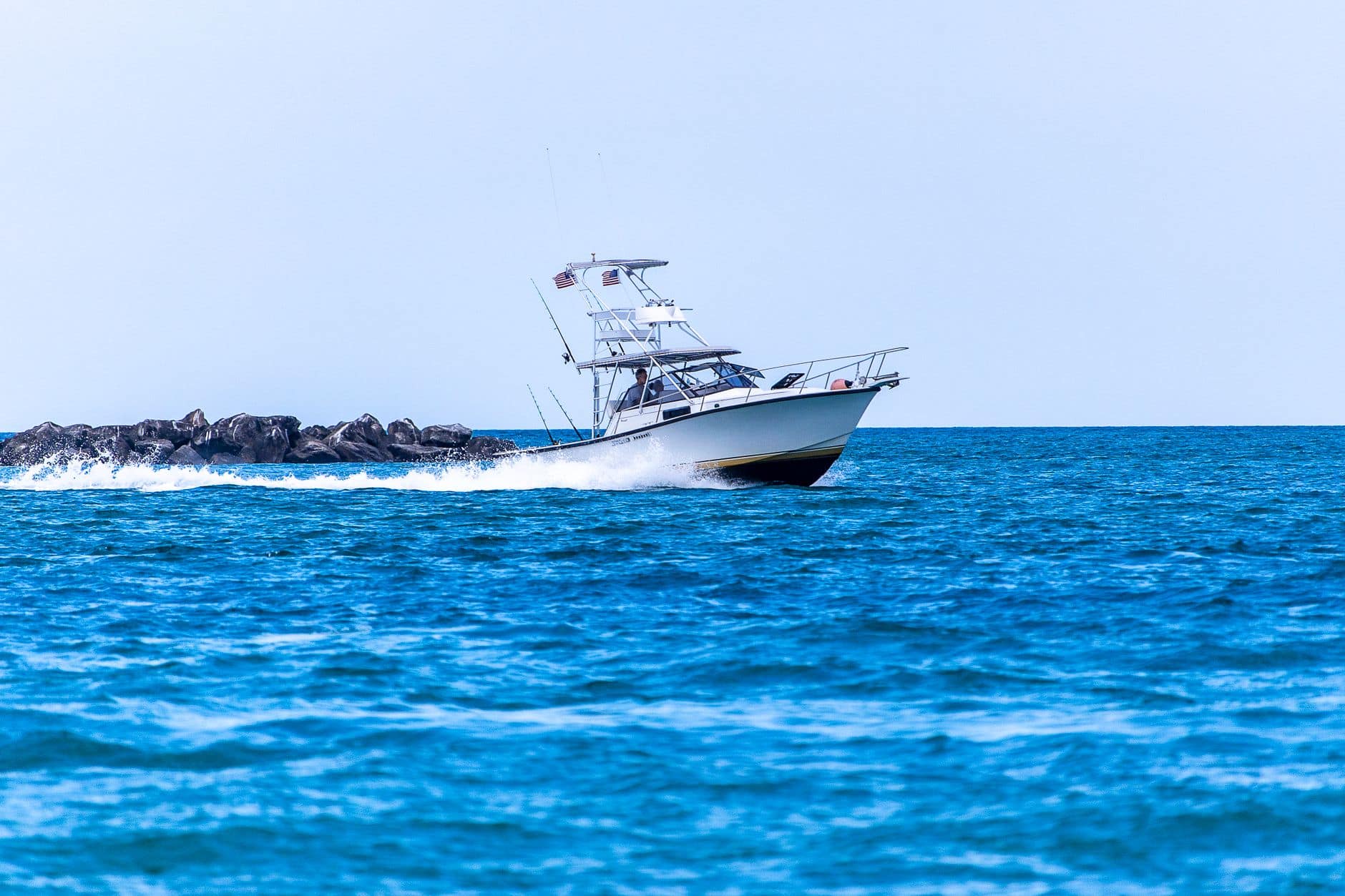
Bali Fast Boat Transfer
Fast boats are simple once booked correctly, but confusing when you are juggling ports, check-in windows, and hotel distance. This service helps turn the whole process into a clean transfer day instead of a stressful logistics puzzle.
- Duration
- Depends on destination
- Area
- Bali harbors and island routes
- Format
- Transfer service
- Best for
- Island-bound travelers
From $15 No prepayment
View tour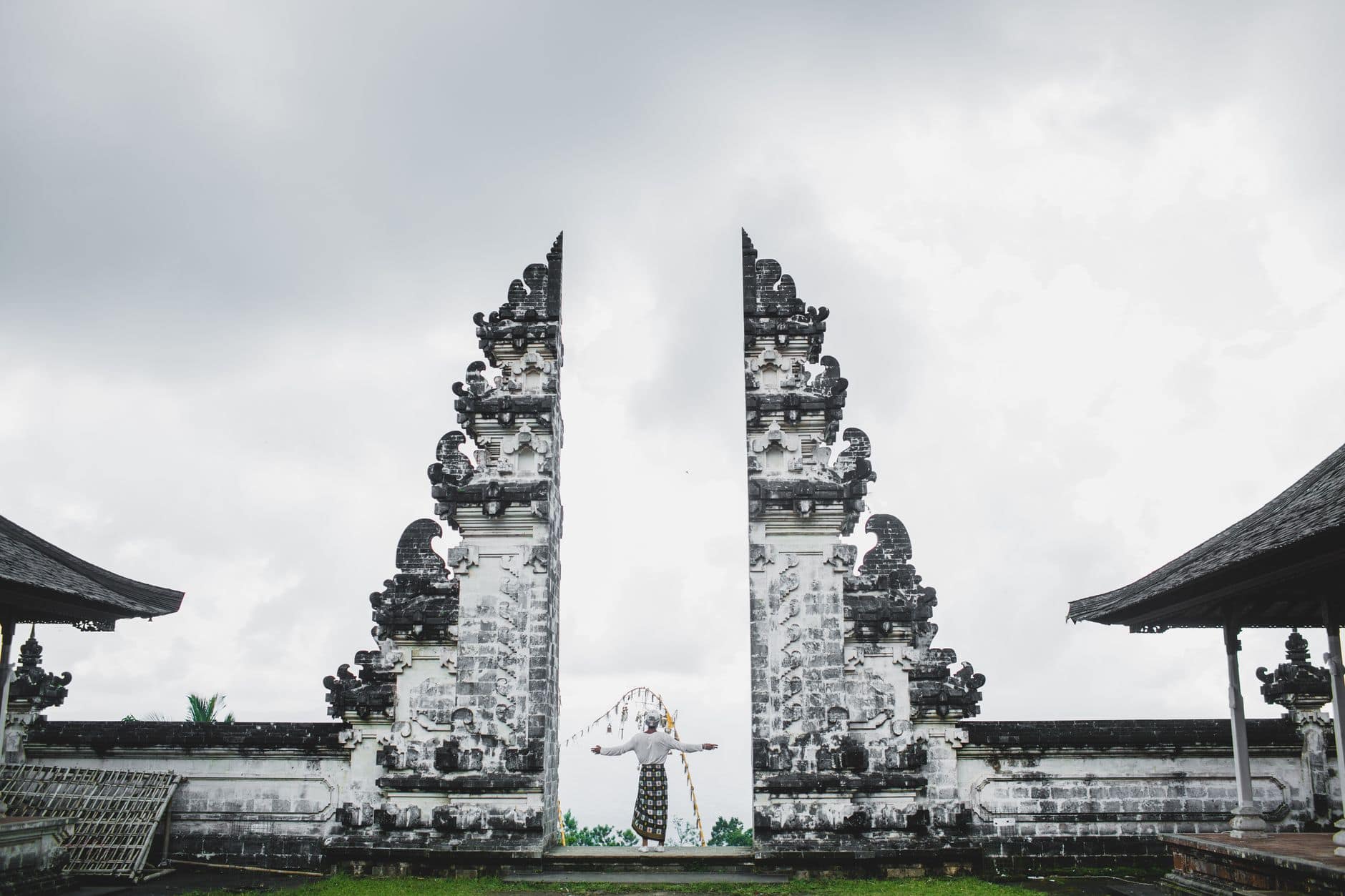
East Bali Instagram Tour
This route is perfect when you want Bali's most recognizable visual locations without guessing the driving order yourself. It works best for couples, creators, and anyone who wants an east Bali signature day with polished logistics.
- Duration
- 8-10 hours
- Area
- Lempuyang and east Bali
- Format
- Private day tour
- Best for
- Photo-focused Bali itineraries
From $65 per car No prepayment
View tour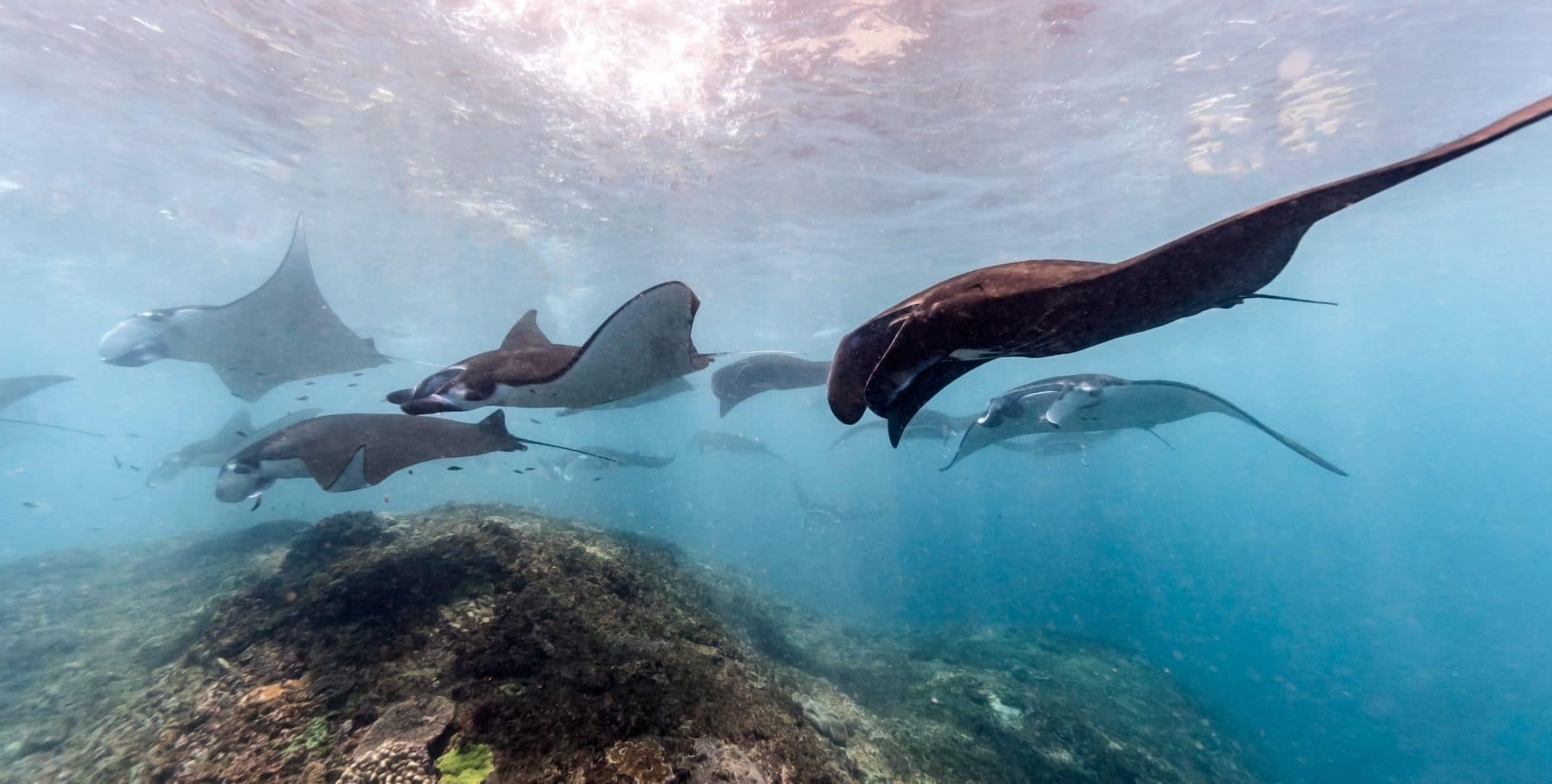
Snorkel with Manta Rays, Nusa Penida
This is one of Bali's strongest sea-day products because the experience starts delivering early and stays visually powerful all day. It works for couples, small groups, and first-time snorkelers who want clear planning and strong photo value.
- Duration
- Full day
- Area
- Manta Point and Nusa Penida waters
- Format
- Snorkeling tour
- Best for
- Snorkeling lovers and sea-day travelers
From $29 No prepayment
View tour