

Manta Point off Nusa Penida is the most reliable place near Bali to swim beside reef mantas, and you don't need a dive licence to do it. This guide breaks the trip into its real parts — the cleaning station, the boat ride, the season windows and the rules — so you know exactly what you're booking.
By Alex Moskvin, Founder of SB Excursions · Published 21 May 2026 · Updated 16 October 2026
Tour on this route: Snorkel with Manta Rays, Nusa Penida — From $29, full day.
Can you swim with manta rays in Bali without a diving licence?
Yes — Manta Point works as a snorkel site because the mantas cruise near the surface over the cleaning station. You need to be a comfortable open-water swimmer, since the site is off exposed cliffs with no beach, but no certification of any kind. Guided snorkel trips run from $29, gear included, and the guide stays in the water with you.
This guide also answers:
- How much does a manta ray tour in Bali cost?
- What happens if no mantas show up?
- How do you get to Manta Point from Bali?
Top picks from this guide
 #1
#1
The Cleaning Station
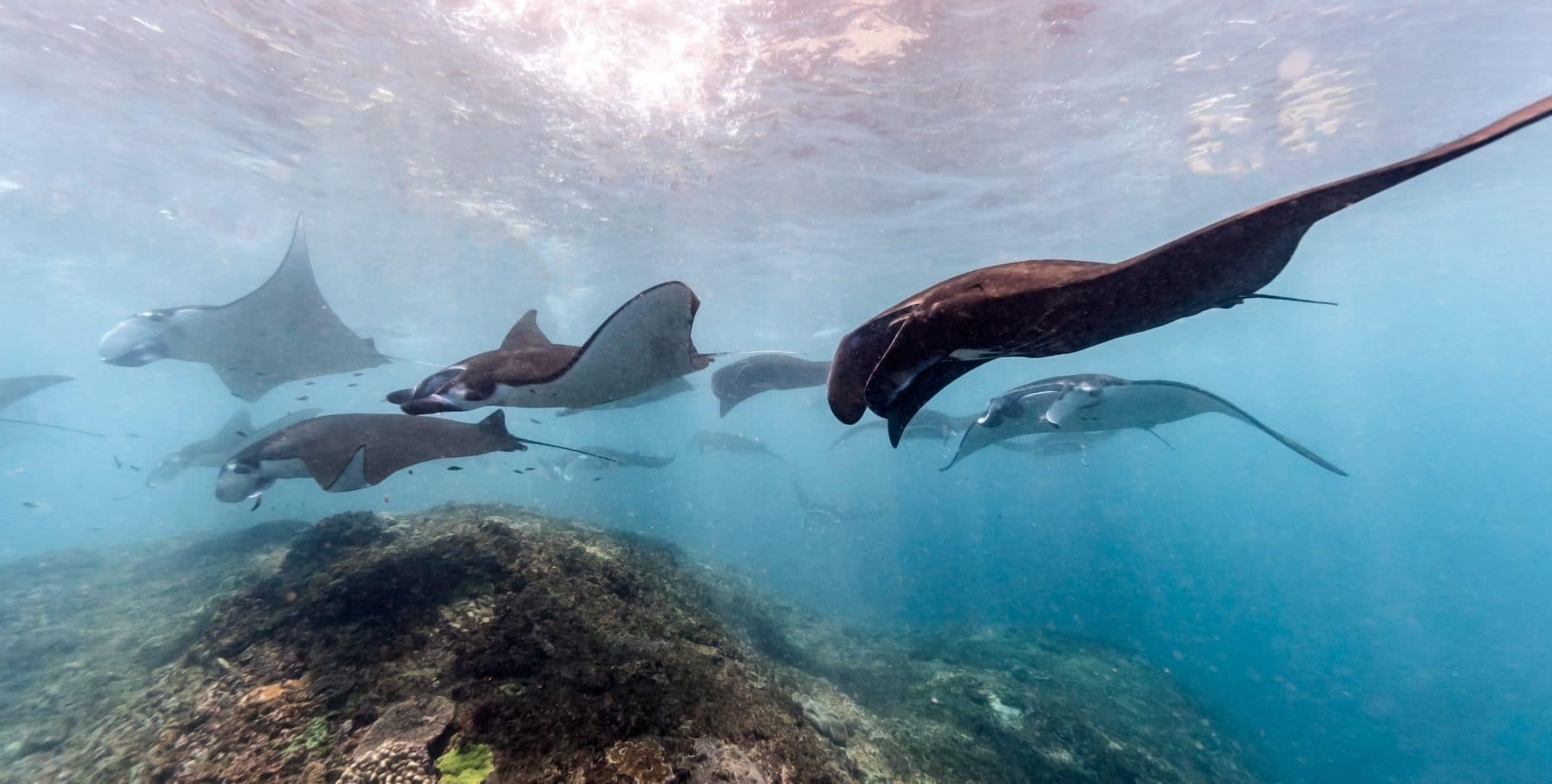
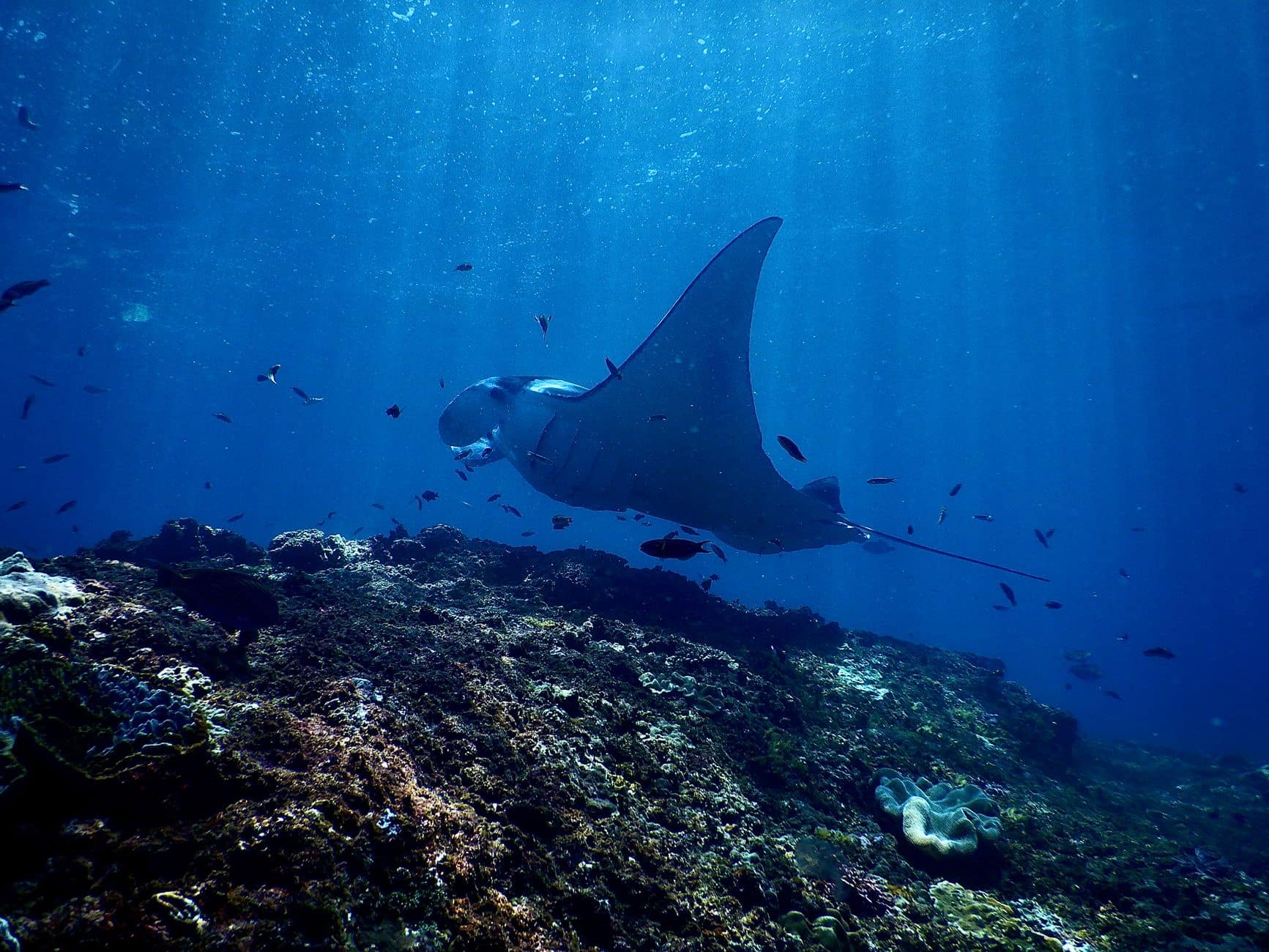
Manta Point isn't a lucky sighting spot — it's a cleaning station, a rocky outcrop where small wrasse pick parasites off manta rays. The mantas queue up and circle the same patch of reef for as long as the cleaning takes, which is why boats return to this exact spot daily and why sightings are consistent year-round.
 #2
#2
The Snorkel Session
You slip in from the boat, keep your face down and your fins quiet, and wait. Mantas glide in below or bank right past you — a reef manta's wingspan runs to three metres, and the first pass is startling. Sessions last as long as the mantas stay; your captain repositions the boat rather than chasing the animals.
 #3
#3
Season and Swell
Mantas are resident at Nusa Penida, so there's no off-season for sightings. What changes is the ride: Manta Point sits on the island's exposed south-west corner, and the dry-season swell from June to August can make the bay too rough to enter. April, May, September and October usually combine calm water with clear visibility.
 #4
#4
The Boat Ride
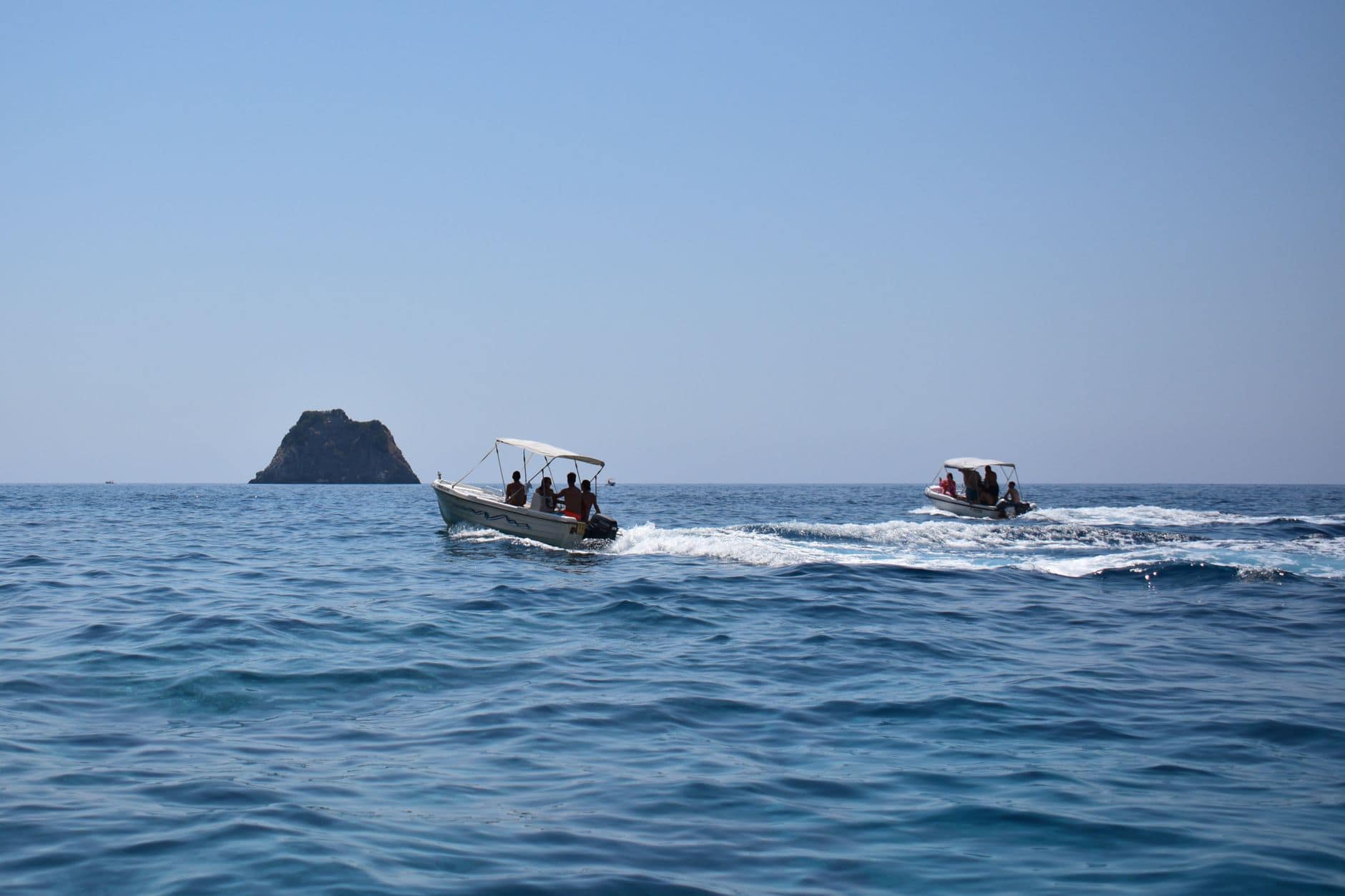
You cross the Badung Strait by fast boat — around 45 minutes from Sanur — then transfer to a smaller local boat that works the south-west cliffs. The final stretch to Manta Point runs under limestone walls with open-ocean swell, so take the seasickness pill before departure, not after you start feeling it.
 #5
#5
Crystal Bay and Gamat Bay Add-ons
Most manta trips add two or three reef stops on the way back. Crystal Bay gives you easy, shallow coral over white sand; Gamat Bay is a smaller cove with denser fish life and some current. Together they turn a single-animal encounter into a proper snorkel circuit without adding much boat time.
 #6
#6
Photography at Manta Point
A basic action camera is enough — mantas pass close, and the water is usually clear enough that zoom is irrelevant. Shoot wide, hold the camera still and let the animal cross the frame; chasing for a better angle ruins the shot and the encounter. Ask your crew to shoot from the boat too — the silhouettes from above are often the best frames.
#7
The Rules of Distance
Keep at least three metres from the mantas, never touch them, never block their path to the cleaning station, and skip the flash. These aren't formalities — a spooked manta leaves, and everyone's session ends with it. Good captains brief you before you enter the water; if yours doesn't, hold the standard yourself.
Why Manta Point works: the cleaning station
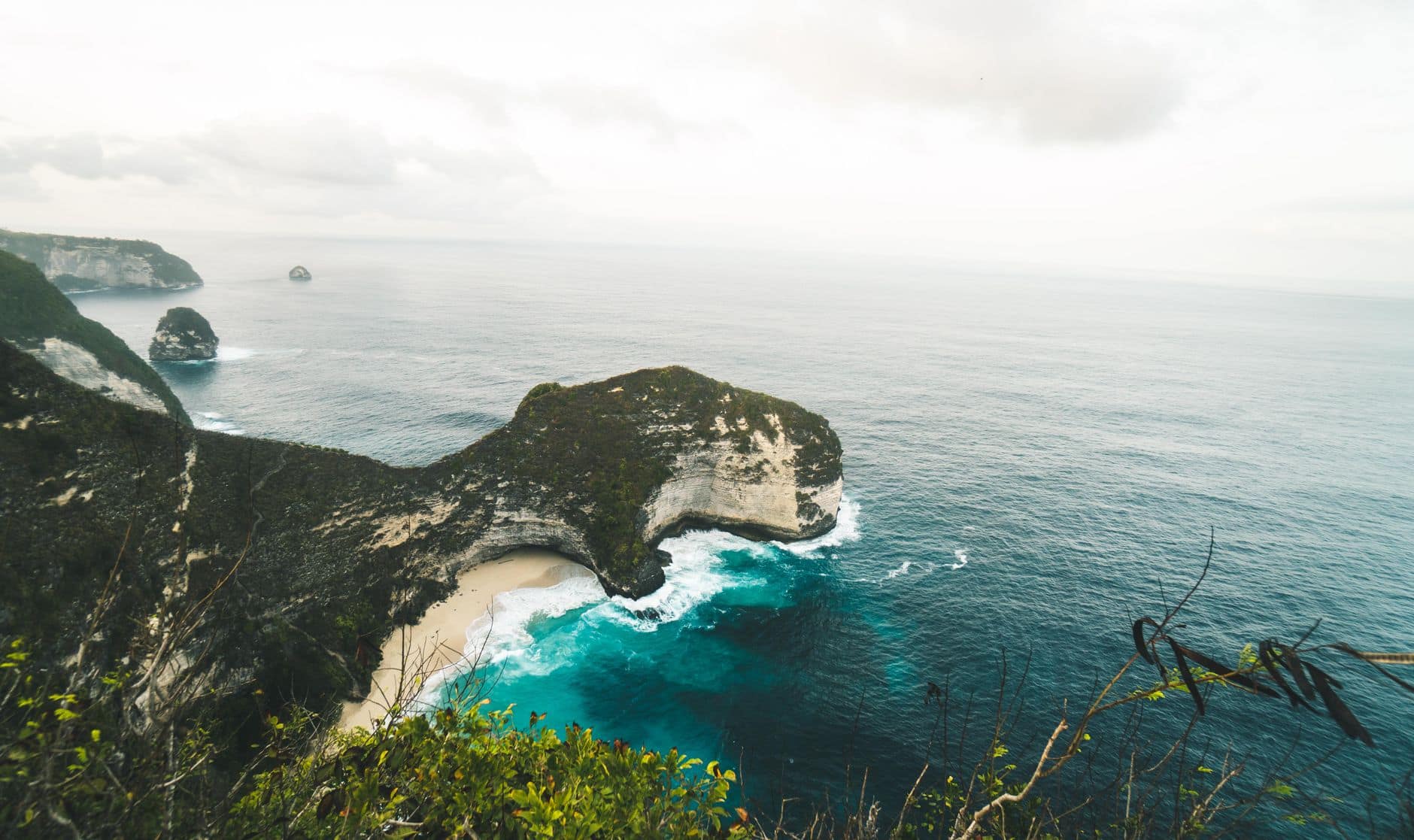
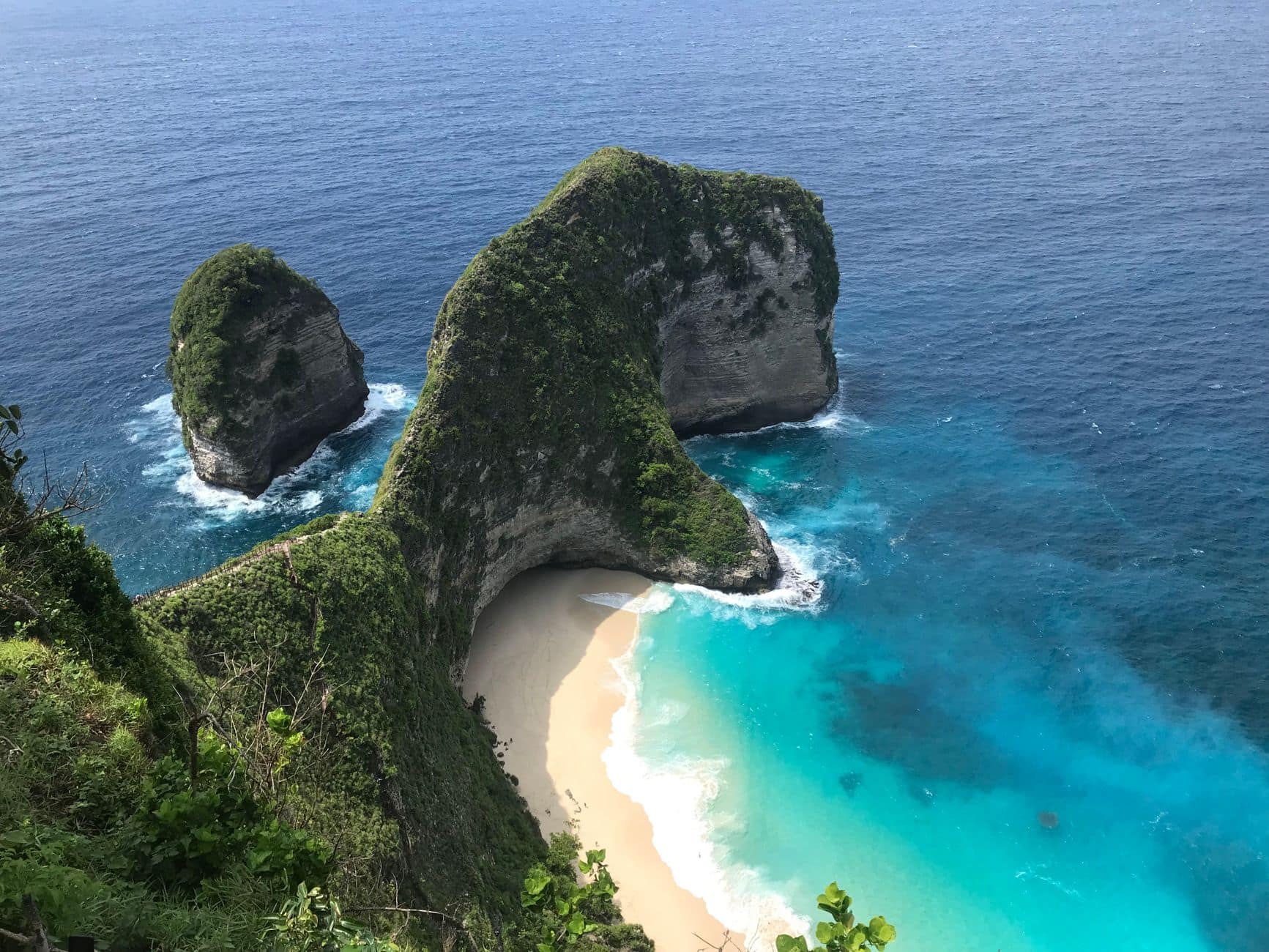
Manta Point sits under the limestone cliffs of Nusa Penida's south-west corner, a short coastal run past Kelingking. The draw is a cleaning station — a patch of reef where cleaner wrasse pick parasites off reef mantas, and the mantas circle back for the service day after day. That's the whole reason sightings here are consistent rather than lucky: the animals are residents with a routine, not migrants passing through. It's also why every boat in the area anchors at the same spot, and why an early start matters more than almost any other decision you'll make about the trip. Where else around Bali you can meet mantas, and how the sites compare, is in where to see manta rays in Bali.
Two ways to book it
Group snorkel boat, from $29 — the Nusa Penida manta rays snorkeling tour is the lean version: cross from Sanur, snorkel Manta Point with a guide, add reef stops, and be back by late afternoon. You share the boat, which is what keeps the price where it is, and the schedule is fixed. For most people this is the right call — the mantas don't care how much you paid.
Private day, from $60 — the private Nusa Penida day tour with manta snorkeling puts your group on its own schedule: leave earlier to beat the fleet, stay in the water longer, and pair the snorkel with the land viewpoints in whatever order suits you. Both versions book over WhatsApp with no prepayment — you pay on the day, which means cancelling for weather costs you nothing.
Season, swell and the cancellation call
Mantas are at Nusa Penida all year, so pick your month for sea conditions, not sightings. The south-west corner takes the full southern-hemisphere swell, and from June to August it can get big enough that captains skip Manta Point entirely and substitute a sheltered bay. April, May, September and October are the sweet spots — dry-season visibility without the peak swell. The wet season, roughly November to March, brings calmer seas at Manta Point itself but more rain and more river runoff on Bali's side of the strait. For the fuller month-by-month picture, see our guide to the best time for clear water in Bali.
When a trip is cancelled for swell, it's the harbour making the decision, not the operator being lazy. Because you haven't prepaid, rebooking costs nothing — shift a day, or flip your itinerary and do the land side first. Trying to force the crossing on a marginal day buys you an hour of misery and a snorkel session in washing-machine water.
Build the rest of the day around it
A manta session rarely fills a whole day on its own, and the boat is already on Nusa Penida's best snorkel coast. Crystal Bay and Gamat Bay sit on the route back — easy coral, calmer water and a beach to warm up on. Read our full Crystal Bay guide if you want to linger there rather than just stop. And if clear water is the whole point of your Bali trip, start with our overview of the best beaches in Bali with crystal-clear water — Penida's west coast holds several of the top entries.
FAQ
Can you swim with manta rays in Bali without a diving licence?
Yes — Manta Point works as a snorkel site because the mantas cruise near the surface over the cleaning station. You need to be a comfortable open-water swimmer, since the site is off exposed cliffs with no beach, but no certification of any kind. Guided snorkel trips run from $29, gear included, and the guide stays in the water with you.
What time of year can you see manta rays in Bali?
All year. The mantas at Nusa Penida are a resident population tied to the cleaning station, not seasonal migrants. What varies is the sea: June to August brings the biggest swell to the south-west coast and the most cancelled trips, while April–May and September–October usually give you the calmest, clearest combination.
How much does a manta ray tour in Bali cost?
A shared snorkel trip to Manta Point starts from $29 per person, and a private day tour that combines the mantas with Nusa Penida's land sights starts from $60. Both are booked over WhatsApp with no prepayment, so a weather cancellation doesn't cost you anything. Watch out for prices that look cheaper but quietly exclude the crossing from Bali.
Are the manta rays at Nusa Penida dangerous?
No. Mantas are filter feeders with no stinger, no teeth worth the name and no interest in you. The genuine risks at Manta Point are the ocean itself — swell, current and boat traffic — which is why you stay near your guide and your boat. Keep about three metres of distance; that protects the encounter, not you.
How big are the mantas at Manta Point?
These are reef mantas, and most of the individuals you'll meet span around three metres from wingtip to wingtip — bigger than any photo prepares you for when one banks a body-length away. Occasional larger animals pass through. Size is exactly why the no-touch, no-chase rules exist: you adjust to them, never the reverse.
What happens if no mantas show up?
It's rare — the cleaning station keeps sightings unusually consistent — but no honest operator promises 100%. Captains radio each other and will reposition or wait if the animals are off the station. If conditions or luck genuinely fail, your guide substitutes extra reef stops. Any company guaranteeing mantas in writing is telling you what you want to hear.
How do you get to Manta Point from Bali?
Fast boat from Sanur to Nusa Penida — roughly 45 minutes across the Badung Strait — then a smaller boat down the west and south-west coast to the site. On a tour both legs are bundled with hotel pickup, which is worth it: organising the second boat independently at the harbour is where most DIY plans stall.
Is Manta Point better for snorkeling or diving?
Both work, differently. Divers get the cleaning station from below and longer time at depth; snorkellers get the silhouettes, the close surface passes and a far cheaper, licence-free morning. If you only care about seeing mantas well, snorkeling honestly delivers most of the experience — the animals spend plenty of time in the top few metres.
Recommended Bali tours for this guide
Nusa Penida Private car Day Tour+Snorkeling Manta Point
This is the highest-value option for many first-time Nusa Penida visitors because it avoids choosing between island sightseeing and the signature snorkeling experience. The private land transport keeps the second half of the day efficient and much more comfortable.
- Duration
- Full day
- Area
- Nusa Penida
- Format
- Private island combo tour
- Best for
- Travelers wanting sea and sightseeing in one day
From $60 No prepayment
View tour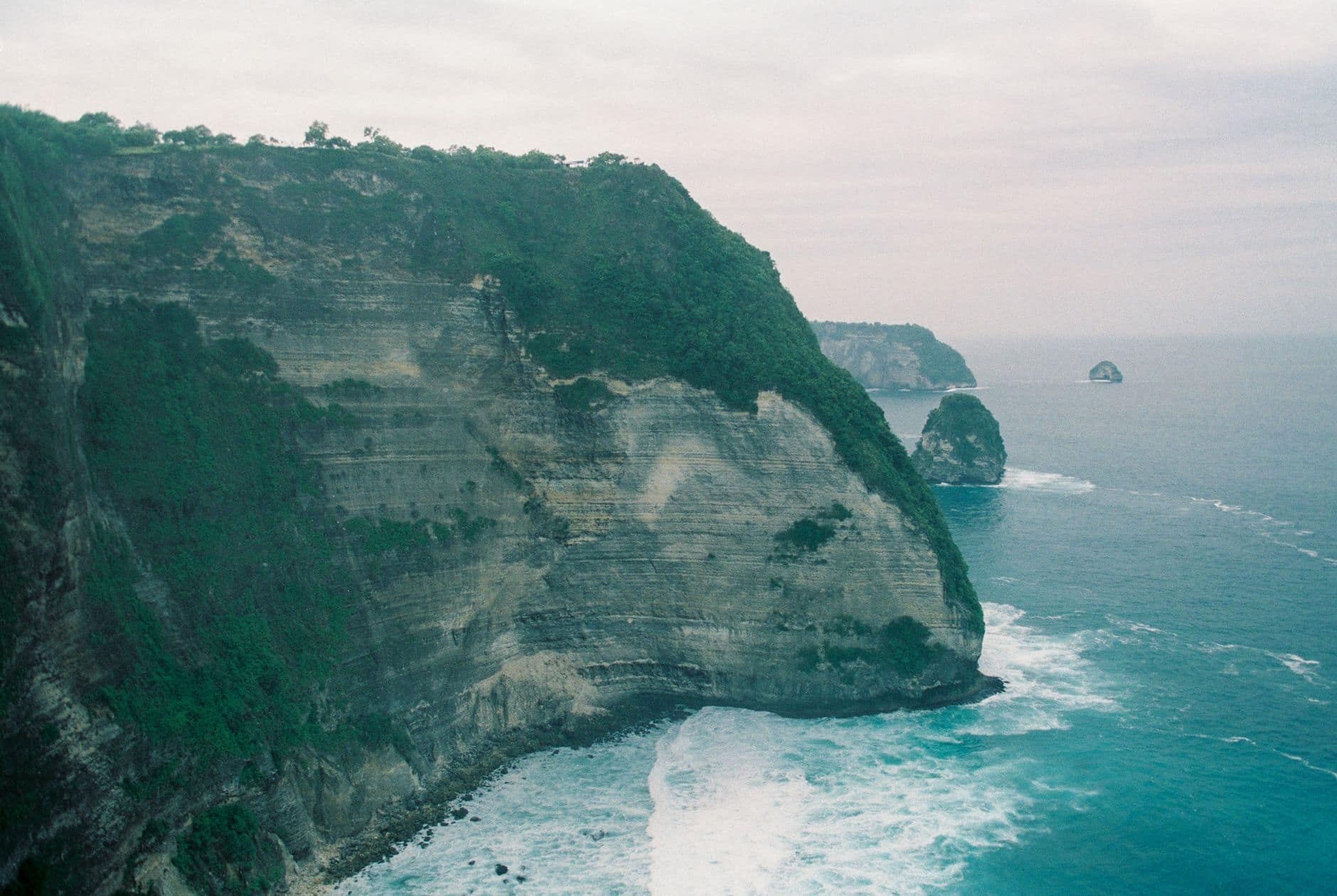
Nusa Penida Full Day Tour
This tour is the practical middle ground between the fully fixed scenic routes and the sea-plus-land combo packages. It works well for travelers who want Penida's name-value but also want room to adapt around conditions, pace, or group energy.
- Duration
- Full day
- Area
- Nusa Penida
- Format
- Island day tour
- Best for
- Guests wanting a flexible Penida route
From $75 No prepayment
View tour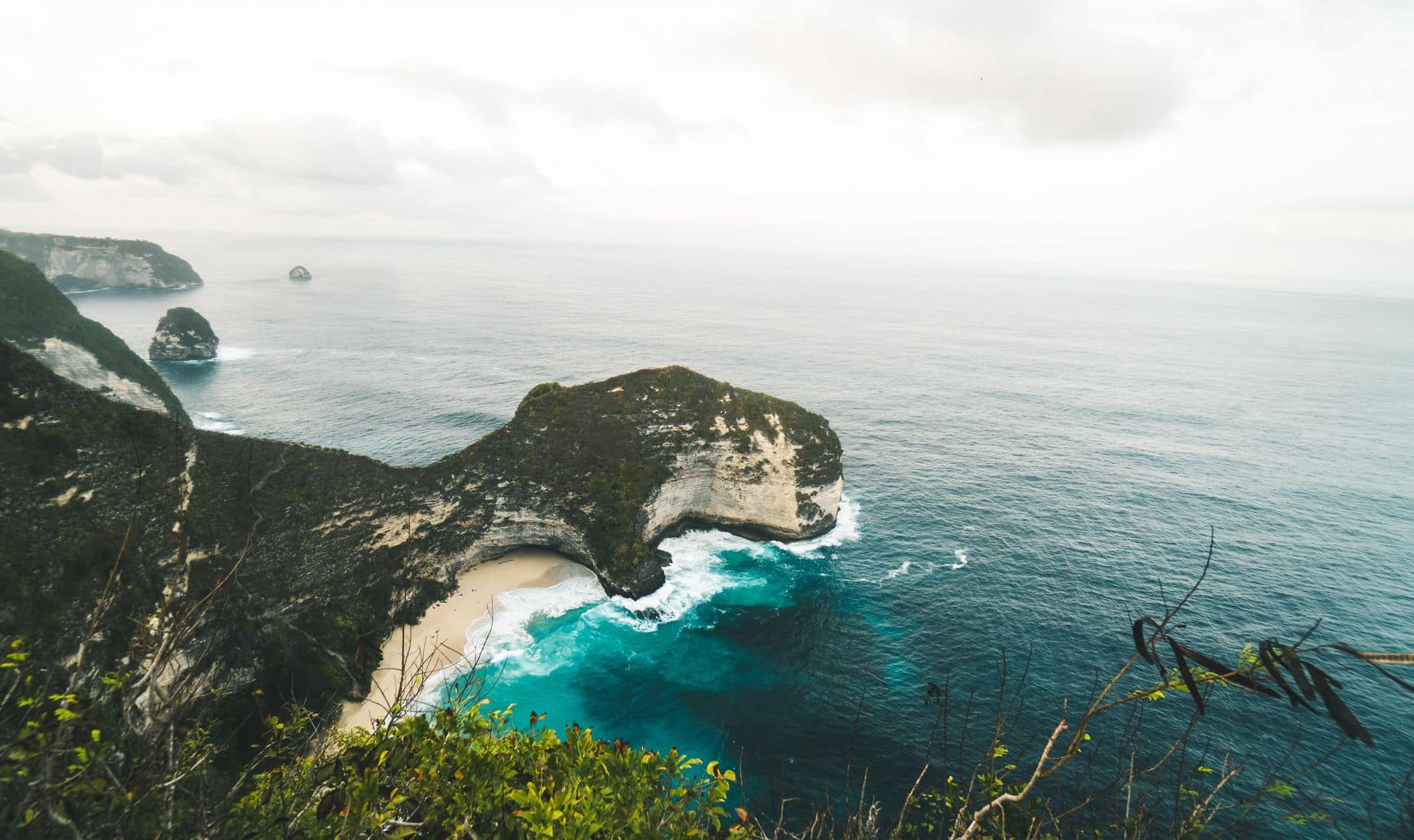
Nusa Penida West Tour
If your priority is bold scenery over snorkeling, the west route is the cleanest and most iconic Penida choice: one car, one driver and the island's four most photographed stops in a single day. It is especially strong for couples and first-time visitors who want the headline views with transport handled professionally.
- Duration
- Full day
- Area
- West Nusa Penida
- Format
- Island day tour
- Best for
- Cliff viewpoints and first-time Penida sightseeing
From $49 per car No prepayment
View tour