

Bali rafting has no published safety record. The last count anyone made was Al Jazeera's, on 10 July 2023: five tourists dead since November 2021, three of them not in the water. Nothing official covers 2024 to 2026, which means nobody counted, not that nothing happened. The deadliest single incident killed three people on a stairway at Payangan after the operator had already cancelled the trip for rain. Two capsizes in 2022 — one on the Ayung, one on Telaga Waja — killed two more; no charges were filed in either case. The reason is structural: there is no rafting-specific standard operating procedure in Bali, no mandatory equipment list, no guide working-hour rule, no limit on boats sharing a river, and the tourism office in Gianyar says outright that it cannot stop a company from operating. What exists is a competency certificate: 50 guides certified across Bali on 16 and 17 May 2026, against roughly 600 guides and 22 operators on the Ayung alone. Every fatality below carries its date and its source.
By Alex Moskvin, Founder of SB Excursions · Published 21 May 2026 · Updated 23 October 2026
Tour on this route: Bali White Water Rafting, Ayung River — From $25, 4-6 hours.
How many people have died rafting in Bali?
Five tourists between November 2021 and 10 July 2023, by Al Jazeera's count, and three of those five died off the water rather than in it. No official tally has been published for 2024, 2025 or 2026, so the current number is unknown rather than zero. Two earlier deaths are documented: an Indian national aged 46 on 24 December 2019, and a Hong Kong national aged 24 on 19 February 2008.
This guide also answers:
- Which river is more dangerous, the Ayung or Telaga Waja?
- Are rafting guides in Bali certified?
- Is there a government safety standard for Bali rafting?
Top picks from this guide
 #1
#1
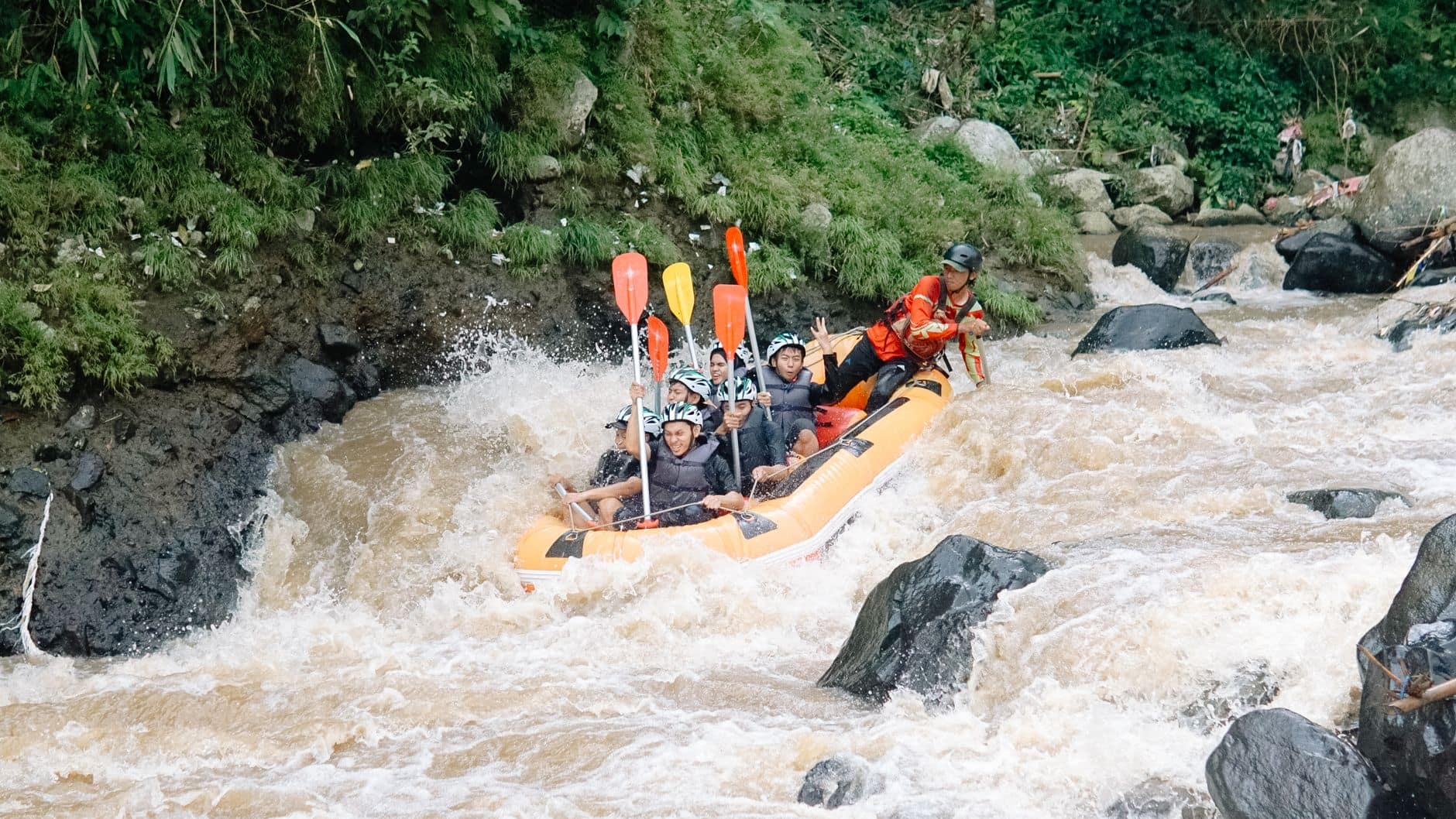
Ask who certified the guide
Around 600 guides work the Ayung across roughly 22 operators, and as of May 2026 most of them held no formal competency certificate. The 50 guides certified on 16 and 17 May 2026 came from across Bali, not only from this river, so the two numbers are not a percentage. FAJI Bali had asked the ministry for a quota of 100 and received half of it.
 #2
#2
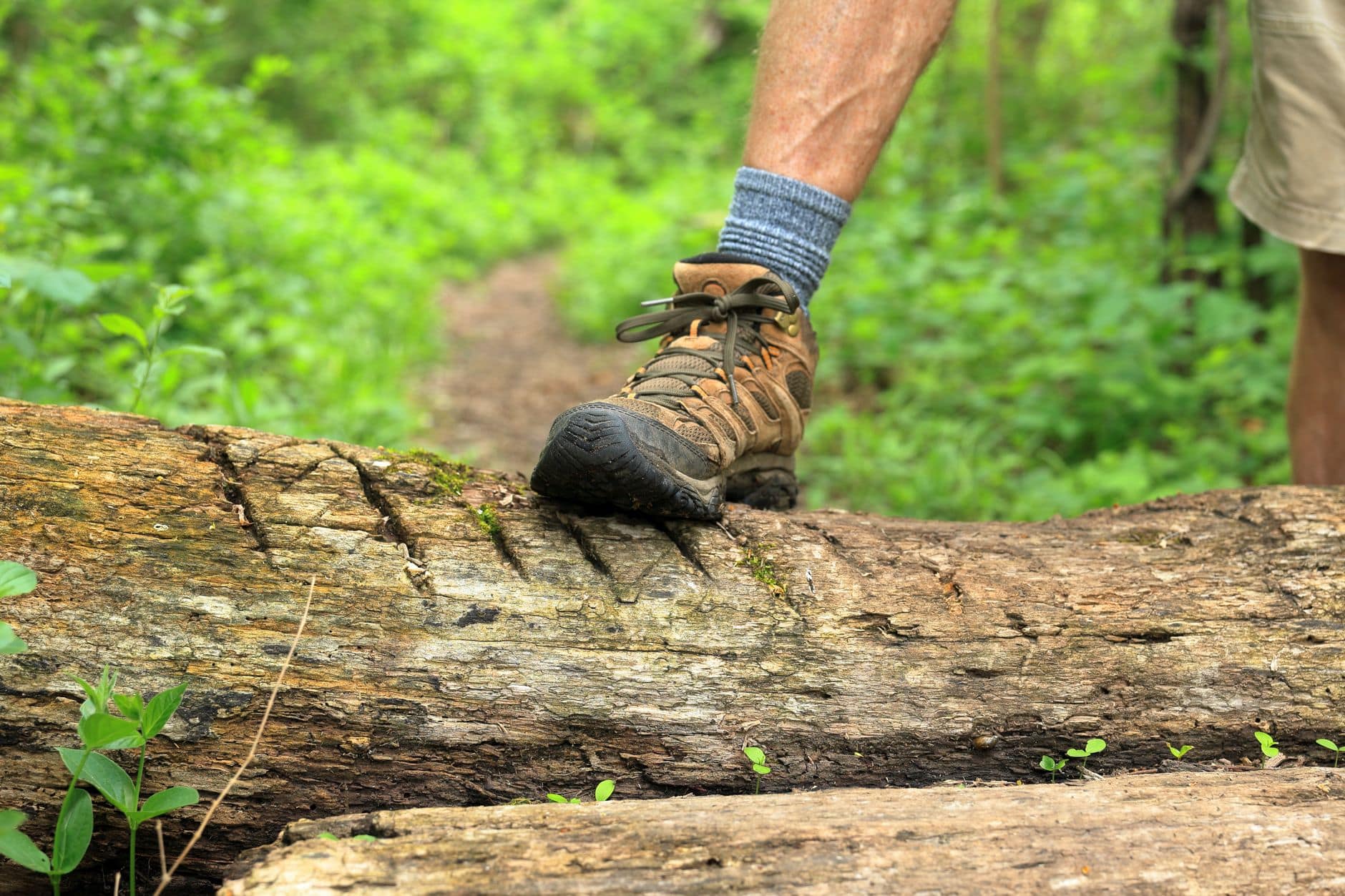
The stairway, not the rapids
The deadliest documented incident killed three people on the walk back up, not on the water. On 25 November 2021 a group descended roughly 500 steps at Begawan Banjar, the operator cancelled the trip because of the downpour, and at 14:00 a landslide hit the group on the climb out. Three of the six people caught under the debris died, two of them children.
 #3
#3
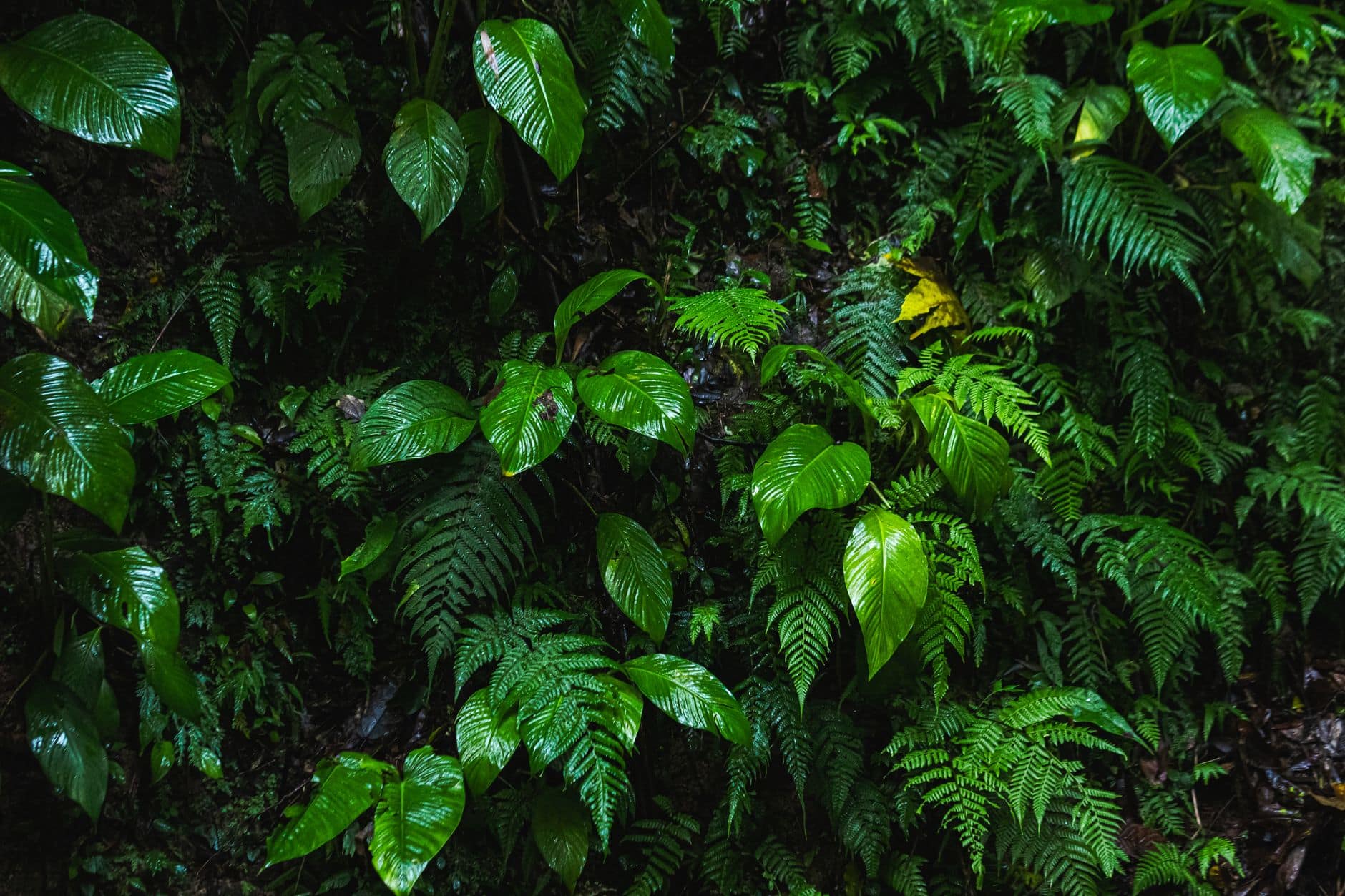
High water and who calls it off
On 26 November 2022 on Telaga Waja a raft flipped about 3 km below the start at around 14:30; police said the flow was up and the route should have been changed. On the Ayung on 3 October 2022 a kiosk vendor by the bank had told the guides not to run the river that day; they ran it. In December 2024 the Karangasem disaster agency described its own instrument as an appeal, not a prohibition.
 #4
#4
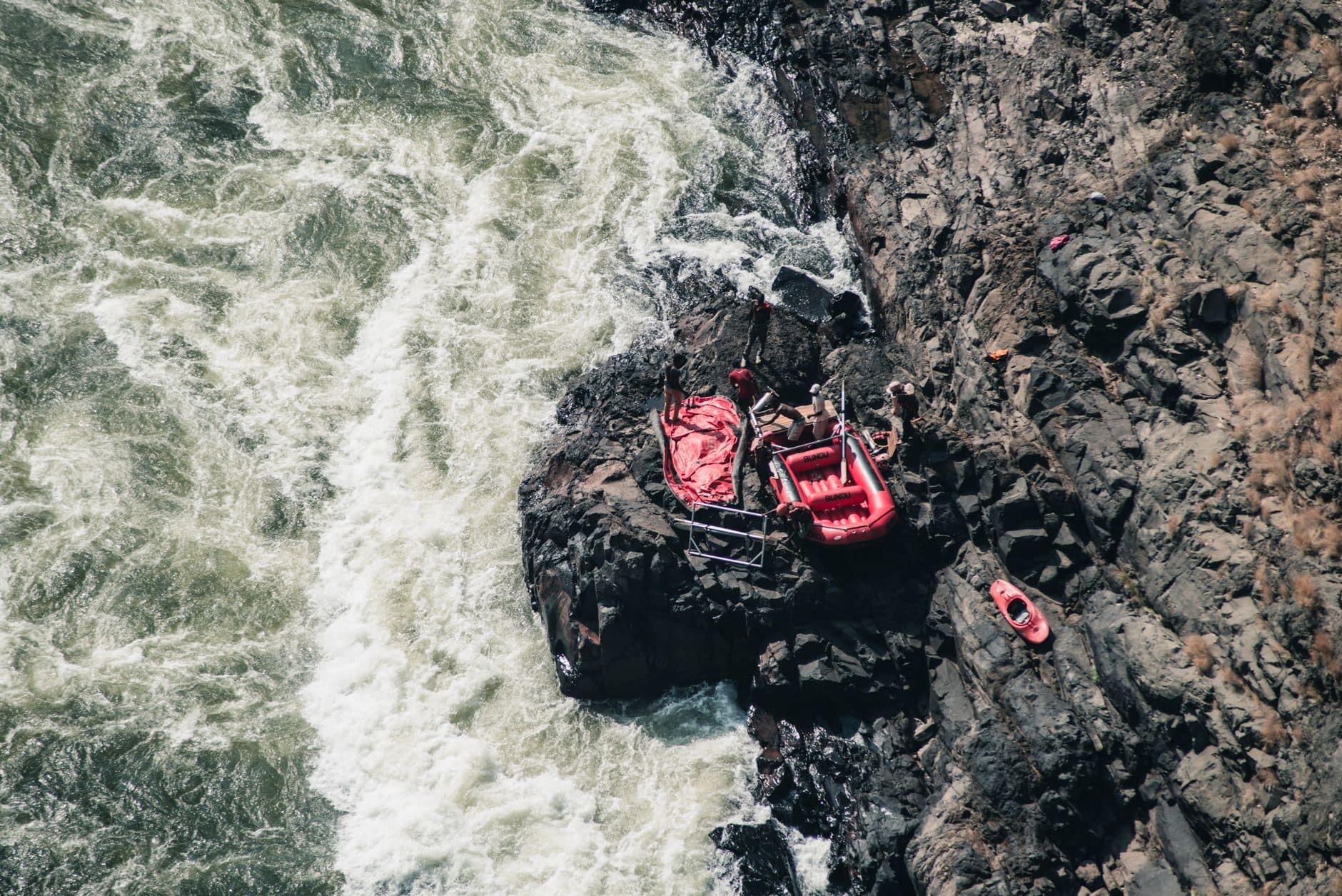
Helmet and jacket, whole run
When the body of the American who died on the Ayung on 3 October 2022 was sighted, it had neither helmet nor life jacket. Both rafts in that group had flipped: 12 people in the water, 11 out. Bali has no mandatory equipment rule for a raft and no age rating for life jackets, so the check on the bank before launch is the only check that exists.
#5
The permit is for a location
Opening a rafting company in Bali requires a location permit, and that is the entry requirement. Nigel Mason of Mason Adventures told Al Jazeera there is no rafting-specific procedure behind it: no mandatory equipment list, no age rating for life jackets, no cap on guide working hours, no rescue protocol, and guides on the river who cannot swim. Of 14 companies the outlet approached, one agreed to discuss safety.
 #6
#6
What the hospital treats
BIMC Hospital names five rafting injuries it sees: sprains, cuts and bruises, head injuries, broken noses and teeth, and drowning. It publishes no frequencies, so this is a list and not a ranking. Four of the five are impact injuries, and on a river shared by about 22 operators another raft is one routine source of impact. Rafting is classed as medium-high risk under Permenparekraf No. 4/2021.
Five deaths since November 2021, and where the count stops
The only count anyone has published stops on 10 July 2023. On that date Al Jazeera put the number of tourists killed on Bali's rafting rivers since November 2021 at five. There is no official summary covering 2024, 2025 or the part of 2026 already behind us — not a lower figure, no figure at all. Treat that as nobody counting rather than nothing happening. Bali has no rafting incident register you can look up before booking; what exists is a scatter of news reports, each one filed after somebody died.
The composition of those five matters more than the total, and it is the part that gets lost. Three of the five did not die in the water. The paddling, the rapids and the swim if you go over the side account for a minority of the documented deaths. The way in and out of the gorge accounts for more. That is not the risk profile the brochure photos imply, and it changes what you should be asking before you book a rafting trip on any of the island's rivers.
Two further deaths sit outside the window Al Jazeera used, and they show how long the pattern runs. A 46-year-old Indian national died on 24 December 2019 in a boat operated by Alam Rafting, with the guide named in reports as I Nengah Sukara. A 24-year-old woman from Hong Kong died on 19 February 2008. Neither is inside the five, and neither appears in any current government figure, because there is no current government figure for them to appear in.
The deadliest day was on the stairs, after the trip was cancelled
25 November 2021, Begawan Banjar in Payangan, Gianyar. A group walked down roughly 500 steps to the river. At the bottom the operator looked at the rain and cancelled the trip — the correct call, made by the person paid to make it. Nobody went on the water. At 14:00, while the group was climbing back out, the slope above the stairway came down. Nuryanti, 36, and a 10-year-old boy were killed; an 8-year-old was found the next day. Six people in total were under the debris.
The sequence is the part to carry into your own booking. The operator's judgement about the water was right and it protected nobody, because the hazard was the exit from the gorge, not the river. The access at Payangan is a long concrete stairway cut into a wet slope, and it is used in the rain. Ask an operator what they do with a group that is already at the bottom when the weather turns — who decides, how long the group waits, and whether anyone goes up first to look at the slope. That climb is the physical part of the day, and our what to pack for Bali list treats it that way.
One geographic correction, because the two names get merged in listings. This happened at Payangan, not Kedewatan. Both are Ayung put-ins — some operators start lower, on the Ubud side at Kedewatan, others higher up at Payangan — and they are different access points with different slopes and different stairways. A safety record from one is not a safety record for the other. When an operator tells you they run the Ayung, you still do not know where you will be walking, and the walking is where people have died.
Two capsizes, two bodies, no charges filed
3 October 2022, Ayung. Both rafts in the group went over: 10 tourists and 2 guides in the water, 11 of them out. Clifford Neil Robinaugh, a US citizen — 62 according to the Bali Sun, 64 according to Al Jazeera — was not found in a week of searching. When his body was sighted, it was wearing neither helmet nor life jacket. Before the launch, a woman running a kiosk by the bank had told the guides not to run the river that day. They ran it.
26 November 2022, Telaga Waja. One of two rafts flipped about 3 km below the start at roughly 14:30. The woman who died was 43, from Saudi Arabia, a mother of four; the current carried her 150 metres and she struck her head on a rock. The guide was detained. Kompol I Gede Made Punia said the raft went over because the water was big and that the boat is suspected to have hit a rock, and stated separately that with the flow increased the route should have been changed.
No charges were filed in either case. The guide detained after Telaga Waja was not prosecuted, and the Ayung capsize produced no case at all. That is the enforcement picture you are buying into: on the documented record so far, a death on a Bali rafting river has not produced a prosecution.
No rafting SOP exists, and the industry says so itself
Nigel Mason of Mason Adventures told Al Jazeera what the rulebook contains, which is nothing. There is no rafting-specific standard operating procedure in Bali: no mandatory equipment list for a raft, no age rating for life jackets, no cap on guide working hours, no rule on alcohol, no limit on how many boats share a river, no rescue protocol. To open a rafting company an investor needs a location permit, and that is the entry requirement. Mason also said there are guides working the river who cannot swim.
The regulators describe their own position in similar terms. Ibu Pande at the Gianyar tourism office said an SOP does exist, precisely because the activity is fairly risky, but did not produce the document — and added that her office has no authority to stop a company from operating. In December 2024 the Karangasem disaster agency, BPBD, described its instrument the same way: it issues an appeal, not a prohibition. When the river comes up, the decision belongs to the operator alone, and nobody above them can override it.
The silence around this is measurable. Of 14 rafting companies Al Jazeera approached for that reporting, one agreed to talk about safety. The absence of an SOP does not mean there are no careful operators — the company whose owner said all of this on the record is the same one whose base in Ubud later hosted the certification. It does mean the gap between a careful operator and a careless one is entirely internal policy: invisible from a booking page and unverified by any inspector. Price tells you nothing about it either way. How a standard Ayung day is actually put together is in our white water rafting guide.
50 certified guides against 600 on one river
I Ketut Weja, deputy chair of FAJI Bali, gave NusaBali the numbers on 17 May 2026: about 22 operators and roughly 600 guides working the Ayung, most of them without formal competency certification. On 16 and 17 May 2026, at Mason's base in Ubud, the tourism ministry together with LSP Pramindo and FAJI Bali certified 50 guides. FAJI had asked for a quota of 100 and received half of it. That is the whole cohort the exercise produced.
Do not turn those two numbers into a percentage. The 50 came from across Bali, not only from the Ayung, so 50 out of 600 is arithmetic across two different populations. What the certification covers is worth more than the ratio: an interview, field observation, rope work, what the guide does when a raft flips, and evacuation. The standard is BNSP, recognised in the ASEAN competency scheme. Those are precisely the skills that decide the outcome of the two capsizes above, and as of May 2026 most guides on the busiest river had not been assessed on them.
This is where the questions from the cards above belong, and they are the same questions whether you book white water rafting on the Ayung with us or with anyone else: who certified the guide in your boat, what the assessment covered, and who calls the trip off when the river rises. From the national side, as of August 2025 Indonesia had 420 rafting operators, and rafting is classed as a medium-high risk business under Permenparekraf No. 4/2021. The risk classification exists; the operating procedure underneath it does not. BIMC Hospital lists five injuries it treats from rafting — sprains, cuts and bruises, head injuries, broken noses and teeth, and drowning — without publishing how often each occurs. On a river with about 22 operators sharing the water, colliding with another raft is not an abstract scenario.
FAQ
How many people have died rafting in Bali?
Five tourists between November 2021 and 10 July 2023, by Al Jazeera's count, and three of those five died off the water rather than in it. No official tally has been published for 2024, 2025 or 2026, so the current number is unknown rather than zero. Two earlier deaths are documented: an Indian national aged 46 on 24 December 2019, and a Hong Kong national aged 24 on 19 February 2008.
Which river is more dangerous, the Ayung or Telaga Waja?
There is no data that ranks them. Each has one documented fatal capsize in 2022: the Ayung on 3 October, Telaga Waja on 26 November. In the Telaga Waja case police said the water was high and the route should have been changed; on the Ayung a vendor on the bank had advised the guides not to go. With about 22 operators on the Ayung alone and no central incident register anywhere in Bali, per-river accident rates are not published, so anyone quoting one to you is guessing.
Are rafting guides in Bali certified?
Most are not, at least on the Ayung. FAJI Bali's deputy chair I Ketut Weja told NusaBali on 17 May 2026 that roughly 600 guides work that river and the majority hold no formal competency certificate. On 16 and 17 May 2026, 50 guides from across Bali were certified to the BNSP standard, which is recognised in the ASEAN competency scheme. FAJI had requested a quota of 100.
Is there a government safety standard for Bali rafting?
No rafting-specific standard operating procedure exists. Nigel Mason of Mason Adventures listed the gaps to Al Jazeera: no mandatory equipment on the raft, no age rating for life jackets, no guide working hours, no alcohol rule, no limit on boats sharing a river, no rescue protocol. Opening a company requires a location permit. Rafting is classed as a medium-high risk business under Permenparekraf No. 4/2021.
Will anyone stop a trip when the river is high?
Only the operator. The Gianyar tourism office states it has no authority to stop a company operating, and in December 2024 the Karangasem disaster agency described its instrument as an appeal, not a prohibition. After the Telaga Waja death on 26 November 2022, police said the flow had increased and the route should have been changed. On the Ayung in October 2022 a kiosk vendor told the guides to stop; they went anyway.
What should I ask an operator before booking?
Four things. Whether the guide in your boat holds the BNSP competency certificate. What happens to a group already at the bottom of the stairway when heavy rain starts. Who decides to cancel when the river rises. And who checks helmets and life jackets before launch: when the body of the American missing after the 3 October 2022 Ayung capsize was sighted, it had neither helmet nor life jacket.
What injuries are most common in Bali rafting?
BIMC Hospital names five: sprains, cuts and bruises, head injuries, broken noses and teeth, and drowning. It publishes no frequencies, so treat that as a list and not a ranking. Four of the five are impact injuries. On a river shared by about 22 operators, one routine source of impact is another raft, which is why the helmet matters on the flat stretches as well as in the rapids.
Recommended Bali tours for this guide
Bali White Water Rafting, Ayung River
White water rafting is one of Bali's easiest adventure products to fit into a trip because it feels active without being overly technical. It is especially strong for guests who want something memorable that still works for mixed groups.
- Duration
- 4-6 hours
- Area
- Bali river routes
- Format
- Adventure activity
- Best for
- Families, couples, and active groups
From $25 No prepayment
View tour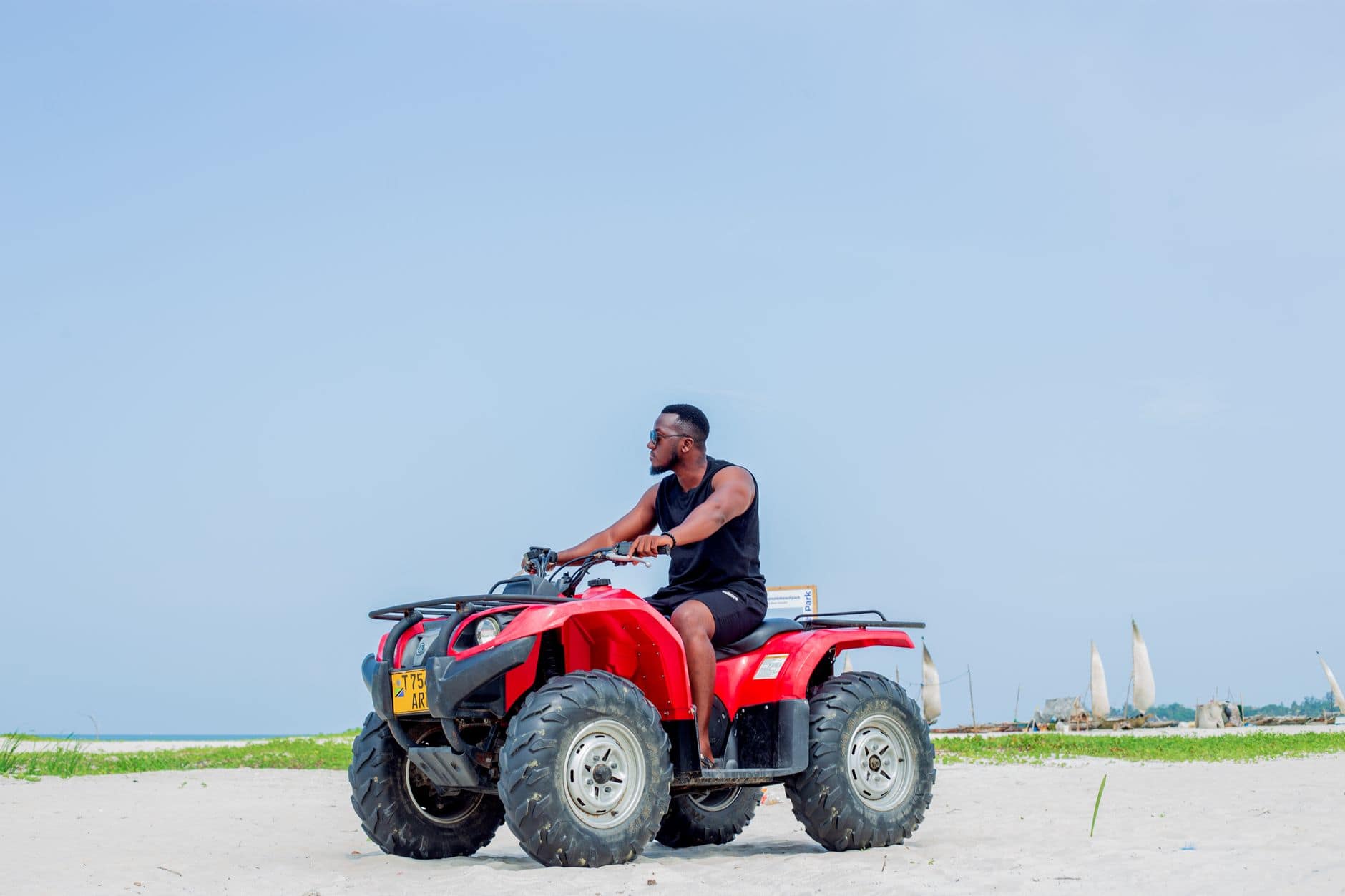
Ubud ATV Quad Bike Adventure
This Ubud ATV Quad Bike Adventure is built for travelers who want action without overcomplicating the day. The route combines Bali jungle, rice paddies, bumpy mud tracks, river sections, and natural tunnels in one guided ride, with safety gear, lunch, showers, and optional hotel transfer included from $39.
- Duration
- 4-6 hours total with a 1.5-hour ATV ride
- Area
- Ubud off-road jungle, rice field, river, and tunnel track
- Format
- Guided ATV quad bike adventure with lunch
- Best for
- Adventure lovers, couples, friends, and first-time ATV riders
From $39 No prepayment
View tour
Private Car with Driver in Bali
This is one of the most useful products in Bali because so many plans become easier once transport is flexible. It is perfect for custom sightseeing, shopping days, family pacing, and travelers who already know roughly where they want to go.
- Duration
- Flexible daily use
- Area
- All major Bali regions
- Format
- Private transport service
- Best for
- Travelers who want total route flexibility
From $59 per car No prepayment
View tour