


Yes — white water rafting in Bali is safe for beginners, and the Ayung River near Ubud is where most first-timers should do it. The rapids are beginner-friendly, every raft carries a licensed guide, and life jackets and helmets are standard on every run. The full outing takes 4-6 hours door to door, and a private rafting day books direct from $25 over WhatsApp with no prepayment. The honest caveats are physical rather than aquatic: several hundred steps into and out of the gorge, equatorial sun on open water, and higher, faster flows in the November-March rainy season. This guide covers whether the river is safe, who it suits, what to wear, and how to fold rafting into an Ubud day without rushing either half.
By Alex Moskvin, Founder of SB Excursions · Published 21 May 2026 · Updated 23 October 2026
Tour on this route: Bali White Water Rafting, Ayung River — From $25, 4-6 hours.
Which rafting river in Bali is best for beginners?
The Ayung near Ubud. It is class II-III, runs about two hours, and the rapids are spaced out enough that a first-timer has time between them. The Telaga Waja is faster and ends with a four-metre dam drop. Prices start at IDR 250,000 on the Ayung against IDR 270,000 on the Telaga Waja and IDR 300,000 on the Melangit, checked August 2026.
This guide also answers:
- How much does white water rafting in Bali cost?
- How long does Ayung River rafting take?
- Ayung River or Telaga Waja — which rafting is better?
Top picks from this guide
 #1
#1
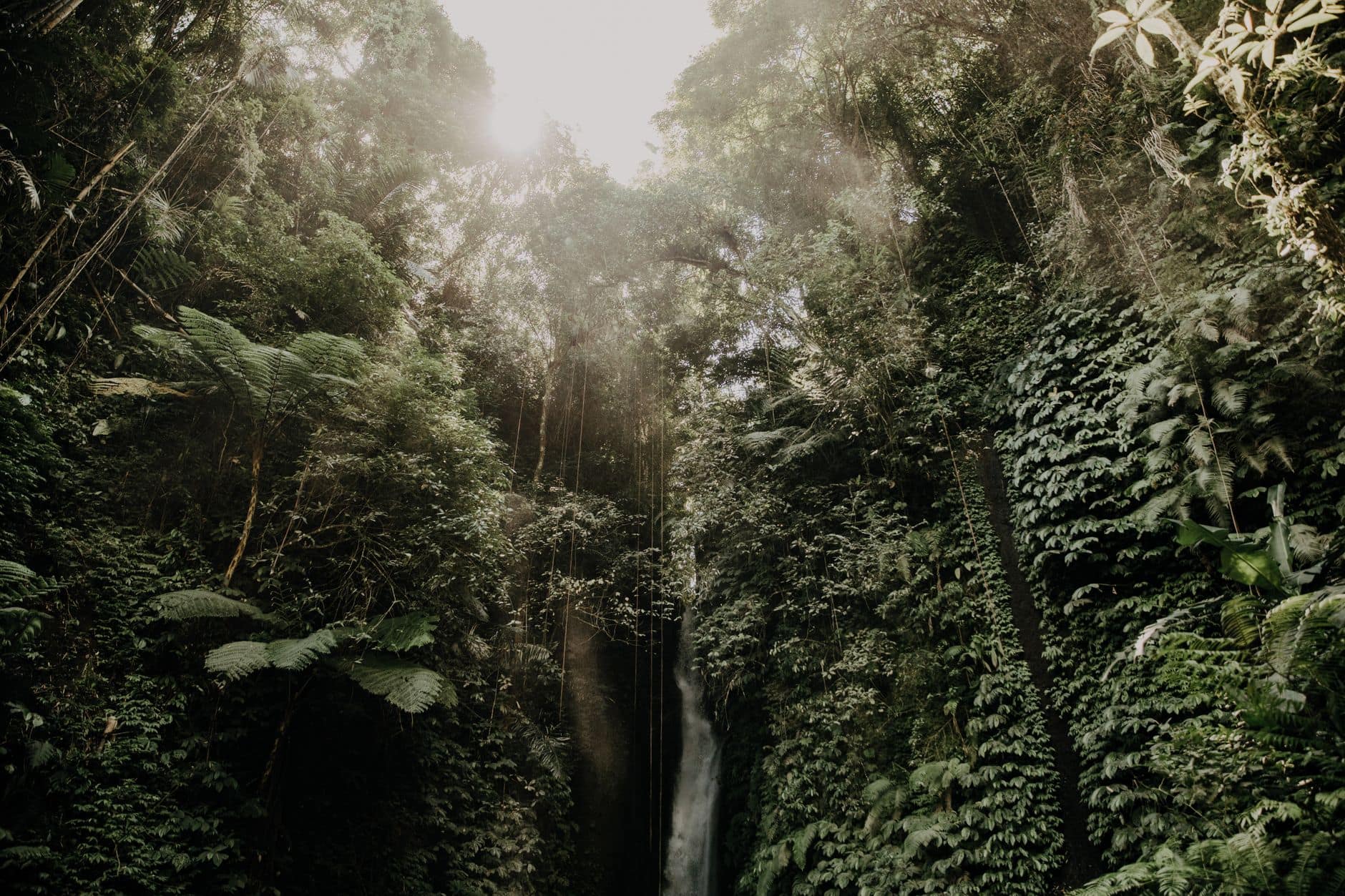
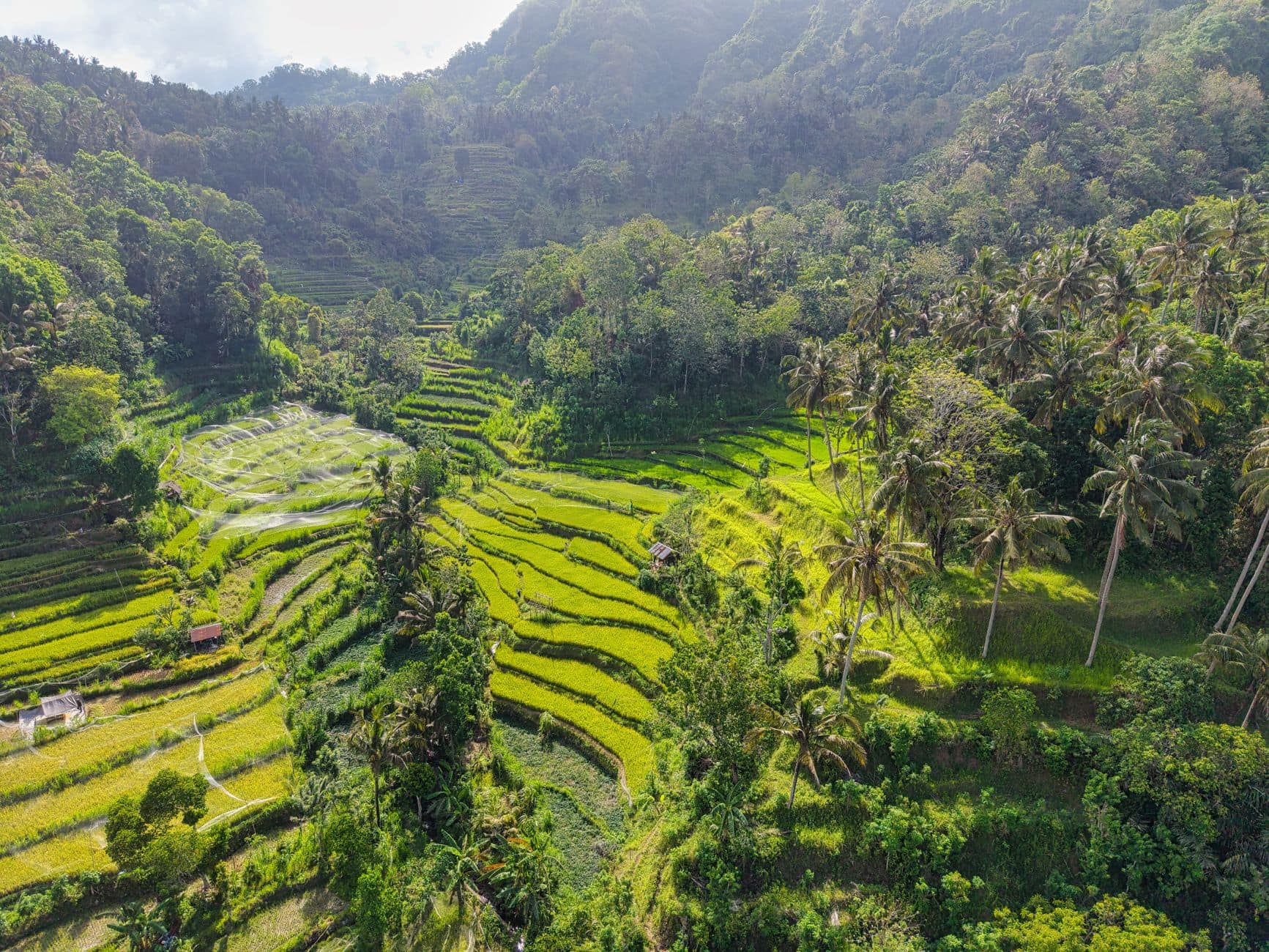
The Ayung River gorge
Bali's longest river cuts a deep jungle gorge along Ubud's western edge, and the rafting run drifts past sheer green walls, spilling side streams and the rock carvings the Ayung is known for. You spend the whole run below villa level, so the valley feels far quieter than the town above it.
 #2
#2
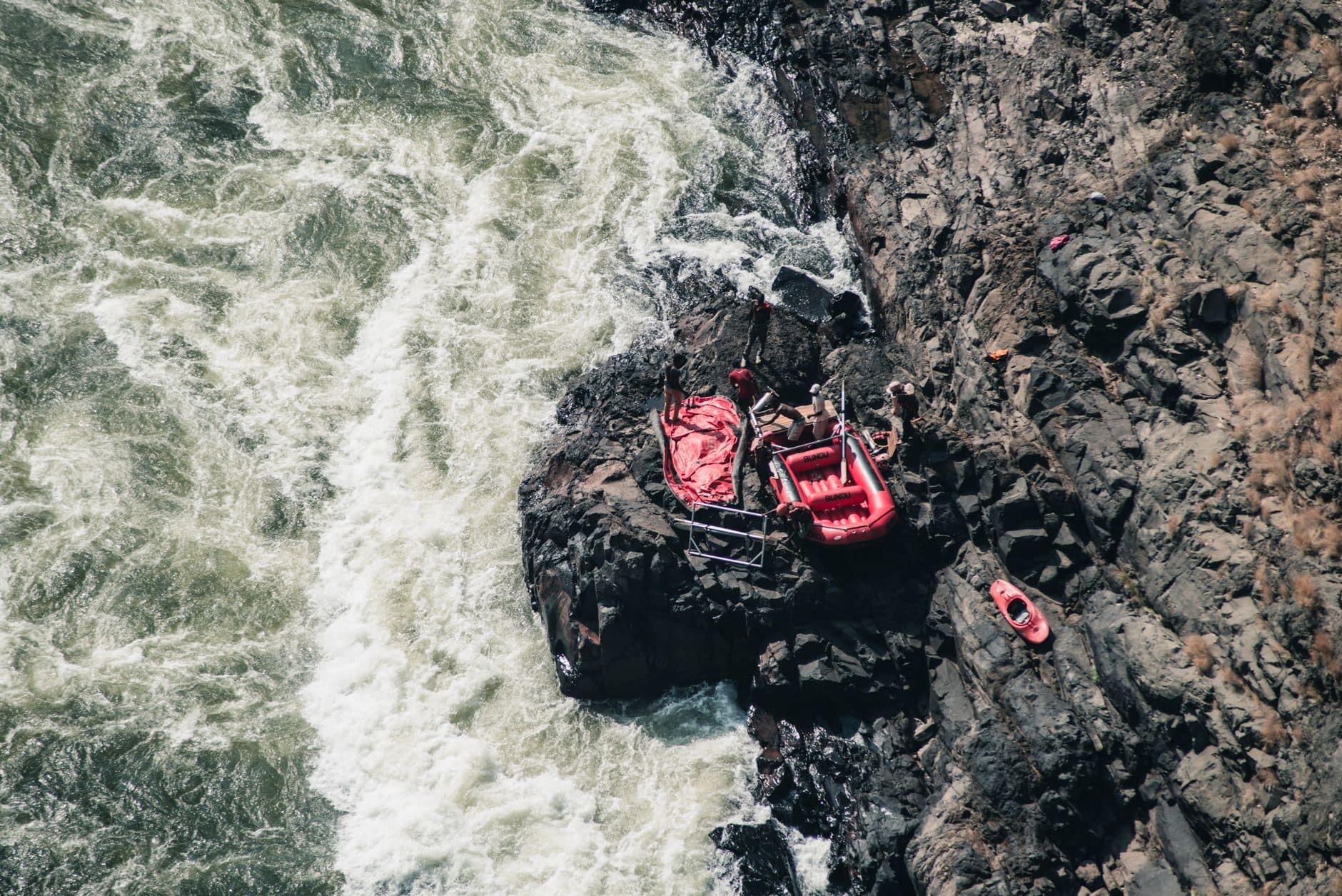
The rapids themselves
The Ayung's white water is beginner-friendly: lively enough to soak everyone in the raft, mild enough that guides steer complete first-timers and families through it every day of the year. Expect short bursts of paddling between calm stretches where you can put the paddle down and look up.
 #3
#3
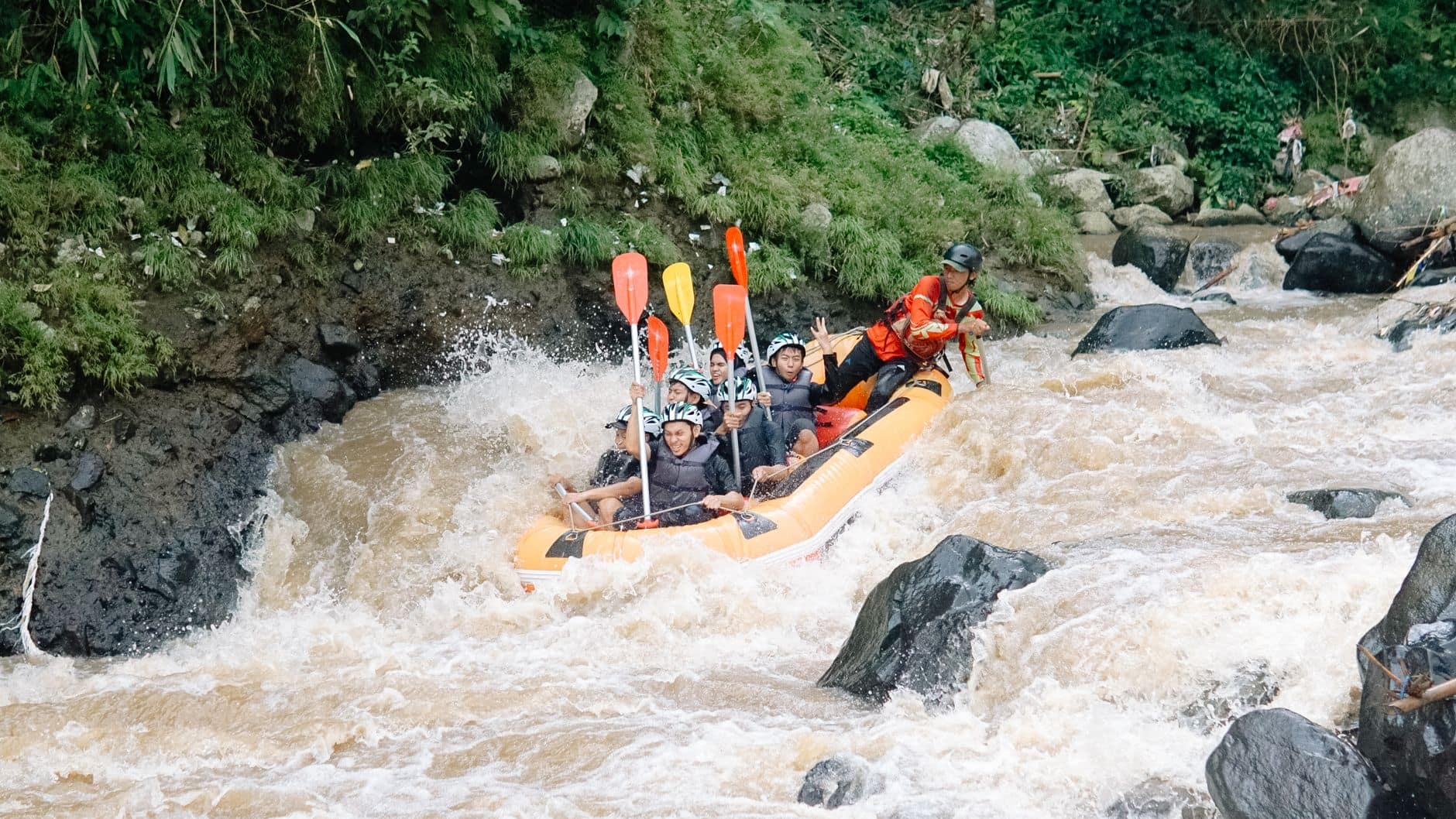
Safety gear and guides
Every raft runs with a river guide, and life jackets, helmets and a paddle briefing come before anyone touches the water. Worth knowing: formal competency certification is not universal on the Ayung — a few dozen guides across Bali hold the national BNSP standard, against several hundred working the river — so it is a fair question to ask your operator. The guide reads the river and calls the strokes; your entire job is to follow four or five simple commands and hold on when told to.
 #4
#4
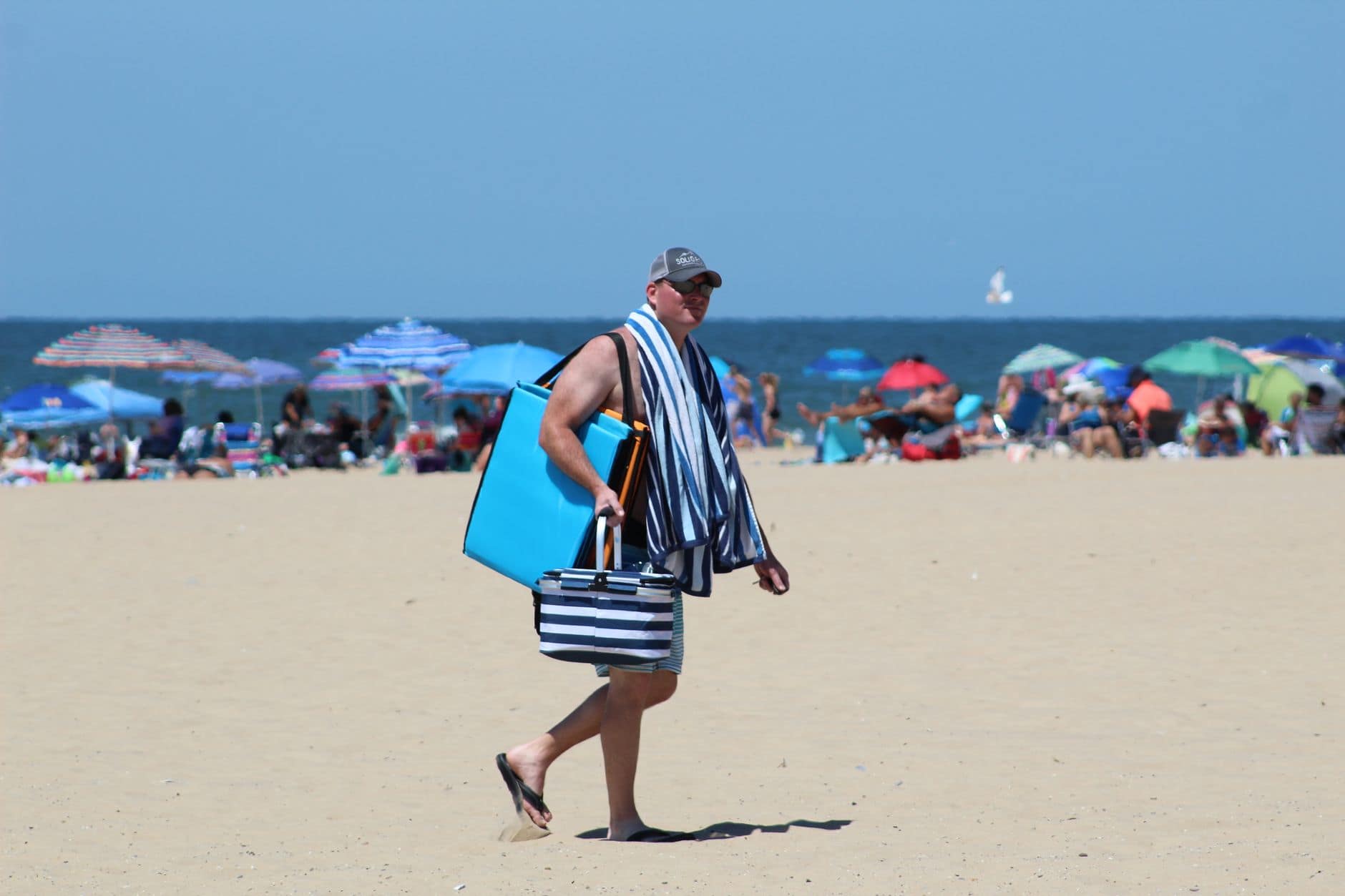
What to wear and pack
Quick-dry clothes, sandals with a heel strap or water shoes, reef-safe sunscreen and a full change of clothes for afterwards. Phones stay at the hotel or go in a dry bag — you will be wet from the first rapid, and everything loose on a raft eventually goes in the river.
 #5
#5
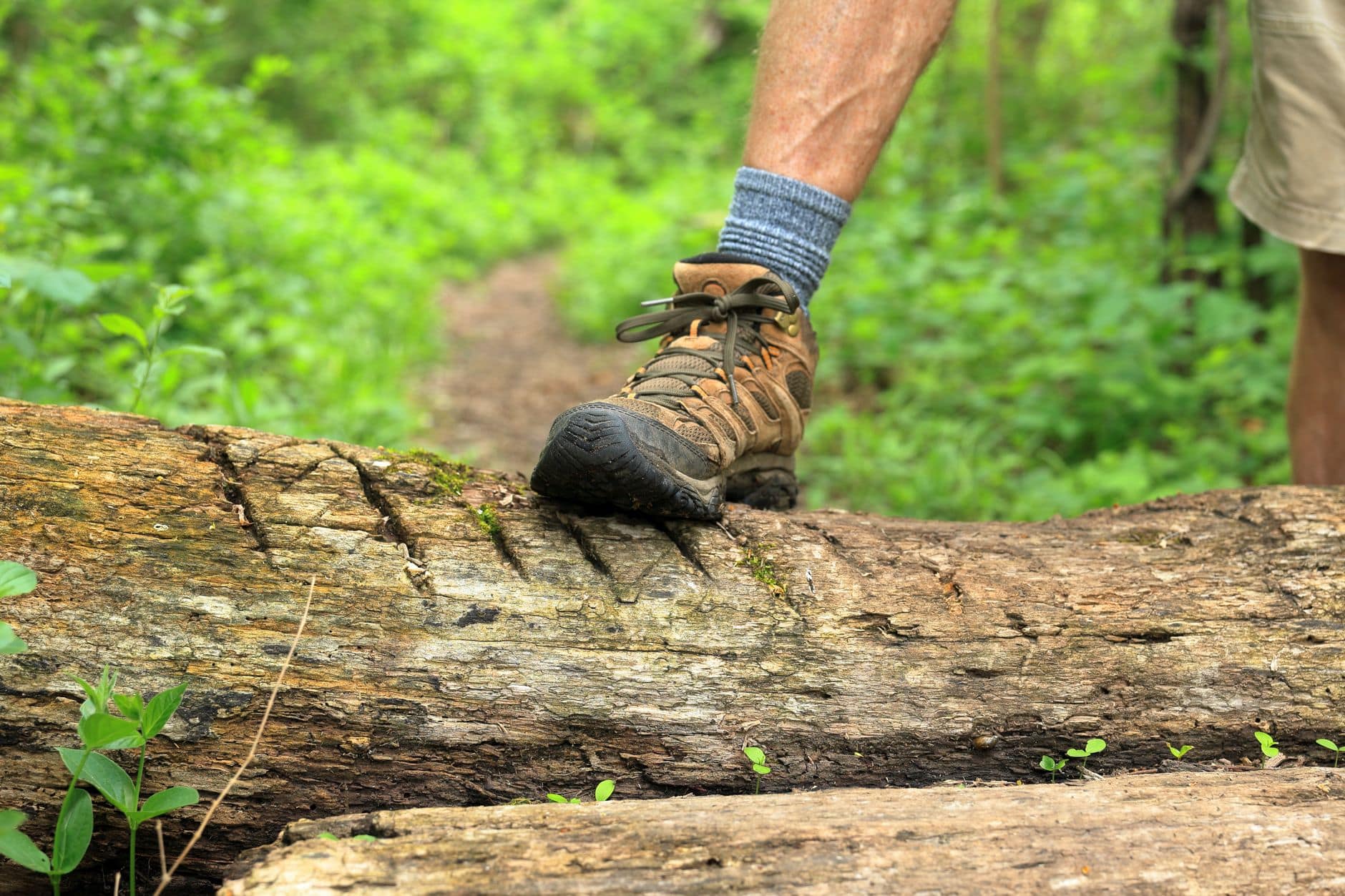
The stairs into the gorge
The one real physical test of the day is not the river — it is the concrete steps. On the main Ayung route that is around 509 down into the gorge at the start and about 250 back up at the finish, which are two different staircases in two different places with a shuttle between them, not one climb repeated. Other operators on the same river publish roughly 600 down and 400 up. Fit travelers barely notice; anyone with knee trouble should weigh this part honestly before booking.
 #6
#6
Season and water level
Rafting runs all year on the Ayung. From April to October the water sits lower and gentler — the easiest window for nervous first-timers. November to March rains raise the river and speed it up, which returning rafters enjoy. Season describes the character of the water rather than a guarantee, and the decision to cancel is the operator's own: Bali's disaster agencies issue advisories, not closures. Ask your operator what their own stop threshold is.
 #7
#7
Pickup and travel time
Morning or midday hotel pickup, with the exact time confirmed on WhatsApp the day before. Measured road times to the Kedewatan launch area: Seminyak 36-40 km and 1.5-2 hours, Canggu about 42 km and around 2 hours, Kuta about 1.5 hours, Nusa Dua about 60 km and 2-2.5 hours. Staying in Ubud puts you 20 minutes from the launch point and shortens the whole day by three hours or more.
 #8
#8
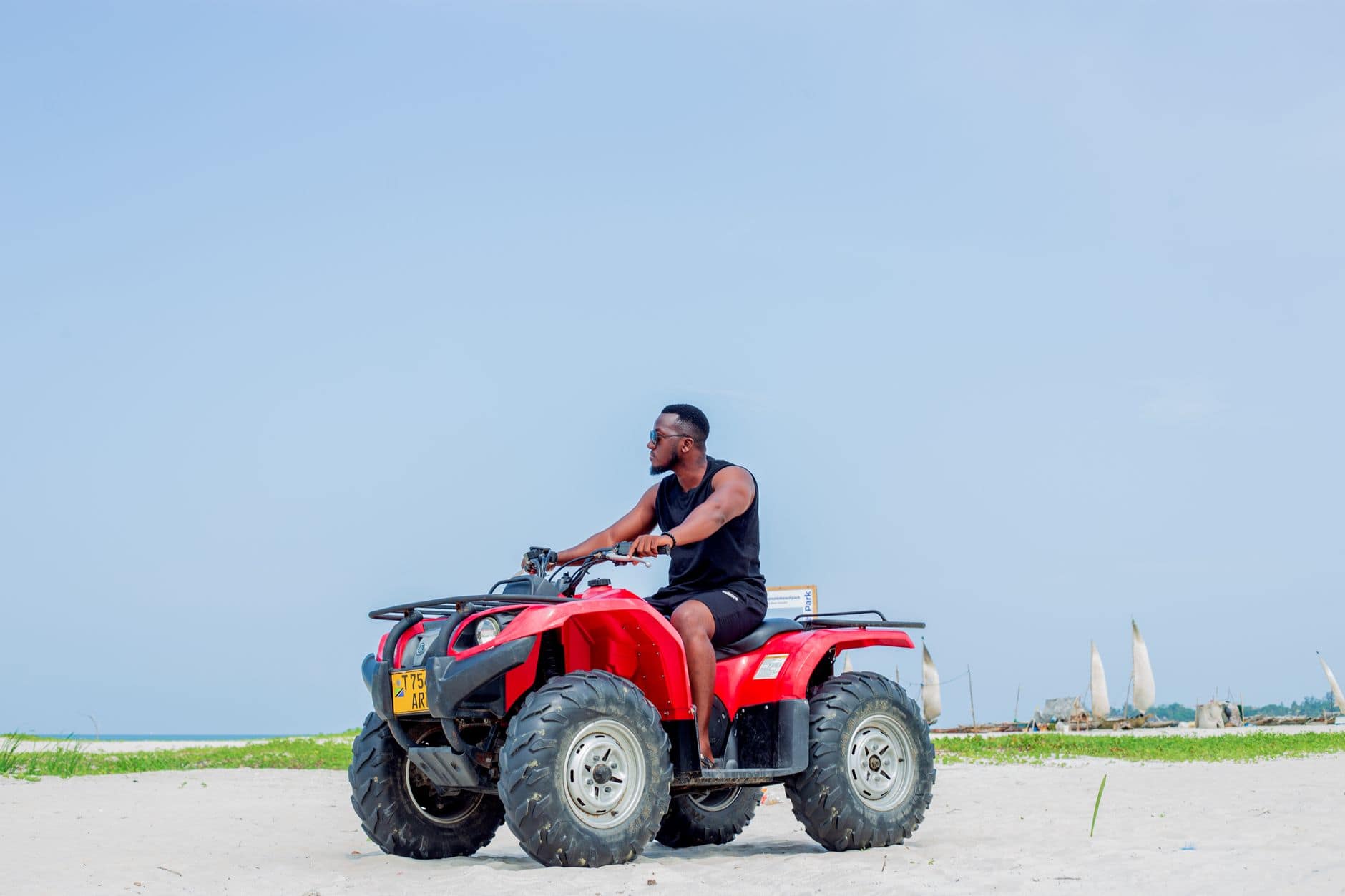
Pairing it with Ubud or an ATV ride
The launch points sit close to Ubud, so it is easy to raft in the morning and spend the afternoon in town — or bolt on an ATV ride for a double adventure day. A 4-6 hour rafting slot leaves daylight for either without turning the day into a march.
Ayung, Telaga Waja or Melangit: which river to book
Bali has three commercial rafting rivers and they are not interchangeable. The Ayung near Ubud is the gentle one: class II-III, about two hours on the water, and the only one most families and first-timers should consider. The Telaga Waja in the east runs faster and finishes with a drop that catches people out, and the Melangit is the quietest of the three, with the least traffic and the fewest operators.
Price sorts them in the opposite order to difficulty. Checked in August 2026, online entry prices start at IDR 250,000 on the Ayung, IDR 270,000 on the Telaga Waja and IDR 300,000 on the Melangit, which has the highest floor of the three despite being the least known. Those are the entry rates before transfer, and a boat plus transfer often lands above an operator's own all-in package, so compare the total rather than the headline.
The practical filter is not the rapids, it is the stairs. The Ayung finish involves a long climb back up: around 509 steps down into the gorge and 250 back up. Anyone with knees, small children or a bad night's sleep should choose on that number rather than on the class rating. We break the two main rivers down side by side in the Ayung versus Telaga Waja comparison, and the full price picture across all three is in the rafting price guide.
Ayung: the beginner river, and the staircase nobody warns you about
The Ayung near Ubud is the river almost everyone means when they say rafting in Bali. It is Class II-III, runs about two hours on the water over 10-12 km of gorge, and the rapids are spaced far enough apart that a first-timer has time to breathe between them. Entry prices start at IDR 250,000, checked in August 2026 — the lowest floor of the three.
What you are paying for is scenery as much as whitewater. The gorge walls run 30 metres high, covered in vegetation, with carved stone reliefs cut into the rock along the way. You spend the whole run below villa level, which is why the valley feels far quieter than the town above it.
The staircase is the part the booking pages leave out. Sobek's route counts around 509 steps down into the gorge and about 250 back up at the finish — two separate flights in two different places, with a shuttle between them. Mason's route on the same river publishes roughly 600 down and 400 up. Fit travellers barely notice; anyone with knee trouble should weigh this honestly before booking.
Access favours Ubud and nobody else. From Ubud the launch point is 20 minutes away. From Seminyak it is 36-40 km and 1.5 to 2 hours, Canggu about 42 km and two hours, Kuta around 1.5 hours, Nusa Dua about 60 km and 2 to 2.5 hours. Staying in Ubud shortens the whole day by three hours or more.
Telaga Waja: the fast one, and the easier day for your knees
The Telaga Waja in east Bali is the river people book when the Ayung sounded too gentle. It runs faster, the rapids come closer together, and the descent finishes over a dam drop that catches out anyone who stopped paying attention. Entry prices start at IDR 270,000, checked in August 2026.
The counterintuitive part is the walking. The Ayung route costs you around 509 steps down and 250 back up; on the Telaga Waja the same operator counts about five at the start and 250 at the finish, and some listings sell it as the run with no climb at all. Either way it is the lighter day. If knees rather than nerve are the constraint, the harder river is the easier choice.
Distances reverse depending on where you sleep. From Ubud the Ayung is 20 minutes away and the Telaga Waja about 70. From Seminyak or Kuta it flips: the east river is roughly 95 minutes, against 1.5 to 2 hours to the Ayung launch point.
The numbers, where operators publish them: Class III+ on Sobek's own site, III-IV on most aggregators, roughly 16 km of river in 2.5-3 hours. Do the division and the reputation deflates — that is 5.3 to 6.4 km/h, against 6 to 8 km/h on the shorter Ayung. The eastern river is longer, not faster.
Melangit: the quiet one in Klungkung
The Melangit is the least known of the three and the one with the fewest operators working it, which is exactly its appeal — you are unlikely to queue at the launch point or share a rapid with three other rafts. It runs through the Klungkung regency in the island's east.
Being least known does not make it cheapest. Entry prices start at IDR 300,000, the highest floor of the three rivers, and one operator's child tariff for ages 7 to 12 runs at $20, $25 or $35 depending on whether you drive yourself, join a group transfer or take a private car. Fewer operators means less price competition, not more.
The practical numbers: 21 km from central Ubud, about 50 minutes by road, and roughly five minutes on foot from the drop-off to the water. That last figure is the one to weigh against the Ayung's staircases if walking is the constraint.
Is white water rafting in Bali safe?
Yes — white water rafting in Bali is safe for beginners when you run it with a licensed operator, and the Ayung River near Ubud is where almost everyone should do it first. The rapids are beginner-friendly: lively enough to soak the whole raft, mild enough that guides take families and complete first-timers down the same stretch every day of the year. Every raft carries a river guide, life jackets and helmets are standard, and the briefing before launch covers the four or five paddle commands you need. Certification is a separate question from experience: only a few dozen guides on the island hold the national BNSP competency standard, so ask your operator directly rather than reading «licensed» on a website. You are never asked to read the river yourself — the guide steers, calls the strokes and does the thinking.
The honest risks are not the rapids. Most of what happens on the day happens on the wet concrete stairs into the gorge, and in heavy rain the slope above them is the one genuinely serious hazard — a landslide killed three people on that climb in November 2021, on a day when the rafting itself had already been called off. Ask about the path, not just the water. Beyond that, the equatorial sun on open water burns faster than people expect, and the equatorial sun on open water burns faster than people expect, so sunscreen and a strap for your sunglasses matter more than courage. Sit the trip out if you are pregnant, recovering from surgery, or managing a serious back or heart condition — say so on WhatsApp and we will point you to a calmer day instead. For the wider picture on staying out of trouble on the island, see our Bali safety guide.
Who the Ayung River suits — and who it does not
The Ayung suits families, couples and mixed groups where not everyone is athletic — which is exactly who our Ayung River rafting day is built for, from $25 with hotel pickup and a 4-6 hour door-to-door day. Children join Ayung trips constantly; tell us their ages on WhatsApp when you book so the crew can plan seating and gear. Non-swimmers can go too — the life jacket and the raft do the floating, and being relaxed about getting splashed matters more than swimming ability. If you are building a family-wide day around it, our guide to Bali day trips with kids covers pacing.
Two groups should think twice. Adrenaline chasers who have rafted big water elsewhere may find the Ayung tame — east Bali's Telaga Waja river runs longer and pushier, and honesty says experienced paddlers will prefer it. And anyone with bad knees should weigh the stairs: on the main Ayung route it is about 509 steps down into the gorge and 250 back up at the finish, two separate staircases with a shuttle between them, and the hardest part of the day by a comfortable margin. If that is the constraint, Telaga Waja is the counterintuitive answer — around five steps at the start, and some operators sell it as the run with no staircase at the end. The river itself asks very little of you.
What the day actually looks like
A rafting day runs 4-6 hours door to door with a morning or midday hotel pickup — the exact time is confirmed on WhatsApp the day before. From Kuta, Seminyak or Canggu, budget 1-1.5 hours each way to the river depending on traffic; staying in Ubud puts you a short drive from the launch point. On arrival the sequence is gear fitting, safety briefing, then the staircase down into the gorge. The paddling itself takes around two hours, split between short runs of white water and calm stretches where you drift past gorge walls, jungle and carved rock faces.
You finish soaked, so the change of clothes is not optional. Pack light: quick-dry clothes, strapped sandals or water shoes, reef-safe sunscreen, and a dry bag for your phone if you want photos from the raft. Everything else stays in the car with the driver. Our Bali packing guide has the full checklist for wet days out.
Combining rafting with an Ubud day
Rafting slots into an Ubud itinerary better than any other adventure on the island, because the Ayung gorge runs directly past Ubud's western edge. The clean combination is water in the morning and town in the afternoon: finish the run, change into dry clothes, and spend the rest of the day on Ubud's cafes, the Campuhan ridge and the Monkey Forest at your own pace. If you would rather cover the classics with a driver handling the route, the Ubud rice terrace, temple and volcano tour — **from $65 per car, 10 hours — works better as a separate day than a same-day squeeze. Our one-day Ubud plan shows how the pieces fit together.
For a double adventure day, pair the river with the Ubud ATV quad bike ride — from $39, built around a 1.5-hour ride through jungle, rice field, river and tunnel track in the same part of the island. A 4-6 hour rafting slot leaves enough daylight for either combination; just ask for the morning pickup rather than midday when you book on WhatsApp.
FAQ
Which rafting river in Bali is best for beginners?
The Ayung near Ubud. It is class II-III, runs about two hours, and the rapids are spaced out enough that a first-timer has time between them. The Telaga Waja is faster and ends with a four-metre dam drop. Prices start at IDR 250,000 on the Ayung against IDR 270,000 on the Telaga Waja and IDR 300,000 on the Melangit, checked August 2026.
Rafting or canyoning in Bali — what is the difference?
Rafting is a seated river descent in an inflatable raft with a guide steering and five or six people paddling on command; the river carries you and the skill required is close to zero. Canyoning is done on foot in a narrow gorge, abseiling down waterfalls on a rope, jumping into pools and sliding over rock, usually in a wetsuit and harness. Rafting suits families, mixed-ability groups and anyone who wants a big landscape without a physical test. Canyoning asks for a head for heights and a reasonable level of fitness, and it is the one to pick if the point of the day is adrenaline rather than scenery.
Is white water rafting in Bali safe?
Mostly, and the honest answer needs two caveats. The Ayung's rapids are beginner-friendly, every raft carries a river guide, and life jackets and helmets are standard on every run. But formal competency certification is not universal — only a few dozen guides across Bali hold the national BNSP standard — and no outside authority closes the river in bad weather, so the decision to run belongs to your operator. The realistic hazards are the wet stairs into the gorge, the slope above them in heavy rain, and the equatorial sun, not the water. Skip it if you are pregnant or recovering from surgery.
How much does white water rafting in Bali cost?
A private Ayung River rafting day books direct from $25 over WhatsApp with no prepayment, and the outing runs 4-6 hours including hotel pickup. When comparing quotes, check whether transport from your hotel is included — from south Bali the drive is a real part of the day.
Can non-swimmers go rafting on the Ayung River?
Yes. You wear a life jacket and helmet for the entire run, the raft does the floating, and guides brief everyone on what to do if someone slips out. Non-swimmers join Ayung trips every day — the real requirement is being comfortable getting splashed, not swimming ability.
What should I wear for Bali rafting?
Quick-dry shorts and a t-shirt or rash guard, sandals with a heel strap or water shoes, reef-safe sunscreen, and a full change of clothes for afterwards. Leave valuables at the hotel and seal your phone in a dry bag — everything on the raft gets wet.
How long does Ayung River rafting take?
Plan on 4-6 hours door to door. The paddling itself takes around two hours; the rest is hotel pickup, the drive, the safety briefing, the stairs into and out of the gorge, and time to change. From Ubud the day is shorter because the river is next door.
Is there an age limit for rafting in Bali?
Yes — operators set minimum ages for children, so tell us your children's ages on WhatsApp when booking and the crew will plan seating and gear around them. Families are a normal sight on the Ayung; the rapids are mild enough that kids usually finish asking to go again.
When is the best time of year for rafting in Bali?
Rafting runs year-round on the Ayung. April to October brings lower, gentler water — the easiest conditions for first-timers. November to March rains raise the river and speed it up, which returning rafters enjoy. The call to cancel belongs to the operator — no outside authority closes the river, and the local disaster agency issues advisories rather than bans. Ask yours what their stop threshold is before you book.
Ayung River or Telaga Waja — which rafting is better?
Pick the Ayung for a first run: beginner-friendly rapids and jungle gorge scenery on Ubud's edge. It has the shortest transfer only if you are staying in Ubud — 20 minutes against about 70 to Telaga Waja. From Seminyak or Kuta the east river is actually the closer one, roughly 95 minutes against 1.5-2 hours to the Ayung. Telaga Waja runs longer and faster and is usually sold as the trip for people who have rafted before — but there is a reversal worth knowing: it is the physically easier day. The Ayung route has around 509 steps down and 250 back up; Telaga Waja has about five at the start, and some operators sell it specifically as the run with no staircase at the finish. If knees are the constraint rather than nerve, the harder river is the gentler choice.
What do reviews say about rafting in Ubud?
Two complaints repeat across Ayung reviews, and neither is about the water. The first is the staircase — around 509 steps down and 250 back up on the Sobek route — which people who booked from photos alone did not expect. The second is the photo package: crews shoot the run and offer the images at the end, and it stays optional however it is presented. What reviewers praise consistently is the gorge scenery and the guides, who run the same stretch several times a day. If you read only one review, read a low one: the negatives on the Ayung are almost always about stairs, waiting or an upsell, not about safety.
Recommended Bali tours for this guide
Bali White Water Rafting, Ayung River
White water rafting is one of Bali's easiest adventure products to fit into a trip because it feels active without being overly technical. It is especially strong for guests who want something memorable that still works for mixed groups.
- Duration
- 4-6 hours
- Area
- Bali river routes
- Format
- Adventure activity
- Best for
- Families, couples, and active groups
From $25 No prepayment
View tour
Ubud ATV Quad Bike Adventure
This Ubud ATV Quad Bike Adventure is built for travelers who want action without overcomplicating the day. The route combines Bali jungle, rice paddies, bumpy mud tracks, river sections, and natural tunnels in one guided ride, with safety gear, lunch, showers, and optional hotel transfer included from $39.
- Duration
- 4-6 hours total with a 1.5-hour ATV ride
- Area
- Ubud off-road jungle, rice field, river, and tunnel track
- Format
- Guided ATV quad bike adventure with lunch
- Best for
- Adventure lovers, couples, friends, and first-time ATV riders
From $39 No prepayment
View tour
Ubud Rice Terrace, Temple & Volcano Tour
This private Ubud and Kintamani day tour is built for travelers who want Bali culture, scenery, and soft adventure without planning the route or doing the driving. It works especially well for first-time visitors because the route moves from craft villages and temples to volcano views, rice terraces, and the Ubud center in one organized flow.
- Duration
- 10 hours
- Area
- Kintamani, Ubud, and central Bali
- Format
- Private day tour by car
- Best for
- First-time Bali visitors
From $65 per car No prepayment
View tour