

There is exactly one place in Bali where you can reliably swim with manta rays, and it is not on Bali. It is Nusa Penida, the limestone island across the strait, reached by a 30 to 40 minute fast boat from Sanur. Not Amed. Not Tulamben. Not Nusa Dua, Sanur reef, Padang Bai or anywhere on the mainland coast. This matters because a lot of people book a hotel in Amed on the strength of a search result and then discover the mantas are a five-hour drive and a boat away. The good news is that the one place is a very good one: a cleaning station where reef mantas turn up in all twelve months. Day trips from Bali start at $29.
By Alex Moskvin, Founder of SB Excursions · Published 21 May 2026 · Updated 23 October 2026
Tour on this route: Snorkel with Manta Rays, Nusa Penida — From $29, full day.
Where can you swim with manta rays in Bali?
At Nusa Penida, the island across the strait, reached by a 30 to 40 minute fast boat from Sanur. Two moorings there — the cleaning station on the south-west corner and a sheltered bay under the west cliffs — bring reef mantas in all twelve months. There is no reliable manta mooring anywhere on mainland Bali.
This guide also answers:
- Can you see manta rays at Nusa Dua?
- Is it worth going to Nusa Penida just for the manta rays?
- What else can you see in the water in Bali if not mantas?
Top picks from this guide
 #1
#1
Nusa Penida — the only real answer
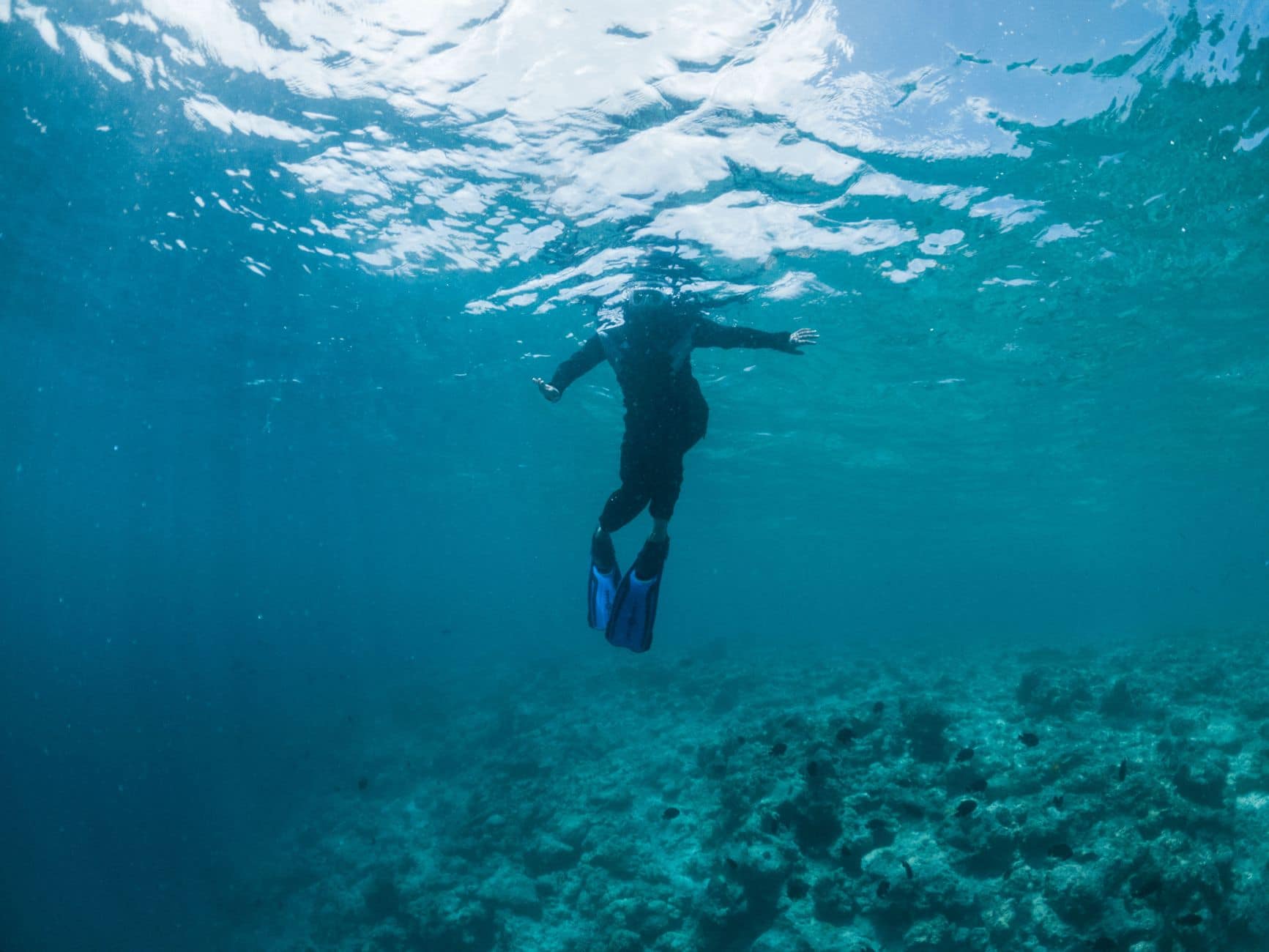
Two moorings on the island's west and south-west coasts bring reef mantas in year-round, because one of them is a cleaning station where small fish groom the animals. It is shallow enough to snorkel, it runs as a day trip from anywhere in south Bali with an early pickup, and it is where every manta photograph taken in Bali comes from. Everything below is a place people mistakenly go instead.
 #2
#2
Amed and Tulamben — no mantas
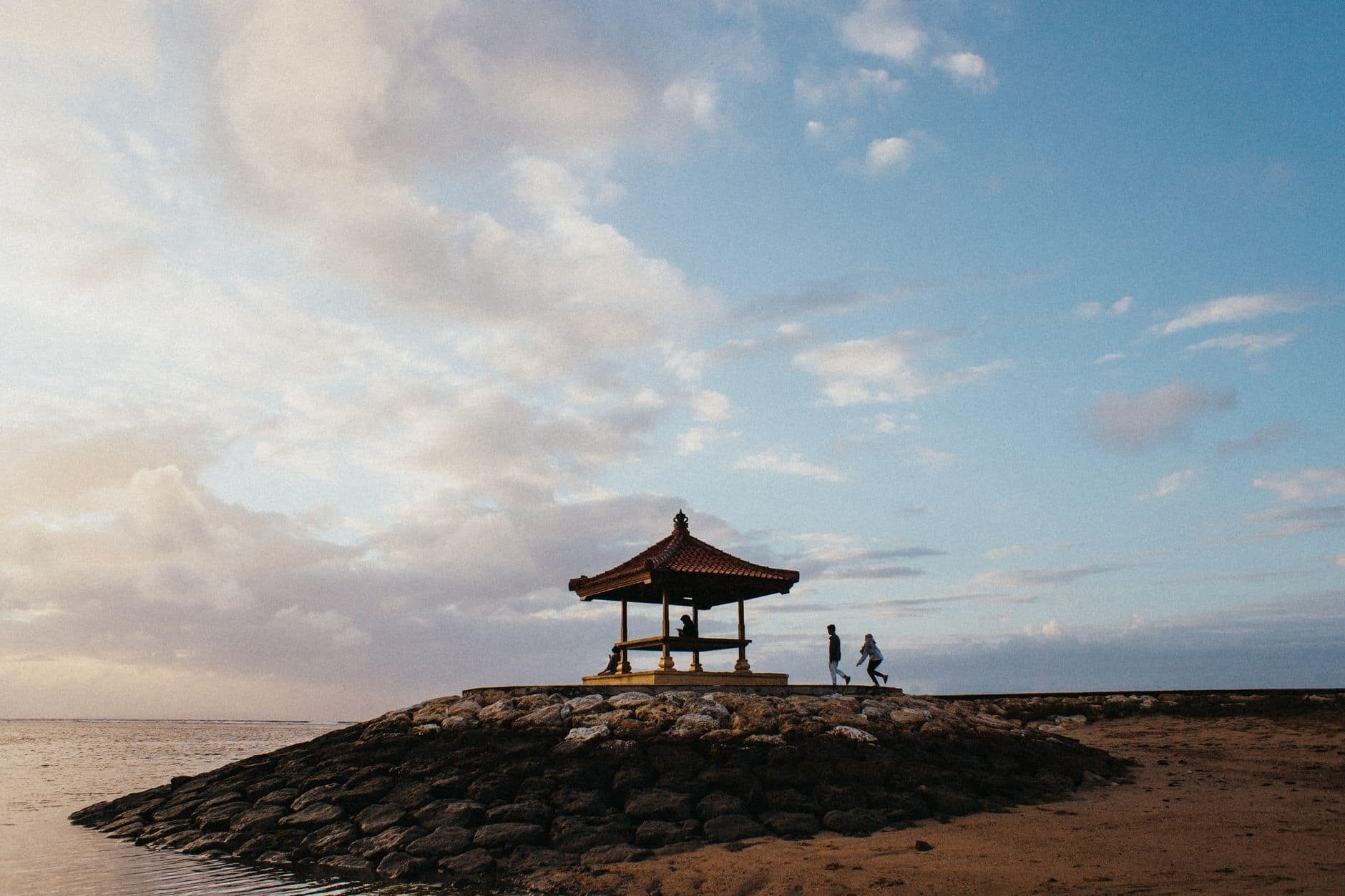
Amed and Tulamben are genuinely excellent for snorkelling and diving — the USAT Liberty wreck at Tulamben is one of the most accessible wrecks anywhere, and Jemeluk Bay has good coral straight off the beach. What they do not have is a manta cleaning station. Searches pairing the two exist because both words appear in Bali marine content, not because the animals are there.
 #3
#3
Nusa Dua and the southern beaches — no mantas
The shallow lagoon behind the reef at Nusa Dua is a fine place to teach a child to snorkel and a poor place to look for large open-water animals. Boat trips sold from the beach here go to shallow reef, not to mantas. If your hotel is in Nusa Dua, the manta trip is a pickup at dawn and a transfer to Sanur harbour — perfectly normal, just not local.
 #4
#4
What people actually saw
Mainland sightings are almost always something else: a spotted eagle ray, a blue-spotted stingray on the sand, or a large batfish seen at an angle. Eagle rays are common on Bali's reefs, have a similar outline seen from above and are perfectly worth seeing. The confusion is honest, which is why it keeps producing search results that send people to the wrong coast.
Every place people ask about, answered
Sorted by how often the question comes up rather than by geography:
| Place | Mantas? | What is actually there | Getting to mantas from here |
|---|---|---|---|
| Nusa Penida | Yes, all year | Cleaning station and a feeding bay | You are there |
| Amed | No | Jemeluk Bay coral, the Japanese wreck | Long drive south, then the boat from Sanur |
| Tulamben | No | The USAT Liberty wreck | Same — a full day, better done from the south |
| Nusa Dua | No | Shallow lagoon, watersports | Dawn pickup, 30-45 min to Sanur harbour |
| Sanur | No | The harbour the manta boats leave from | Closest starting point on the mainland |
| Padang Bai | No | Blue Lagoon, calm beach snorkelling | Drive to Sanur, then the boat |
| Nusa Lembongan | Rarely | Mangroves, easy reef, surf | Short boat hop across to Penida |
| Gili Islands | No | Green turtles, in numbers | A separate trip in the other direction |
The pattern is simple: mantas need the deep, cold, nutrient-heavy water of the Lombok Strait pushing past a reef, and only Nusa Penida sits in it. Bali's mainland coasts are shallower and warmer, which is why they are better for coral, turtles and wrecks and worse for anything with a three-metre wingspan.
Why Amed keeps coming up
Amed is where a lot of people who care about the sea choose to stay, so it accumulates every marine search in Bali whether or not the answer is there. The reality: Jemeluk Bay is good coral you walk into from a black sand beach, the sunken Japanese vessel is a five-minute swim out, and Tulamben's Liberty wreck is twenty minutes up the road. That is a genuinely excellent snorkelling base, and none of it involves mantas. Our guide to Amed and Tulamben snorkeling covers what is actually there.
If you are already staying in Amed and you want the mantas, be honest about the day: it is a long drive back down to Sanur before dawn, a boat, the trip, and the same drive back in the dark. Most people who do it end up moving south for a night instead. If you are still choosing where to stay, that is a reason to put the Penida day at the start or end of the east-coast leg rather than in the middle of it. For the region's other big animal, the months that suit the boats are in whale shark season in Sumbawa.
What you can see instead, on the mainland
Turtles — reliably, but at the Gili Islands rather than in Bali. Green turtles feed on the seagrass off Trawangan and Meno in numbers you do not get on the mainland reefs; see swimming with turtles in Bali.
Coral and reef fish — Blue Lagoon at Padang Bai is the easiest good snorkelling within reach of south Bali, walk-in from a small cove and clearest between 07:00 and 10:00. The Blue Lagoon snorkeling trip runs from $50 with gear, guide, lunch and pickup.
A wreck — the USAT Liberty at Tulamben lies close enough to shore that snorkellers see the top of it, which is unusual anywhere in the world.
Eagle rays — the thing most often mistaken for a manta, and common enough on Bali's reefs that you have a fair chance without planning for it.
How the manta day works from anywhere in Bali
Pickup is early — roughly 05:30 to 06:30 depending on where you sleep, because the boats leave Sanur in the first hour of the day and the manta mooring is best before the fleet arrives. The crossing is 30 to 40 minutes. On the Penida side you transfer onto a small snorkelling boat, do the manta stop first and three reef stops after it, and are usually back in Sanur in the middle of the afternoon.
From Canggu, Seminyak or Uluwatu the drive to Sanur adds 60 to 90 minutes at the front of that, which is why the pickup is so early — the detail is in our Nusa Penida from Sanur and how to get to Nusa Penida guides. Nothing about the day changes by season; what changes is whether the exposed corner is open, and that is covered in manta ray season in Bali.
Booking it
From $29 — the Manta Point snorkeling trip, a full day with hotel pickup anywhere in south Bali, the crossing, gear and a guide in the water. The two manta sites off Nusa Penida are compared side by side in Manta Bay or Manta Point.
From $60 — the private Nusa Penida day tour with manta snorkeling, which leaves before the fleet and pairs the sea with the island's cliff viewpoints.
Both go over WhatsApp with no prepayment. Nobody can guarantee a sighting — these are wild animals on an exposed coast, and any operator promising one is selling certainty they do not have. What you can do is take the first boat of the day and book the trip early in your holiday so a second morning exists behind it.
FAQ
Where can you swim with manta rays in Bali?
At Nusa Penida, the island across the strait, reached by a 30 to 40 minute fast boat from Sanur. Two moorings there — the cleaning station on the south-west corner and a sheltered bay under the west cliffs — bring reef mantas in all twelve months. There is no reliable manta mooring anywhere on mainland Bali.
Are there manta rays in Amed, Bali?
No. Amed has excellent coral at Jemeluk Bay, a sunken Japanese vessel a short swim from the beach, and the USAT Liberty wreck twenty minutes up the road at Tulamben — but no manta cleaning station. Sightings reported there are almost always spotted eagle rays, which have a similar outline seen from above and are common on Bali's reefs.
Can you see manta rays at Nusa Dua?
No. Nusa Dua sits behind a shallow reef lagoon, which is why the swimming is so calm there and why large open-water animals do not come in. Boat trips sold on the beach go to shallow reef. From a Nusa Dua hotel the manta trip is a dawn pickup and a 30 to 45 minute transfer to Sanur harbour.
Do you need to go to Nusa Penida to see manta rays?
Yes, if you want a real chance of seeing them. The mantas are there because the deep, cold water of the Lombok Strait runs past the island and feeds a cleaning station on the reef, and no mainland Bali coast has that combination. Every manta photograph you have seen labelled Bali was taken at Nusa Penida.
Is it worth going to Nusa Penida just for the manta rays?
For most people yes, because the trip is a single day from anywhere in south Bali, it starts at $29, and the same boat visits three more reef stops afterwards. If the sea is rough the manta mooring can close, so book the day early in your holiday rather than on your last free morning, and treat a good session as something you gave yourself the best chance of having.
What is the difference between a manta ray and an eagle ray?
Size and head. Reef mantas at Nusa Penida commonly have wingspans around three metres and two distinct lobes at the front of the head that they use to funnel plankton; spotted eagle rays are much smaller, with a pointed snout and pale spots across the back. From a boat, at an angle, an eagle ray genuinely can look like a small manta — which is where most mainland reports come from.
Are manta rays in Bali dangerous?
No. They are filter feeders with no barb, no sting and no teeth of any consequence, and they have no interest in people. The rules at the mooring exist to protect the animals rather than you: do not touch, do not swim directly at one, do not chase, and stay above rather than dropping into the space between the manta and the reef where it is being cleaned.
What else can you see in the water in Bali if not mantas?
Green turtles in numbers at the Gili Islands, the USAT Liberty wreck at Tulamben, walk-in coral at Blue Lagoon near Padang Bai from $50, and the reef stops around Nusa Penida itself. Mainland Bali is better for coral, wrecks and turtles than for large open-water animals, which is a fair trade for how easy those are to reach.
Recommended Bali tours for this guide
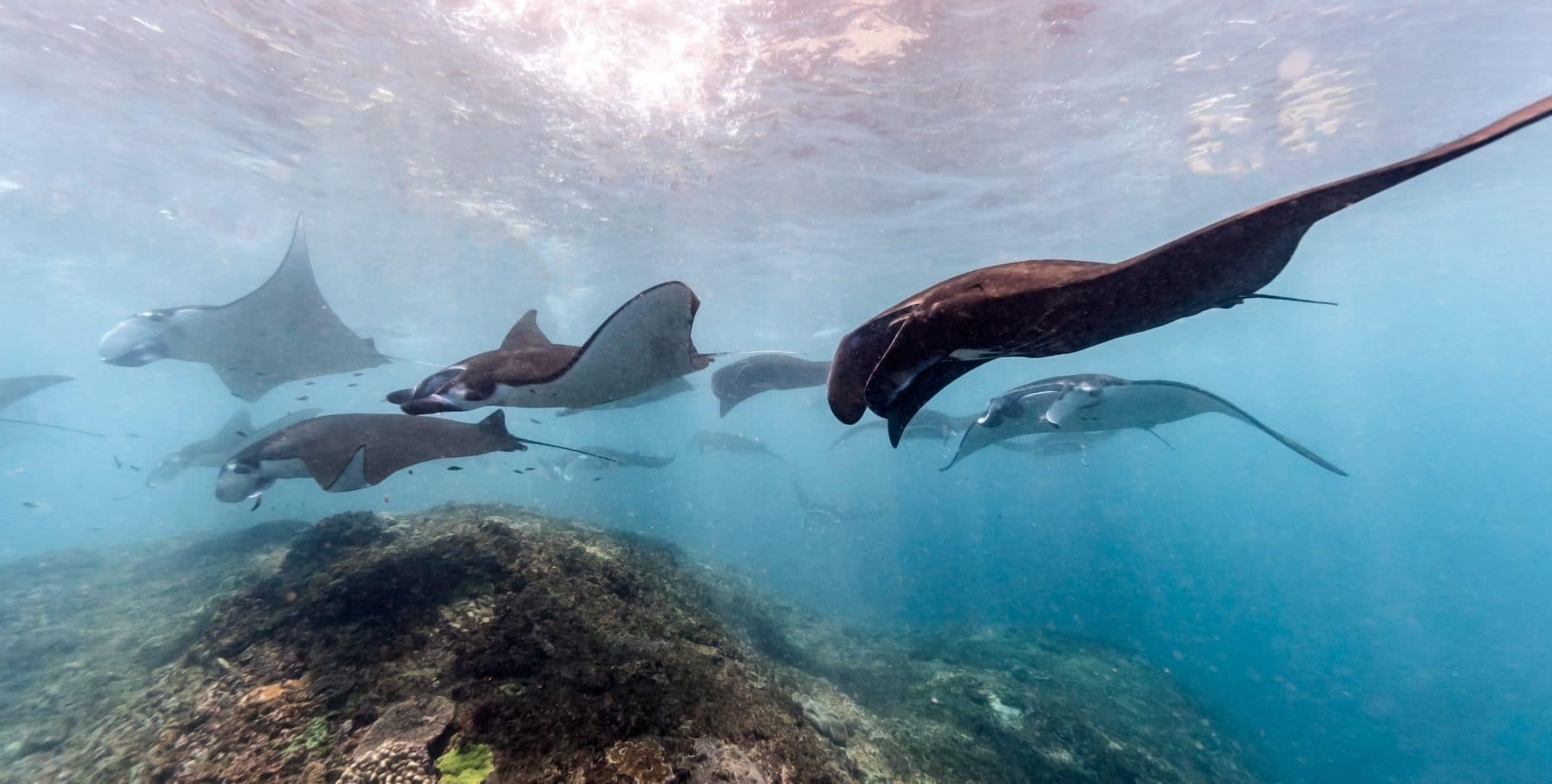
Snorkel with Manta Rays, Nusa Penida
This is one of Bali's strongest sea-day products because the experience starts delivering early and stays visually powerful all day. It works for couples, small groups, and first-time snorkelers who want clear planning and strong photo value.
- Duration
- Full day
- Area
- Manta Point and Nusa Penida waters
- Format
- Snorkeling tour
- Best for
- Snorkeling lovers and sea-day travelers
From $29 No prepayment
View tour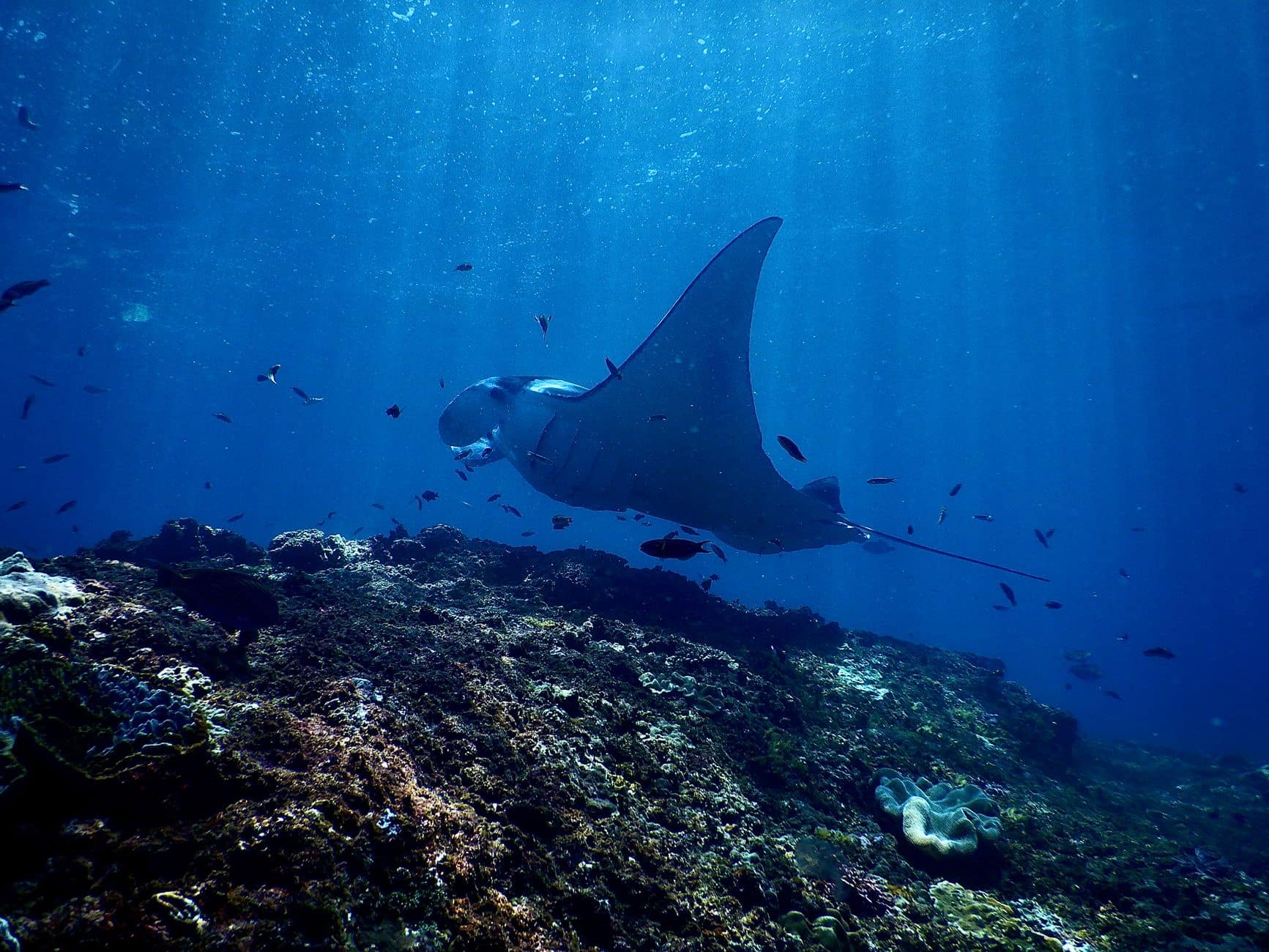
Nusa Penida Private car Day Tour+Snorkeling Manta Point
This is the highest-value option for many first-time Nusa Penida visitors because it avoids choosing between island sightseeing and the signature snorkeling experience. The private land transport keeps the second half of the day efficient and much more comfortable.
- Duration
- Full day
- Area
- Nusa Penida
- Format
- Private island combo tour
- Best for
- Travelers wanting sea and sightseeing in one day
From $60 No prepayment
View tour
Blue Lagoon Snorkeling, Padang Bai
This is one of the easiest snorkeling products to recommend for beginners and casual sea-day travelers. It gives you underwater visibility, reef-life value, and a cleaner half-day or lighter full-day structure than more demanding offshore routes.
- Duration
- 2 hours on the water
- Area
- Padang Bai and Blue Lagoon
- Format
- Snorkeling trip
- Best for
- Beginners, couples, and mixed groups
From $19 No prepayment
View tour