

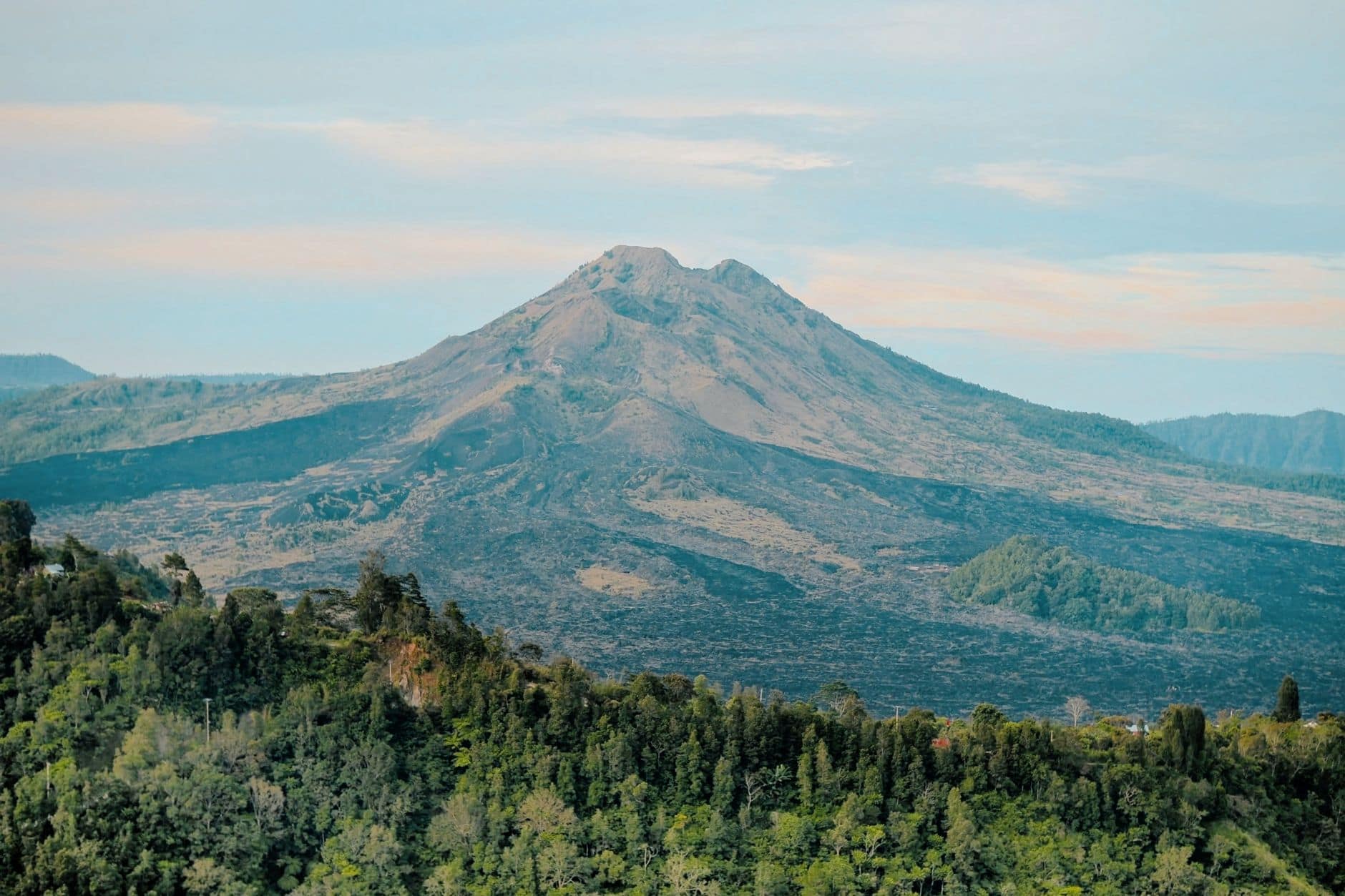
Dress for two different mornings at once. You climb warm and arrive sweating, then stand still in wind at 1,717 m for 30-60 minutes waiting for the sun, which is where almost every complaint about Mount Batur comes from. The short answer: shoes with real tread, long trousers, a t-shirt base, a fleece and a windproof shell you carry rather than climb in, and a hat. From November to March add a rain shell. Flip-flops and jeans are the two items that reliably ruin the morning — the first fail on volcanic scree, the second soak through and hold the cold. This guide covers what to wear on the hike, what changes if you take the jeep instead, and what is not worth carrying up.
By Alex Moskvin, Founder of SB Excursions · Published 21 May 2026 · Updated 23 October 2026
Tour on this route: Mount Batur Sunrise Hike — From $35, 5-8 hours.
What should I wear to climb Mount Batur?
Trainers or light hiking shoes with real tread, long trousers or leggings, a t-shirt to climb in, and a fleece plus a thin windproof shell carried in a bag for the summit. Add a beanie, a head torch and 1-1.5 litres of water. From November to March pack a rain shell as well.
This guide also answers:
- How cold is it at the top of Mount Batur?
- Should I bring a towel for the hot springs?
Top picks from this guide
 #1
#1
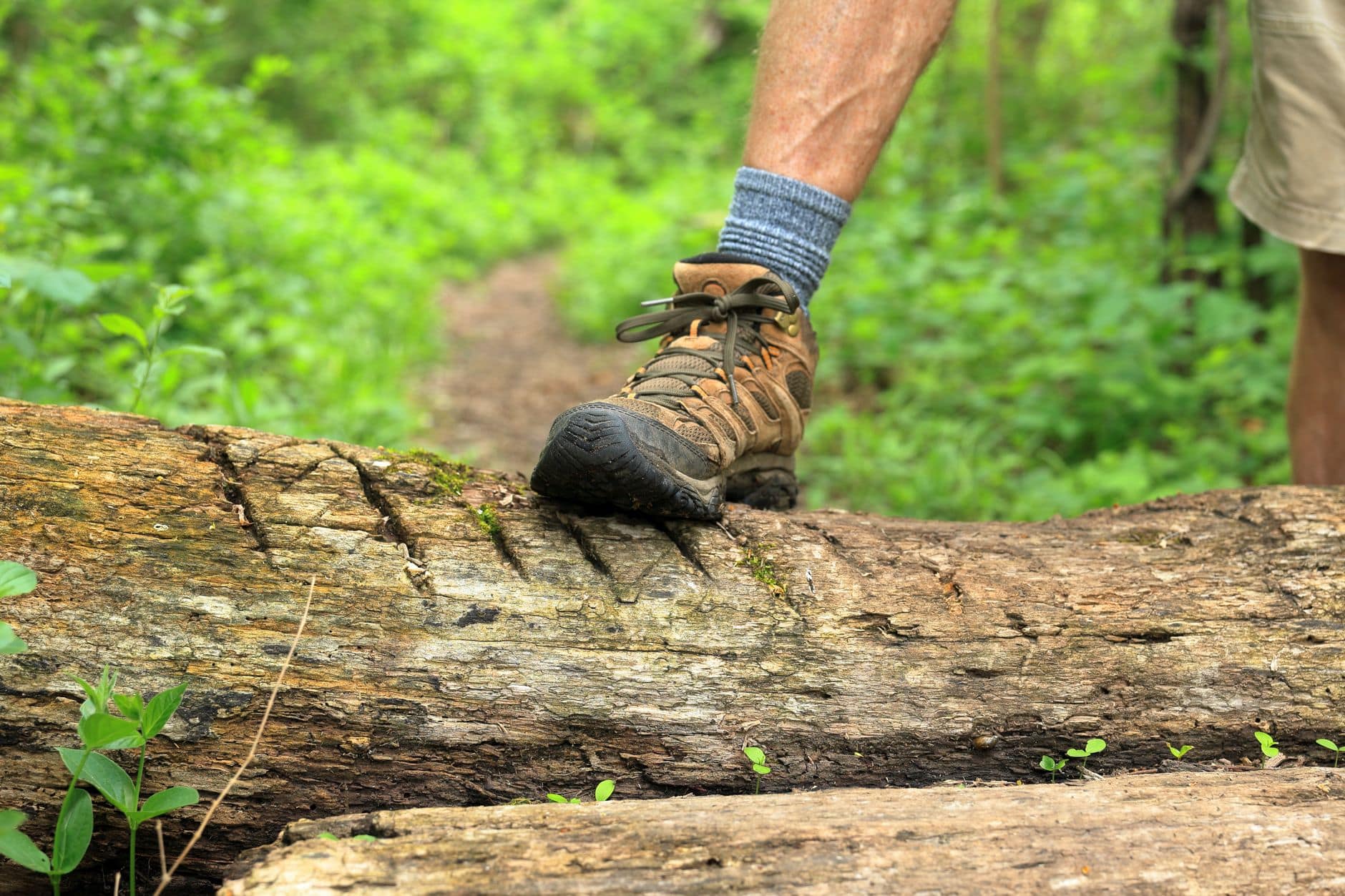
Shoes with a grippy sole
Trainers or light hiking shoes. The final stretch of the ascent steepens onto black volcanic sand, and on the way down in daylight that same surface behaves like ball bearings. Grip is what keeps the descent boring, which is exactly what you want it to be. Flip-flops and smooth-soled sneakers are the single most common packing mistake.
 #2
#2
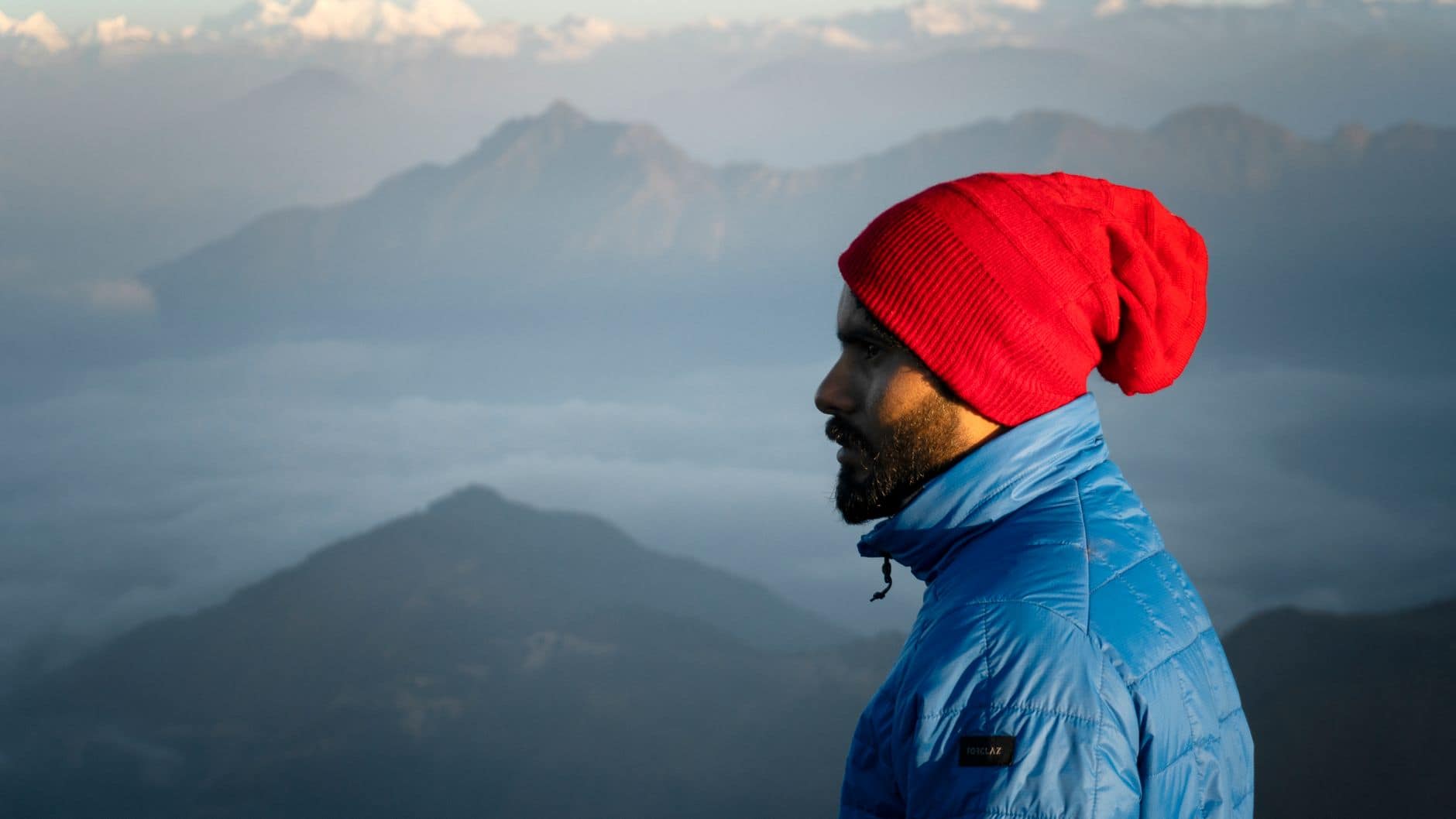
A warm layer you carry, not wear
A fleece or light down layer. You will be too warm in it within ten minutes of starting to climb, so it lives in a small bag until you reach the top. Getting chilled at the summit is the most common complaint guides hear, and it is the easiest one to prevent.
 #3
#3
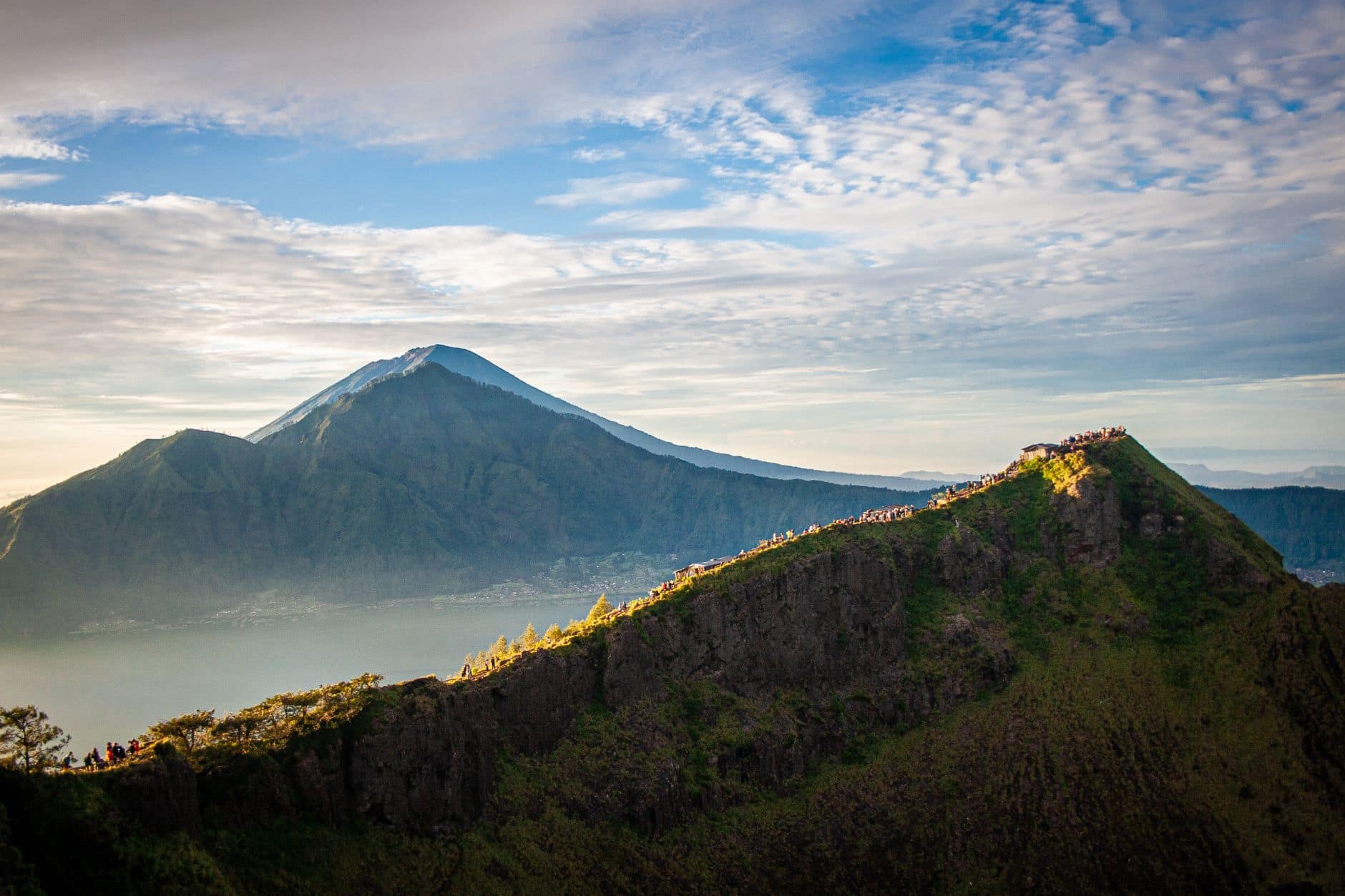
A windproof shell over the top
The cold at the summit is wind chill more than air temperature. A fleece alone lets the wind through; a thin windbreaker over it fixes the problem completely. It weighs almost nothing and it is the difference between watching the sunrise and waiting for it to be over.
 #4
#4
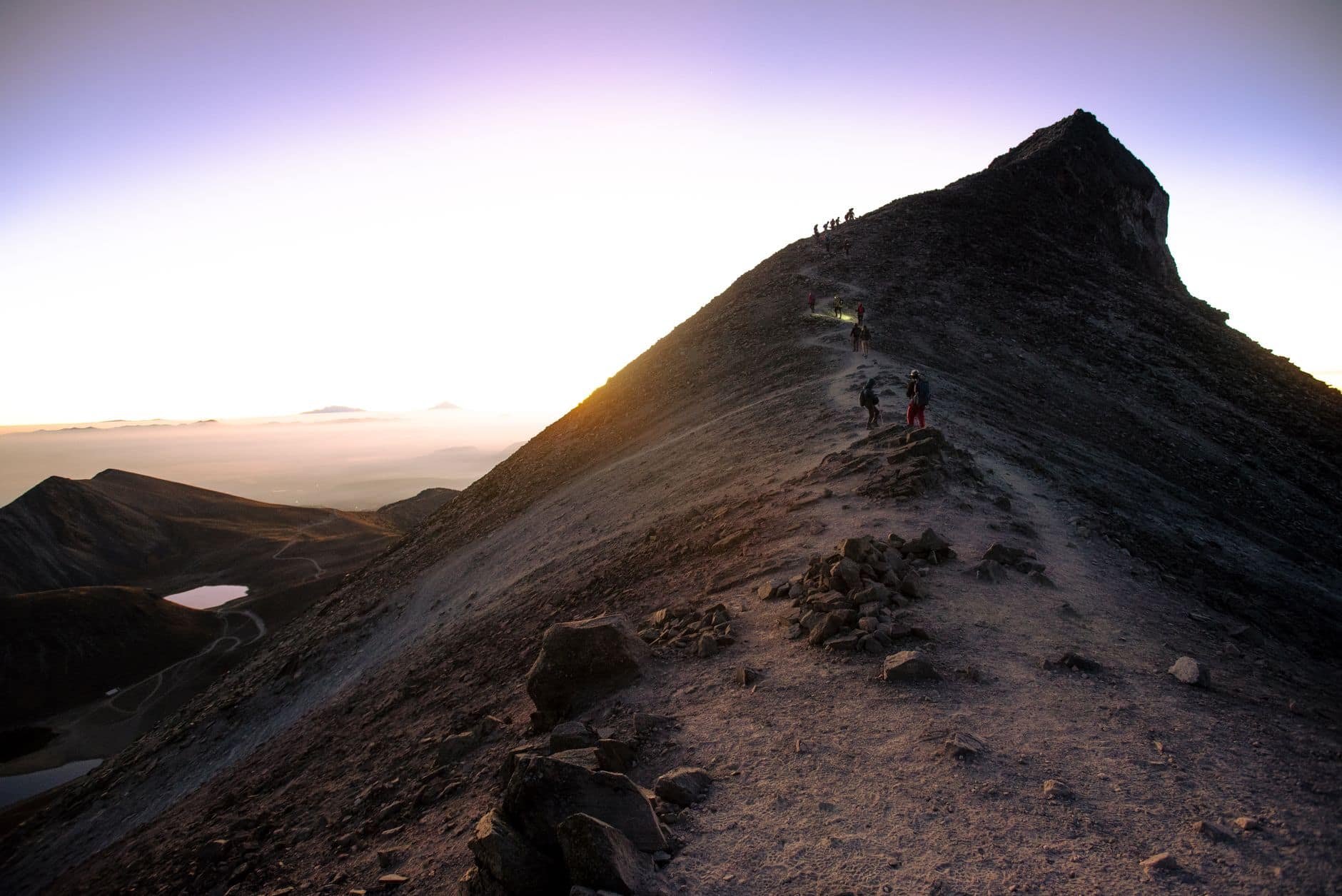
Long trousers or leggings
Anything you would run or hike in. They keep the wind off at the top and take the scrape if you sit down on the descent. Jeans are the exception: they are heavy, they hold sweat on the way up, and if it rains they stay wet and cold for the rest of the morning.
#5
A hat, and gloves if you feel the cold
A beanie helps more than people expect during the still part of the morning, when you are not generating any heat. Gloves are optional and nobody regrets packing them. Neither takes up meaningful space.
#6
A head torch, not your phone
Guides carry torches and the group moves as one, but your own head torch means both hands stay free on the steeper sections. A phone in one hand is worse than no light at all, and its battery is what you want for photos at the top.
 #7
#7
A rain shell from November to March
In the wet months the upper trail gets slippery and showers are unpredictable. A packable rain layer over the fleece covers both cold and wet. Guides still climb on most mornings and cancel only in genuinely bad weather, so the odds are you will use it.
#8
What to leave behind
A big camera bag, a tripod and a full-size backpack are all things people regret at the halfway point. Two hours of uphill in the dark makes every kilogram noticeable. Water, a warm layer, a torch and your phone cover the entire morning.
The Mount Batur packing list at a glance
Everything below assumes a pre-dawn start and a summit wait in wind. The right-hand column is the honest consequence of skipping the item, not a scare tactic:
| What to bring | Why it matters | When you need it | What happens without it |
|---|---|---|---|
| Trainers or hiking shoes with a grippy sole | The upper trail is loose black volcanic sand | The whole climb, and especially the descent | The descent turns slow and slippery; this is the most common cause of a rolled ankle |
| Fleece or light down layer | You stop generating heat the moment you reach the top | The 30-60 minute wait at the summit | The single most common complaint guides hear about this morning |
| Thin windproof shell | The cold at 1,717 m is wind chill, not air temperature | At the summit, over the fleece | A fleece alone lets the wind straight through |
| Long trousers or leggings | Warmth at the top, protection on scree | From pickup to the end | Bare legs get cold quickly during the still part of the morning |
| Head torch | Both hands stay free on the steeper sections | 04:00 until first light | You walk with a phone in one hand and drain the battery you wanted for photos |
| Beanie, and gloves if you run cold | Most heat is lost while standing still | The summit wait only | Nothing dramatic — you are simply colder than you needed to be |
| Rain shell | The upper trail is slippery after overnight rain | November to March | A wet fleece stops insulating, and the morning gets long |
| 1-1.5 litres of water | Two hours of uphill, even in the cool | Throughout | There is nowhere to buy anything between the trailhead and the summit |
This list is for the guided hike. If you are on the jeep, the shoes and the torch stop mattering — the warm layer does not.
Why you dress for two mornings, not one
The mistake is dressing for the temperature you feel at pickup. At 02:30 in Ubud it is warm, and the instinct is to travel light. Ninety minutes later you are at the trailhead, and within ten minutes of starting to climb you are warm again from the effort — which reinforces the same instinct.
Then you arrive at 1,717 m, sweating, and stop moving for 30 to 60 minutes while the sky changes. That is the part the packing list is actually for. Everything you carry up and do not wear during the climb is for those thirty minutes at the top.
The practical version: climb in a t-shirt and long trousers, carry the fleece and the shell in a small bag, and put both on the moment you stop walking. Guides do exactly this, which is why they look overdressed at the trailhead and comfortable at the summit.
What changes if you take the jeep
The Mount Batur sunrise jeep tour — from $45, 6-8 hours — replaces the climb with a 4x4 ride to a viewpoint, so the shoes and the head torch stop being decisions. Wear whatever you would wear to breakfast.
The warm layer does not stop mattering. You still stand outside in wind before dawn at altitude, and you arrive without having generated any heat on the way up, which if anything makes the cold more noticeable rather than less. A fleece and something windproof is still the answer.
On the jeep with hot spring version — from $55, pickup 02:00-03:30 — add a swimsuit and a towel, or plan to buy one. Everything else on this list is optional.
Two items that reliably ruin the morning
Flip-flops. They fail on the black sand of the upper trail in both directions, and there is no way to improvise a fix at 05:00 on a volcano. Guides see this every week and there is nothing they can do about it.
Jeans. Heavy going up, cold coming down, and catastrophic in the wet season: once soaked they hold water against your legs for hours. Any lightweight trouser is better, including the ones you were going to wear to dinner.
FAQ
What should I wear to climb Mount Batur?
Trainers or light hiking shoes with real tread, long trousers or leggings, a t-shirt to climb in, and a fleece plus a thin windproof shell carried in a bag for the summit. Add a beanie, a head torch and 1-1.5 litres of water. From November to March pack a rain shell as well.
How cold is it at the top of Mount Batur?
Cold enough that a jacket is not optional. The summit sits at 1,717 m and the problem is wind chill during the 30-60 minutes you stand still waiting for sunrise, not the air temperature itself. Most people are comfortable in a fleece plus a windbreaker, and glad of a hat. The chill fades quickly once the sun is up.
Can I hike Mount Batur in trainers?
Yes, as long as they have real tread. The upper trail is loose black volcanic sand, and the grip matters more on the descent than on the way up. Smooth-soled fashion sneakers and flip-flops are the two things to avoid.
Do I need a jacket for the Mount Batur jeep tour?
Yes. The jeep removes the climb, not the altitude or the wind — you still stand outside at a viewpoint before dawn, and without the climb you arrive with no heat generated at all. A fleece and something windproof covers it.
Should I bring a towel for the hot springs?
Bring a swimsuit and a towel if you are booked on the jeep and hot spring version, from $55 with pickup around 02:00-03:30. A quick-dry travel towel packs smaller than a hotel one and is dry again before you reach your hotel.
What is not worth carrying up Mount Batur?
A tripod, a full camera bag and a large backpack. Two hours of uphill in the dark makes every kilogram obvious, and the summit is crowded enough in high season that setting up a tripod is awkward anyway. Water, a warm layer, a torch and a phone cover the whole morning.
Recommended Bali tours for this guide
Mount Batur Sunrise Hike
This is the classic Bali volcano morning: a real summit trek that stays within reach of most fitness levels, with the uphill section taking around 1.5 to 2 hours. It suits couples, friends, and solo travelers who would rather earn their sunrise than drive to it.
- Duration
- 5-8 hours
- Area
- Kintamani and Mount Batur
- Format
- Private guided summit trek
- Best for
- Active travelers and sunrise seekers
From $35 No prepayment
View tour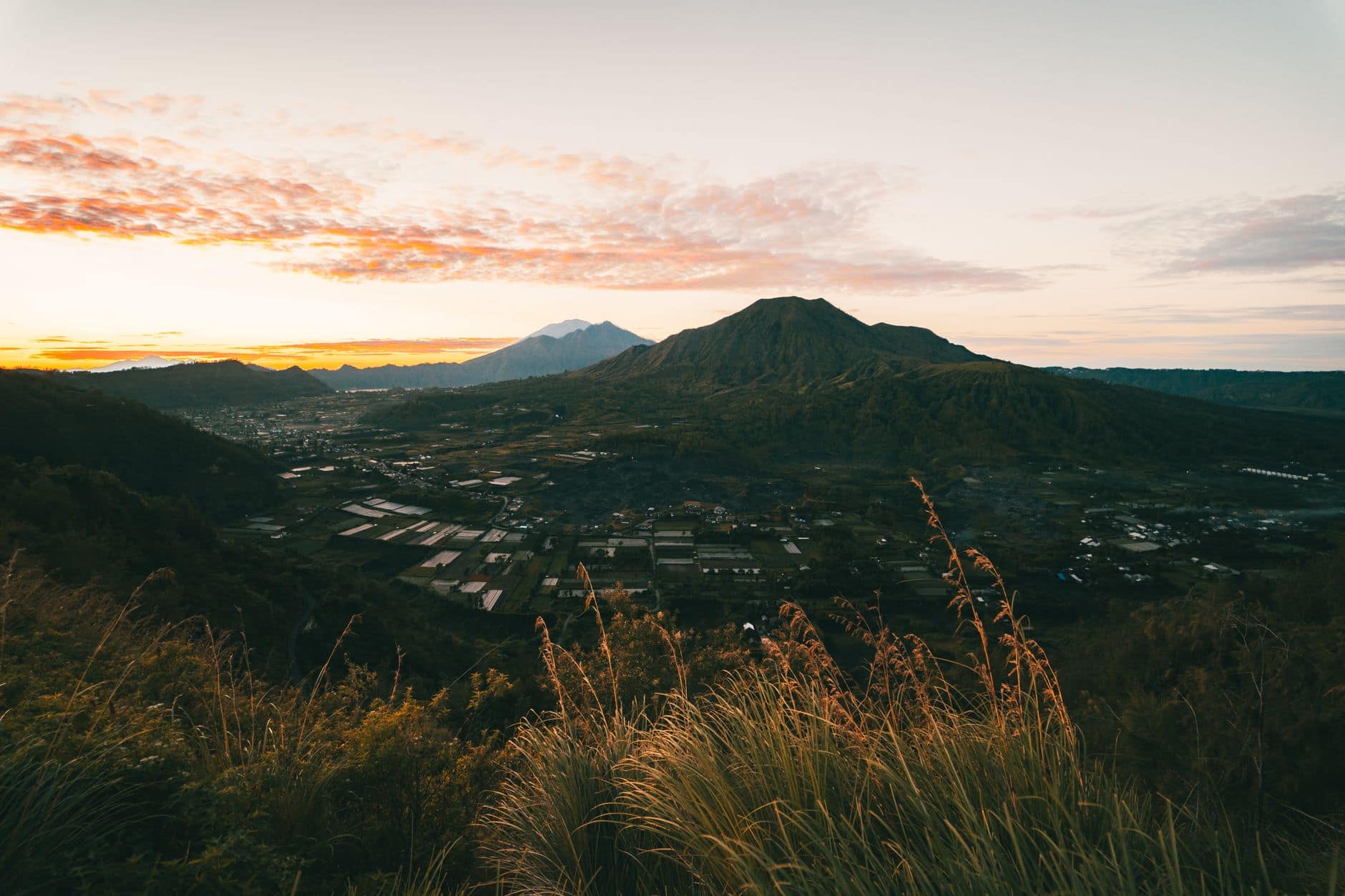
Mount Batur Sunrise Jeep Tour
This is one of the most accessible sunrise adventures in Bali because you still get the volcano mood without committing to a full trekking route. It is ideal for couples, small groups, and guests who want a signature morning with strong visuals.
- Duration
- 6-8 hours
- Area
- Kintamani and Mount Batur
- Format
- Private or small group jeep trip
- Best for
- Adventure lovers and sunrise seekers
From $45 No prepayment
View tour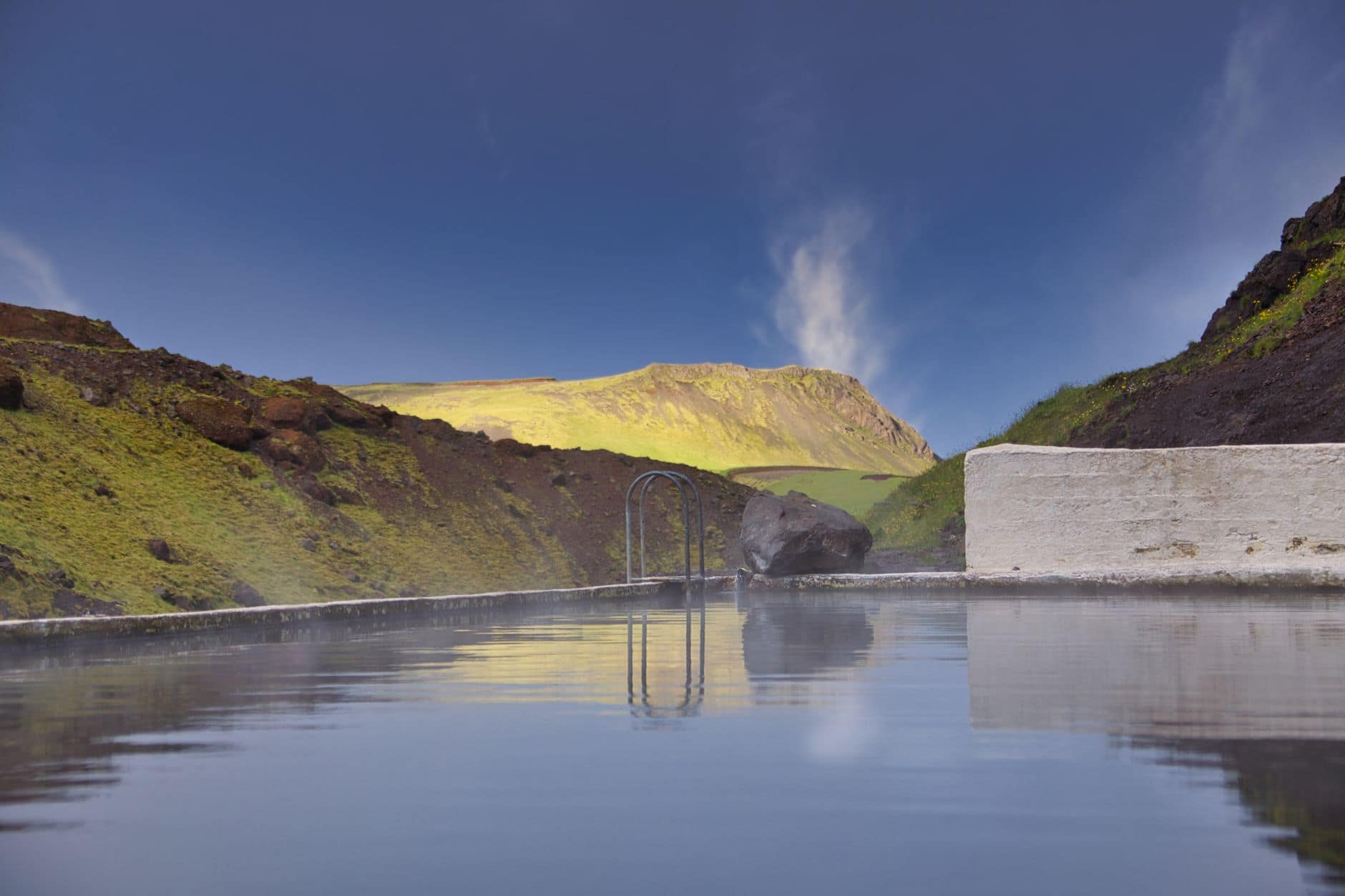
Mount Batur Sunrise Jeep & Hot Spring
This combo adds the one thing most volcano mornings skip: a warm-water finish before the drive back. It suits couples and small groups who want the complete Batur sequence — sunrise viewpoint, lava fields, and hot spring — in a single pre-dawn outing with no summit hike.
- Duration
- 6-8 hours
- Area
- Kintamani and Mount Batur
- Format
- Private or small group jeep trip
- Best for
- Sunrise seekers who want to end with a soak
From $55 No prepayment
View tour