

Moderate, and the numbers are small enough to judge honestly against your own week. The summit sits at 1,717 m, you climb around 700 m of it, and the ascent takes 1.5-2 hours at a guided pace with regular breaks — comparable to a long stair session rather than a mountaineering objective. No technical skill or gear is required beyond shoes with tread and a warm layer, and guides pace the group off the slowest walker. The descent is where people actually struggle: the same loose volcanic sand that slows you down on the way up behaves like ball bearings coming down in daylight. This guide puts the physical demand in terms you can test at home, and is honest about who should take the jeep instead.
By Alex Moskvin, Founder of SB Excursions · Published 21 May 2026 · Updated 23 October 2026
Tour on this route: Mount Batur Sunrise Hike — From $35, 5-8 hours.
How hard is the Mount Batur hike?
Moderate. Around 700 m of ascent over 1.5-2 hours at a guided pace with regular breaks, on a steady incline that steepens onto loose volcanic sand near the top. No technical skill or equipment is needed. Anyone who can climb stairs steadily for that long will finish it.
This guide also answers:
- How long is the Mount Batur hike?
- Do you need to be fit to climb Mount Batur?
- Is the Mount Batur descent difficult?
Top picks from this guide
 #1
#1
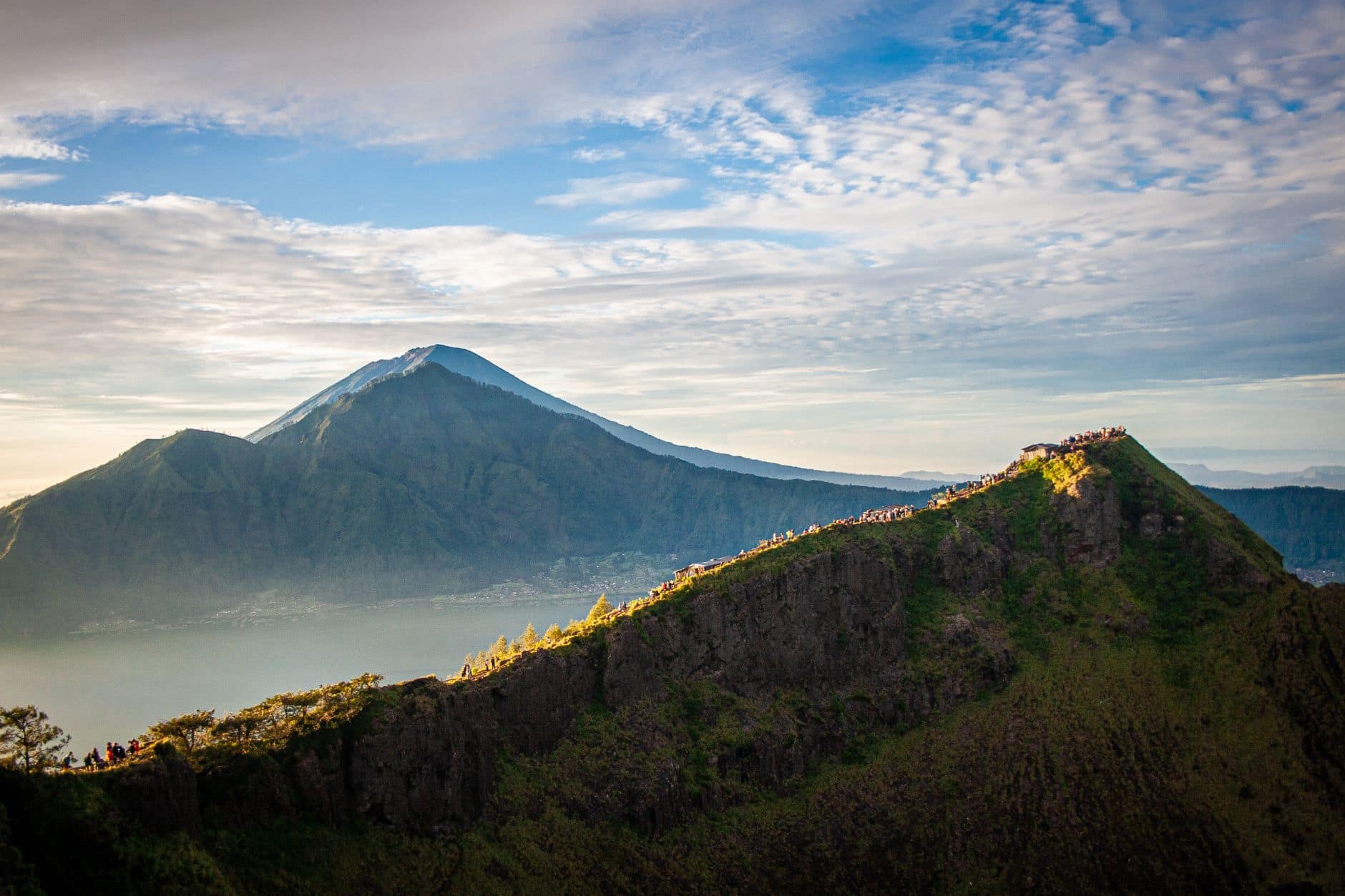
Around 700 m of ascent
The summit is at 1,717 m but you do not climb all of it — the trailhead already sits well up the mountain. Roughly 700 m of vertical gain is the honest figure, which is a long stair session rather than a mountain day. Mount Agung, by comparison, asks close to 2,000 m.
 #2
#2
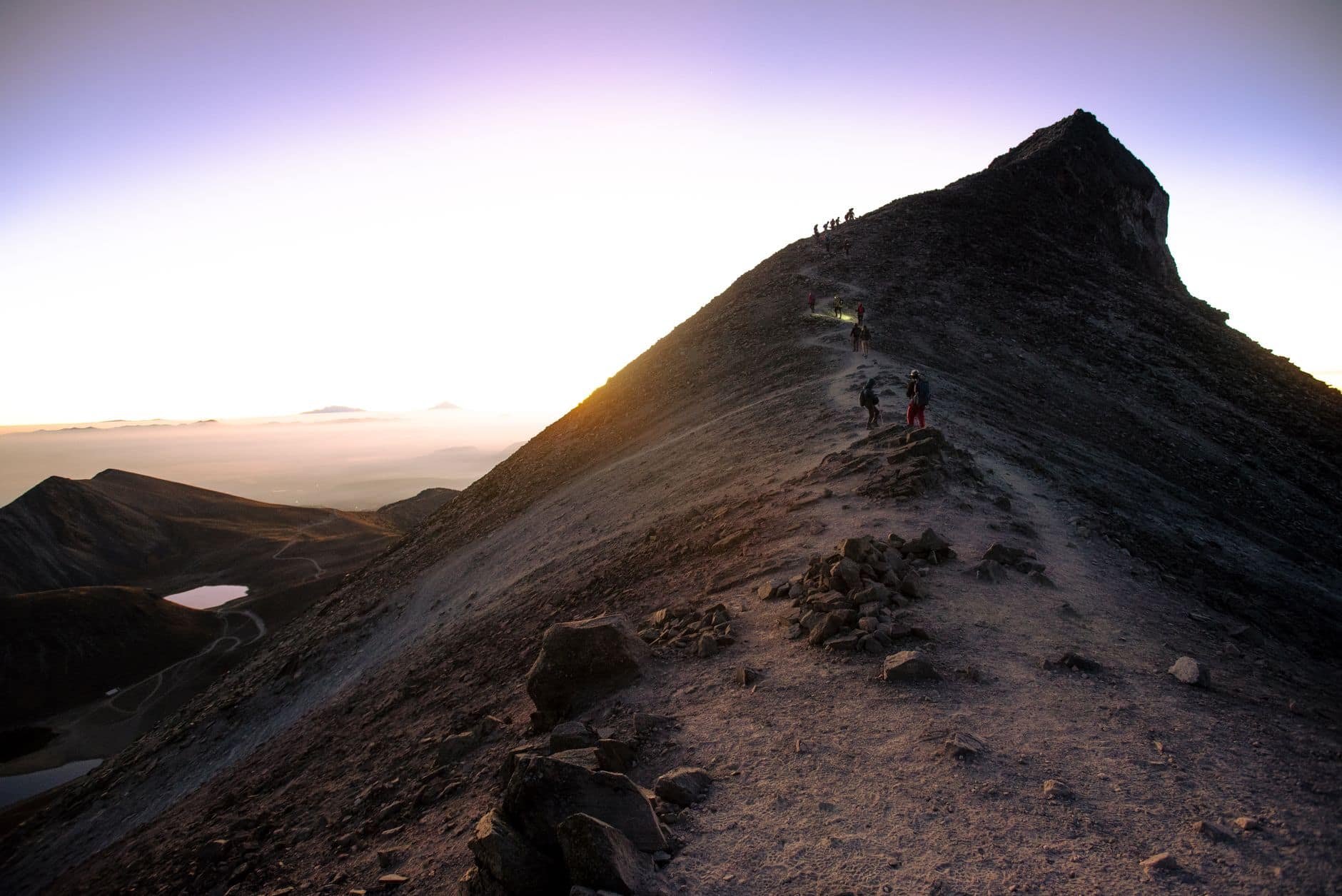
1.5-2 hours up, about 1.5 down
At a guided pace with regular breaks. The whole day runs 5-8 hours door to door including the drive, which means the walking is a smaller part of the morning than most people assume. The group moves off the slowest walker, so the pace adapts to you rather than the other way round.
 #3
#3
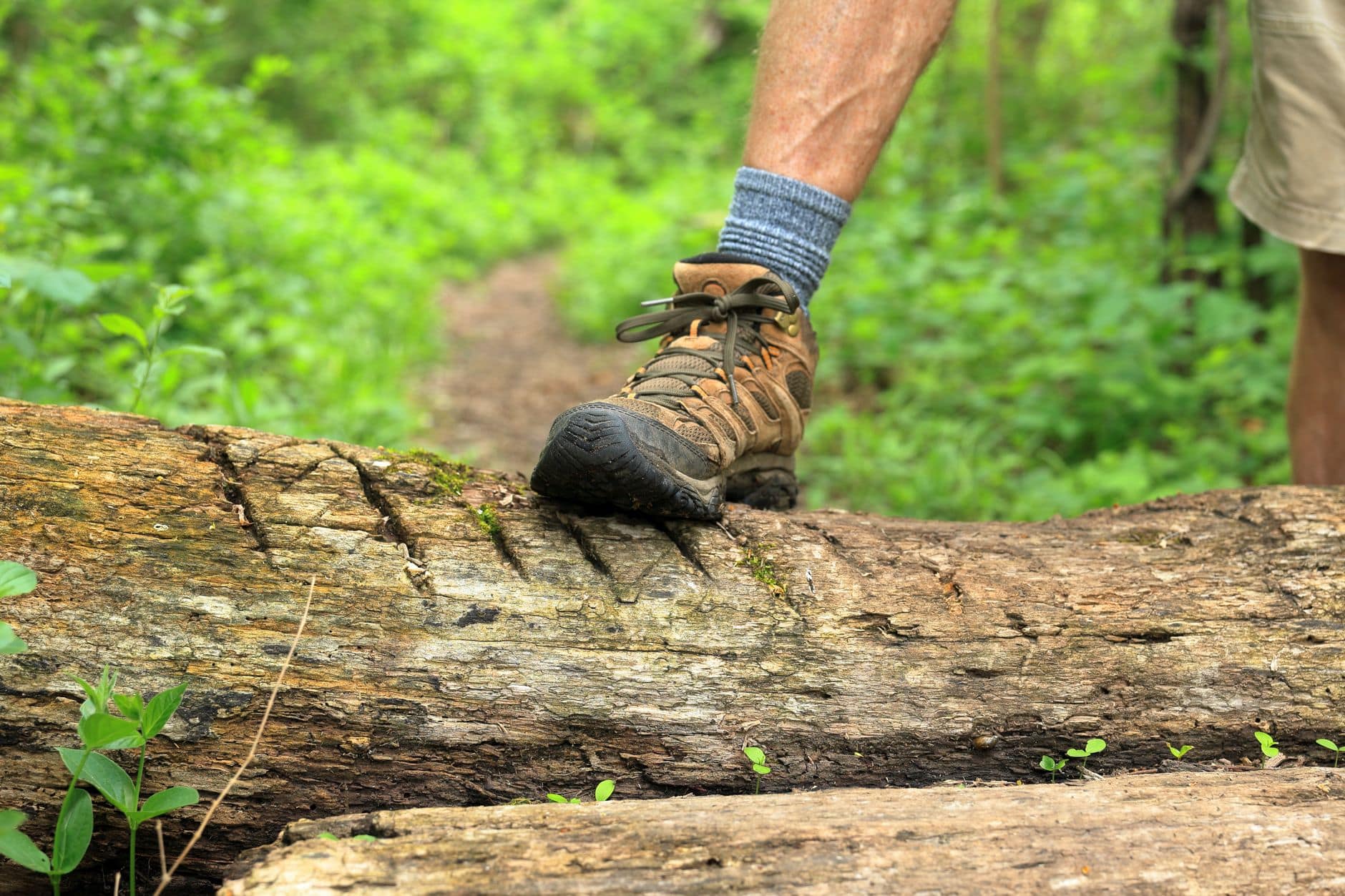
The descent, not the climb
The final stretch of the ascent steepens onto black volcanic sand. Going up it is tiring; coming down it in daylight is where people slip, because the same surface behaves like ball bearings. Short, slow steps and shoes with real tread solve most of it, but if descents already bother your knees, this is your signal.
#4
No technical skill required
No scrambling, no ropes, no experience. First-time hikers finish this climb every morning. The gear list is shoes with tread, a warm layer and a torch — everything else on a mountaineering packing list is irrelevant here.
 #5
#5
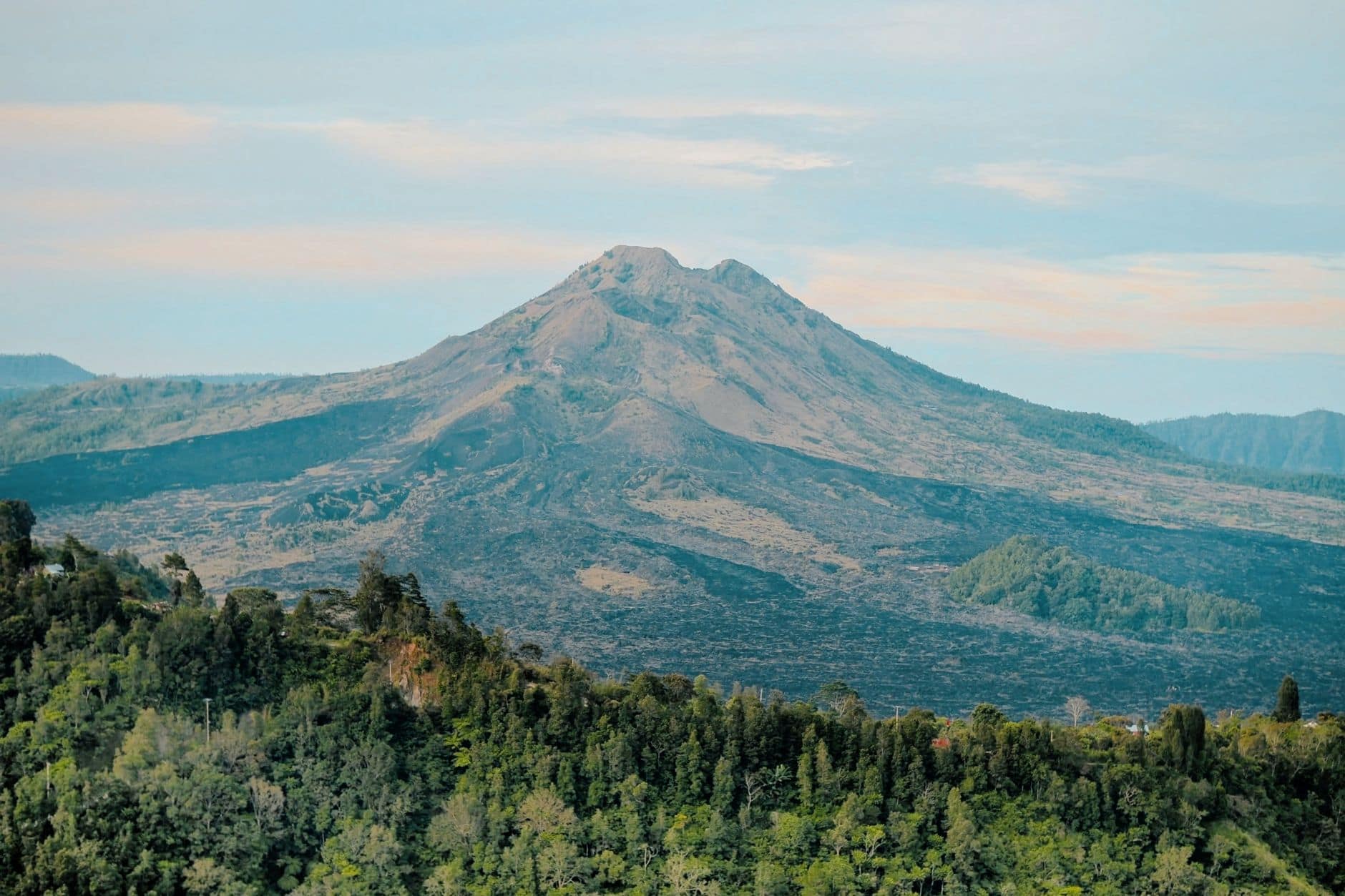
The dark is easier than it sounds
The entire ascent happens before first light, which is the part people worry about in advance and stop noticing within twenty minutes. The pace is slow, guides know every fork in the path, and a headlamp turns the trail into a narrow corridor with nothing to look at but the next step.
 #6
#6
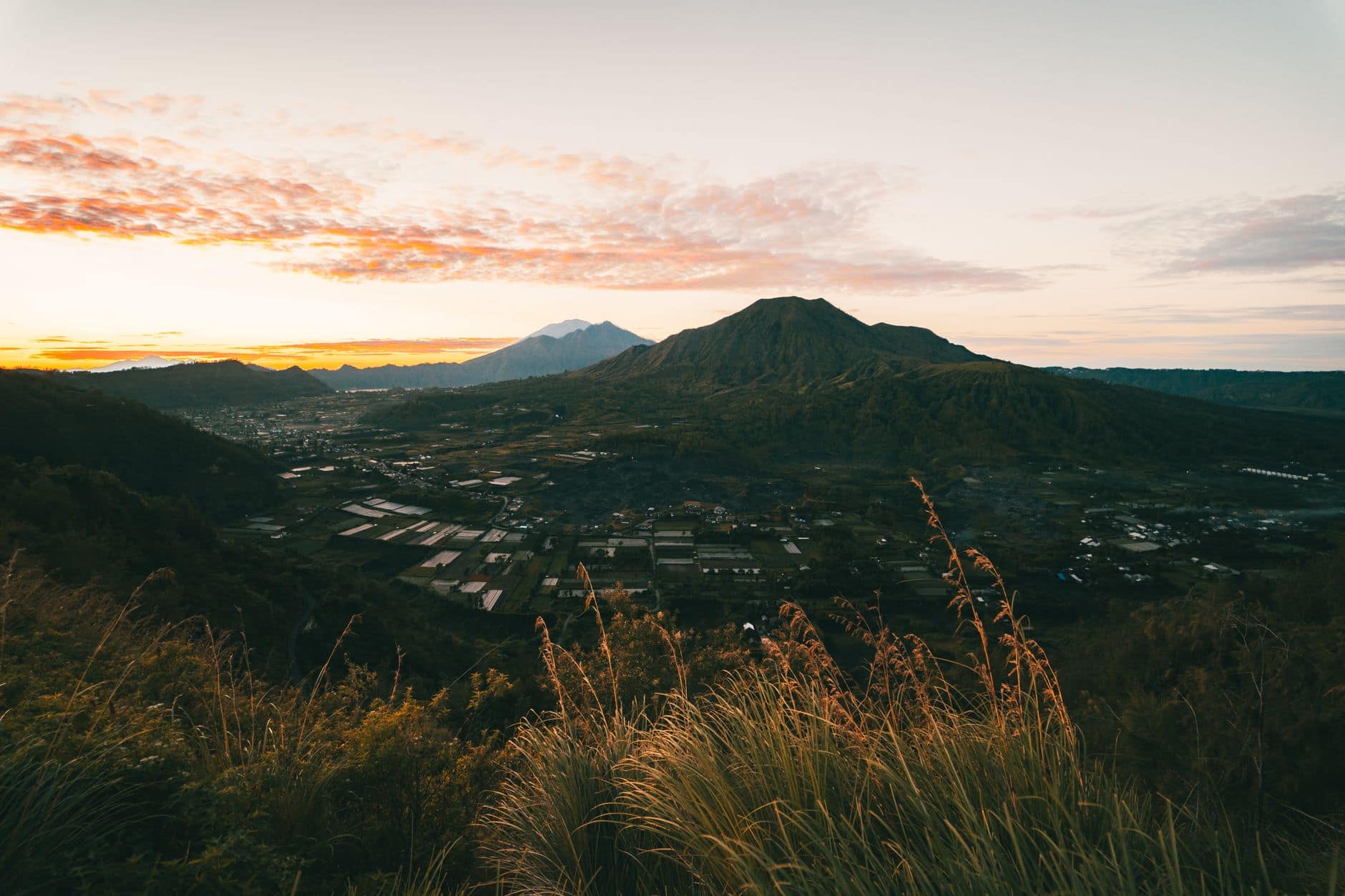
When to take the jeep instead
A 4x4 reaches a sunrise viewpoint on a separate track, so the whole question of difficulty disappears. For travellers with joint problems, young children or a night that is already too short, this is not a lesser version of the morning — it is the correct booking.
Mount Batur difficulty at a glance
Read the right-hand column against your own week rather than against the idea of climbing a volcano. Every figure below is for the guided sunrise hike: Whether the climb can be done without a guide is answered in can you hike Mount Batur without a guide.
| Factor | What it is | What it compares to | Who this rules out |
|---|---|---|---|
| Vertical ascent | Around 700 m | A long stair session, repeated | Nobody on fitness alone — but it is real climbing, not a stroll |
| Time climbing | 1.5-2 hours up, about 1.5 down | A long morning walk with a steady incline | Anyone who cannot walk uphill continuously for that long |
| Surface | Steady incline, then loose black volcanic sand | Walking up a sand dune for the last stretch | Smooth-soled shoes — the surface, not the steepness, is the problem |
| Technical skill | None | Nothing — no scrambling, no equipment | Nobody. First-time hikers finish it every morning |
| The descent | In daylight, on the same loose surface | Coming down a steep gravel slope | Knees that already complain on downhill — this is the honest cut-off |
| Total day | 5-8 hours door to door | A half-day out, most of it in a car | Anyone who cannot lose a night of sleep without losing the next day |
Guides pace the group off the slowest walker, so arriving as the least fit person in the group is not a problem in itself.
The test you can run at home
If you can climb stairs steadily for an hour and a half without needing to stop for long, you will finish this climb. That is not a rough analogy — it is close to what the trail asks, minus the altitude, which at 1,717 m is not high enough to change anyone's breathing meaningfully.
The two honest qualifiers are pace and sleep. The pace is slower than you would set for yourself, because the group moves together and stops regularly; that makes the climb easier than the raw numbers suggest. The sleep is the opposite: pickup falls between 01:30 and 03:00, so you are doing this on a broken night, and tiredness costs more than fitness does.
If stairs leave you badly winded, or your knees complain on the way down slopes, that is the signal to book the sunrise jeep from $45 rather than push through. The view is the same.
Why the way down is the hard part
Almost everyone arrives worried about the climb and finishes worried about the descent. The upper trail is black volcanic sand: on the way up it slides half a step back for every step forward, which is tiring but slow and controlled. In daylight, coming down, the same surface gives way underfoot.
The technique is unglamorous and it works: short steps, weight back, and no attempt to brace against the slide. Shoes with real tread do most of the job. Guides take this section slowly for exactly this reason, and following their line rather than cutting your own is the whole trick.
This is also why the descent happens in daylight rather than in the dark, which removes the scenario people imagine when they first read about a night hike.
Children, older travellers and mixed groups
There is no single age rule, and pretending otherwise would be dishonest. What matters is whether the person can walk uphill for 1.5-2 hours on a broken night, and whether a slippery descent is manageable for them.
For mixed groups Mount Batur has an advantage no other Bali volcano offers: one person can hike while another rides up. Our jeep vs hike comparison covers how that works in practice, and the full safety breakdown goes through the specific hazards rather than the general difficulty.
If you are unsure, say so on WhatsApp before booking rather than deciding at the trailhead at 04:00. We would rather move you to the jeep in advance than have a bad morning on the mountain.
FAQ
How hard is the Mount Batur hike?
Moderate. Around 700 m of ascent over 1.5-2 hours at a guided pace with regular breaks, on a steady incline that steepens onto loose volcanic sand near the top. No technical skill or equipment is needed. Anyone who can climb stairs steadily for that long will finish it.
How long is the Mount Batur hike?
About 1.5-2 hours up and roughly 1.5 hours down, with the whole day running 5-8 hours door to door including the drive from your hotel. Most of that time is in a car rather than on your feet.
Do you need to be fit to climb Mount Batur?
Reasonably, not exceptionally. The useful test is whether you can walk uphill continuously for about 90 minutes. Guides pace the group off the slowest walker, so being the least fit person in your group is not a problem in itself — the broken night costs most people more than the climb does.
Is the Mount Batur descent difficult?
It is the part people find hardest. The upper trail is loose black volcanic sand and it gives way underfoot on the way down. Short, slow steps and shoes with real tread solve most of it. If your knees already complain on downhill sections, take the jeep from $45 instead.
Can beginners climb Mount Batur?
Yes. The route needs no technical skill or gear beyond decent shoes and a warm layer, and first-time hikers finish it every morning. If you have knee problems, very low fitness or small children, the jeep reaches a sunrise viewpoint with no climbing at all.
Is Mount Batur harder than Mount Agung?
Far easier. Batur asks around 700 m of ascent over about two hours; Agung's Besakih route runs 5-7 hours up with close to 2,000 m of gain and 10-12 hours on your feet. Agung also has no vehicle access at all, so there is no non-hiking option there.
Recommended Bali tours for this guide
Mount Batur Sunrise Hike
This is the classic Bali volcano morning: a real summit trek that stays within reach of most fitness levels, with the uphill section taking around 1.5 to 2 hours. It suits couples, friends, and solo travelers who would rather earn their sunrise than drive to it.
- Duration
- 5-8 hours
- Area
- Kintamani and Mount Batur
- Format
- Private guided summit trek
- Best for
- Active travelers and sunrise seekers
From $35 No prepayment
View tour
Mount Batur Sunrise Jeep Tour
This is one of the most accessible sunrise adventures in Bali because you still get the volcano mood without committing to a full trekking route. It is ideal for couples, small groups, and guests who want a signature morning with strong visuals.
- Duration
- 6-8 hours
- Area
- Kintamani and Mount Batur
- Format
- Private or small group jeep trip
- Best for
- Adventure lovers and sunrise seekers
From $45 No prepayment
View tour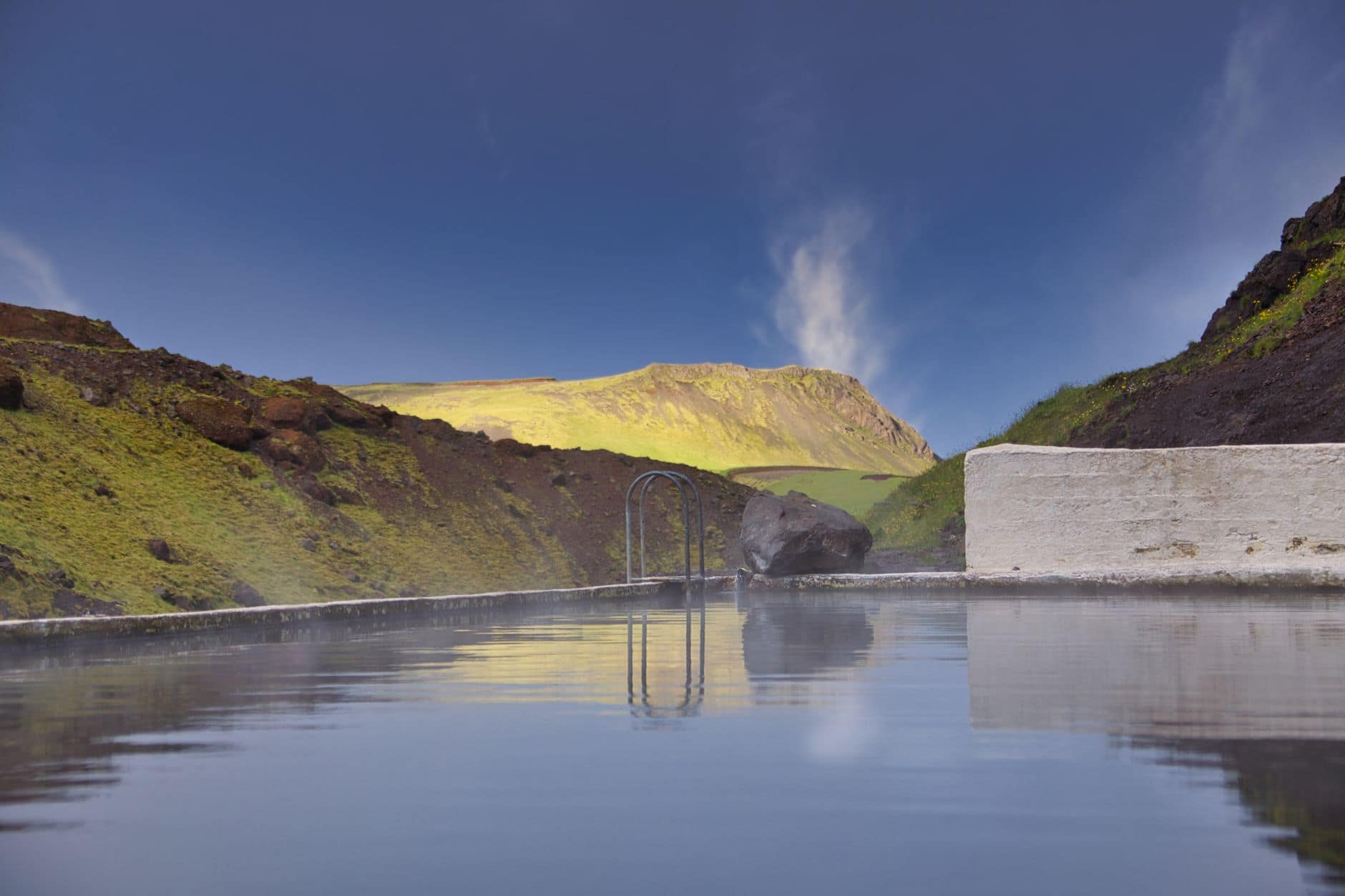
Mount Batur Sunrise Jeep & Hot Spring
This combo adds the one thing most volcano mornings skip: a warm-water finish before the drive back. It suits couples and small groups who want the complete Batur sequence — sunrise viewpoint, lava fields, and hot spring — in a single pre-dawn outing with no summit hike.
- Duration
- 6-8 hours
- Area
- Kintamani and Mount Batur
- Format
- Private or small group jeep trip
- Best for
- Sunrise seekers who want to end with a soak
From $55 No prepayment
View tour