

Bali's two main rafting rivers are usually compared on difficulty: the Ayung at Class II–III for beginners, Telaga Waja at Class III+ for everyone else. The grades are not stable — the same Telaga Waja run is III+ on Sobek's own site, III–IV on the aggregators and II–IV elsewhere — and the grade is not what decides how the day feels. Stairs do. On the Ayung, Sobek's route is about 509 steps down and 250 back up; Mason's is roughly 600 down and 400 up. On Telaga Waja, the same Sobek counts about 5 steps at the start and 250 at the finish, and separate listings sell the route on there being no climb at all after the takeout. The harder river is the easier day for knees. What Telaga Waja adds instead is one man-made feature: a drop of around 4 metres over the Bajing dam at the very end. This guide puts the published numbers side by side — distance, time on the water, steps, average speed and age limits — and says each time which operator confirms them and which does not.
By Alex Moskvin, Founder of SB Excursions · Published 21 May 2026 · Updated 23 October 2026
Tour on this route: Bali White Water Rafting, Ayung River — From $25, 4-6 hours.
Which river is harder, the Ayung or Telaga Waja?
Telaga Waja, on paper. Sobek grades it Class III+ on its own site, aggregators say III–IV and torntackies says II–IV, against Class II–III for the Ayung. The spread between those three answers for the same water is a fair warning about how firm river grading is in Bali. Telaga Waja is also longer, 14–18 km against 10–14 km, and 2–3 hours on the water against 1.5–2.
This guide also answers:
- How many steps are there on the Ayung?
- Does Telaga Waja really have no stairs?
- What is the drop at the end of Telaga Waja?
Top picks from this guide
 #1
#1
Ayung River, the Sobek run
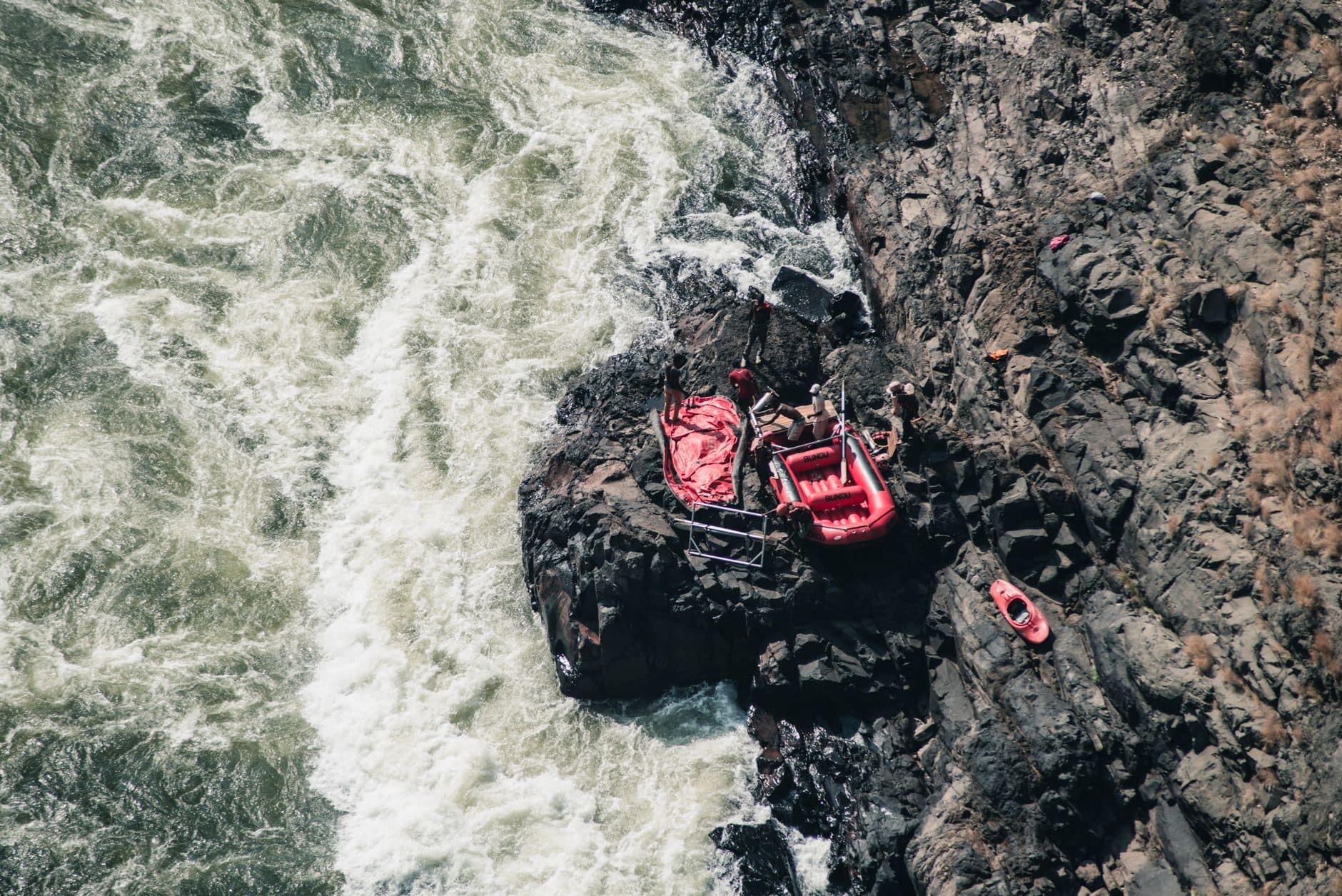
Class II–III, a rafted section of 10–14 km depending on the operator, 1.5–2 hours on the water, six guests and a guide per boat. The access is the hard part: about 509 steps down and 250 up, a count published by the partner Wira Tour rather than by Sobek itself. The start sits about 20 minutes from Ubud, which is why this is the default first raft.
 #2
#2
Ayung River, the Mason run
Same water, a different staircase. The counts circulating for Mason's access are about 600 steps down and 400 up, roughly a thousand in total, and Mason itself never mentions steps anywhere on its own pages. Balipon gives a third set for the Ayung, 500 down and 200 up. None of the six operator sites we checked publish a step count, so every figure here comes from a reseller or a review, not from the company running the boat.
 #3
#3
Telaga Waja with Sobek
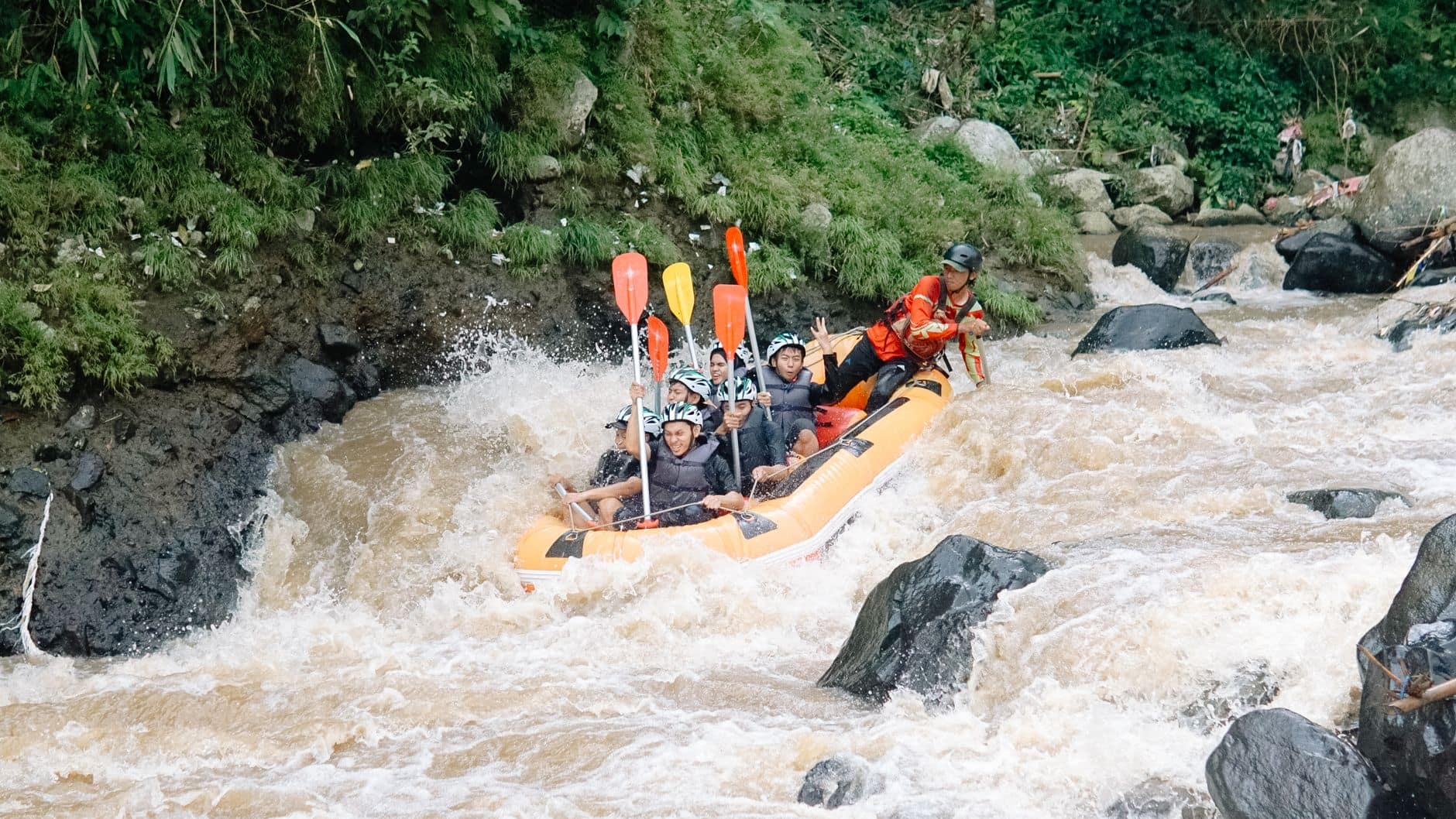
Class III+ by Sobek's own description, III–IV on the aggregators, II–IV on torntackies. Published length runs 14–18 km, with 16 km the typical claim, and 2–3 hours on the water. The access flips: about 5 steps from the lobby to the start and 250 from the finish up to the restaurant, against 509 and 250 on the supposedly gentle river. Sobek publishes no distance figure for either river.
 #4
#4
Telaga Waja, the stair-free finishes
Separate listings are sold on a direct promise of no step or stair to be climbed after the rafting finish. That is a property of those specific takeouts, not of the river: with Sobek the same river still ends in about 250 steps up to the restaurant. Read the package you are actually booking rather than the river name at the top of it.
 #5
#5
The Bajing dam finale
The climax of Telaga Waja is a slide over the Bajing dam, around 4 metres, right at the end of the run. Alam Amazing Adventures names the structure and gives the height, bali-river-rafting confirms 4 metres without naming it, and Lazy River says 5 metres. The dam is concrete rather than a natural rapid, so the height of the drop does not change between trips. The Ayung has no equivalent single feature.
#6
Speed, once you do the division
The longer river is not the faster one. Telaga Waja at 16 km in 2.5–3 hours works out at 5.3–6.4 km/h; the Ayung at 12 km in 1.5–2 hours works out at 6–8 km/h. The distance gap is 1.3 times, not the double the listings imply. What the extra kilometres buy is time in the boat, 2–3 hours against 1.5–2, and grade rates what the rapids demand of the guide rather than how fast the boat moves.
The numbers, not the adjectives
The Ayung is graded Class II–III. Telaga Waja is Class III+ on Sobek's own site, III–IV across most aggregators and II–IV on torntackies — three answers for the same water, all published at once. Treat the grade as an adjective and compare the figures underneath it: distance, hours on the water, and the walk in and out.
The rafted section of the Ayung is 10–14 km depending on the operator, 1.5–2 hours on the water, with six guests plus a guide in the boat. Telaga Waja is longer on paper: 14–18 km across published figures, 16 km in the typical claim (Alam Amazing, Lazy River), and 2–3 hours on the water. Sobek runs both rivers and publishes no distance for either one, which is worth knowing before you compare kilometres between two pages written by two different marketing teams.
For scale: the Ayung is the longest river on Bali, about 65–68.5 km in the 2002 Bappeda Bali report — whose own infobox on the same page gives 62.5 km. You raft a section of it, never the river, which is why the 10–14 km figure moves from one operator to the next rather than settling on a number. Our own trip runs the Ayung section, and the practical detail in the white water rafting guide matters more on the day than any of these totals.
The paradox: the harder river is the easier day
On the Ayung with Sobek, the access is about 509 steps down to the river and 250 back up at the end. That number is published by the partner Wira Tour, not by Sobek itself. Two things make it less brutal than it reads: there are rest points along the descent, and there is an internal shuttle between the put-in and the takeout, so you are not climbing back up the same flight you came down. The climb still comes last, after 1.5–2 hours in the boat, so plan the rest of the day around a slow hour afterwards rather than a tight connection.
The counts differ by operator on the same river. Mason's access is quoted at roughly 600 steps down and 400 up, about a thousand in total — and Mason's own pages never mention steps at all. Balipon gives 500 down and 200 up. Not one of the six operator sites we checked (Mason, Sobek, Arum Jeram, Surya Bintang, Ayung Dewata, Ubud Rafting Bali) publishes a step count anywhere. Every figure above comes from a reseller or a third party, which is exactly why they disagree. Whatever you carry goes down those steps and back up with you, which is a different packing question from what the water asks for.
Telaga Waja, the river sold as the hard one, inverts this. With Sobek it is about 5 steps from the lobby to the start and 250 from the finish up to the restaurant. Several operators go further and sell the route on a direct promise of no step or stair to be climbed after the rafting finish — Viator 67379P12, GetYourGuide t645142, Marriott XPLOV1 and XXPUR5. Read that as listing-specific, not river-wide. "Telaga Waja has no stairs" is not true as a general statement; it has several times fewer of them, and on some takeouts none after the boat.
The finale is a dam, not a rapid
What Telaga Waja is actually booked for sits at the very end of the run: a slide over the Bajing dam, around 4 metres high. Alam Amazing Adventures names the structure and states the height; bali-river-rafting confirms the same 4 metres without naming it; Lazy River puts it at 5 metres. A metre of disagreement on the one feature the whole trip is sold on is the reason we quote all three figures rather than pick the tallest.
The important word is dam. This is a concrete structure rather than a natural drop, so the height of the drop does not change between trips. It also means the photo everyone has seen of Telaga Waja is a photo of one engineered moment at the end of two to three hours of river.
The Ayung has no equivalent single feature. What it has instead is the gorge itself and the carved stone reliefs cut into the rock walls along the route — a slower kind of thing to look at, and the reason the easier river still gets booked by people who have rafted before. If you want the drop, you go east; if you want the gorge, you stay in Ubud and book the Ayung rafting trip.
Speed: the counterintuitive part
Do the division and the reputation collapses. 16 km in 2.5–3 hours on Telaga Waja is 5.3–6.4 km/h. 12 km in 1.5–2 hours on the Ayung is 6–8 km/h. The average speed on the hard river is not higher — it is equal at best and lower at worst. Grade describes what individual rapids demand of the guide, not how fast the boat travels.
The other stretched claim is length. Telaga Waja is routinely described as twice the trip, but 16 km against 12 km is 1.3 times, not two. What you are buying with the extra kilometres is time in the boat: 2–3 hours instead of 1.5–2.
Who each river is for
The Ayung is the right call for a first raft, for families, and for anyone based in Ubud — the start is about 20 minutes away, which leaves the rest of the day intact. The condition attached to it is knees. If stairs are already an issue at home, 509 steps down and 250 up, or Mason's 600 and 400, will be the part of the trip you remember, and no amount of Class II–III water changes that.
Telaga Waja is for the second raft, for people who want the drop, and — against every instinct — for people who do badly on stairs. Those two groups almost never get pointed at the same river, but the published access numbers put them there: about 5 steps at the start with Sobek, and takeouts on some listings with no climb at all after the boat. The trade is the drive east and a longer day on the water — 2–3 hours rather than 1.5–2 — in exchange for a 4-metre drop over the Bajing dam at the end and a staircase you can actually manage.
The age windows point the same way. Sobek runs Telaga Waja at 7–75 and the Ayung at 4–75 through its partner, so the lower limit moves with the river while the ceiling of 75 stays where it is on both, which makes that ceiling an operator policy rather than a property of the water. The same partner page adds that guests 65+ must be in good health and accept the conditions around climbing the steps — suggestive of a link between the stairs and the ceiling, but no source states one, so treat it as our reading.
FAQ
Which river is harder, the Ayung or Telaga Waja?
Telaga Waja, on paper. Sobek grades it Class III+ on its own site, aggregators say III–IV and torntackies says II–IV, against Class II–III for the Ayung. The spread between those three answers for the same water is a fair warning about how firm river grading is in Bali. Telaga Waja is also longer, 14–18 km against 10–14 km, and 2–3 hours on the water against 1.5–2.
How many steps are there on the Ayung?
About 509 down and 250 up on the Sobek route, roughly 600 down and 400 up on Mason's, and 500 down with 200 up according to Balipon. Every one of those figures comes from a reseller or a third party: none of the six operator sites we checked, Sobek and Mason included, publish a step count at all. That is why the three counts disagree by hundreds of steps on the same river.
Does Telaga Waja really have no stairs?
Not as a blanket statement. With Sobek there are about 5 steps from the lobby to the start and about 250 from the finish up to the restaurant. Separate listings do sell a takeout with no step or stair to be climbed after the rafting finish, but that is a property of those packages rather than of the river. The honest version: several times fewer steps than the Ayung.
What is the drop at the end of Telaga Waja?
A slide over the Bajing dam, around 4 metres, at the very end of the run. Alam Amazing Adventures names the dam and gives the height, bali-river-rafting confirms 4 metres without naming the structure, and Lazy River states 5 metres. It is a man-made concrete dam rather than a natural rapid.
Is Telaga Waja twice as long as the Ayung?
No. The typical claim of 16 km against 12 km on the Ayung is 1.3 times, not double. The extra distance buys time in the boat, 2–3 hours instead of 1.5–2. Average speed does not favour the harder river either: 16 km in 2.5–3 hours is 5.3–6.4 km/h, while 12 km in 1.5–2 hours on the Ayung works out at 6–8 km/h.
What are the age limits on each river?
Sobek runs Telaga Waja at 7–75 and the Ayung at 4–75 through its partner. The lower limit moves with the river, the ceiling of 75 does not, which makes 75 an operator policy rather than a feature of the water. The same company running both rivers is what makes the comparison usable at all: two different lower limits, one shared ceiling.
Which river should a first-time rafter pick?
The Ayung, in most cases: Class II–III water, 1.5–2 hours on the river, six guests and a guide per boat, and a start about 20 minutes from Ubud so the rest of the day survives. The exception is knees. If 509 steps down and 250 up, or Mason's 600 and 400, sound like the wrong kind of day, Telaga Waja is the easier walk despite being the harder water.
Recommended Bali tours for this guide
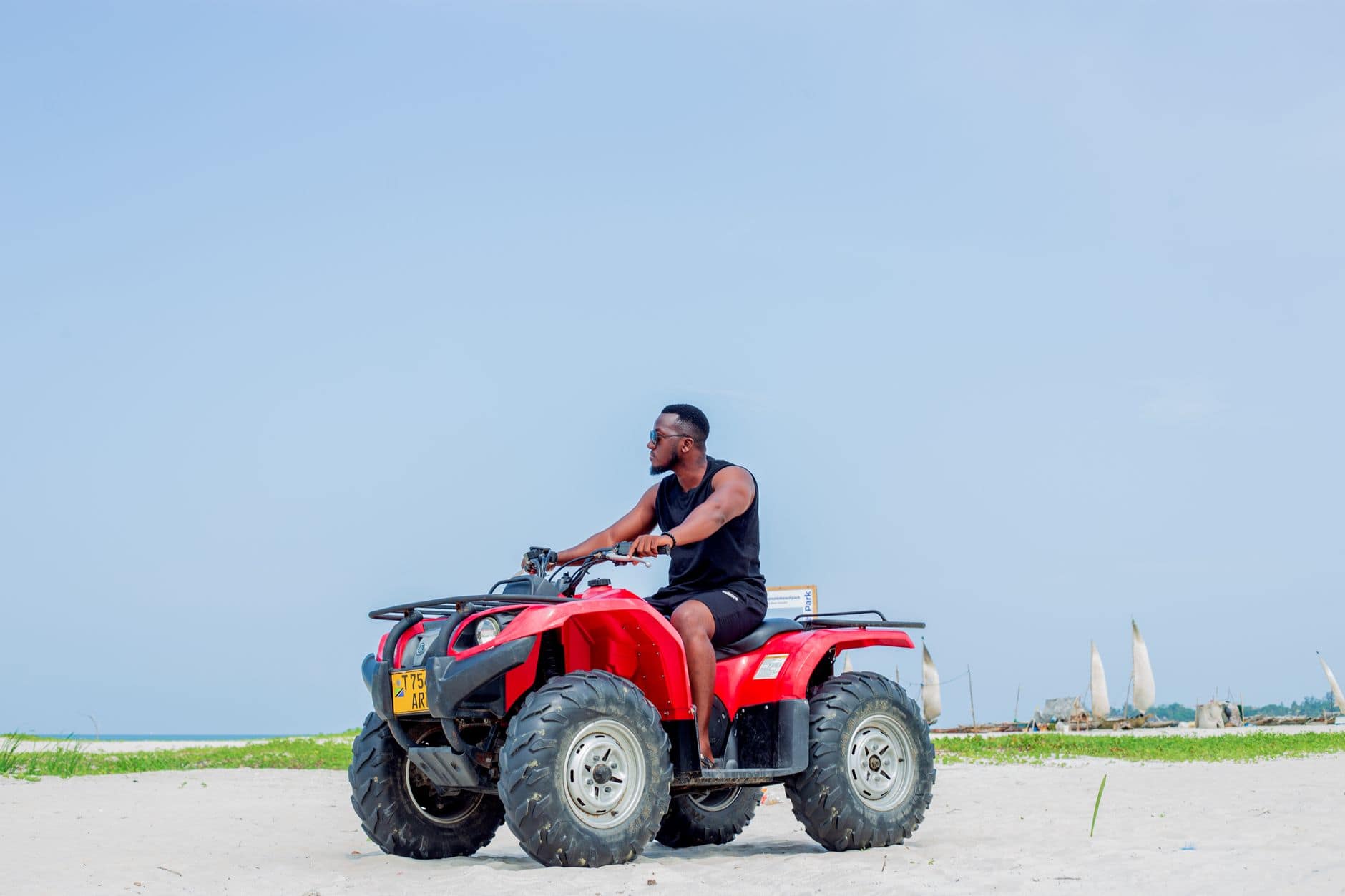
Ubud ATV Quad Bike Adventure
This Ubud ATV Quad Bike Adventure is built for travelers who want action without overcomplicating the day. The route combines Bali jungle, rice paddies, bumpy mud tracks, river sections, and natural tunnels in one guided ride, with safety gear, lunch, showers, and optional hotel transfer included from $39.
- Duration
- 4-6 hours total with a 1.5-hour ATV ride
- Area
- Ubud off-road jungle, rice field, river, and tunnel track
- Format
- Guided ATV quad bike adventure with lunch
- Best for
- Adventure lovers, couples, friends, and first-time ATV riders
From $39 No prepayment
View tour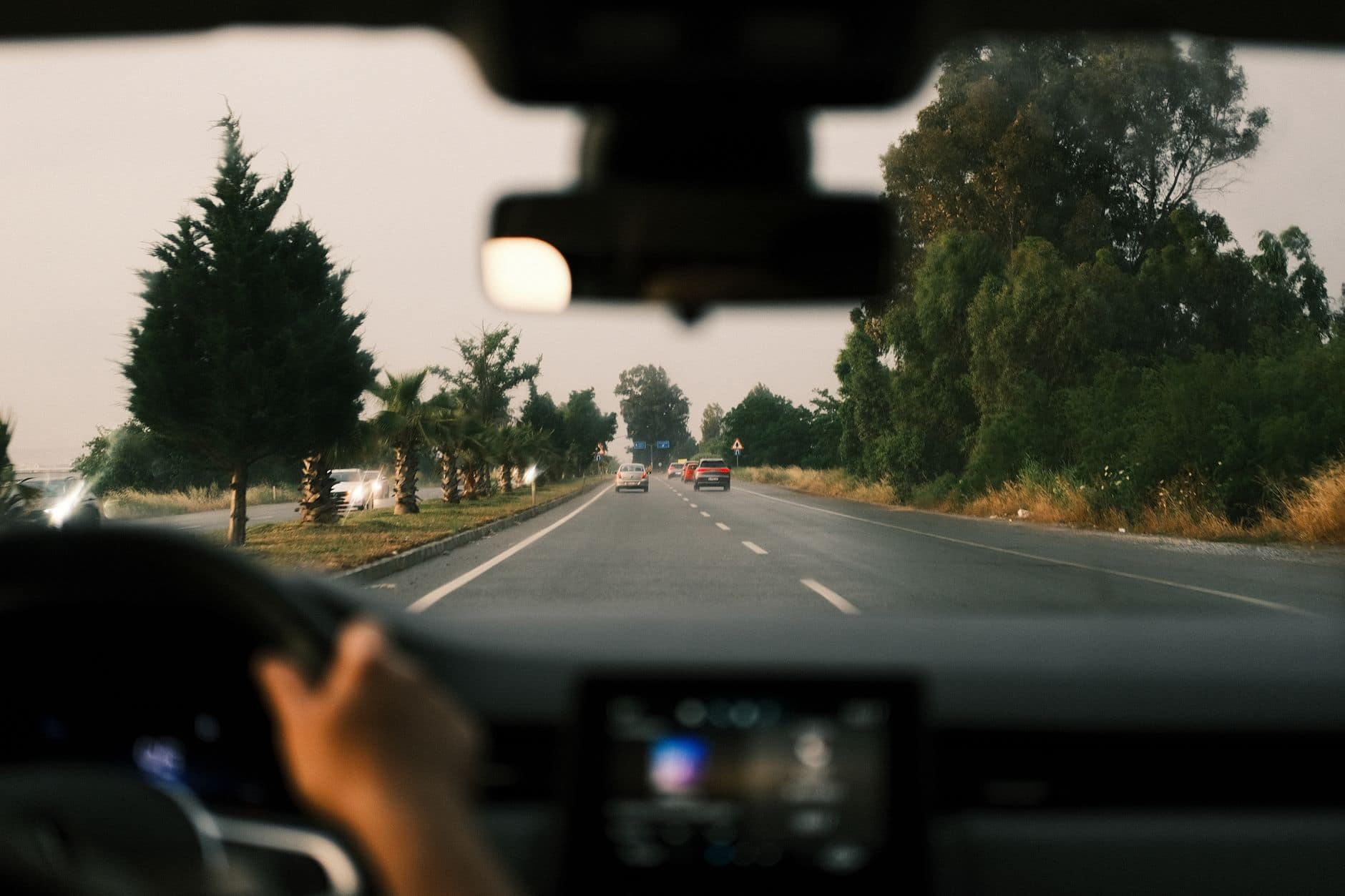
Private Car with Driver in Bali
This is one of the most useful products in Bali because so many plans become easier once transport is flexible. It is perfect for custom sightseeing, shopping days, family pacing, and travelers who already know roughly where they want to go.
- Duration
- Flexible daily use
- Area
- All major Bali regions
- Format
- Private transport service
- Best for
- Travelers who want total route flexibility
From $59 per car No prepayment
View tour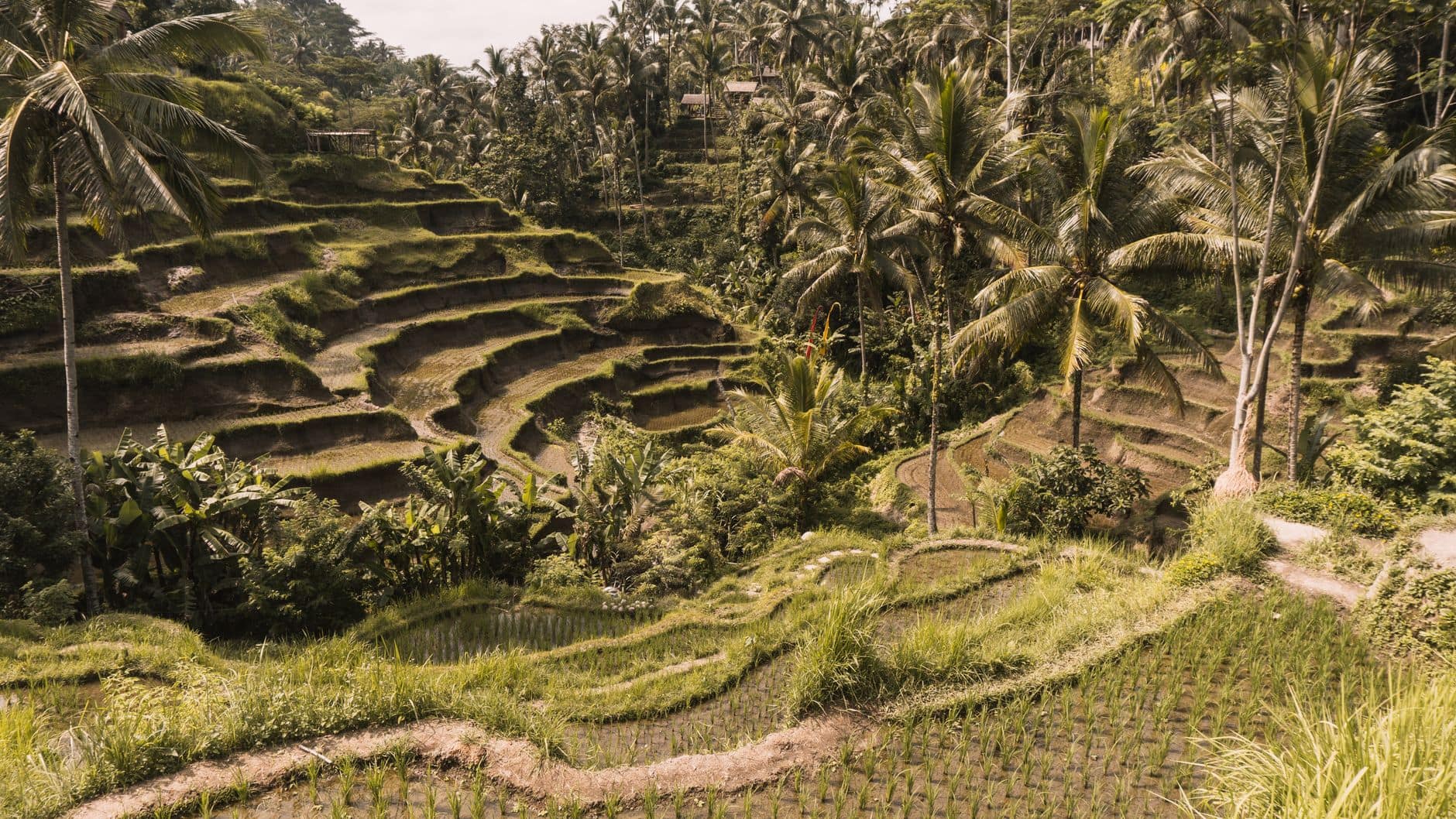
Ubud Rice Terrace, Temple & Volcano Tour
This private Ubud and Kintamani day tour is built for travelers who want Bali culture, scenery, and soft adventure without planning the route or doing the driving. It works especially well for first-time visitors because the route moves from craft villages and temples to volcano views, rice terraces, and the Ubud center in one organized flow.
- Duration
- 10 hours
- Area
- Kintamani, Ubud, and central Bali
- Format
- Private day tour by car
- Best for
- First-time Bali visitors
From $65 per car No prepayment
View tour