

The Bali tourist levy costs Rp 150,000 per person, roughly $10, and you pay it once per entry — not per night, and not again at every temple gate. You can settle it online through the official Love Bali portal before you fly, which takes a few minutes, or pay it at the airport after you land. It is a separate thing from your visa: paying the levy does not get you into Indonesia, and a visa on arrival does not cover the levy. Whichever route you take, you get a QR voucher back. Save it — a screenshot on your phone is enough — because that QR is your only proof you paid.
By Alex Moskvin, Founder of SB Excursions · Published 21 May 2026 · Updated 23 October 2026
Tour on this route: Bali Airport Transfer — From $15 per car, depends on hotel area.
How much is the Bali tourist levy?
Rp 150,000 per person, roughly $10 depending on the exchange rate. It is charged once per entry rather than per night, and it applies to every foreign traveller including children and infants. Entrance fees at temples, waterfalls and viewpoints are separate and still payable on the day. Your visa is separate too — the levy does not cover it.
This guide also answers:
- Do I need to pay the Bali tourist tax?
- Is the Bali tourist tax the same as the visa on arrival?
Top picks from this guide
 #1
#1
What the levy costs
One flat charge of Rp 150,000 per person, roughly ten dollars at the day's rate. It is paid once per entry, not per night and not again at every temple gate, and children are charged the same as adults.
 #2
#2
Paying online before you fly
The cleanest route is to pay on the government's own Love Bali site before you travel, which returns a QR voucher immediately. Doing it at home means one less queue on a day when you have already been on a plane for hours.
 #3
#3
Paying after you land
There are payment points in the arrivals area if you did not pay in advance. It works, but it is another stop in the slowest part of the day, and the queue depends entirely on how many flights landed at the same time as yours.
 #4
#4
Not the visa, not the arrival card
The levy is a provincial tourism charge. It is not your visa, and it is not the free customs arrival declaration. People conflate all three and either pay twice or arrive believing they have already covered something they have not.
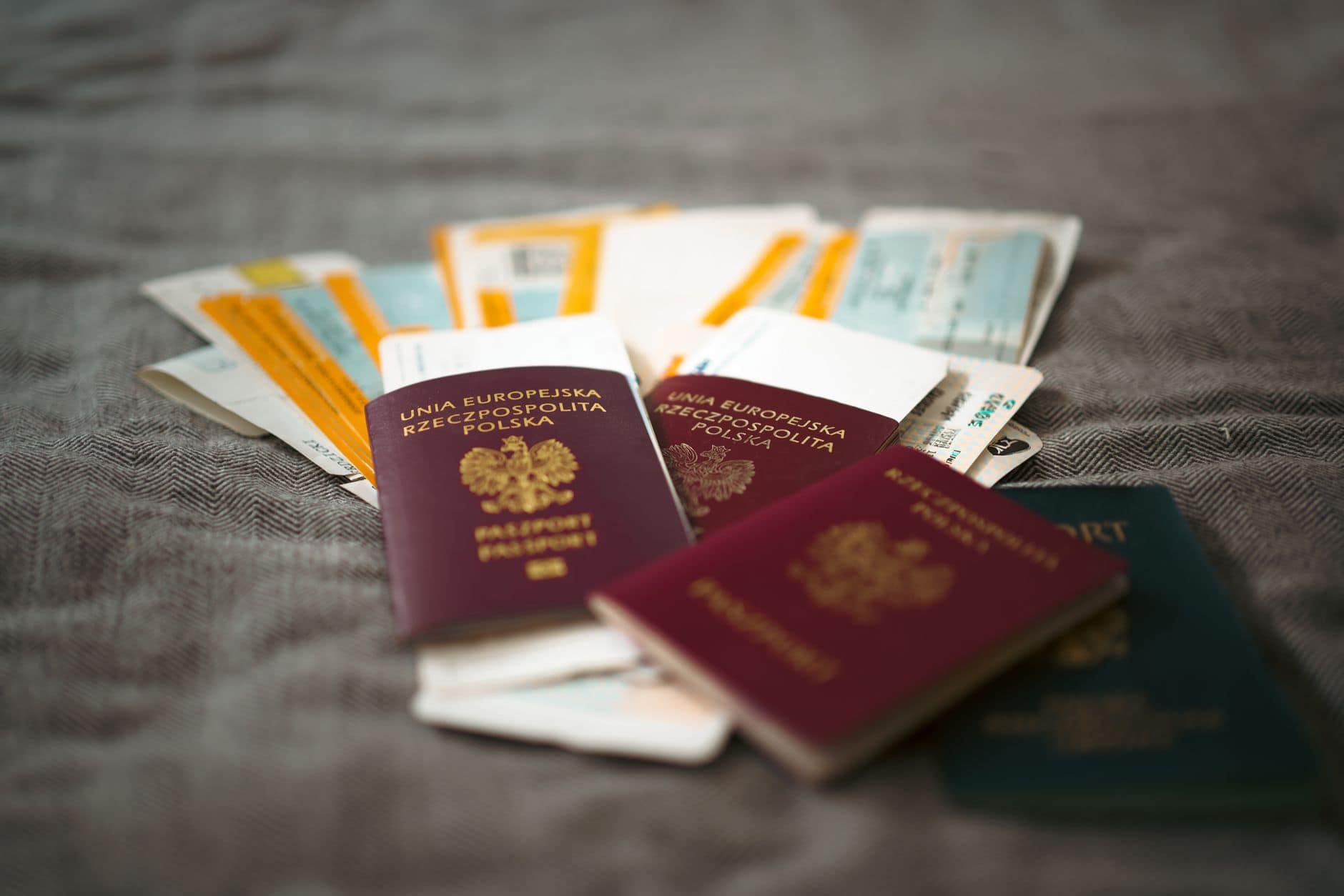 #5
#5
Keeping the QR
Save the QR to your phone rather than relying on the email loading later. Checks happen at some attractions rather than only at the airport, and a screenshot in your camera roll works when the hotel wifi does not.
What the Bali tourist levy costs, and what it is not
The levy is Rp 150,000 per person, which lands somewhere around $10 depending on the day's exchange rate. It is charged once per entry, not per night and not per attraction, and it applies to foreign visitors arriving in Bali. Children and infants are counted the same as adults. Pay it once and that trip is settled — nobody bills you again at the hotel checkout.
The bigger source of confusion is what the levy is not. It is not a visa, and it does not replace the visa on arrival, which is a separate payment to immigration for the right to enter Indonesia at all. It is also not the free All Indonesia arrival card. Three different obligations, three different websites, and only one of them is the levy. Our visa and entry requirements guide covers the other two in detail.
- The levy: Rp 150,000 per person, one time per entry, paid to the Bali provincial government
- The visa: a separate immigration fee — visa on arrival for most Western passports
- The arrival card: free, mandatory, filed online before you land
- Site entrance fees: still charged separately at temples, waterfalls and viewpoints
- Your tour price: unaffected — the levy is a government charge, not something we add or collect
Paying online before you fly, through Love Bali
The online route is the one we push guests toward, for one reason: it takes a chore out of the worst hour of the trip. You pay through the official Love Bali portal at lovebali.baliprov.go.id, or the Love Bali app, with a card. The form is short — passport details, arrival date, payment — and a QR voucher comes back by email. Screenshot it immediately. Airport wifi at 02:00 with a dying phone is not a system you want to depend on.
If you are travelling as a family, work through every traveller before you close the tab, and check that what comes back covers all of them with names matching the passports. There is no age exemption to fall back on. And if you are entering on something other than a straightforward tourist basis — a work permit, a longer-stay visa — the official portal is the only place worth checking your own case. We book tours; we are not the authority on your immigration status, and neither is a forum thread from 2023.
- Official portal: lovebali.baliprov.go.id, or the Love Bali app
- What you need: passport details and your arrival date
- What you get: a QR voucher by email — screenshot it before you fly
- Who pays: every foreign traveller, including children and infants
- Timing: any time before you land, the night before included
You do not need a printout. The QR on a phone screen is the working version, which is exactly why the screenshot matters more than the email.
Paying at the airport when you land
Yes, you can pay on arrival, and it is a legitimate option rather than a workaround. Payment points at Ngurah Rai handle arriving passengers who have not paid in advance, and you settle it there before you leave the terminal. If you are travelling light, landing at a reasonable hour and not on a schedule, this is genuinely fine and nothing to worry about.
It works badly in the situation most people actually land in. Bali's arrivals come in lumps — several wide-body flights inside the same half hour, then a quiet stretch — and how long anything takes at that airport depends entirely on which lump you are in. Stack the levy on top of immigration and the baggage belt, after a night flight, with children who have been awake for twenty hours, and a three-minute job at home becomes a queue at the end of a long night. If a driver is waiting outside, that is his evening too.
When to pay, and why you keep the QR
The honest answer to when: any time before you land. There is no early-bird advantage and no penalty for leaving it until the evening before you fly. One thing not to assume, though, is that the levy and the arrival card behave the same way. The arrival card is the one with a strict filing window that rejects submissions made too early, so read each site's own rules rather than batching both tasks on autopilot and finding one of them bounced.
Keep the QR for the whole trip, not just arrival day. It is your only proof of payment, and it may be asked for. Store it somewhere you can reach without signal — a screenshot in the camera roll beats an email in an inbox you cannot load in a car park in Kintamani. If your phone is the only copy, at least know which email address it went to.
- Screenshot the QR rather than relying on the email
- Check names against passports before you leave the payment page
- Keep it accessible offline for the whole trip
- Pay once — there is no reason to submit twice if the email is slow
- Ask your hotel to help if a payment does not confirm; most front desks have seen it before
The fake levy sites, and how to spot the real one
The levy has attracted a crowd of lookalike websites: similar name, similar colours, a form that happily takes your card and returns a PDF worth nothing. The reliable tell is the domain. Indonesian government sites end in .go.id. If the address ends in anything else, or an app comes from a developer you have never heard of, close it. Nobody collects the levy by WhatsApp message, and the official portal charges the levy and nothing on top — a processing fee means you are on a reseller at best.
This is the same instinct that protects you from most of the other traps on the island, and we go through them in the safety and scams guide. Search results are not a filter. Type the address yourself, or reach it from an official Bali provincial government page, and pay there.
Where the levy fits into a normal arrival day
Realistically this is a five-minute task that people spend three days worrying about. The sequence that works: pay the levy and file the arrival card at home, screenshot both, land, clear immigration, collect bags, walk out and get into a car that is already waiting. Nothing about the levy has to happen at the airport unless you decide it does.
Our Bali airport transfer starts from $15 with a driver holding a name board in arrivals — the practical details, including what happens when a flight lands late, are in the airport transfer guide. For the days after, a private car with driver from $59 per car keeps the route open, or take a set day like the Ubud rice terrace, temple and volcano tour from $65 per car, ten hours with an 08:00 hotel pickup. If your trip crosses water, fast boat transfers start from $15.
We book over WhatsApp with no prepayment, and none of our prices include the levy — that one is strictly between you and the provincial government. Fold the Rp 150,000 per head into the arrival-day budget alongside the visa and the first taxi, and it stops being a surprise. The full trip cost breakdown puts it in proportion against everything else you will spend in a week.
FAQ
How much is the Bali tourist levy?
Rp 150,000 per person, roughly $10 depending on the exchange rate. It is charged once per entry rather than per night, and it applies to every foreign traveller including children and infants. Entrance fees at temples, waterfalls and viewpoints are separate and still payable on the day. Your visa is separate too — the levy does not cover it.
Can I pay the Bali tourist tax at the airport?
Yes. Payment points at Ngurah Rai handle arriving passengers who have not paid in advance, and it is a legitimate option rather than a workaround. The catch is timing: Bali's arrivals come in waves, so how long it takes depends on how many flights landed alongside yours. If you are landing after midnight or travelling with children, pay online first.
Do I need to pay the Bali tourist tax?
If you are a foreign visitor arriving in Bali, yes. It is Rp 150,000 per person, once per entry, with no age exemption. It is not optional, and it is not bundled into your airfare, your visa or your tour price. It is also not a visa in itself — you still need a visa on arrival or the appropriate entry permit separately.
When should I pay the Bali tourist levy?
Any time before you land. Paying the evening before you fly is completely normal, and there is no advantage to doing it months ahead. Do not assume it works like the All Indonesia arrival card, which has its own strict filing window — check each site's rules separately. Whenever you pay, screenshot the QR voucher before you board.
Can I pay the Bali tourist tax online?
Yes, through the official Love Bali portal at lovebali.baliprov.go.id or the Love Bali app. You enter passport details and your arrival date, pay by card, and a QR voucher arrives by email. Only .go.id addresses belong to the Indonesian government. Lookalike sites charge a markup for a document that is worth nothing when someone asks to see your code.
Is the Bali tourist tax the same as the visa on arrival?
No. They are two separate payments to two separate authorities. The visa on arrival is an immigration fee for the right to enter Indonesia; the levy is a Bali provincial charge on foreign tourists at Rp 150,000 per person. Paying one does nothing for the other, and most travellers need both. The free arrival card is a third, separate step.
Recommended Bali tours for this guide
Bali Airport Transfer
Airport transfers are not glamorous, but they have an outsized impact on how the trip starts. A clean pickup, clear driver coordination, and direct route to the hotel make a huge difference after a long flight.
- Duration
- Depends on hotel area
- Area
- Ngurah Rai Airport and Bali hotel areas
- Format
- Private transfer service
- Best for
- New arrivals and stress-free departures
From $15 per car No prepayment
View tour
Private Car with Driver in Bali
This is one of the most useful products in Bali because so many plans become easier once transport is flexible. It is perfect for custom sightseeing, shopping days, family pacing, and travelers who already know roughly where they want to go.
- Duration
- Flexible daily use
- Area
- All major Bali regions
- Format
- Private transport service
- Best for
- Travelers who want total route flexibility
From $59 per car No prepayment
View tour
Ubud Rice Terrace, Temple & Volcano Tour
This private Ubud and Kintamani day tour is built for travelers who want Bali culture, scenery, and soft adventure without planning the route or doing the driving. It works especially well for first-time visitors because the route moves from craft villages and temples to volcano views, rice terraces, and the Ubud center in one organized flow.
- Duration
- 10 hours
- Area
- Kintamani, Ubud, and central Bali
- Format
- Private day tour by car
- Best for
- First-time Bali visitors
From $65 per car No prepayment
View tour