

Yes. The Nusa Dua strip faces east and sits behind a reef, so the swell is spent offshore and the water in front of the sand stays flat. You walk in from the beach: no staircase, no shore break, nothing to read before you commit. That is unusual on this island, and it is why the area fills with families and with people who swim every morning rather than once. The caveat is the tide, and it is a real one. Bali runs a big, fast tide — around 2-2.4 m on the springs in about six hours — and at low water the reef flats at Nusa Dua, Sanur and Serangan turn into exposed live coral. Swim on the higher half of the tide and keep something on your feet. The wave you may have read about is out on the reef edge, reached by boat rather than from the beach, so it never touches the water you are standing in.
By Alex Moskvin, Founder of SB Excursions · Published 21 May 2026 · Updated 23 October 2026
Tour on this route: Blue Lagoon Snorkeling, Padang Bai — From $19, 2 hours on the water.
Is Nusa Dua beach safe for swimming?
In normal conditions, yes. The strip faces east behind a reef, so the swell breaks offshore and the water at the sand is flat, with no shore break and no stairs down to the beach. The hazard is not the waves but the reef flat at low water, which turns hard and sharp underfoot. Swim on the higher half of the tide.
This guide also answers:
- What happens at Nusa Dua beach at low tide?
- Can you swim at Kuta or Seminyak instead?
- Where do you go from Nusa Dua for clearer water?
Top picks from this guide
 #1
#1
Yes, you walk in from the sand
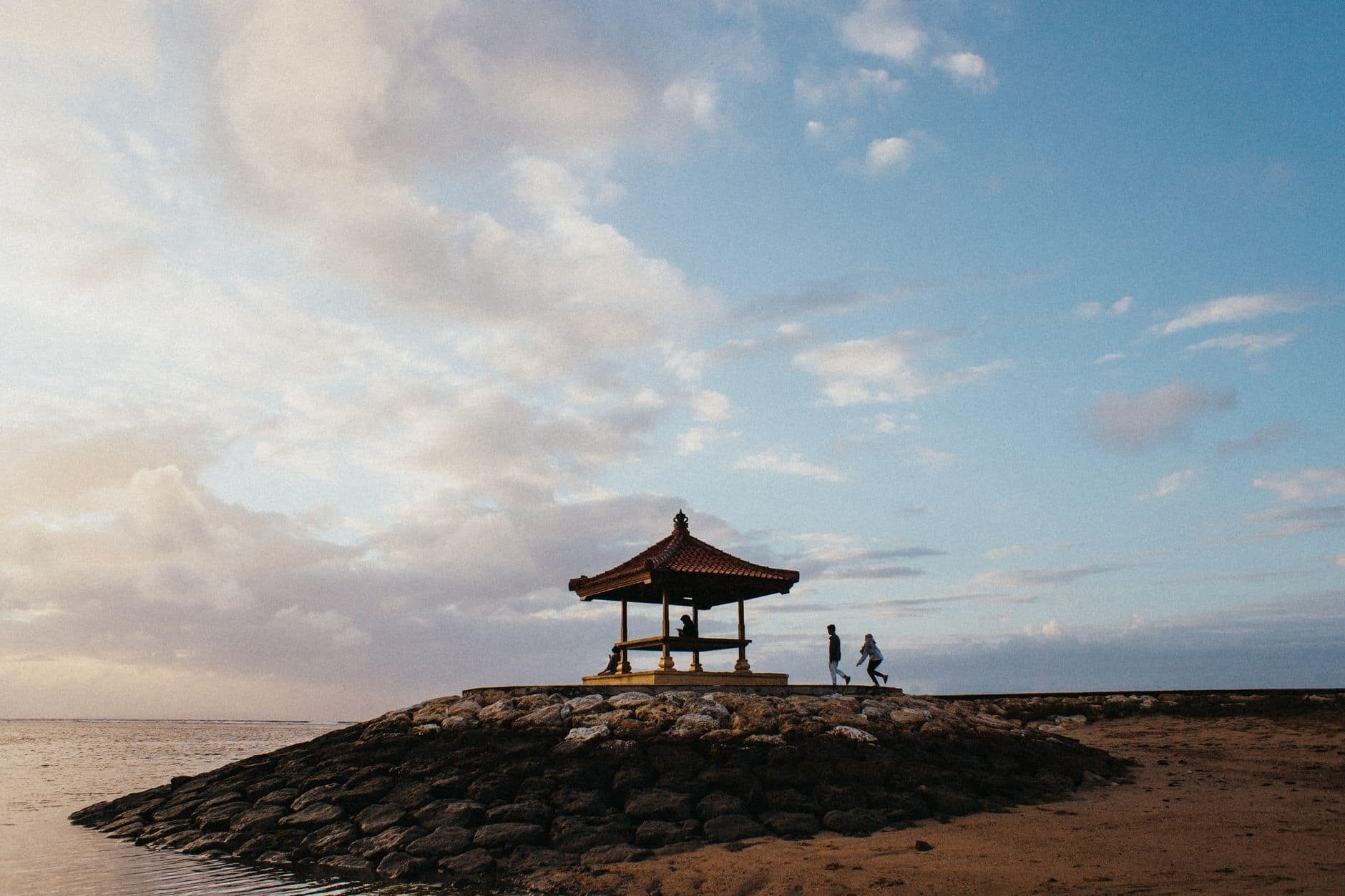
The strip faces east and sits behind reef, so the swell breaks offshore and the water at the sand stays flat. There is no staircase down, no shore break and nothing to read before you get in: you walk down and swim. That is the single reason the area fills with families and with people who want the sea every morning rather than once.
 #2
#2
Check the tide before the swim
Bali's spring tides move around 2-2.4 m in about six hours, which is a large range on a shallow coast. At low water the reef flats at Nusa Dua, Sanur and Serangan turn into exposed live coral, so the lagoon goes from swimmable to walkable inside one afternoon. Plan the swim for the higher half of the tide and the problem disappears.
 #3
#3
The waves are out on the reef
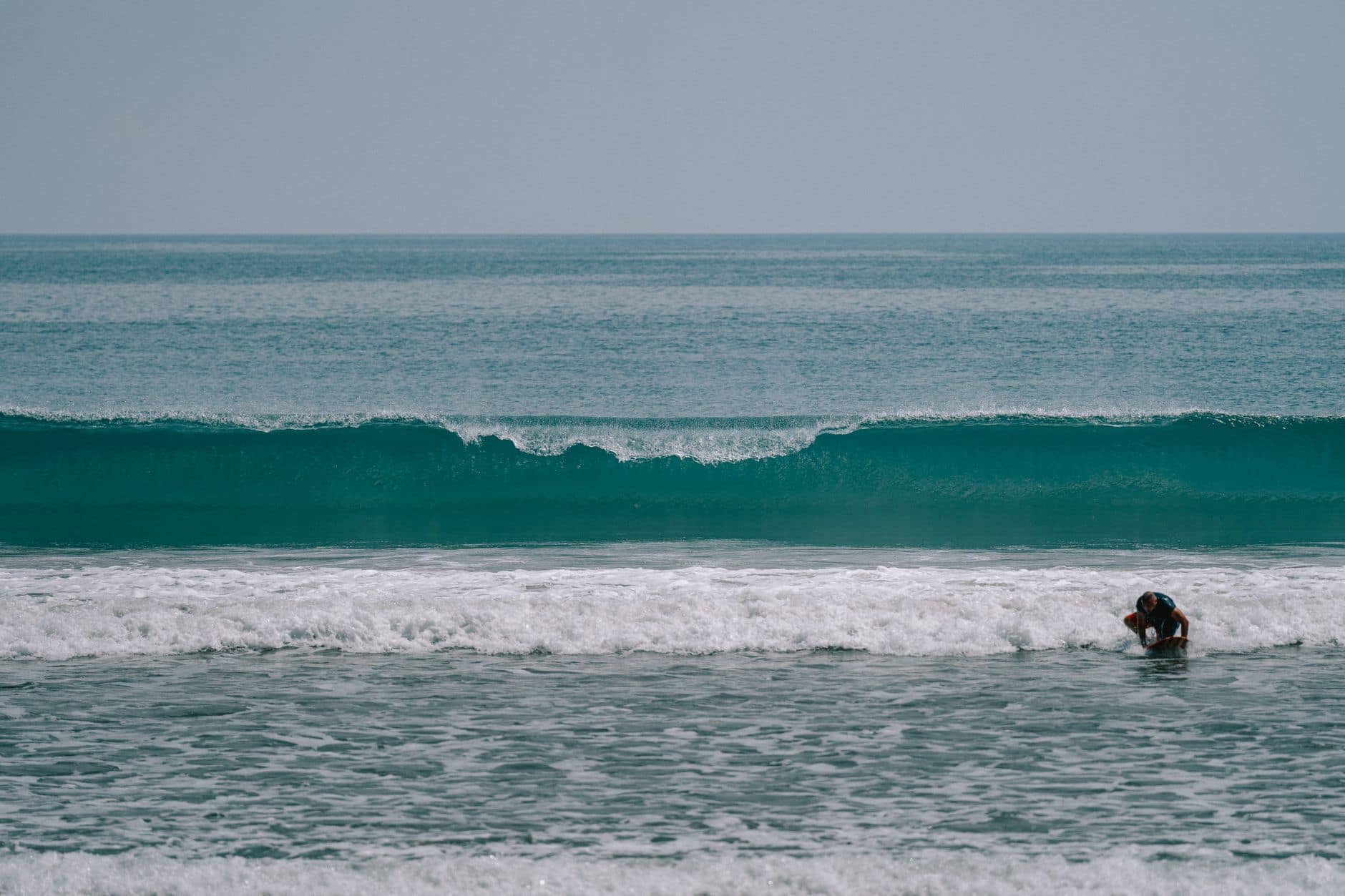
Nusa Dua has its own reef break, and it sits far enough out that a boat beats the twenty-minute paddle to the Main Peak. The local benchmark is that these reefs must be double-overhead before the wave truly wakes up. All of that happens at the reef edge, which is why the swell reaches the sand already spent.
 #4
#4
Kuta and Seminyak are the other sea
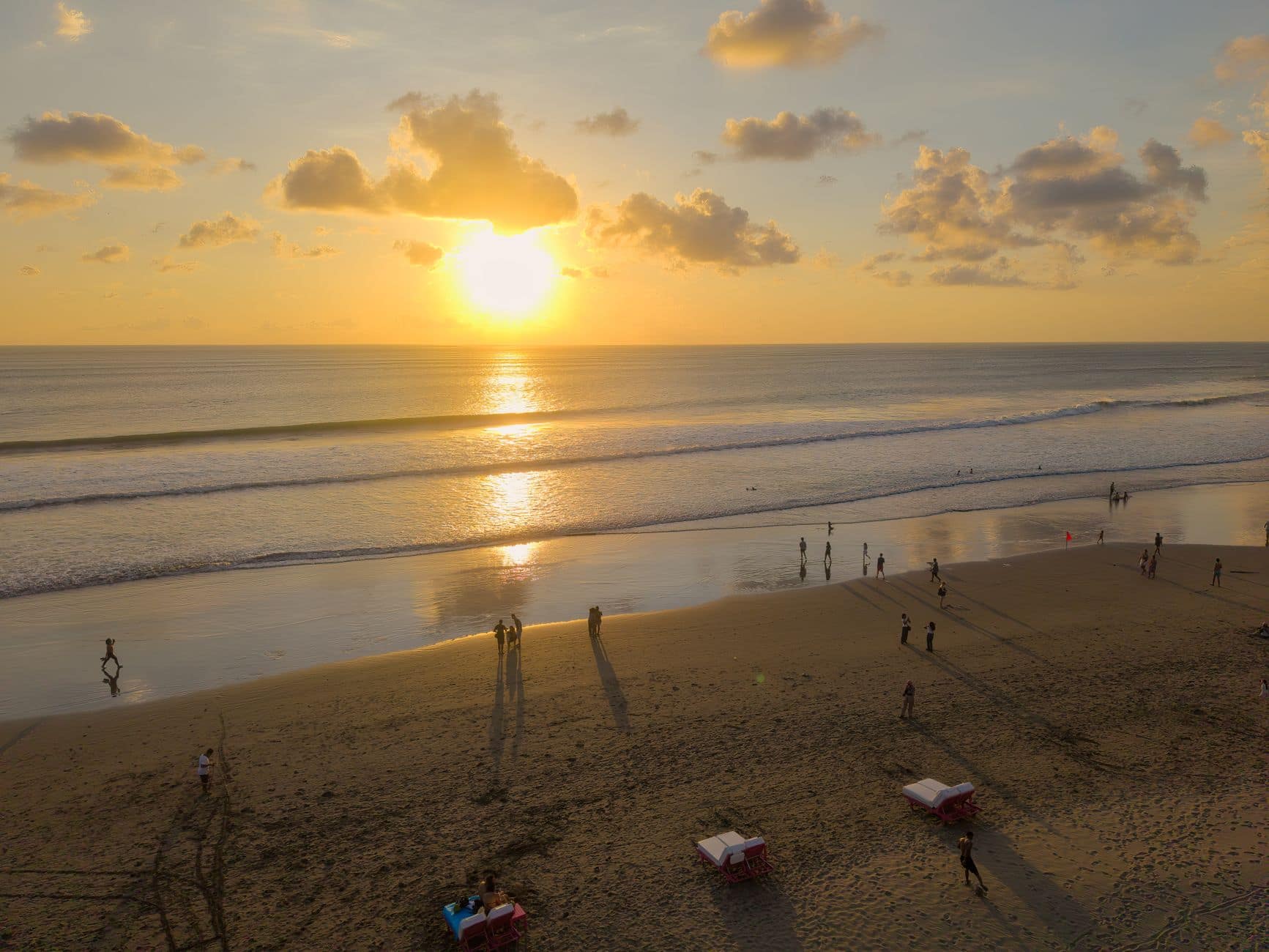
The west coast faces the open ocean: dark sand, real surf and a shore break, which makes those beaches good for walking, for sunset and for a first surf lesson rather than for swimming. From Kuta or Seminyak the drive east to calm water at Sanur or Nusa Dua is roughly 30-45 minutes by car, and it is worth making when a swim is the point of the day.
 #5
#5
Sanur does the same job
Sanur sits on the same sheltered coast behind its own reef, so the water behaves the same way and the same low-tide rule applies: the reef flat there dries out exactly as Nusa Dua's does. If calm swimming is the whole brief, both areas work, and the decision belongs to the rest of the week rather than to the sea.
 #6
#6
The Bukit coves are a different offer
The coves under the Bukit cliffs are reached by long staircases and take the swell head on, so whether you swim depends on the day and on the tide, and every trip to the water ends with the climb back up in the heat. They are the better photograph. For getting in the sea twice a day with no planning, Nusa Dua wins outright.
Can you swim at Nusa Dua beach?
Yes, and it is one of the few places on mainland Bali where getting in needs no planning at all. The Nusa Dua strip faces east and sits behind reef, so the swell is spent offshore and the water in front of the sand stays flat. You walk in from the beach: no staircase, no shore break, no swell forecast to read over breakfast. The same reef geography is why this stretch sits at the top of our guide to swimming in Bali.
What changes here is the tide, not the swell. The flat water sits over a reef flat, and a reef flat dries out. That is the whole caveat, and the rest of this guide is about working around it. If you want water that is clear as well as calm, that is a separate outing rather than a walk down to the sand: our Blue Lagoon snorkeling trip from $19 is two hours in a sheltered cove on the east coast, and it puts you over the reef instead of beside it. Where Bali's white sand actually is, beach by beach, is in the best white sand beaches in Bali.
What does the tide do to the water?
Bali runs a big, fast tide. The spring range is around 2-2.4 m and it moves in about six hours, which on a shallow reef coast is the difference between swimming and walking. At low water the reef flats at Nusa Dua, Sanur and Serangan turn into exposed live coral, so the sea retreats over a hard, sharp floor rather than over sand. Nothing about that is unsafe if you stay out of it, but it does decide when the swim happens.
The fix costs nothing. Swim on the higher half of the tide — the tide table at the hotel desk or any surf forecast gives you the day's times — and keep something on your feet if you plan to wade out. Live coral is sharp and it is also alive: standing on it cuts you and kills it. The same rhythm governs every reef-protected beach on this coast, and we set out how the tide, the swell and the wind fit together in our Bali tides and conditions guide.
Where does the surf go, if the water is flat?
Nusa Dua does have a wave, and it is nowhere near your towel. The break sits out on the reef edge, far enough offshore that a boat beats the twenty-minute paddle out to the Main Peak, which is how most surfers reach it. Between that reef and the beach is the lagoon, and the lagoon is the part you swim in. The two are close enough to see and far enough apart to behave completely differently.
It also takes a lot to wake that break up: the local benchmark is that the Nusa Dua reefs have to be double-overhead before it truly switches on. The figures published for the area are surf figures rather than swimming ones — offshore mornings run around 60% of the time in December-February and all but disappear from May through September. That is the wind for people on the reef. Inside the lagoon it changes very little.
How does it compare with Sanur, Kuta and the Bukit?
Sanur is the same idea on the same coast: reef offshore, flat water behind it, and the identical low-tide caveat, because the reef flat there dries out exactly as Nusa Dua's does. If calm water is the whole brief, either area answers it, and the choice comes down to what the rest of the week looks like — the walking, the evenings, the distance to the boats — rather than to the sea itself.
Kuta and Seminyak are a different sea altogether. They face the open ocean on the west coast, the sand is dark and the surf is genuine, so those beaches are for walking, for sunset and for learning to surf rather than for swimming. From either of them the drive east to calm water at Sanur or Nusa Dua is roughly 30-45 minutes by car. If the waves are what you actually want, take them with an instructor: our beginner surf lesson is from $35.
The Bukit coves are scenery with a staircase. Uluwatu, Bingin and the beaches around them sit at the foot of limestone cliffs and take the swell head on, so access means stairs down and the same stairs back up in the heat, and conditions decide whether the swim happens at all. They photograph better than Nusa Dua and they are a much worse daily swim. The trade is set out in Uluwatu or Nusa Dua and in the Bukit beach guide.
Is it a sensible swim with children?
For most families, yes, and the reason is the entry rather than the water itself. You walk in from flat sand with no shore break to knock a small child over, and there is no staircase between the room and the sea. That combination is rarer in southern Bali than the photographs suggest, which is why the enclosed resort strip keeps being recommended for a first trip with young children. Our Nusa Dua and Seminyak comparison covers what else that choice buys and costs.
Two practical points. The low-tide reef flat is the hazard here, not the waves — at the bottom of the range the shallows go hard and sharp, which is a bare-foot problem rather than a swimming one, so plan the swim for the higher half of the day and put reef shoes on everyone. We ranked the mainland's calm beaches specifically for young swimmers in calm beaches in Bali for kids.
What if you want clearer water than the lagoon?
Calm and clear are two different questions, and Nusa Dua answers the first one better than the second. The lagoon is flat and shallow over a reef flat; the clearest water is offshore and further east, and reaching it is a day out rather than a walk. From a Nusa Dua hotel the manta trip is a dawn pickup and a 30 to 45 minute transfer to Sanur harbour before the crossing, and our manta ray snorkeling day is from $29 per person.
For a shorter day, Blue Lagoon snorkeling at Padang Bai is two hours on the water in a cove where the reef starts close to the beach. And if you would rather build the day around the tide yourself, a private car with driver is from $59 per car, the driver waits while you swim, and everything is booked over WhatsApp with no prepayment.
FAQ
Is Nusa Dua beach safe for swimming?
In normal conditions, yes. The strip faces east behind a reef, so the swell breaks offshore and the water at the sand is flat, with no shore break and no stairs down to the beach. The hazard is not the waves but the reef flat at low water, which turns hard and sharp underfoot. Swim on the higher half of the tide.
What happens at Nusa Dua beach at low tide?
The water pulls back over a reef flat. Bali's spring tides move around 2-2.4 m in about six hours, and at low water the flats at Nusa Dua, Sanur and Serangan are exposed live coral rather than sand. It is not dangerous if you stay out of it, but it is sharp, and standing on live coral kills it. Time the swim, or wear reef shoes.
Do you need reef shoes at Nusa Dua?
For a swim on the higher half of the tide, no: you walk in over sand. For wading out near the bottom of the tide, yes, because the reef flat is exposed and sharp. If you are travelling with children who will be in and out of the shallows all day whatever the tide is doing, put reef shoes on them and stop thinking about it.
Is Sanur or Nusa Dua better for swimming?
There is very little between them. Both sit on the sheltered coast behind reef, both stay flat, and both dry out over a reef flat at low water, so the same tide rule applies in each. Choose on the rest of the trip instead: the walking, the evenings and how far you are from the boats, rather than on the water.
Can you swim at Kuta or Seminyak instead?
Those are surf beaches rather than swimming beaches. The west coast takes the open swell, the sand is dark and the shore break is real, so treat them as places to walk, watch the sunset or take a beginner surf lesson from $35. For a proper swim, the drive east to Sanur or Nusa Dua is roughly 30-45 minutes by car.
Where do you go from Nusa Dua for clearer water?
Offshore and east. From a Nusa Dua hotel the manta trip starts with a dawn pickup and a 30 to 45 minute transfer to Sanur harbour before the crossing, and it runs from $29 per person. The Blue Lagoon cove at Padang Bai is the shorter option, two hours on the water from $19, with reef close to the beach.
Recommended Bali tours for this guide
Blue Lagoon Snorkeling, Padang Bai
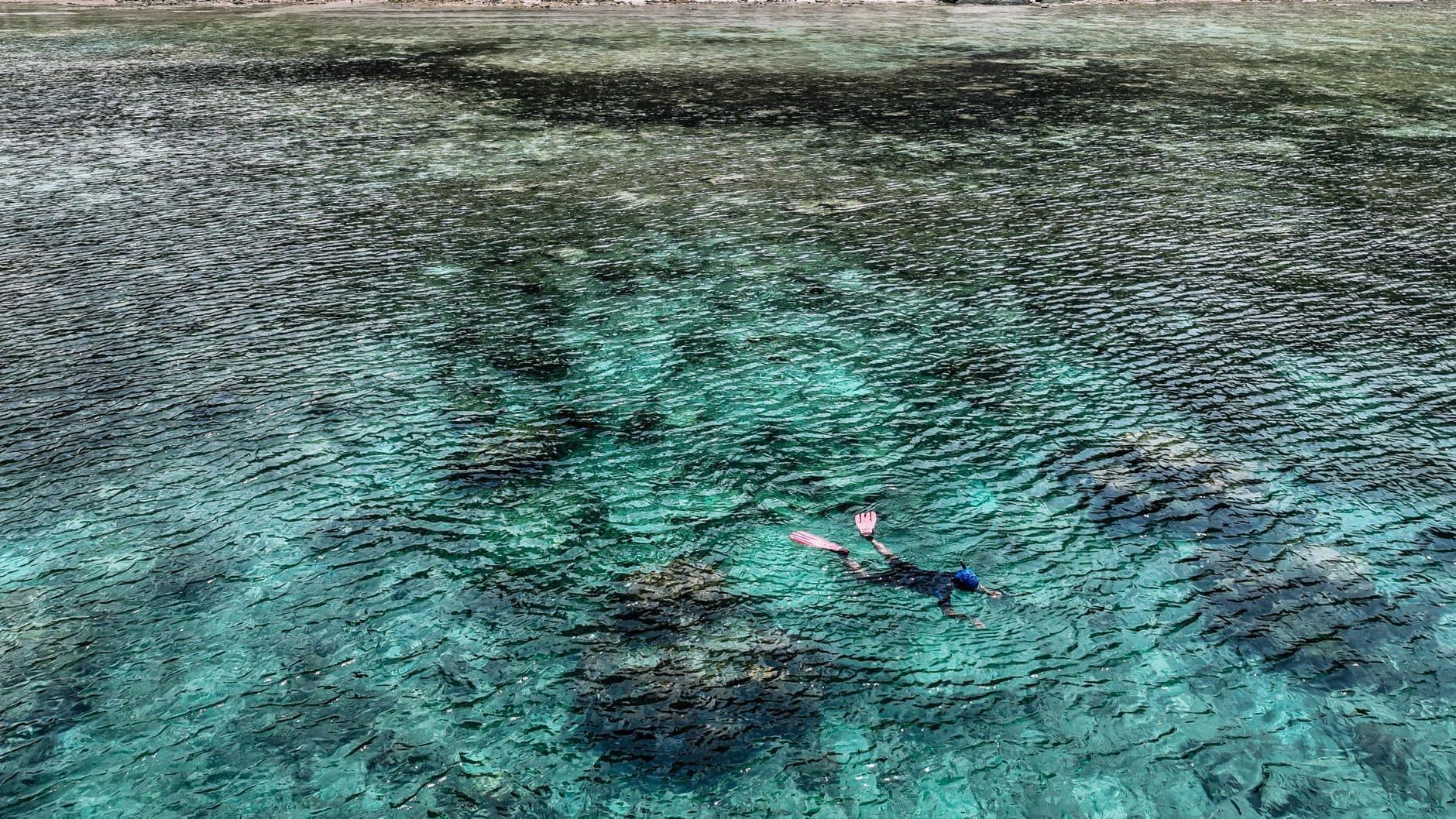
This is one of the easiest snorkeling products to recommend for beginners and casual sea-day travelers. It gives you underwater visibility, reef-life value, and a cleaner half-day or lighter full-day structure than more demanding offshore routes.
- Duration
- 2 hours on the water
- Area
- Padang Bai and Blue Lagoon
- Format
- Snorkeling trip
- Best for
- Beginners, couples, and mixed groups
From $19 No prepayment
View tour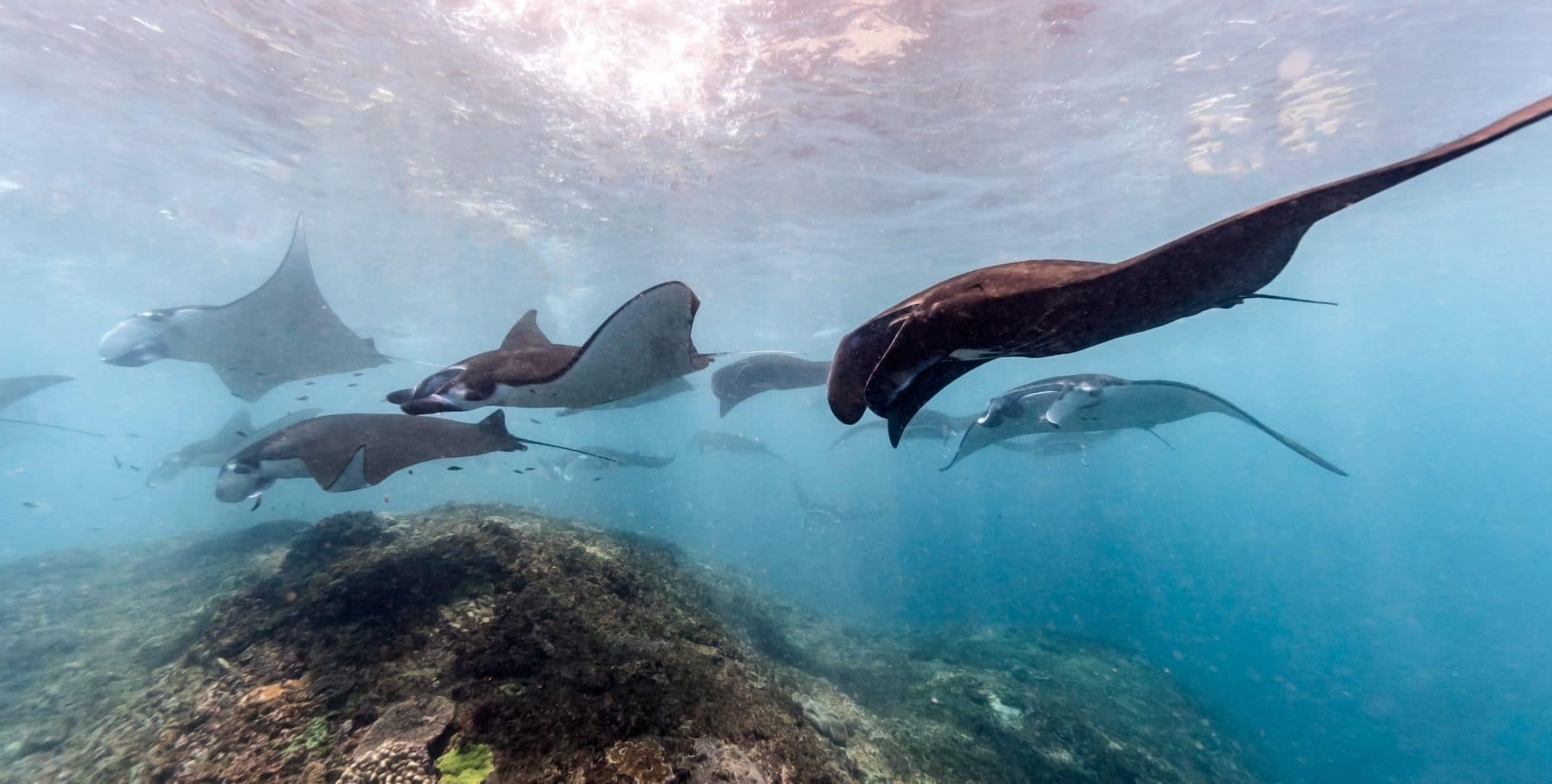
Snorkel with Manta Rays, Nusa Penida
This is one of Bali's strongest sea-day products because the experience starts delivering early and stays visually powerful all day. It works for couples, small groups, and first-time snorkelers who want clear planning and strong photo value.
- Duration
- Full day
- Area
- Manta Point and Nusa Penida waters
- Format
- Snorkeling tour
- Best for
- Snorkeling lovers and sea-day travelers
From $29 No prepayment
View tour
Private Car with Driver in Bali
This is one of the most useful products in Bali because so many plans become easier once transport is flexible. It is perfect for custom sightseeing, shopping days, family pacing, and travelers who already know roughly where they want to go.
- Duration
- Flexible daily use
- Area
- All major Bali regions
- Format
- Private transport service
- Best for
- Travelers who want total route flexibility
From $59 per car No prepayment
View tour