

Bali is effectively never flat — Southern Ocean storms send swell from the south-southwest all year — so the morning question is never whether there are waves, but where they are clean. Three numbers answer it, in order. Swell period beats height: the offshore average only moves between 1.6 and 2.2 m across the year, but period climbs from about 12.4 to 14.4 seconds, and long-period swell breaks harder and further out on the reefs. Wind picks the coast: dry-season trades from the east groom the Bukit and the Kuta-to-Medewi strip; wet-season westerlies flip the island to Sanur, Keramas, Serangan and Nusa Dua. And the tide picks the hour — springs move 2-2.5 m of water over reef flats that sit barely a metre under the surface. Here is how we read a forecast and choose the drive before 6 am.
By Alex Moskvin, Founder of SB Excursions · Published 21 May 2026 · Updated 23 October 2026
Tour on this route: Private Car with Driver in Bali — From $59 per car, flexible daily use.
What should I check first in a Bali surf forecast?
The swell period, before the height. Bali's average swell height only ranges from about 1.6 to 2.2 m across the whole year, but the period climbs from roughly 12.4 to 14.4 seconds, and long-period swell breaks harder and further out on the reefs. After period, read the swell direction, then the local wind to pick a coast, then the tide table to pick your hour.
This guide also answers:
- What tide is best for surfing in Bali?
- How big does the Bali swell get by season?
- Do I need to read surf reports as a beginner?
Top picks from this guide
 #1
#1
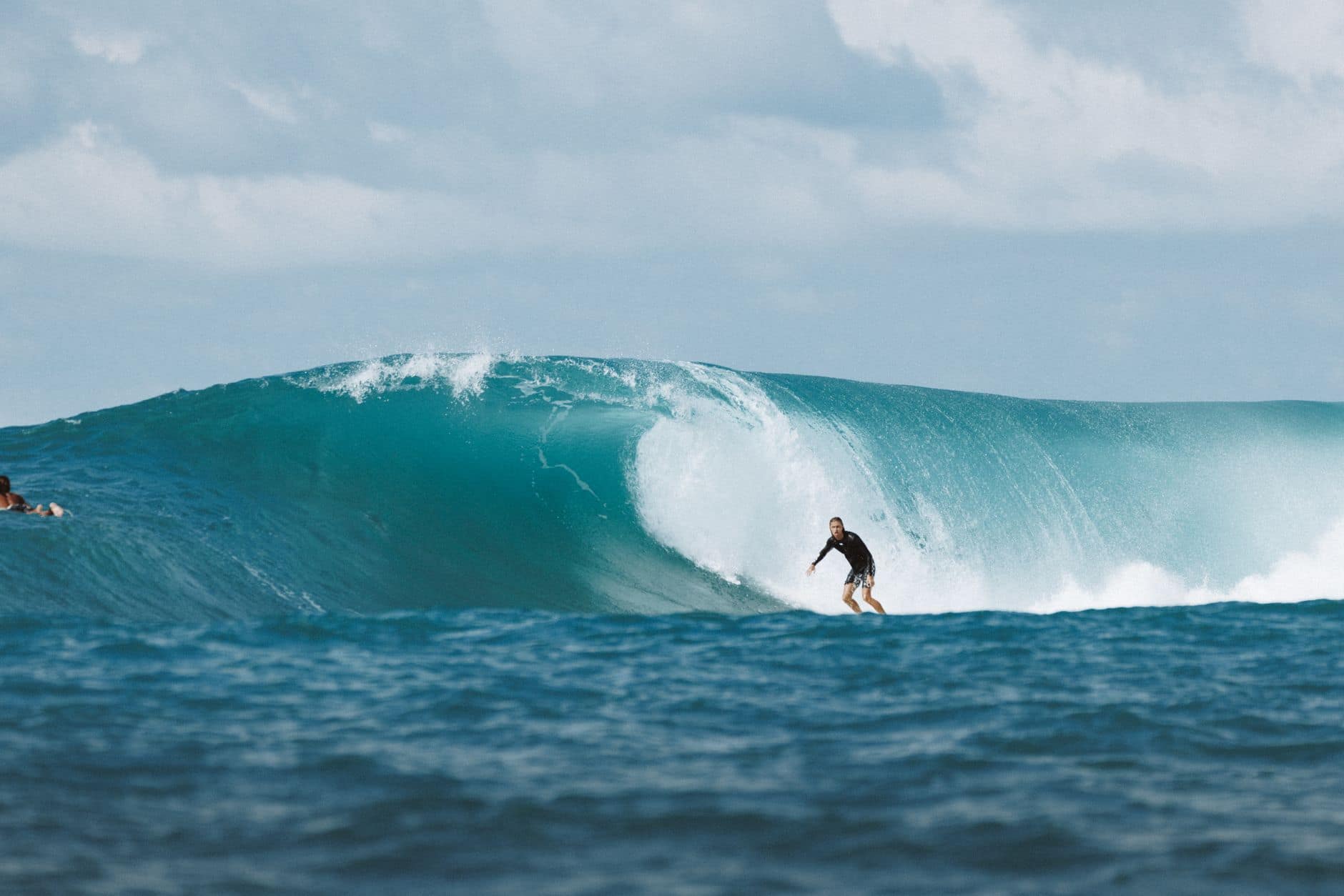
Read the period before the height
Bali's average swell height only moves from about 1.6 to 2.2 m across the year, but the period climbs from 12.4 to 14.4 seconds — and period is what the reef feels. A 1.7 m swell at 14 seconds carries far more energy than the same height at 12 seconds: it refracts further around the Bukit and breaks harder and further out. One caution: forecast heights are deep-water swell, not wave faces — Uluwatu in July regularly runs double on the face.
 #2
#2
Check the direction — SSW is the engine
Bali's swell comes from Roaring Forties storms with a near-unobstructed run from South Africa to southwest Australia, arriving from the south-southwest essentially all year. The swell window is roughly S to WSW, with 225° the most consistent line. This engine never switches off, which is why the island is effectively never flat — the wet-season question is wind quality, not whether waves exist. The more westerly the angle, the more the east coast misses out.
 #3
#3
Let the wind pick your coast
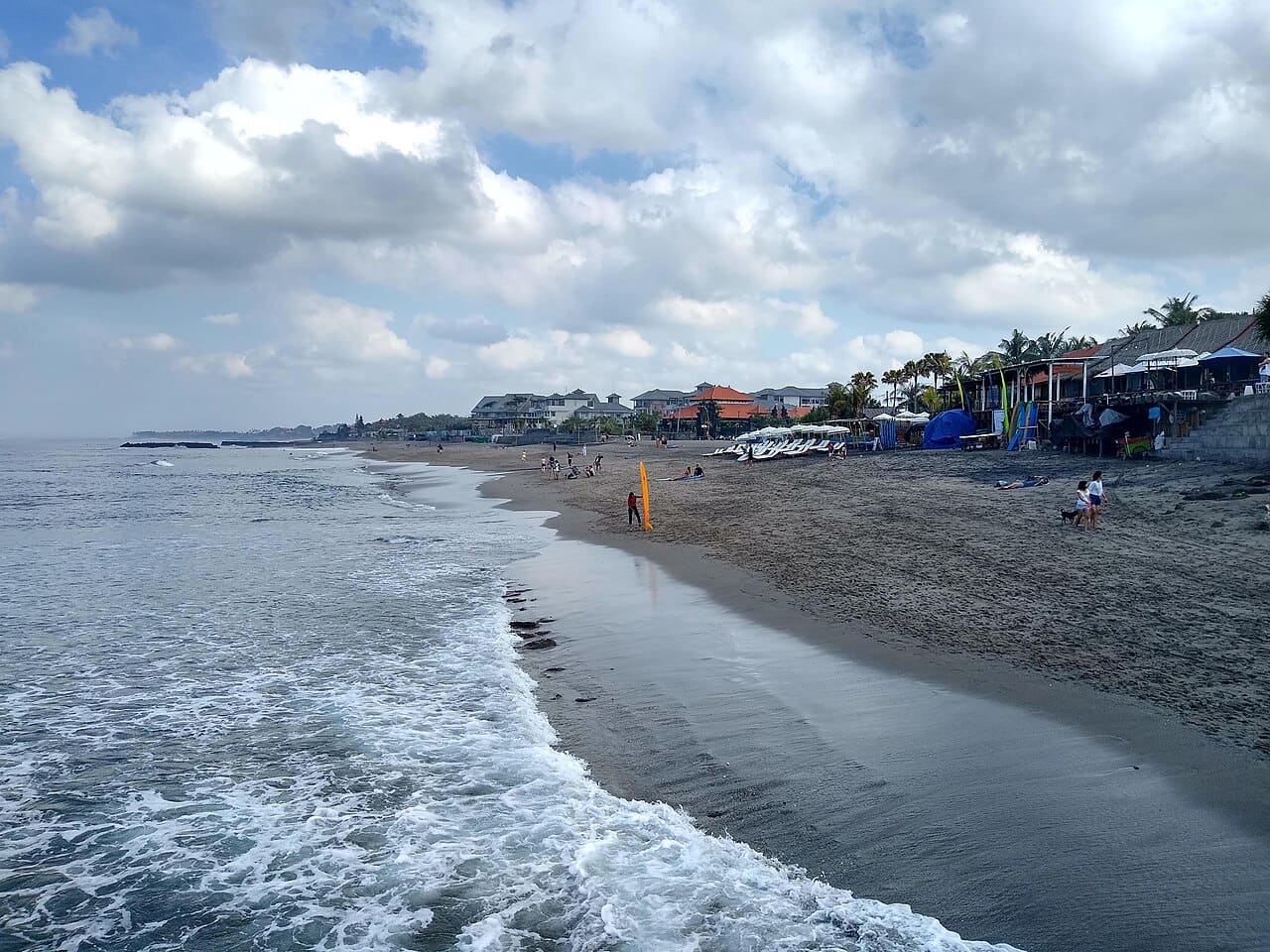
From roughly April to October the trades blow from the east to east-southeast and groom the Bukit's west side plus the whole Kuta-to-Medewi strip. From November to March the flow swings west to northwest: those spots turn to chop while Sanur, Keramas, Serangan and Nusa Dua switch on. The swap is near-total — Nusa Dua's offshore mornings peak in December-February and all but vanish from May through September.
 #4
#4
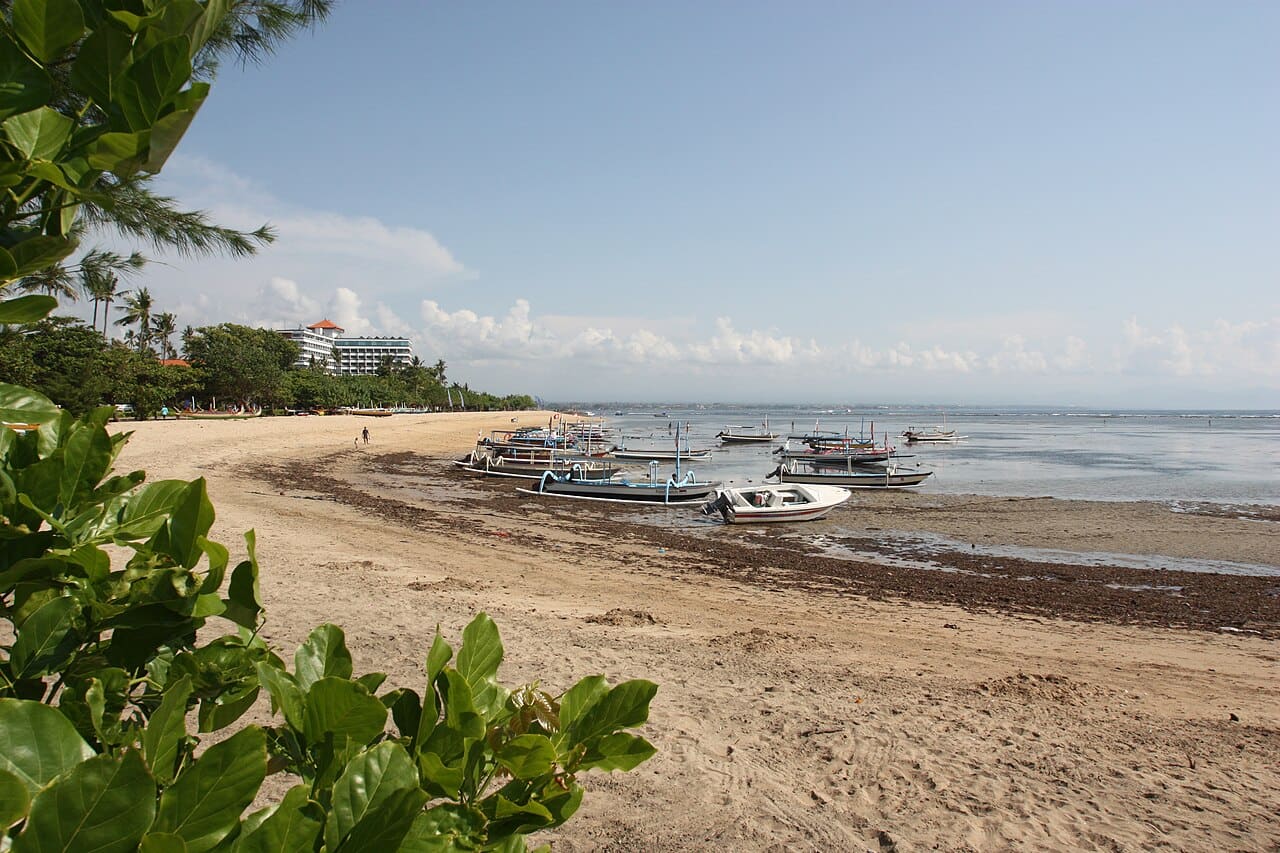
Find the tide window for your reef
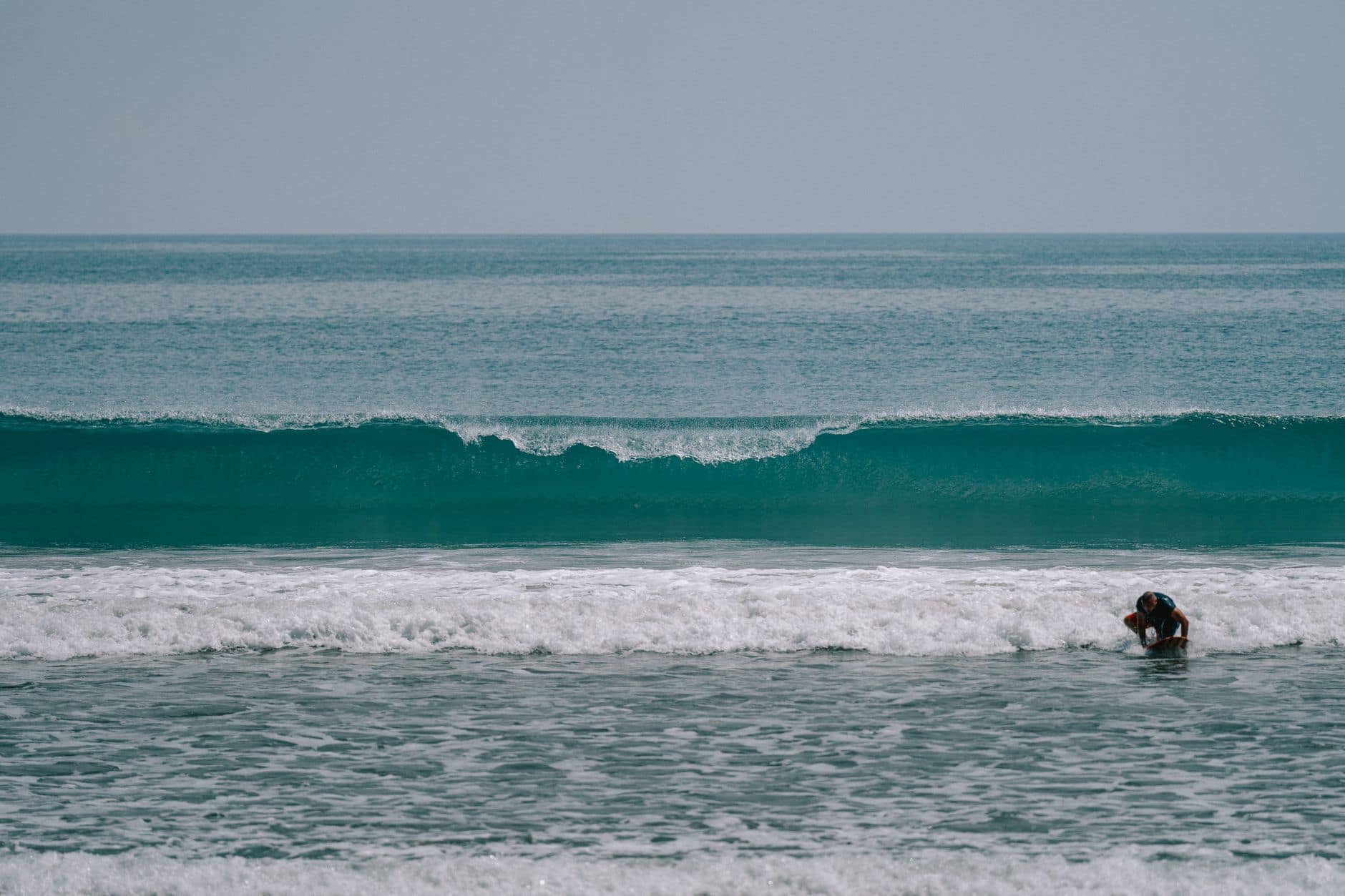
The tide here is mixed semidiurnal — two highs and two lows a day of clearly unequal size — and a spring cycle moves 2-2.5 m of water in about six hours, over reef flats that sit only around a metre below mean sea level. A reef can go from perfect to unrideable inside one session. There is no universal best tide: some reefs only break at low, Uluwatu and Bingin are usually cited mid-to-high, and on Padang Padang the guides genuinely disagree.
 #5
#5
Beat the sea breeze — surf at dawn
Outside the strongest trade months the wind runs on a thermal clock: lightest at dawn, building as the land heats, strongest onshore push in the afternoon. In June and July the trades override that cycle and blow from first light — strong enough some days to rough up even the offshore coast. The conclusion is the same in every month of the year: the reliable clean window is dawn, and the early drive is the price of it.
 #6
#6
Read what the forecast doesn't show
No swell chart shows the monsoon plastic tide that puts up to 60 tonnes of debris a day on Kuta, Legian and Seminyak between November and March, or the river-mouth runoff we avoid for a day or two after heavy rain, or the crowd that turns a good forecast into a forty-man lineup. Surf cams are patchy and only show one moment at one tide. A call to someone standing on the cliff still beats every chart.
The three numbers that matter, in the order we read them
Start with the fact that makes Bali unusual: the swell never really stops. Storms in the Roaring Forties push swell at the island all year through a window of roughly S to WSW (180-247°), with SSW around 225° the most consistent line. One long-running forecast dataset for Uluwatu puts surfable swell in the water essentially all of a typical August, with clean rideable waves 99% of the time. So a Bali surf forecast is never answering "are there waves" — it is answering which coast, which reef, which hour.
Read the period before the height. The offshore average only moves from 1.6-1.7 m in December-February to 2.2 m in July-August, but the period climbs from about 12.4 to 14.4 seconds, and period is what a reef feels: a 1.7 m swell at 14 seconds refracts further around the Bukit and breaks harder and further out than the same height at 12. One warning on units — these are deep-water swell heights from model points well offshore, not wave faces, and Uluwatu in July is regularly double that on the face. For how the numbers move through the year, our month-by-month surf season guide lays out all twelve.
One island, two forecasts: the wind flip
The wind panel decides which half of the island works. From roughly April to October the trades blow from the east to east-southeast — the textbooks say "southeast trades", but the direction actually measured on the south coast sits further east — and they groom the Bukit's west side (Uluwatu, Padang Padang, Bingin, Impossibles, Balangan) plus the whole west-coast run from Kuta through Canggu to Balian and Medewi. From November to March the monsoon swings the flow west to northwest: those same spots turn to chop while the east side switches on — Sanur, Keramas, Serangan and Nusa Dua, where offshore mornings run around 60% of the time in December-February by one model climatology, and all but disappear from May through September.
Do not read the two coasts as equals. The east side receives the same southerly swell only after it bends around the Bukit, so it arrives smaller and needs a bigger raw swell to work; Keramas faces more east than south, and Sanur sits in an extra shadow cast by Nusa Penida. The practical translation: the wet season delivers cleaner but smaller waves, and the east coast can be nearly flat on a day the Bukit would have been solid. Our east Bali surf guide covers those spots one by one.
The tide: the number that ends sessions
Bali runs a mixed semidiurnal tide — two highs and two lows a day of clearly unequal size — with a spring range of roughly 2-2.5 m (the Benoa reference station has recorded 2.46 m) over fringing coral platforms that sit only about a metre below mean sea level. On a spring cycle the water moves that full range in about six hours, so a reef can go from perfect to unrideable inside one session. At low it fails in one of two ways: the wave stops reaching the takeoff zone, or it still breaks — in centimetres of water over live coral.
Springs fall on the new and full moon, neaps on the quarters — a neap cycle moves only around a metre — so the same reef behaves differently week to week on identical swell. Check the day against a Benoa tide table before committing to a drive, and be suspicious of auto-generated spot pages: one big forecast site's Uluwatu page claims the surf "isn't affected by the tide", a template artifact that contradicts every local source. For the section-by-section picture at the island's most famous wave, see our Uluwatu surf guide. The honest per-spot summary:
- Low-tide reefs exist — Outside Corner at Uluwatu is one, and Green Bowl's left is at its best on a spring low
- Uluwatu's main sections and Bingin are generally cited as mid-to-high — Bingin's shelf dries right out at low
- Padang Padang is genuinely disputed — reputable guides publish both low-to-mid and mid-to-high windows, so ask in the lineup before trusting either
- Around 0.3 m on the chart, some spots are already showing bare reef rather than water
How we pick the drive at 5 am
The order of operations is fixed: the season names the coast, the swell panel names two or three candidate reefs, and the tide table names the hour. Dawn is the default start in every month — the wind is lightest at first light and builds onshore through the day, and in June-July the trades can blow hard from sunrise, which is one more reason to be in the water early. Distance is the part visitors underestimate: crossing to the wet-season coast is real driving — Keramas sits about 45 minutes from Sanur along the bypass, Serangan about 15 minutes from the airport side — and a wrong guess costs you the clean window.
This is exactly why we run surf mornings as a car with driver — from $59 for the day, boards fit inside, booked on WhatsApp with no prepayment. The driver waits while you check the first reef from the cliff; if the wind or tide is wrong you move on instead of paddling out at the wrong spot, and when a spring tide kills the session after two hours, the car turns that into a second session somewhere else rather than the end of the day. If these numbers still feel like homework, a private surf lesson from $35 solves it differently: the instructor reads the tide window and picks the beach for you.
What no forecast page shows
Surf cams cover only a handful of Bali's breaks, they come and go, and a cam frame answers one narrow question — what this spot looks like right now, at this tide. On a spring cycle that answer expires within the hour, which is also why a surf report written at dawn can be useless by mid-morning. We treat cams and reports as a cross-check, not a decision: a phone call to someone standing on the cliff — a warung owner, another driver — still beats every chart, and our drivers make those calls before any long detour.
Two more things the charts omit. Between November and March, heavy rain flushes river debris to sea and the monsoon returns it to the west-facing beaches — up to 60 tonnes of plastic a day is collected from Kuta and Legian at the peak — and we stay away from river mouths for a day or two after a big downpour. And water temperature: boardshorts work all twelve months, but dry-season upwelling cools the Bukit to an August average around 25.8 °C with lows near 23-24 °C, so cold-prone surfers pack a 1-2 mm top for July-September dawn patrols. The full hazards picture — reef, rips, etiquette — is in our guide to whether surfing in Bali is safe.
FAQ
What should I check first in a Bali surf forecast?
The swell period, before the height. Bali's average swell height only ranges from about 1.6 to 2.2 m across the whole year, but the period climbs from roughly 12.4 to 14.4 seconds, and long-period swell breaks harder and further out on the reefs. After period, read the swell direction, then the local wind to pick a coast, then the tide table to pick your hour.
What tide is best for surfing in Bali?
There is no single best tide — every reef has its own window, and getting this wrong is the classic Bali mistake. Uluwatu's main sections and Bingin are generally cited as mid-to-high, some waves only break at low, and on Padang Padang published guides genuinely disagree. What is universal: on a spring low the shallow reef flats go nearly dry, so treat any reef session around a 0.3 m tide with real caution.
Is there a Bali surf cam I can check?
Cams exist at some of the better-known breaks, but coverage is patchy, cameras come and go, and a frame only shows the current moment at the current tide — on a spring cycle it is out of date within the hour. Use a cam as a cross-check next to the swell period and a tide table, or do what we do and phone someone standing on the cliff.
How big does the Bali swell get by season?
Offshore swell averages about 1.6-1.7 m at 12.4-12.7 seconds in December-February and rises to about 2.2 m at 14.4 seconds in July-August — and those are deep-water figures, so faces at the reefs run bigger. Bali is effectively never flat: even the smallest wet-season months deliver rideable size, and the real December-February variable is wind quality, not whether waves exist.
Where do I surf when my coast is blown out?
Cross the island. In the wet season the west coast turns onshore and Sanur, Keramas, Serangan and Nusa Dua switch on; in the dry season it flips back. Expect the east side smaller — the swell bends around the Bukit to get there and loses energy on the way. Green Bowl, on the Bukit's south tip, is a wet-season option too: a small-swell, early-morning spot.
Do I need to read surf reports as a beginner?
No — a beginner's forecast is simpler: a sand-bottom beach, whitewater, and an instructor who picks the tide window for you. Lessons run from $35 for a 2-4 hour session, and the start time floats with the tide rather than the clock. The reading skills in this guide start to matter once you paddle out to unbroken waves over reef, usually after your first weeks.
Recommended Bali tours for this guide
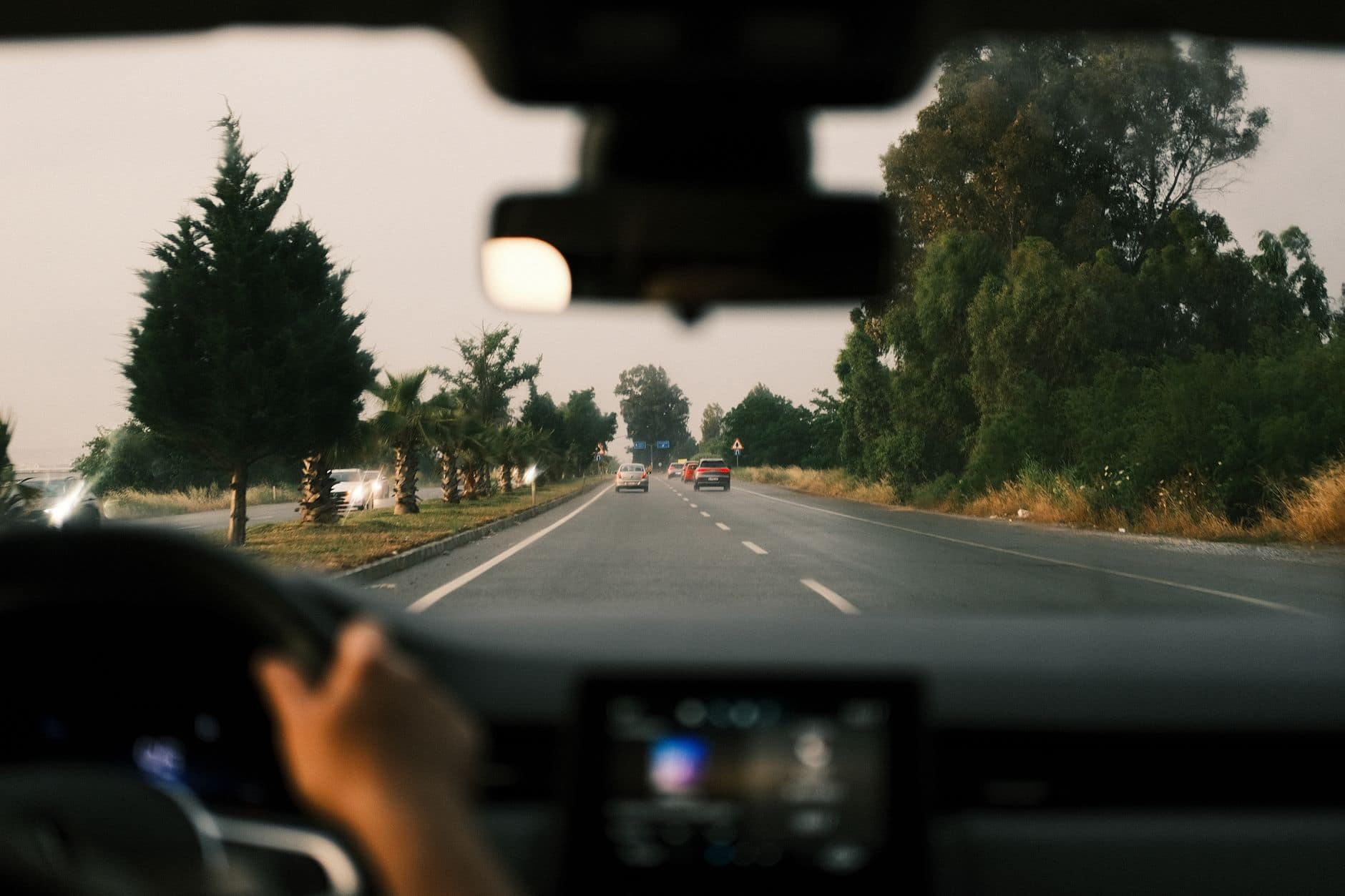
Private Car with Driver in Bali
This is one of the most useful products in Bali because so many plans become easier once transport is flexible. It is perfect for custom sightseeing, shopping days, family pacing, and travelers who already know roughly where they want to go.
- Duration
- Flexible daily use
- Area
- All major Bali regions
- Format
- Private transport service
- Best for
- Travelers who want total route flexibility
From $59 per car No prepayment
View tour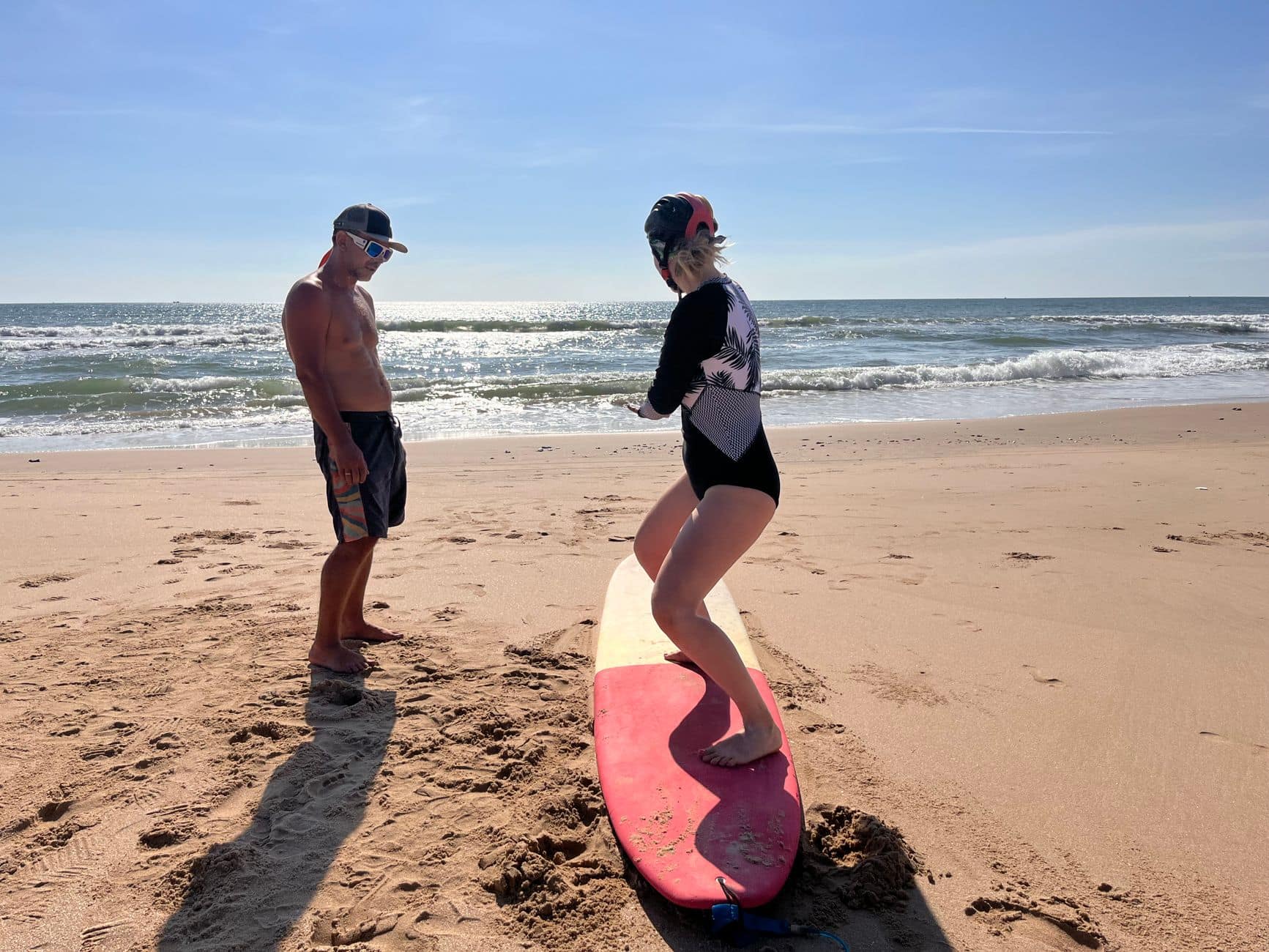
Bali Surf Lesson for Beginners
A surf lesson is one of the best short-format Bali activities because it feels local, active, and iconic without taking over the whole day. It is ideal for couples, friends, solo travelers, and anyone curious about the island's surf culture.
- Duration
- 2-4 hours
- Area
- Beginner-friendly Bali surf beaches
- Format
- Water activity
- Best for
- Beginners and casual active travelers
From $35 No prepayment
View tour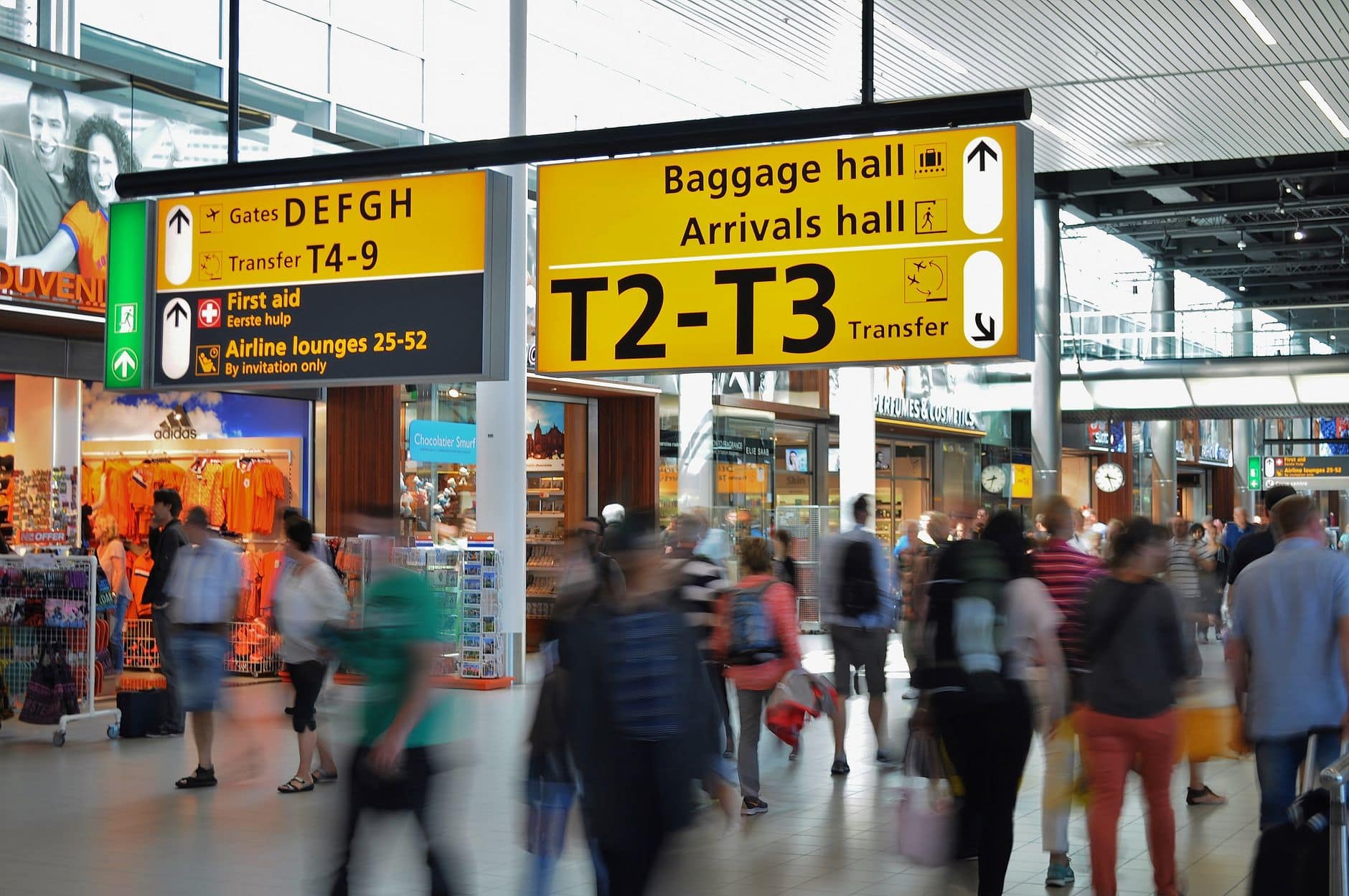
Bali Airport Transfer
Airport transfers are not glamorous, but they have an outsized impact on how the trip starts. A clean pickup, clear driver coordination, and direct route to the hotel make a huge difference after a long flight.
- Duration
- Depends on hotel area
- Area
- Ngurah Rai Airport and Bali hotel areas
- Format
- Private transfer service
- Best for
- New arrivals and stress-free departures
From $15 per car No prepayment
View tour