

Mount Batur is better at sunrise, and it is not close. The rim faces east across Lake Batur toward Mount Agung, so at dawn the sun comes up behind the cone with a sea of cloud sitting in the caldera below you. At sunset the sun is behind your back, the caldera falls into shadow, and you walk down in full darkness. Afternoon cloud also sits higher than the 1,717 m summit, so the odds of standing inside grey rather than above it go up. We run three sunrise formats — a guided hike from $35, jeeps from $45 and $55 — and no sunset trips at all. Here is the honest reasoning.
By Alex Moskvin, Founder of SB Excursions · Published 21 May 2026 · Updated 23 October 2026
Tour on this route: Mount Batur Sunrise Jeep Tour — From $45, 6-8 hours.
Is Mount Batur better at sunrise or sunset?
Sunrise, clearly. The rim faces east across Lake Batur at Mount Agung, so at dawn the sun comes up behind the cone with a layer of cloud sitting in the caldera below you. In the evening that same view is in shadow, the cloud sea is gone, and you finish with a 1.5-hour descent on loose gravel in the dark. We run sunrise tours from $35 and none at sunset.
This guide also answers:
- What is the difference between the Mount Batur sunrise and sunset view?
- What time is sunrise at Mount Batur?
Top picks from this guide
 #1
#1
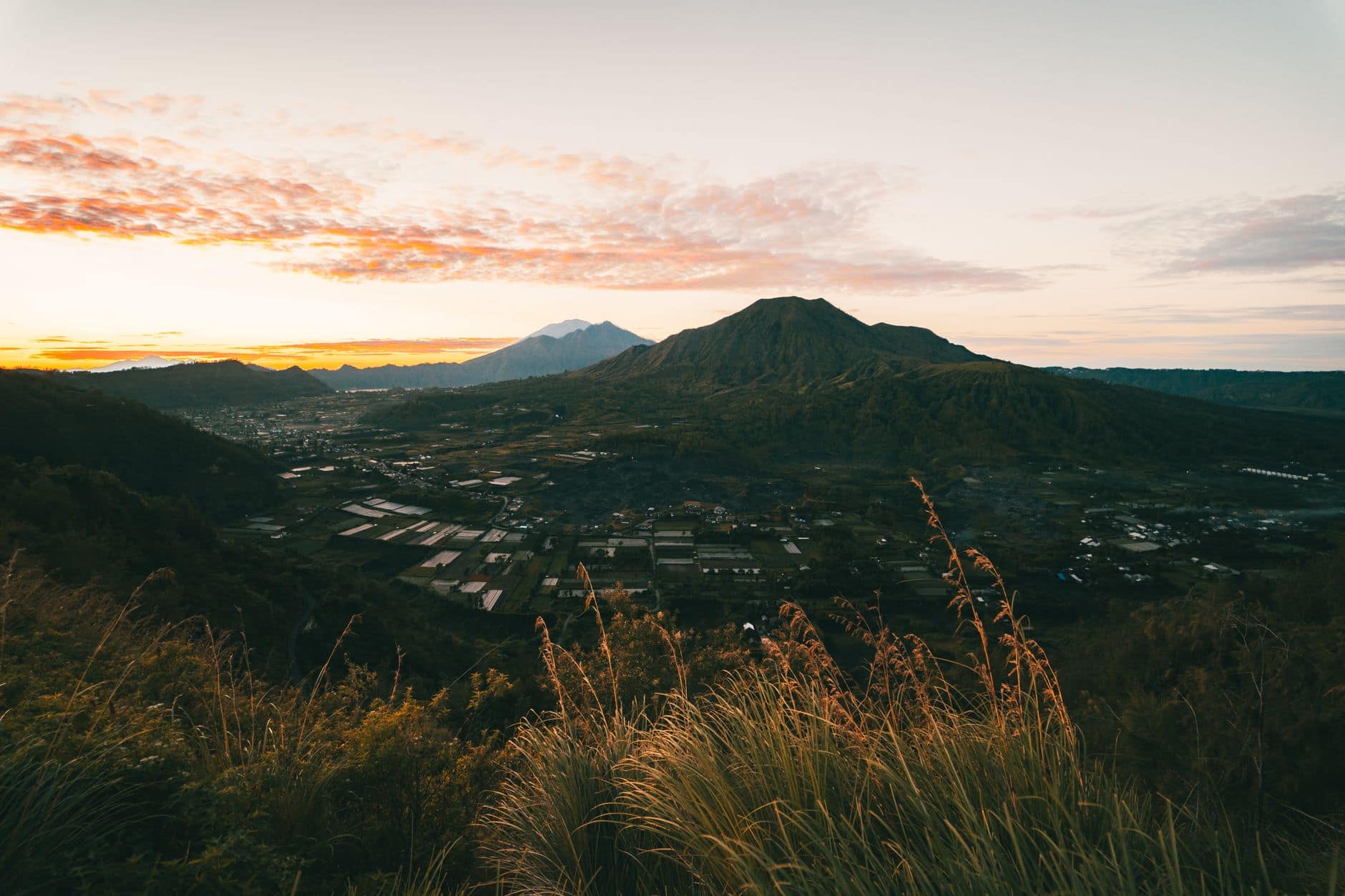
Which way the view points
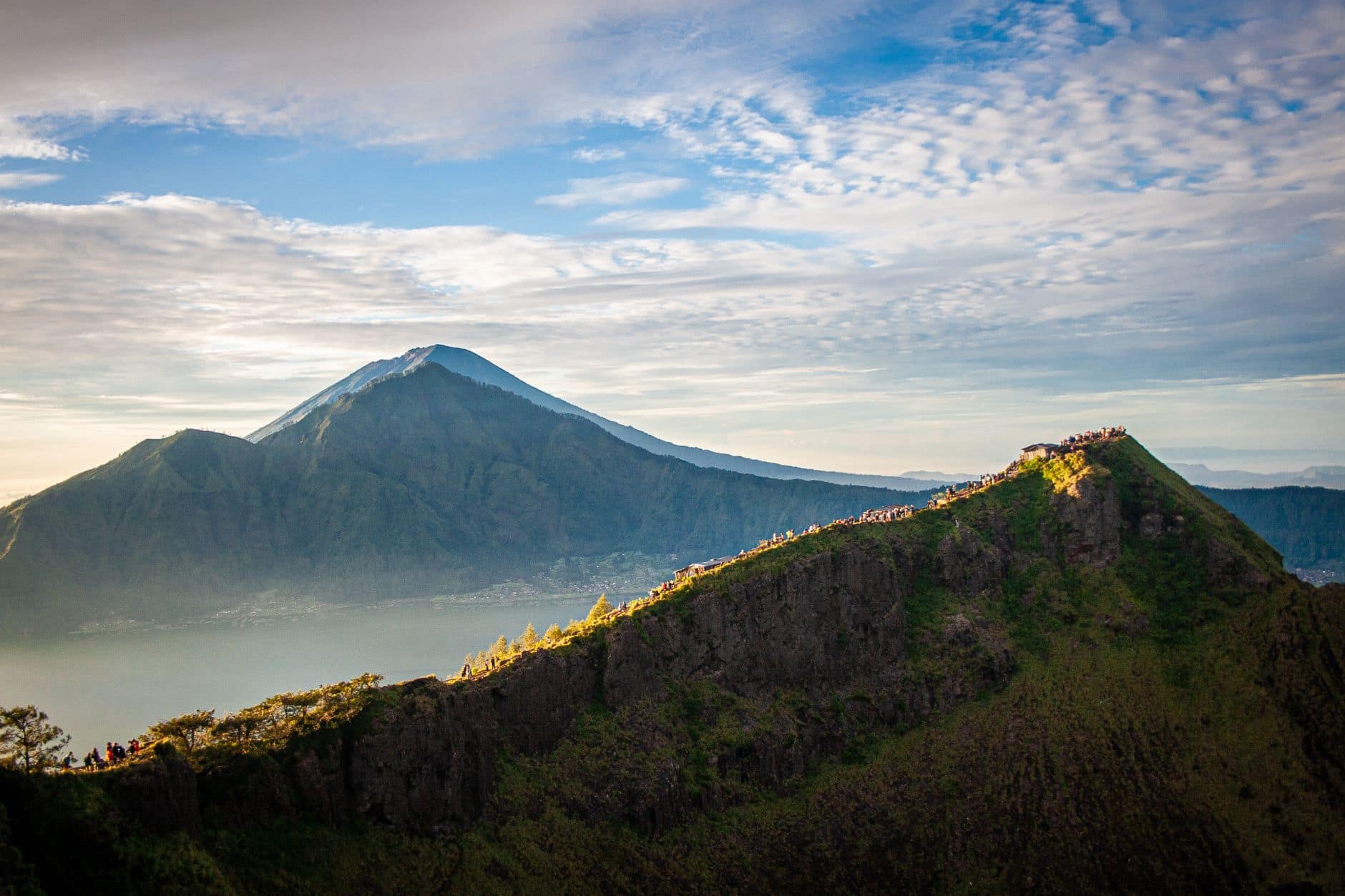
The rim and the jeep viewpoints look east across Lake Batur at Mount Agung. At dawn the sun rises behind that cone, which is the photograph people set the alarm for. At sunset the light is behind you and the lake, the caldera wall and Agung all sit in flat shadow.
 #2
#2
Cloud below you or cloud around you
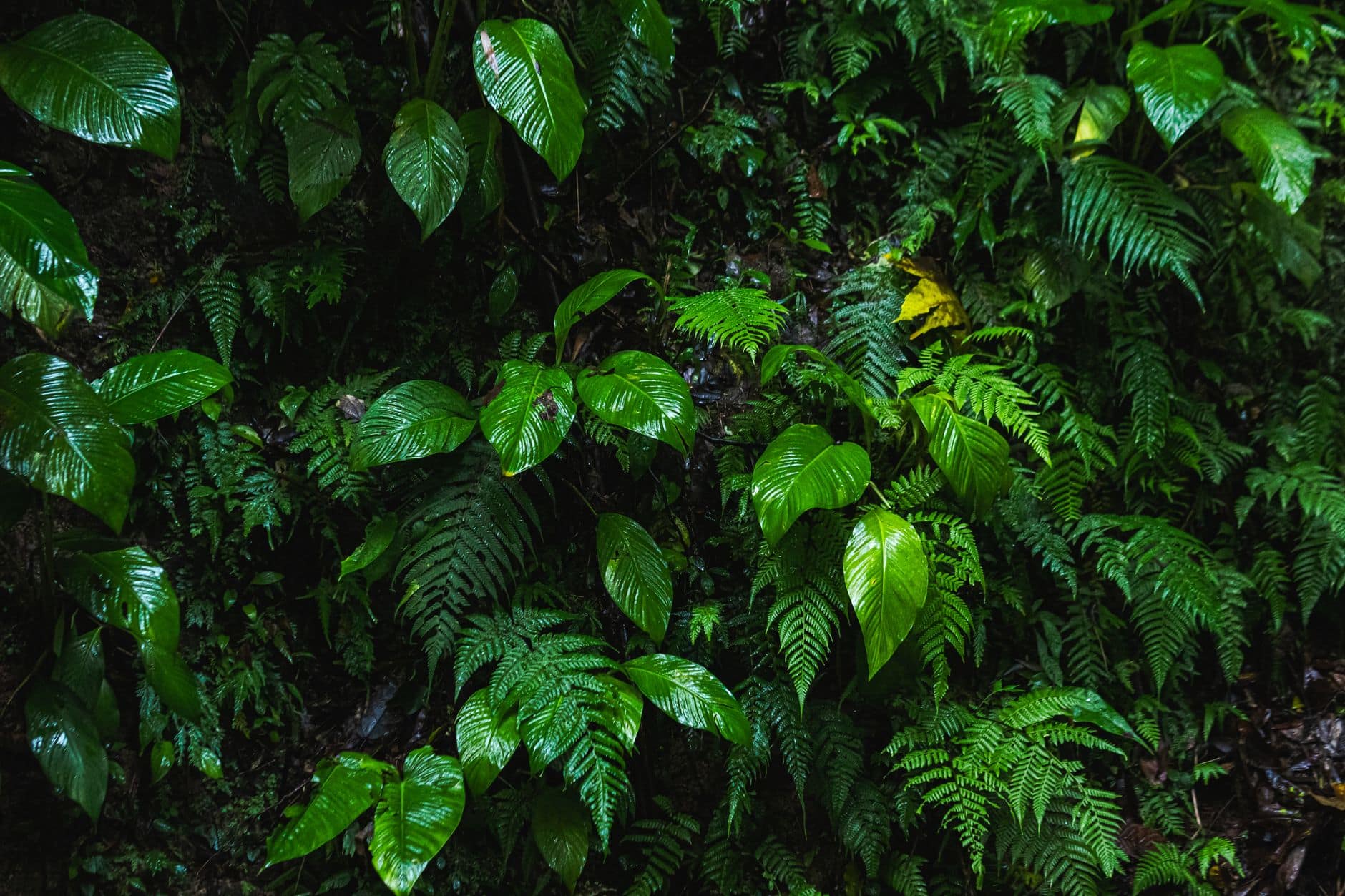
Cold night air pools in the caldera and leaves a layer of cloud under the rim at first light — that is the sea of cloud. Hours of daytime heating lift the cloud base above the 1,717 m summit, so an evening on the mountain often means standing inside grey instead of above it.
 #3
#3
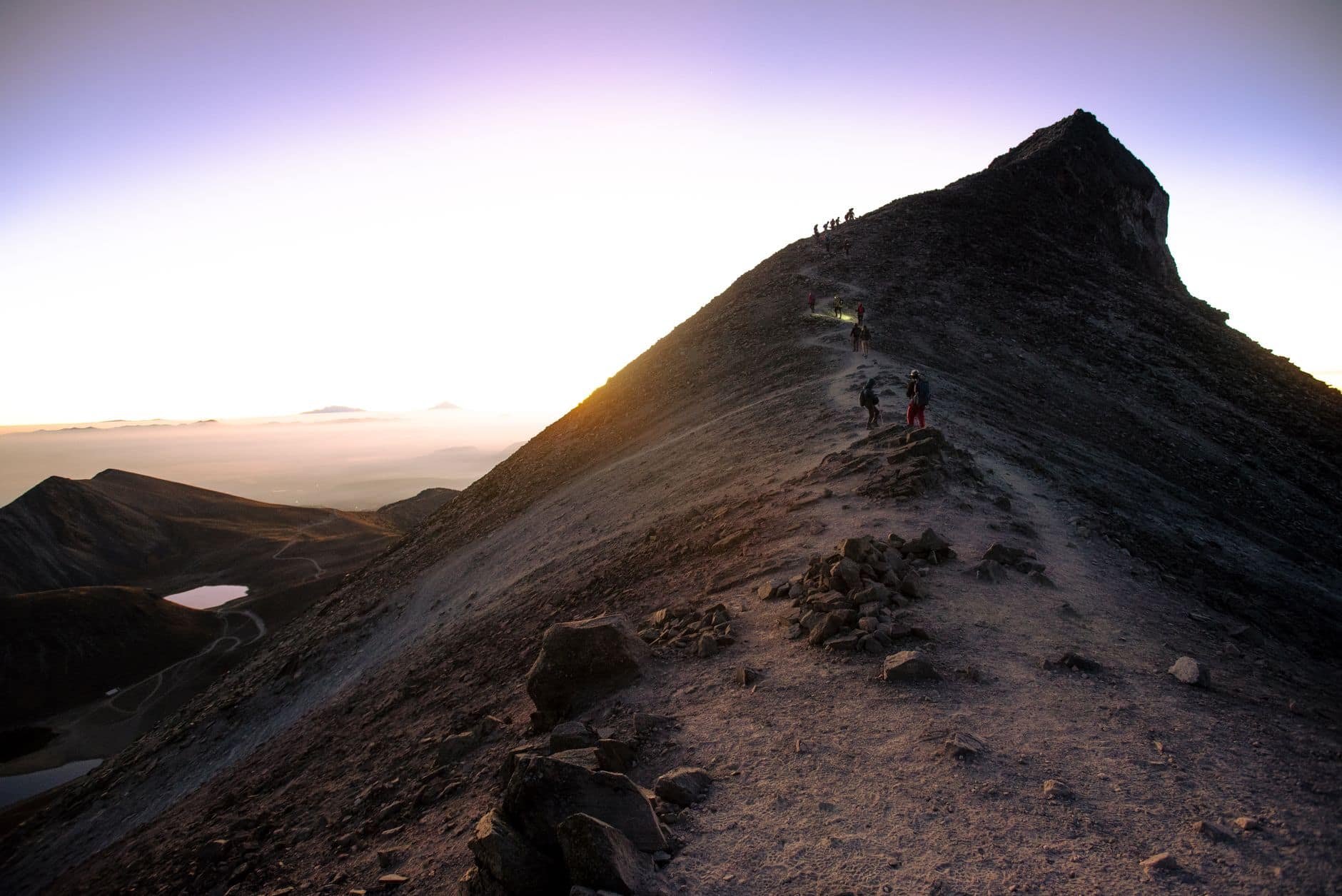
Walking down in the dark
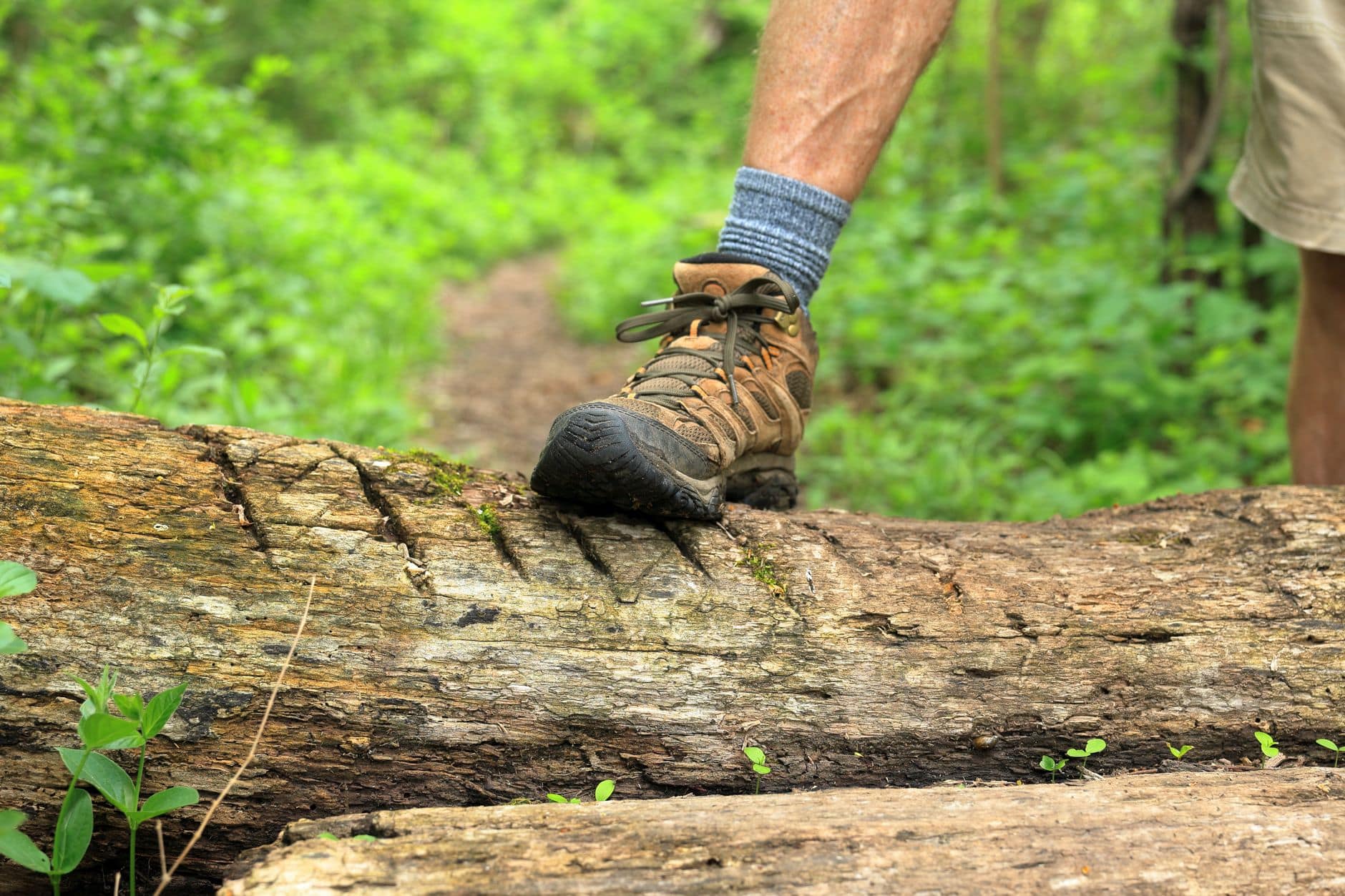
The sunrise hike climbs about two hours by torchlight and descends roughly 1.5 hours in daylight, when the loose volcanic gravel is easy to read. A sunset version flips that: the whole descent by headlamp, tired, on the same gravel. Going down is where the minor injuries on Batur happen.
 #4
#4
Cold and what you carry
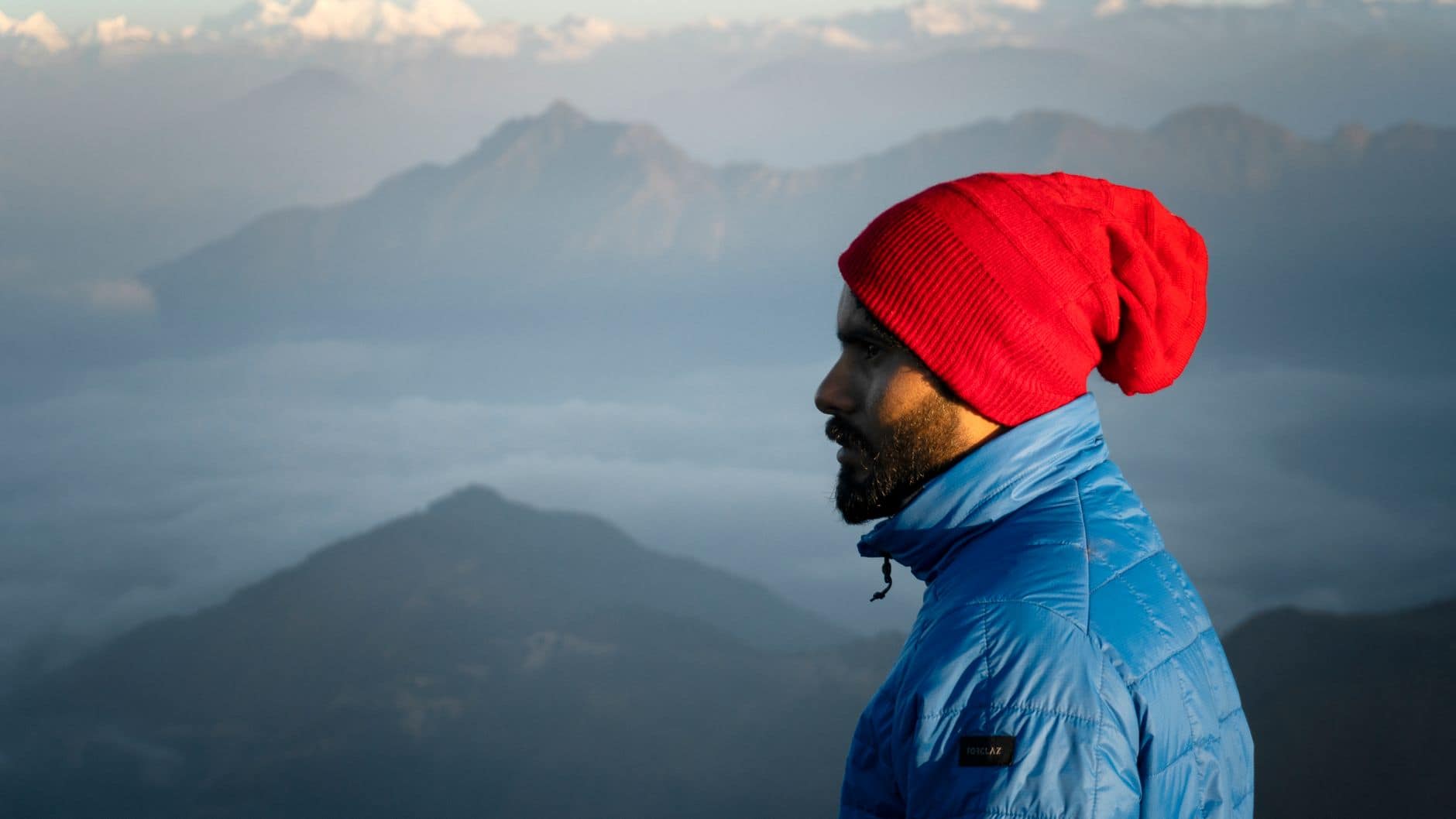
Pre-dawn on the rim runs roughly 10-15°C with wind, and that is the thing guests underestimate most. An evening starts milder and ends cold once the sun is down, so you carry the same jacket either way. Neither version of this mountain is a t-shirt outing.
 #5
#5
Guides, timings and who runs the mountain
Batur is guided every night of the year, so the torches, the pickup windows and the pace on the trail are all built around reaching the top for first light. We run three sunrise formats and no sunset ones, which is less a policy than a reflection of how the mountain works.
 #6
#6
Cost and effort
The guided hike starts from $35, the jeep and hot spring version from $55 and the jeep tour from $45, all 5-8 hours door to door. The price you pay is sleep: pickups fall between 01:30 and 03:30. There is no evening equivalent to compare it against.
 #7
#7
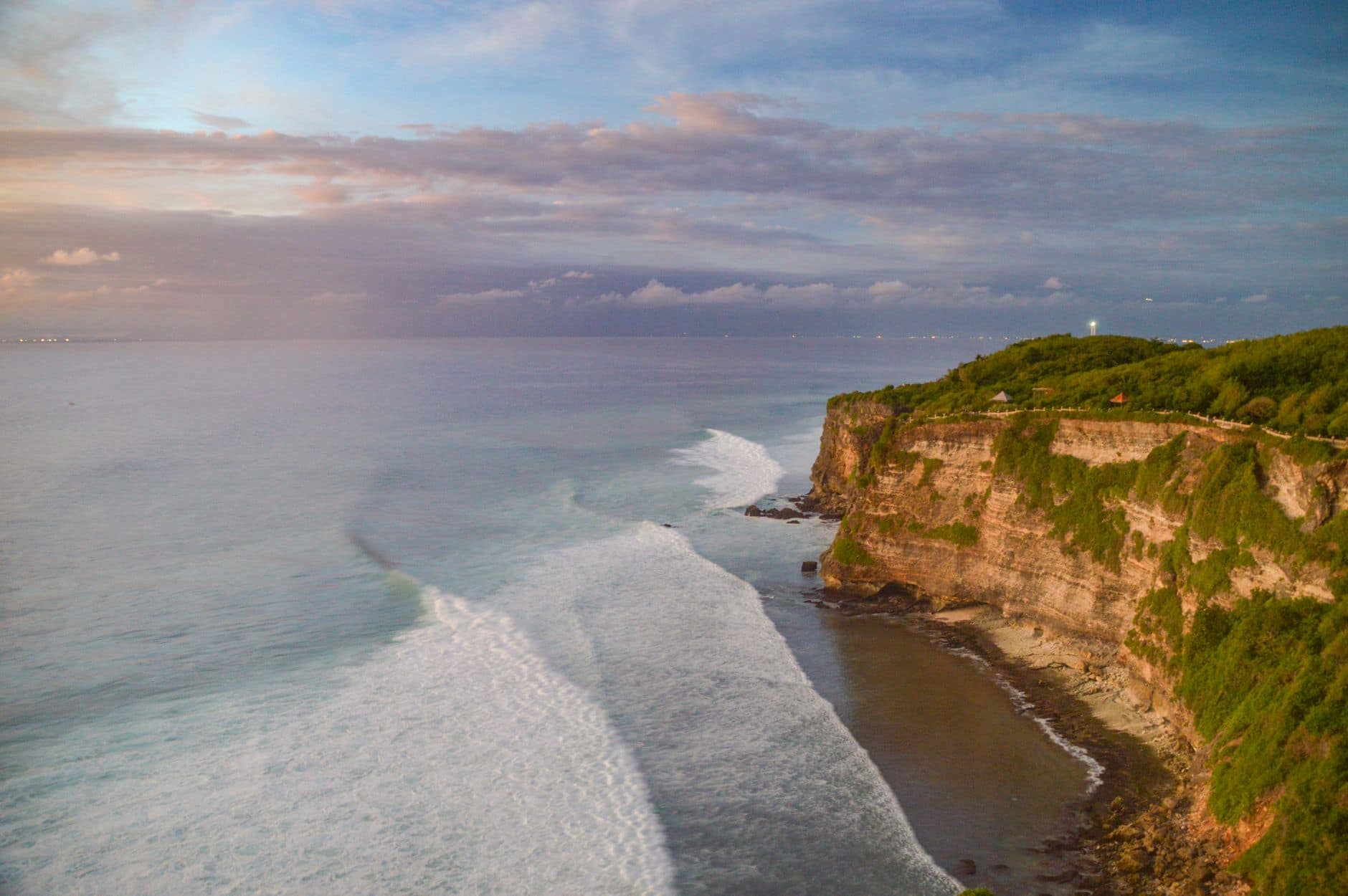
When sunset wins
Bali's sunset belongs on the west coast, where the sun drops into open sea between roughly 18:00 and 18:45. The Uluwatu cliffs, Tanah Lot and a boat off Benoa all give you an evening with no headlamp descent afterwards. Batur is the morning; the coast is the evening.
Sunrise or sunset on Mount Batur, factor by factor
We run three sunrise formats and no sunset trips at all. This is the reasoning laid out rather than asserted:
| Factor | At sunrise | At sunset |
|---|---|---|
| The direction the crater rim faces | East, across Lake Batur toward Mount Agung — the sun comes up behind the cone | The light is behind you, and the caldera falls into shadow |
| The descent | In full daylight, after the sun is up | In darkness on loose scree, which is the part nobody pictures |
| Cloud cover | Cleared overnight; April to October is dependable | Builds through the afternoon over the highlands |
| Tours we offer | Hike from $35, jeep from $45, jeep with hot spring from $55 | Nothing — we send sunset guests to the coast instead |
Why Mount Batur works at sunrise and not at sunset
Mount Batur's rim and its jeep viewpoints look east across Lake Batur toward Mount Agung, and that single fact settles most of the argument. At dawn the sun comes up out of that side of the sky, directly behind Agung's cone, with the caldera lake catching the first light underneath it, and on clear mornings Rinjani on Lombok floats further out on the horizon. Sunrise lands between roughly 06:00 and 06:30 all year, because Bali sits close to the equator. Stand in the same spot in the evening and the sun is dropping behind your shoulder over west Bali, while the view you came up for goes flat and grey.
Then there is the cloud. Cold night air pools in the caldera and leaves a layer of cloud sitting below the rim at first light — that is the sea of cloud in every Batur photo, and it exists because the mountain is colder than the valley floor at 05:30. By late afternoon the ground has been heating for hours and the cloud base has climbed above the 1,717 m summit, so an evening up there means a real chance of standing inside grey rather than above it. For how the neighbouring volcano compares, see Mount Batur vs Mount Agung.
The descent is the part nobody pictures
On the sunrise version you climb in the dark and walk down in daylight, and that order matters more than it sounds. The trail runs about two hours up and 1.5 hours down on volcanic sand and loose gravel, and the descent is where feet slide. Doing it in morning light, when you can read every rock step, is the easy half of the morning. A sunset climb reverses the whole thing: a pleasant walk up in the afternoon, then the entire descent by headlamp, tired, on gravel you cannot see properly.
- The Agung view goes into shadow. The cone you came to photograph sits opposite the setting sun instead of in front of it.
- No cloud sea. The inversion that puts cloud below the rim is a dawn effect; by evening the cloud is above you or around you.
- Full darkness for the whole descent, on the section where most rolled ankles happen — the terrain detail is in is Mount Batur safe.
- Worse cloud odds. From midday the mountain builds its own cloud, and in the wet season it often keeps it until dark.
- No guide rhythm. Batur is guided every night of the year for first light; the torches, timings and pickup windows all exist for the morning.
- A late drive home. You come off mountain roads to Ubud or the coast well after dark, at the end of a long day rather than the start.
This is why we only sell the morning. It is not that an evening on the volcano is impossible — it is that you would do the harder descent and look the wrong way at a view stripped of its best feature. If it were good, we would run it. In practice, guests who ask about a Batur sunset almost always want a good sunset somewhere in Bali rather than a sunset on this particular mountain, and that is a much easier problem to solve.
The three sunrise formats we run
All three go up the same volcano for the same first light. What changes is the effort, the alarm and how the morning ends:
- Mount Batur Sunrise Hike — from $35: the classic guided climb, roughly two hours up by torchlight. Pickup 01:30-03:00, 5-8 hours door to door.
- Mount Batur Sunrise Jeep & Hot Spring — from $55: a 4x4 to the viewpoint, then a soak in the hot springs beside Lake Batur. Pickup 02:00-03:30, 6-8 hours.
- Mount Batur Sunrise Jeep Tour — from $45: 4x4 to a viewpoint for first light, then the black lava fields. Night or pre-dawn pickup, 6-8 hours, no real walking.
Choosing between them is a knees-and-sleep question more than a fitness one, and we break it down in jeep vs hike. Where you sleep sets the alarm: from Ubud the pre-dawn drive is 60-90 minutes and pickups fall at the late end of those windows, covered in Mount Batur sunrise from Ubud, while from Canggu, Seminyak or Uluwatu you add an hour or more each way — see the same morning from south Bali. Every tour is private, booked over WhatsApp, with no prepayment.
If it is a sunset you want, take it to the coast
The honest reframe for most people asking this question: you do not want a Batur sunset, you want a good sunset. Bali's evenings belong to the west coast, where the sun drops into open sea between roughly 18:00 and 18:45 year-round and you get about 30 usable minutes of light. The Uluwatu cliffs, Tanah Lot and the beaches at Seminyak and Canggu all deliver that with no headlamp involved. Our best sunset spots in Bali sorts them by where you are sleeping, and Tanah Lot vs Uluwatu settles the two icons.
On the water, the Bali sunset cruise from Benoa runs 2-4 hours from $150 with late-afternoon transfer support, and it is the one option nobody else is standing in. If the real objection is the 2 a.m. alarm rather than the sunset, you can still see the Batur caldera in daylight: the Ubud Rice Terrace, Temple & Volcano Tour leaves at 08:00, runs 10 hours and includes the Kintamani crater view, **from $65 per car. That is a viewpoint stop rather than the sunrise, and we would rather say so than pretend otherwise.
Cold, layers and the rest of your day
Whichever format you pick, dress for roughly 10-15°C and wind at around 1,700 m. After a week at sea level that reads as genuinely cold, and it is the regret we hear most often on this trip. The working outfit is long trousers, a t-shirt, a fleece or hoodie, a windproof shell on top, and closed shoes with grip if you are hiking. Pack sunscreen and sunglasses too, because by 07:30 you are in full equatorial sun with the night layers tied around your waist. Our what to pack for Bali guide argues for exactly one warm layer in the suitcase; this is the morning it earns its place.
The day afterwards is the second half of the trade. All three formats run 5-8 hours door to door, so a pickup in the small hours has you back by late morning with the afternoon free for a nap. Schedule nothing before 14:00, and do not stack two pre-dawn starts on consecutive days. Cloud odds swing by month as well — the dry season from April to October gives the most reliable clear mornings — which is mapped out in our month-by-month guide to visiting Bali.
FAQ
Is Mount Batur better at sunrise or sunset?
Sunrise, clearly. The rim faces east across Lake Batur at Mount Agung, so at dawn the sun comes up behind the cone with a layer of cloud sitting in the caldera below you. In the evening that same view is in shadow, the cloud sea is gone, and you finish with a 1.5-hour descent on loose gravel in the dark. We run sunrise tours from $35 and none at sunset.
Can you hike Mount Batur at sunset?
We do not run it and would not build an evening around it. The climb itself is the same two hours, but you would descend the loose volcanic gravel entirely by headlamp at the end of a long day, and the caldera view faces away from the setting sun. Cloud on the summit is also more likely in the afternoon than at dawn.
What is the difference between the Mount Batur sunrise and sunset view?
Direction and cloud. At sunrise you look east over Lake Batur with the sun rising behind Mount Agung, and on cool mornings a sea of cloud sits below the rim. At sunset the sun is behind you over west Bali, the caldera and Agung fall into flat shadow, and the cloud has usually lifted above the 1,717 m summit rather than settling under it.
What time is sunrise at Mount Batur?
Between roughly 06:00 and 06:30 all year, since Bali sits close to the equator. The strongest colour often arrives 20-30 minutes before the sun clears the horizon, which is why pickups run from 01:30 for the guided hike and around 02:00-03:30 for the jeeps. Your exact time is confirmed on WhatsApp the day before.
Do you always see the cloud sea at Mount Batur?
No. It is a dawn effect — cold night air pooling in the caldera — so it is common in the early morning and gone by day, but it is weather rather than a guarantee. Clear dry-season mornings between April and October are the most reliable. Any operator promising it every time is selling you something.
Can you see Mount Agung from Mount Batur?
Yes, and it is the main reason to be up there. Agung stands across the caldera to the east and the sun rises behind it, which is the Bali volcano photograph most people have in mind. On clear mornings Rinjani on Lombok appears further out. In the evening the same cone simply sits in shadow with the sun behind you.
Recommended Bali tours for this guide
Mount Batur Sunrise Jeep Tour
This is one of the most accessible sunrise adventures in Bali because you still get the volcano mood without committing to a full trekking route. It is ideal for couples, small groups, and guests who want a signature morning with strong visuals.
- Duration
- 6-8 hours
- Area
- Kintamani and Mount Batur
- Format
- Private or small group jeep trip
- Best for
- Adventure lovers and sunrise seekers
From $45 No prepayment
View tour
Mount Batur Sunrise Hike
This is the classic Bali volcano morning: a real summit trek that stays within reach of most fitness levels, with the uphill section taking around 1.5 to 2 hours. It suits couples, friends, and solo travelers who would rather earn their sunrise than drive to it.
- Duration
- 5-8 hours
- Area
- Kintamani and Mount Batur
- Format
- Private guided summit trek
- Best for
- Active travelers and sunrise seekers
From $35 No prepayment
View tour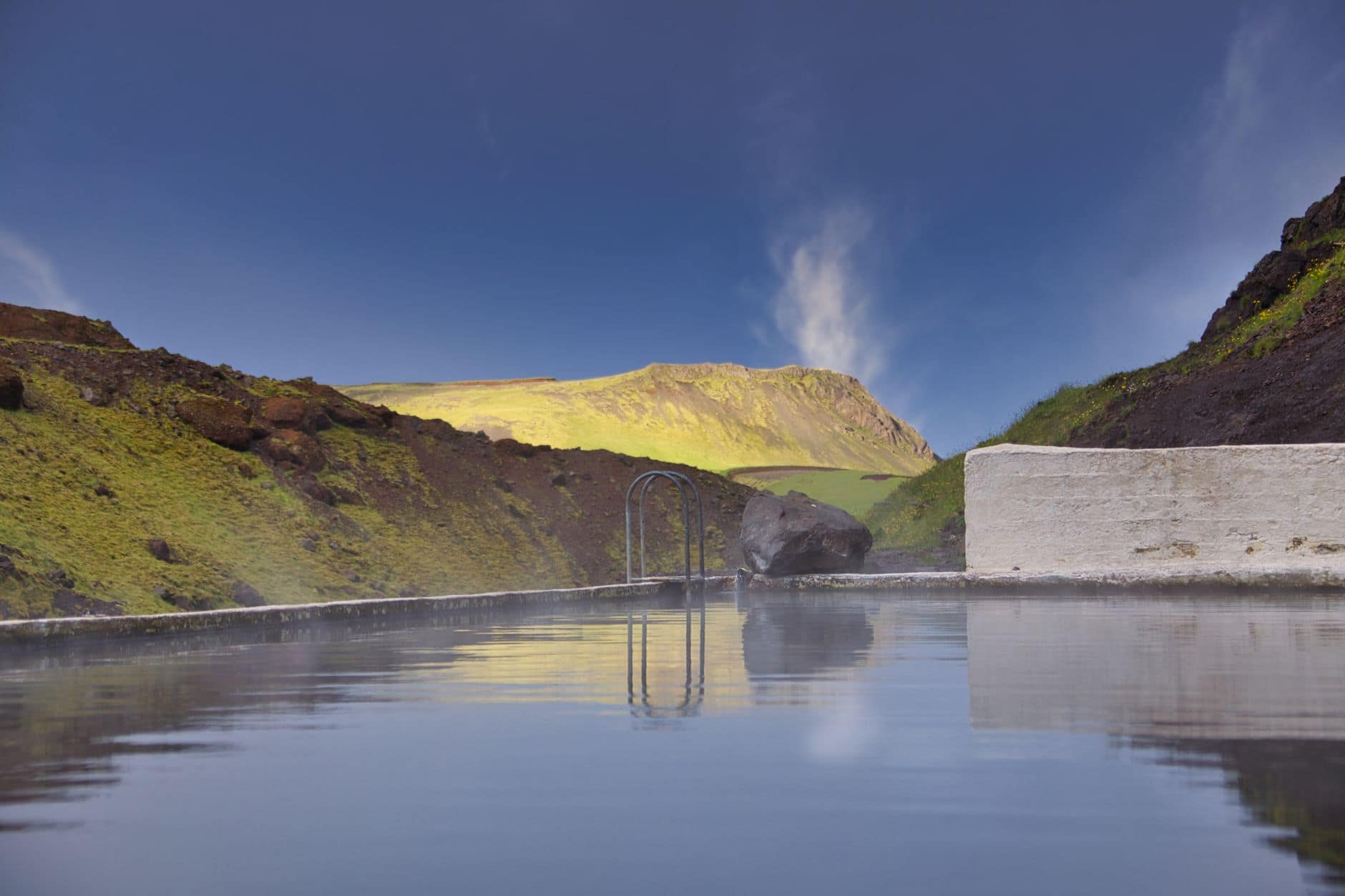
Mount Batur Sunrise Jeep & Hot Spring
This combo adds the one thing most volcano mornings skip: a warm-water finish before the drive back. It suits couples and small groups who want the complete Batur sequence — sunrise viewpoint, lava fields, and hot spring — in a single pre-dawn outing with no summit hike.
- Duration
- 6-8 hours
- Area
- Kintamani and Mount Batur
- Format
- Private or small group jeep trip
- Best for
- Sunrise seekers who want to end with a soak
From $55 No prepayment
View tour