

You can climb Mount Batur in the rainy season: from November to March our guides still run most mornings and cancel only in genuinely bad weather. What changes is the texture of the morning, not the schedule. The upper section of loose volcanic sand turns slippery after rain, the 30–60 minute wait at the top is colder, and cloud can swallow the sunrise entirely — that last one is the real risk, because nobody can promise a view in the wet months. The honest play has two parts. First, keep a backup morning: booking carries no prepayment, so shifting to the next day costs nothing. Second, consider the format where weather cannot spoil the whole outing — the Sunrise Jeep & Hot Spring tour from $55, which ends with a soak in the natural lakeside springs whether the horizon cooperated or not. Below is a risk-by-risk breakdown of what actually happens up there between November and March.
By Alex Moskvin, Founder of SB Excursions · Published 21 May 2026 · Updated 23 October 2026
Tour on this route: Mount Batur Sunrise Jeep & Hot Spring — From $55, 6-8 hours.
Can you climb Mount Batur in December?
Yes. December sits inside the November–March wet season, and guides still run most mornings, cancelling only in genuinely bad weather. Sunrise lands between 06:00 and 06:30 as it does all year. The practical differences are a slippery upper section after rain and a higher chance that cloud blocks the view, so plan the climb early in your stay and keep a backup morning.
This guide also answers:
- What happens if it is cloudy at the top of Mount Batur?
- Is the Mount Batur trail dangerous when it is wet?
- What should I wear for Mount Batur in the rainy season?
Top picks from this guide
 #1
#1
Mount Batur Sunrise Jeep & Hot Spring
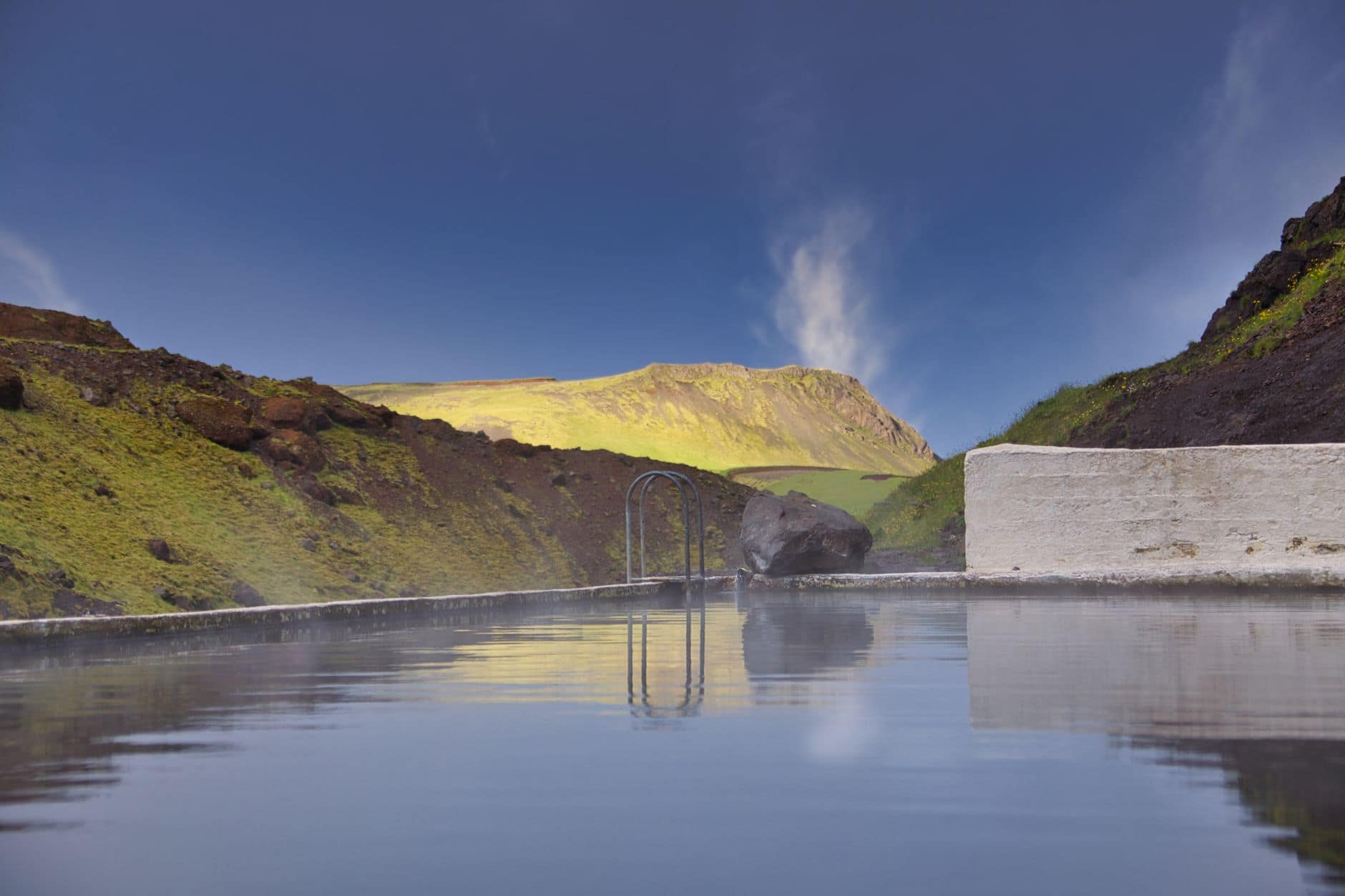
The 4x4 takes the climbing out of the equation, so wet sand on the upper trail stops mattering. Pickup runs 02:00–03:30, the viewpoint covers the 06:00–06:30 sunrise window, and the morning ends with a soak in the natural hot springs on the lake shore. If cloud takes the horizon, you have still had the caldera, the jeep track and a hot bath — the weather cannot cancel all three at once.
 #2
#2
Mount Batur Sunrise Jeep Tour
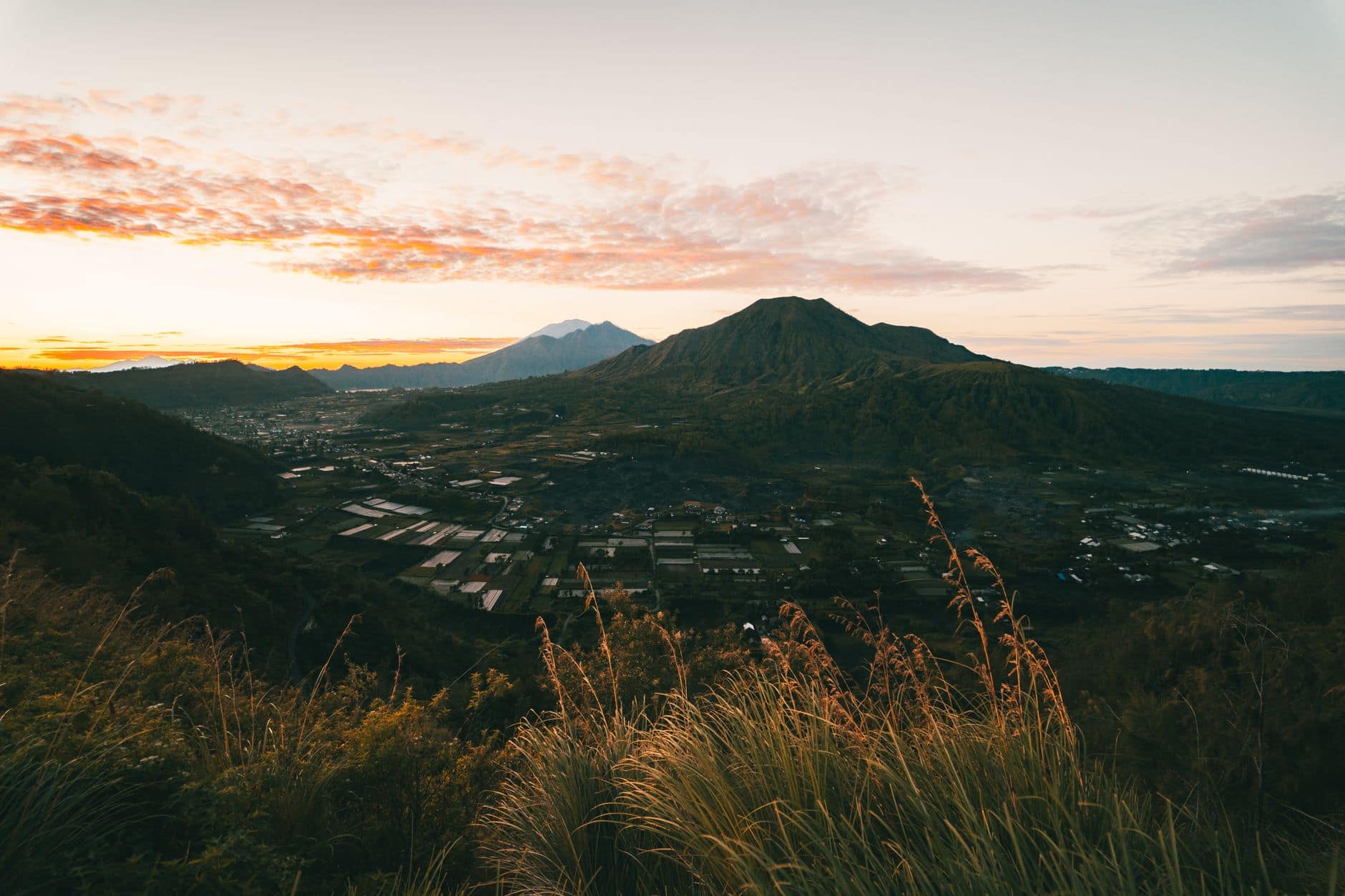
Same weather logic as the hot-spring version, one stop shorter. The 4x4 reaches the sunrise viewpoint, so nobody negotiates slippery volcanic sand in the dark, and the outing runs 6–8 hours door to door from $45. Its one wet-season weakness: if cloud takes the view, the view was the main event. The hot-spring stop exists precisely to cover that gap, which is why we rank it higher in these months.
 #3
#3
Mount Batur Sunrise Hike
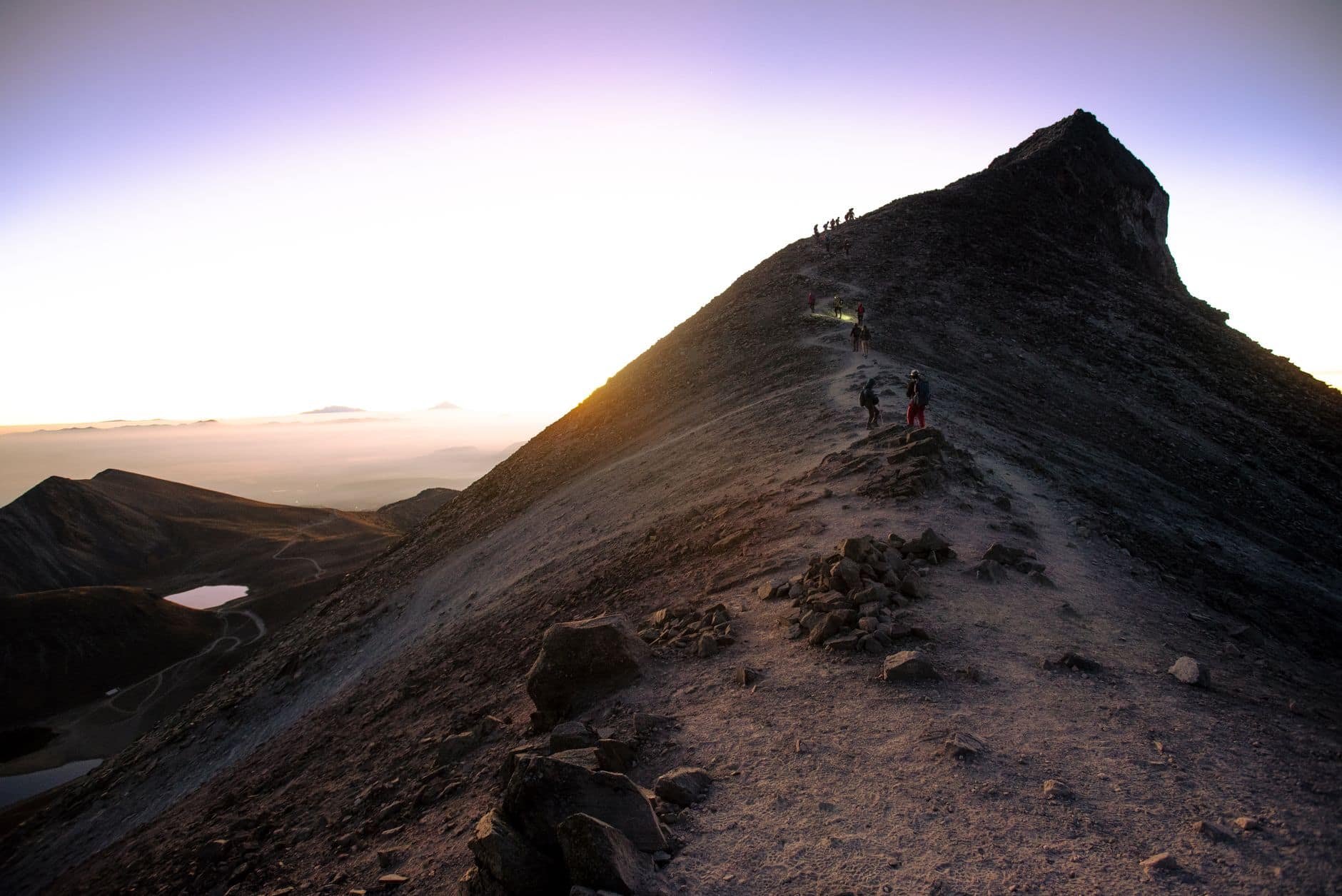
The climb itself still runs most rainy-season mornings: around 700 m of ascent in 1.5–2 hours at a guided pace, then 30–60 minutes on the rim, from $35. After rain the upper section is genuinely slippery and the descent asks for concentration. Book it early in the trip so a spare morning exists, and treat footwear with real tread as non-negotiable.
 #4
#4
Daytime Kintamani rim road
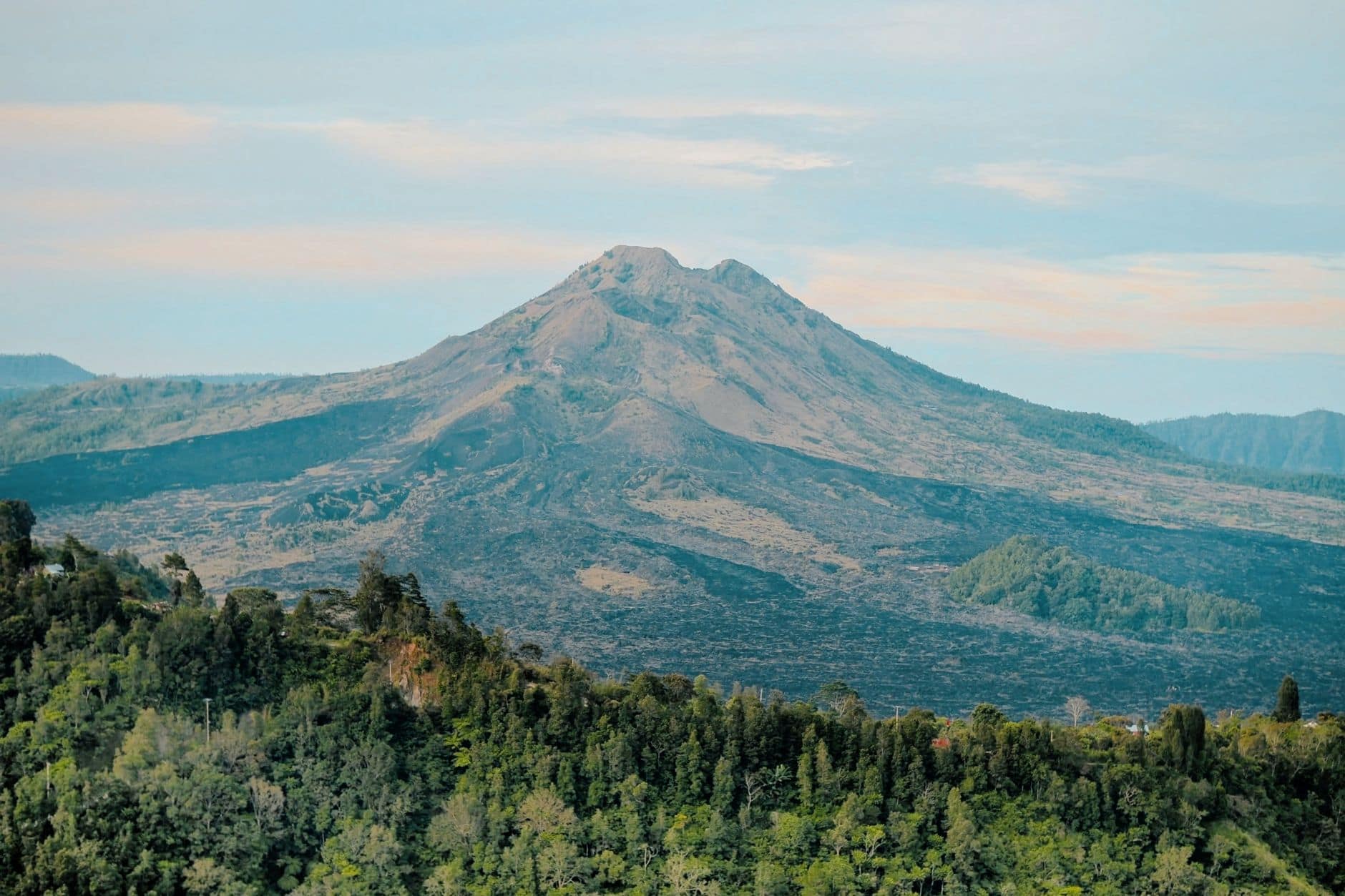
The rim road above the caldera is public and the daytime view of the lake and the cone costs nothing. In the wet months this is the zero-risk option: if the sky turns grey you have lost a drive, not a summit. A private car with driver runs from $59 per car for a flexible day, and Kintamani pairs naturally with Ubud stops on the way back.
 #5
#5
Wet-weather kit for the climb
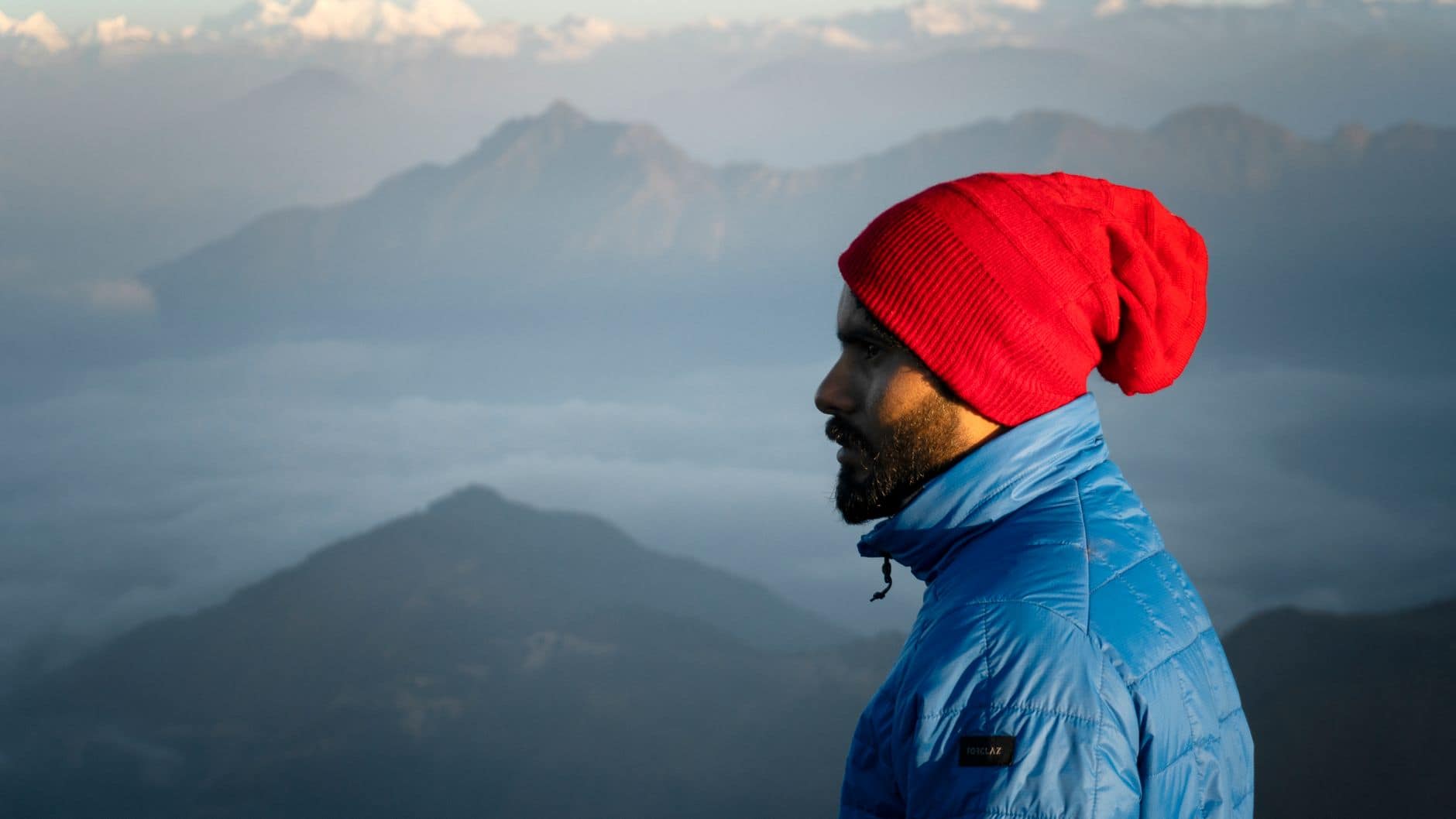
Three things change a wet-season climb more than any forecast: shoes with real tread for the loose volcanic sand, a fleece for the 30–60 minute summit wait, and a windproof shell, because the cold up there is wind chill rather than low air temperature. None of it needs to be technical mountain gear — it needs to grip the sand and block the wind.
What actually happens on the mountain from November to March
The mountain does not close for the wet season. From November to March guides still run most mornings and call a climb off only when the weather is genuinely bad — the pattern is a rained-out night here and there, not a shut trail. The volcano is monitored continuously and the sunrise trail operates daily. What the wet months really change is the spread of outcomes at the top, so here is each risk, what it actually does, and the honest way to play it.
| Month band or risk factor | What actually happens | How to plan around it |
|---|---|---|
| November to March, the season as a whole | Guides run most mornings and cancel only in genuinely bad weather; the trail operates daily under continuous volcano monitoring | Book normally, but keep one spare morning free in case a night is called off |
| December and January, the middle of the wet season | No month inside the band is reliably clearer at sunrise than another; the honest answer is that the odds are the same across the season | Climb early in your stay so a backup morning exists; do not save Batur for the last day |
| Rain on the trail before or during the climb | The upper section of loose volcanic sand becomes slippery, and the descent is where it bites — the surface rolls like ball bearings underfoot | Shoes with real tread, a guided pace, and extra patience on the way down |
| Cloud cover at sunrise | Sunrise still lands between 06:00 and 06:30, but cloud can swallow the view entirely and no operator can promise otherwise | Accept the odds, or choose the jeep and hot-spring format so the soak carries the morning |
| A genuinely bad forecast overnight | The local guide association calls the morning off; solo walkers are turned around at the trailhead in any weather | There is no prepayment, so moving the booking to the next morning over WhatsApp costs nothing |
| Cold during the summit wait | The 30–60 minutes on the rim feel cold because of wind chill, not because of extreme air temperature | A fleece plus a windproof shell fixes it |
All rows assume a private tour with hotel pickup and return. Ubud pickups run around 02:30, the latest on the island; south-coast areas leave roughly a full hour earlier.
The trail after rain: wet sand, not mud
Batur's upper trail is loose black volcanic sand rather than soil, so rain does not turn it into a mudslide — it makes an already shifting surface slick. You climb around 700 m of the 1,717 m summit, and the ascent still takes 1.5–2 hours at a guided pace in the wet months; guides simply slow down where the surface is worst. The descent, about 1.5 hours in daylight, is where the season bites: the sand behaves like ball bearings underfoot, and after rain it takes real concentration. Our note on how hard the climb is covers the grades in detail.
The trailhead is managed by the local guide association, and solo hikers are regularly turned around — in the rainy season that system works in your favour, because it is the association on the mountain, not a hotel reception desk, that decides whether a night is safe to run. When they call a morning off, it is genuinely off for everyone.
Clothing barely changes from the dry season. The cold during the 30–60 minute summit wait is wind chill, so a fleece under a windproof shell handles it, and the one wet-season upgrade that matters is footwear with proper tread. The full list is in what to wear for the sunrise.
Why the jeep and hot spring is the wet-season format
Every other Batur format carries a single point of failure in the wet months: the view. The jeep and hot-spring morning, from $55, is built so the weather cannot take everything. Pickup runs 02:00–03:30, a 4x4 reaches the sunrise viewpoint — nobody touches wet sand in the dark — and the morning ends with a soak in the natural hot springs on the shore of Lake Batur. If the sunrise lands clear between 06:00 and 06:30, you got the full show plus the bath. If cloud swallows it, you still finish the morning warm, in the water, looking at the lake.
The comparison with the other two formats is honest rather than close. The hike from $35 is the better morning when the sky cooperates and the worse one when it does not; the plain jeep tour from $45 removes the wet trail but keeps everything invested in the view. We walk through that trade-off in jeep versus hike, and the springs themselves are covered in our hot springs guide.
Booking tactics for the wet months
The single most useful wet-season tactic costs nothing: put the climb early in your stay. Bookings run over WhatsApp with no prepayment, so if the guide association cancels a night, the morning simply moves. The only thing that can actually be lost is calendar space — and only if you saved Batur for your final day.
Departure logistics do not change with the season. From Ubud the drive is about 90 minutes and pickups are the latest on the island, at around 02:30; Seminyak, Canggu and Kuta sit 1.5–2.5 hours out and leave roughly a full hour earlier; Nusa Dua, Jimbaran and Uluwatu occupy the top of that range. At 02:00 the roads are empty, so the outbound leg is usually the fastest drive of the whole trip. Exact times by area are in when to leave for the sunrise.
And if the weather wins twice? The Kintamani rim road is public, and the daytime view over the caldera and lake costs nothing. A private car with driver from $59 per car turns a lost sunrise into an unhurried Kintamani day — the same volcano, seen from the rim at a reasonable hour, with no alarm set for the small hours.
FAQ
Can you climb Mount Batur in December?
Yes. December sits inside the November–March wet season, and guides still run most mornings, cancelling only in genuinely bad weather. Sunrise lands between 06:00 and 06:30 as it does all year. The practical differences are a slippery upper section after rain and a higher chance that cloud blocks the view, so plan the climb early in your stay and keep a backup morning.
Is Mount Batur cancelled when it rains?
Rarely. The local guide association that manages the trailhead calls mornings off only in genuinely bad weather; ordinary wet-season showers do not stop the climb. If a morning is cancelled, a private booking with no prepayment simply moves to the next day over WhatsApp at no cost — which is why we tell rainy-season guests to keep one spare morning in the plan.
What happens if it is cloudy at the top of Mount Batur?
Sometimes cloud swallows the view completely, and no operator can honestly promise otherwise between November and March. Sunrise still happens between 06:00 and 06:30 behind the cloud, and the crater rim, the caldera and the walk down remain. This is the argument for the jeep and hot-spring format from $55: if the horizon fails, the soak in the lakeside springs still makes the morning.
Is the Mount Batur trail dangerous when it is wet?
The upper section is loose black volcanic sand, and after rain it turns slippery — the descent is where most people feel it, because the surface rolls underfoot. With a guide setting the pace and shoes with proper tread it stays a manageable hike rather than a dangerous one. The ascent takes 1.5–2 hours at a guided pace; allow about 1.5 hours back down in daylight.
Is January worse than December for Mount Batur?
Not in any way we can honestly measure. Both months sit in the middle of the November–March wet season, and neither is reliably clearer at sunrise than the other. Guides run most mornings in both. The variable that actually matters is not which month you pick but whether your itinerary keeps a spare morning free in case the first attempt meets rain or cloud.
What should I wear for Mount Batur in the rainy season?
Shoes with real tread for the wet volcanic sand, a fleece for the 30–60 minute wait at the summit, and a windproof shell — the cold up there is wind chill rather than low air temperature. Nothing needs to be technical mountain gear. The same layers cover the jeep viewpoint, which sits in the same wind at the same hour.
Recommended Bali tours for this guide
Mount Batur Sunrise Jeep Tour
This is one of the most accessible sunrise adventures in Bali because you still get the volcano mood without committing to a full trekking route. It is ideal for couples, small groups, and guests who want a signature morning with strong visuals.
- Duration
- 6-8 hours
- Area
- Kintamani and Mount Batur
- Format
- Private or small group jeep trip
- Best for
- Adventure lovers and sunrise seekers
From $45 No prepayment
View tour
Mount Batur Sunrise Hike
This is the classic Bali volcano morning: a real summit trek that stays within reach of most fitness levels, with the uphill section taking around 1.5 to 2 hours. It suits couples, friends, and solo travelers who would rather earn their sunrise than drive to it.
- Duration
- 5-8 hours
- Area
- Kintamani and Mount Batur
- Format
- Private guided summit trek
- Best for
- Active travelers and sunrise seekers
From $35 No prepayment
View tour
Private Car with Driver in Bali
This is one of the most useful products in Bali because so many plans become easier once transport is flexible. It is perfect for custom sightseeing, shopping days, family pacing, and travelers who already know roughly where they want to go.
- Duration
- Flexible daily use
- Area
- All major Bali regions
- Format
- Private transport service
- Best for
- Travelers who want total route flexibility
From $59 per car No prepayment
View tour