

Manta Bay and Manta Point are not two names for the same place. They are two moorings on different coasts of Nusa Penida, roughly twenty minutes apart by boat, and almost every operator prints one name on the itinerary and takes you to whichever the sea allows that morning. Manta Point is the famous one: a cleaning station on the exposed south-west corner where mantas come in to be groomed by small fish. Manta Bay sits under the west cliffs near Kelingking, is shallower and much better sheltered, and is where the fleet goes when a southern swell shuts the point. Same species, same trip price, different day in the water. Snorkeling from $29.
By Alex Moskvin, Founder of SB Excursions · Published 21 May 2026 · Updated 23 October 2026
Tour on this route: Snorkel with Manta Rays, Nusa Penida — From $29, full day.
Is Manta Bay the same as Manta Point?
No. They are two separate moorings on Nusa Penida about twenty minutes apart by boat. Manta Point is a cleaning station on the exposed south-west corner; Manta Bay is a sheltered feeding spot on the west coast below the Kelingking cliffs. Most operators advertise Manta Point and go to whichever the sea allows on the day.
This guide also answers:
- How much does a manta snorkeling trip from Bali cost?
Top picks from this guide
 #1
#1
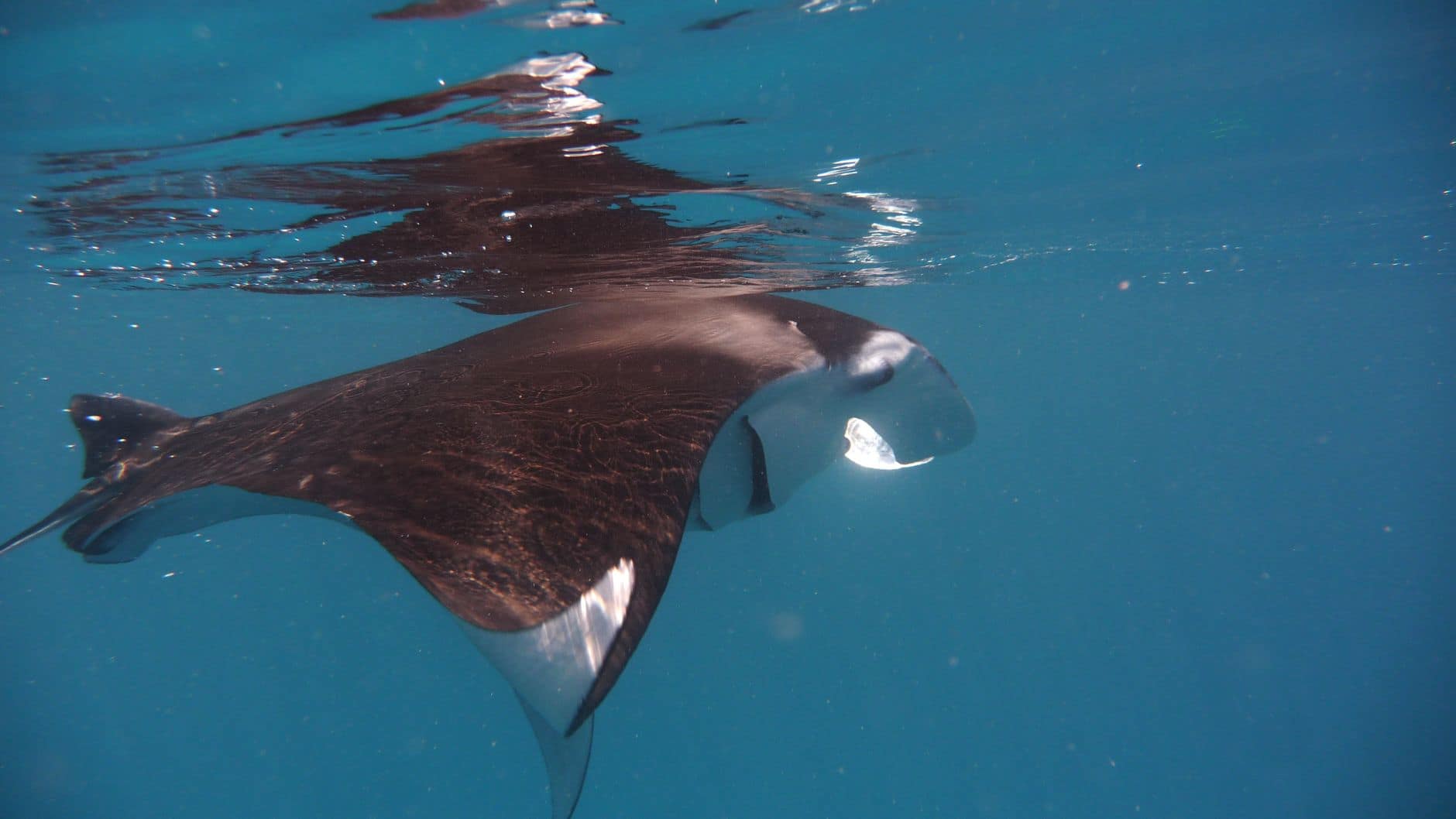
Manta Point — the cleaning station
Mantas come here for a service rather than for food: small wrasse pick parasites off their skin and gills while the animals hold position over the reef. That gives them a reason to return in every month of the year, and it is why sightings here are unusually consistent for a wild animal. The cost of that reliability is exposure — the corner takes the full southern swell and closes on more mornings than people expect.
#2
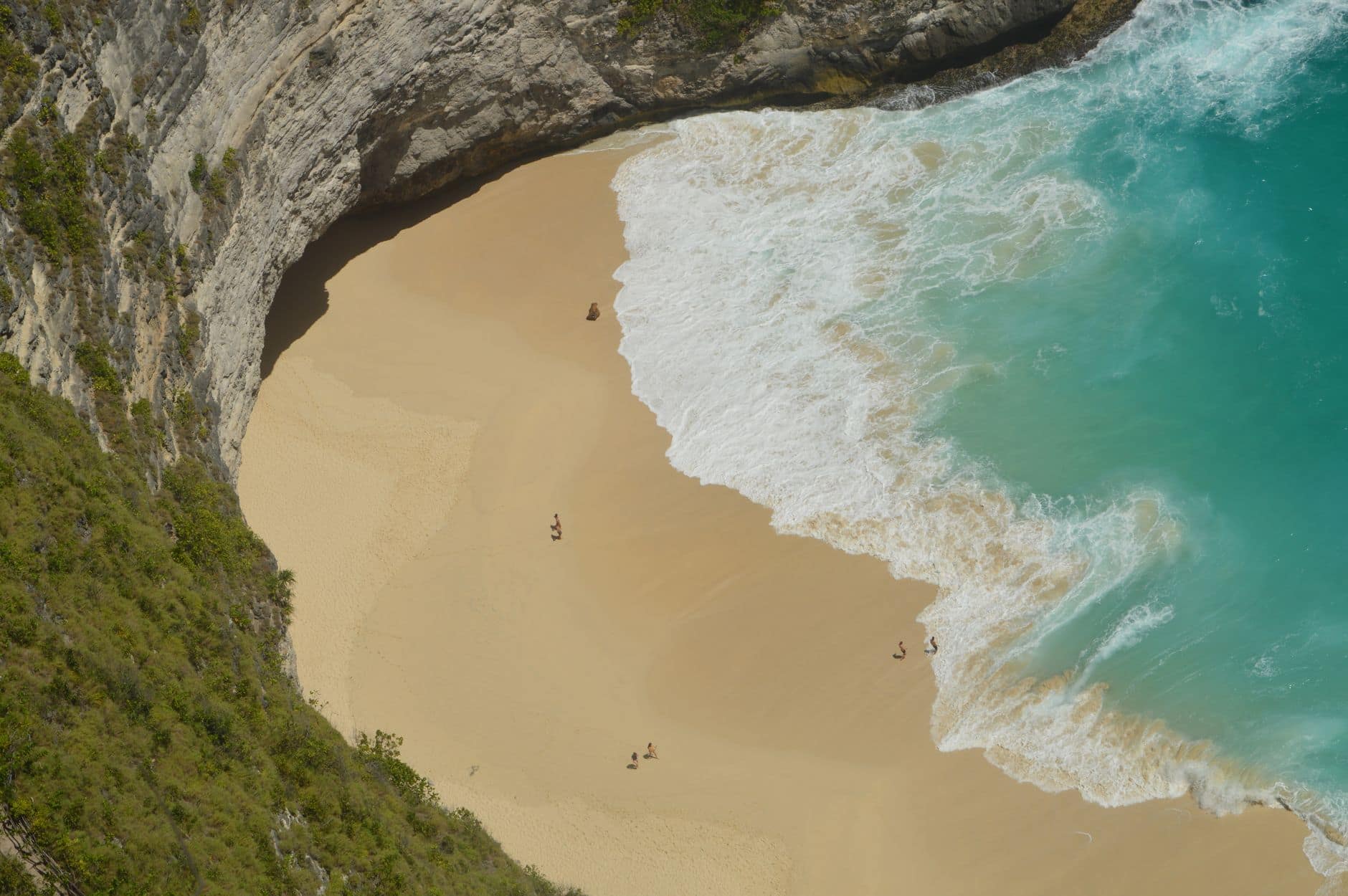
Manta Bay — the sheltered one
A bay on the lee side of the island where mantas come in to feed rather than to be cleaned. It is shallower, the water moves less, and the cliffs above it are the same ones you look down from at Kelingking. Because it is closer to the harbour and out of the swell, it is the default substitute — and on a rough morning, a good session here beats a cancelled one at the point.
 #3
#3
What is identical at both
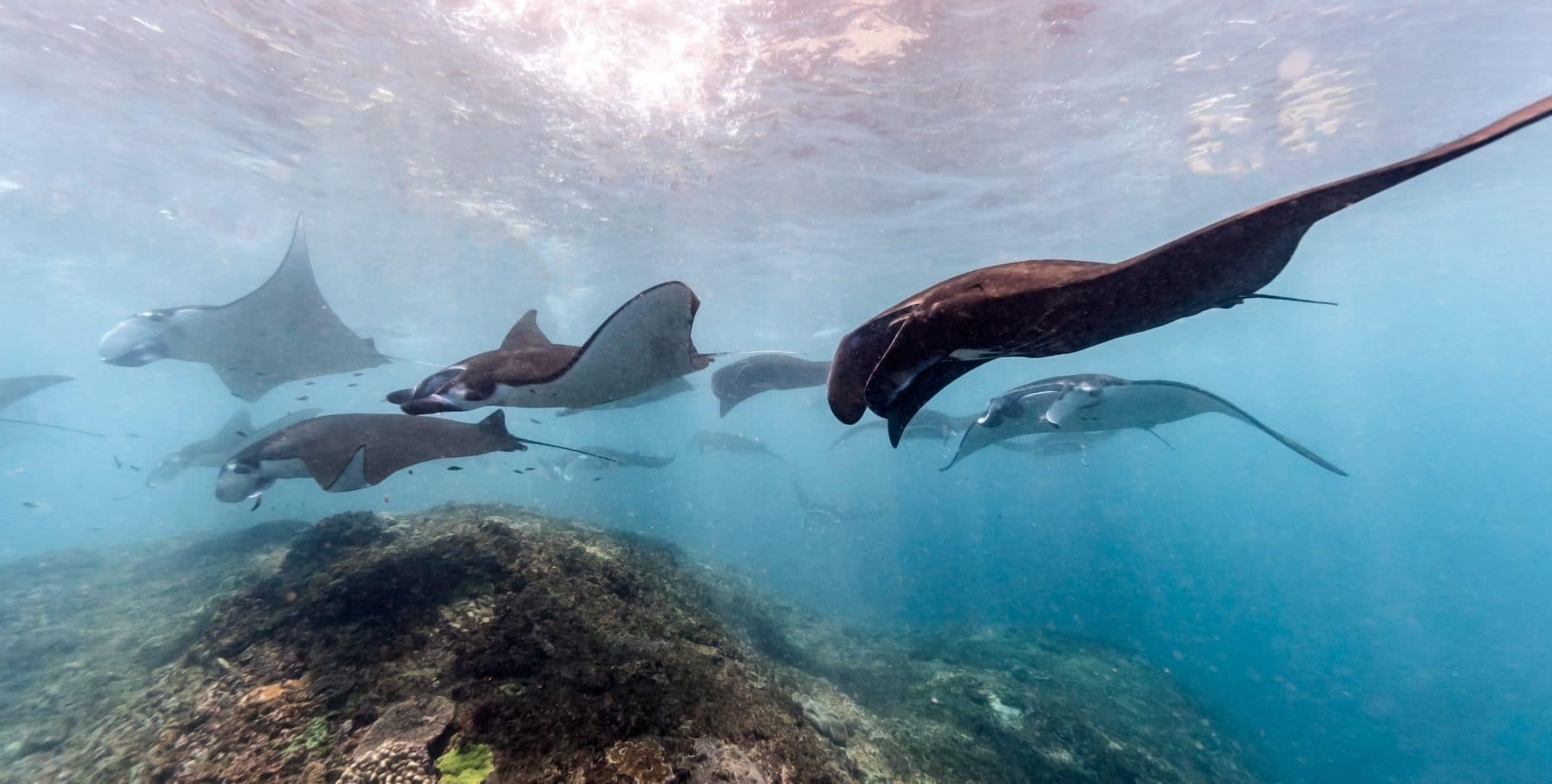
Reef mantas, not the giant oceanic species. Wingspans commonly around three metres, occasionally larger. Boat entry down a ladder into open water at both, life vests at both, twenty to forty minutes floating at both. Neither mooring guarantees anything: these are wild animals, and any operator promising a sighting is selling certainty they do not have.
 #4
#4
What actually differs
Depth, shelter and behaviour. At the point the animals hover over a fixed patch of reef and you watch them work a circuit, which usually gives longer, steadier encounters. In the bay they are moving and feeding, so sightings can be briefer but the water is easier and the surface is flatter. If you get seasick or you are new to open water, the bay is the better day.
Side by side
Both stops appear on the same trips at the same price. This is what changes between them:
| Manta Point | Manta Bay | |
|---|---|---|
| Where | South-west corner, open ocean side | West coast, below the Kelingking cliffs |
| Why mantas are there | A cleaning station — they come to be groomed | Feeding — they come to eat and move on |
| Shelter | Exposed; closes on swell | Sheltered by the island |
| Water under you | Deeper, with surface movement | Shallower and flatter |
| Encounter | Longer, animals hold position | Often briefer, animals are moving |
| Boat time from the harbour | Longer, around the south | Shorter, straight down the west coast |
Neither is a downgrade. If your priority is the longest, calmest look at an animal holding still above the reef, you want the point. If your priority is actually getting in the water on a rough morning without being thrown around, you want the bay. Most people booking a single day get whichever the captain judges safe, and that is the right way round.
Why your itinerary says one thing and the boat does another
Operators print Manta Point because that is what people search for. The name is now used for the manta stop in general, in the same way that every waterfall tour in the north gets sold as Sekumpul. When the crew turns north instead of south on the morning, nothing has gone wrong with your booking — the swell call has simply been made, and it is made identically for every boat leaving the harbour that day.
What you can do is ask before you get on. A straight question over WhatsApp the evening before — which mooring is the plan, and what is the alternative — gets a straight answer, and it takes the surprise out of the morning. There is no prepayment on any of these trips, so if the honest answer is that the forecast is poor, moving to another day costs you nothing.
Which one gives you a better chance of seeing anything
Over a year, the point. A cleaning station is a service the animals need repeatedly, so they come back to the same square of reef on a routine, and that is a stronger reason to be somewhere than food that drifts. This is also why there is no manta season at Nusa Penida in the way people expect — the full month-by-month picture is in manta ray season in Bali.
On any single morning, though, the honest answer is whichever one is open. A perfect day at the point beats a good day at the bay; a good day at the bay beats a cancelled trip, and cancellations are common enough between November and March that this is a real comparison, not a theoretical one. If the mantas are the reason you are crossing the strait at all, book the sea day early in your holiday so there is a spare morning behind it.
The rest of the day is the same either way
Whichever manta mooring you get, the boat then works the same short list: Gamat Bay for coral, Crystal Bay for a calm swim off the sand, and the reef at Toyapakeh in the strait for fish. What each of those is like is in our guide to the four Nusa Penida snorkeling stops.
If you would rather not spend the whole day on the water, the manta stop pairs naturally with the island's land route. The Nusa Penida West Tour from $49 per car covers Kelingking, Angel's Billabong and Broken Beach — the cliffs directly above Manta Bay, which is a strange and good thing to see from both sides in one day.
Which trip to book
Shared snorkeling day, from $29 — the Manta Point snorkeling trip is the standard version with early hotel pickup, the fast boat crossing, gear and a guide in the water. The mooring is chosen on the morning by the crew.
Private day, from $60 — the private Nusa Penida day tour with manta snorkeling lets you leave before the fleet and stay in the water while the animals are still on the station. It also means the choice of mooring is discussed with you rather than announced to you, which is the part regular snorkellers care about most.
Sea and land in one crossing, from $75 — the Nusa Penida full day tour puts the manta stop and the west-coast viewpoints into a single day with hotel pickup. Everything is booked on WhatsApp with no prepayment, so a bad forecast is a rescheduling problem rather than a money problem.
FAQ
Is Manta Bay the same as Manta Point?
No. They are two separate moorings on Nusa Penida about twenty minutes apart by boat. Manta Point is a cleaning station on the exposed south-west corner; Manta Bay is a sheltered feeding spot on the west coast below the Kelingking cliffs. Most operators advertise Manta Point and go to whichever the sea allows on the day.
Which is better, Manta Bay or Manta Point?
Manta Point gives longer and steadier encounters, because the animals hold position over the reef while they are being cleaned. Manta Bay gives calmer, shallower water and a shorter boat ride, which matters a great deal if you get seasick or you are new to open water. Over a year the point is the more reliable place; on any given morning the better one is whichever is not closed by swell.
Why did my boat go to Manta Bay instead of Manta Point?
Almost always the southern swell. Manta Point faces the open ocean and shuts on rougher mornings, so the captain moves to the sheltered bay under the west cliffs. The call is made on the water and applies to every boat in the area that day. It is a safety decision, not an operator substituting something cheaper.
Where exactly is Manta Bay in Nusa Penida?
On the west coast, in the bay beneath the Kelingking cliffs, north of Manta Point and closer to the harbour at Toyapakeh. If you have stood at the Kelingking viewpoint and looked down at the water, you have looked straight at it. Boats reach it in a shorter run than the point, without going round the exposed southern corner.
Are there mantas at Manta Bay all year?
Reef mantas are around Nusa Penida in all twelve months, and both moorings see them year-round. The bay is a feeding area rather than a cleaning station, so the animals there are passing through and moving rather than holding still, which makes sightings a little less predictable but not seasonal.
Can you snorkel at both Manta Bay and Manta Point in one trip?
Usually not, and not because anyone is short-changing you. A standard day has four stops and one of them is the manta stop; visiting both moorings would replace a reef stop and add a long transit. On a private trip you can ask for it if the sea is calm at the point, but the honest answer from most crews is that one good session beats two rushed ones.
How big are the manta rays at Nusa Penida?
These are reef mantas rather than the giant oceanic species, with wingspans commonly around three metres and occasionally larger. From the surface, floating a few metres above one, that is more than enough to be genuinely startling the first time. They are filter feeders with no sting and no interest in you.
How much does a manta snorkeling trip from Bali cost?
Shared days start from $29 with hotel pickup in south Bali, the fast boat crossing, gear and a guide in the water. A private version starts from $60, and a full day combining the manta stop with the island's land viewpoints starts from $75. Booking is over WhatsApp with no prepayment, so a weather change costs nothing.
Recommended Bali tours for this guide
Snorkel with Manta Rays, Nusa Penida
This is one of Bali's strongest sea-day products because the experience starts delivering early and stays visually powerful all day. It works for couples, small groups, and first-time snorkelers who want clear planning and strong photo value.
- Duration
- Full day
- Area
- Manta Point and Nusa Penida waters
- Format
- Snorkeling tour
- Best for
- Snorkeling lovers and sea-day travelers
From $29 No prepayment
View tour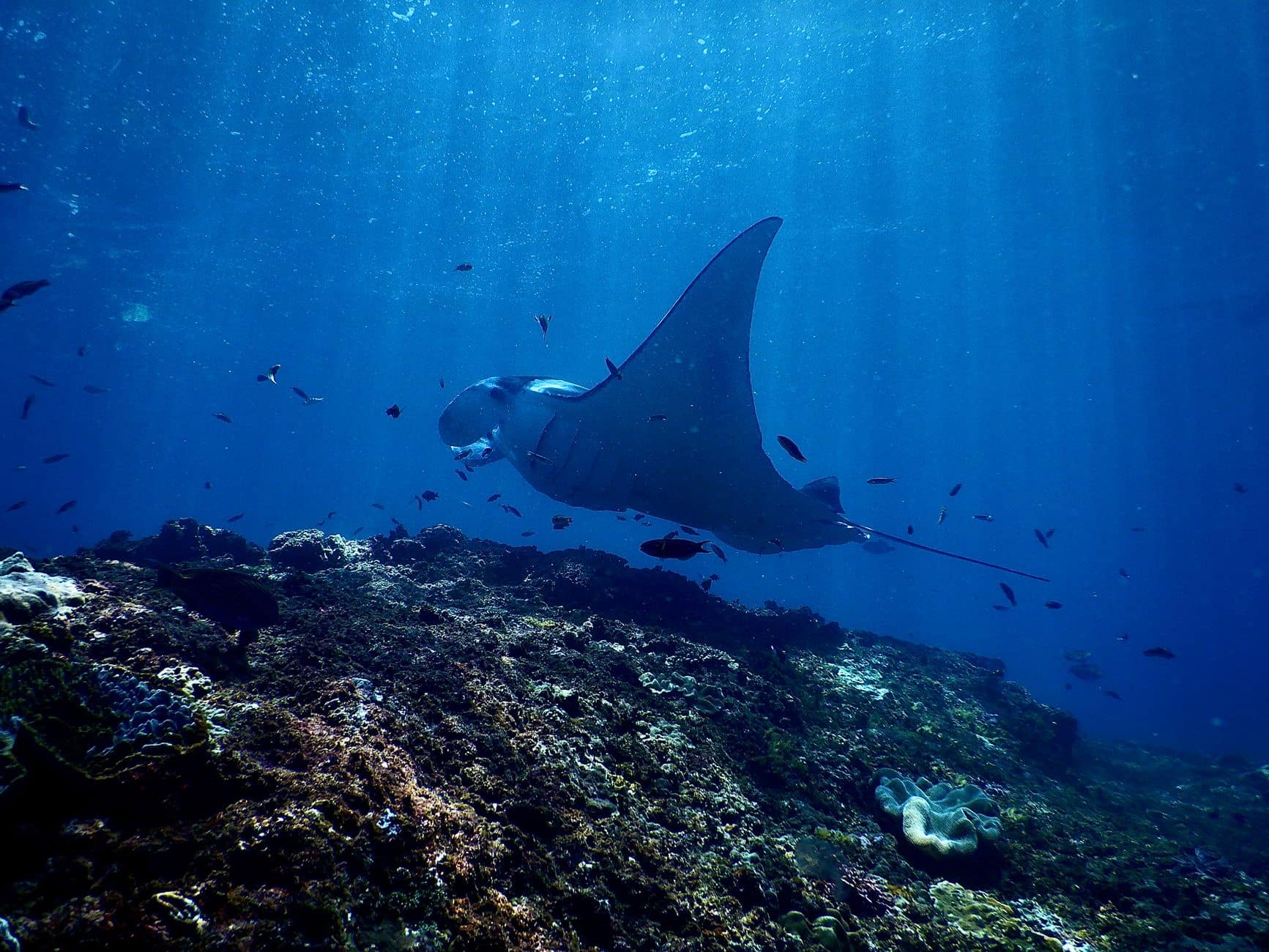
Nusa Penida Private car Day Tour+Snorkeling Manta Point
This is the highest-value option for many first-time Nusa Penida visitors because it avoids choosing between island sightseeing and the signature snorkeling experience. The private land transport keeps the second half of the day efficient and much more comfortable.
- Duration
- Full day
- Area
- Nusa Penida
- Format
- Private island combo tour
- Best for
- Travelers wanting sea and sightseeing in one day
From $60 No prepayment
View tour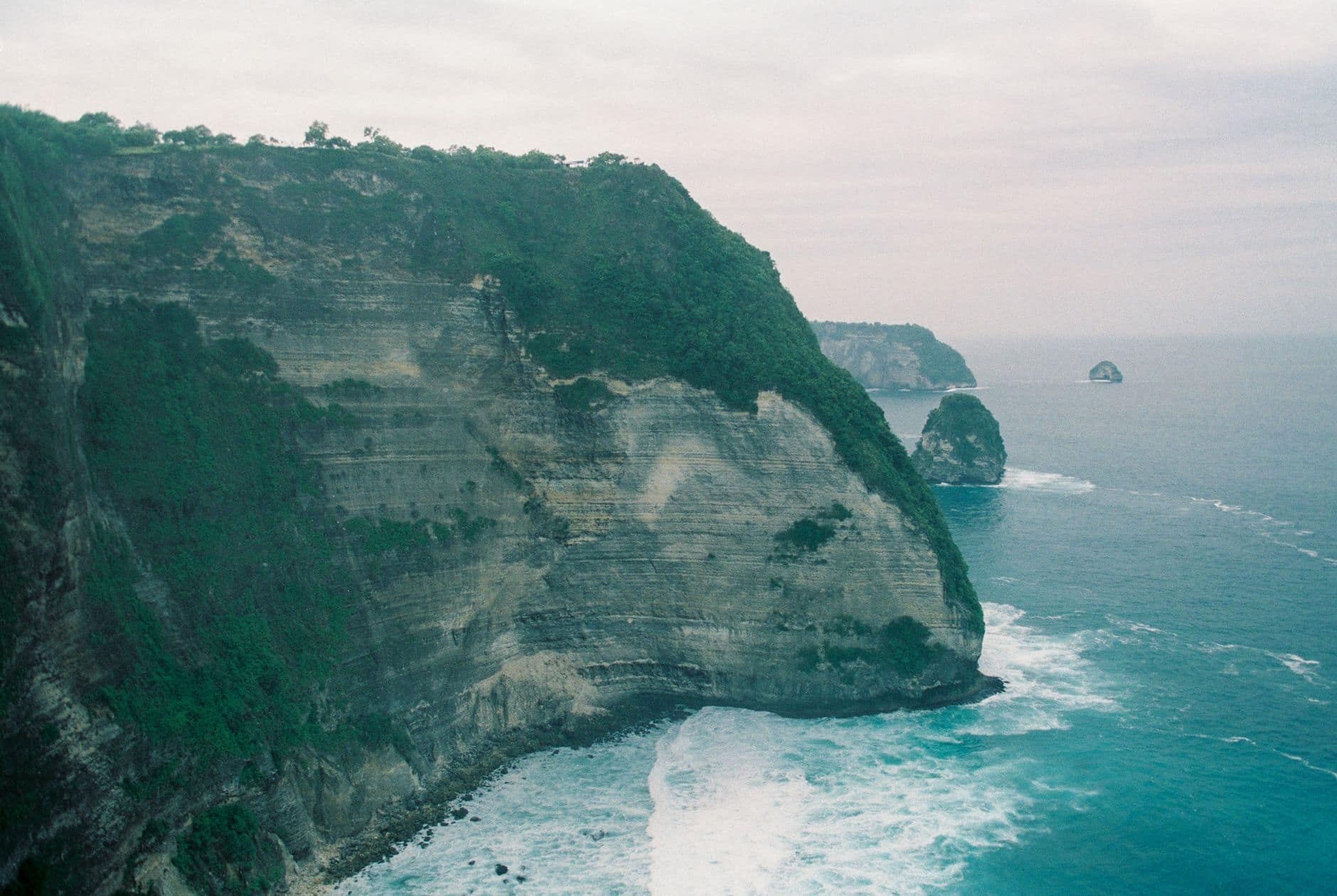
Nusa Penida Full Day Tour
This tour is the practical middle ground between the fully fixed scenic routes and the sea-plus-land combo packages. It works well for travelers who want Penida's name-value but also want room to adapt around conditions, pace, or group energy.
- Duration
- Full day
- Area
- Nusa Penida
- Format
- Island day tour
- Best for
- Guests wanting a flexible Penida route
From $75 No prepayment
View tour