

Manta Point is shallow by diving standards. The cleaning station where the mantas hold position sits at roughly eight to twelve metres, the sandy patches around it run to about fifteen, and the moorings are in water shallower than most people imagine when they hear the words open ocean. That shallowness is the single most useful fact about the place, because it means a snorkeller floating on the surface and a diver kneeling on the bottom are watching the same animals at the same time — and the mantas frequently rise to within a metre or two of the surface. Very few places in the world let you watch mantas from the surface like this. Snorkeling trips from $29.
By Alex Moskvin, Founder of SB Excursions · Published 21 May 2026 · Updated 23 October 2026
Tour on this route: Snorkel with Manta Rays, Nusa Penida — From $29, full day.
How deep is Manta Point in Nusa Penida?
The cleaning station where the mantas hold position sits at roughly 8 to 12 metres, with sand around it at about 12 to 15 metres. It is shallow by diving standards, which is exactly why snorkellers see the same animals as divers do — the mantas use the whole water column above the reef and frequently come within a couple of metres of the surface.
Top picks from this guide
 #1
#1
The cleaning station: 8-12 metres
Mantas hold position above a patch of coral heads while small wrasse work over their skin and gills. That patch is shallow, which is unusual — many manta cleaning stations elsewhere sit well beyond snorkelling depth. Here you float on the surface and look down onto animals that are often only a few metres below you, and regularly much closer than that when one rises through the column.
 #2
#2
The sand and the drop
Around the coral heads the bottom is sand at roughly twelve to fifteen metres, and it steps down from there toward the wall as you move away from the station. Most dives here are shallow, long and undemanding on air precisely because there is no reason to go deep — the animals are above you, not below. Depth is not what makes this dive demanding.
 #3
#3
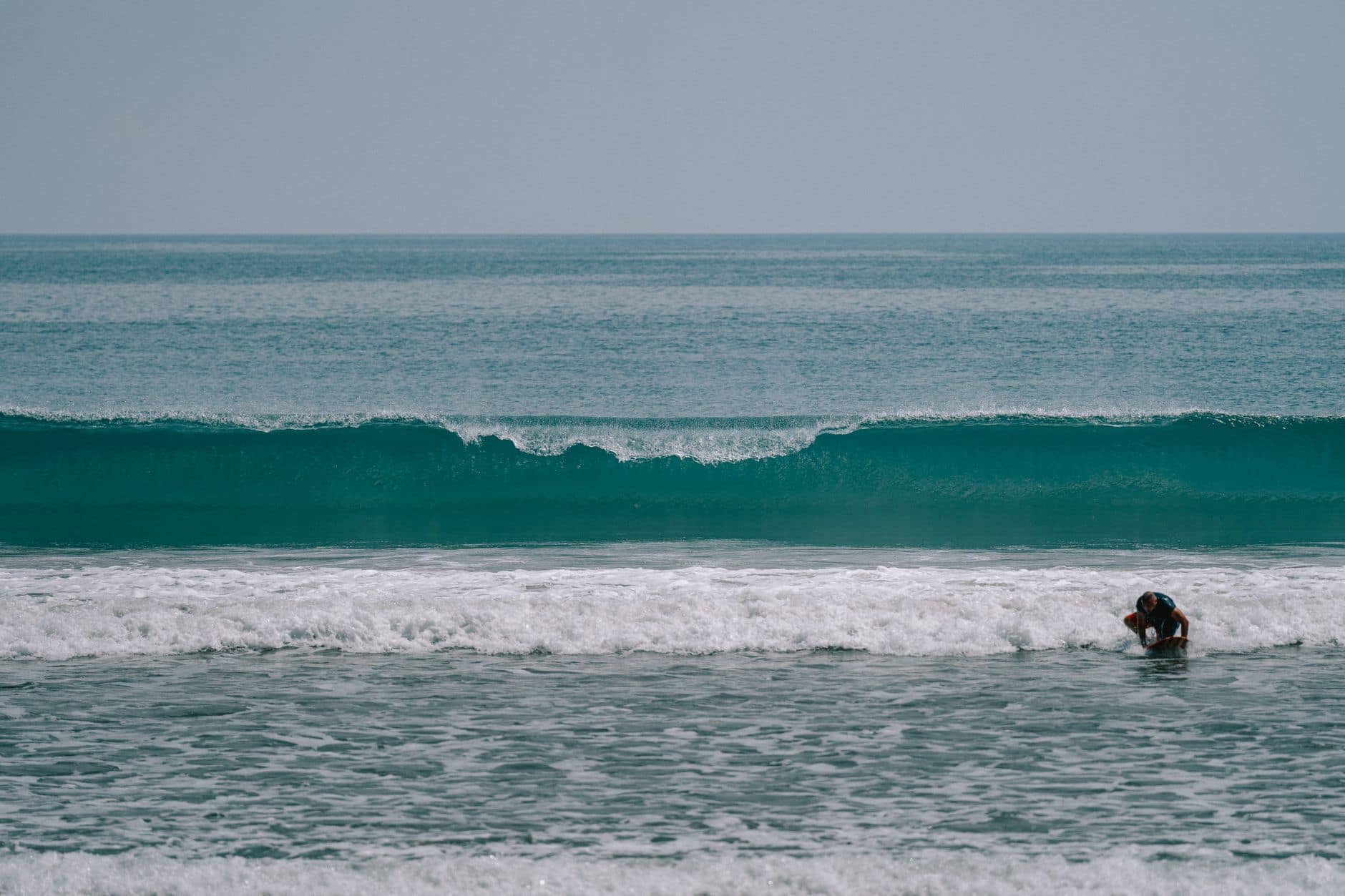
The swell against the corner
The corner faces the open ocean, and swell rolling in against the rock pushes the water back and forth in place rather than carrying you along. Close to the reef in shallow water that movement is strongest, and it is the reason briefings here spend more time on staying off the coral than on depth. On a rough morning the mooring closes entirely.
 #4
#4
Cold water, and why
The Lombok Strait pushes cold deep water up past the island, so Penida is noticeably colder than the mainland reefs — a surprise for anyone expecting bathwater. Snorkellers on the surface are usually fine in a rash guard, but divers feel it, and the same cold water is what brings mola mola, the ocean sunfish, up into diver range later in the year.
The numbers, in one place
Everything a snorkeller or a diver asks before booking:
| Question | Answer |
|---|---|
| Depth of the cleaning station | Roughly 8-12 metres |
| Bottom around the station | Sand at about 12-15 metres |
| How close the mantas come | Often within a few metres of the surface |
| Typical time in the water | 20-40 minutes per session |
| Main hazard | Swell pushing you against the reef, not depth |
| Water temperature | Colder than mainland Bali, all year |
| Certification needed to see mantas | None — snorkelling is enough |
| Boat time from the harbour | Around the southern corner, longest run of the day |
Do you need to dive to see the mantas?
No, and this is the part worth being clear about, because plenty of people book an expensive certification course on the assumption that they do. The station is shallow and the animals use the whole water column above it. Snorkellers on the surface routinely have the closest encounters of anyone there, partly because there is no exhaled bubble noise to make an animal turn away.
What diving gives you is time and stillness. A diver can settle at the edge of the station and watch a queue of animals come and go for forty minutes without being pushed around by the surface. A snorkeller gets a series of passes rather than a continuous show. If you already dive, this is a very good dive. If you do not, learning to dive specifically for this is solving a problem you do not have — book the Manta Point snorkeling trip from $29 instead. Where else around Bali you can meet mantas, and how the sites compare, is in where to see manta rays in Bali.
What the mooring asks of a snorkeller
Entry is off a ladder into open water with the boat alongside and no land within reach. You wear a life vest, a guide is in the water with you, and you float and wait. There is nothing physically hard about it, and nothing about the depth affects you at all — under a floating body, eight metres and eighty metres feel identical.
What does affect you is the surface. On the exposed corner there is almost always some movement, and half an hour of floating face-down on a moving surface is what makes people seasick, not the crossing. Take a tablet an hour before you leave the hotel. If open water in a vest is not something you have done, read snorkeling on Nusa Penida without swimming before you book — three of the four stops on the standard day have no beach.
What the mooring asks of a diver
An entry-level certification is enough on paper, and most operators will take a newly certified diver here on a calm day. In practice the place rewards buoyancy control more than experience with depth, because you are hovering in shallow water beside a reef with the swell pushing through it, and the way to damage both the coral and yourself is to be moved into it. Divers who are still using their hands are the ones who have a difficult time.
Bring a thicker wetsuit than Bali's mainland reefs suggest. The cold water coming up the strait is the same mechanism that produces the mola mola sightings between roughly July and October, and those are deep, cold, current-heavy dives that have very little in common with a manta session. Do not book one expecting the other.
Where Manta Point is, and how you reach it
Manta Point is on the south-west corner of Nusa Penida, past the Kelingking cliffs and round onto the ocean-facing side. There is no road access worth the name and no beach — it is reached only by boat, which is why every trip runs from the harbour at Toyapakeh or Sanur rather than from anywhere on land. The crossing from Sanur takes 30 to 40 minutes; details are in our Sanur to Nusa Penida fast boat guide.
Because the mooring is exposed, the boat trip round the corner is the longest of the day and the first thing dropped when the swell is up. The sheltered alternative under the west cliffs is a different mooring with different behaviour — we compare them in Manta Bay or Manta Point.
Booking it
From $29 — the Manta Point snorkeling trip is a full day with early hotel pickup, the crossing, gear, a guide in the water and three more reef stops after the mantas.
From $60 — the private Nusa Penida day tour with manta snorkeling runs on your timing, which at this particular mooring is worth real money: the first boat at the mooring gets flat water and animals that have not been circled by anyone yet.
Both are booked over WhatsApp with no prepayment. If the corner is closed on your morning, moving the day costs nothing — and given how often that happens between November and March, put the sea day early in the trip rather than at the end.
FAQ
How deep is Manta Point in Nusa Penida?
The cleaning station where the mantas hold position sits at roughly 8 to 12 metres, with sand around it at about 12 to 15 metres. It is shallow by diving standards, which is exactly why snorkellers see the same animals as divers do — the mantas use the whole water column above the reef and frequently come within a couple of metres of the surface.
Can you snorkel at Manta Point, or do you have to dive?
Snorkelling is enough, and it is how most people see the mantas here. The station is shallow and the animals rise through the column, so from the surface in a life vest you are often looking at one from a few metres away. Diving buys you stillness and a longer continuous view, not access — nobody needs a certification to see these animals.
Is Manta Point a good dive for beginners?
An entry-level certification is technically enough and the depths are shallow, but the place rewards buoyancy control because you hover close to a reef with the swell pushing through it. A newly certified diver who is still using their hands will have a harder time than the depth profile suggests. On a calm morning with a good guide it is a fine early dive; on a swell day it should not be anyone's fourth dive ever.
Where is Manta Point on the map of Nusa Penida?
On the south-west corner of the island, past the Kelingking cliffs and round onto the side facing the open ocean. There is no road to it and no beach, so it is reached only by boat, and it is the longest run of the day from the harbour. The sheltered alternative, Manta Bay, sits further north under the west cliffs.
What is the water temperature at Manta Point?
Colder than mainland Bali all year round, because the Lombok Strait pushes deep water up past the island. Snorkellers on the surface are usually comfortable in a rash guard, while divers notice it and often want a thicker wetsuit than they expected. The same cold water is what brings mola mola into diver range later in the year.
Are there strong currents at Manta Point?
The characteristic problem here is the swell rather than a running current: waves against the exposed corner move you back and forth in place, and the movement is strongest close to the reef. It is why briefings focus on staying off the coral. Genuine ripping current is more of a Gamat Bay and Toyapakeh issue. When the swell is too big, the mooring simply closes for the day.
How long do you spend in the water at Manta Point?
Twenty to forty minutes for a snorkelling session, and a normal dive length for divers. The limit is rarely the animals and usually the surface: floating face-down on moving water is tiring and makes people seasick. Groups that get in early, when the mooring is still empty, generally stay longer than groups arriving with the fleet.
Can you see manta rays and mola mola on the same trip?
Not on a snorkelling day. Mola mola come up from deep cold water between roughly July and October and are a demanding, deep, current-heavy dive for experienced divers — a completely different trip from a shallow manta session, in different water. Booking one expecting the other is the most common mistake divers make on this coast.
Recommended Bali tours for this guide
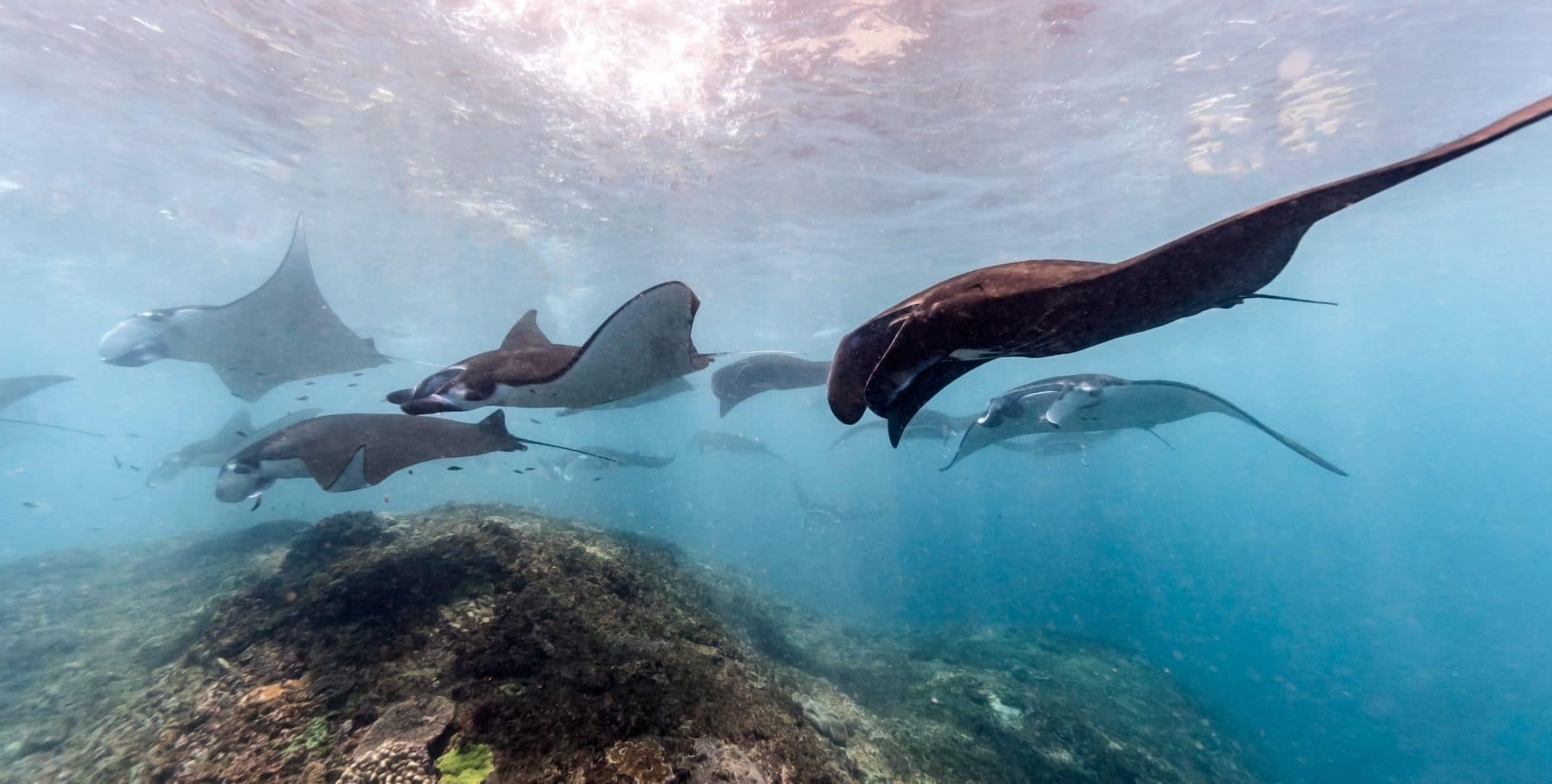
Snorkel with Manta Rays, Nusa Penida
This is one of Bali's strongest sea-day products because the experience starts delivering early and stays visually powerful all day. It works for couples, small groups, and first-time snorkelers who want clear planning and strong photo value.
- Duration
- Full day
- Area
- Manta Point and Nusa Penida waters
- Format
- Snorkeling tour
- Best for
- Snorkeling lovers and sea-day travelers
From $29 No prepayment
View tour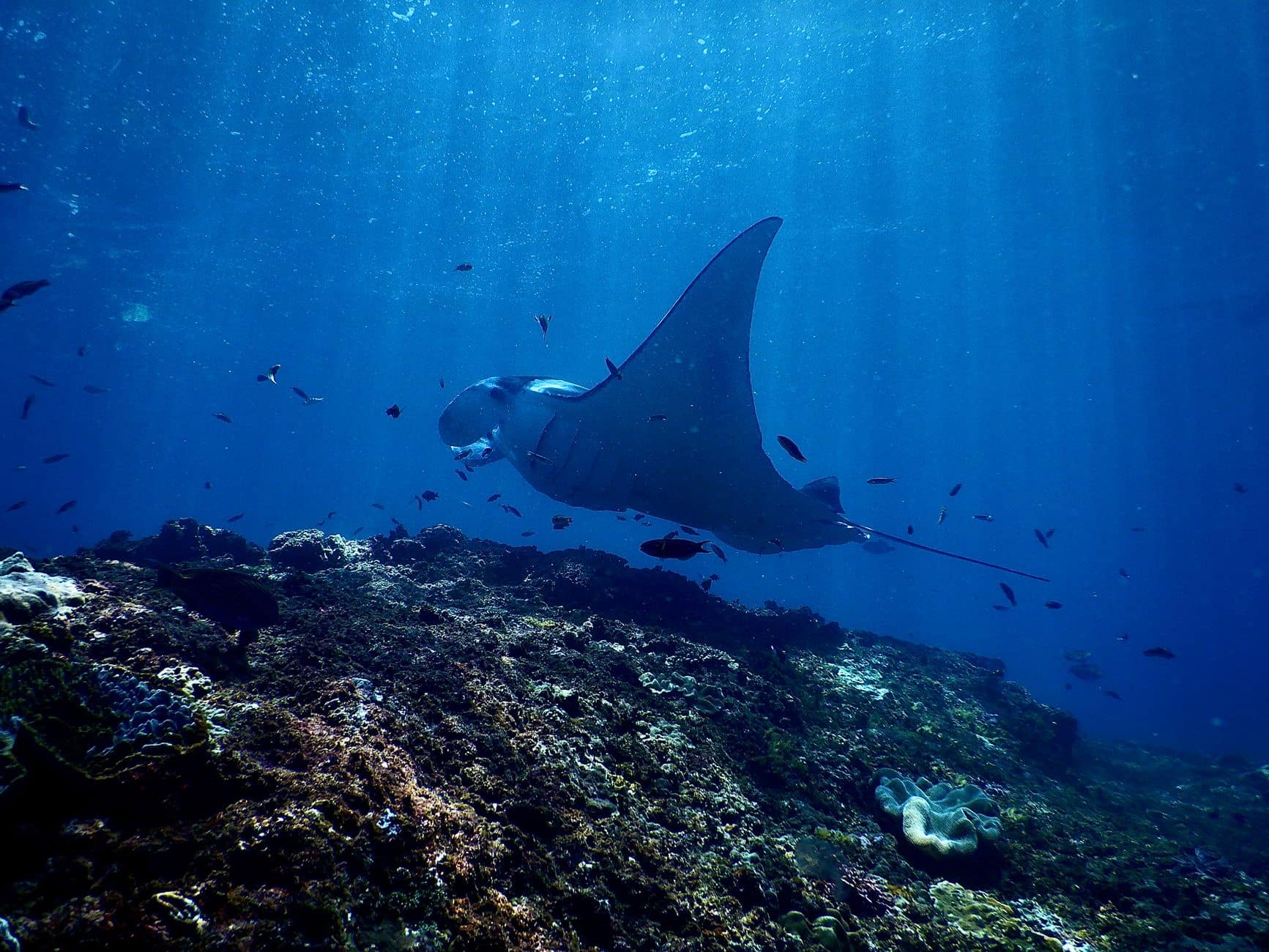
Nusa Penida Private car Day Tour+Snorkeling Manta Point
This is the highest-value option for many first-time Nusa Penida visitors because it avoids choosing between island sightseeing and the signature snorkeling experience. The private land transport keeps the second half of the day efficient and much more comfortable.
- Duration
- Full day
- Area
- Nusa Penida
- Format
- Private island combo tour
- Best for
- Travelers wanting sea and sightseeing in one day
From $60 No prepayment
View tour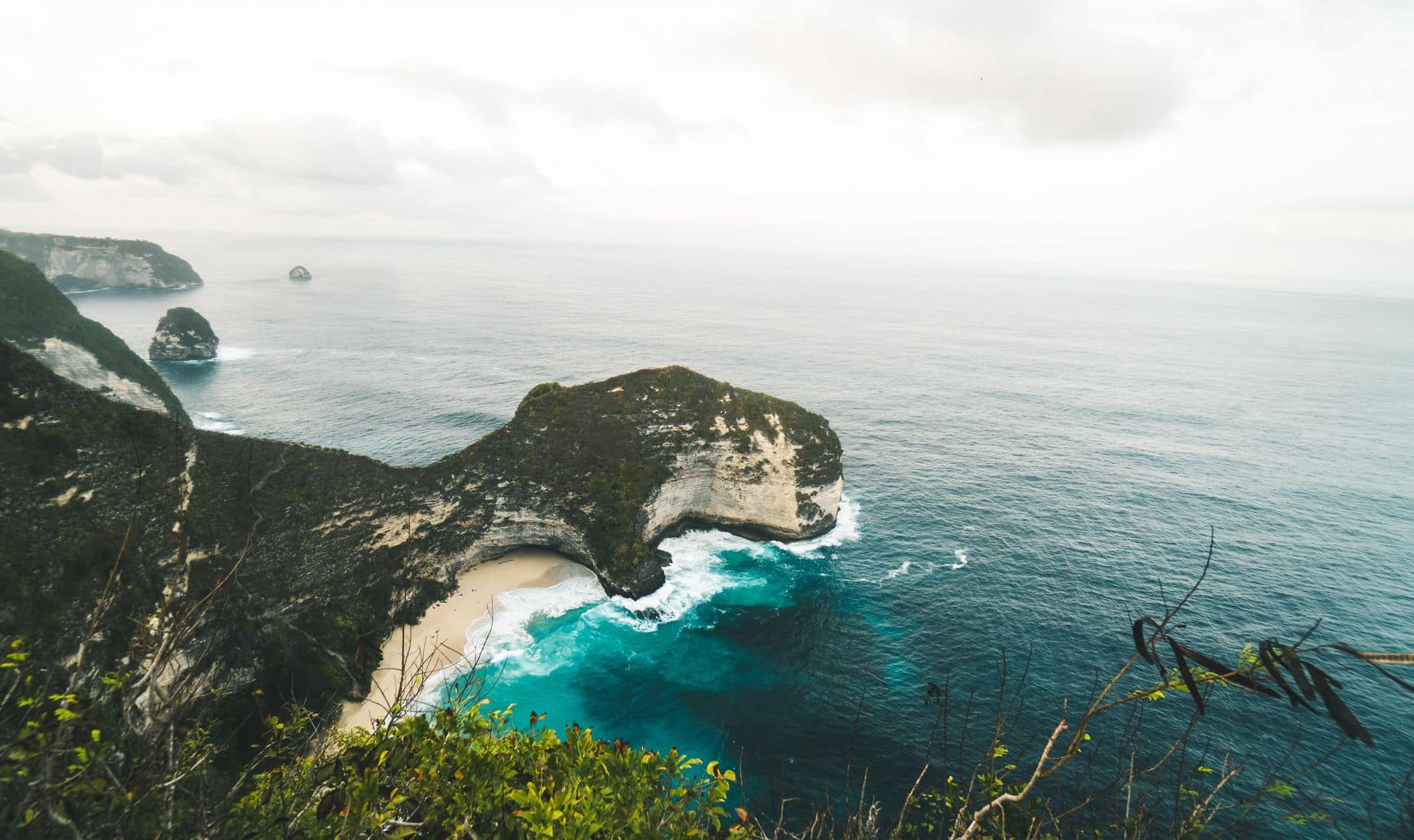
Nusa Penida West Tour
If your priority is bold scenery over snorkeling, the west route is the cleanest and most iconic Penida choice: one car, one driver and the island's four most photographed stops in a single day. It is especially strong for couples and first-time visitors who want the headline views with transport handled professionally.
- Duration
- Full day
- Area
- West Nusa Penida
- Format
- Island day tour
- Best for
- Cliff viewpoints and first-time Penida sightseeing
From $49 per car No prepayment
View tour