

There is no manta ray season in Bali: mantas are at Manta Point off Nusa Penida in all twelve months, because the site is a cleaning station rather than a stop on a migration route. What changes month to month is whether the boat can get there. The point sits on Nusa Penida's exposed south-west corner, and in the rainy season or when a big swell is running, captains cancel the trip or move it to a sheltered bay. April, May, September and October usually give the calmest combination. Nobody can guarantee a sighting, and any operator who does is selling you certainty they do not have. Snorkeling trips start from $29.
By Alex Moskvin, Founder of SB Excursions · Published 21 May 2026 · Updated 23 October 2026
Tour on this route: Snorkel with Manta Rays, Nusa Penida — From $29, full day.
When is manta ray season in Bali?
There is no season in the usual sense. The reef mantas at Manta Point off Nusa Penida are resident animals visiting a cleaning station, so they are seen in all twelve months. What changes through the year is sea access: rainy-season weather and big southern swells close the site on more days, mostly between November and March and again at the peak of the mid-year swell.
This guide also answers:
- What is the best time to see manta rays in Bali?
- When can you see manta rays at Nusa Penida?
Top picks from this guide
 #1
#1
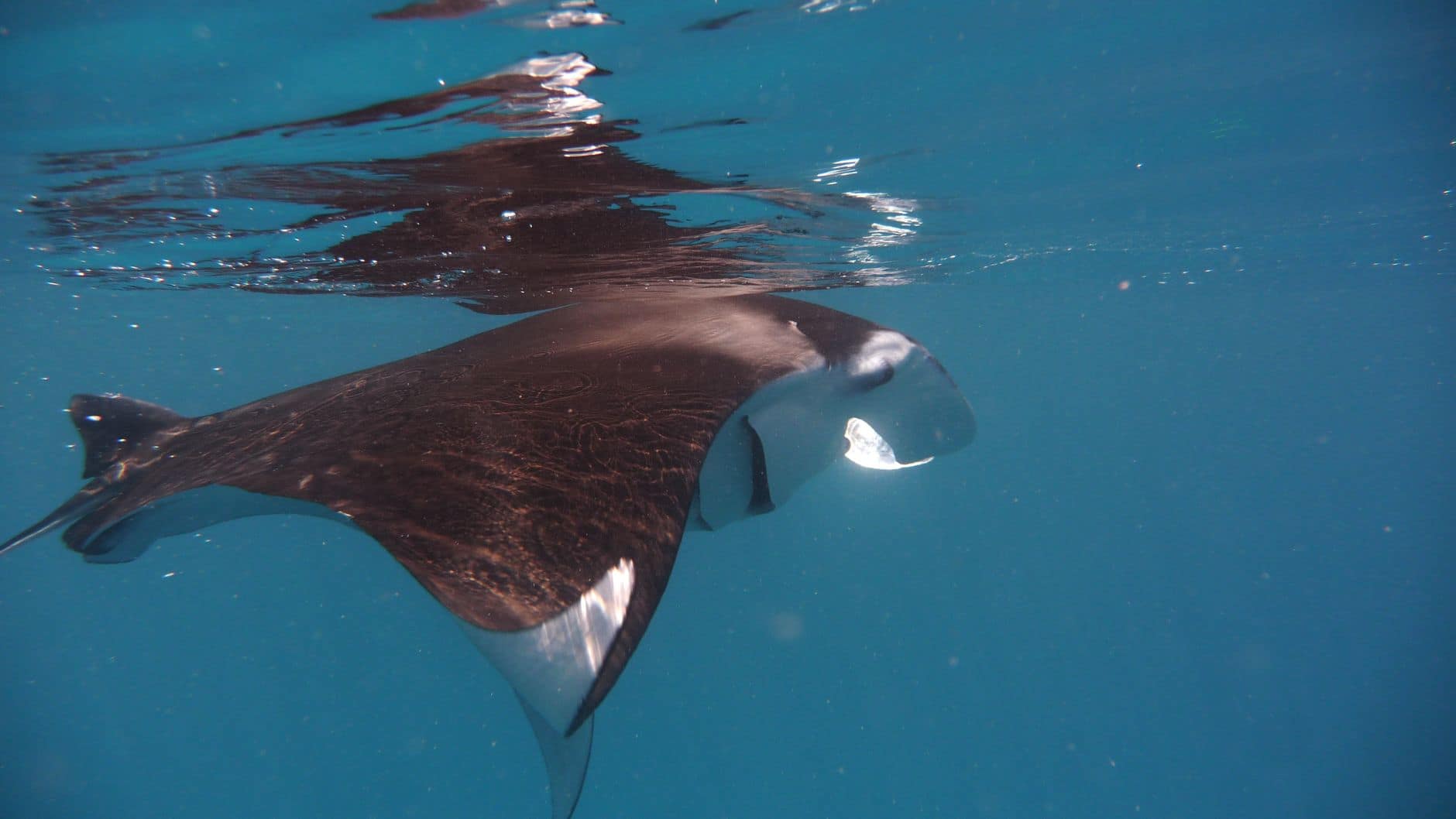
Mantas are resident, not seasonal
Manta Point is a cleaning station: reef mantas come in to have parasites picked off by small wrasse, and they need that service in every month. The animals are residents with a routine, not migrants on a schedule. Sightings happen year-round, which means the month you pick is about sea conditions and boat access, not about the mantas.
 #2
#2
April and May
The rain has stopped and the big southern swell has not filled in yet. In practice this window has the fewest cancelled mornings and water clear enough to see a manta coming from a distance. Boat traffic is lighter than in July, and the early departures leave a quieter harbour. If your dates are flexible, start looking here.
 #3
#3
June, July and August
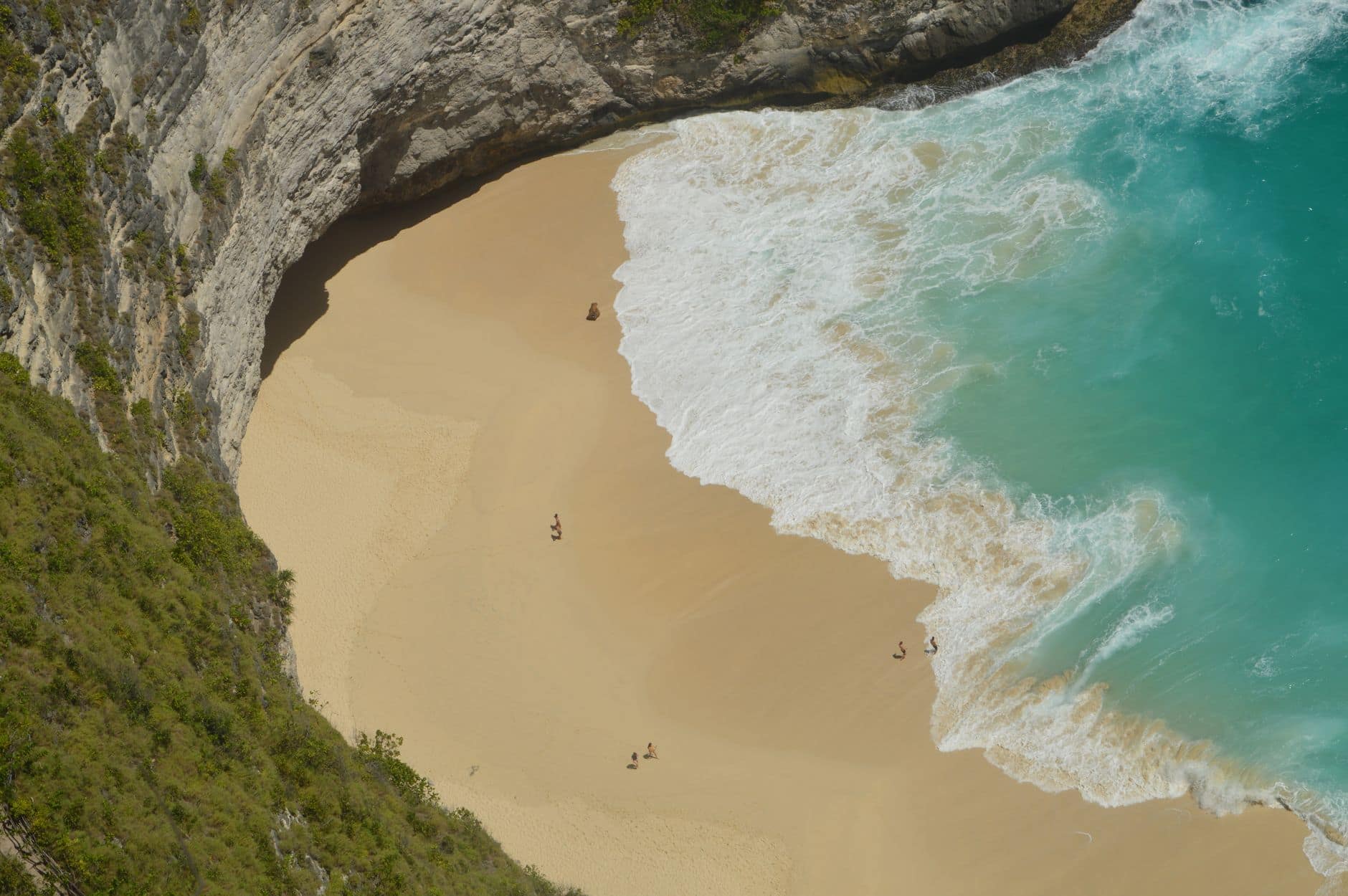
The driest and clearest months, and the busiest. They also bring the largest southern swell onto Penida's exposed corner, so the point closes on more individual days than in the shoulder months, and when it opens the fleet is at its biggest. Book the earliest departure available and leave a spare morning in your week.
 #4
#4
September and October
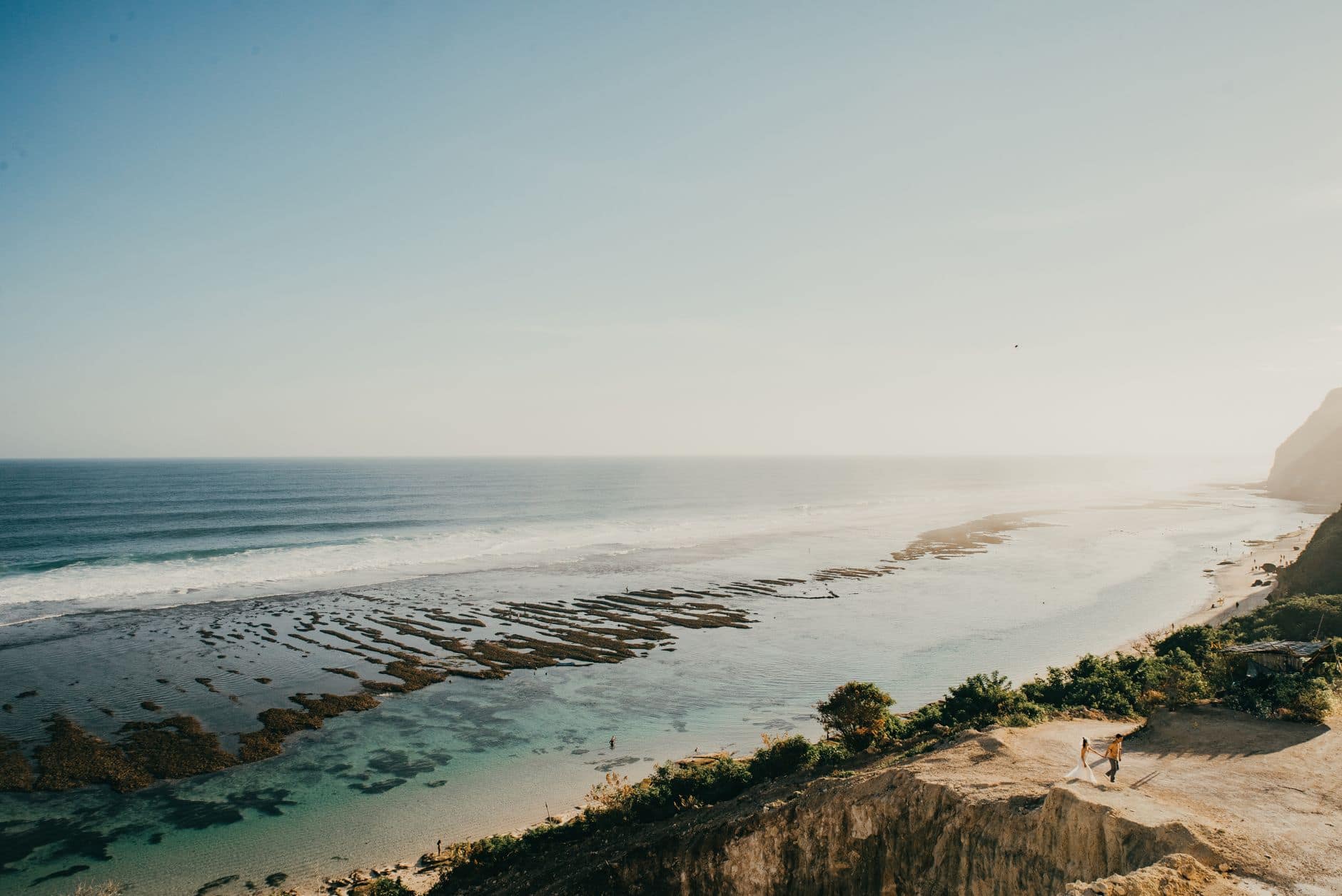
The swell drops away, the rain has not arrived, and the peak-season crowd has thinned. On sea conditions this matches April and May; on crowding it is usually better. If you are choosing when to come to Bali largely around one manta morning, October is the quiet, honest answer rather than the one you see advertised.
 #5
#5
November to March
Boats still run most days and the mantas are still on the station, but this is when trips are cancelled or moved to another point most often. Storms build through the afternoon and a rough night shows up in the morning call. Come in the wet season if that is when you are here, and put the Penida day early in the trip.
 #6
#6
The first boat, in any month
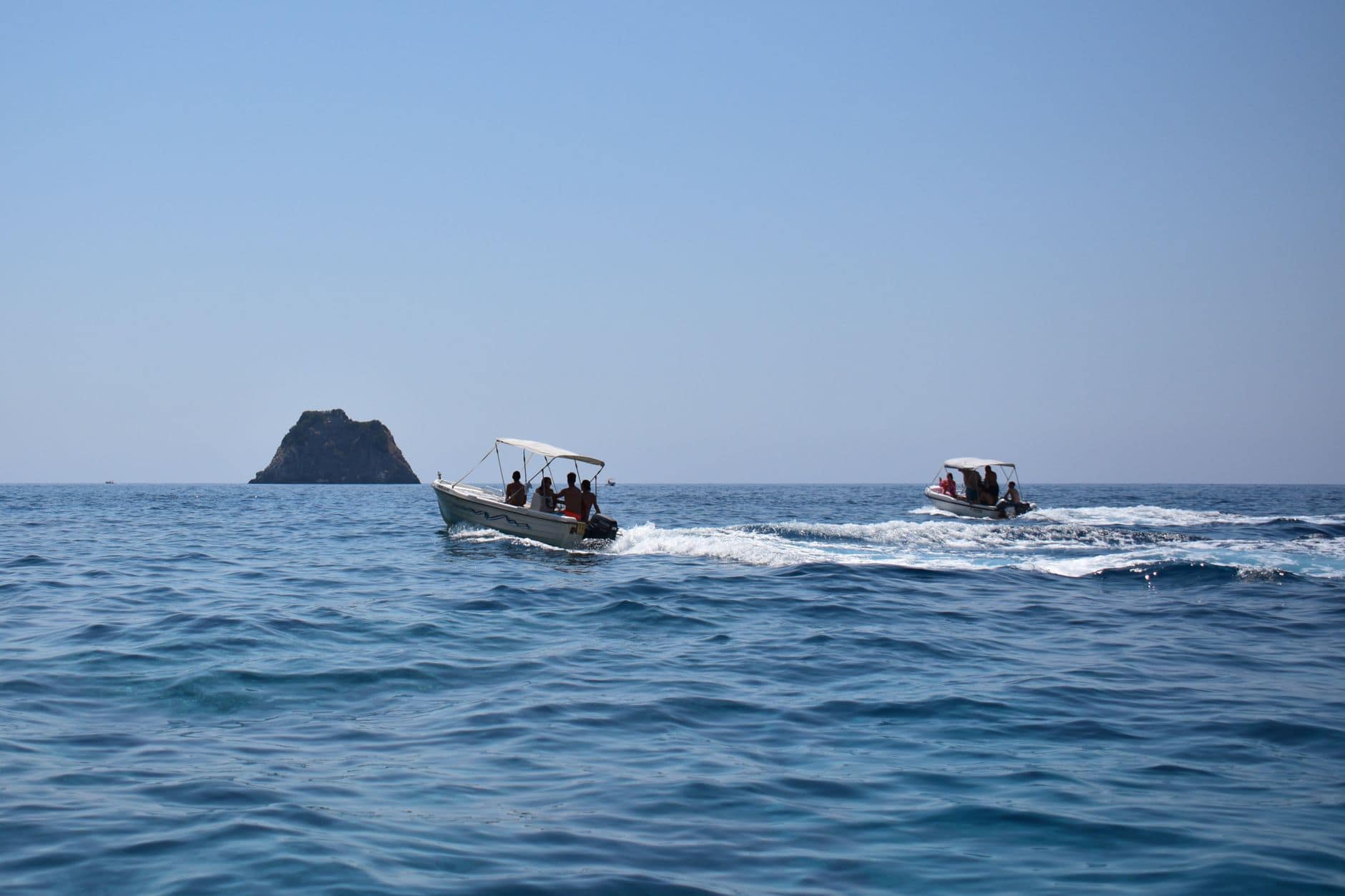
Wind is lightest early, the surface is flattest early, and the mooring is emptiest early. A 7 a.m. session in February regularly beats an 11 a.m. session in July at the same spot. This is why manta trips leave Bali with an early hotel pickup and a harbour transfer, and why sleeping in is the most expensive decision of the day.
 #7
#7
The substitute bay when the point is closed
When the swell shuts Manta Point, the day is not always cancelled outright. The captain usually moves the snorkel stops to a sheltered west-coast bay where entry is easy and the coral sits shallow. It makes for a good morning in the water. It is not a manta morning, and no operator can convert one into the other on the day.
Why there is no manta season at Nusa Penida
Manta Point is a cleaning station. Reef mantas come in to have parasites picked off by small wrasse, and they need that service in every month of the year. The animals are residents with a routine, not migrants moving through on a calendar. That single fact rewrites the planning question: you are not choosing a month in which mantas exist, you are choosing a month in which a boat can reach them. All twelve months produce sightings. Not all twelve months produce a trip that leaves the harbour. For the region's other big animal, the months that suit the boats are in whale shark season in Sumbawa.
The site explains the rest. It sits under the cliffs of Penida's south-west corner, past Kelingking, with no beach, no shelter and open ocean running straight onto it. There is nothing between the swell and the mooring. When the sea is up there is no version of the day where you get a calm hour in the water, so the captain either cancels or moves the snorkel to a protected bay. Our Manta Point guide covers the site itself in detail; this page is only about the calendar.
Month by month: what the sea actually does
Split the year into four windows and the calendar stops being confusing. The mantas are the constant in all of them; the sea is the variable.
- April and May — the rain has drained away and the big southern swell has not filled in yet. The fewest cancelled mornings of the year, water clear enough to see a manta coming from a distance, and lighter boat traffic than midsummer.
- June, July and August — the driest and clearest months, and the busiest. They also bring the largest south swells onto Penida's exposed corner, so the point closes on more individual days than in April, and when it opens the fleet is at its biggest.
- September and October — the second calm window. Swell is dropping, rain has not arrived, and the peak-season crowd has thinned. On conditions this matches April and May; on crowding it is usually better.
- November to March — the rainy season. Boats still run on most days, but this is when trips are cancelled or relocated most often, and storms build through the afternoon. Plan the Penida day for early in your trip so you have a spare morning.
- Any month — the first departure of the day beats the third, and that gap is bigger than the gap between two months.
Two of these windows get mislabelled. June to August is sold as manta season because it is peak tourist season, not because the animals behave differently. The wet months get written off as an off season even though sightings continue right through them. Ranked on sea conditions alone, the honest order is April-May and September-October first, June-August second, November-March last — and last still means most days run. For the island-wide picture, see when Bali's water is clearest and our month-by-month guide to visiting Bali.
What a cancelled or relocated manta trip looks like
It rarely arrives as a dramatic phone call the night before. More often you are already across the strait, on the small boat working down the coast, when the captain says the point is not on today and the snorkel stops will be in a sheltered bay instead. That is not an operator cutting corners. The swell call is made on the water and at the harbour, and it is made the same way for every boat in the area. Crystal Bay and Gamat Bay are the usual substitutes: easy entry, shallow coral, no mantas.
Because trips are booked over WhatsApp with no prepayment, moving the day costs nothing. If the sea says no you shift to another morning, or flip the plan and do the land side first — the Nusa Penida West Tour from $49 per car covers the cliff viewpoints and works in almost any weather. The mistake worth avoiding is spending the last free morning of your trip on a marginal forecast, because then there is nothing left to reschedule into.
The hour matters more than the month
On any given day in any month, the first boats at the point get the better session. Wind is lightest at dawn, the surface is flattest, and the mooring is emptiest before the fleet arrives. By late morning several boats are working the same small patch of reef and the swell has usually built. A 7 a.m. session in February regularly beats an 11 a.m. session in July at the same spot, which is why every manta trip out of Bali starts with an early hotel pickup and a harbour transfer.
It also decides the shape of the rest of the day. If the mantas are the reason you are crossing the strait, put them first and fit the cliff viewpoints around them, rather than treating the snorkel as an afternoon add-on to a sightseeing loop. Boats that reach the point at midday are working the crowded end of the window in the roughest part of the day. Our one-day Nusa Penida itinerary shows how the pieces fit into a single crossing without turning it into a race.
Which trip to book, and what it costs
Shared snorkel day, from $29 — the Manta Point snorkeling trip is a full day with an early hotel pickup and a harbour transfer. You share the boat, the schedule is fixed, and the price is why most people choose it. The mantas do not react to what you paid, and on a calm morning this version puts you in the same water as anyone else at the mooring.
Private day, from $60 — the private Nusa Penida day tour with manta snorkeling is a full day on your own schedule: leave earlier than the fleet, stay in the water while the mantas are still on the station, and pair the sea with the land stops in whatever order suits. In the rainy season the private version is worth more than it looks on paper, because being able to move your start by an hour is often the difference between going and not going.
If the water is not the point of your trip, keep the day on land. The Nusa Penida East Tour from $75 runs 10-12 hours with a 07:00 Sanur port meeting or an optional 06:15-06:30 hotel pickup, and it does not depend on the swell at one exposed corner of the island. For the crossing logistics either way, see how to get to Nusa Penida.
Who should pick a different trip, whatever the month
Manta Point is not a beginner site in any season. You enter deep water from a boat ladder with no beach behind you, and even on a good day there is surface movement while you float and wait. If this is your first time in a mask, the sheltered Blue Lagoon snorkeling day at Padang Bai from $50 is the sensible first step, and our beginner snorkeling guide explains what changes once you are comfortable.
And if your dates land in January with exactly one free day, be honest with yourself about the odds. The mantas will be there. Whether the boat is, is a separate question, and no guarantee from anyone, including us, changes the answer. Book the earliest morning of your trip, keep the rest of the week loose, and treat a good manta session as something you gave yourself the best chance at rather than something you bought in advance.
FAQ
When is manta ray season in Bali?
There is no season in the usual sense. The reef mantas at Manta Point off Nusa Penida are resident animals visiting a cleaning station, so they are seen in all twelve months. What changes through the year is sea access: rainy-season weather and big southern swells close the site on more days, mostly between November and March and again at the peak of the mid-year swell.
What is the best time to see manta rays in Bali?
April, May, September and October give the calmest combination of low swell, clear water and lighter boat traffic. Within any of those months, the best time is the first departure of the day, when the wind is lightest and the mooring is emptiest. A 7 a.m. session in a wet-season month often beats a late-morning one in peak season.
What is the best month for Manta Point?
October is the quiet pick: the southern swell is dropping, the rain has not started, and the peak-season crowd has gone home. April and May are just as calm and slightly greener on land. June to August has the clearest water but the biggest swell and the largest fleet, so more individual days get cancelled or moved than people expect.
When can you see manta rays at Nusa Penida?
All year. The mantas circle the same cleaning station off Penida's south-west corner in every month, so the question is never whether they are there but whether the boat can reach them. Snorkeling trips run from $29 with an early hotel pickup and harbour transfer, and they are booked over WhatsApp with no prepayment, so a weather change costs nothing.
Can a Manta Point trip be cancelled because of the weather?
Yes, and it happens regularly in the rainy season and whenever a large swell is running. Sometimes the whole crossing is called off; more often the boat goes and the captain moves the snorkel stops to a sheltered bay such as Crystal Bay or Gamat Bay. Because there is no prepayment, rebooking for another morning costs nothing.
Are manta ray sightings guaranteed at Manta Point?
No, and any operator promising otherwise is overselling. The cleaning station makes sightings unusually consistent compared with a random reef, but the animals are wild and the site is exposed. Give yourself the best odds instead: take an early departure, book the Penida day early in your trip so a spare morning exists, and accept that some days the sea decides.
Recommended Bali tours for this guide
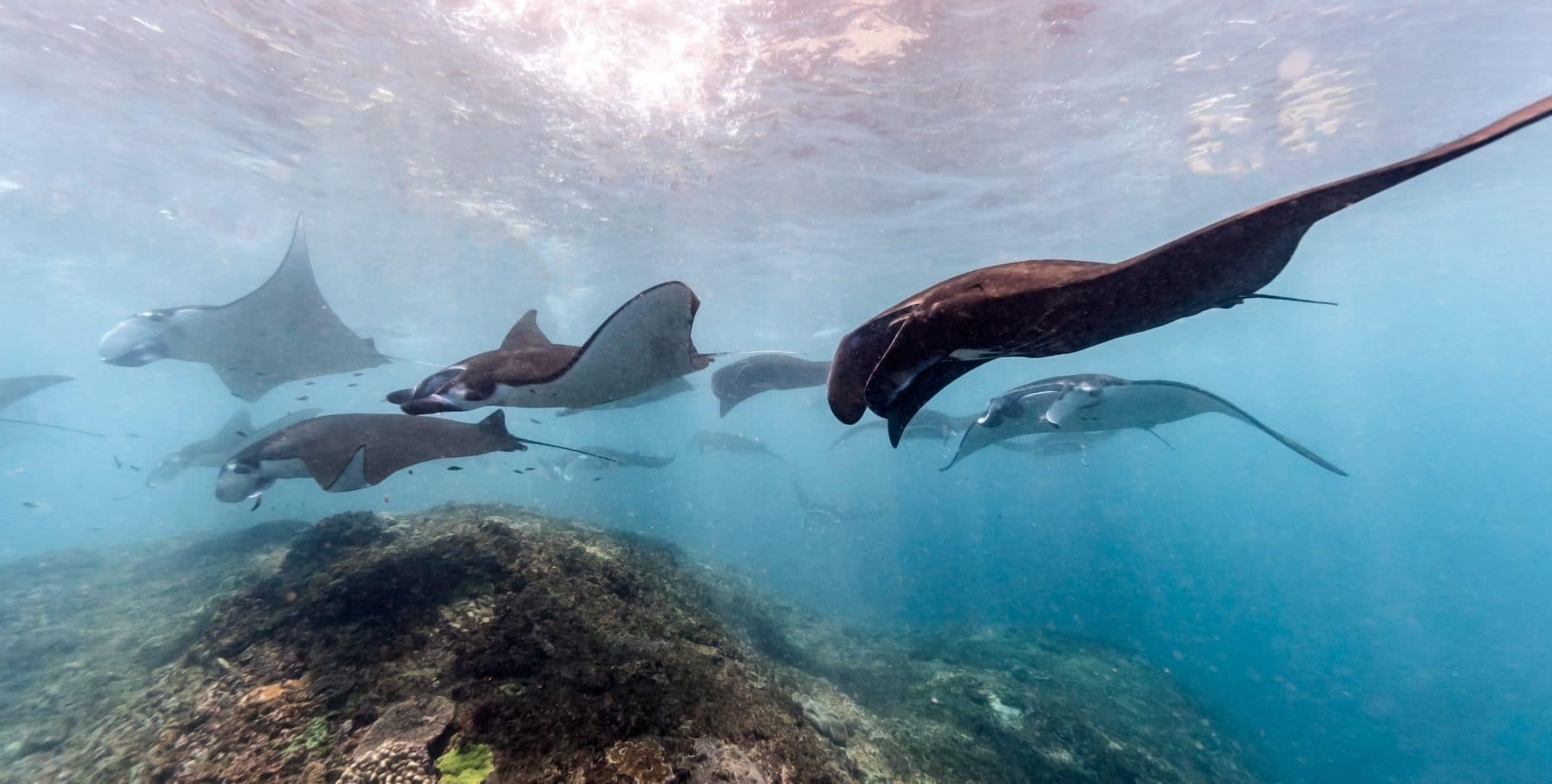
Snorkel with Manta Rays, Nusa Penida
This is one of Bali's strongest sea-day products because the experience starts delivering early and stays visually powerful all day. It works for couples, small groups, and first-time snorkelers who want clear planning and strong photo value.
- Duration
- Full day
- Area
- Manta Point and Nusa Penida waters
- Format
- Snorkeling tour
- Best for
- Snorkeling lovers and sea-day travelers
From $29 No prepayment
View tour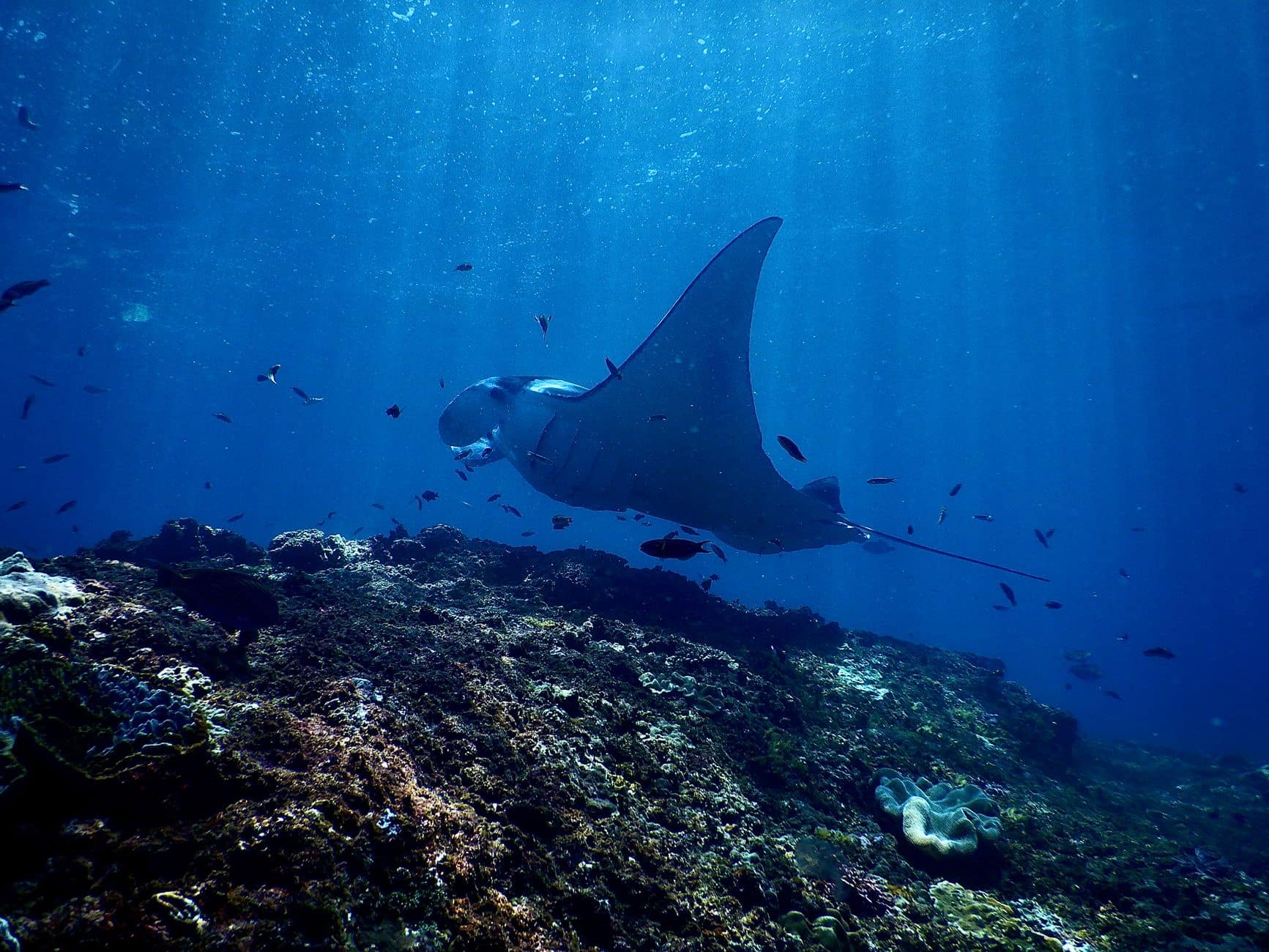
Nusa Penida Private car Day Tour+Snorkeling Manta Point
This is the highest-value option for many first-time Nusa Penida visitors because it avoids choosing between island sightseeing and the signature snorkeling experience. The private land transport keeps the second half of the day efficient and much more comfortable.
- Duration
- Full day
- Area
- Nusa Penida
- Format
- Private island combo tour
- Best for
- Travelers wanting sea and sightseeing in one day
From $60 No prepayment
View tour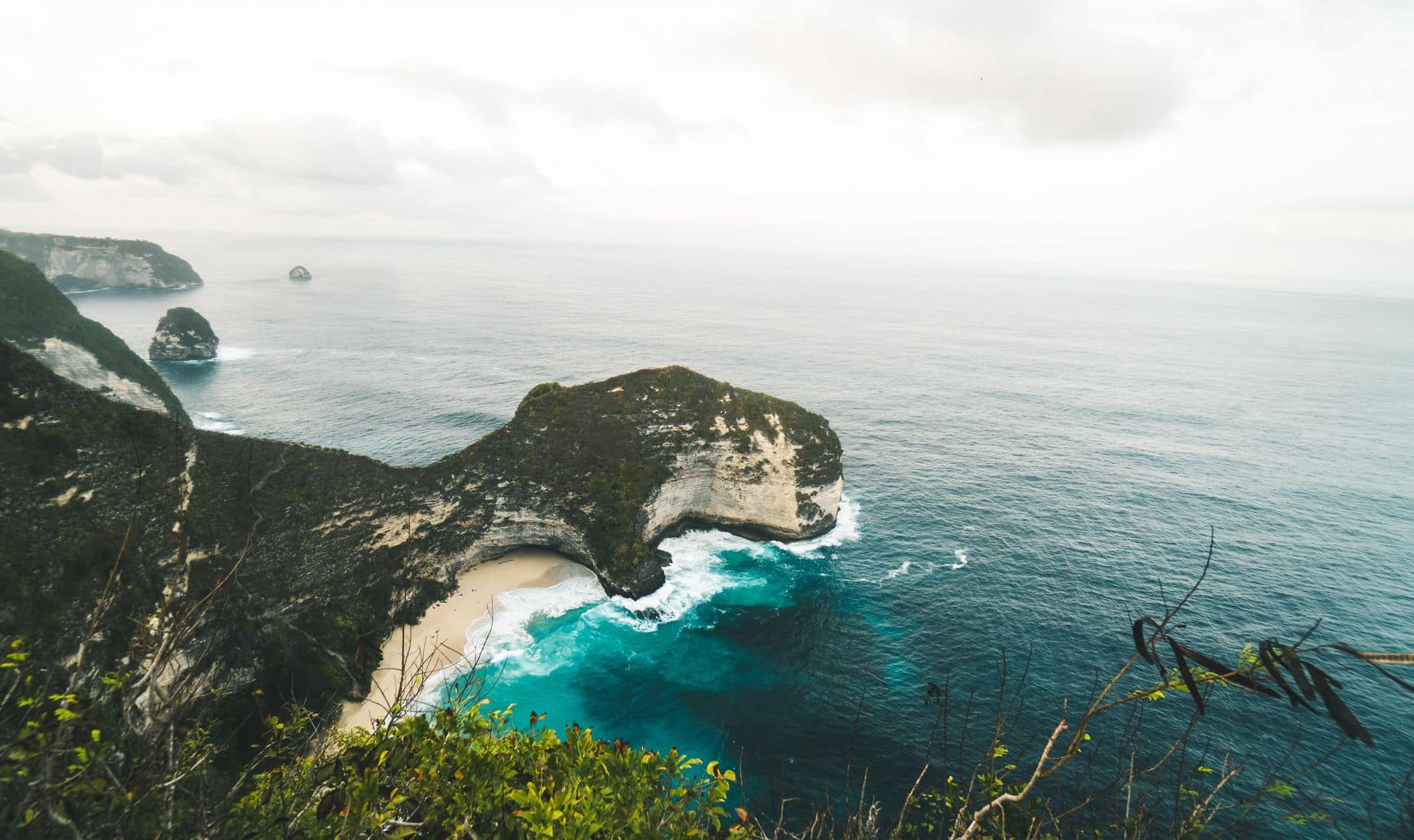
Nusa Penida West Tour
If your priority is bold scenery over snorkeling, the west route is the cleanest and most iconic Penida choice: one car, one driver and the island's four most photographed stops in a single day. It is especially strong for couples and first-time visitors who want the headline views with transport handled professionally.
- Duration
- Full day
- Area
- West Nusa Penida
- Format
- Island day tour
- Best for
- Cliff viewpoints and first-time Penida sightseeing
From $49 per car No prepayment
View tour