

Almost every Nusa Penida snorkeling trip sold from Bali is the same shape: a small boat, four stops, back at the harbour by early afternoon. The stops are Manta Point on the exposed south-west corner, Gamat Bay, Crystal Bay and the reef at Toyapakeh in the strait. What nobody tells you before you book is that three of those four have no beach at all. You go in off a ladder into open water, float, and get back on the same ladder. Only Crystal Bay has sand behind it. That single fact decides whether the day is wonderful or frightening, far more than the price does. Shared trips start from $29.
By Alex Moskvin, Founder of SB Excursions · Published 21 May 2026 · Updated 19 October 2026
Tour on this route: Snorkel with Manta Rays, Nusa Penida — From $29, full day.
Where is the best snorkeling on Nusa Penida?
For the animals, Manta Point on the south-west corner, because the cleaning station there brings reef mantas in all year. For coral, Gamat Bay. For fish life, the reef at Toyapakeh in the strait. For an easy, calm swim you can walk into from sand, Crystal Bay — it is the only stop on the standard route with a beach behind it.
This guide also answers:
- How much does snorkeling at Nusa Penida cost?
- What is the best time of day to snorkel at Nusa Penida?
- Do you need to be able to swim to snorkel at Nusa Penida?
Top picks from this guide
 #1
#1
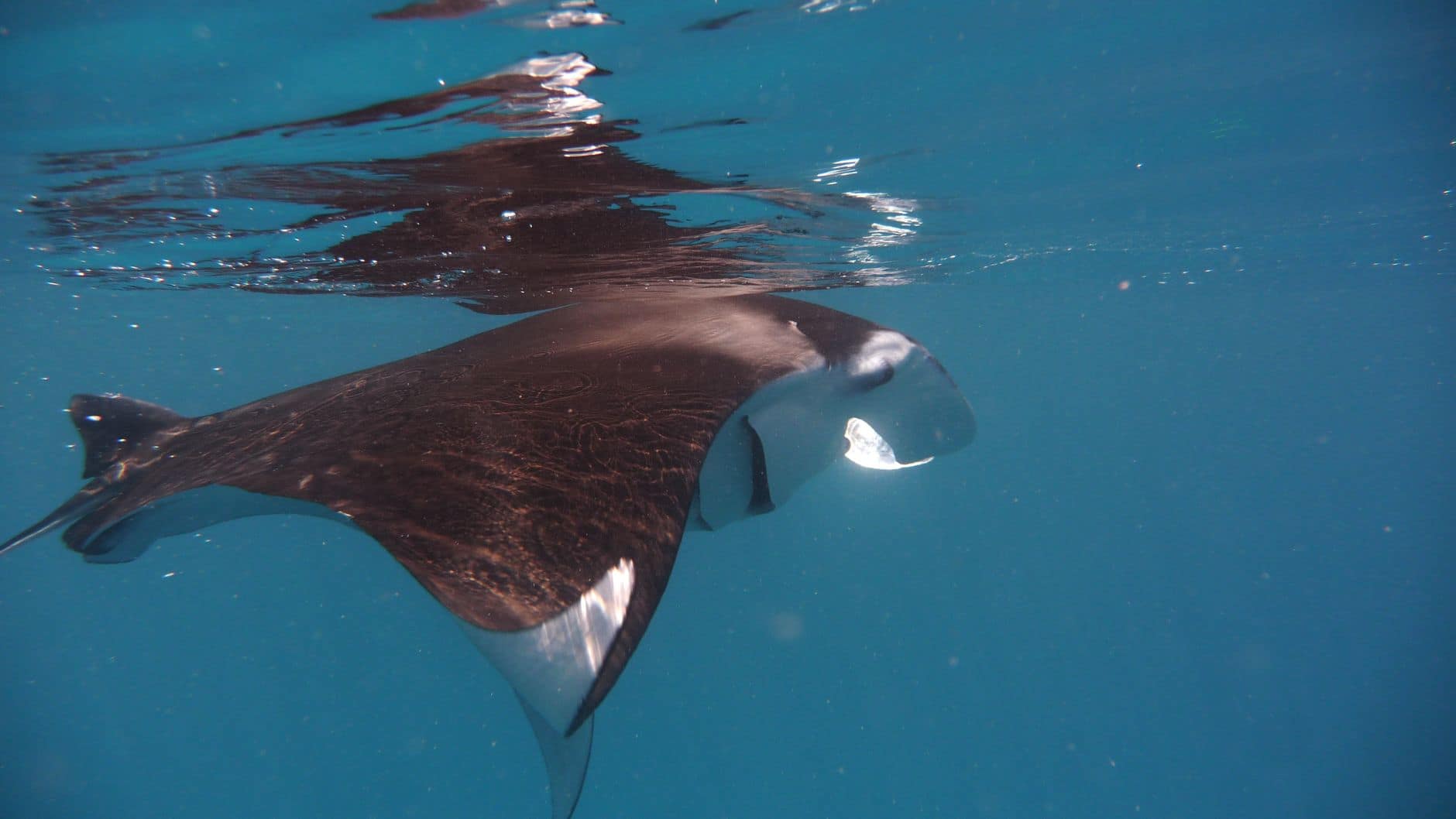
Manta Point
A cleaning station where reef mantas come in to have parasites picked off by small fish, so they circle the same patch of reef in every month of the year. You enter from the boat into open water with nothing beneath you, and there is usually surface movement even on a calm day because the corner faces the open ocean. Sessions run twenty to forty minutes. This is the most rewarding stop and the least forgiving one.
#2
Manta Bay
A second manta mooring, closer to the harbour and tucked under the west cliffs, so it is shallower and better sheltered than the point. Captains use it when the southern swell is running. Many operators print only the words Manta Point on the itinerary and take you here instead, which is not a swap in quality but is worth knowing before the boat turns north instead of south.
 #3
#3
Gamat Bay
A small cove with a coral wall running along one side and the healthiest hard coral on the standard route. It is also the stop where the current is felt most often: water squeezes past the headland, and you can find yourself moving along the wall without swimming. Guides usually put swimmers in at one end and let the boat follow. No beach, boat entry only.
 #4
#4
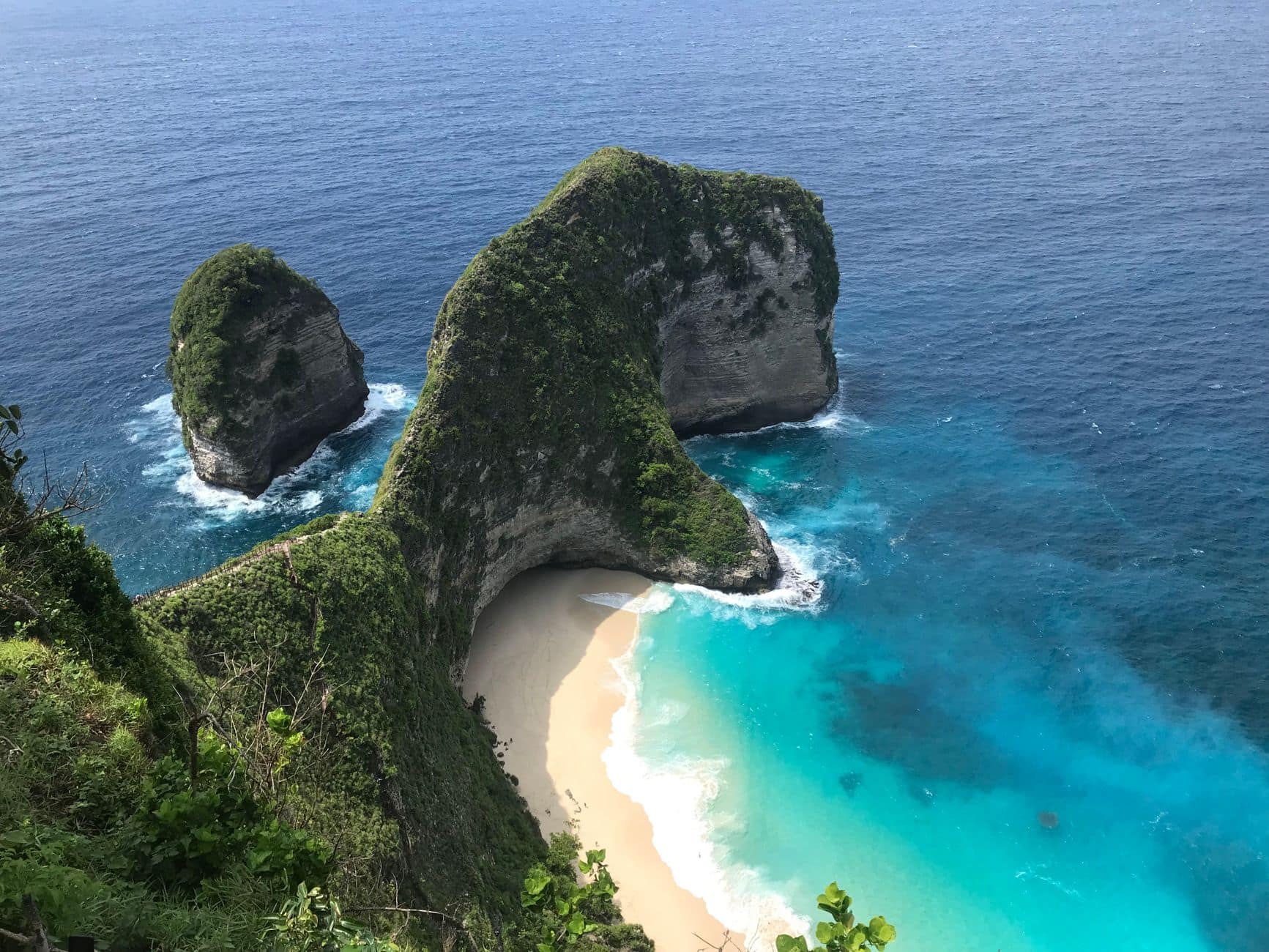
Crystal Bay
The only stop on the route with a beach behind it, which makes it the easiest stop of the whole day. Inside the bay the water is calm and shallow enough to stand in, with coral starting a short swim out. Toward the headland at the mouth of the bay the current picks up sharply, which is where the trouble on this beach usually happens. Stay inside the bay and it is the easiest water on Nusa Penida.
 #5
#5
Toyapakeh and the wall
A shallow reef in the channel, close to the harbour, with more small fish than anywhere else on the route and a coral edge that drops away into the strait. When the tide is still it is the gentlest snorkeling of the day. When the tide is running it carries you along, and you cover a lot of reef without moving your arms. Which one you get is decided by the hour, not the season.
The four stops at a glance
A standard shared day visits four of these five moorings, with the manta stop first because the animals are most reliable in the early hours. Here is what each one actually asks of you:
| Stop | How you get in | Water under you | What you see | Who it suits |
|---|---|---|---|---|
| Manta Point | Ladder into open water | Deep, no bottom to stand on | Reef mantas circling a cleaning station | Anyone comfortable floating in a vest away from land |
| Manta Bay | Ladder into open water | Shallower, more sheltered | The same mantas, closer to the cliffs | The same, on days when the south is closed |
| Gamat Bay | Ladder into open water | Coral wall dropping away | The healthiest hard coral of the day | Confident swimmers, because of the current |
| Crystal Bay | Ladder, or walk in from the sand | Shallow inside the bay | Coral and reef fish, easy visibility | Everyone, including children and nervous adults |
| Toyapakeh | Ladder into open water | Shallow reef, then a drop | The largest amount of small fish life | Everyone when the tide is still, swimmers when it is running |
Why three of the four have no beach
Nusa Penida is a raised limestone island with cliffs almost all the way round. There is no shallow shelf and very little sand, which is exactly why the water is clear and the marine life is good: the deep, cold Lombok Strait runs right up against the rock. The same geography means the snorkeling stops are boat moorings rather than beaches. You put on a vest, sit on the side, and step down a short ladder into water that is many metres deep from the first second. The roads, the boats and the cliff edges are covered honestly in is Nusa Penida safe.
For a lot of people that step is the whole trip. Nobody warns them, because the photographs sold online are all taken from underwater looking up. If you have only ever snorkeled by wading in from a beach in Thailand or the Red Sea, a Penida boat entry is a different experience, and it is worth deciding in advance whether you want it. Our guide to snorkeling in Bali if you cannot swim covers the calm alternatives on the mainland, and snorkeling on Nusa Penida without swimming covers how to do this specific day anyway.
What the day actually looks like
Hotel pickup in south Bali is early, usually between 05:30 and 06:30 depending on where you sleep, because the boat from Sanur leaves the harbour in the first hour of the day. The crossing takes 30 to 40 minutes, and there is a second transfer at the Penida side onto the small snorkeling boat. Details of the crossing itself are in our Sanur to Nusa Penida fast boat guide.
The manta stop comes first, while the wind is lightest and the mooring is emptiest. Then the boat works north, doing the other three stops with roughly twenty to thirty minutes in the water at each. Lunch is on the island, and most trips are back at Sanur in the middle of the afternoon. Trips that add land stops afterwards run much longer — the Nusa Penida East Tour is a 10-12 hour day.
The single biggest quality difference between two trips at the same price is the departure hour. First boats get flat water, an empty mooring and mantas that have not yet been circled by twelve other groups. Third boats get the crowded end of the same window.
What is included and what to bring
- Mask, snorkel, fins and a life vest come with every trip. The vest is not optional on shared boats and you should not want it to be.
- A guide in the water. On a proper trip somebody is in with you at each stop, not watching from the boat. Ask before booking if you are unsure of yourself.
- Reef-safe sun cream, or a rash guard instead. You float face down for half an hour at a time and your back takes the full sun. A long-sleeved top is better than any cream.
- A towel and a dry bag. The small boat is open and everything on it gets wet.
- Motion sickness tablets, taken an hour before. The strait is choppy, the small boat is light, and half an hour of floating on the surface at the manta stop is what tips most people over.
- Not a phone in your hand. Phones go into the water at the ladder more often than anything else. If you want photographs, bring something with a strap.
When a stop gets swapped
The manta stop is the one that moves. The point sits on an exposed corner, and when a large southern swell is running the captain either shifts to Manta Bay under the west cliffs or drops the manta stop entirely and does an extra reef instead. That call is made on the water, on the morning, and it is made the same way for every boat in the area — it is not an operator cutting corners.
Crystal Bay and Gamat Bay are the usual substitutes, which is why they show up on itineraries as both scheduled stops and replacements. Because trips here are booked over WhatsApp with no prepayment, moving your day to another morning costs nothing. The one mistake worth avoiding is putting the sea day on the last free morning of your holiday, because then there is nothing left to move it into. More on the weather pattern in manta ray season in Bali.
Which trip to book
Shared snorkeling day, from $29 — the Manta Point snorkeling trip is the standard four-stop day with early hotel pickup and the harbour transfer. Fixed schedule, shared boat, and the price is why most people take it. On a calm morning it puts you in exactly the same water as everyone else at the mooring.
Private day, from $60 — the private Nusa Penida day tour with manta snorkeling runs on your own timing. That matters more than it sounds: leaving thirty minutes before the fleet is the difference between an empty mooring and six boats, and being able to stay in the water while the mantas are still on the station is not something a shared schedule allows.
Land instead, from $49 per car — if the boat entries do not appeal, the Nusa Penida West Tour covers Kelingking, Angel's Billabong, Broken Beach and Crystal Bay from the road, and does not depend on the swell at one exposed corner. Our one-day Nusa Penida itinerary shows how sea and land fit into a single crossing.
FAQ
Where is the best snorkeling on Nusa Penida?
For the animals, Manta Point on the south-west corner, because the cleaning station there brings reef mantas in all year. For coral, Gamat Bay. For fish life, the reef at Toyapakeh in the strait. For an easy, calm swim you can walk into from sand, Crystal Bay — it is the only stop on the standard route with a beach behind it.
How many snorkeling spots does a Nusa Penida trip visit?
Four is the standard. The usual set is a manta stop first, then Gamat Bay, Crystal Bay and Toyapakeh, with roughly twenty to thirty minutes in the water at each and a lunch stop on the island. Trips advertised as three-spot or four-spot days are drawing from the same short list of moorings.
How much does snorkeling at Nusa Penida cost?
Shared four-stop days start from $29 with hotel pickup in south Bali, the fast boat crossing, gear and a guide in the water. A private version with the same snorkeling plus the island's land stops starts from $60. Everything is booked over WhatsApp with no prepayment. The full picture across the island is in our guide to snorkeling costs in Bali.
Can you snorkel on Nusa Penida from the beach?
Only really at Crystal Bay, which is the one stop on the route with sand behind it and shallow water you can stand in. Everywhere else on the standard trip is a boat mooring with deep water directly below, because Nusa Penida is a limestone island ringed by cliffs and has almost no shallow shelf.
Is snorkeling at Nusa Penida safe?
It is safe with the normal precautions and genuinely unforgiving without them. Everyone wears a life vest, a guide goes in the water at each stop, and the boat stays alongside. The real hazard is current rather than depth — at Gamat Bay, at the mouth of Crystal Bay and at Toyapakeh when the tide is running. Stay with the guide, do not swim toward the headlands, and tell the crew before you get in if you are not a strong swimmer.
Is Gamat Bay or Crystal Bay better for snorkeling?
Gamat Bay has better coral and Crystal Bay has easier water. Gamat is a narrow cove where the current squeezes past the headland, so it suits confident swimmers; Crystal is a sheltered bay with a beach, calm inside and only difficult if you swim out toward the point at the mouth. Most trips visit both, so you rarely have to choose.
What is the best time of day to snorkel at Nusa Penida?
The first departure of the day, every time. Wind is lightest at dawn, the surface is flattest, the manta mooring is empty, and visibility has not yet been stirred up by other boats. The gap between a 07:00 session and an 11:00 session at the same stop is larger than the gap between two months of the year.
Do you need to be able to swim to snorkel at Nusa Penida?
You do not need to swim well, but you do need to be willing to float in a vest in deep water away from land, because three of the four stops have no beach. People who are uncomfortable with that are better served by Crystal Bay alone, or by a mainland trip such as Blue Lagoon at Padang Bai from $50, where you wade in from a beach.
Recommended Bali tours for this guide
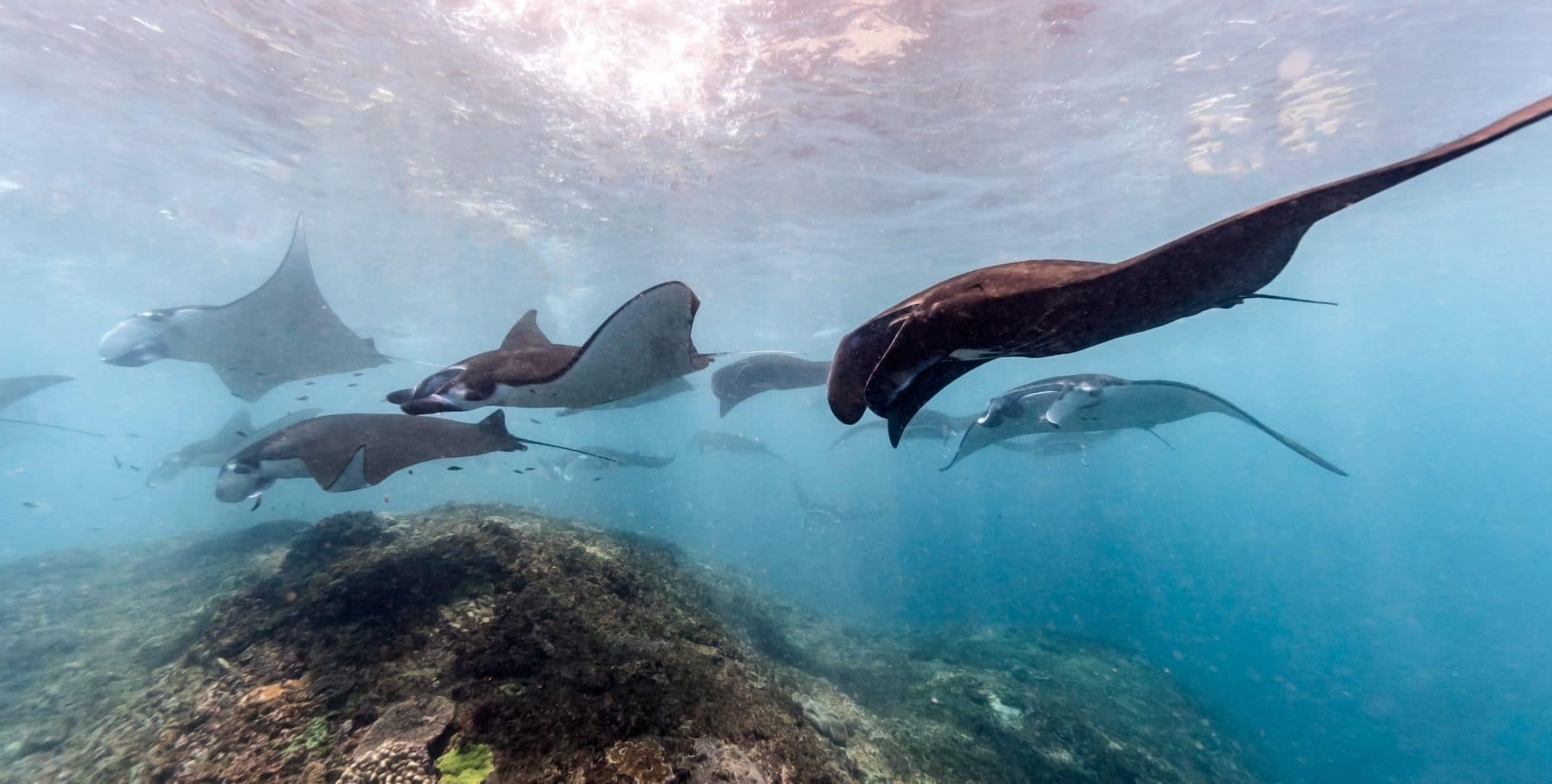
Snorkel with Manta Rays, Nusa Penida
This is one of Bali's strongest sea-day products because the experience starts delivering early and stays visually powerful all day. It works for couples, small groups, and first-time snorkelers who want clear planning and strong photo value.
- Duration
- Full day
- Area
- Manta Point and Nusa Penida waters
- Format
- Snorkeling tour
- Best for
- Snorkeling lovers and sea-day travelers
From $29 No prepayment
View tour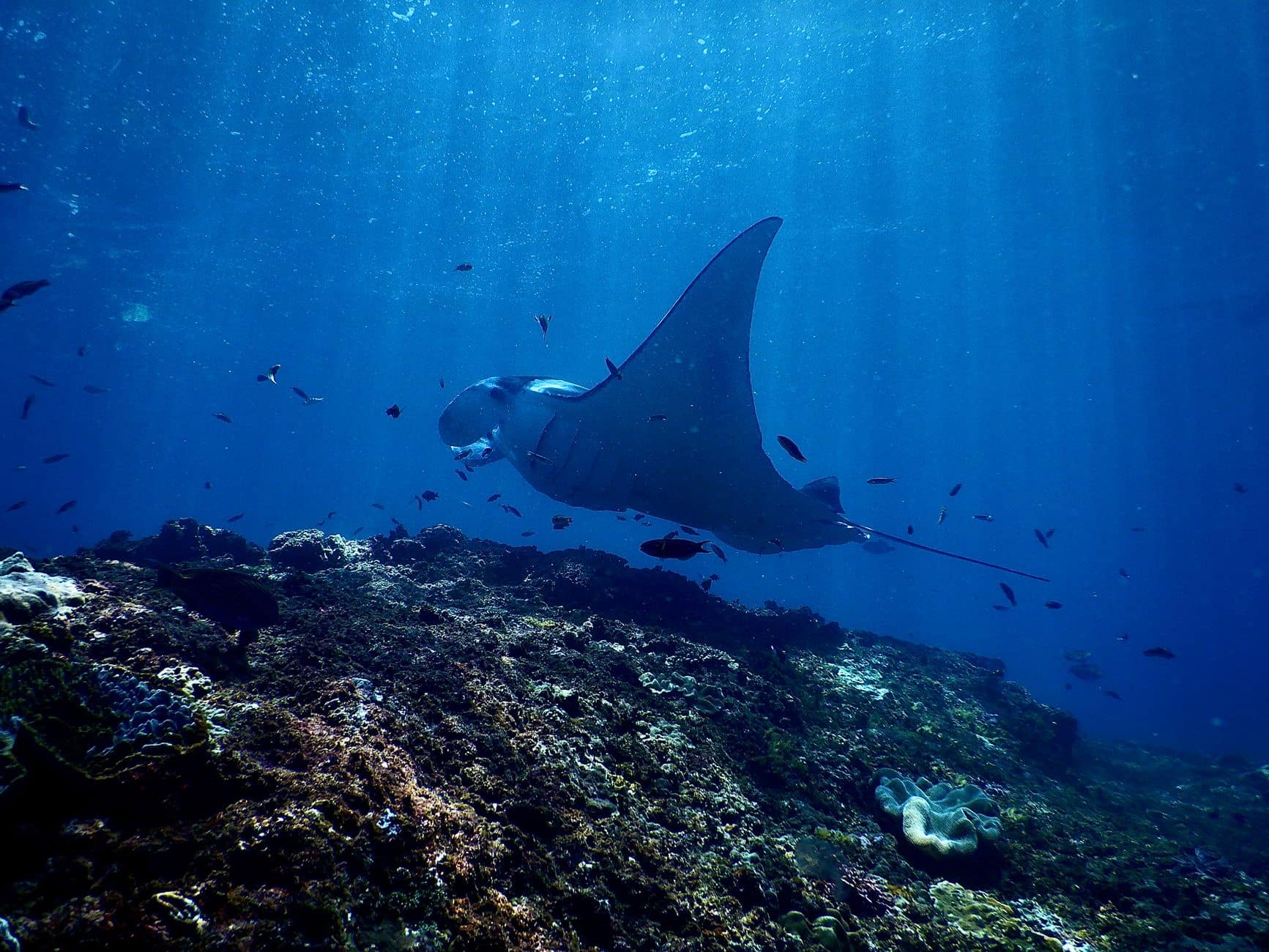
Nusa Penida Private car Day Tour+Snorkeling Manta Point
This is the highest-value option for many first-time Nusa Penida visitors because it avoids choosing between island sightseeing and the signature snorkeling experience. The private land transport keeps the second half of the day efficient and much more comfortable.
- Duration
- Full day
- Area
- Nusa Penida
- Format
- Private island combo tour
- Best for
- Travelers wanting sea and sightseeing in one day
From $60 No prepayment
View tour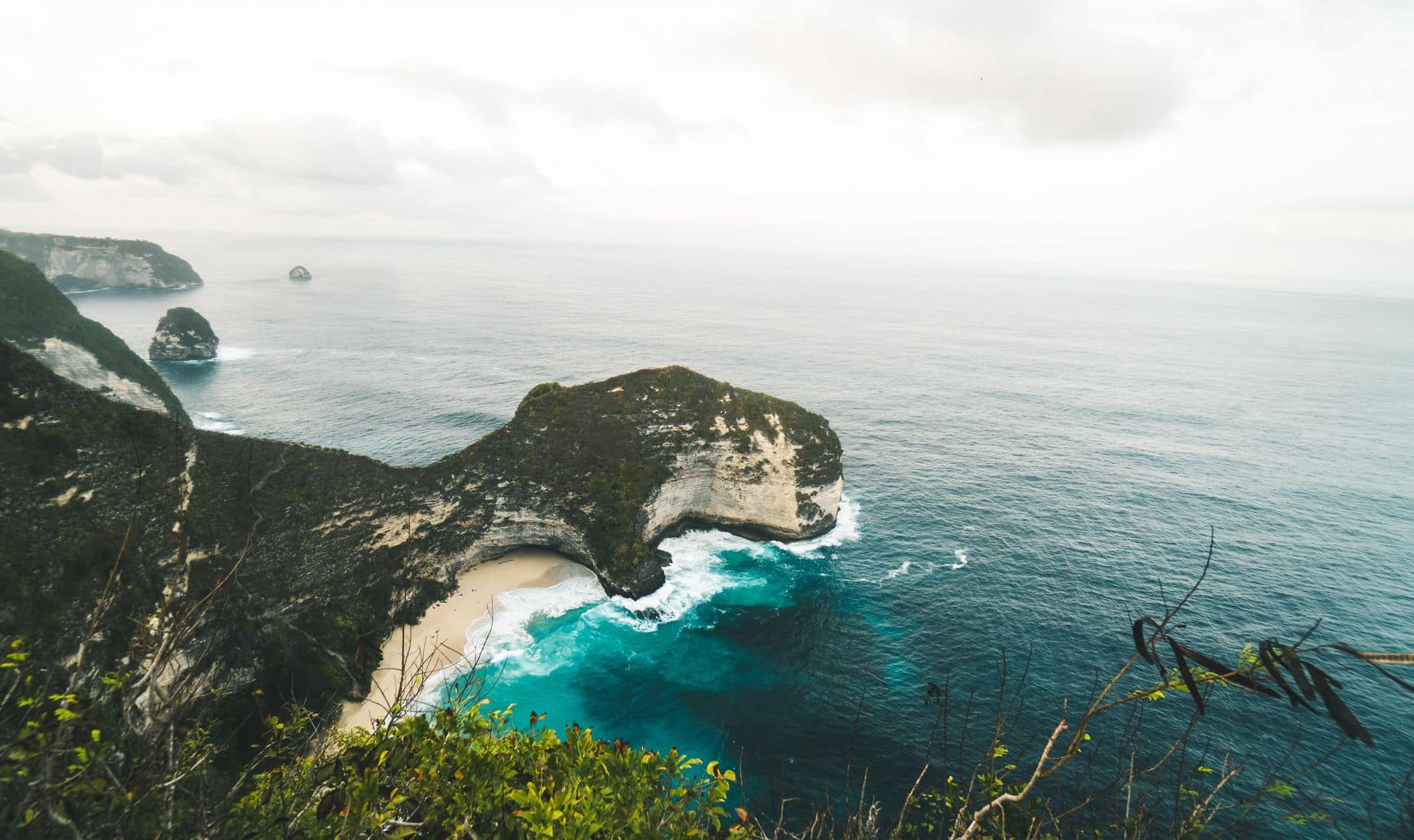
Nusa Penida West Tour
If your priority is bold scenery over snorkeling, the west route is the cleanest and most iconic Penida choice: one car, one driver and the island's four most photographed stops in a single day. It is especially strong for couples and first-time visitors who want the headline views with transport handled professionally.
- Duration
- Full day
- Area
- West Nusa Penida
- Format
- Island day tour
- Best for
- Cliff viewpoints and first-time Penida sightseeing
From $49 per car No prepayment
View tour