

Yes, Bali is worth it in the rainy season, and most of what we run goes ahead exactly as it does in August. The wet season lasts roughly November to March, and the rain usually turns up in the afternoon and passes within an hour or two rather than settling in for the day. What genuinely changes is the sea: fast boats and snorkeling trips get called off when the swell comes up, sometimes at short notice. Inland the same weather works for you — waterfalls run at full volume and the Ayung is faster, so rafting from $25 is a better ride in January than in July. Here is what to book, what to keep loose, and what we move.
By Alex Moskvin, Founder of SB Excursions · Published 21 May 2026 · Updated 23 October 2026
Tour on this route: Ubud Rice Terrace, Temple & Volcano Tour — From $65 per car, 10 hours.
Is Bali worth it in the rainy season?
Yes, with one adjustment: keep sea days flexible. Rain from November to March usually falls as a heavy afternoon burst of an hour or two, not all day, so land tours run normally. Waterfalls are at full volume, the terraces are green, crowds are thinner and accommodation is cheaper. What suffers is boat travel and open-water snorkeling.
This guide also answers:
- What can you do in Bali in the wet season?
- Is Bali good in January?
- Can you visit Nusa Penida in the rainy season?
Top picks from this guide
 #1
#1
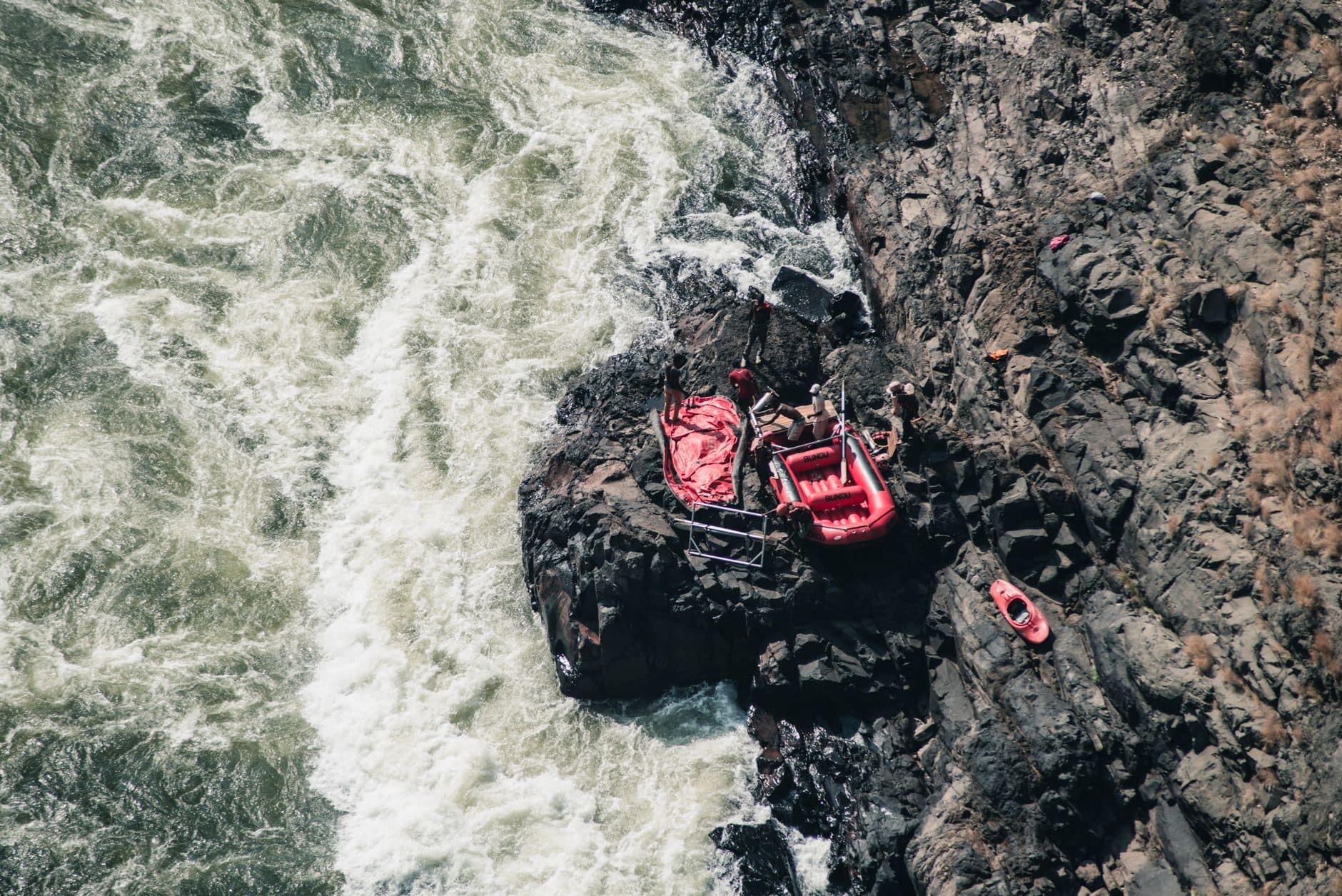
White water rafting on the Ayung
More water means faster water. The Ayung run is a genuinely better ride from November to March than at the end of the dry season, and you finish soaked either way, so a downpour changes nothing. Our rafting trip is from $25, 4-6 hours door to door, with a morning or midday pickup.
 #2
#2
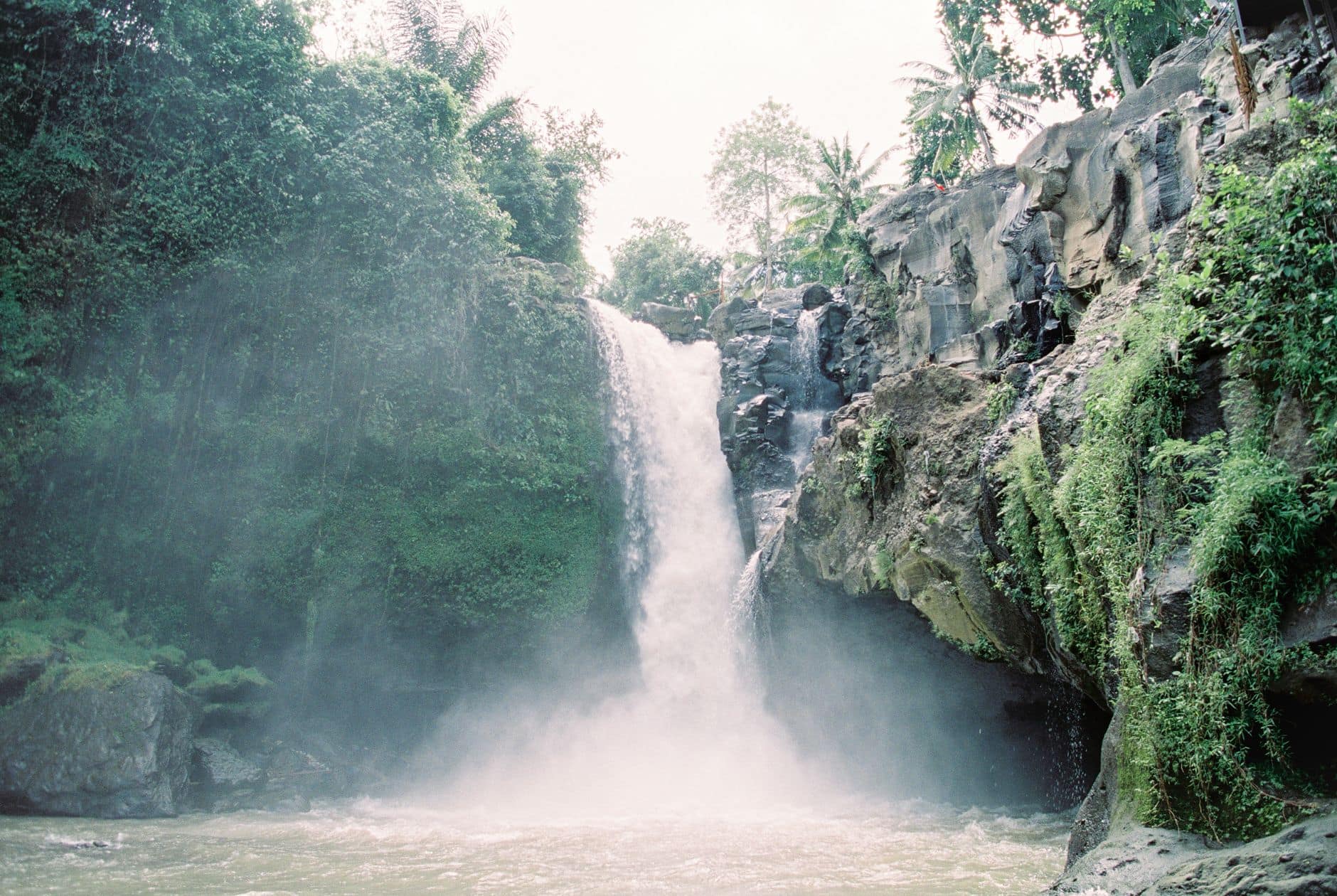
Waterfalls at full flow
The falls people photograph in the dry season are a fraction of what they are now. Two things to know before you go: the water often runs brown for a day after heavy rain, and the stairs down turn genuinely slippery. Grip shoes, not flip-flops. Which waterfalls are worth the drive has the shortlist.
 #3
#3
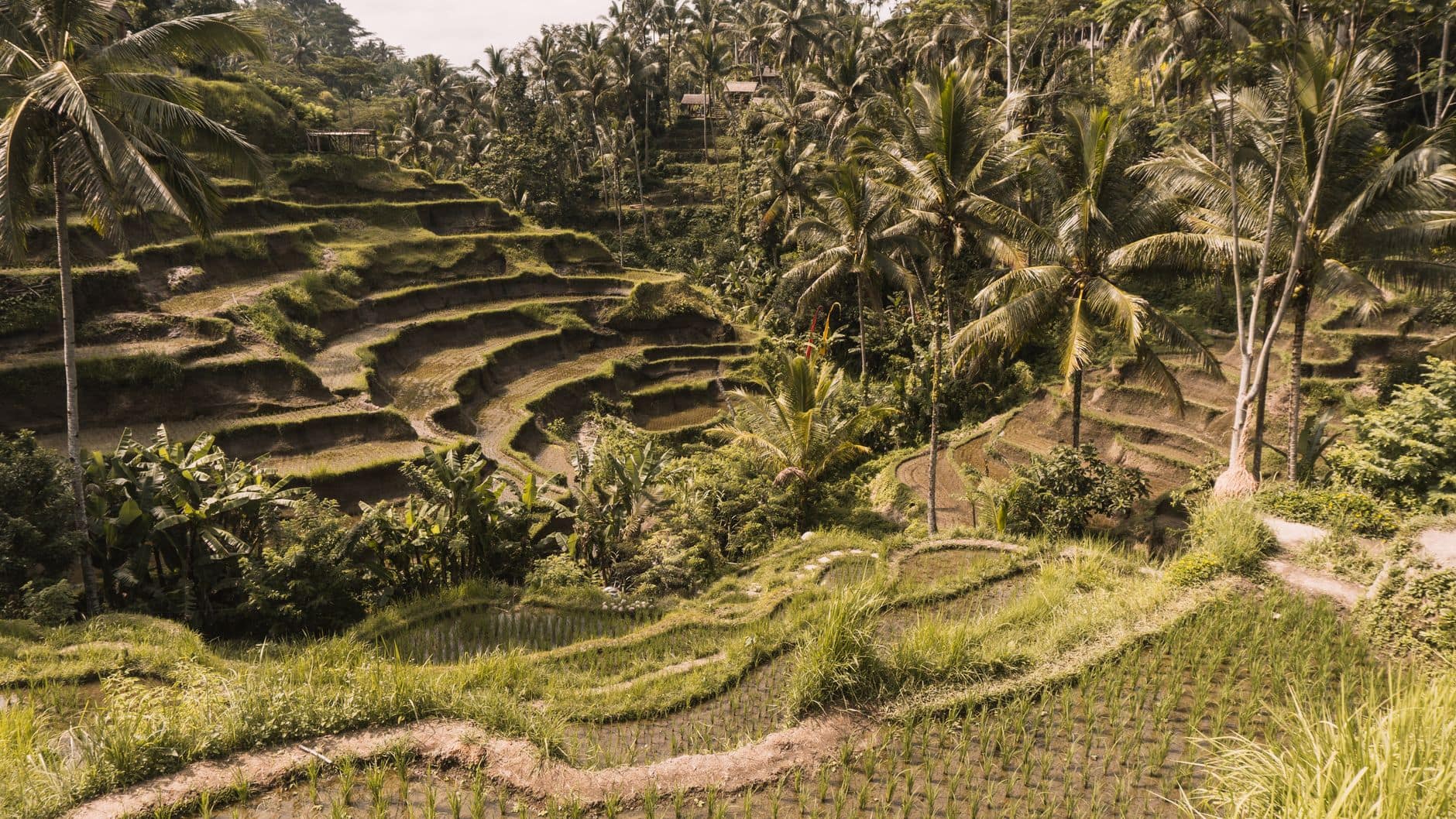
The Ubud, temple and volcano day
Rice terraces, temples and the Batur caldera view, on an 08:00 hotel pickup and roughly 10 hours on the road. Nothing on the route needs clear skies, and the terraces are greener now than at any point in the dry season. From $65 per car on the Ubud highlights tour.
 #4
#4
ATV through the mud
The jungle, rice-field, river and tunnel tracks around Ubud are mud in the wet season, which is the reason most people book an ATV in the first place. The Ubud quad bike ride is from $39, with 1.5 hours on the machine inside a 4-6 hour slot. Wear clothes you do not mind ruining.
 #5
#5
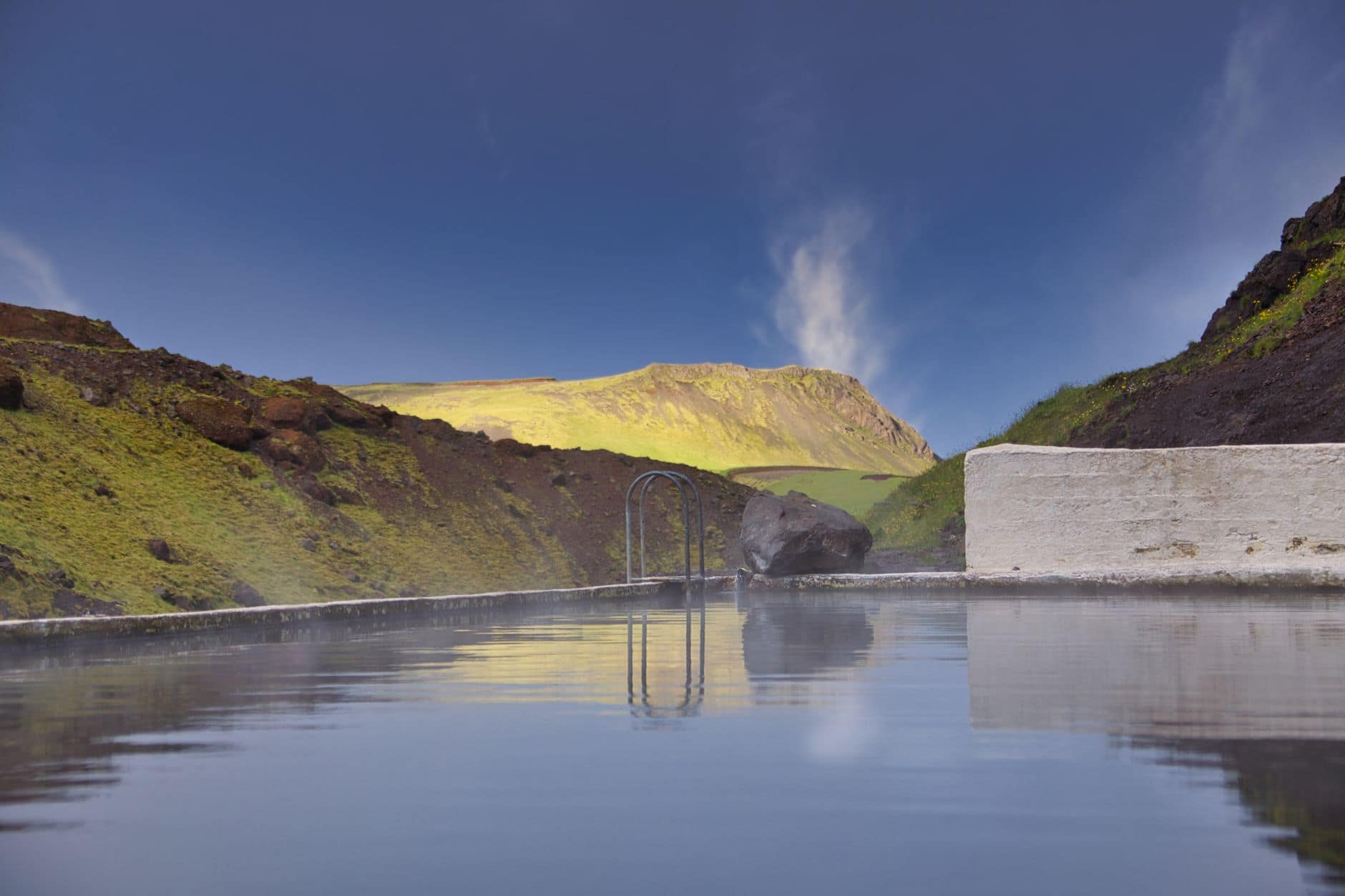
Batur sunrise with a hot spring finish
The sunrise itself is a coin flip in the wet months, because cloud sits in the caldera and some mornings you see nothing at all. What makes it survivable is the ending: the jeep tour with hot springs from $55 finishes in warm water regardless of the view, on a pre-dawn pickup around 02:00-03:30.
 #6
#6
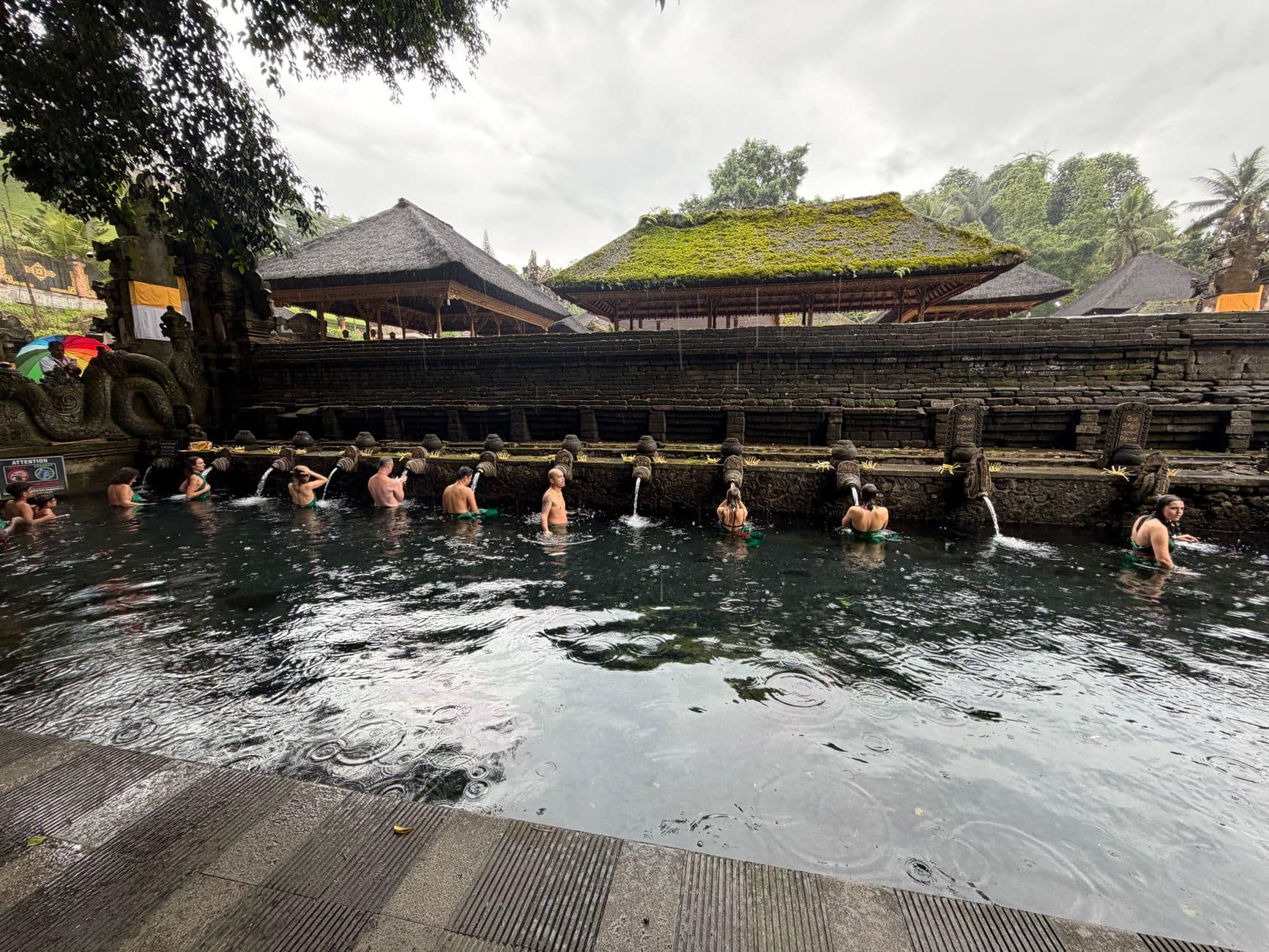
Temples and holy springs
Temples are the most weather-proof thing on the island, and at Tirta Empul you queue up to stand under cold water anyway. Overcast light also flattens the harsh midday contrast that ruins temple photos in the dry season. The UNESCO heritage route runs the same 10 hours in March as in July, from $65 per car.
 #7
#7
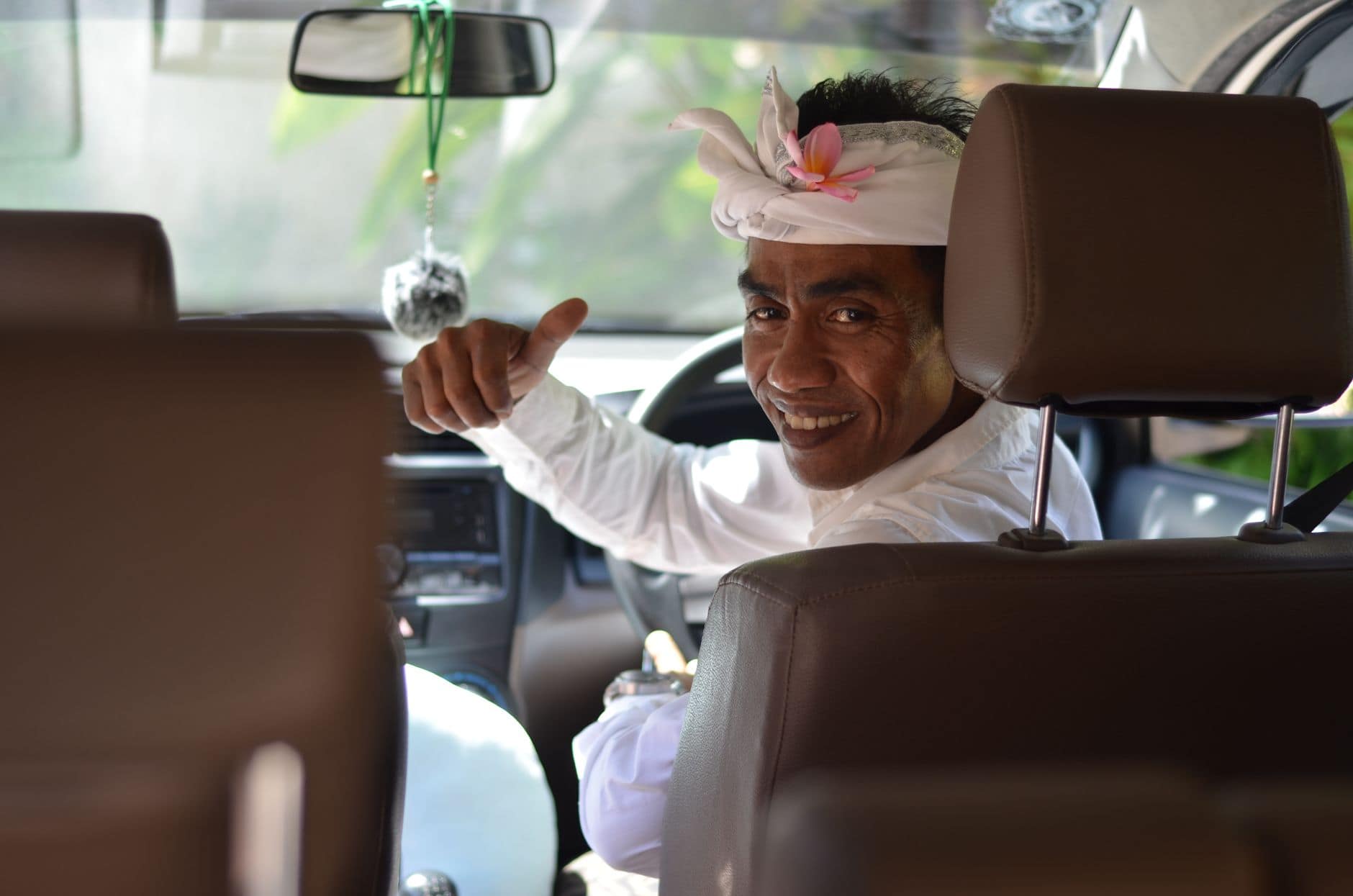
A private car and no fixed route
The most useful wet-season booking, because it lets you change your mind mid-morning. If the sky goes black over Kintamani, you go to the coast instead and nobody has to rewrite an itinerary. A private car with driver is from $59 per car, on your own schedule.
 #8
#8
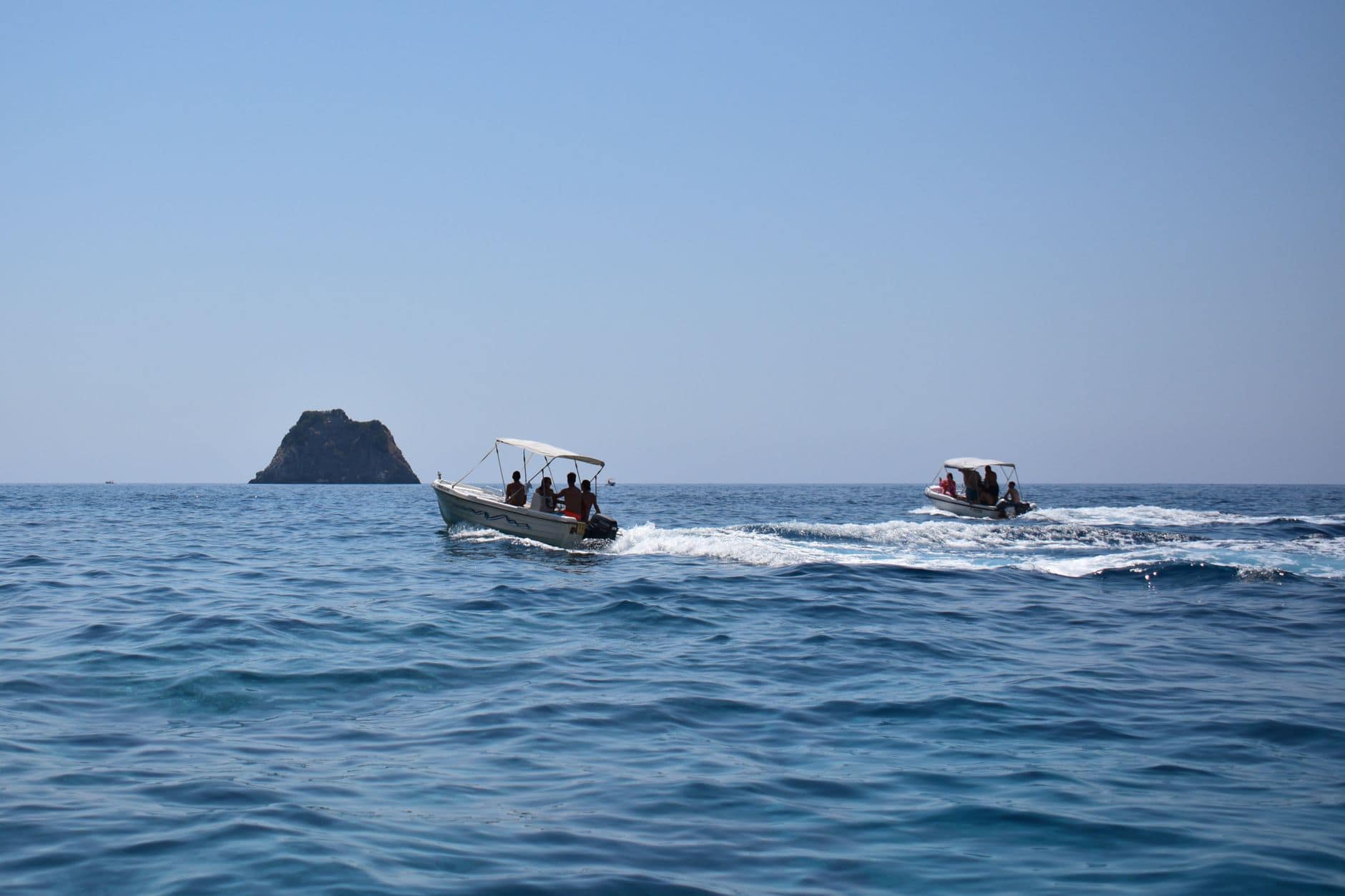
Sea days and fast boats
The one category that genuinely gets cancelled. Swell stops the boats, and the call can come the night before or at the harbour in the morning. The land route on Penida runs fine when the crossing does — the West Tour is from $49 per car — but the crossing has to cooperate first.
What the rainy season actually does to a day here
Wet season in Bali runs roughly November to March. The word people picture — monsoon, whole days lost indoors — is not what most of it looks like. The usual shape of a day is a clear or hazy morning, cloud building through the middle of the day, and heavy rain in the afternoon that passes in an hour or two. Then it stops, the roads steam, and the evening is warm again. You lose part of an afternoon, not a day. What you get back is colour: the terraces, the jungle around Ubud and every river on the island are running full.
The exceptions matter more than the average, so plan for them. Some days it does rain from morning to night, and a few times a season a weather system parks over the island for two or three days straight. Roads flood in patches around Denpasar and Canggu, traffic gets noticeably worse, and the sea gets rough. None of that is dangerous on a normal sightseeing day, but it changes what you should book and in what order. For how the other months behave, our month-by-month guide to visiting Bali has the seasonal detail.
What gets cancelled, and it is almost always the sea
In practice, the only tours cancelled for weather are the ones on water. When the swell comes up, fast boats stop running and snorkeling trips are called off — sometimes the evening before, sometimes at the harbour in the morning when the port decides nothing is sailing. That covers the Nusa Penida crossings, Manta Point snorkeling from $29, the Gili day trips, and any fast boat transfer from $15. Manta Point tends to go first: it sits on an exposed corner of Penida and can be closed while the rest of the island is having a fine day.
This is the part worth being blunt about. If you are in Bali for four days in January and the entire trip is built around one snorkeling morning, there is a real chance you do not get it. Book the sea day early in your stay, not on your last morning, so there is room to try again. Treat it as the flexible item on the list rather than the fixed one. If the crossing itself is what you are planning around, how to get to Nusa Penida explains which harbours and boats are involved and where the delays come from.
- Cancelled by swell: fast boats, Manta Point, Gili day trips, open-water snorkeling
- Rarely affected: Ubud, Kintamani and temple routes, waterfalls, rafting, ATV, private car days
- Better in the wet: rafting, waterfall volume, green terraces, thinner crowds at every stop
- A coin flip either way: Mount Batur sunrise, where cloud in the caldera decides the view
- Worse, but still runs: beach days on the west coast, where debris washes ashore in the wet months
What is better in the rain than it is in August
Some of the best days we run happen in the wet season, and not as a consolation prize. Half of what people come to see here is water, and from November there is finally some of it.
- Waterfalls run at full volume. Gitgit and the central Bali falls are heavy and loud from November to March instead of a thin sheet over rock. The trade-off: water often turns brown after a hard downpour, and the stairs get slippery. Waterfall day trips covers which are worth the drive.
- Rafting is at its peak. More water in the Ayung means a faster run. Our white water rafting trip is from $25 over 4-6 hours, and the full rafting guide explains what the day involves.
- The rice terraces are actually green. Tegalalang and the UNESCO terraces look in March the way the photos promised, which is not always true in September.
- Cloud is better light for temples. Flat overcast removes the harsh midday contrast that wrecks temple photos in the dry season.
- Fewer people everywhere. Outside the late-December holiday spike, the same viewpoints hold a fraction of the peak-season crowd.
- Tukad Cepung is the exception. The light beams in that canyon need direct sun, and the gorge can close after heavy rain — do not build a day around it in January.
The honest counterweight: humidity is higher, mosquitoes are worse, and clothes do not dry. Pack for that rather than fighting it — a poncho beats an umbrella in a scooter-heavy country, and a dry bag matters more than a rain jacket. What to pack for Bali has the wet-season list.
Front-load the day, and the rain stops mattering
The single most useful habit in the wet season is to start early. Our Ubud rice terrace, temple and volcano tour has an 08:00 hotel pickup and runs about 10 hours, from $65 per car. By the time the afternoon cloud builds you are already three or four stops in, and the last part of the route is the drive home anyway. The same logic applies to the UNESCO heritage route from $65 per car and to the Tanah Lot and Bedugul day from $65 per car over 9-11 hours, though that one ends at the coast, which is where a wet-season sunset is least reliable.
Sunrise trips sit outside the rain window entirely, which is the good news, and inside the cloud window, which is the bad. A Mount Batur sunrise jeep tour from $45 leaves in the dark and is finished before the rain starts, but whether you see the sun depends on what is sitting in the caldera at 06:00. Some mornings it is clear above the cloud layer and better than anything in August; some mornings it is grey. If you want the odds and the differences between the versions, jeep vs hike lays them out.
Bali in January, specifically
January is the wettest month of the year here, and the one people ask about most. It is still a workable month — the rain pattern is the same afternoon burst, just more often — and it is the cheapest stretch of the year for villas and hotels, with one exception: from around 20 December to 5 January the island is full and priced like peak season. Book the first week of January and you get holiday crowds with wet-season weather, which is the worst of both. The second half of the month is a very different trip. How much a Bali trip costs breaks the numbers down.
Two other January notes. Sea conditions are at their least predictable, so if snorkeling or the Gilis matter to you, read when the water is clearest before you commit to dates. And Nyepi falls in March, at the tail of the wet season — the airport closes for 24 hours and nobody leaves their accommodation, which is either a problem or the quietest night of your life depending on how you plan for it.
How booking works when the forecast is unreliable
We take bookings over WhatsApp with no prepayment, which matters more in the wet season than at any other time of year. If the boat does not sail, you have not paid for a boat. There is nothing to claim back and no voucher to argue about — we tell you the night before or first thing in the morning, and you either move the day or swap it for something inland.
The swap that works best is a private car with driver from $59 per car. It is the one booking that lets you decide at 11:00 rather than at 07:00: if the sky goes black over Kintamani, you go somewhere else, and nobody has to rewrite anything. The other reliable substitutes for a cancelled sea day are rafting, an ATV ride from $39, or a straight Ubud day — things to do in Ubud has more options that do not care about the weather. Prices for everything are listed openly in our 2026 tour price guide.
FAQ
Is Bali worth it in the rainy season?
Yes, with one adjustment: keep sea days flexible. Rain from November to March usually falls as a heavy afternoon burst of an hour or two, not all day, so land tours run normally. Waterfalls are at full volume, the terraces are green, crowds are thinner and accommodation is cheaper. What suffers is boat travel and open-water snorkeling.
What can you do in Bali in the wet season?
Almost everything except boat trips. Waterfalls, rice terraces, temples, Ubud, the Kintamani caldera and ATV tracks all work in rain, and rafting is genuinely better because the Ayung runs higher — from $25 over 4-6 hours. Start early: an 08:00 pickup puts you several stops in before the afternoon cloud builds.
Is Bali good in January?
January is the wettest month, but it is workable and cheap outside the 20 December to 5 January holiday spike, when the island is full and priced at peak. The rain pattern is the same afternoon downpour, just more frequent. Sea conditions are at their least predictable, so book any snorkeling day early in your stay.
Do Bali tours get cancelled in the rainy season?
Only water-based ones, in our experience. Fast boats, Nusa Penida crossings, Gili trips and Manta Point snorkeling are called off when swell comes up, sometimes the night before and sometimes at the harbour. Land tours run in rain. Because we take bookings over WhatsApp with no prepayment, a cancelled sea day costs you nothing.
Does it rain all day in Bali in the rainy season?
Usually not. The typical wet-season day is a clear or hazy morning, cloud building around midday, and heavy rain in the afternoon that passes within one to two hours. A few times each season a weather system settles over the island for two or three days, but that is the exception rather than the pattern.
Can you visit Nusa Penida in the rainy season?
Often yes, but the crossing is the deciding factor rather than the island itself. When the strait is rough, boats stop and the day is off; when they sail, the land route runs as normal and the West Tour is from $49 per car. Book it for the start of your trip so there is room for a second attempt.
Recommended Bali tours for this guide
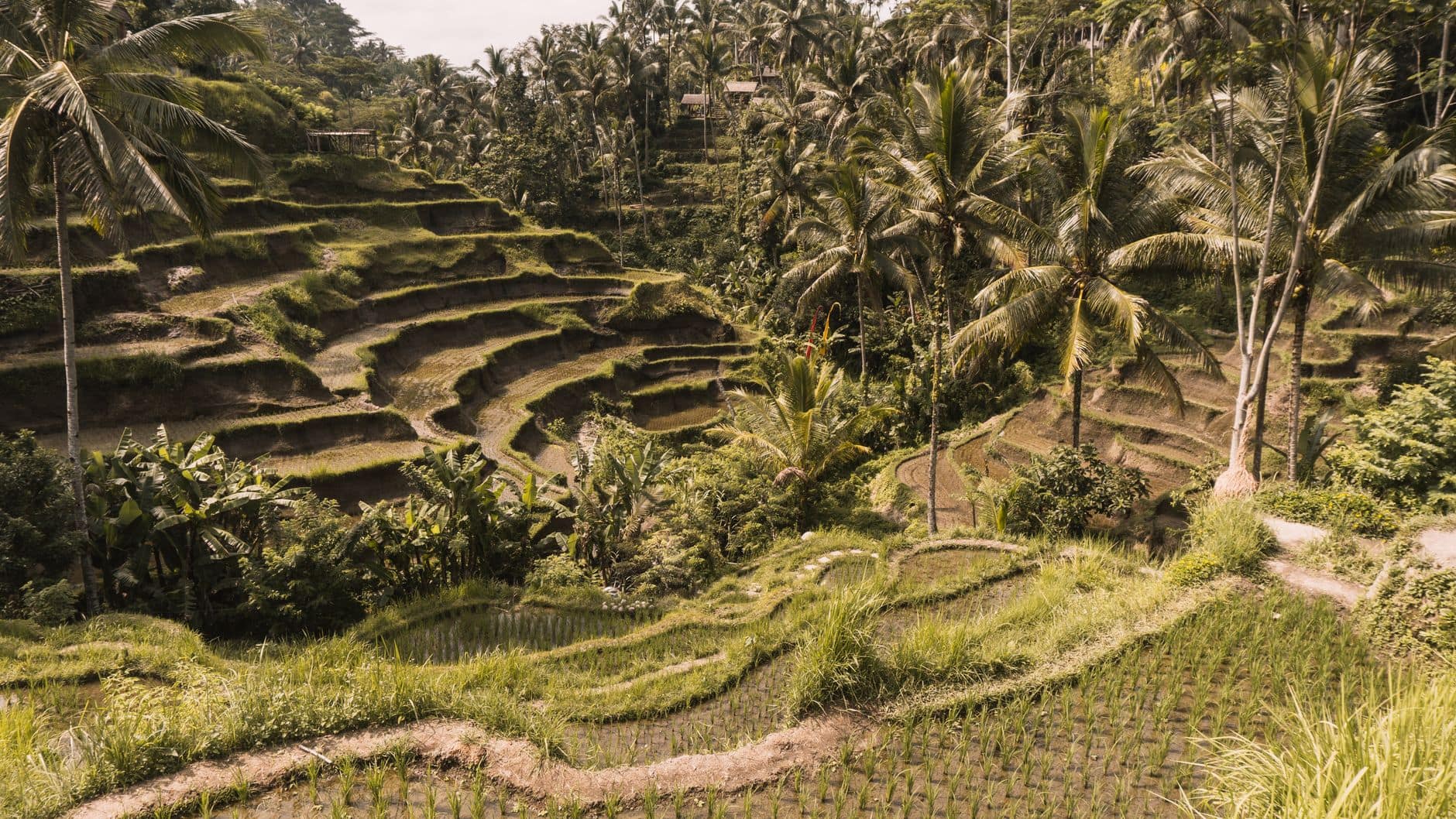
Ubud Rice Terrace, Temple & Volcano Tour
This private Ubud and Kintamani day tour is built for travelers who want Bali culture, scenery, and soft adventure without planning the route or doing the driving. It works especially well for first-time visitors because the route moves from craft villages and temples to volcano views, rice terraces, and the Ubud center in one organized flow.
- Duration
- 10 hours
- Area
- Kintamani, Ubud, and central Bali
- Format
- Private day tour by car
- Best for
- First-time Bali visitors
From $65 per car No prepayment
View tour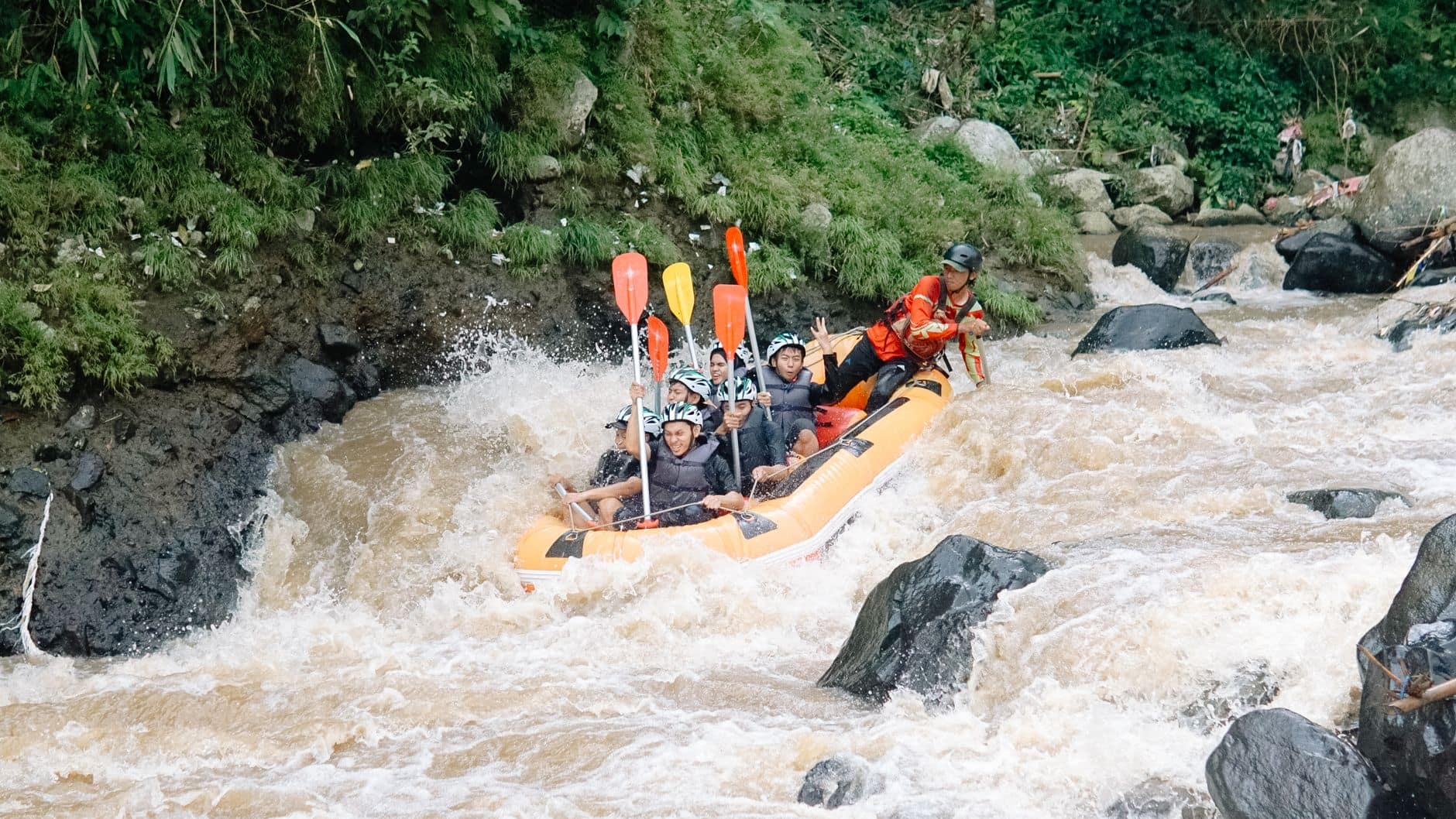
Bali White Water Rafting, Ayung River
White water rafting is one of Bali's easiest adventure products to fit into a trip because it feels active without being overly technical. It is especially strong for guests who want something memorable that still works for mixed groups.
- Duration
- 4-6 hours
- Area
- Bali river routes
- Format
- Adventure activity
- Best for
- Families, couples, and active groups
From $25 No prepayment
View tour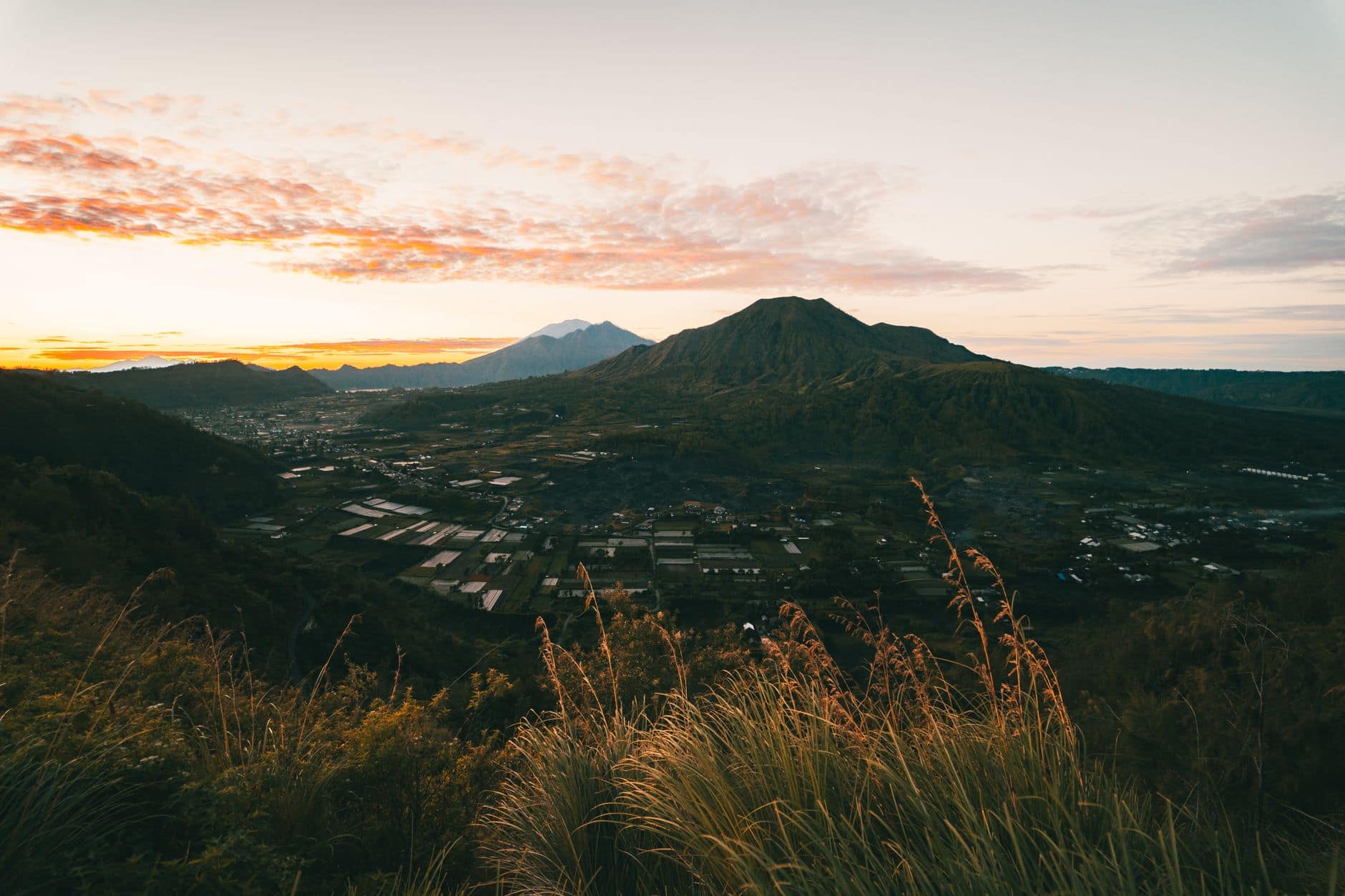
Mount Batur Sunrise Jeep Tour
This is one of the most accessible sunrise adventures in Bali because you still get the volcano mood without committing to a full trekking route. It is ideal for couples, small groups, and guests who want a signature morning with strong visuals.
- Duration
- 6-8 hours
- Area
- Kintamani and Mount Batur
- Format
- Private or small group jeep trip
- Best for
- Adventure lovers and sunrise seekers
From $45 No prepayment
View tour