

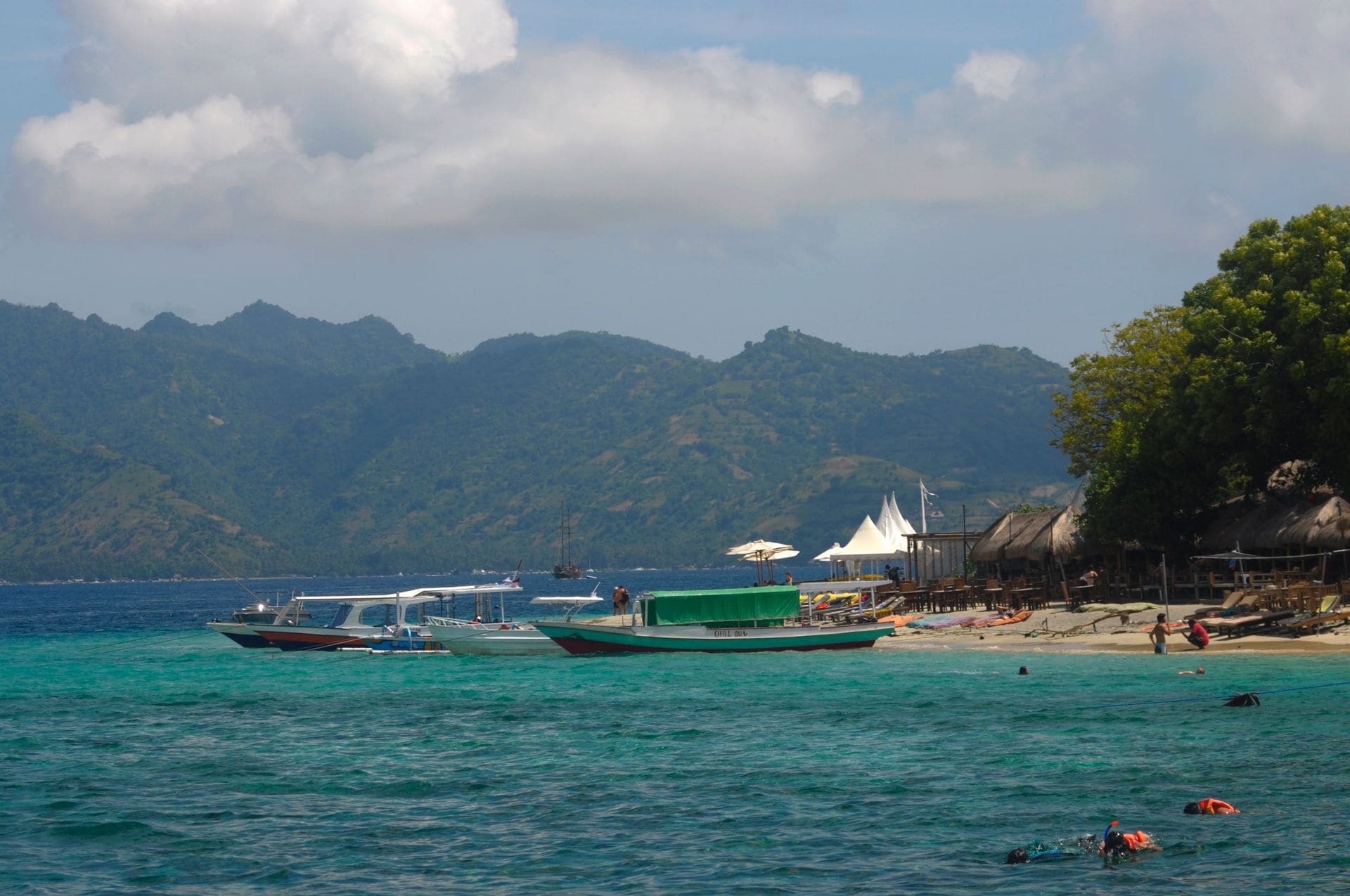
Gili Meno is the smallest of the three Gilis — roughly 1.5 km² of island and a permanent population of about 400 to 500 people — and the emptiness is the product, not a side effect. There is no nightlife, the food choice is genuinely thin, and the cash problem is bad enough that every source we checked says the same thing: arrive with the money you need. What you get back is the best shore snorkelling of the three. Turtles graze a few metres off the west coast, and Jason deCaires Taylor's 48-figure sculpture, The Nest, sits about 100 metres out in 3 to 5 metres of water, reachable with a mask and fins. Medical cover is clinic level only and the nearest hospital is in Mataram on Lombok. Here is who Meno suits, who should book Gili Air instead, what it costs, and the honest answer on drinking water.
By Alex Moskvin, Founder of SB Excursions · Published 21 May 2026 · Updated 23 October 2026
Tour on this route: Gili Islands Getaway from Bali — From $70, full day or multi-day base route.
What is there to do on Gili Meno?
Snorkelling, walking and very little else — which is the point. The Nest, a circle of 48 underwater statues, sits about 100 metres off the beach in 3 to 5 metres of water and needs no boat; the west and north-west shallows give reliable green and hawksbill turtle encounters; the small turtle sanctuary runs on donations; and the coastal path circles the island in an hour to ninety minutes. There is effectively no nightlife, and the food choice is the thinnest of the three islands.
This guide also answers:
- Is there an ATM on Gili Meno?
- Where are the underwater statues on Gili Meno?
- Gili Meno or Gili Air: which should I choose?
Top picks from this guide
 #1
#1
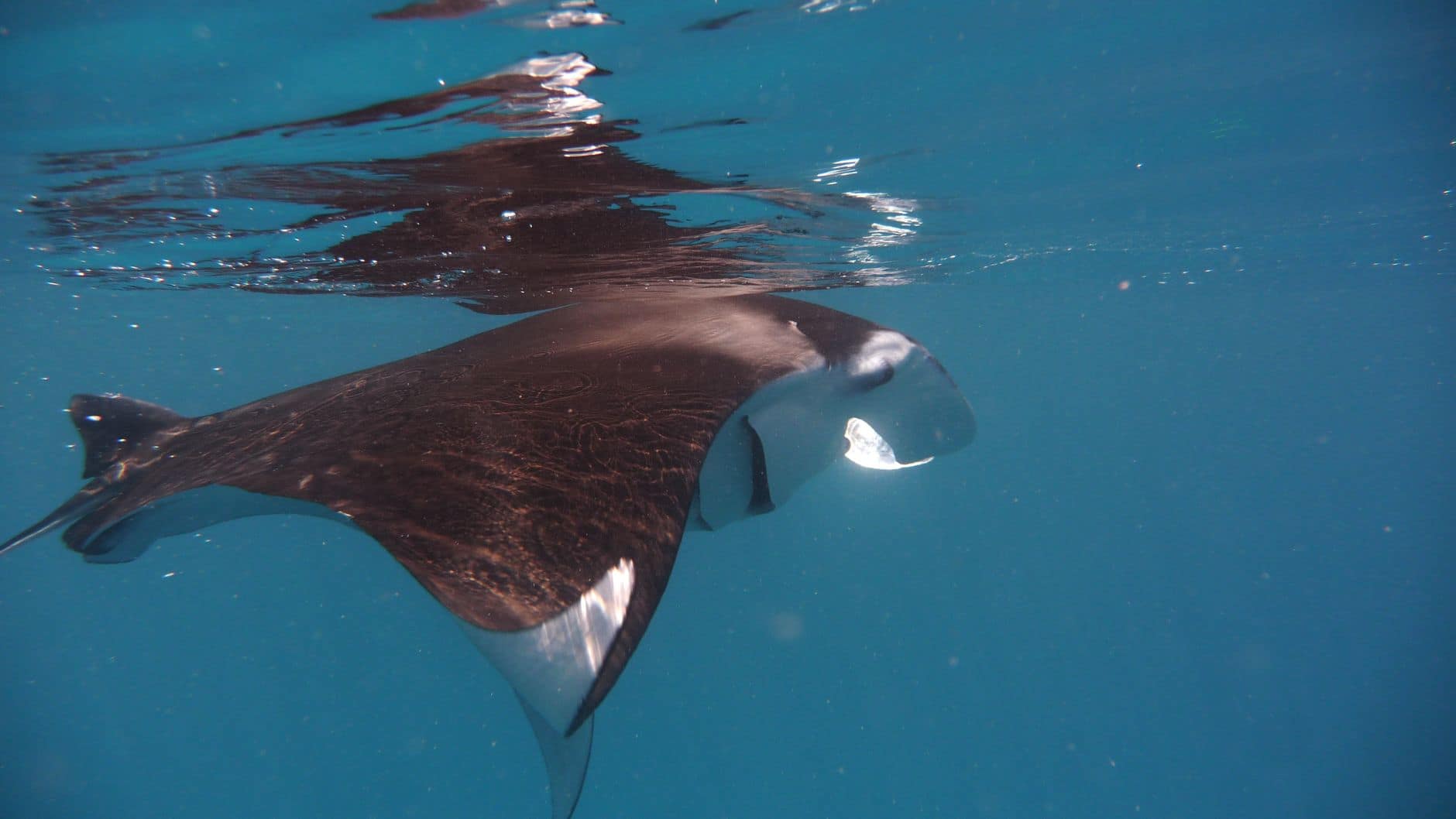
The Nest, the underwater sculpture
Jason deCaires Taylor's circle of 48 life-size figures, commissioned by the BASK resort and installed in 2017. It lies roughly 100 metres off the beach in 3 to 5 metres of water, so you reach it with a mask and fins — no boat, no ticket. It doubles as an artificial reef and carries coral growth now, which is why standing on it in calm conditions, as people do, is not harmless.
 #2
#2
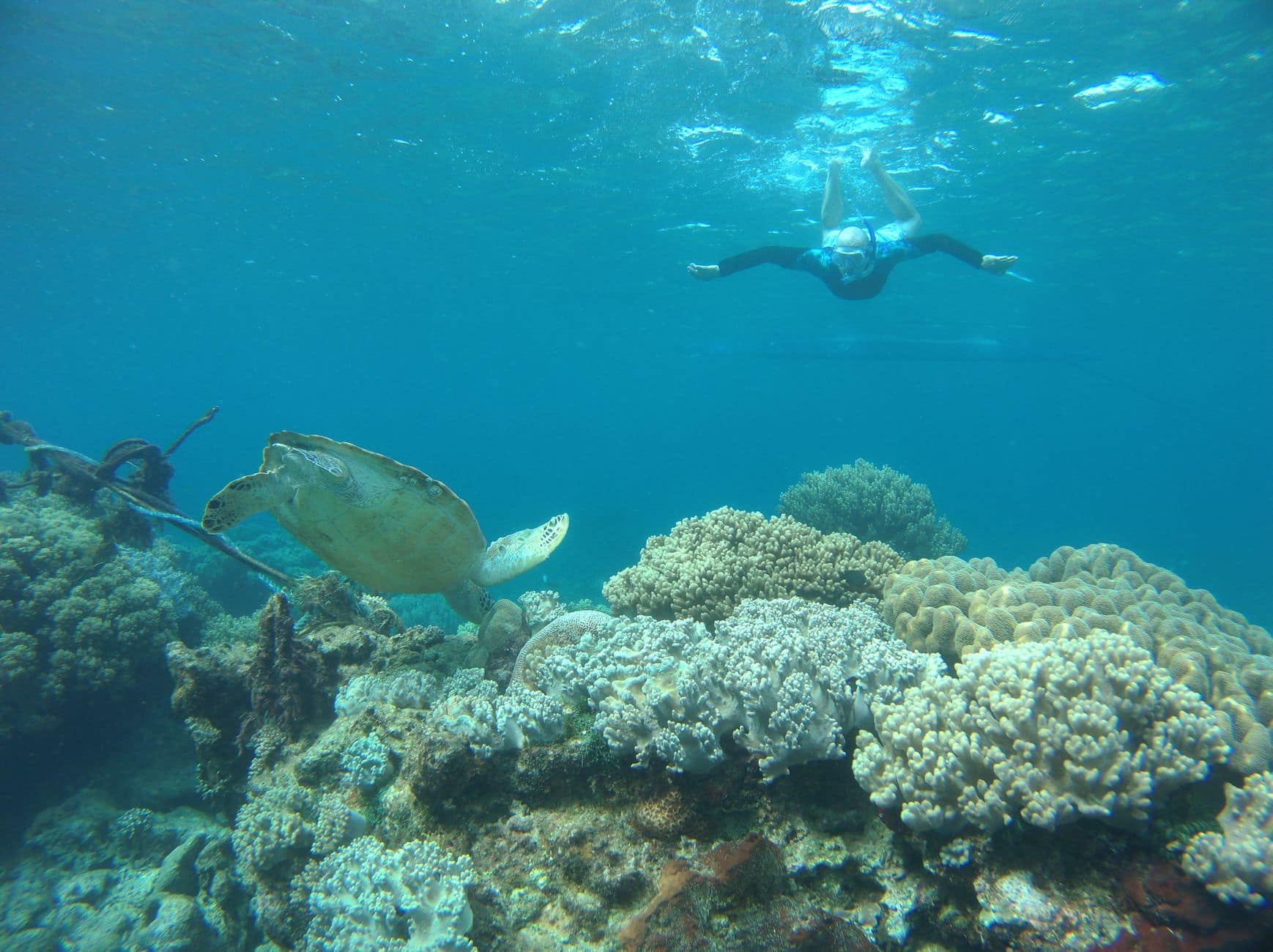
Turtles straight off the beach
The west and north-west shallows give some of the more reliable turtle encounters in Indonesia — several green and hawksbill turtles in a single calm morning session is normal rather than lucky. The usual entries are near the disused west-coast jetty and the stretch by Good Heart. Keep two to three metres back, never put yourself between a turtle and the surface, and let it come up to breathe.
 #3
#3
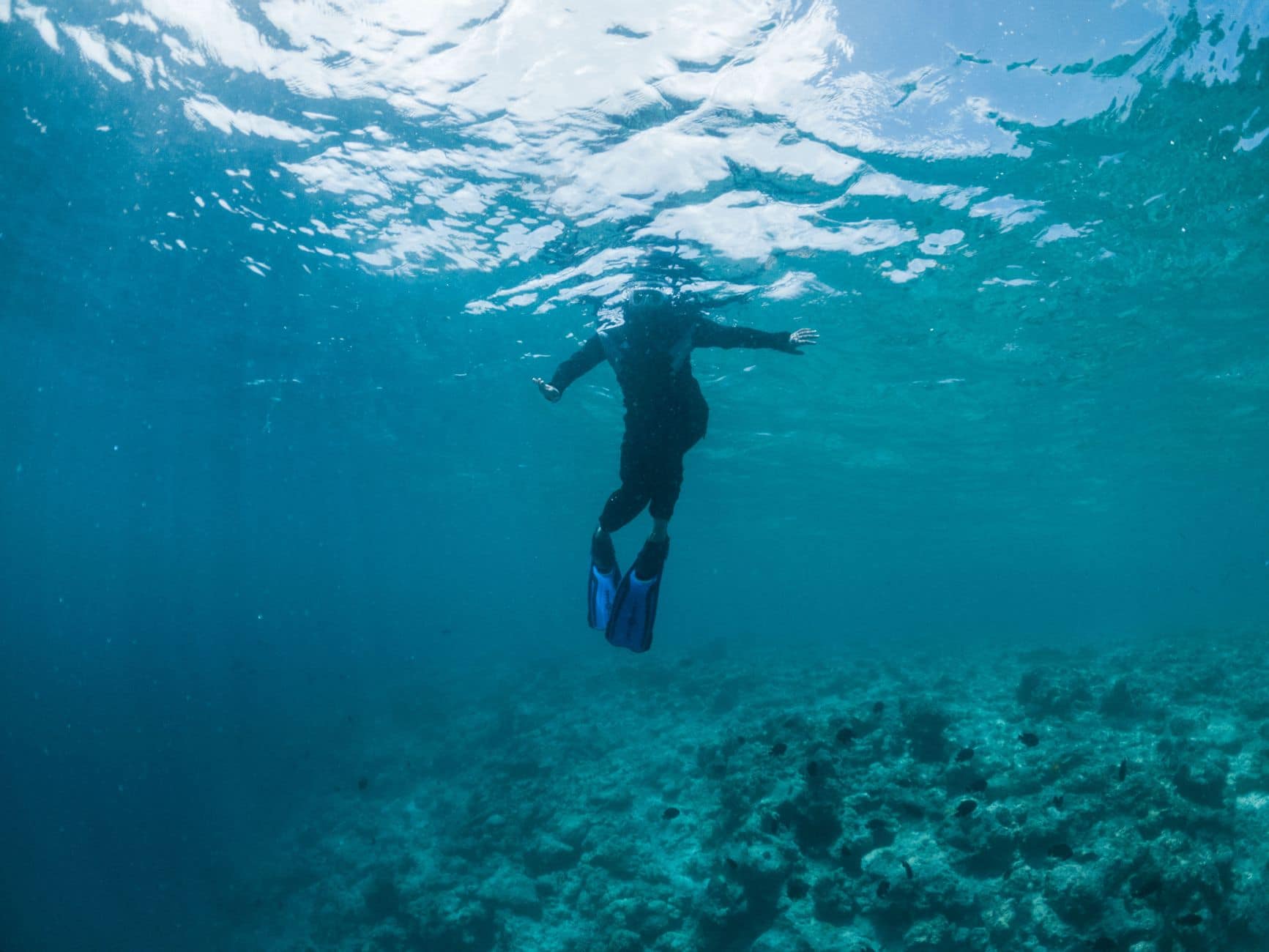
Turtle Paradise and the east coast
Turtle Paradise sits off the north-east corner, and on the east coast, off the Karma Beach bungalows, turtles come in to roughly 20 metres from the sand. Meno Wall is the named boat site and carries real current, so it is not a casual shore swim. Urchins and shallow coral cause most of the minor injuries here, which makes reef shoes the most useful thing in your bag.
 #4
#4
The turtle sanctuary
A small local hatchery that collects eggs, rears hatchlings for about a year and releases them — reported at roughly 2,000 a year. There is no ticket; it runs on donations, and IDR 50,000-100,000 is a normal contribution, so carry small notes. It is the Gili hatchery usually named as the credible one, in contrast to the Gili Trawangan facility. Sanctuary describes intent, not accreditation — headstarting is debated among marine biologists.
 #5
#5
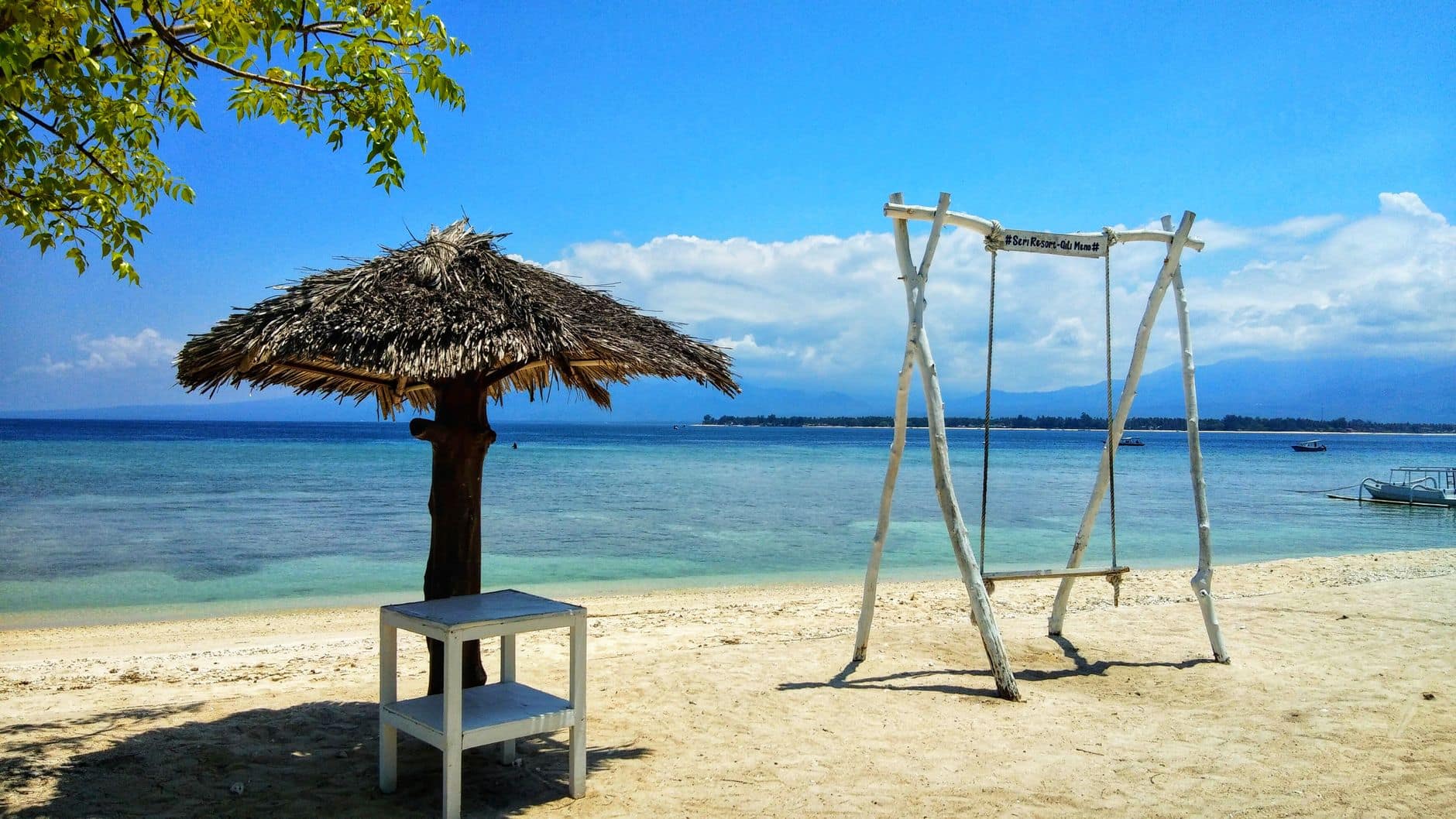
Walking the whole island
The coastal path runs about 4 to 4.5 km and takes an hour to ninety minutes at a leisurely pace; crossing the interior takes roughly fifteen minutes. There are no cars or motorbikes anywhere on the Gilis, so nothing overtakes you. Bicycle hire exists but is less organised than on the other two islands, and the soft sand makes cycling hard work — on Meno, walking is usually faster.
 #6
#6
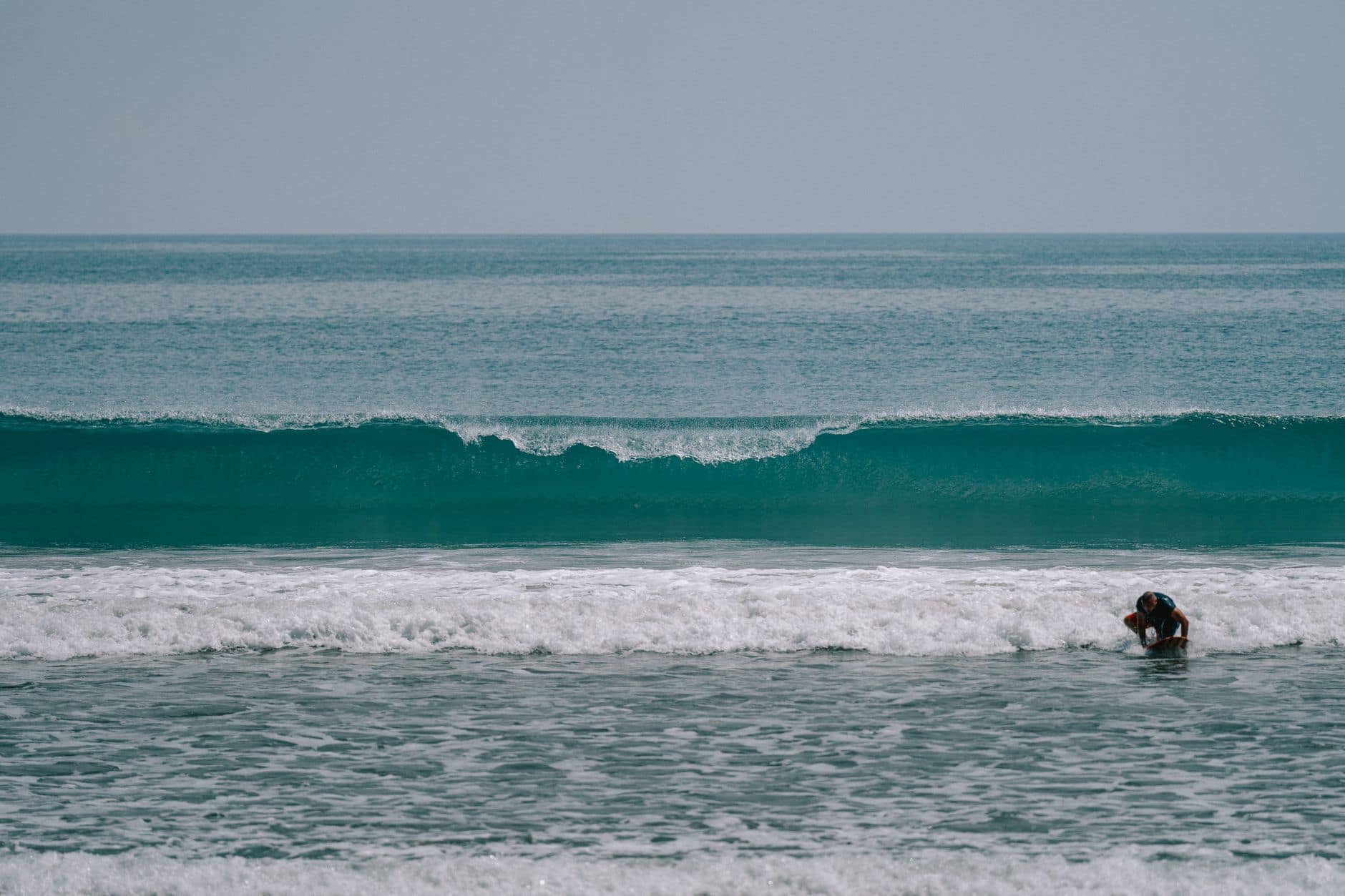
The saline lake, from a distance
A shallow salt lake takes up part of the interior. It produces salt in the dry season, may be full or bone dry depending on when you come, and it is not a swimming spot. It is also the island's main mosquito source, which is why insect repellent matters more on Meno than on Trawangan or Air. There is no malaria on the Gilis, but dengue is present and the mosquito bites during the day.
 #7
#7
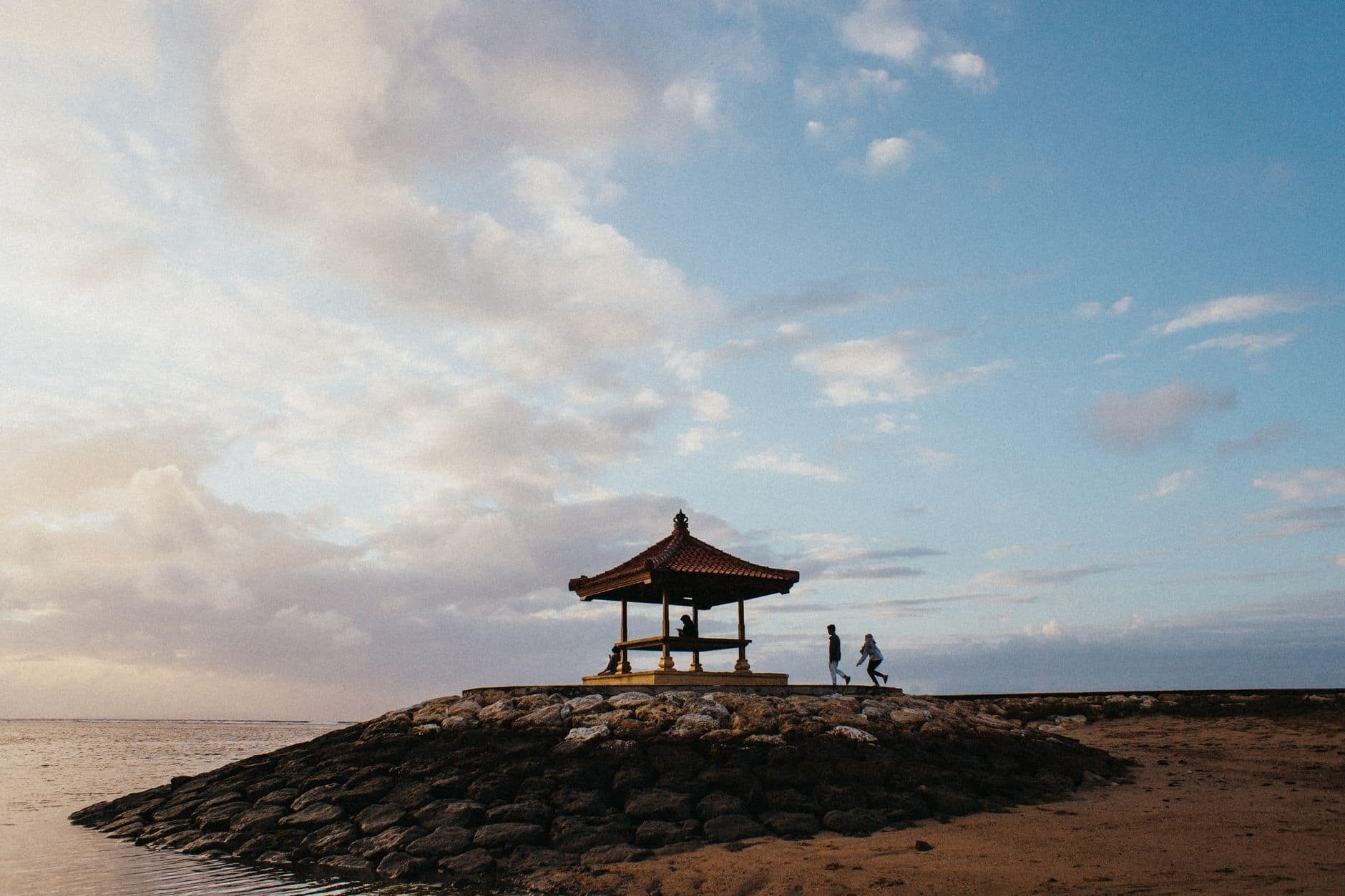
Long stretches of empty beach
This is the actual product: a handful of resorts, a scattering of warungs and beach shacks, and sand with nobody on it. There is effectively no nightlife and no evening to plan around — the island goes quiet after dark, and the call to prayer from the village mosque is part of the soundtrack. Three or four nights suits most people. Two weeks is where the thin food choice starts to bite.
Who Gili Meno suits, and who will not enjoy it
Gili Meno is the smallest of the three islands — about 150 hectares, roughly 1.5 km² — with the smallest permanent population, somewhere between 400 and 500 people depending on which source you take. That is the whole proposition: a few resorts, a few warungs, a saline lake in the middle and a lot of empty sand. The gaps in infrastructure are real rather than picturesque. Meno has the fewest shops, the least reliable cash and the thinnest medical cover of the three, and some businesses close entirely out of season.
It works well for honeymooners and couples, for people who genuinely want to do nothing for three or four days, and for snorkellers who came for turtles and the sculpture rather than for a dive scene. It works badly for almost everyone else, and the failure is usually the same one: booking Meno for a fortnight and running out of restaurants by day four. Most people who enjoy Meno stay three or four nights and combine it with Gili Air or Gili Trawangan. Our three-island comparison sets the three side by side if you are still choosing.
- Solo travellers hoping to meet people — there is no hostel scene and no bar strip to meet anyone in
- Budget travellers who want variety — warung food is cheap, but there is very little of it within walking distance of most rooms
- Families who need a second option — one restaurant, one refusing child, no plan B
- Anyone who might need a pharmacy at 22:00 — stock is limited and the clinic is basic
- Anyone travelling in February, March or November on price alone — the cheap months and the shut months are the same months
The Nest, and the snorkelling that is the real reason to come
What makes Meno worth the extra transfer is that the best snorkelling starts at the beach rather than on a boat. The Nest — Jason deCaires Taylor's circle of 48 life-size figures, commissioned by the BASK resort and installed in 2017 — sits about 100 metres offshore in 3 to 5 metres of water. You swim out with a mask and fins; no boat and no ticket are involved. Conditions matter more here than on the other two islands: a calm morning, near low tide, ideally around a new moon for the clearest light. That is a narrower window than Gili T or Gili Air demand, so give yourself more than one morning rather than pinning it on a single afternoon.
The turtles are the other half of it. The west and north-west shallows produce several green and hawksbill turtles in one calm session often enough that it counts as normal, and off the Karma Beach bungalows on the east coast they come within roughly 20 metres of shore. Both species are resident, so there is no turtle season to plan around. The etiquette below is not decoration — these animals tolerate snorkellers because they have been treated calmly for years, and that habituation is the thing being spent. Our guide to snorkelling with turtles covers the sites and timing across all three islands. Divers pay a one-off marine park fee of IDR 100,000 per person as published for 2025-26; snorkellers are reportedly rarely charged, but ask at the shop.
- Keep two to three metres away. No touching, no chasing, no riding, no sudden movements
- Never position yourself between a turtle and the surface — they breathe air, and blocking the ascent causes real stress
- Float horizontally and use your fins deliberately. Do not stand on the coral, and do not stand on the statues at The Nest
- Reef shoes with thick soles. Urchins, fire coral and stingrays resting in the shallows are the usual causes of injury — shuffle your feet rather than striding
- A rash vest plus reef-safe sunscreen. A burned back after a day face-down in the water is the most common avoidable injury on the Gilis
Getting to Gili Meno, and getting off it again
Meno has the fewest direct connections from Bali of the three islands. Some operators call here; many do not, and the common route is Bali to Gili Trawangan or Gili Air followed by a second local leg. Where a direct sailing exists, Padang Bai to Meno runs roughly 1.5 to 2 hours at sea; Sanur is about 2h40 and Serangan about 3 hours, on top of 1.5 to 2.5 hours by road from South Bali or Ubud to the harbour. Realistic door to door from South Bali is 6 to 8 hours, an hour or two longer than the other two islands because of that transfer. Whatever you book — including our fast boat tickets with hotel pickup from $15 — check whether the sailing actually calls at Meno before you pay, and read our fast boat guide for the ports and the operator differences.
Then there is the constraint that defines a stay here: the island-hopper runs twice a day and nothing else is scheduled. The Bangsal circuit goes Bangsal-Gili Air-Gili Meno-Gili Trawangan and reverses, leaving Bangsal at roughly 09:00 and again at 16:00 on schedules published for 2025-26 — confirm locally the day before, because these move. Miss the afternoon circuit and you are chartering a private boat, which starts in the several-hundred-thousand-rupiah range and climbs. Hopper fares are reported between IDR 20,000 and IDR 45,000 per person per leg and are asymmetric — the direction you travel changes the price — so treat any single quoted number with suspicion. Landings are shallow beach landings: expect wet feet and to carry your own bag.
A day trip is the wrong format for this island. Our Gili day tour from $115 buys roughly 3 to 5 hours ashore against about 8 hours in transit from South Bali, and on a day trip the sensible rule is one island, which in practice means Gili Trawangan. Meno only makes sense overnight, when the day boats have gone and the morning snorkelling window is yours — that is what our Gili overnight getaway from $70 is built around. One booking rule regardless of operator: never put the last boat back to Bali on the same day as an international flight. Crossings are cancelled in rough weather and there is no bridge. The day-trip arithmetic for all three islands is in a day trip to the Gili Islands from Bali.
Cash, water and medical cover: the three thin things
Plan as if there is no ATM on Gili Meno. Sources disagree on whether there are two machines south of the boat landing, one Mandiri near the harbour, or none currently working; the consistent thread is that whatever exists cannot be relied on. Withdraw on Gili Trawangan, Gili Air or the mainland before you get on the boat. Where Gili ATMs do work, the local surcharge runs IDR 25,000-50,000 per withdrawal and the per-transaction cap is usually IDR 2,500,000 as published 2025-26, so one large withdrawal costs less than several small ones. Warungs, snorkel trips, bike hire and cidomo drivers are cash. Larger hotels and dive centres take cards, generally with a surcharge added — reports of one are consistent, but we have not found a reliable standard percentage, so do not budget against a number.
The honest answer on drinking water: tap water is not drinkable anywhere on the Gilis, Meno included. Beyond that, three reputable sources describe three different supply systems for this island — an undersea pipe from Lombok in place since 2017, water shipped in by boat, and a natural freshwater lens supplemented by desalination in the dry season. We cannot tell you which is currently operative, and we are not going to pick one. All three agree on the part that affects you: bottled or refill-station water is the norm, and refill stations are fewer here than on Gili T or Gili Air. Some cheaper rooms still run salt or brackish showers, so ask specifically before booking if that matters.
Medical cover is clinic level only, and thinner than on the other two islands — a small basic clinic in the Empat Pillar Medika network, historically nurse-staffed, handling cuts, infections and routine problems. There is no hospital on any Gili island. Anything serious means a boat to a neighbouring island and then to Lombok, where the nearest hospitals are in Mataram, roughly 60 to 90 minutes away by speedboat plus ambulance. On a recompression chamber, sources contradict each other outright, so we publish the conservative version: assume there is none on the islands and that decompression illness means an evacuation to Mataram. Insurance that pays for evacuation, not just treatment, is not optional here. Our guide to how safe the Gili Islands are goes through the rest.
- Dengue, not malaria. There is no malaria on the Gilis; dengue is present and the mosquito bites during the day. The saline lake breeds them, so repellent matters more on Meno
- Never swim between the islands. The channel currents run far stronger than they look, at any fitness level
- Bring your own regular medication. Pharmacies are small and stock is limited
- Carry small notes. Arrival and harbour charges are collected in cash on the spot at some landings
What Gili Meno costs, and when to go
Warung food on Meno is the cheapest of the three islands — IDR 10,000-20,000 for a warung meal, grilled fish around IDR 60,000-70,000, a beer about IDR 35,000, as published for 2025-26. The catch is walkable choice. With few options near most rooms, visitors end up eating at resort prices for most meals, which is why a quiet island is not automatically a cheap one. Rooms run from around USD 10-16 at the very bottom of 2026 platform listings to premium beachfront well above USD 150; Wikivoyage's bands put budget at IDR 70,000-300,000 a night and mid-range at roughly USD 30-75, with USD figures approximate. Diving is priced by the GIDA dive alliance rather than by the individual shop: a single fun dive is IDR 640,000, and Open Water sits in the IDR 6.2-6.9 million band where shops disagree. Haggling achieves nothing; choose on the instructor and the group size.
Be sceptical of any single fast-boat fare. One-way Bali-Gili prices published in 2025-26 run from about IDR 234,000 on the cheapest aggregator listings to IDR 650,000-685,000 on Eka Jaya's own website — sources disagree sharply, and the better-known operators sit at the top of that range rather than the bottom. Cidomo figures for Meno are older and thinner than for the other two islands: Wikivoyage records IDR 80,000 for a local trip and IDR 175,000 to cross the island, and sources also disagree on whether a cidomo is priced per cart or per head. Agree the number before you get in. On an island you can walk around in ninety minutes, you will rarely need one.
On timing, April or May through October is the dry season: calmest sea, best visibility, most reliable crossings. July and August are peak crowding and peak pricing, with a second spike around 22 December to 3 January, so May, June and September are the best combination of flat water and space. The cheapest months here — February, March and November — carry a warning the other islands do not need: low season on Meno means some restaurants and dive shops shut entirely, and an island with limited choice gets thinner still. Turtles are resident year-round, and hatchling activity at the sanctuary peaks roughly May to October.
- Bali tourist levy: IDR 150,000 per person, for entering Bali rather than the Gilis. Widely reported as not re-charged when you come back on the same trip, though we have not been able to confirm that against the regulation itself
- Harbour and arrival charges: roughly IDR 10,000-20,000 per person. Sometimes inside the ticket, sometimes collected in cash — check at the gate
- Gili Eco Trust contribution: about IDR 50,000, often collected alongside the marine park fee
- Turtle sanctuary: donation only, with IDR 50,000-100,000 a normal contribution
- Shared three-island snorkel trips: IDR 100,000-175,000 per person, published 2025-26 — though The Nest and the west-coast turtle grounds need no boat at all
FAQ
What is there to do on Gili Meno?
Snorkelling, walking and very little else — which is the point. The Nest, a circle of 48 underwater statues, sits about 100 metres off the beach in 3 to 5 metres of water and needs no boat; the west and north-west shallows give reliable green and hawksbill turtle encounters; the small turtle sanctuary runs on donations; and the coastal path circles the island in an hour to ninety minutes. There is effectively no nightlife, and the food choice is the thinnest of the three islands.
Is there an ATM on Gili Meno?
Plan as if there is not. Sources variously report two machines, one Mandiri near the harbour, or none currently working, and all of them agree that whatever exists cannot be planned around — withdraw on Gili Trawangan, Gili Air or the mainland first. Budget cash for warung meals at IDR 10,000-20,000, grilled fish at IDR 60,000-70,000, a beer around IDR 35,000 and hopper legs at IDR 20,000-45,000 per person, all as published for 2025-26. Warungs, boat trips, bike hire and cidomo drivers do not take cards.
Where are the underwater statues on Gili Meno?
The Nest lies roughly 100 metres off the beach in about 3 to 5 metres of water, and you snorkel to it directly from shore — no boat, no ticket. It is a circle of 48 life-size figures by Jason deCaires Taylor, commissioned by the BASK resort and installed in 2017, and it now works as an artificial reef with coral growing on it. Go on a calm morning near low tide, ideally around a new moon, and do not stand on the figures even when it is shallow enough to.
Gili Meno or Gili Air: which should I choose?
Gili Air for most people, Gili Meno only if the emptiness is specifically what you want. Gili Air is about 175 hectares with roughly 1,800 residents, a real village, a proper spread of cafes, dive shops and yoga studios, better cash access and a more capable clinic, plus the shortest crossing to Lombok at 10 to 15 minutes from Bangsal. Meno is around 150 hectares and 400 to 500 people, with no nightlife, the fewest restaurants and the thinnest medical cover. Many people split the difference and stay on both.
Can you drink the tap water on Gili Meno?
No — tap water is not drinkable anywhere on the Gilis, including Meno. How the island is actually supplied is genuinely unclear: three reputable sources describe three different systems, an undersea pipe from Lombok since 2017, water shipped in by boat, and a natural freshwater lens topped up by desalination in the dry season, and we cannot resolve which is currently operative. Practically, buy bottled water or use a refill station, and note that there are fewer refill points here than on the other two islands. Some cheaper rooms still have brackish showers, so ask when booking.
How much does Bask Gili Meno cost per night?
We do not publish a rate for it, because resort pricing on Meno moves with season and booking window and we have no verified current figure. What we can say is where it sits: BASK is the resort that commissioned The Nest in 2017, and it belongs to Meno's premium beachfront tier. For 2026, platform listings for the island run from around USD 10-16 at the very bottom to well above USD 150 for premium beachfront, with Wikivoyage putting mid-range at roughly USD 30-75. Check the resort's own site for current rates rather than a third-party quote.
Recommended Bali tours for this guide
Gili Islands Getaway from Bali
The Gili trip is perfect for travelers who want to connect Bali with a slower island stay or a big sea-focused day. Timing, departure ports, and luggage flow matter here, so setup support adds real value.
- Duration
- Full day or multi-day base route
- Area
- Gili Islands connection
- Format
- Fast boat island transfer route
- Best for
- Travelers extending beyond Bali
From $70 No prepayment
View tour
Gili Islands Private Snorkeling Day Trip
This route is built for travelers who want turtles, clear water, and a real Gili Islands experience without organizing fast boats, harbor flow, snorkeling logistics, and local coordination on their own. The private snorkeling setup makes the day feel cleaner and more premium than a basic shared island transfer.
- Duration
- 7-9 hours
- Area
- Gili Trawangan and Gili Meno
- Format
- Private snorkeling day trip
- Best for
- Sea lovers, couples, and travelers who want one big Gili day from Bali
From $115 No prepayment
View tour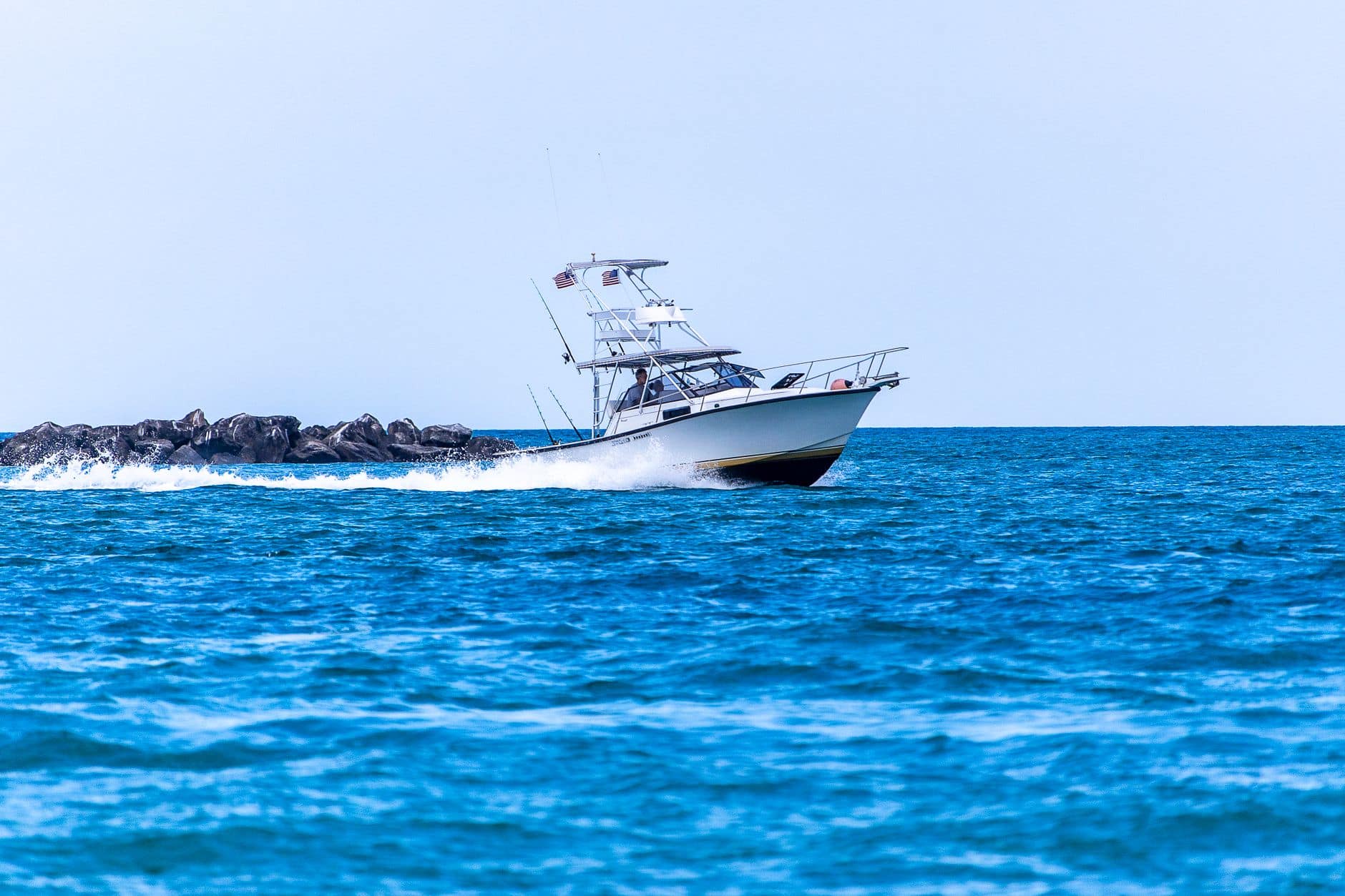
Bali Fast Boat Transfer
Fast boats are simple once booked correctly, but confusing when you are juggling ports, check-in windows, and hotel distance. This service helps turn the whole process into a clean transfer day instead of a stressful logistics puzzle.
- Duration
- Depends on destination
- Area
- Bali harbors and island routes
- Format
- Transfer service
- Best for
- Island-bound travelers
From $15 No prepayment
View tour