

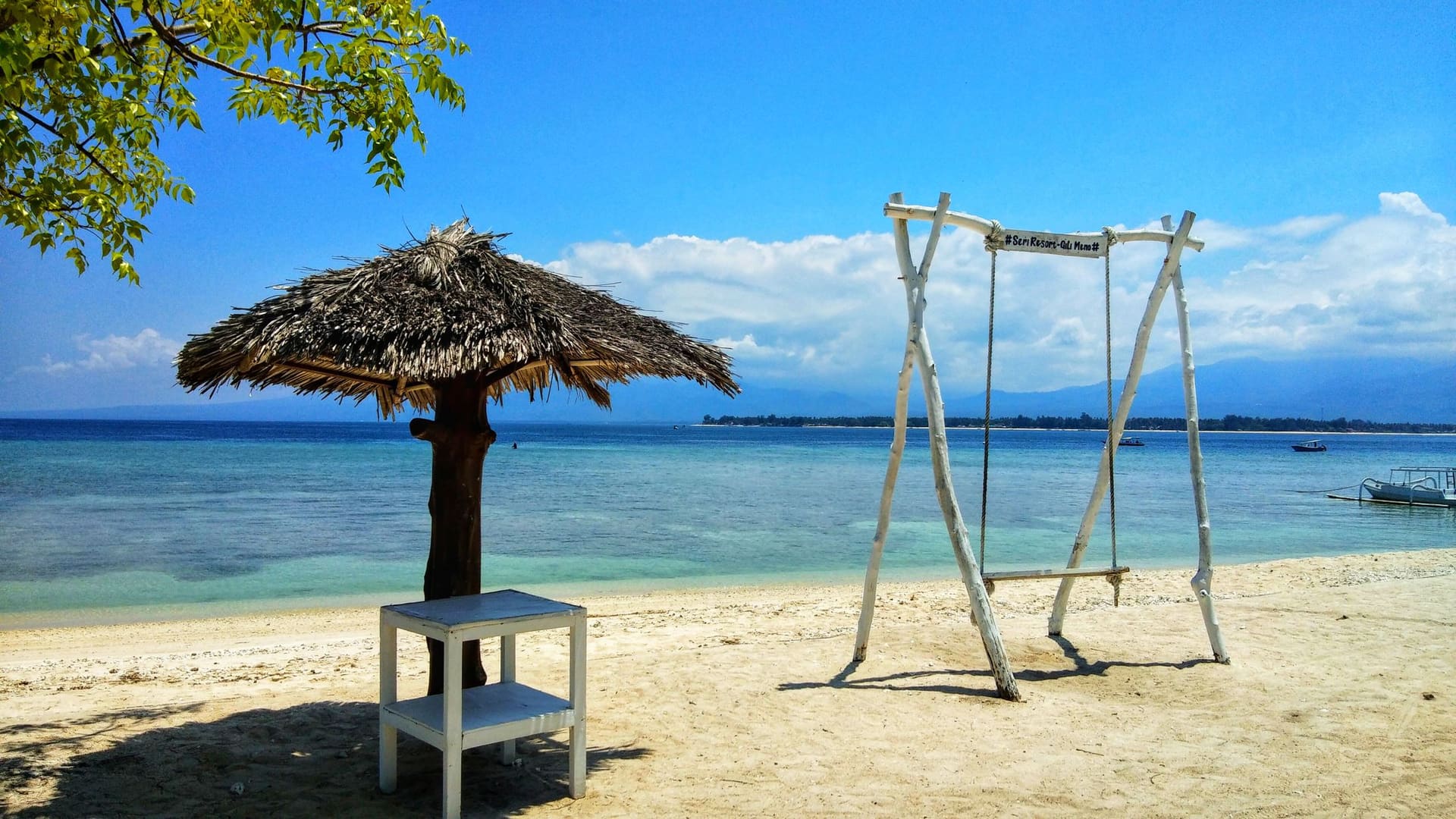
Gili Air is the island most visitors end up preferring, and the reason is unglamorous: it has enough. Enough cafes, dive shops and beach bars to fill a week, without Gili Trawangan's nightlife strip and without Gili Meno's problem of running out of restaurants by day four. It is small — a coastal loop of about 4.5-5 km — completely car-free, and around 1,800 people live here, the largest permanent community of the three. Green and hawksbill turtles graze the shallows off the east and north-east coast and are seen from shore year-round. Be honest about the evenings, though: there is roughly one party a week in peak season and the island is otherwise quiet by about 23:00. Below: what to do, what things cost in rupiah, how the crossing actually works, and what changes when you bring children.
By Alex Moskvin, Founder of SB Excursions · Published 21 May 2026 · Updated 23 October 2026
Tour on this route: Gili Islands Getaway from Bali — From $70, full day or multi-day base route.
How do I get to Gili Air from Ubud?
Ubud to Gili Air means a fast boat from Padang Bai, with a realistic door-to-door time of 5-7 hours. The road leg itself is only 1-1.5 hours, but operators pick up early — up to three hours before sailing on some Ubud transfers — so an 08:00 departure can mean a 05:00-06:30 hotel pickup. Padang Bai to Gili Air is roughly 1.5-2 hours at sea where the direct service is offered. Check that your boat actually calls at Gili Air; many terminate at Gili Trawangan and leave you to hop across.
This guide also answers:
- Is Gili Air better than Gili Meno?
- Can you see turtles from the beach on Gili Air?
- How much does Gili Air cost per day?
Top picks from this guide
 #1
#1
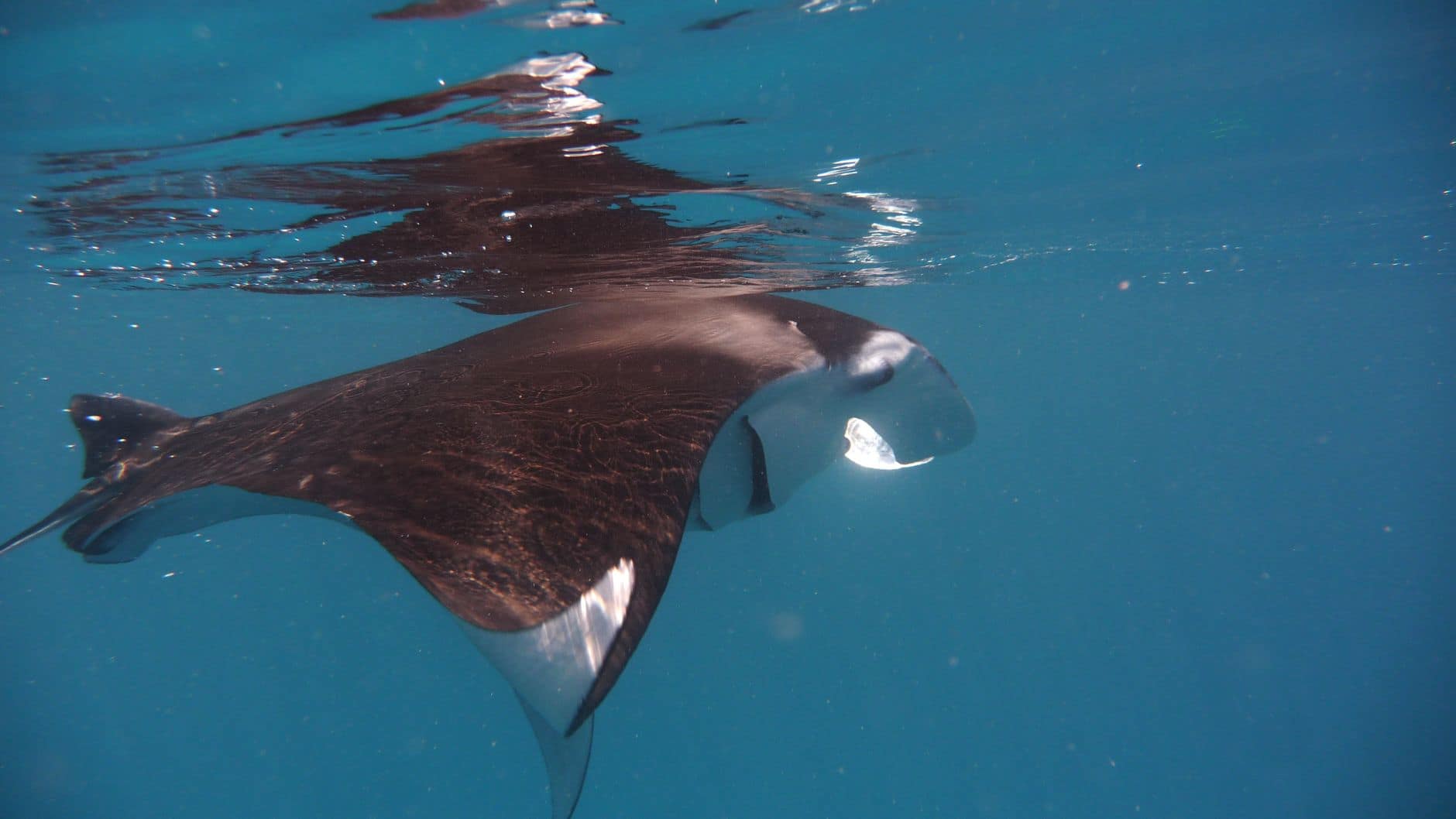
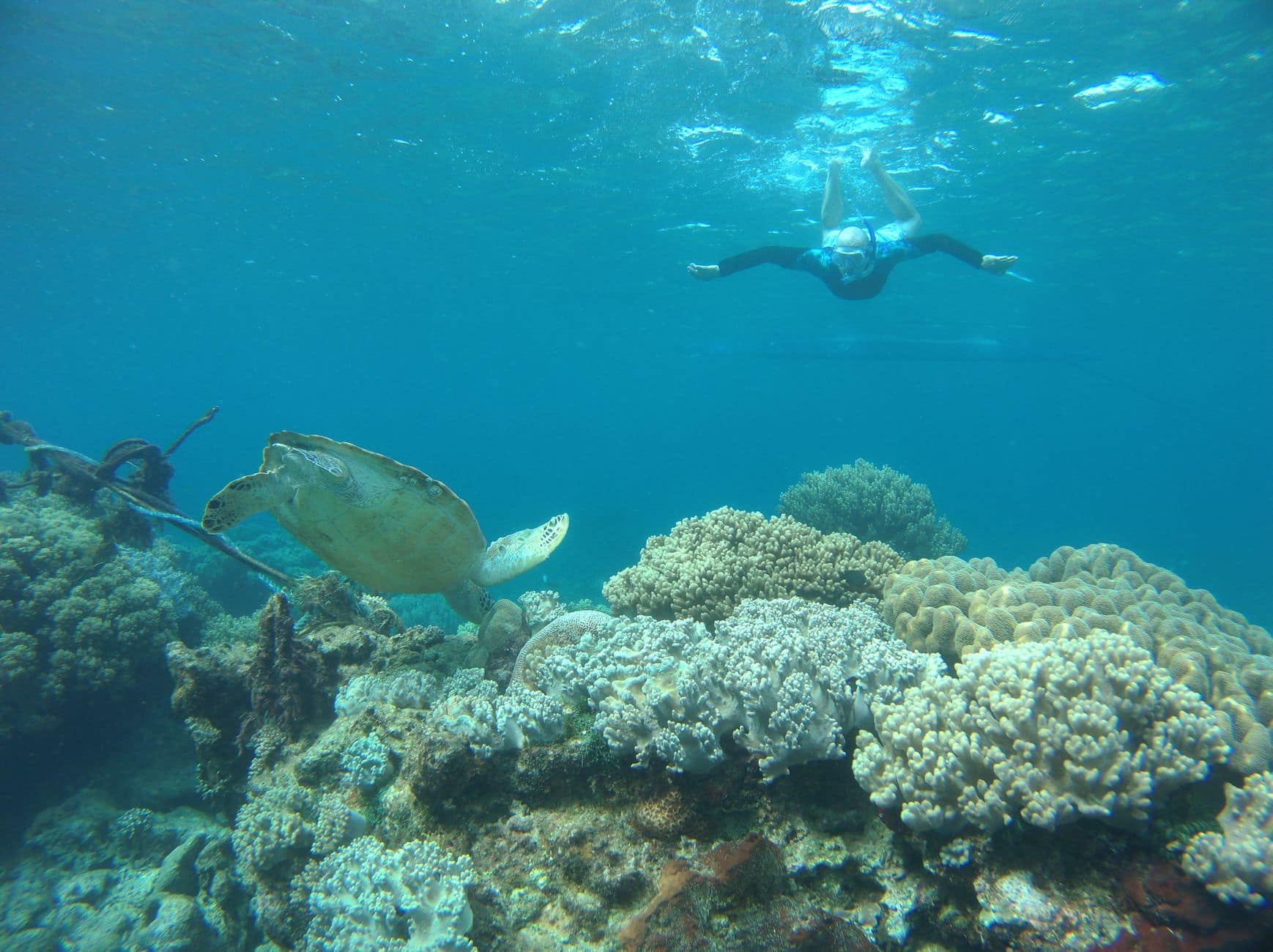
Turtles off the east side
The shore snorkelling here is the main reason people stay rather than day-trip. Green and hawksbill turtles are resident and present year-round, grazing the shallow seagrass off the east and north-east coast; the commonly named entry is Turtle Point, also called Sandy Beach, on the north-east, where they are often seen close in from the beach. Sightings are realistic, not guaranteed. Go early — mornings are calmer, clearer and quieter. Wear reef shoes: these shallows hold very spiny urchins.
 #2
#2
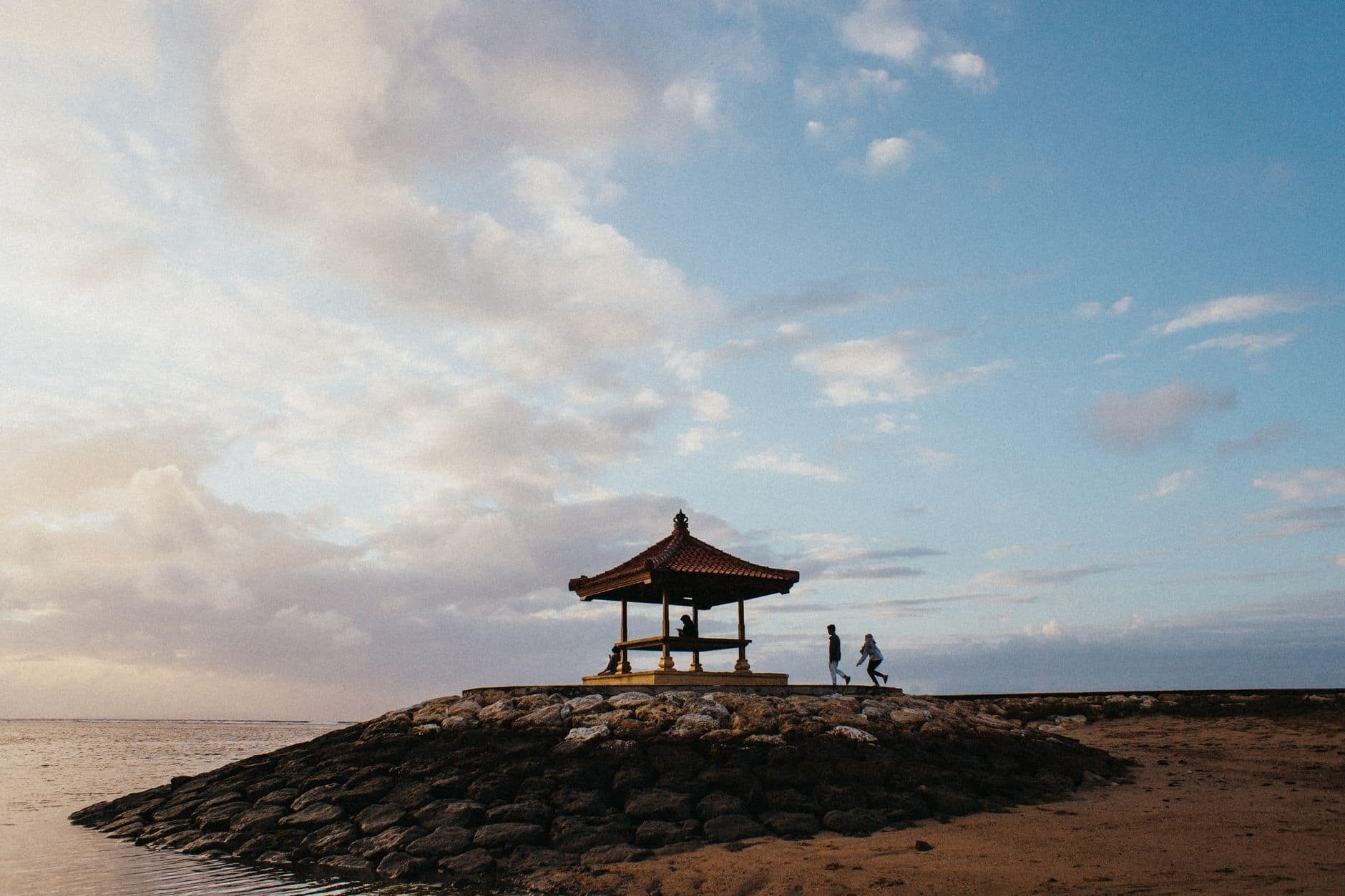
The coastal loop, on foot or by bike
The coastal loop is about 4.5-5 km, and how long it takes is genuinely disputed — published guides quote anything from one hour to just under two. The measured distance supports 1-1.5 hours of actual walking, longer with stops, and the north and west stretches are soft sand and slow going. A bicycle costs IDR 30,000-50,000 a day and covers the circuit in roughly half an hour, sand sections excepted.
 #3
#3
Dinner on Jalan Mojo
Jalan Mojo is the inland road running north from the harbour, and it is where the island actually eats: cafes, casual restaurants and evening drinks, plus long-running warungs including Sunny, Oranges, zZz and Warung Muslim. A warung meal runs IDR 10,000-35,000 and a nasi campur was quoted at IDR 20,000. Plenty of visitors eat every meal on the west-coast sunset strip and never find this street, which is how a cheap island turns expensive.
 #4
#4
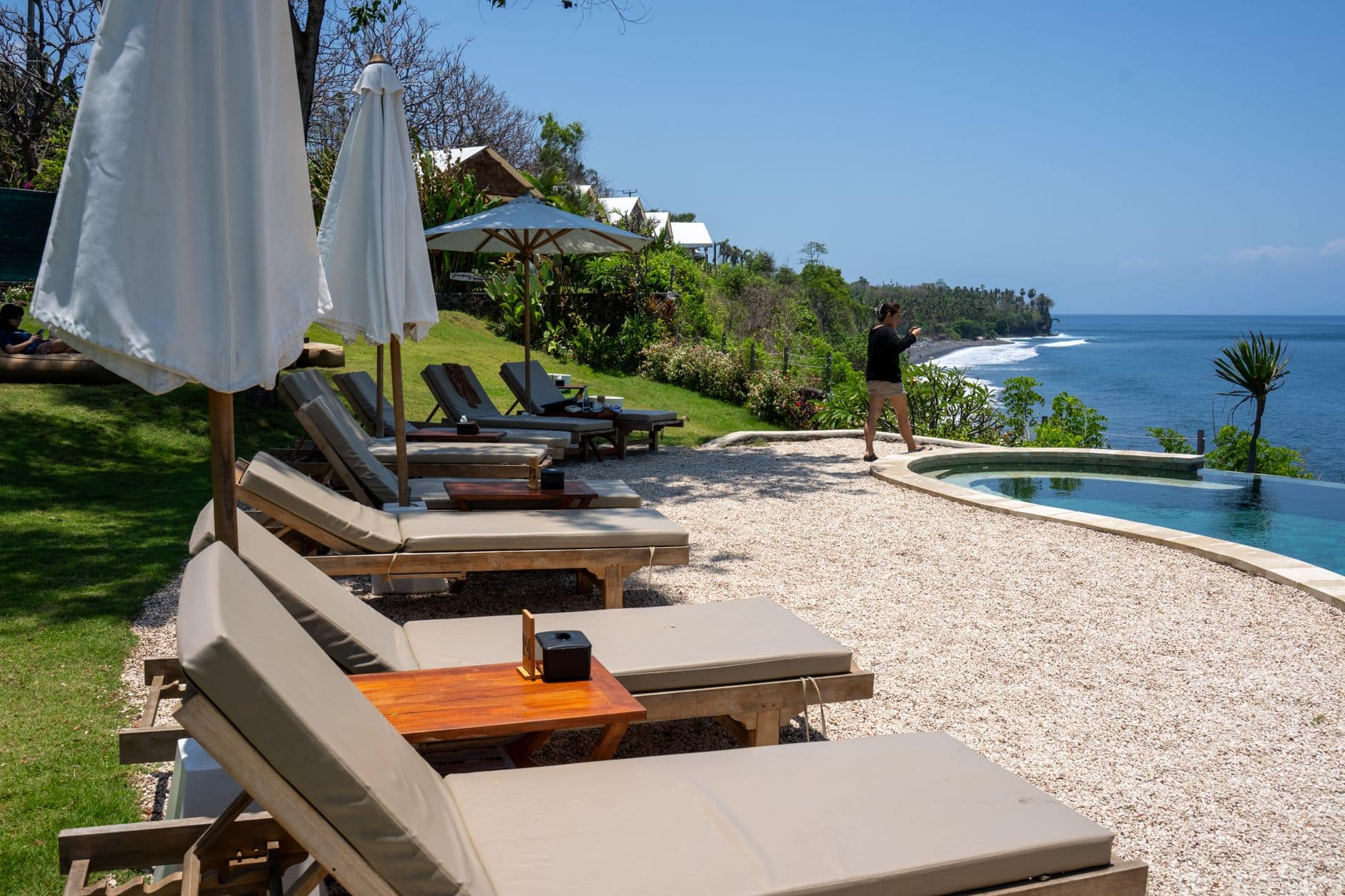
Sunset tables on the west coast
The west-facing beach bars are where the island collects at the end of the day: beanbags on the sand, low tables, the sun dropping behind Gili Meno. They are also the most expensive food on Gili Air — west-coast sunset tables carry a clear premium over inland and harbour-side places for the same dishes. The sensible compromise, and what most people settle into after a couple of nights, is a drink here and dinner on Jalan Mojo.
#5
Diving the same reefs as Gili T
Gili Air dives the same reefs as Trawangan with fewer boats on them, and prices are set collectively: the Gili Island Dive Alliance fixes minimum rates, so nearly every member shop charges the same and haggling is close to pointless. Published 2025-2026 rates are a single fun dive at IDR 640,000, two dives IDR 1,280,000, a Discover Scuba day IDR 1,350,000, plus a one-time marine park fee of IDR 100,000 per person. Choose on instructor and group size instead.
 #6
#6
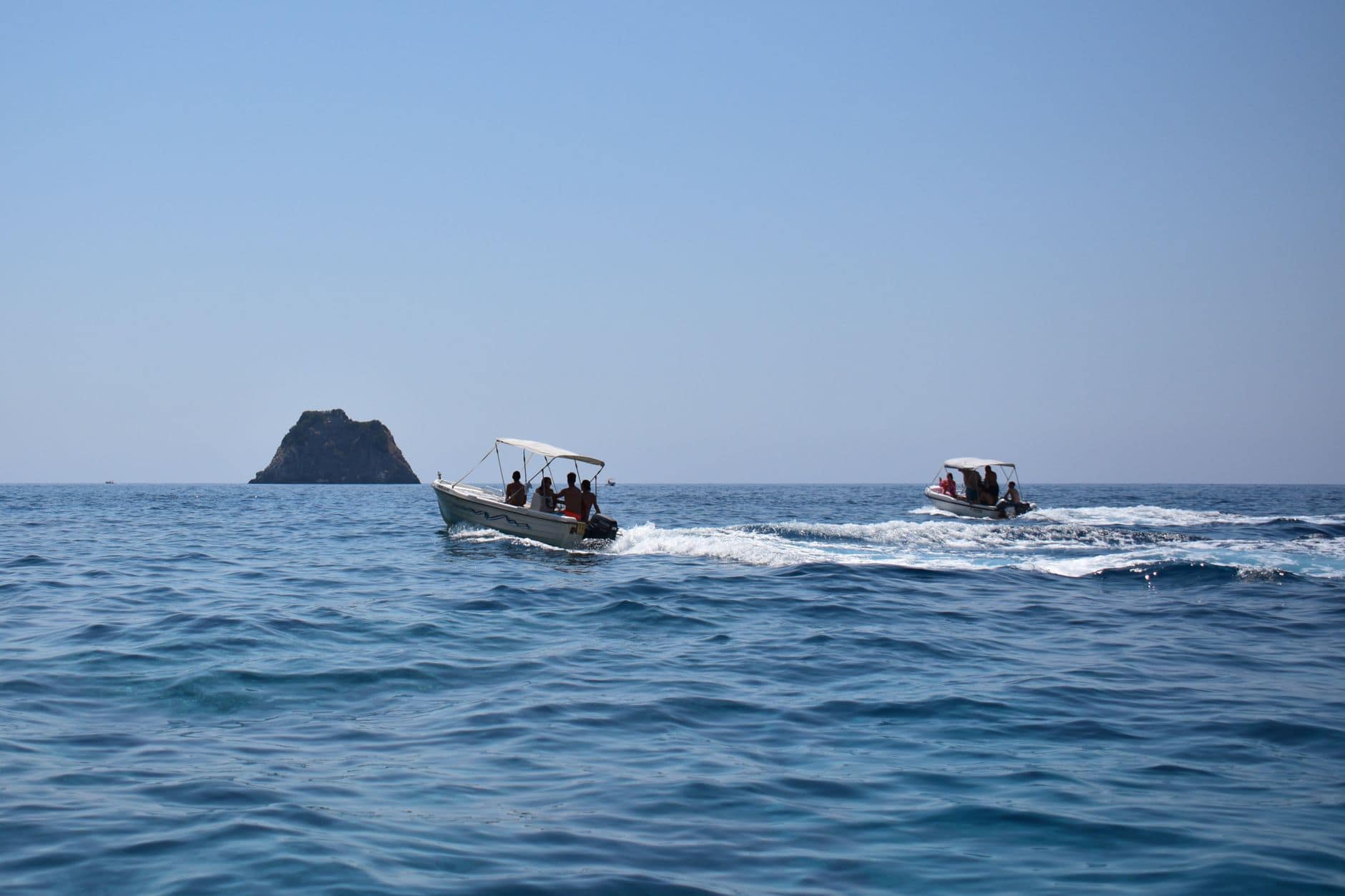
A shared three-island snorkel boat
The standard half-day boat loops the three islands with three or four snorkelling stops, usually 3-4 hours, with departures around mid-morning and early afternoon. Booked locally on Gili Air it runs about IDR 120,000-150,000 per person; published bands elsewhere reach IDR 175,000. A private boat is IDR 900,000-1,700,000 depending on size and duration. Boats carry twenty to thirty people, so the earlier departure is both calmer and less crowded.
 #7
#7
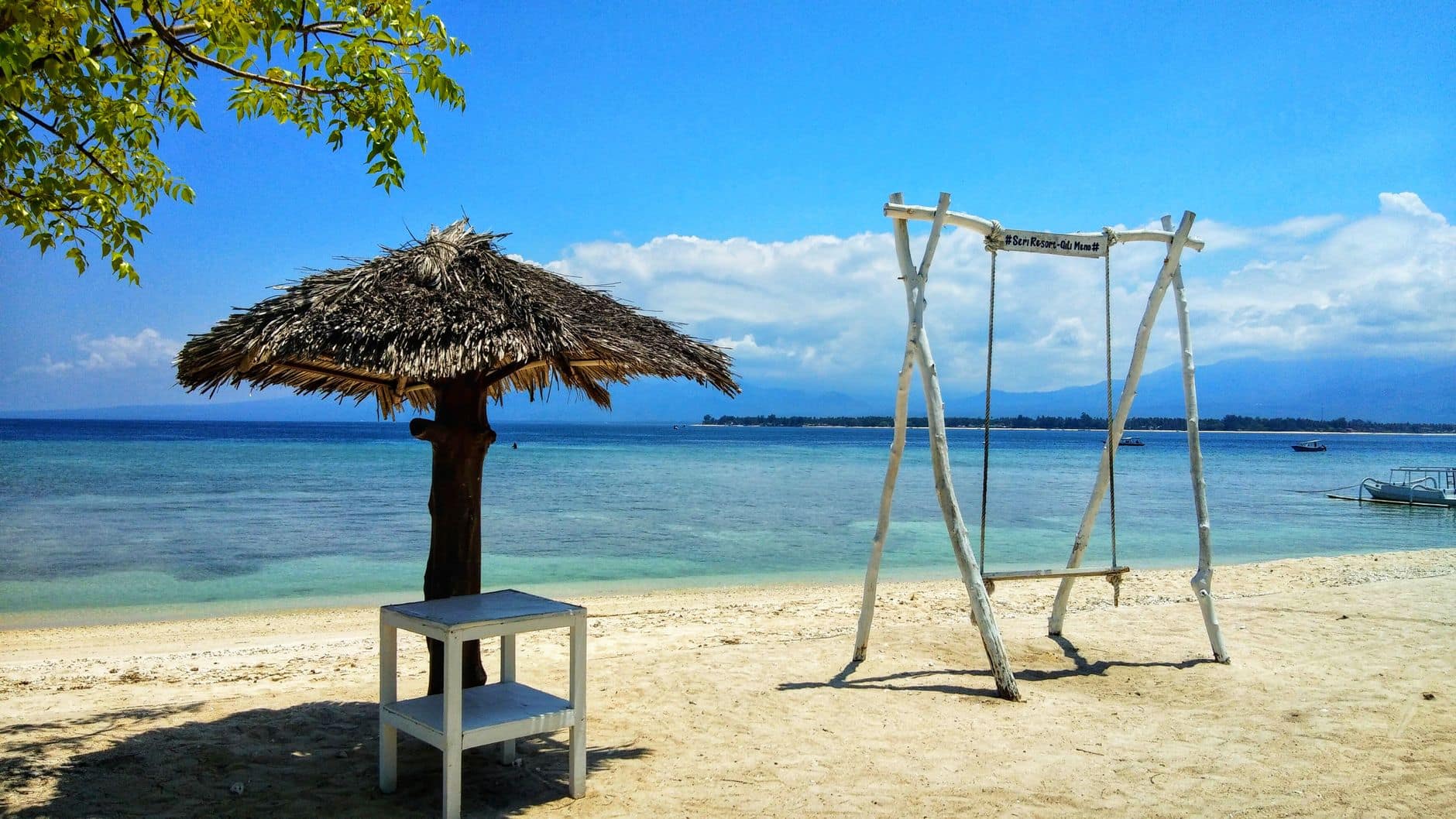
Half a day on Gili Meno
Meno is the next island west and works far better as half a day than as a base. The Nest — Jason deCaires Taylor's ring of 48 life-size figures, installed in 2017 — sits roughly 100 m off the beach in 3-5 m of water and is snorkelled straight from shore, no boat needed. Go on a calm morning near low tide. The scheduled hopper runs only two circuits a day, so check the times or you will be chartering a boat home.
 #8
#8
Letting small children roam
There are no cars or motorbikes on any of the three islands — a local ordinance bans them — which removes the single biggest source of parental anxiety in Bali. Gili Air is small enough to walk around in about 90 minutes or cycle in 30, and bikes with child seats are widely available here, more so than on the other two. The paths are sand, though: strollers do not work, so bring a carrier for under-threes.
What Gili Air is actually like
Gili Air is the middle island in mood as much as in position. It is the closest of the three to Lombok, it covers about 175 hectares — half of Trawangan's 340, a little more than Meno's 150 — and it holds the largest permanent community of the three at roughly 1,800 people. That last figure explains the feel: there is a working village behind the beach frontage rather than a purely tourist strip, alongside enough cafes, dive shops, yoga studios and beach bars to fill a week. No cars or motorbikes exist on any Gili island — a local ordinance bans them — so transport is feet, bicycles and cidomo horse carts.
The thing to settle before you book is the evening. Gili Air is not a toned-down Gili Trawangan, it is a different proposition: roughly one party a week in peak season, rotating between bars, and otherwise the island is quiet by about 23:00. If you want to catch that one night, ask locally on arrival rather than planning around it. People who arrive expecting a smaller version of the strip come away disappointed for the wrong reason — the island is doing exactly what it advertises.
- No nightlife strip. One rotating party a week in high season, and nothing that runs late outside it
- Sandy, uneven paths. Pleasant on foot, hard work on a bike through the north and west, and impossible with a stroller
- Tap water is not drinkable. Bottled and refill-station water is the norm, and some cheaper rooms still have brackish showers — ask specifically before booking if it matters
- Very spiny sea urchins in the shallows. The most common minor injury on the island; reef shoes solve it
- A working Muslim village. There is a mosque, the call to prayer is audible five times daily and longer during Ramadan, and visitors are asked to cover up away from the beach
- Clinic-level medical care only. There is no hospital on any of the three islands
Getting to Gili Air from Bali, Ubud or Lombok
Check the routing before you pay. Some Bali fast boats call at Gili Air directly; many do not and terminate at Gili Trawangan instead. Being dropped at Trawangan and hopping across costs a second fare, a wait for one of only two scheduled circuits a day, and up to a couple of hours. Where the direct service runs, Padang Bai to Gili Air is roughly 1.5-2 hours at sea; Sanur is about 2h40 and Serangan about 3 hours. Our fast boat tickets with hotel pickup start from $15, and we confirm which island the boat actually stops at before anything is paid. Our fast boat guide goes through the ports and operators in more detail.
The crossing is the short part of the day. The road leg from Seminyak, Canggu or Kuta to Padang Bai runs 1h10-2h30 depending on traffic, and Ubud to Padang Bai is only 1-1.5 hours — but operators collect you around 1.5 hours before sailing from the south and up to three hours ahead for some Ubud transfers, so an 08:00 departure can mean a 05:00-06:30 hotel pickup. Realistic door-to-door from south Bali is 5-7 hours each way. That arithmetic is why we are blunt about the Gili day tour from $115: last boats off Gili Air generally leave between 15:15 and 15:35, so a day trip buys roughly 3-5 hours ashore against 12-16 hours door to door, and it only really adds up from east Bali. Snorkelling is best early morning and late afternoon, both outside that window, which is why the Gili overnight getaway from $70 is materially better value from anywhere else — and why day trips are not recommended for young children, elderly travellers or anyone prone to motion sickness. What a day trip does buy, hour by hour, is set out in our Gili Islands day trip from Bali.
Coming via Lombok, Gili Air has the shortest crossing of the three: Bangsal harbour to Gili Air is roughly 10-15 minutes by fast or private boat, longer on the public one. That short hop is also a genuine safety advantage, since it is the fastest of the three islands to evacuate from. Buy the public-boat ticket at the official office on the left side of the harbour — touts outside it are a documented problem — and note that the boat leaves when it fills, at around 20-40 passengers, not to a timetable, with the ticket office open roughly 07:00-17:00. Landings on all three islands are shallow beach or short-jetty landings: carry your own bag and expect wet feet.
- Fast boat from Bali, one way per person: roughly IDR 400,000-700,000 (about USD 22-39) with well-known operators on fares published 2025-2026 — one major operator lists IDR 685,000, discounted to IDR 650,000 for online booking. Much cheaper aggregator figures circulate and should be treated with suspicion; fares are seasonally tiered and move
- Harbour and arrival charges: roughly IDR 10,000-20,000 per person at Padang Bai, Bangsal and on island arrival. Gili Air's arrival fee was reported at IDR 20,000 per person for 2026, collected in cash on the spot — carry small notes and check the amount at the pier, as these levies change without notice
- Public boat from Bangsal: around IDR 18,000-23,000 per person, bought at the official office
- Island hopper between the Gilis: IDR 20,000-45,000 per person depending on direction and leg — the fares are asymmetric, and legs towards Trawangan cost more than legs away from it
- Bali's tourist levy: IDR 150,000 per person, one-off, for entering Bali. It is widely reported as not re-charged when you return from the Gilis on the same trip, but we could not confirm that against the official regulation — budget for it twice if you want certainty
Turtles, urchins and getting in the water
The east and north-east coast is where the shore snorkelling happens, and it is the strongest single reason to stay on Gili Air rather than visit it. Green and hawksbill turtles are resident and present year-round, grazing shallow seagrass sometimes only metres off the sand. The commonly named shore spot is Turtle Point, also signed as Sandy Beach, on the north-east. Sightings are realistic rather than guaranteed, and mornings are materially better — calmer water, less boat traffic, better light.
Two rules matter more than all the others: stay roughly 2-3 metres away, and never put yourself between a turtle and the surface. They are air-breathing reptiles, and blocking the ascent causes real stress. No touching, no chasing, no standing on coral — float horizontally and use your fins deliberately. The only reason these turtles tolerate snorkellers at all is years of being left alone, and habituation is the asset being spent. Wear reef shoes: the shallows here hold very spiny sea urchins, which cause most of the minor injuries on the island. Our turtle snorkelling guide covers the sites and the etiquette across all three islands.
Beyond shore range, Hans Reef on the north-east and Air Wall are the main boat sites, and the same reefs the Trawangan shops dive are within easy reach with fewer boats on them. Shared three-island snorkel trips book locally at IDR 120,000-150,000 per person, with wider published bands reaching IDR 175,000; a private boat runs IDR 900,000-1,700,000 by size and duration. Divers pay a one-time government marine park fee of IDR 100,000 per person, collected at the dive shop — confirm it on the day, because these small levies are inconsistently applied between operators.
Gili Air vs Gili Trawangan and Gili Meno
The three islands sit within sight of each other and are not remotely interchangeable. Gili Trawangan is about 340 hectares with roughly 1,500 residents, a 6.5-7 km coastal track, the bulk of the dive industry and the only real nightlife — a rotation in which one host bar goes late each night while the others close around midnight. Its development is geographically concentrated: the south-east arc holds nearly all of it, and the north and west coasts are genuinely quiet. Gili Meno is the smallest at about 150 hectares with 400-500 residents, with effectively no nightlife, the thinnest food scene of the three, and one or two cash machines that cannot be relied on at all.
Gili Air sits between them, which is why it is the default recommendation for anyone not specifically chasing nightlife or total isolation. The honest failure modes are worth stating plainly: Trawangan disappoints people who wanted quiet and booked the strip; Meno disappoints people who booked two weeks and ran out of restaurants by day four; Gili Air disappoints people who wanted a night out. Our three-island comparison sets them side by side in more detail.
- Choose Gili Trawangan if you are diving seriously, travelling solo and want company, or want a proper night out — and book the north or west coast if you also want to sleep
- Choose Gili Air if you want somewhere to go in the evening without a strip, are travelling with children, are staying a week or more, or genuinely cannot decide
- Choose Gili Meno if you want to do very little for three or four nights — and bring all the cash you will need, because its machines run dry
Gili Air with children
Gili Air is the standard family recommendation of the three, and the car-free ordinance is most of the reason. There is no traffic to manage anywhere on the island, which changes the whole texture of a day with small children compared with Bali. Distances are short — about 90 minutes to walk the loop, roughly 30 minutes by bicycle — and bikes with child seats are widely available here, more so than on Trawangan or Meno. A hopper ride away, Gili Meno's turtle sanctuary lands well with children; it charges no entry fee and runs on donations, so carry small notes, with IDR 50,000-100,000 a normal contribution.
The hard part is the transit, not the island. The fast-boat crossing is open sea, frequently bumpy, and one-day round trips are explicitly not recommended for children or anyone motion-sensitive; in the wet season the crossing is rougher and cancellations more common. Once ashore, there are no large supermarkets, so nappies, wipes, formula, baby food and children's sunscreen have to come with you from Bali. The paths are sand and uneven, so strollers do not work — bring a carrier for under-threes. Medical cover is clinic level only, with the nearest hospitals in Mataram on Lombok, 60-90 minutes away by speedboat plus a waiting ambulance.
In the water, keep children on the sheltered leeward side. The currents in the channels between the islands run far stronger than they look, and swimming between islands is not viable at any fitness level. Reef shoes matter more for small feet than adult ones, given the urchins. For diving, PADI's Bubblemaker starts at age 8 in confined water and Junior Open Water at age 10, with 10-11 year-olds limited to 12 m and required to dive with a parent or a dive professional. Our Gili Islands with kids guide has the full packing and logistics list.
What it costs, and when to go
Gili Air is inexpensive if you eat where the island eats and expensive if you do not, and that single choice swings a daily budget more than accommodation does. West-coast sunset tables carry a clear premium; the same dishes on Jalan Mojo or by the harbour cost a fraction. All figures below are as published for 2025-2026, with USD conversions at roughly IDR 17,800 to the dollar in August 2026 — treat every one as a band rather than a quote, because they move with season, operator and booking lead time.
Bring cash from Bali. Gili Air has several ATMs, clustered near the harbour and along Jalan Mojo — more than Meno, fewer than Trawangan. CIMB Niaga permits up to IDR 2,500,000 per transaction, local surcharges run IDR 25,000-50,000 per withdrawal on top of whatever your own bank charges, and machines run dry on peak evenings, so withdraw in the morning and in one go rather than in small repeated amounts. There is a money changer at the Oseana shop by the harbour. Warungs, bicycle hire, cidomo drivers and boat boys are cash; mid-range restaurants and dive shops take cards, generally with a surcharge added.
On timing, the dry season runs roughly April/May to October — calmer seas, the best underwater visibility and the most reliable crossings. July and August are simultaneously the best weather and the worst value: peak crowding, peak pricing, and a detail people miss — trade winds can make the strait rough in those same months, which matters more here because Gili Air is often reached on a smaller boat from Bangsal. May, June and September are the sweet spot. The wet season, roughly November to March, brings downpours in bursts rather than all-day rain, cheaper rooms and a much quieter island, but variable visibility and a materially higher rate of boat cancellations — this is not the season to book a return boat on the day of an international flight. Turtles are there year-round. The other price spike is around 22 December to 3 January, and if Ramadan falls in your window it changes daytime food service and staffing; the dates shift about 11 days earlier each year, so check them for your travel year.
- Warung meal IDR 10,000-35,000; a nasi campur was quoted at IDR 20,000 at Warung Muslim
- Standard local dishes (nasi goreng, gado-gado, curry) IDR 25,000-35,000; Western-style mains IDR 80,000-100,000
- Rooms from IDR 50,000-250,000 at the budget end, mid-range from about IDR 300,000, upper and luxury USD 70-150+
- Bicycle hire IDR 30,000-50,000 a day, more at beachfront stands in high season
- Cidomo: Gili Air is the one island with a documented fixed rate — a cooperative-set IDR 200,000 per cart for a trip of any length, recorded June 2025. That rests on a single dated source with no independent confirmation, so agree the price and the currency before you board
- Diving IDR 640,000 for a single fun dive, identical across alliance member shops, plus the one-time IDR 100,000 marine park fee
FAQ
How do I get to Gili Air from Ubud?
Ubud to Gili Air means a fast boat from Padang Bai, with a realistic door-to-door time of 5-7 hours. The road leg itself is only 1-1.5 hours, but operators pick up early — up to three hours before sailing on some Ubud transfers — so an 08:00 departure can mean a 05:00-06:30 hotel pickup. Padang Bai to Gili Air is roughly 1.5-2 hours at sea where the direct service is offered. Check that your boat actually calls at Gili Air; many terminate at Gili Trawangan and leave you to hop across.
Is Gili Air better than Gili Meno?
For most people yes, because Gili Air has enough restaurants, dive shops and ATMs to sustain a week while Meno works best as three or four nights. Meno is smaller (about 150 hectares, 400-500 residents), has effectively no nightlife, the thinnest food choice of the three and cash machines that cannot be planned around. Meno wins on shore snorkelling and its underwater sculpture circle; Gili Air wins on everything you need daily. Plenty of people do both — Meno as a half-day trip from a base on Air.
When is the best time to visit Gili Air?
May, June and September are the sweet spot — dry-season conditions with calm seas and good visibility, but without July-August crowds and peak pricing. The dry season runs roughly April or May to October, and the wet season from about November to March, with rougher crossings and more cancellations. One caveat: trade winds can make the strait rough in July and August too, so dry season does not guarantee flat water, and that matters more on Gili Air because the Bangsal boats are smaller. Turtles are resident year-round.
Can you see turtles from the beach on Gili Air?
Yes — green and hawksbill turtles are resident year-round and are regularly seen from shore off the east and north-east coast, with Turtle Point, also called Sandy Beach, the usual entry. Sightings are realistic rather than guaranteed, and mornings are calmer, clearer and quieter than afternoons. Keep roughly 2-3 metres away and never position yourself between a turtle and the surface, because they need to breathe. Wear reef shoes: the shallows here hold very spiny urchins, which cause most of the island's minor injuries.
How much does Gili Air cost per day?
Eating at warungs and staying in a budget room, Gili Air runs on very little — meals IDR 10,000-35,000, budget rooms IDR 50,000-250,000 a night, a bicycle IDR 30,000-50,000 a day, all as published for 2025-2026. Western-style mains on the west-coast sunset strip are IDR 80,000-100,000, and that is where budgets go. A single fun dive is IDR 640,000 plus a one-time IDR 100,000 marine park fee. USD conversions are approximate at roughly IDR 17,800 to the dollar in August 2026, and fares move seasonally.
Is Gili Air good with kids?
Yes, it is the standard family recommendation of the three, mainly because no cars or motorbikes are allowed on any Gili island. The loop is walkable in about 90 minutes, cyclable in 30, and bikes with child seats are widely available here. The crossing is the hard part: it is open sea, often bumpy, and one-day round trips are not recommended for children. Bring nappies, formula and children's sunscreen from Bali, and a carrier rather than a stroller — the paths are sand.
Recommended Bali tours for this guide
Gili Islands Getaway from Bali
The Gili trip is perfect for travelers who want to connect Bali with a slower island stay or a big sea-focused day. Timing, departure ports, and luggage flow matter here, so setup support adds real value.
- Duration
- Full day or multi-day base route
- Area
- Gili Islands connection
- Format
- Fast boat island transfer route
- Best for
- Travelers extending beyond Bali
From $70 No prepayment
View tour
Gili Islands Private Snorkeling Day Trip
This route is built for travelers who want turtles, clear water, and a real Gili Islands experience without organizing fast boats, harbor flow, snorkeling logistics, and local coordination on their own. The private snorkeling setup makes the day feel cleaner and more premium than a basic shared island transfer.
- Duration
- 7-9 hours
- Area
- Gili Trawangan and Gili Meno
- Format
- Private snorkeling day trip
- Best for
- Sea lovers, couples, and travelers who want one big Gili day from Bali
From $115 No prepayment
View tour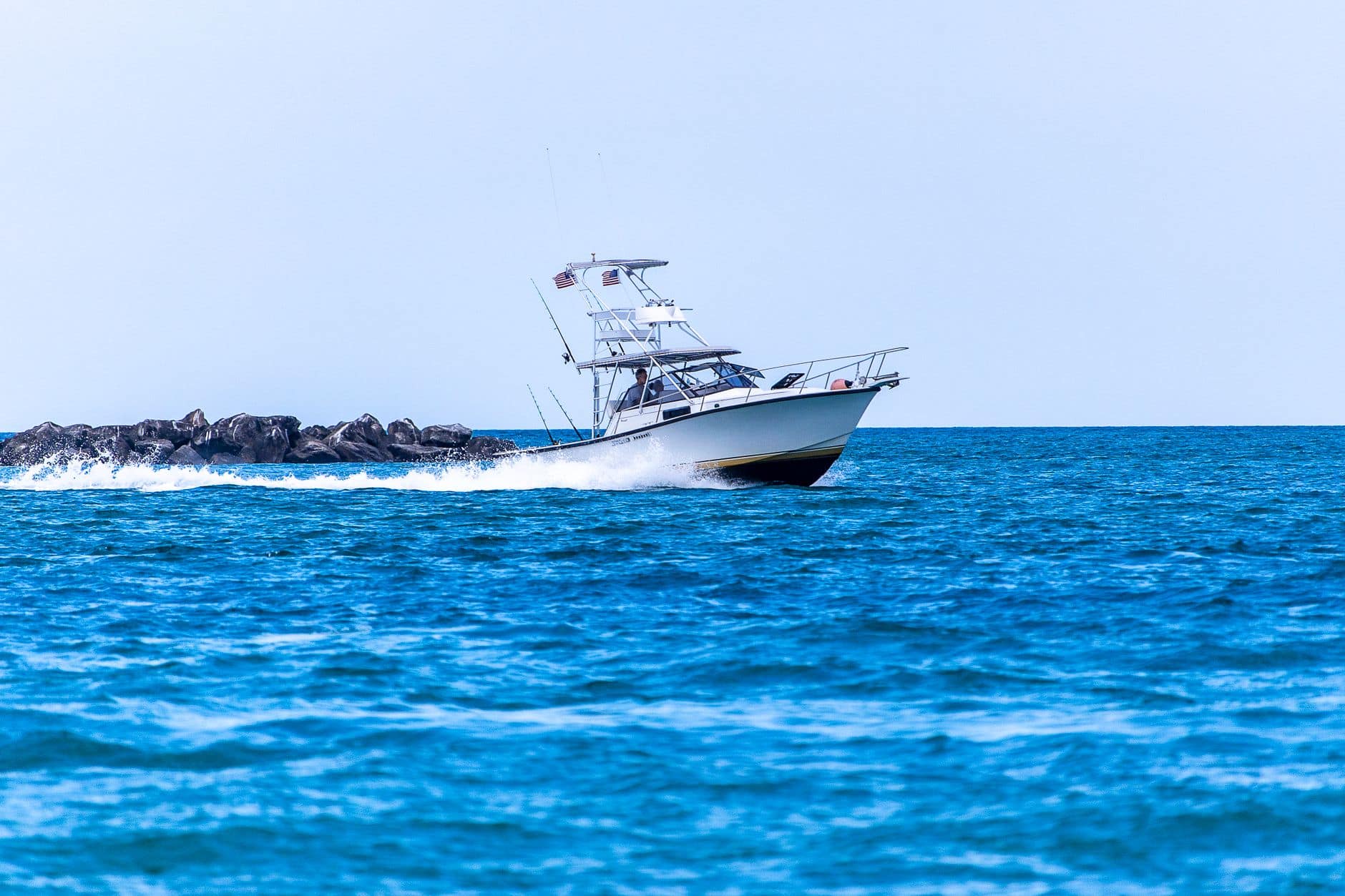
Bali Fast Boat Transfer
Fast boats are simple once booked correctly, but confusing when you are juggling ports, check-in windows, and hotel distance. This service helps turn the whole process into a clean transfer day instead of a stressful logistics puzzle.
- Duration
- Depends on destination
- Area
- Bali harbors and island routes
- Format
- Transfer service
- Best for
- Island-bound travelers
From $15 No prepayment
View tour