

Yes, you can still go. Fodor’s put Bali on its No List 2027, one of eight places it asks travellers to reconsider, but it is an editorial recommendation, not a travel warning or a ban. The list names waste, air pollution, shrinking farmland and water pressure. On 19 November 2026 the Bali provincial government replied that the island remains safe and worth visiting, and that these problems need more work. Here is what that means for your 2027 trip, and how to visit in a way that does less harm.
By Alex Moskvin, Founder of SB Excursions · Published 21 November 2026 · Updated 21 November 2026
Tour on this route: Private Car with Driver in Bali — From $59 per car, flexible daily use.
Is Bali on Fodor’s No List for 2027?
Yes. The Bali Times reported on 20 November 2026 that Fodor’s placed Bali among 8 destinations on its No List 2027. Fodor’s describes it as an editorial recommendation, not an official travel warning or a ban.
This guide also answers:
- Is it safe to travel to Bali in 2027?
- How can I visit Bali in a more responsible way?
- When is Bali least crowded?
Top picks from this guide
 #1
What the No List is
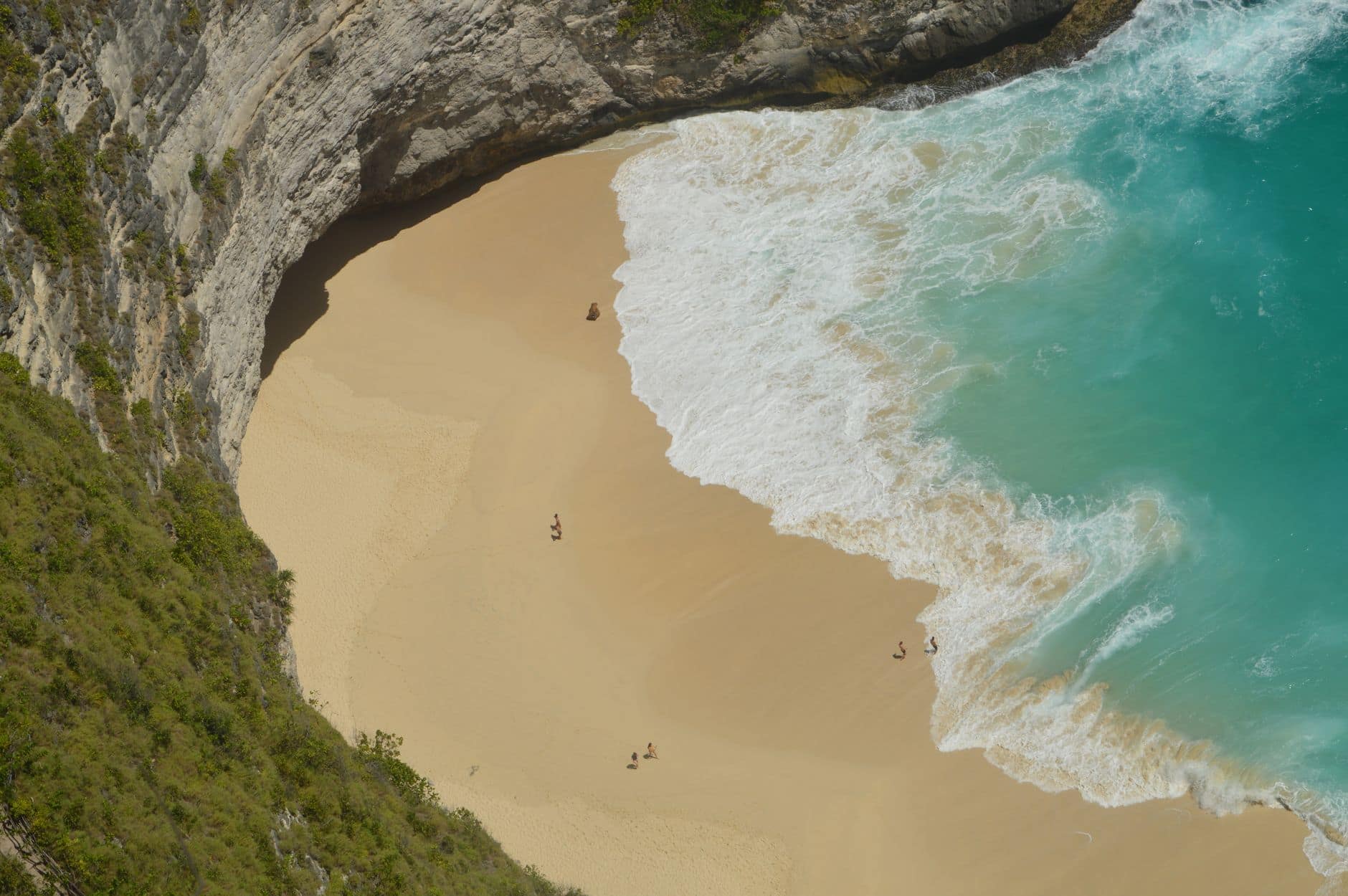
According to The Bali Times on 20 November 2026, Fodor’s placed Bali among eight destinations it encourages travellers to reconsider in 2027. Fodor’s describes the list as an editorial recommendation, not an official travel warning and not a ban. No flight, visa or entry rule changes because of it. It is a prompt to think about when and how you visit.
 #2
The problems the list names
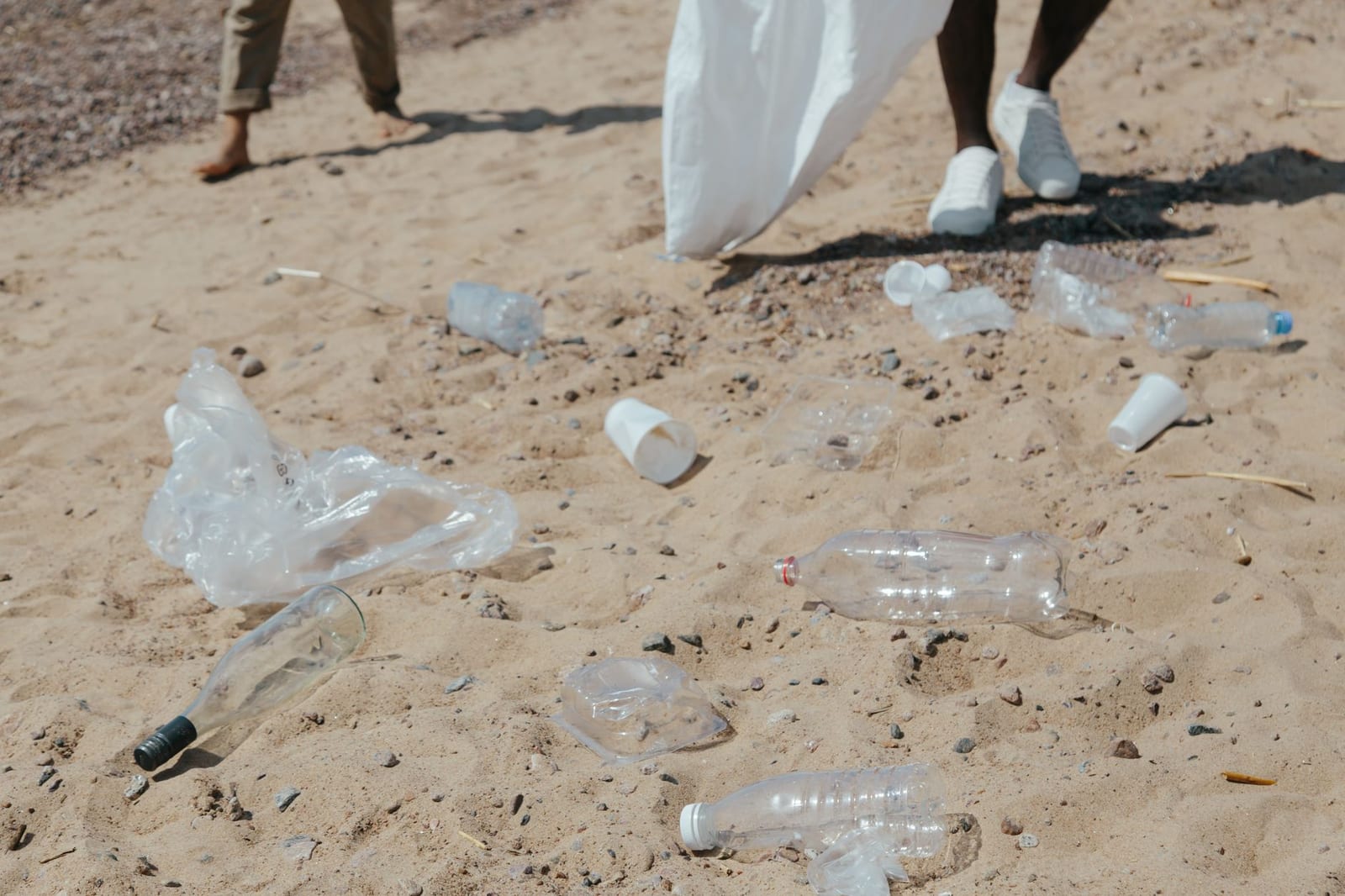
The Bali Times reports that Fodor’s points to waste management, including waste burning, air pollution, shrinking agricultural land, growing pressure on water resources, and development driven by tourism demand. These are real and well reported. Plastic on beaches after heavy rain and slow traffic in the south are things our guests see every season, and we do not argue them away.
 #3
What the Bali government said
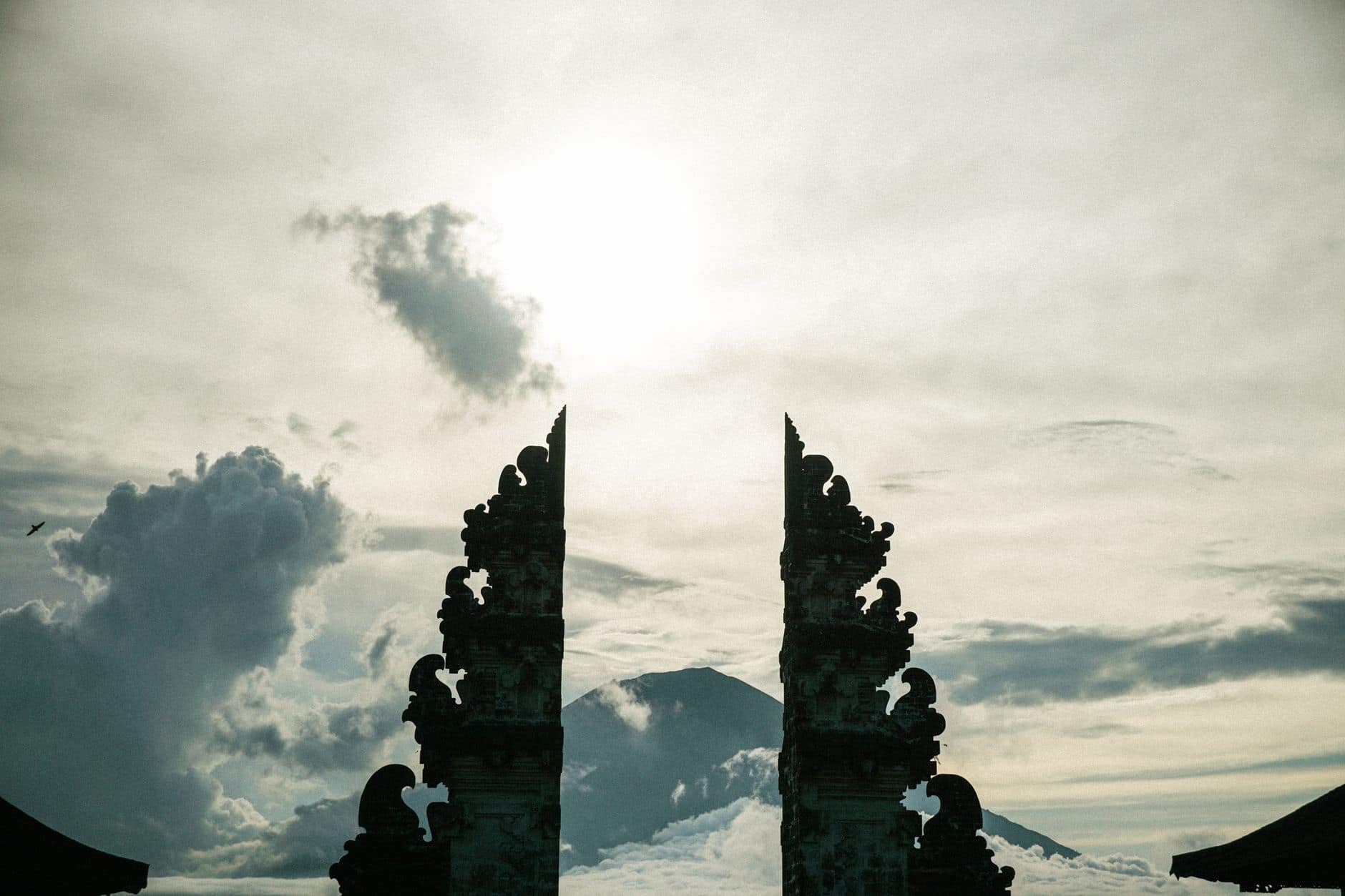
Bali Tourism Agency head I Wayan Sumarajaya said the island remains safe and attractive for domestic and international visitors, that the government treats outside criticism as a chance to review how tourism is managed, and that waste, traffic congestion and sustainable tourism are important challenges. He added that more visitors should not come at the cost of the environment or culture. The Bali Times names no new measures.
 #4
Quieter months and places
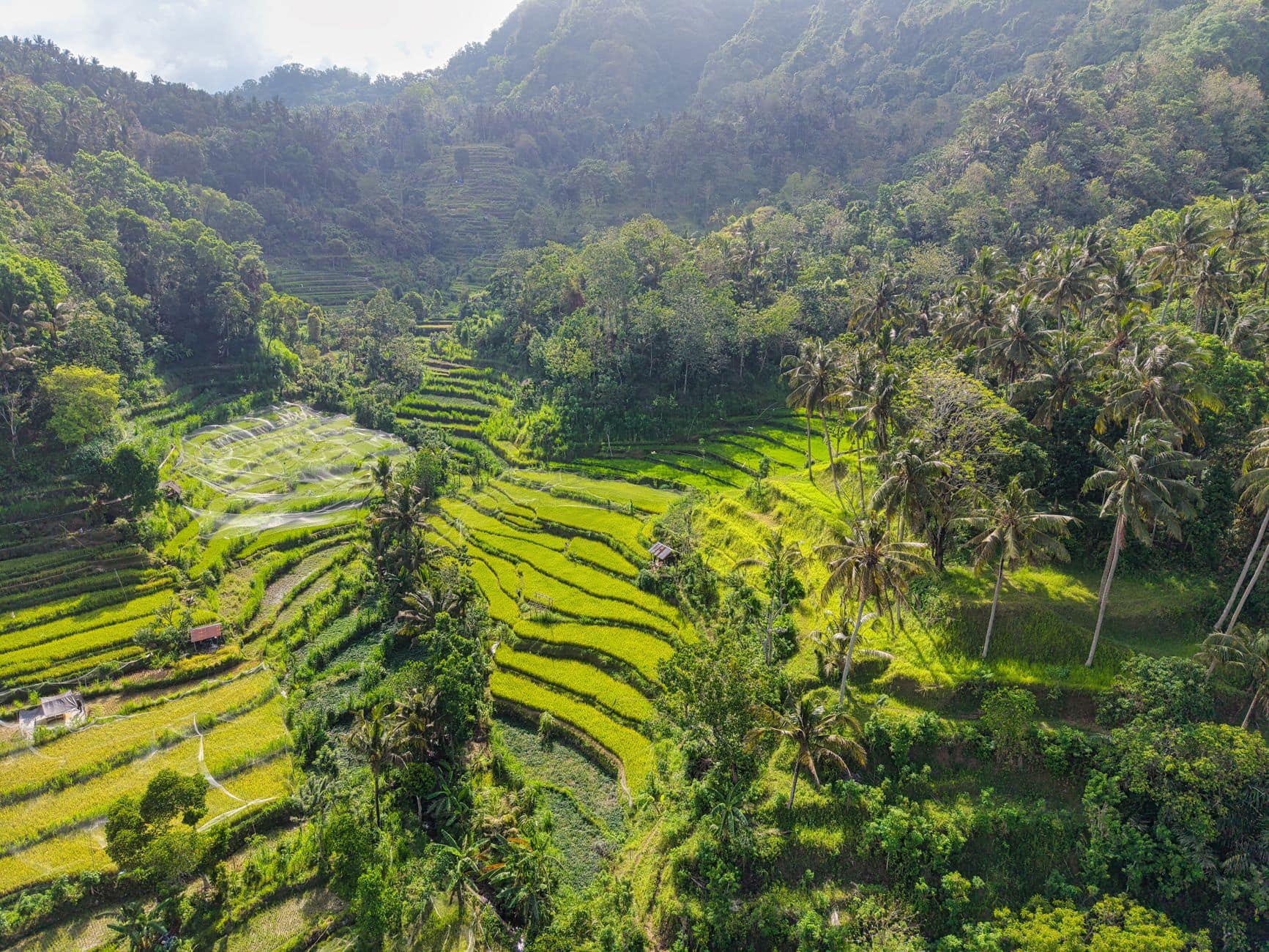
Crowds are not equal. The dry-season months of June to August are the busiest, and February and March are quieter, with more rain and green terraces. Outside the south, the north coast and the east have much less traffic than Canggu, Seminyak or Ubud centre. Choosing these months and areas spreads visitors out, which is the most direct way a traveller can ease the pressure.
 #5
Small choices that add up
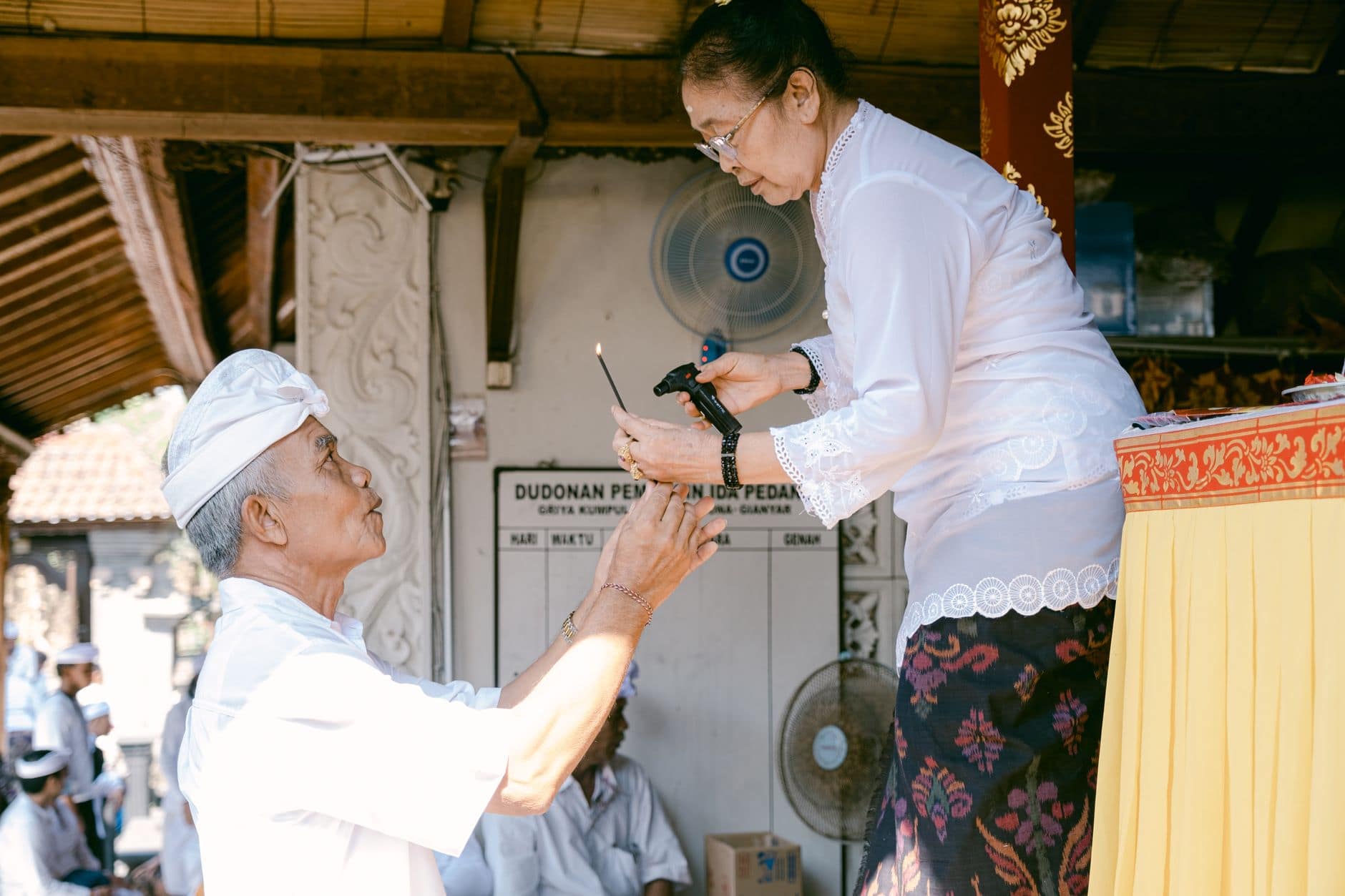
Pay the Rp 150,000 tourist levy online before you fly, carry a refillable bottle instead of buying plastic, take a local driver or guide so the money stays with local families, and follow temple rules on dress and behaviour. None of these fixes Bali’s waste system, but together they are what a visitor controls, and they cost little or nothing.
Is Bali on Fodor’s No List for 2027, and can I still go?
Yes to the first question, and yes to the second. The Bali Times reported on 20 November 2026 that Fodor’s Travel put Bali on its No List 2027, a group of eight places it encourages travellers to reconsider. The other seven named by the paper are Kyoto in Japan, Italy’s Amalfi Coast, Corsica in France, Edinburgh in Scotland, Albania’s Riviera, Tanzania’s Ngorongoro Conservation Area and Sedona in the United States.
Fodor’s describes the list as an editorial recommendation. It is not a government travel advisory, and nothing about entry, flights or insurance changes because of it. Bali has not been closed to anyone. We could not open Fodor’s own page when we wrote this, so the details of the listing follow The Bali Times and the provincial government’s statement as reported there.
This is also not the first time. Bali Discovery reported on a previous edition of the list, in which Fodor’s called Bali a “perennial” entry, and The Bali Times noted in April 2026 that Fodor’s had included Bali in that earlier edition citing overtourism and waste. The 2027 list repeats concerns that have been public for some time.
Which problems does Fodor’s name, and are they real?
According to The Bali Times, the 2027 entry points to five things: waste management including waste burning, air pollution, shrinking farmland, growing pressure on water resources, and development and the strain that tourism demand puts on the environment.
We think they are fair to raise. On waste, The Bali Times reported on 13 April 2026 that Bali generates an estimated 1.6 million tons of waste a year, including about 303,000 tons of plastic, and that only around 48% is properly managed. A policy that took effect on 1 April 2026 limits organic waste going to the Suwung landfill. The governor said truck trips to Suwung fell by more than half in the first week, but the same report described rubbish piling up in some neighbourhoods and some residents returning to open burning. An expert quoted there warned that restricting landfill access without infrastructure and public education could create new problems.
On water, the Bali Discovery report on the previous edition quoted a sustainable-travel expert saying that water diverted to tourist areas strains the subak, the irrigation system that has fed rice paddies for centuries. On traffic, the provincial tourism agency itself listed congestion as a challenge on 19 November. You will see all of this on a normal trip: plastic washed up after heavy rain, a slow road between Canggu and Seminyak in the evening, and fewer rice fields each year around the south.
The honest answer for a visitor is that Bali is beautiful and also under strain, and both are true at once. A trip can still be good, safe and worth the money. The question is how to make it a better one for the island.
What did the Bali government say about the list?
The provincial government replied on 19 November 2026. The Bali Times reported that it said the island “remains safe and worth visiting” while acknowledging long-standing tourism challenges. Bali Tourism Agency head I Wayan Sumarajaya said the government respects outside assessments and treats criticism as a chance to review how tourism is managed.
He named environmental protection, waste management, traffic congestion and sustainable tourism as important challenges, said the government and the industry have begun to address them, and said more improvement is needed so that growth benefits local communities. He also pointed to international tourism awards that Bali received in 2025 and 2026. He warned that increasing visitor numbers should not come at the expense of environmental protection, cultural preservation or the quality of the visitor’s experience.
The Bali Times names no new policy or programme in this response. The longer-term strategy it describes is to promote higher-quality, culturally grounded tourism and to make sure local communities share the benefits. For travellers, that means the useful actions in this article come from you, not from a new rule.
How do I visit Bali responsibly in 2027?
These are practical steps, none of them complicated. Each one is something you can do before or during the trip.
- Pay the tourist levy. It is Rp 150,000 per person, paid once, and the Bali government uses it for environment and culture. Pay online before you fly. Our tourist levy guide explains how.
- Refill, do not rebuy. Bring a refillable bottle and ask your hotel where to refill. Single-use plastic is one of the things the waste problem is made of.
- Use local drivers, guides and family warungs. Money paid to a local driver or a small restaurant stays in the village. Our private driver cost guide shows what a day costs.
- Respect temples. Wear a sarong and sash, do not walk in front of people praying, and do not climb on shrines.
- Spend less time in the busiest corner. Stay one or two nights in the north or east instead of only in Canggu, Seminyak and Ubud centre.
- Do not leave rubbish on trails or in the sea. Take it back down the mountain or the cliff with you.
When and where in Bali is quieter?
Crowds follow months. Our Bali in February page notes that February is among the three wettest months, and also quieter: BPS counted 492,289 foreign arrivals in February 2026 and 472,070 in March, against more than half a million in the busy months. If you do not mind afternoon rain, the green season is the lighter time to visit. Plan mornings outside and keep afternoons flexible. Our rainy season guide lists what still works.
Places matter as much as months. The north coast, Lovina and the waterfalls near Gitgit, and the east around Amed and Sidemen, are far less crowded than the south. A day trip there with a local driver spreads visitors out and gives drivers work outside the busiest corridors. Our north Bali tour is from $79, and a private car with driver is from $59 per car for a full day, so you can set a quieter route yourself.
A sunrise hike is another option for early risers: the Mount Batur sunrise hike starts in the dark, before the day’s crowds, with a local guide.
Should you change your plans because of the list?
Most visitors do not need to. The list does not change safety or entry rules, and it does not say that a holiday here is wrong. If you are the kind of traveller who would feel uneasy about the waste and traffic, there are good reasons to plan differently: travel in the wet season, stay outside the south, book local, and carry less plastic.
If you are undecided, ask what you want from Bali. A beach week in Canggu in August is the version of the trip that meets the most crowds and traffic. A week split between Ubud, the north and the east in March meets far fewer. The island is the same; the footprint is not.
Where these facts come from
- The Bali Times, 20 November 2026: Bali Named on Fodor’s 2027 No List, Government Responds — the listing, the other seven places, the problems named, the government’s reply of 19 November, retrieved 20 November 2026
- The Bali Times, 13 April 2026: New Policy, Same Problem: Bali’s Waste Crisis Gets Worse — waste figures, the 1 April 2026 landfill policy, early results, retrieved 20 November 2026
- Bali Discovery: Not a list on which Bali wants to be seen — a report on the previous edition of the list, the word “perennial” and the water and subak point, retrieved 20 November 2026
FAQ
Is Bali on Fodor’s No List for 2027?
Yes. The Bali Times reported on 20 November 2026 that Fodor’s placed Bali among 8 destinations on its No List 2027. Fodor’s describes it as an editorial recommendation, not an official travel warning or a ban.
Is it safe to travel to Bali in 2027?
The list is about overtourism and the environment, not safety. The Bali provincial government said on 19 November 2026 that the island remains safe and worth visiting. Check your own government’s travel advice as usual.
Which problems does the Fodor’s list name for Bali?
According to The Bali Times: waste management including waste burning, air pollution, shrinking agricultural land, growing pressure on water resources, and the strain of tourism-driven development.
What did the Bali government reply?
Bali Tourism Agency head I Wayan Sumarajaya said the island remains a safe and attractive destination, that criticism is a chance to review tourism management, and that waste, traffic and sustainable tourism need more work. No new measures were named.
How can I visit Bali in a more responsible way?
Pay the Rp 150,000 tourist levy, bring a refillable bottle, use local drivers, guides and warungs, follow temple dress rules, and spend time outside the busiest south, for example in north or east Bali.
When is Bali least crowded?
The wet months are quieter. BPS counted 492,289 foreign arrivals in February 2026 and 472,070 in March, against more than half a million in the busiest months. Expect rain, mostly in the afternoon.
Do I still have to pay the tourist levy?
Yes. The levy is Rp 150,000 per person and is paid once per entry. Pay it online before you fly. See our tourist levy guide for the steps.
Recommended Bali tours for this guide
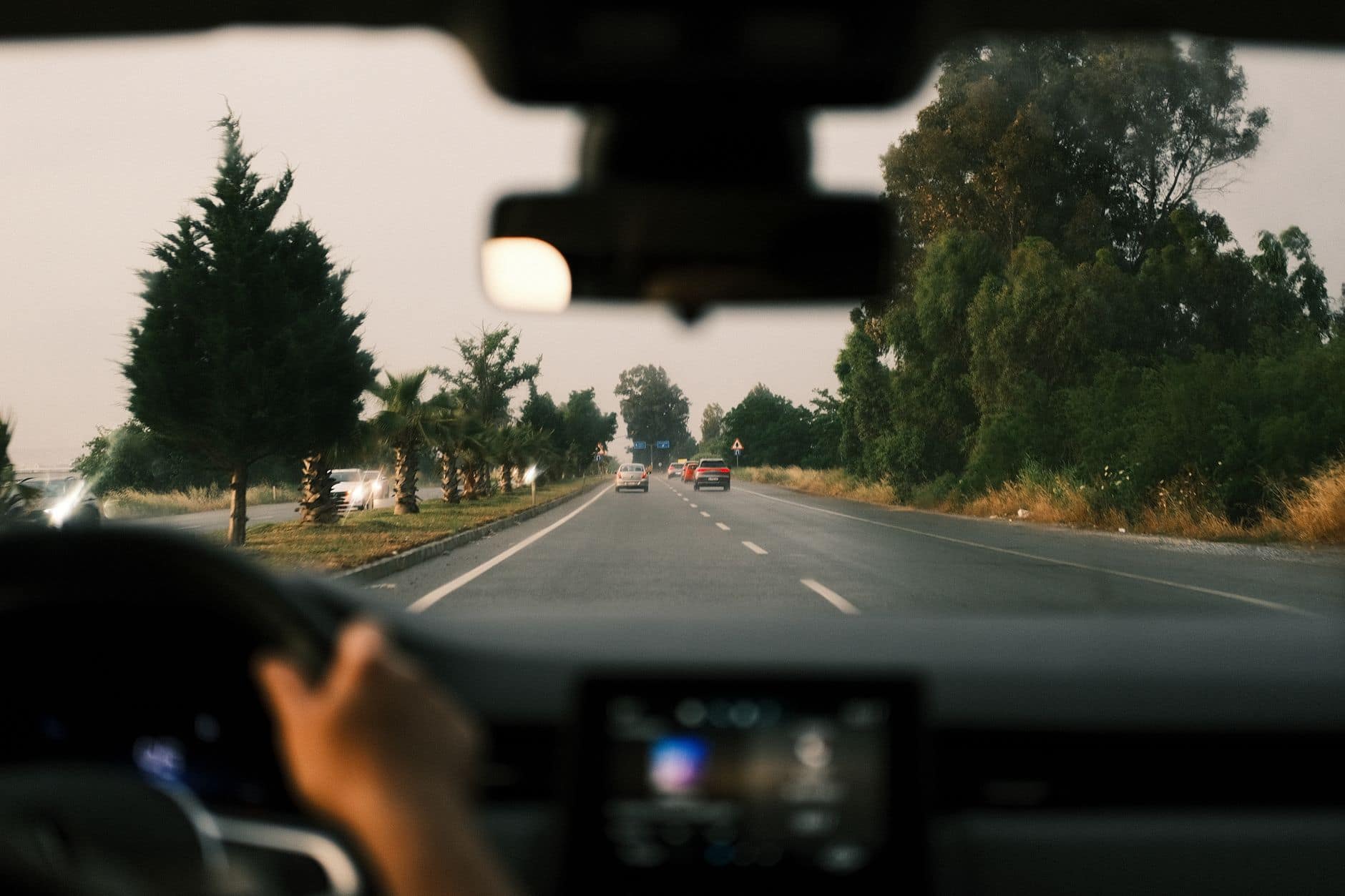
Private Car with Driver in Bali
This is one of the most useful products in Bali because so many plans become easier once transport is flexible. It is perfect for custom sightseeing, shopping days, family pacing, and travelers who already know roughly where they want to go.
- Duration
- Flexible daily use
- Area
- All major Bali regions
- Format
- Private transport service
- Best for
- Travelers who want total route flexibility
From $59 per car No prepayment
View tour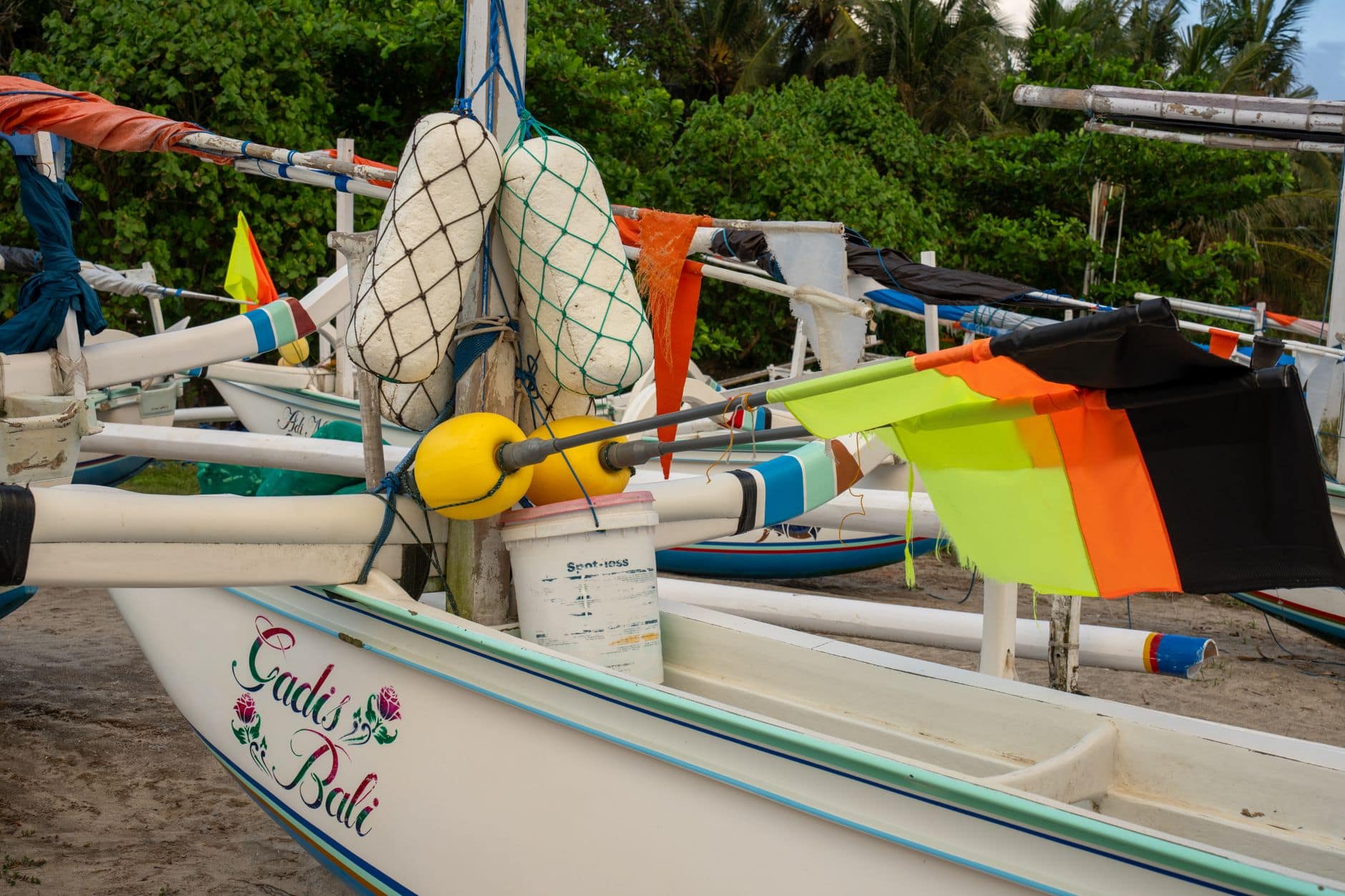
North Bali Tour and Lovina Dolphins
This is one of the fullest Bali day trips on the island, but it pays off with a completely different mood from the south. The route combines sea, mountain air, and scenic temple stops in one professionally paced private experience.
- Duration
- 10-12 hours
- Area
- Lovina and north Bali
- Format
- Private day tour
- Best for
- Travelers chasing a big full-day route
From $79 No prepayment
View tour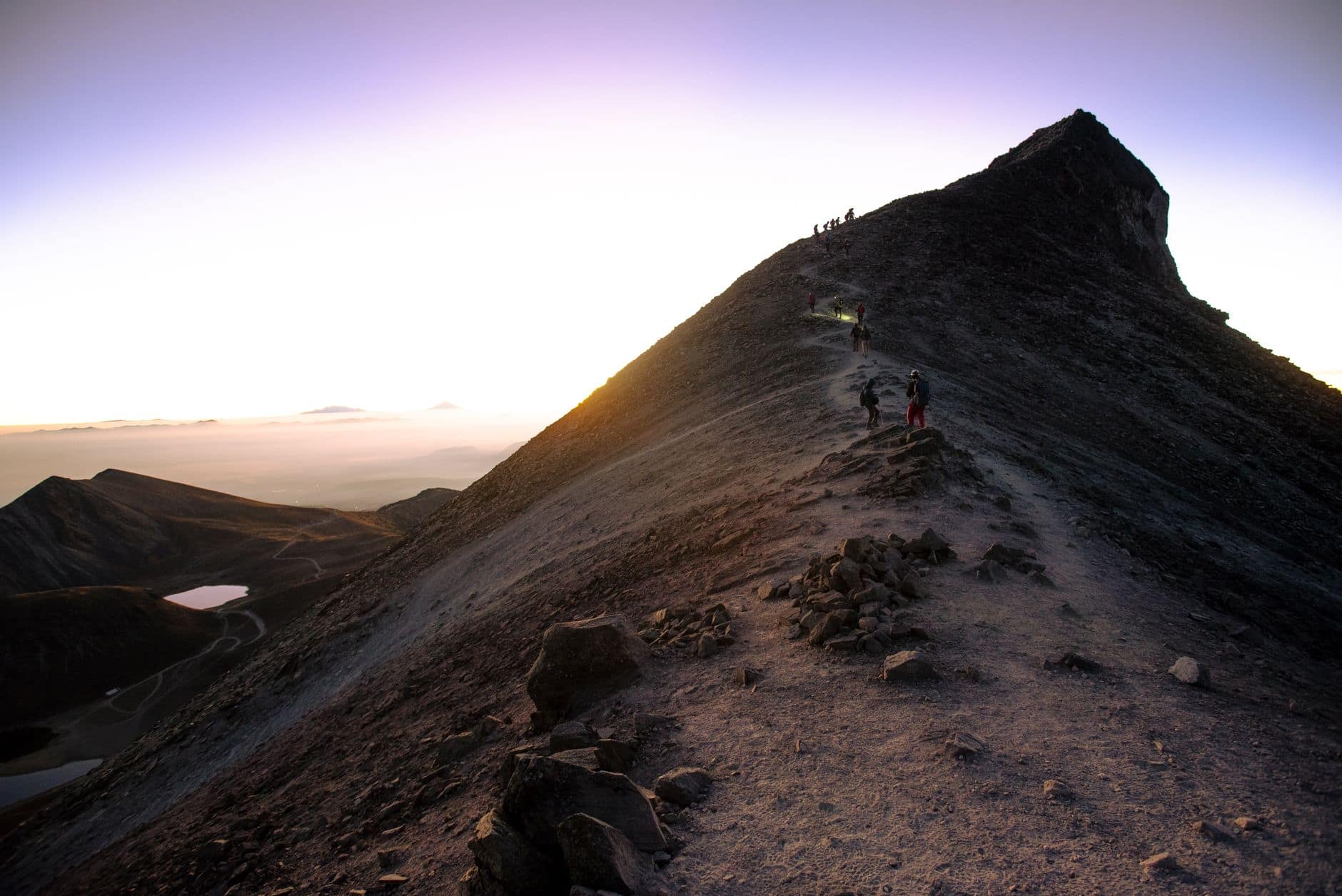
Mount Batur Sunrise Hike
This is the classic Bali volcano morning: a real summit trek that stays within reach of most fitness levels, with the uphill section taking around 1.5 to 2 hours. It suits couples, friends, and solo travelers who would rather earn their sunrise than drive to it.
- Duration
- 5-8 hours
- Area
- Kintamani and Mount Batur
- Format
- Private guided summit trek
- Best for
- Active travelers and sunrise seekers
From $35 No prepayment
View tour