

Yes, the new electric bus in Bali is free. Since Monday 9 November 2026 the Trans Sarbagita Corridor I buses run between the Ngurah Rai Sports Complex in Denpasar and the GWK cultural park, through Renon, Sesetan and Jimbaran, and the Bali government says they are free for one year. You still tap an e-money card when you board, and staff on the bus give you one if you do not have it. Reports mention 20 trips a day from 06:15, but no last trip and no interval. The bus does not go to Kuta, Seminyak, Canggu, Ubud or the airport.
By Alex Moskvin, Founder of SB Excursions · Published 21 November 2026 · Updated 21 November 2026
Tour on this route: Bali Airport Transfer — From $15 per car, depends on hotel area.
Is the electric bus in Bali free?
Yes. The Trans Sarbagita electric buses have been free since 9 November 2026, and the government says the free period is 1 year. You must still tap an e-money card when you board; staff give you one if you have none.
This guide also answers:
- What time does the electric bus start and how often does it run?
- How many electric buses are there?
- Can I take the free bus from the airport?
Top picks from this guide
 #1
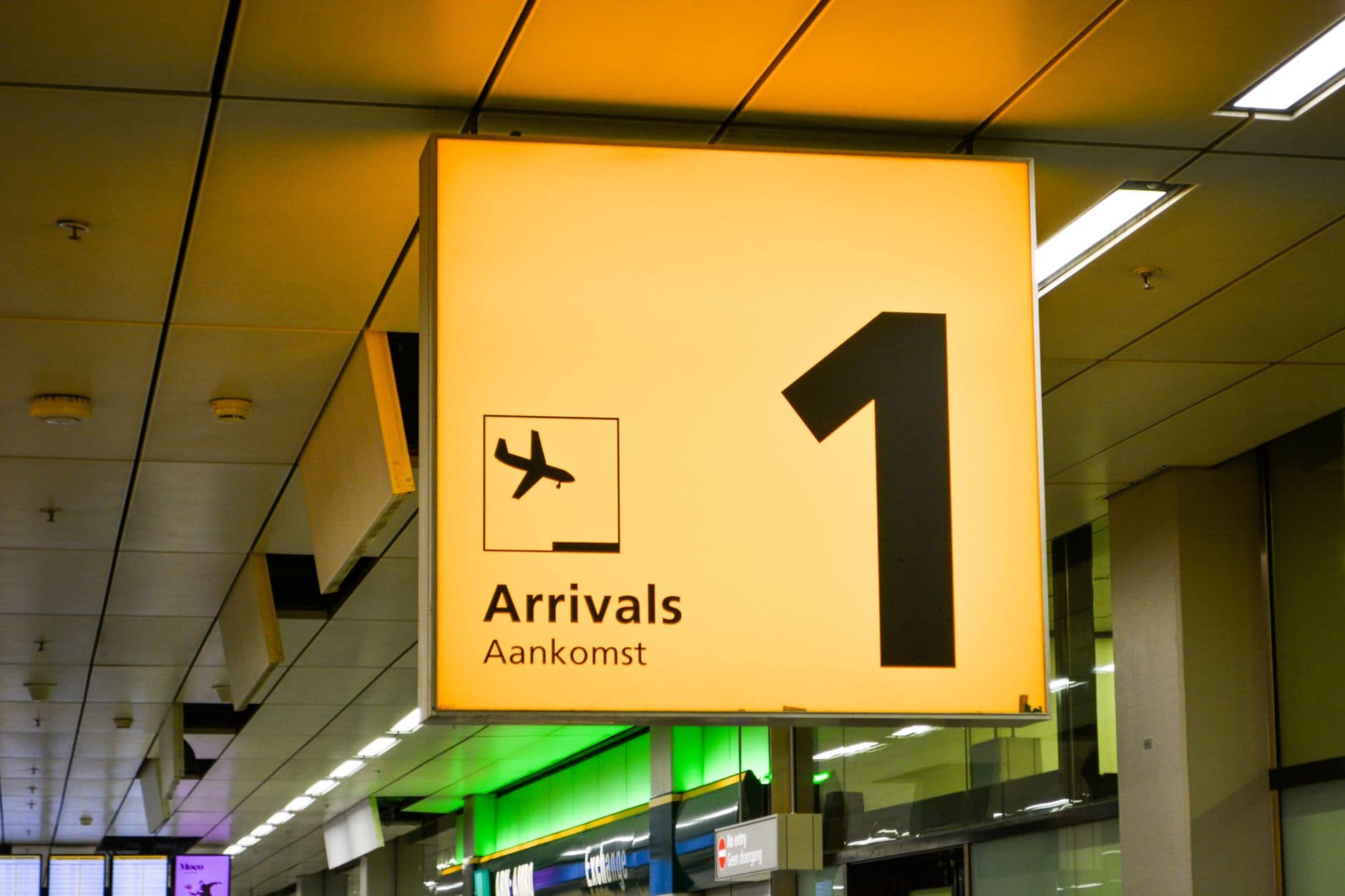
The airport is not on the route
None of the reports we read lists the airport as a stop. The bus links the Ngurah Rai Sports Complex in central Denpasar with GWK, so it does not replace a transfer from the terminal. For the airport you still need a taxi, an app car or a pre-booked driver. Our airport transfer is from $15 per car.
 #2
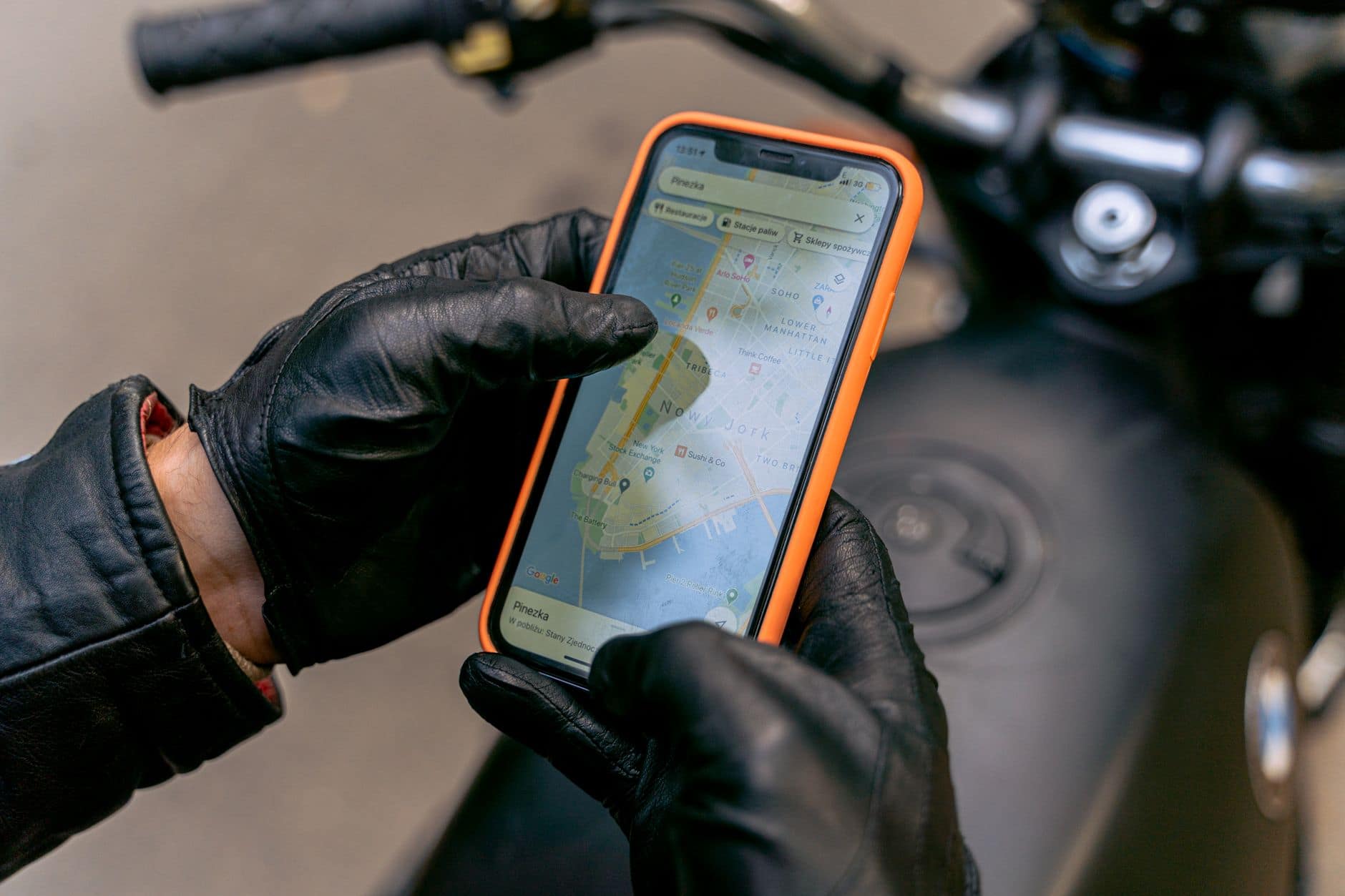
Grab and Gojek for the rest of the south
Kuta, Seminyak, Canggu and Ubud are not named on the route. App cars are the usual way to cover them, and our Grab price guide lists real fares by route. The bus and an app car work well together: ride the bus to GWK or Jimbaran, then book a car for the last stretch, but check that pickup is possible where you finish.
 #3
Bluebird metered taxi
If the bus time does not suit you, a metered taxi is the plain alternative in Denpasar and the south. A full comparison of fares is in our Grab and taxi guide. The bus is free, so for a single trip to GWK from Renon it costs nothing, but the taxi leaves when you want it to.
 #4
A private driver for several stops
A fixed-route bus cannot join GWK, Uluwatu, Jimbaran and a sunset into one day. A private car with a driver is from $59 per car for a full day, shared between everyone in the car. Our driver cost guide explains what is included.
Is the electric bus in Bali really free?
Yes. The Bali provincial government launched the buses on Monday 9 November 2026, and Governor Wayan Koster opened the service at the Ngurah Rai Sports Complex in Denpasar. The Bali Times reported on 10 November 2026 that passengers travel free for at least one year, and that the provincial budget pays for operation. ANTARA, the national news agency, reported on 9 November that the free period is one year.
One detail needs care. ANTARA reported on 8 November that the service was a trial running to the end of 2026, and The Bali Times wrote that the one-year free period extends the earlier trial, which was expected to end in December 2026. The later reports agree on one year, so we use that, but check the Bali Transportation Agency (Dishub Bali) channels before you plan a trip for late 2027.
Free does not mean no card. Passengers must still tap an electronic money card when they board, because the system counts how many people ride. If you do not have a card, staff on the bus provide one. Nobody pays a fare.
Where does the bus go, and which stops are named?
The buses run on Trans Sarbagita Corridor I, a line that already existed, with some changes for the electric service. It links the Ngurah Rai Sports Complex (GOR Ngurah Rai) in Denpasar with the Garuda Wisnu Kencana (GWK) cultural park in Badung. The Bali Times reports that there are 46 stops towards GWK and 41 on the way back, but none of the reports we read lists the stops one by one.
The reports name these places and roads:
| Direction | Roads and places named in reports | What it means for you |
|---|---|---|
| Towards GWK | Start at GOR Ngurah Rai, Jalan Melati, Jalan Hayam Wuruk, the Renon Roundabout, Jalan Raya Puputan, Jalan Sudirman, Sesetan, Jimbaran, the Udayana University campus area, GWK | Central Denpasar, the Renon government district and Jimbaran are on the line |
| Back to Denpasar | From GWK through Jimbaran, then Jalan Cok Agung Tresna, Jalan Moh. Yamin, Jalan Raya Puputan, Jalan Hayam Wuruk, Jalan Kamboja, Jalan Angsoka, Jalan Melati, Jalan Pattimura | The return trip uses a modified route, so a stop is not always opposite the one you used |
| Named stops | A stop in Jimbaran, and a stop near the Trans Rumah Tanjung Bungkak shelter, marked with an EV bus stop sign | These are the only individual stops we could find named |
| Special section | A special route along Jalan Hayam Wuruk to fill gaps in busy areas | Renon and the government offices are served closely |
The line is expected to be integrated with the Trans Metro Dewata corridor in the future, according to ANTARA. That is a plan, not a current service.
What time does the electric bus run, and how often?
ANTARA reported on 10 November 2026 that the operator, the state-owned company DAMRI, runs 20 trips a day, and that the first starts at 06:15. The same report gives no last departure time and no interval between buses.
Other reports we read give no hours or frequency at all. So we cannot tell you that a bus comes every 15 minutes, because no source says so. Ask at the stop, or check Dishub Bali before you rely on a return trip. Do not plan a tight connection, such as a flight or a tour pick-up, around this bus.
| Item | What is published | What is not published |
|---|---|---|
| Start date | Monday 9 November 2026 | - |
| Fare | Free for one year, tap an e-money card | What it costs after the free year |
| Trips and first bus | 20 trips a day, first at 06:15 | Last trip and the gap between buses |
| Fleet | 11 electric buses: 10 on the road, 1 in reserve; six fast-charging points | - |
| Bus | 20 seats and room for 10 standing; one bus has an automatic wheelchair lift | - |
| Operator | DAMRI, Denpasar branch, supervised by the Bali Transportation Agency | - |
Is the free bus useful for a tourist?
It is useful for a specific trip: central Denpasar and Renon to Jimbaran and GWK, in the daytime, if you do not mind a bus. GWK is one of the best-known cultural parks in south Bali, so the line gives a visitor staying in or near Denpasar a free way to reach it. Passengers described the cabin as cool, clean and quiet, according to ANTARA, and a cyclist who combines the bus with a folding bike said it was crowded.
It is not useful if you stay in Kuta, Seminyak, Canggu or Ubud. These areas are not named in any report on the route, and neither is the airport. For them, you would first need a separate ride to Renon or Sesetan, which makes the free fare less useful.
A realistic plan for a visitor: use the bus for one point-to-point trip, such as Renon to GWK, and use a car for everything else. If you have luggage, small children or a fixed time, use a car.
What does it cost to run, and who paid for the buses?
The buses and charging stations are a grant from the South Korean government through the Bali E-Mobility project, with the Global Green Growth Institute, ANTARA reports. The total is about Rp50 billion: Rp45.6 billion for the buses and Rp5 billion for charging. Governor Wayan Koster described the service as “three zeros”: zero emissions, zero noise and zero rupiah for passengers.
Bali has a target of net zero emissions by 2045, earlier than the national target of 2060, according to the same report. For visitors this means the bus is part of a longer plan to reduce traffic in the south. It started ten days before Fodor’s put Bali on its No List 2027, where traffic is one of the concerns, according to the provincial tourism agency’s reply. Our Fodor’s No List article covers what that list says.
How do you get around if the bus does not go where you need?
For most visitors the answer is an app car, a taxi or a driver. Our guide to Grab, Gojek or a private driver helps you choose, and the Bali getting-around guide covers the island as a whole. If you rent a scooter, read the scooter rules and licence guide first.
For the airport, a pre-booked transfer is from $15 per car, and our airport transfer guide lists the options.
Where these facts come from
- The Bali Times, 10 November 2026: Bali Launches Free Electric Bus Service for One Year — start date, route, 46 and 41 stops, fleet, payment by card, retrieved 20 November 2026
- ANTARA, 9 November 2026: Bali runs free electric buses on GOR Ngurah Rai-GWK route for 1 year — one free year, grant of about Rp50 billion, governor’s statements, retrieved 20 November 2026
- ANTARA, 8 November 2026: Bali launches free electric bus service on Trans Sarbagita route — route changes, operator, trial to the end of 2026, card tapping, retrieved 20 November 2026
- ANTARA, 10 November 2026: Emission-free: Bali youth’s new lifestyle on electric buses — 20 trips a day from 06:15, seats, named stops, passenger comments, retrieved 20 November 2026
- What’s New Indonesia, 11 November 2026: Bali Launches Free Electric Trans Sarbagita Bus Service for One Year — roads on the outbound and return routes, retrieved 20 November 2026
FAQ
Is the electric bus in Bali free?
Yes. The Trans Sarbagita electric buses have been free since 9 November 2026, and the government says the free period is 1 year. You must still tap an e-money card when you board; staff give you one if you have none.
Where does the free electric bus in Bali go?
Between the Ngurah Rai Sports Complex in Denpasar and the GWK cultural park, through Renon, Jalan Raya Puputan, Jalan Sudirman, Sesetan and Jimbaran. It does not serve Kuta, Seminyak, Canggu, Ubud or the airport.
What time does the electric bus start and how often does it run?
ANTARA reported 20 trips a day, with the first at 06:15. No source we found gives the last trip or the gap between buses, so check with Dishub Bali before relying on a return trip.
How many electric buses are there?
11 buses, of which 10 run each day and 1 is kept in reserve. Each bus has 20 seats and room for 10 standing passengers, and one bus has a wheelchair lift.
Do tourists need a card to ride the bus?
A tap card is needed, but it is not a fare. Passengers tap an electronic money card when boarding so the government can count riders, and staff on the bus provide a card to those who have none.
Can I take the free bus from the airport?
No source lists the airport on the route. Use a taxi, an app car or a pre-booked transfer; ours is from $15 per car.
Who runs the Bali electric bus?
DAMRI, a state-owned transport company, runs the buses under the supervision of the Bali Transportation Agency (Dishub Bali). The buses came from a South Korean grant.
Recommended Bali tours for this guide
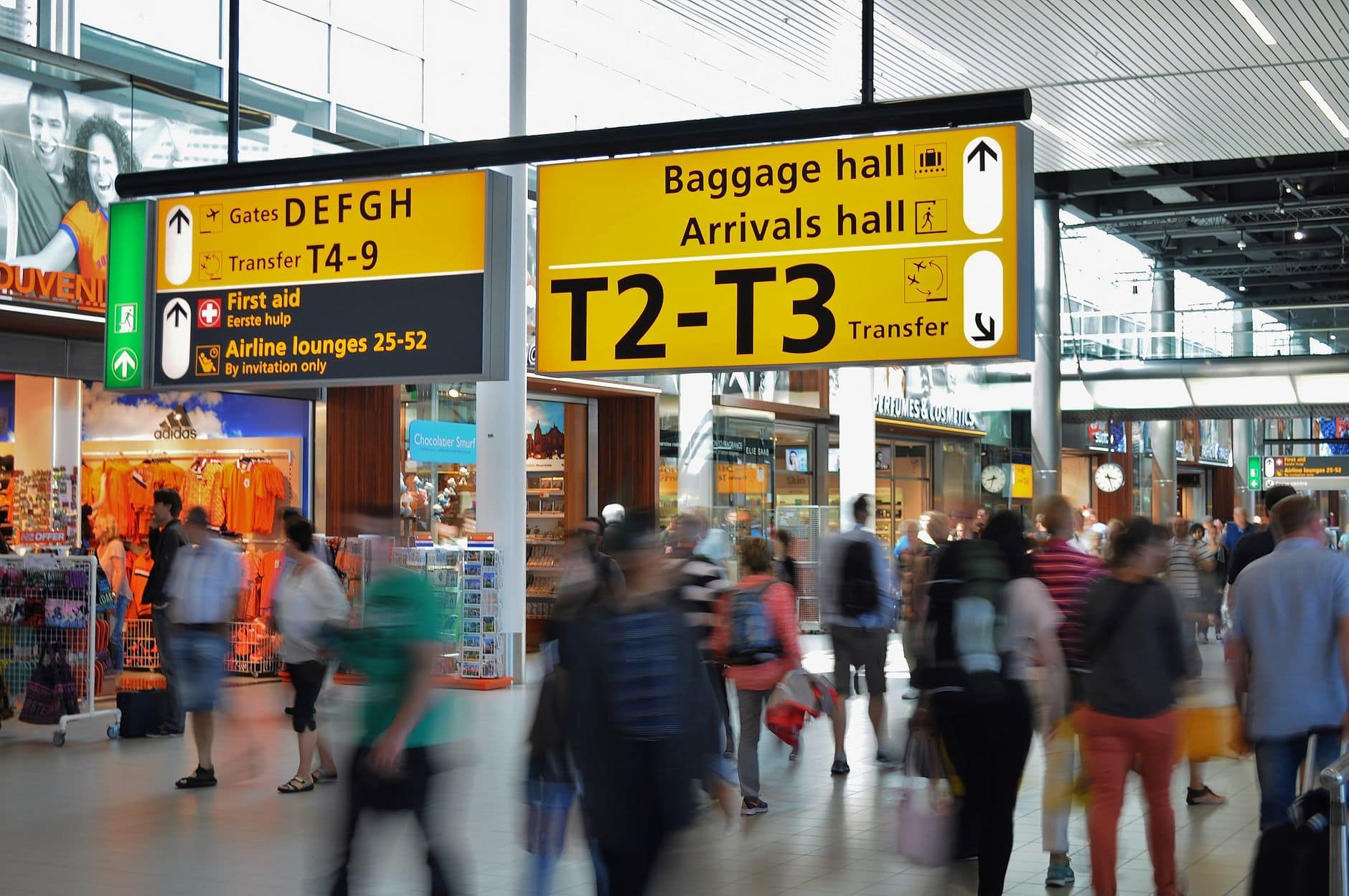
Bali Airport Transfer
Airport transfers are not glamorous, but they have an outsized impact on how the trip starts. A clean pickup, clear driver coordination, and direct route to the hotel make a huge difference after a long flight.
- Duration
- Depends on hotel area
- Area
- Ngurah Rai Airport and Bali hotel areas
- Format
- Private transfer service
- Best for
- New arrivals and stress-free departures
From $15 per car No prepayment
View tour
Private Car with Driver in Bali
This is one of the most useful products in Bali because so many plans become easier once transport is flexible. It is perfect for custom sightseeing, shopping days, family pacing, and travelers who already know roughly where they want to go.
- Duration
- Flexible daily use
- Area
- All major Bali regions
- Format
- Private transport service
- Best for
- Travelers who want total route flexibility
From $59 per car No prepayment
View tour