

For a solo traveller with a small bag, Grab or Gojek is almost always the cheapest way to move around south Bali: a 5 km hop between Kuta and Seminyak runs roughly Rp35,000-60,000 by car and Rp15,000-25,000 by bike, prices checked August 2026. A Bluebird meter starts at about Rp7,000 plus roughly Rp6,500 per kilometre, which is competitive until traffic stops and the waiting charge starts running. A private driver is a flat Rp600,000-900,000 for the whole day, which only makes sense once you have three or four stops, or three or four people. The number that decides it is none of those. Large parts of Ubud, the Bukit and Canggu have zones where no app driver will collect you, and drop-offs are fine while pickups are not, so people arrive cheaply and cannot get back. Here is how to spot one first.
By Alex Moskvin, Founder of SB Excursions · Published 21 May 2026 · Updated 23 October 2026
Tour on this route: Private Car with Driver in Bali — From $59 per car, flexible daily use.
How much does Grab cost in Bali?
A short app car hop such as Kuta to Seminyak, about 5 km, runs roughly Rp35,000-60,000; the same trip on a GrabBike is Rp15,000-25,000 (prices checked August 2026). Longer runs scale with distance: Canggu to Ubud, 30 km, is Rp200,000-300,000 by car and Rp80,000-125,000 by bike. The fare is fixed in the app before you accept, so there is no meter and no haggling. Rain, Friday and Saturday nights and the 17:00-19:00 crawl push you to the top of every range.
This guide also answers:
- Is Grab cheaper than a taxi in Bali?
- How much is a Bluebird taxi in Bali?
- Why is Grab not available where I am in Bali?
Top picks from this guide
 #1
#1
Grab and Gojek cars
The fare is fixed by the app before you accept, so there is nothing to negotiate and no meter to watch. Kuta to Seminyak, 5 km, runs about Rp35,000-60,000; Seminyak to Canggu Rp50,000-80,000; Canggu to Ubud, 30 km, Rp200,000-300,000 (checked August 2026). The two apps leapfrog each other by route, so price both and take the shorter ETA.
 #2
#2
Grab and Gojek bikes
Roughly half to two-thirds cheaper than the car and immune to a blocked road: Kuta to Seminyak Rp15,000-25,000, Seminyak to Canggu Rp20,000-32,000, Canggu to Ubud Rp80,000-125,000 (checked August 2026). No motorbike pickup is permitted at the airport at all, which strands more solo travellers than any other rule on this page.
 #3
#3
Bluebird, the metered taxi
The only genuine meter a visitor will meet: flagfall about Rp7,000, roughly Rp6,500 per kilometre, minimum fare Rp30,000, waiting time about Rp45,000 an hour (widely published for Bali, checked August 2026, though we could not confirm it against a company tariff sheet). That waiting charge is exactly why a meter loses to a locked app fare in the evening crawl.
#4
Maxim and InDrive
Maxim is the cheapest tier and the roughest, with a clunkier app, weaker English and looser GPS discipline. InDrive is not a price list at all: you name a figure and drivers counter it, so it is a negotiation wearing an app. Neither has a fare anyone can honestly quote you in advance. Uber has not operated in Bali since 2018.
 #5
#5
Getting out of the airport
Apps work at DPS for cars only, and only from a signposted lounge in the car park, several minutes' walk with luggage. One in-app check on the morning of 10 May 2026 returned Grab at Rp106,500 to Kuta, Rp185,000 to Canggu and Rp338,500 to Ubud, with Gojek within a few tens of thousands either way. A reported airport surcharge sits on top.
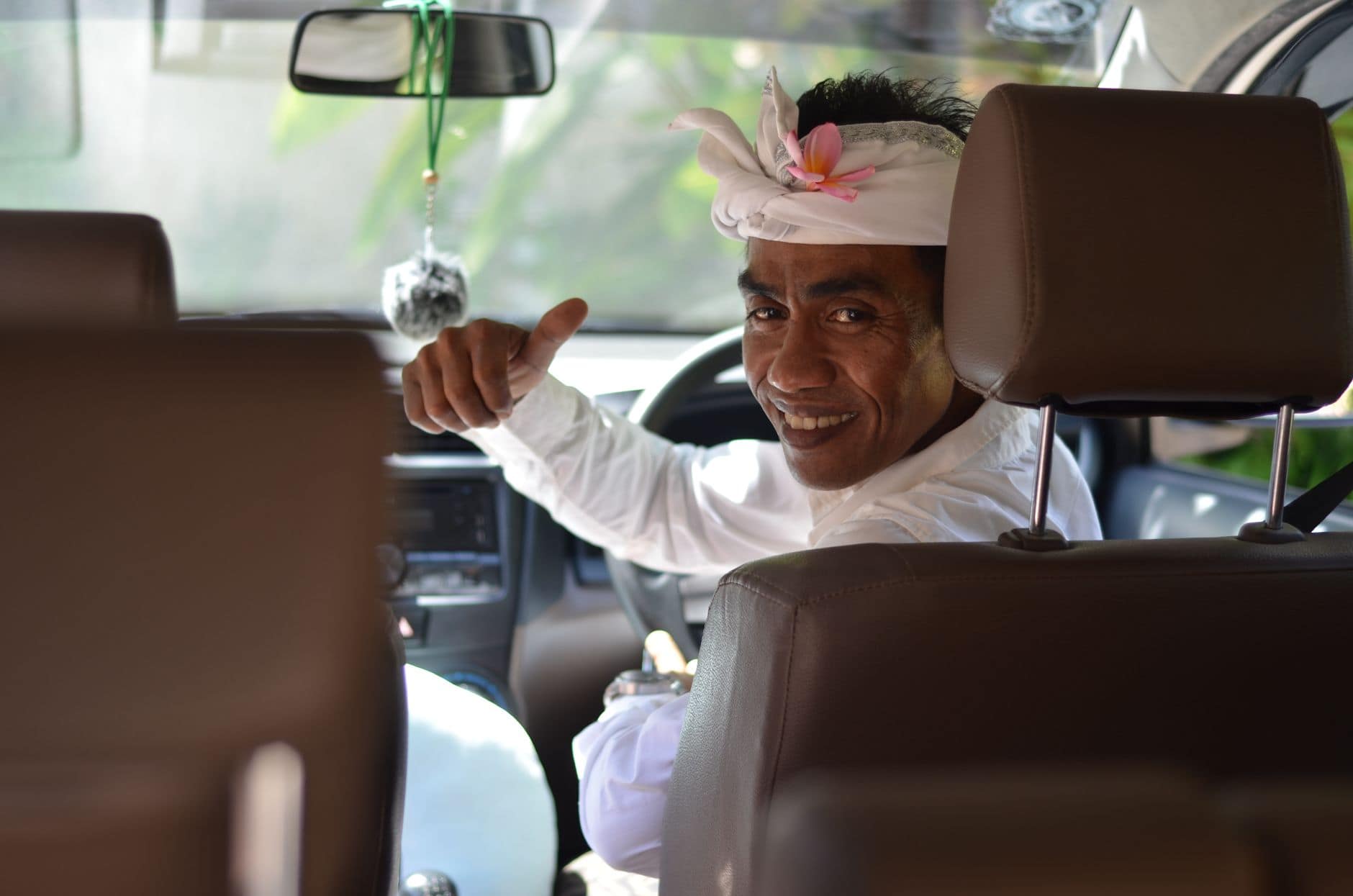 #6
#6
A private driver by the day
A flat Rp600,000-900,000 per car for a standard Avanza-class day, Rp850,000-1,100,000 for an Innova or Hiace, with fuel and ordinary parking already inside the rate (checked August 2026). A day means 8-12 hours door to door, overtime runs about Rp100,000 an hour, and four people splitting Rp700,000 pay Rp175,000 each.
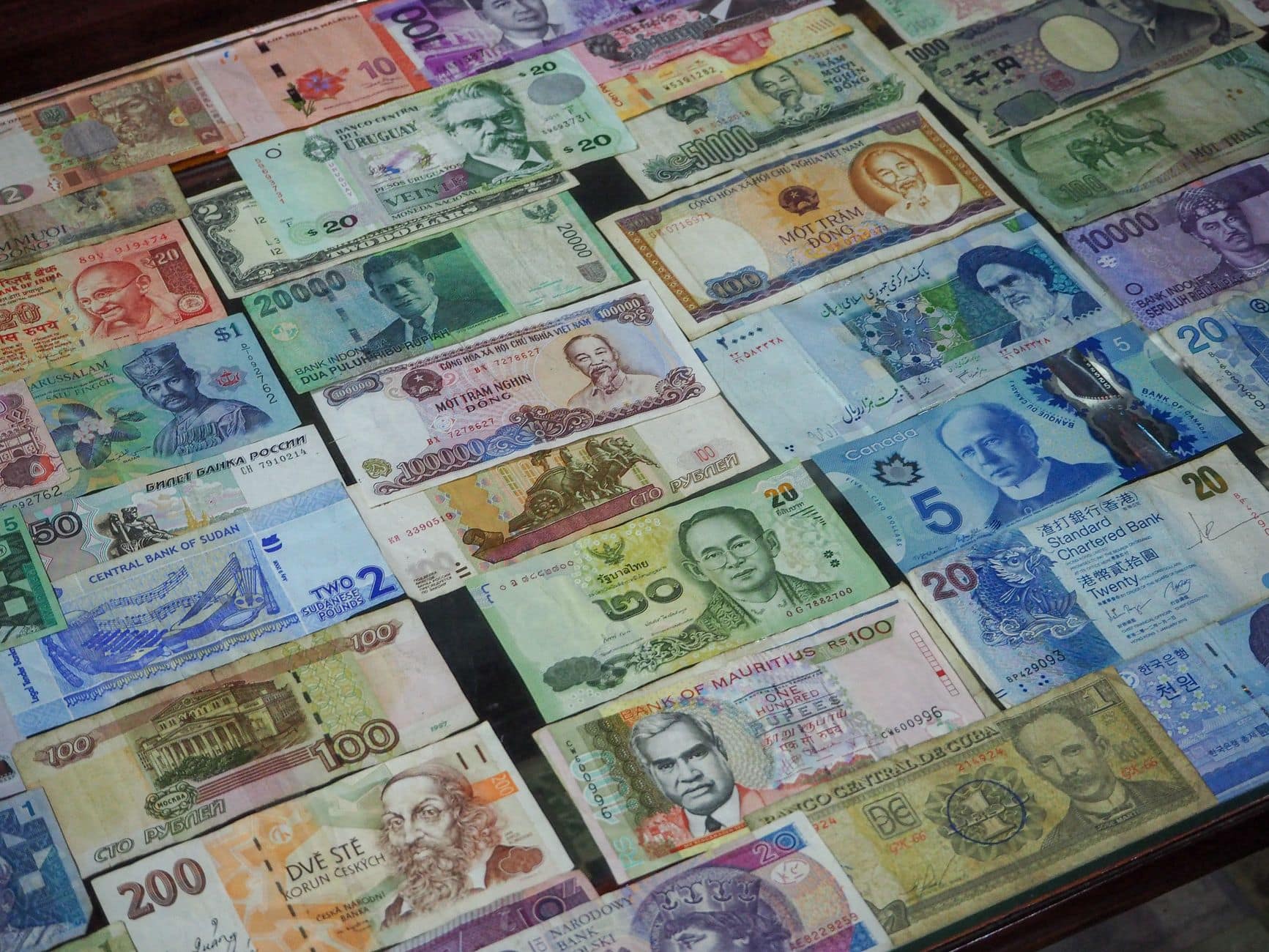 #7
#7
Blocked-zone local transport
Where a local stand controls pickup, the only alternative is a cash price negotiated on the spot, with no meter and no app quote to anchor it. Every source agrees these quotes sit well above app rates, and none of them will publish a figure, which tells you enough. Price the trip in Grab on your phone before you speak to anyone.
What Grab, a Bluebird and a driver actually cost
If you are one person with one bag going one way across south Bali in daylight, Grab or Gojek is the cheapest answer and you should stop reading and open the app. A 5 km car hop between Kuta and Seminyak is about Rp35,000-60,000, the same ride on the back of a bike Rp15,000-25,000, both checked August 2026. Some 2026 sources put that same 5 km as low as Rp25,000 and others as high as Rp80,000, and both are right: the spread is time of day, promo codes and which app has a driver on the corner. Treat every number on this page as a band, never a price.
A Bluebird meter is the only real meter you will meet in Bali: flagfall about Rp7,000, roughly Rp6,500 per kilometre, a Rp30,000 minimum, and waiting time at about Rp45,000 an hour. That last figure is the whole story. In free-flowing traffic the meter is competitive with an app; in the 17:00-19:00 crawl it keeps ticking while a Grab fare you accepted twenty minutes ago does not. Book through the MyBluebird app rather than flagging one down, and if the meter is not running say "tolong pakai argo ya" or get out. Repainted look-alikes with fast meters are a long-standing problem.
A private driver is a different product priced a different way: Rp600,000-900,000 flat per car for a standard Avanza-class day, fuel and parking included, negotiated per vehicle rather than per person. Our own car and driver for the day from $59 per car is a fixed USD price booked over WhatsApp with no prepayment, which sidesteps the exchange-rate problem entirely. For the full breakdown of what a day rate includes and excludes, our private driver cost guide goes line by line.
- Kuta to Seminyak, 5 km — app car Rp35,000-60,000, app bike Rp15,000-25,000, Bluebird meter Rp40,000-60,000
- Seminyak to Canggu, 7-8 km — app car Rp50,000-80,000, app bike Rp20,000-32,000, Bluebird meter Rp70,000-110,000
- Kuta to Sanur, 15 km — Bluebird meter Rp110,000-140,000
- Seminyak to Nusa Dua, 22 km — Bluebird meter Rp160,000-200,000
- Canggu to Ubud, 30 km — app car Rp200,000-300,000, app bike Rp80,000-125,000
- Ubud to Sanur, 35 km — app car Rp230,000-340,000, app bike Rp95,000-145,000
- A full day with a driver — Rp600,000-900,000 per car, as many stops as fit in 8-12 hours
The zones where no app can pick you up
This is the part that decides more Bali days than price does. In central Ubud around the Palace and Monkey Forest road, across most of the Bukit — Uluwatu, Bingin, Padang Padang, Pandawa, Nyang Nyang, Ungasan — at the big beach clubs, in parts of Canggu, inside the Nusa Dua resort grounds, up in Kintamani and at a great many hotel driveways, local transport cooperatives informally bar app drivers from collecting passengers on their turf. The asymmetry is what catches people: drop-offs are almost always fine, pickups are what is blocked. You get there for Rp90,000 and then discover there is no way back at that price. It is not a fixed map and it changes village by village, so learn the pattern rather than a list.
On paper you are entitled to use the apps. Bali's own transport agency has said on the record, citing Peraturan Gubernur Bali No. 40/2019, that there is no prohibition on app-based transport anywhere on the island — so when a tout tells you Grab is illegal here, he is wrong. But officials have also told app drivers to cooperate with registered local stands, which means nobody is coming to enforce your right. Write it in your head as legal but locally unenforceable. Where a sign is posted, respect it: this is a livelihood dispute inside a village, and dragging a driver into it creates a problem for him, not for you.
Here are the five signals, roughly in the order they show up.
- Printed signs — posters and banners zip-tied to poles naming Gojek or Grab, often with the logos crossed out, usually in Indonesian: "ojek online dilarang", "kawasan pangkalan". The single most reliable tell.
- The app goes empty — you could book from 300 m away but not from where you stand; the map shows no vehicles, or the search times out again and again.
- The driver messages you — he accepts, then chats "please walk to the main road" or "cannot enter, meet at the junction".
- The parked cluster — a knot of men on scooters or in unmarked cars at a beach path, temple car park or hotel driveway, calling "transport? taxi?" at anyone looking at a phone.
- A physical block — in the Bukit, pecalang or cooperative members turning app cars away at the lane entrance.
- The fix — walk five to ten minutes to a main road or a neutral junction and book from there; in the Bukit budget the full ten. Ordering a bike rather than a car meets less resistance. If you would rather not do any of this, arrange the return by WhatsApp before you go.
The airport is a separate country
Grab and Gojek do operate at Ngurah Rai, but not at the kerb. Each runs a signposted, air-conditioned lounge in the car park structure and a dispatcher matches you to a bay, so budget a several-minute walk with your bags past the money changers and the name-board drivers. Cars only: GrabBike and GoRide are not available for airport pickup at all. One in-app check on the morning of 10 May 2026 — the only figures on this page with a verifiable timestamp — returned Grab at Rp106,500 to Kuta, Rp136,000 to Seminyak, Rp185,000 to Canggu, Rp148,000 to Sanur, Rp128,000 to Nusa Dua, Rp206,000 to Uluwatu and Rp338,500 to Ubud, with Gojek beating Grab to Seminyak and losing badly to Canggu. Those were off-peak quotes on one day; a reported airport exit surcharge of around Rp10,000-12,000 and, on Sanur or Nusa Dua runs, about Rp14,000 of Bali Mandara toll sit on top.
The official taxi counter in the arrivals hall works on fixed zone fares agreed before you board, and it is the most reliable walk-up option at 03:00. Published zone figures vary between sources by a factor of two to three, so we will not pretend to a single number — the board at the counter is the only binding price, and you confirm it before you move. Cash in rupiah is safest; card acceptance is patchy. A night surcharge of about Rp50,000 between 18:00 and 06:00 is commonly reported but not something we can confirm, so ask at the desk. Blue Bird cannot collect arriving passengers at arrivals; the standard workaround is to walk up to Departures on Level 2 and take one that has just dropped off, at meter rate.
A pre-booked transfer is the only option whose price you know before the wheels touch down. Our private airport pickup is a fixed from $15, driver waiting with a name board however late the flight lands, no prepayment. For a family of four arriving at 23:00 with luggage, that is the sane choice — apps are the one option that can double or triple when several flights land together. But we will say the honest thing too: for one person with a backpack going to Kuta at 09:00, Grab at around Rp106,500 beats us, and you should take it. Our airport transfer cost guide sets out the whole comparison by destination.
- Kuta and Seminyak, counter fare — roughly Rp150,000-200,000, confirmed at the desk before you pay
- Canggu, Sanur, Nusa Dua, Uluwatu — roughly Rp250,000-400,000, wide because sources disagree sharply
- Ubud — roughly Rp350,000-500,000; one page quoting a flat Rp70,000-150,000 for every destination is not credible and should be ignored
- After dark — a night surcharge of about Rp50,000 between 18:00 and 06:00 is commonly reported at the counter; pre-booked fixed rates do not move at all
When Grab is the right answer, and when it is not
Grab and Gojek win on cost for the short, single, one-way trip in the covered part of the island, and it is not close. They also win on transparency: the price is locked before you accept, which no negotiated option can match. If your day is one hotel to one restaurant and back, install both apps, price the trip in each, and take whichever shows the shorter ETA — a twelve-minute wait in Canggu costs more in lost evening than the Rp5,000 spread between them.
A driver wins the moment the day has shape. Two legs of Canggu to Ubud and back is already Rp400,000-600,000 in app fares, with nobody waiting for you at the rice terrace and no guarantee of a car when you want to leave. Add a third stop and you have passed the day rate before lunch. Add a fourth person and the arithmetic stops being close at all. And in Amed, Lovina, Munduk, Sidemen or Kintamani there is no metered option and thin app coverage, so it is a private driver or nothing. Our Grab, Gojek or private driver comparison drills further into that trade-off, and the full transport guide covers scooters, boats and shuttles alongside.
One more case worth naming: a morning boat. Sanur harbour is where the fast boats to Nusa Penida, Lembongan and the Gilis leave, and departures are early enough that gambling on an app driver accepting at 04:30 is a bad bet. Our fast boat tickets with hotel pickup from $15 put the land leg and the boat on one booking so the timing is somebody else's problem.
- One person, one bag, one stop, daylight, south Bali — Grab or Gojek, every time
- Two or three stops in a day — app fares pass the flat day rate before you finish lunch
- Four people — Rp700,000 split four ways is Rp175,000 each for a full day with a car waiting at every stop
- Coming back from Uluwatu, a beach club or central Ubud after dark — arrange the return before you go, not when you want to leave
- Amed, Lovina, Munduk, Sidemen, Kintamani — no Bluebird, thin app coverage, driver or nothing
- A 06:00 boat from Sanur — book the pickup in advance rather than testing the app at dawn
Why every Bali price you read is a range
Distance tells you almost nothing here. Canggu to Ubud is 29 km and a mapping app will offer you 32 minutes; the real figure is 1 to 1.5 hours, and up to 2 hours or more at peak, because there is no toll and no bypass on that axis so one bottleneck compounds down the whole road. The rule that survives contact with reality: take the map estimate and add 50-100% inside south Bali in daylight. The two windows to avoid are 07:00-09:00 and, much worse, 16:00-19:00, when the Denpasar commute, the sunset rush up onto the Bukit and the general Kuta-Kerobokan congestion all land at once.
Prices move with the same forces. App surge is reliable on Friday and Saturday nights between 21:00 and 01:00 in the Canggu-Seminyak corridor, and instantly in heavy rain, which spikes demand for cars and empties the bike supply at the same moment; one 2026 comparison saw the multiplier reach double, though that is a single observation rather than a rule. Waiting twenty minutes usually clears it. None of this touches a flat driver rate, which is the actual argument for one.
Then there is the currency, which is why so much of what you will read online is simply wrong. The rupiah sat near IDR 17,800 to the dollar in August 2026, while most travel pages still convert at 15,000-16,000 and therefore overstate the dollar cost by 10-18%. That is why every figure here is in rupiah with a date attached, and why the only USD numbers we publish are our own fixed prices. One further caveat for the bike fares specifically: national rules on app motorbike tariffs were under revision as of August 2026, with a presidential regulation still being drafted, so treat any per-kilometre figure as provisional.
- Weekday commute — 08:00-10:00 and 17:00-19:00 across Kuta, Seminyak, Canggu and Sanur
- Friday afternoon heading north to Ubud, Sunday evening coming back to the south
- Ceremony closures — melasti, ngaben, odalan, Galungan and Kuningan shut roads with no notice and no diversion; Nyepi closes the island and the airport for a full 24 hours
- Post-sunset convergence — everyone leaving Tanah Lot or Uluwatu at the same moment onto one two-lane road
- Rain — halves the scooters, doubles the demand for cars, and moves every price to the top of its band
FAQ
How much does Grab cost in Bali?
A short app car hop such as Kuta to Seminyak, about 5 km, runs roughly Rp35,000-60,000; the same trip on a GrabBike is Rp15,000-25,000 (prices checked August 2026). Longer runs scale with distance: Canggu to Ubud, 30 km, is Rp200,000-300,000 by car and Rp80,000-125,000 by bike. The fare is fixed in the app before you accept, so there is no meter and no haggling. Rain, Friday and Saturday nights and the 17:00-19:00 crawl push you to the top of every range.
Is Grab cheaper than a taxi in Bali?
Usually yes for one person on a short run, and the gap widens the worse the traffic gets. A Bluebird meter charges about Rp6,500 per kilometre on top of roughly Rp7,000 flagfall, plus around Rp45,000 an hour of waiting time, so a jammed 5 km takes longer and costs more while the app fare was locked before you got in. A metered taxi wins in three situations: when the apps are surging, when you are standing in a zone where no app driver can collect you, and when you would rather watch a meter than trust an algorithm.
How much is a Bluebird taxi in Bali?
The rates published for Bali in 2026 are a flagfall of about Rp7,000, roughly Rp6,500 per kilometre, a Rp30,000 minimum fare and waiting time at about Rp45,000 an hour. Worked examples from the same source: Kuta to Seminyak Rp40,000-60,000, Seminyak to Canggu Rp70,000-110,000, Kuta to Sanur Rp110,000-140,000, Seminyak to Nusa Dua Rp160,000-200,000. These figures are repeated across Bali travel sources but we could not confirm them against a Blue Bird tariff document, so treat the running meter as the authority. Book in the MyBluebird app; repainted look-alikes with fast meters are a real and long-standing problem.
Why is Grab not available where I am in Bali?
Almost certainly a local pickup zone. Transport cooperatives, governed by traditional village rules, informally bar app drivers from collecting passengers in central Ubud, across much of the Bukit, at the big beach clubs, in parts of Canggu, inside Nusa Dua's resort grounds, in Kintamani and at many hotel driveways. Drop-offs are usually fine; pickups are what is blocked, which is why people arrive cheaply and cannot get back. Ride-hailing is legal islandwide under Peraturan Gubernur Bali No. 40/2019, but nobody enforces that for you. Walk five to ten minutes to a main road and book from there, or arrange the return in advance.
How much does a taxi from Bali airport cost?
The official counter in arrivals sells fixed zone fares paid before you board: roughly Rp150,000-200,000 for Kuta or Seminyak, roughly Rp250,000-400,000 for Canggu, Sanur, Nusa Dua or Uluwatu, and roughly Rp350,000-500,000 for Ubud. Published figures vary between sources by a factor of two to three, so the board at the counter is the only binding price and you should confirm it before you move. A night surcharge of about Rp50,000 between 18:00 and 06:00 is commonly reported. Apps are usually cheaper but pick up only from the lounge in the car park, cars only, with a surcharge on top.
Grab or Gojek, which is cheaper in Bali?
On bikes Gojek tends to run about 15-25% below GrabBike on the same route, though at least one 2026 comparison found no consistent winner, so treat it as a tendency rather than a rule. On cars the two sit within about Rp10,000 of each other and leapfrog by destination: in one airport check Gojek beat Grab to Seminyak and lost badly to Canggu. Install both, price the trip in each, and take whichever shows the shorter ETA. Uber has not operated in Bali since 2018, so there is nothing to compare it against.
Recommended Bali tours for this guide
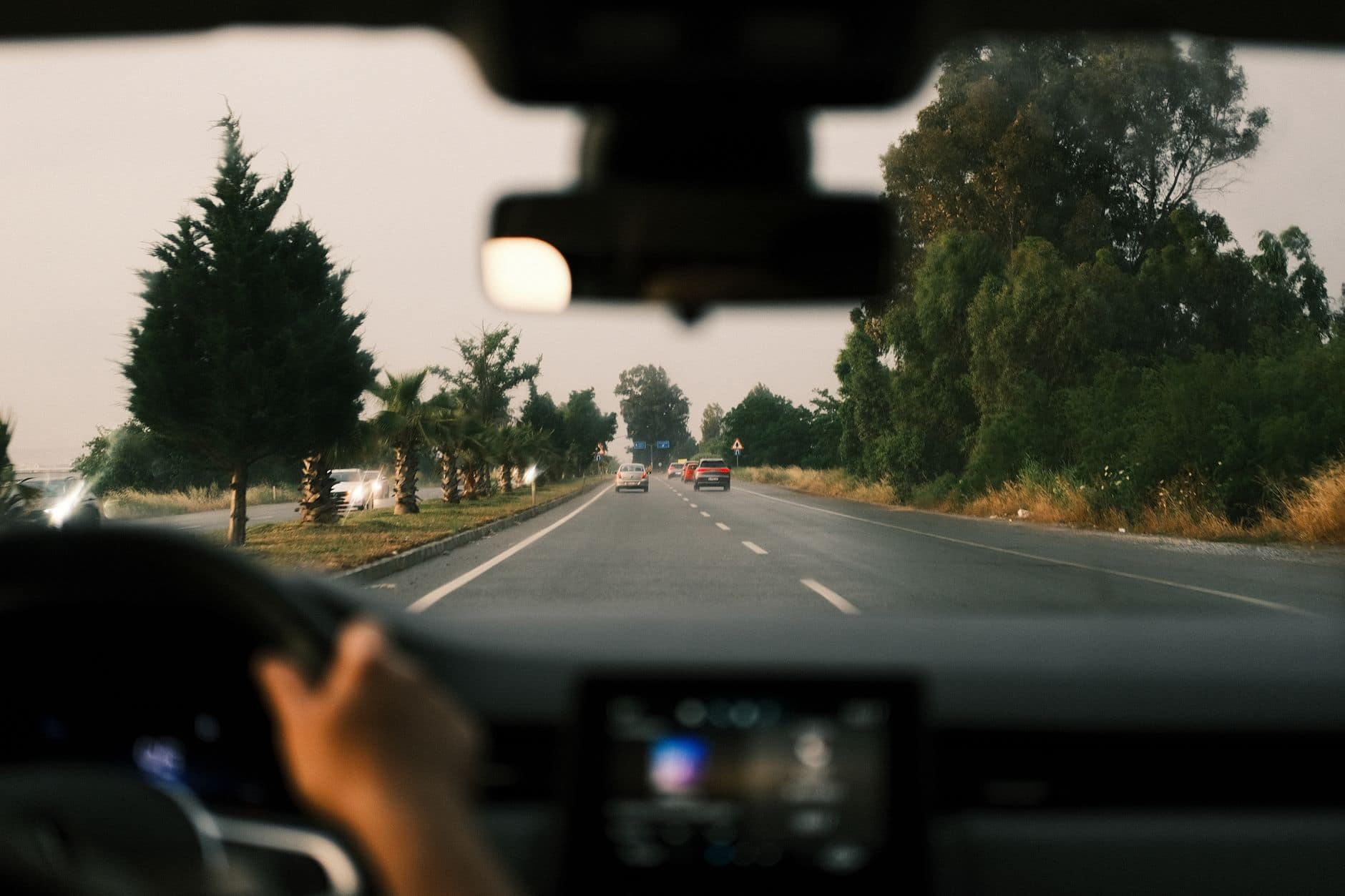
Private Car with Driver in Bali
This is one of the most useful products in Bali because so many plans become easier once transport is flexible. It is perfect for custom sightseeing, shopping days, family pacing, and travelers who already know roughly where they want to go.
- Duration
- Flexible daily use
- Area
- All major Bali regions
- Format
- Private transport service
- Best for
- Travelers who want total route flexibility
From $59 per car No prepayment
View tour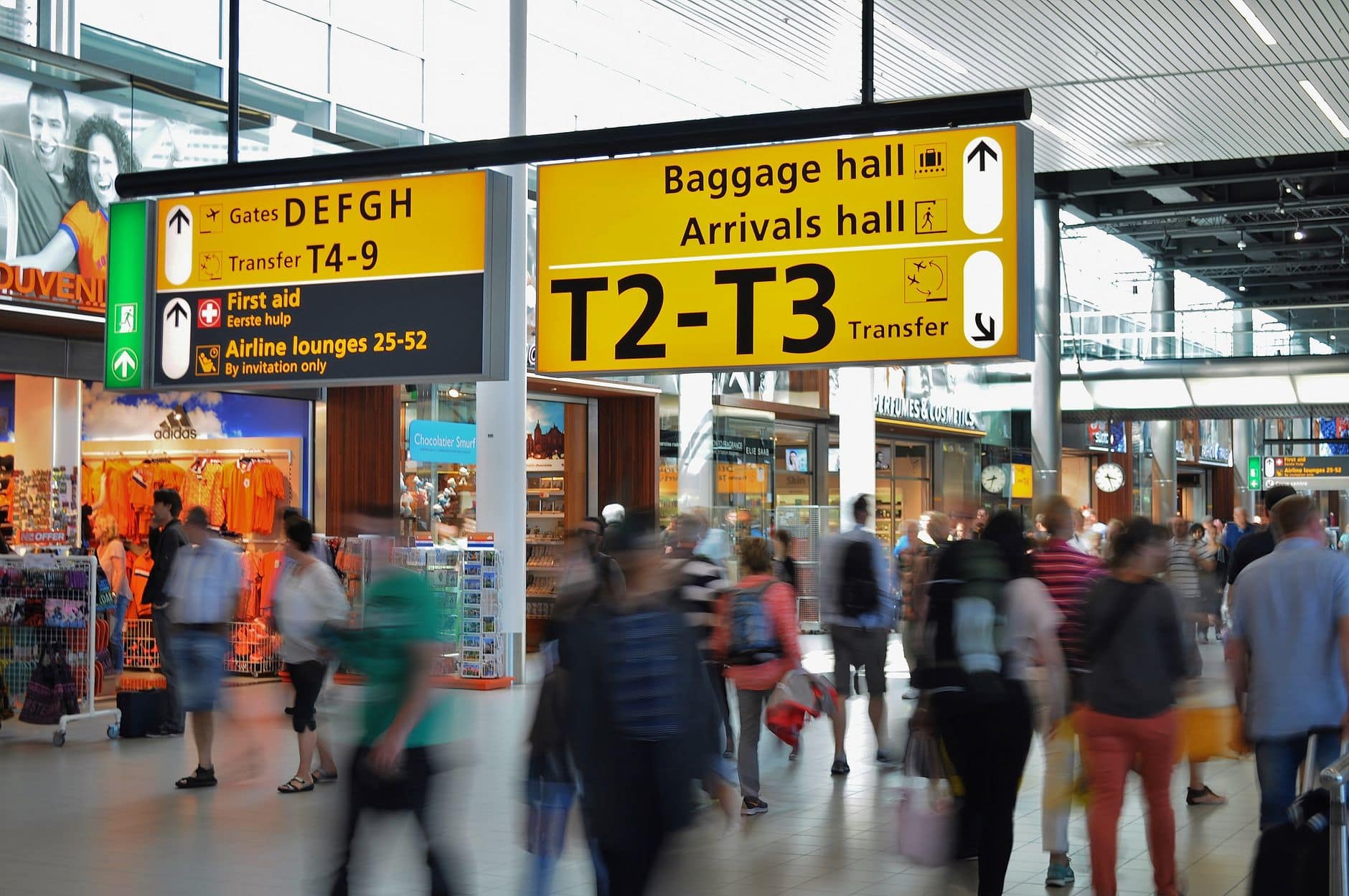
Bali Airport Transfer
Airport transfers are not glamorous, but they have an outsized impact on how the trip starts. A clean pickup, clear driver coordination, and direct route to the hotel make a huge difference after a long flight.
- Duration
- Depends on hotel area
- Area
- Ngurah Rai Airport and Bali hotel areas
- Format
- Private transfer service
- Best for
- New arrivals and stress-free departures
From $15 per car No prepayment
View tour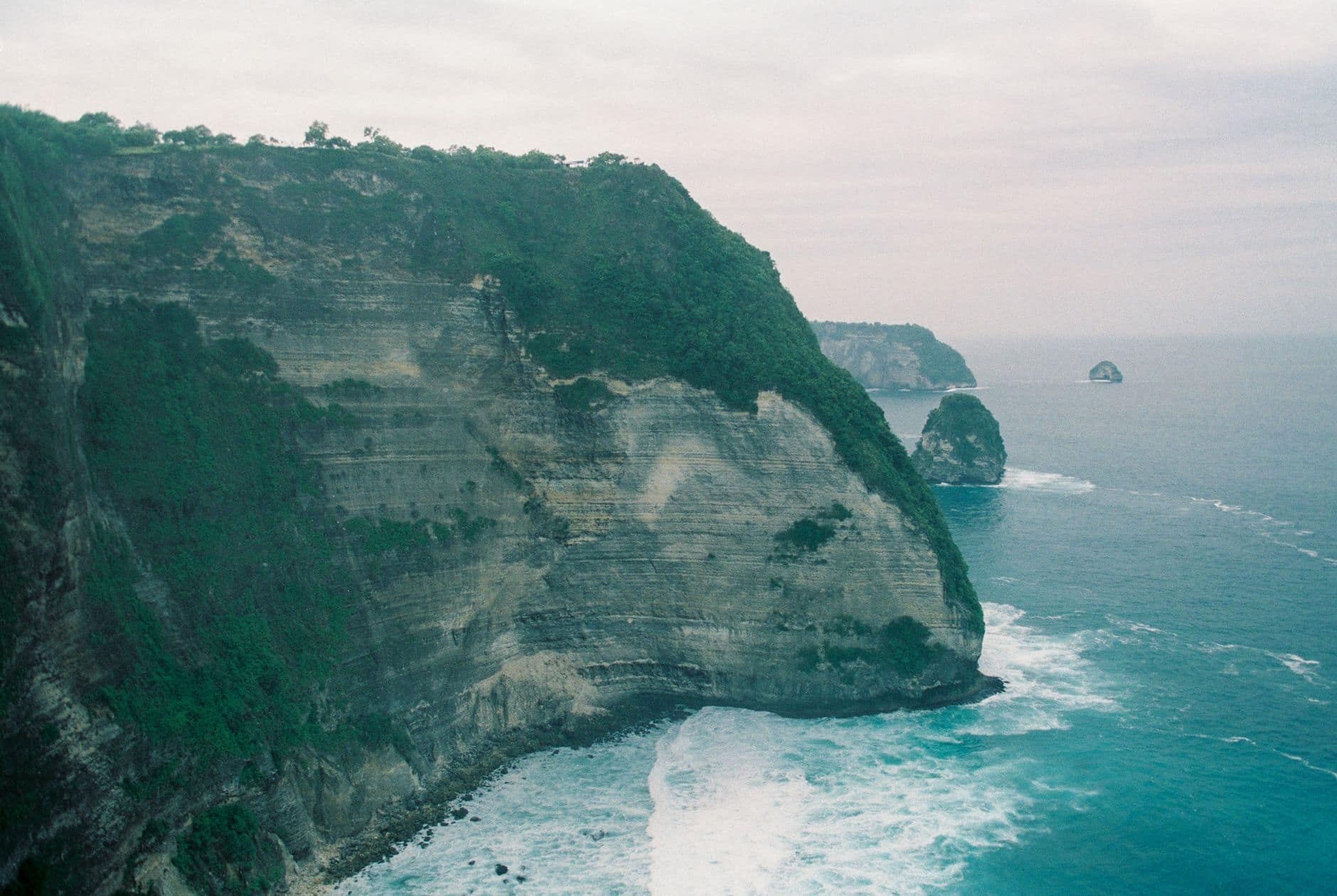
Nusa Penida Full Day Tour
This tour is the practical middle ground between the fully fixed scenic routes and the sea-plus-land combo packages. It works well for travelers who want Penida's name-value but also want room to adapt around conditions, pace, or group energy.
- Duration
- Full day
- Area
- Nusa Penida
- Format
- Island day tour
- Best for
- Guests wanting a flexible Penida route
From $75 No prepayment
View tour