

There is a moment in every surfer's Bali trip when the sand-bottom beaches stop teaching you anything, and the reef — which a month ago looked like somebody else's sport — starts looking like an invitation. This guide is the bridge. We ordered seven breaks so each one adds exactly one new problem: rock under a soft wave at Batu Bolong, a real reef lineup at Baby Padang, reef speed over a forgiving bottom at Dreamland, a proper left-hand wave with a shutdown section at Balangan, cobblestone points out west, a boat reef off Kuta, and finally Bingin and Impossibles, where the ladder ends. Along the way: how falling changes, how you position off a fixed reef instead of a shifting sandbank, why the tide flips from preference to safety rule, and how to move boards around the island without arguing with a hatchback driver.
By Alex Moskvin, Founder of SB Excursions · Published 21 May 2026 · Updated 16 October 2026
Tour on this route: Bali Surf Lesson for Beginners — From $35, 2-4 hours.
What are the best surf spots in Bali for intermediate surfers?
In progression order: Batu Bolong in Canggu, then Baby Padang, Dreamland and Balangan on the Bukit, Balian and Medewi out west, and Kuta Reef by boat. Each rung adds one new problem — rock under a soft wave, a real reef lineup, reef speed, a shutdown section, boulder entries, then isolation. Bingin, Impossibles and Uluwatu are the graduation, not the starting point.
This guide also answers:
- What tide should intermediates surf in Bali?
Top picks from this guide
 #1
#1
Batu Bolong, Canggu
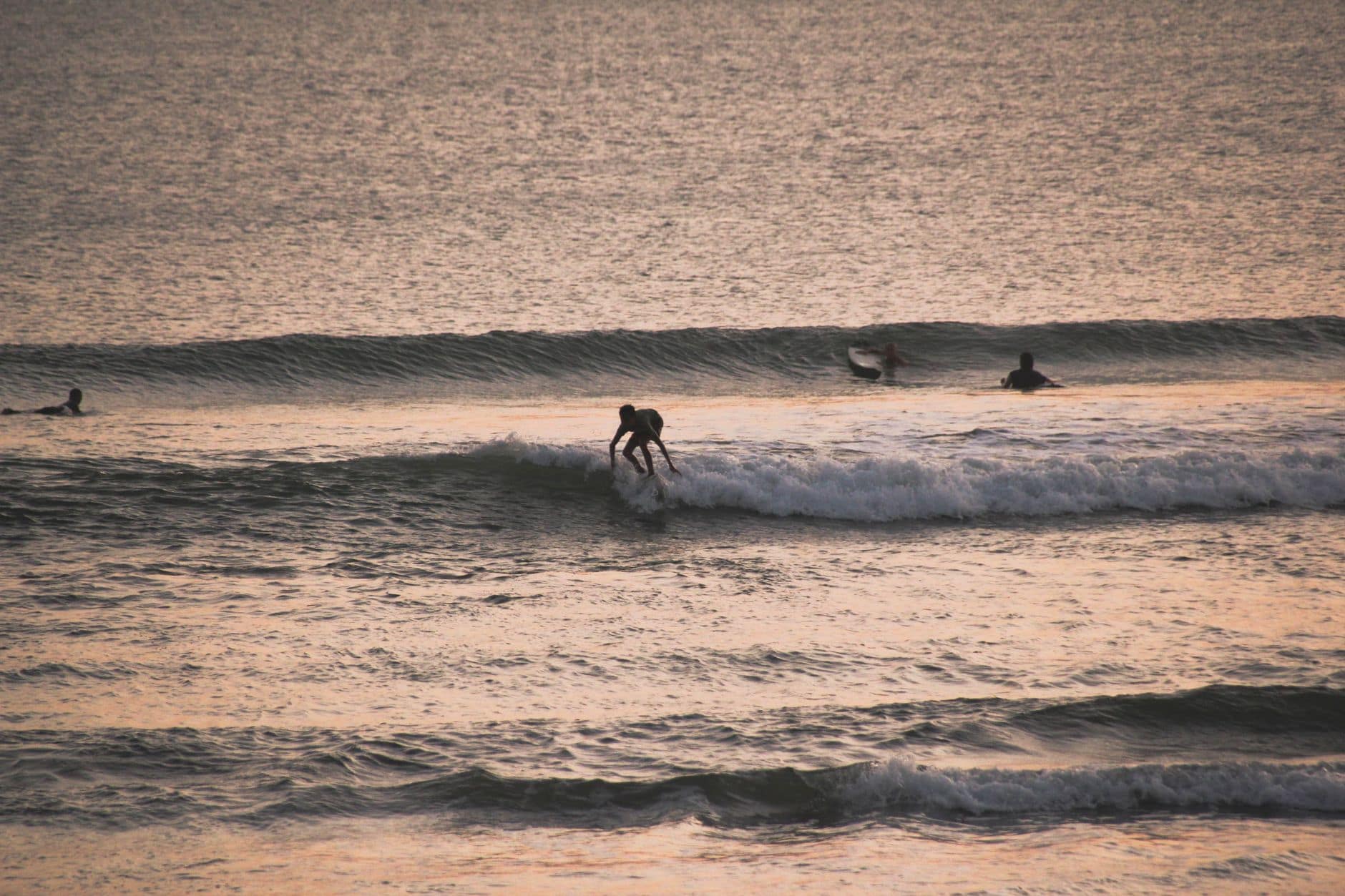
The halfway house: a wave as soft and longboard-friendly as anything on the sand, breaking over rock and reef with sand patches — your first chance to practise falling flat with consequences underneath. Most guides call it mid to high on the push; the low goes shallow and exposes urchins. The real hazard is the 10/10 crowd of loose boards, not the bottom. Old Man's next door teaches the same lesson — reef under the takeoff zones despite a sandy first 100 m of paddle.
 #2
#2
Baby Padang
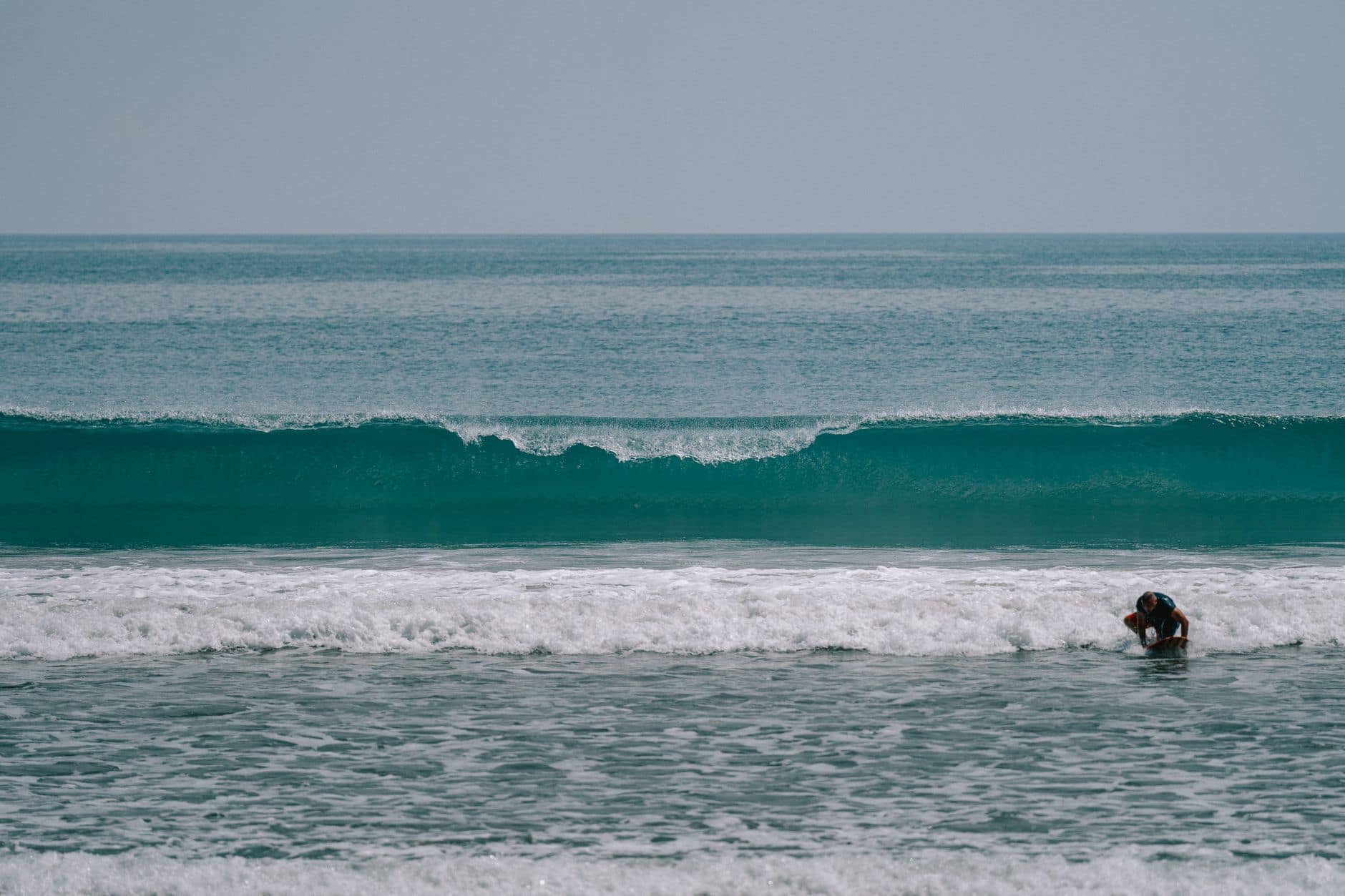
The right-hander across the channel from Padang Padang proper, in the lee of a headland that strips the power out of the swell while leaving the shape. The bottom is reef covered in seaweed — noticeably kinder underfoot than bare Bukit coral — and the channel paddle-out is one of the few genuinely low-stress entries on the peninsula. Surf it mid to high on a rising tide so the reef stays covered. Expect a mushy wall peeling 50-80 m and a busy but friendly lineup where loose boards are the main hazard.
 #3
#3
Dreamland
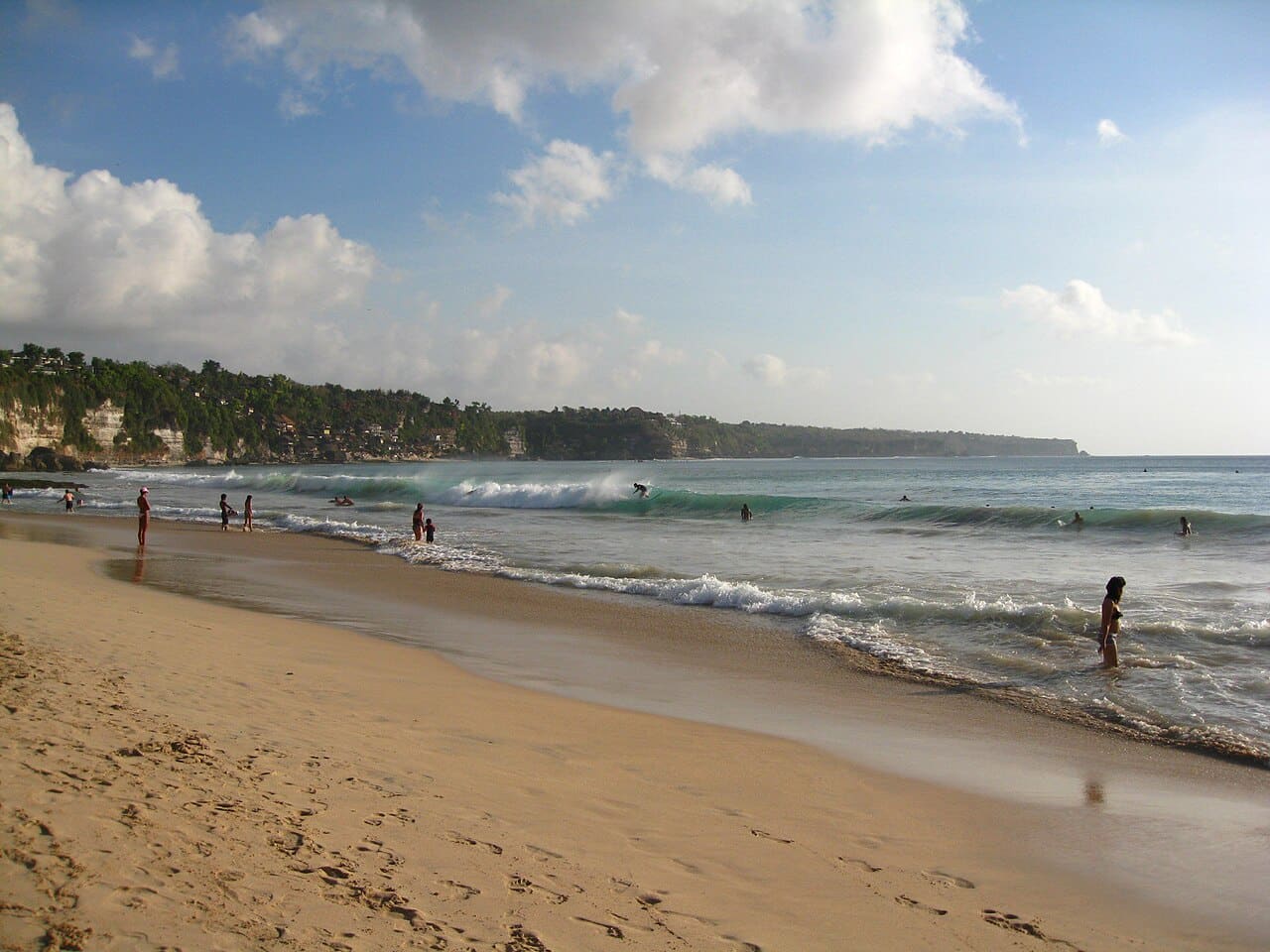
An A-frame over a flat, partly sand-covered limestone shelf — the most forgiving bottom on the Bukit, though not a true sand beach break. Most guides call low to mid the best tide, with mid the safe answer while you learn the place; on the full high the bay turns into a dumping shore-pound. Respect the rip running out through the middle of the bay and the rocks on the inside — there is no reliable lifeguard cover here.
 #4
#4
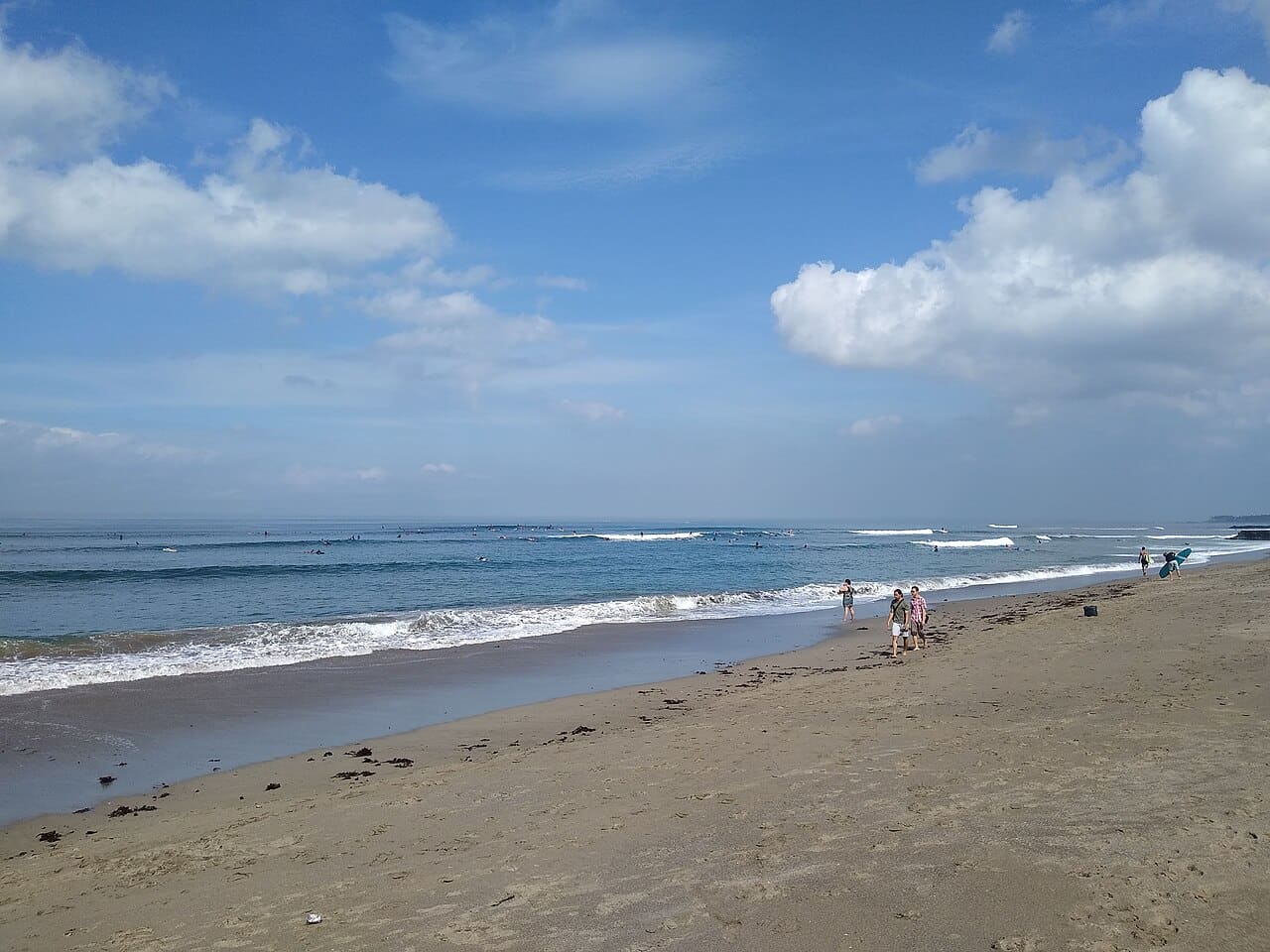
Balangan
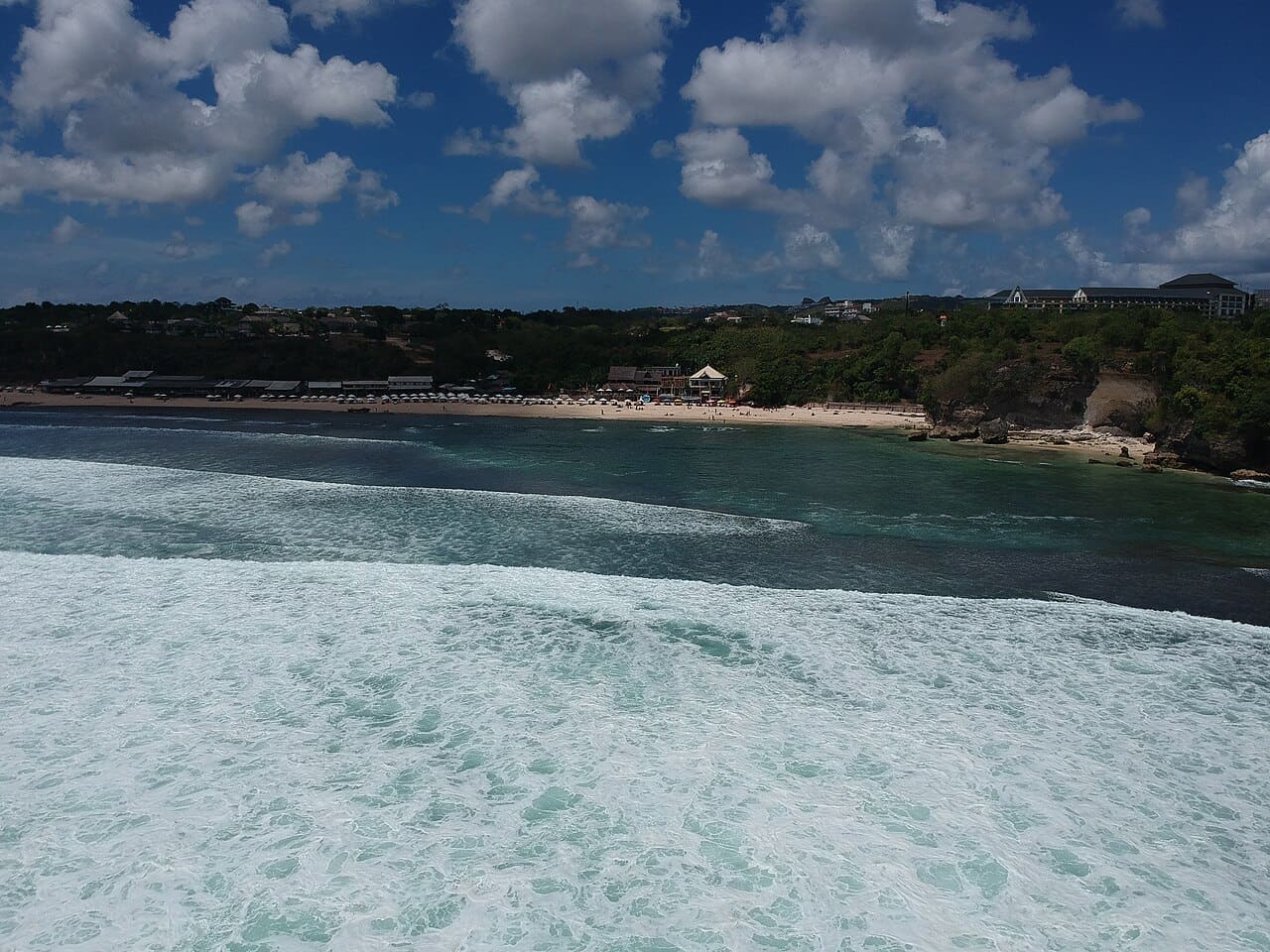
A long left-hand wave over reef, in three sections. Guides genuinely disagree about its ideal tide, so take the well-supported progression window instead: medium-to-high tide on a shoulder-to-head-high swell, mellow enough to learn on. What no source contradicts: the end section shuts down on low tide, and a building swell pushes you down the reef toward it — kick out early, come in near the headland, and avoid the nasty shore break through the middle of the bay. Do not paddle out here alone.
 #5
#5
Balian, west Bali
A rivermouth peak over cobblestones and sand that works on every tide — lower is punchier, higher mellower — and runs year-round, which makes it the safest wave on this list to plan a date around. Fine for intermediates to about head-high; it gets serious above that. Thirty minutes further west, Medewi's boulder-bottom left peels for up to ~500 m at mid-to-high tide — bring booties for the rocky walk in, and skip the first rains of the wet season, when the river fouls the water.
#6
Kuta Reef, by boat
A left over sharp coral roughly 800 m offshore — in practice you take a local boat from the beach at Jalan Wana Segara, around Rp 100k return, rather than paddling. Often described as the friendliest introduction to Bali reef surfing for a competent intermediate, which is a different claim from beginner-friendly: go mid to high, because low tide is dangerously shallow and the takeoff doubles up over the coral. Neighbouring Airport Lefts is the softer of the airport reefs and runs the same tide rule.
 #7
#7
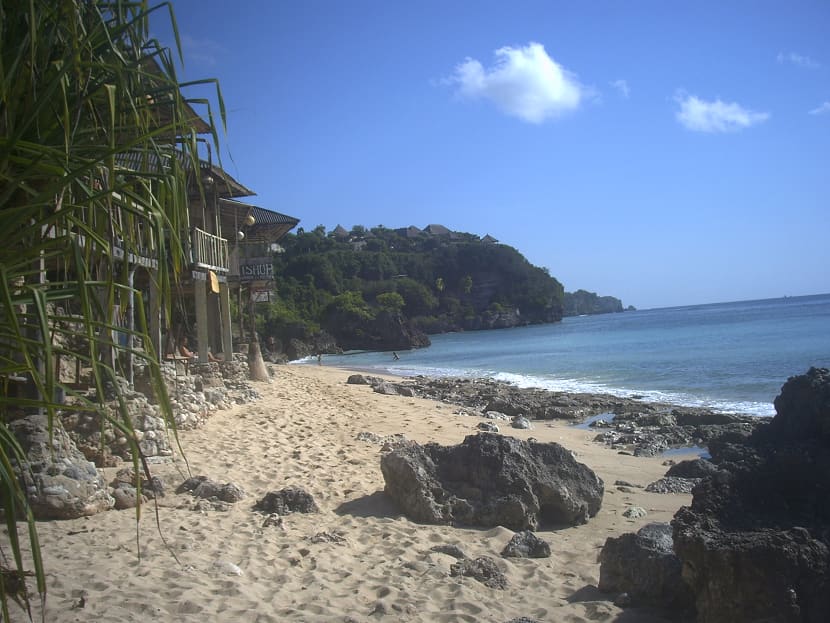
Bingin and Impossibles
The reward at the top of the ladder, not a starting rung. Bingin is a pitching left often called the easiest barrel in Bali — relative, not literal — safest at mid to high tide and strictly for surfers who know the reef on the low, in front of a 10/10 crowd of locals who have every set dialled. Impossibles next door runs so fast that roughly one wave in ten is makeable, which teaches wave selection like nothing else on the island. Earn these.
First, an honest definition of intermediate
For this list, intermediate means you paddle into unbroken green waves without a push, take off at an angle, and hold a line while other people are riding around you. If any of that is still hit-and-miss, stay on the sand between Kuta and Canggu a little longer — our beginner spots guide covers that strip beach by beach — or book a private lesson from $35: most of what follows is exactly what a good coach drills into you before a first reef session anyway.
What changes when you swap sand for reef
Three things at once. The bottom stops moving — a sandbank shifts with every storm, but a reef is a fixed object, so the takeoff zone is a fixed place and positioning becomes lining up landmarks instead of chasing peaks. The tide stops being a preference and becomes a safety variable — Bali runs a tidal range of roughly 0 to 2.5 m on spring tides, enough to take one reef from friendly to nearly dry inside a single session. And falling becomes a skill with rules:
- Fall flat and shallow — starfish out, never dive off the board, and cover your head when you surface
- Know your exit before you enter — reef paddle-outs are routes through channels, not straight lines through whitewater
- Never fight the current — route around it; at Balangan a building swell pushes you down the reef toward the shutdown end section, so kick out early and come in near the headland
- Take a higher line over the shallow sections as the tide drops — that is where reefs collect skin
- Pack reef-cut first aid, and booties for rocky entries like Medewi, where the boulders are slippery
The tide rule, and where it flips
The default that is defensible everywhere and dangerous nowhere: mid to high, on a rising tide. Across the Kuta-Canggu strip every rock and reef spot goes dangerously shallow at low water and every sand bank closes out; on the Bukit the broad rule that holds across sources is that higher tide means fuller, slower and more forgiving — lower means hollower, faster and shallower. Baby Padang wants the reef well covered, and Kuta Reef's takeoff doubles up over the coral on the low.
Then learn the exceptions, because they mark the edge of intermediate territory. At Dreamland most guides actually prefer low to mid, with mid the safe answer while you learn it — the full high turns the bay into a dumping shore-pound. At Balangan reputable guides genuinely disagree, which is why we publish a window rather than a number. And Bingin's famous barrel window is low to mid over a reef that dries out — its best tide is also its most dangerous, which is exactly why it sits at the top of the ladder. Our tides, swell and wind guide unpacks how to read a Bali tide chart properly.
Boards, drivers and the dawn window
The hard part of surfing beyond Canggu is usually the car, not the wave. Standard hatchbacks — which is what most ride-hailing cars are — frequently cannot take a board, and drivers are known to develop sudden car trouble when you show up with one. A car with driver for the day from $59 fixes it: boards fit, the driver waits out your session, and you chase the tide window instead of a pickup app. Leave early — everything in this guide is cleanest at dawn, before the sea breeze fills in late morning.
Honest drive times: Balian 1.5-2 hours from Canggu or Seminyak, Medewi 2-2.5 hours and longer in traffic — distrust the optimistic 90-minute claims. The reefs off Kuta are a boat problem instead: local boats run from Jalan Wana Segara for around Rp 100k return, and paddling out is possible but not recommended. And if you extend the ladder to Nusa Lembongan — Playgrounds is a forgiving A-frame an easy 200 m paddle off the beach, though still reef if you fall in the wrong spot — the fast boat from Sanur runs about 30 minutes, and boards travel free but must be declared when you book, not at the jetty.
The graduation: Bingin, Impossibles and the Uluwatu cave
You are ready for the top of the ladder when the bullet list above is reflex rather than checklist. Bingin is the reward — a pitching takeoff into what people call the easiest barrel in Bali, relative rather than literal, over a reef that dries out at low tide. One access note we will not pretend away: in July 2025 the authorities demolished most of the cliffside warung strip that older guides still describe as the way down, and a staged redevelopment has been announced — check conditions on the ground before trusting old directions. Our Bukit surf guide tracks the peninsula spot by spot.
Uluwatu is manageable for a strong intermediate at mid to high tide on the Peak, but the cave is the serious part: at high tide the surge slams the walls and exits must be timed to lulls between sets — mistimed exits are the main injury mechanism there. The current sweeps the lineup north, so aim well south of the cave coming in; if you get carried past, ride the drift and come ashore at Padang rather than fighting back. Taking a local guide for a first Uluwatu session is the standard recommendation across serious sources, not an upsell. The full section-by-section picture is in our Uluwatu surf guide.
FAQ
What are the best surf spots in Bali for intermediate surfers?
In progression order: Batu Bolong in Canggu, then Baby Padang, Dreamland and Balangan on the Bukit, Balian and Medewi out west, and Kuta Reef by boat. Each rung adds one new problem — rock under a soft wave, a real reef lineup, reef speed, a shutdown section, boulder entries, then isolation. Bingin, Impossibles and Uluwatu are the graduation, not the starting point.
Which reef break in Bali should I surf first?
Baby Padang, the right-hander across the channel from Padang Padang. The headland strips the power out of the swell, the reef is covered in seaweed rather than bare coral, and the channel paddle-out is one of the calmest on the Bukit. Go mid to high on a rising tide so the reef stays covered, and expect a busy but friendly lineup.
What tide should intermediates surf in Bali?
Mid to high on a rising tide — the default that is defensible everywhere and dangerous nowhere. Bali's tidal range runs to roughly 2.5 m on spring tides, so a reef can go from friendly to nearly dry within one session. Learn the exceptions before trusting them: most guides prefer low to mid at Dreamland, and Bingin's low-tide barrel window is strictly for people who already know the reef.
Can an intermediate surfer handle Uluwatu?
On the right day, yes. The Peak at mid to high tide on a smaller swell is rated intermediate-to-advanced and is where most first-time Uluwatu visitors surf. The wave is not the real test — the cave entry and exit, the northward current and one of the busiest lineups in Bali are, and mistimed cave exits are the main injury mechanism. Take a local guide for the first session; that is standard advice, not an upsell.
How do you fall safely on a reef break?
Fall flat and shallow, never dive off the board headfirst — spread your weight so you do not go deep, and cover your head when you surface. Keep a mental map of the shallow sections and take a higher line over them on a dropping tide. Carry reef-cut first aid in the beach bag, and wear booties at rocky entries like Medewi, where the boulders are slippery.
When is the best season for intermediate surf spots in Bali?
The dry season — roughly May to October, with April a shoulder month — when winds from the easterly quadrant blow offshore across the coasts where nearly every spot in this guide sits; June to August is the most powerful, most consistent stretch. In the wet season the wind flips onshore on the west coast and the east side — Keramas, Nusa Dua, Serangan — becomes the offshore option. Mornings are cleanest year-round; the sea breeze chops everything up by late morning.
Recommended Bali tours for this guide
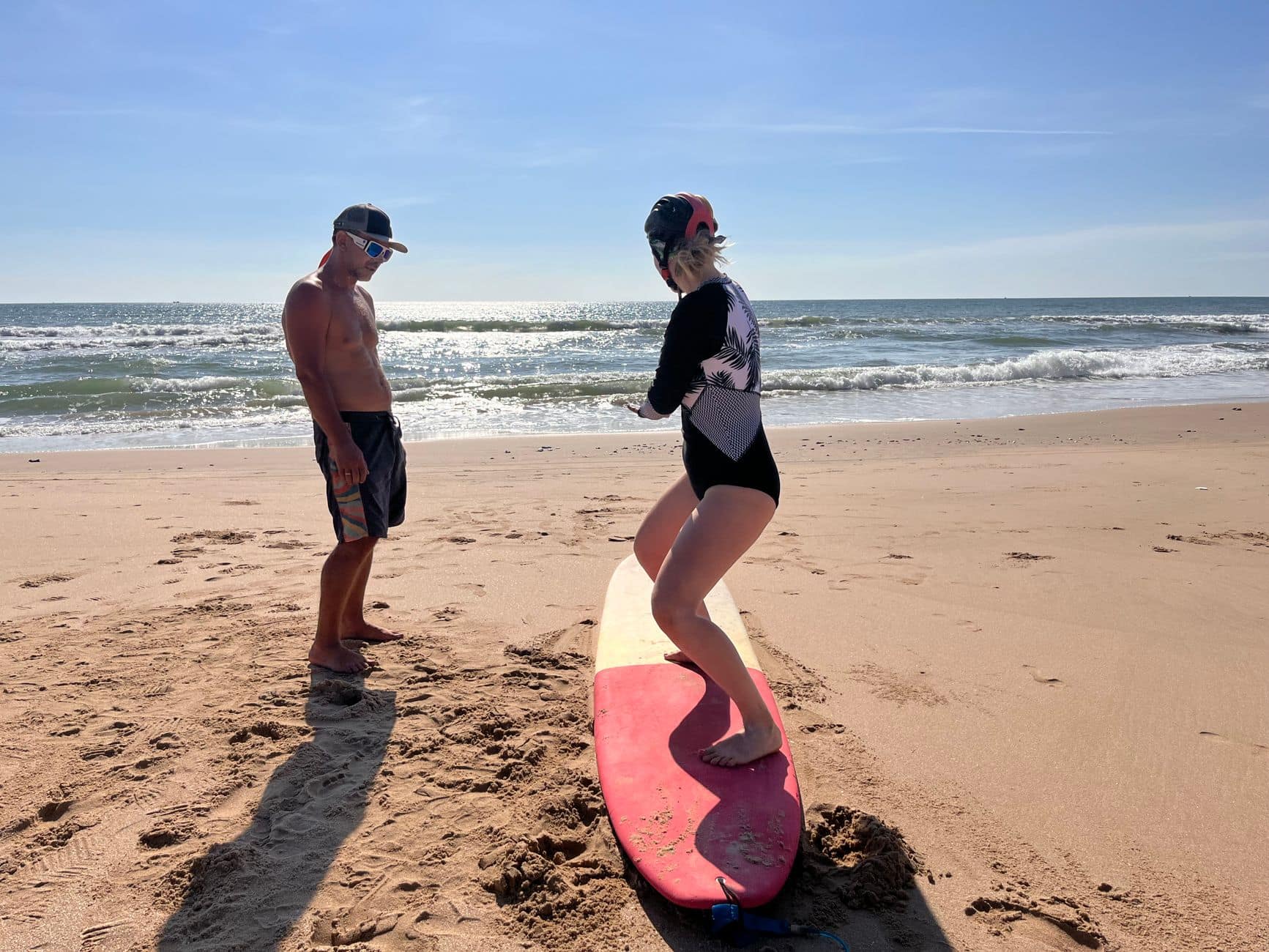
Bali Surf Lesson for Beginners
A surf lesson is one of the best short-format Bali activities because it feels local, active, and iconic without taking over the whole day. It is ideal for couples, friends, solo travelers, and anyone curious about the island's surf culture.
- Duration
- 2-4 hours
- Area
- Beginner-friendly Bali surf beaches
- Format
- Water activity
- Best for
- Beginners and casual active travelers
From $35 No prepayment
View tour
Private Car with Driver in Bali
This is one of the most useful products in Bali because so many plans become easier once transport is flexible. It is perfect for custom sightseeing, shopping days, family pacing, and travelers who already know roughly where they want to go.
- Duration
- Flexible daily use
- Area
- All major Bali regions
- Format
- Private transport service
- Best for
- Travelers who want total route flexibility
From $59 per car No prepayment
View tour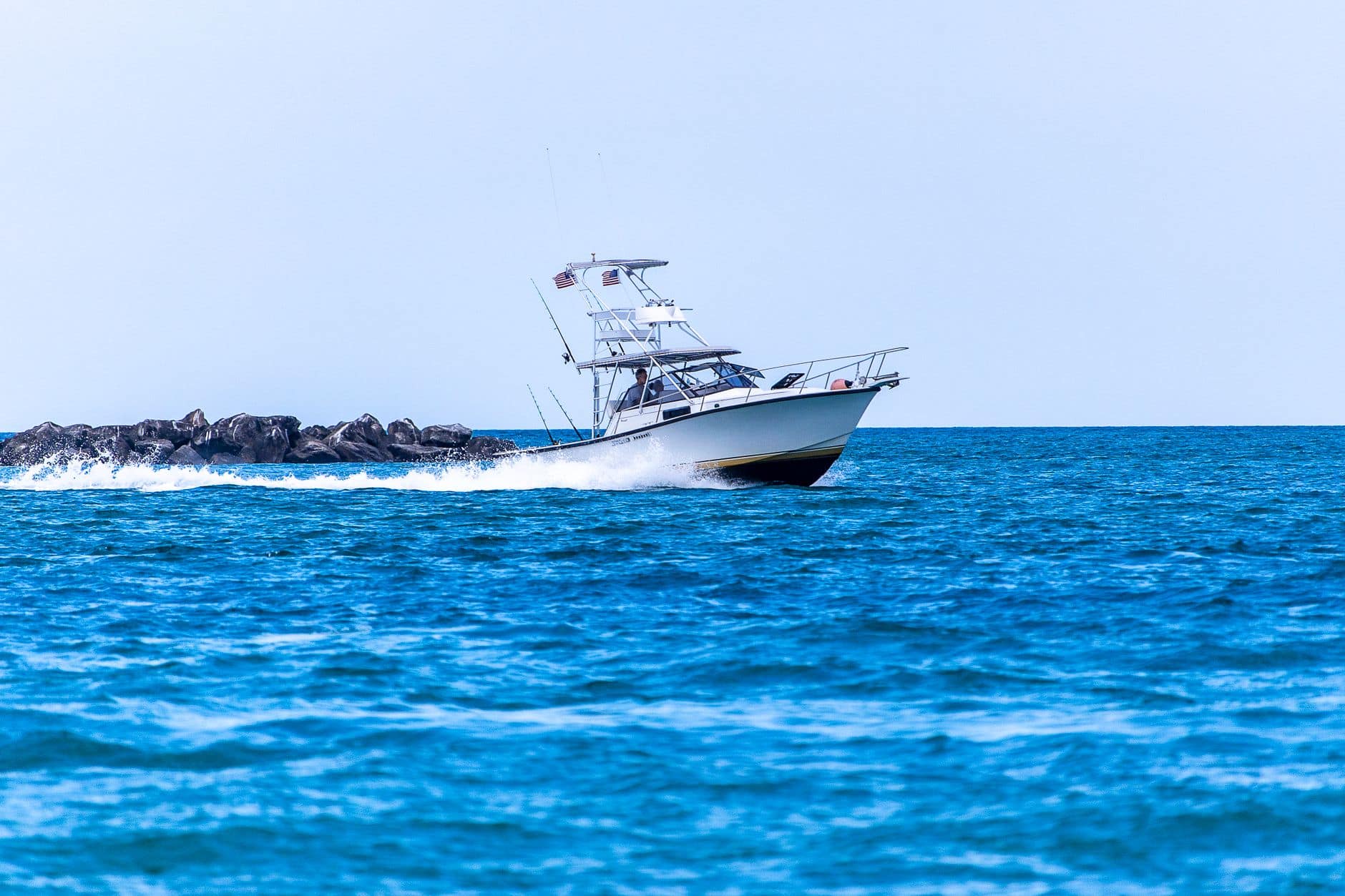
Bali Fast Boat Transfer
Fast boats are simple once booked correctly, but confusing when you are juggling ports, check-in windows, and hotel distance. This service helps turn the whole process into a clean transfer day instead of a stressful logistics puzzle.
- Duration
- Depends on destination
- Area
- Bali harbors and island routes
- Format
- Transfer service
- Best for
- Island-bound travelers
From $15 No prepayment
View tour