

The Bukit Peninsula packs seven world-class reef breaks into one limestone cliff line just south of the airport: Balangan, Dreamland, Bingin, Impossibles and Padang Padang facing west, Green Bowl and Nyang Nyang facing south. They share Southern Ocean groundswell and almost nothing else. The west coast runs on dry-season trade winds from roughly April to October; the two south-coast waves are blown out by exactly those winds and come alive in the wet season instead. Every spot sits below a cliff, and the price of entry runs from a barefoot walk across Dreamland's sand to roughly 300 steps down to Green Bowl. All of it answers to a tide that can swing about 2.5 metres on springs. This guide covers what each break demands, who should paddle out, who should watch from the bridge, and how our drivers time the whole dance.
By Alex Moskvin, Founder of SB Excursions · Published 21 May 2026 · Updated 16 October 2026
Tour on this route: Private Car with Driver in Bali — From $59 per car, flexible daily use.
Is Padang Padang surf suitable for intermediates?
No — Padang Padang proper is an advanced-to-expert wave, and the honest move for intermediates is to watch it from the bridge. It needs at least 4 ft of swell to break at all and becomes a long, hollow barrel above about 6 ft, with falls that almost always end on shallow reef. Baby Padang, the right-hander across the channel, is the option below that level: softer, seaweed-cushioned reef and a friendly lineup.
This guide also answers:
- What tide do you surf Bingin Beach on?
- Is Dreamland Beach good for beginner surfers?
Top picks from this guide
 #1
#1
Balangan
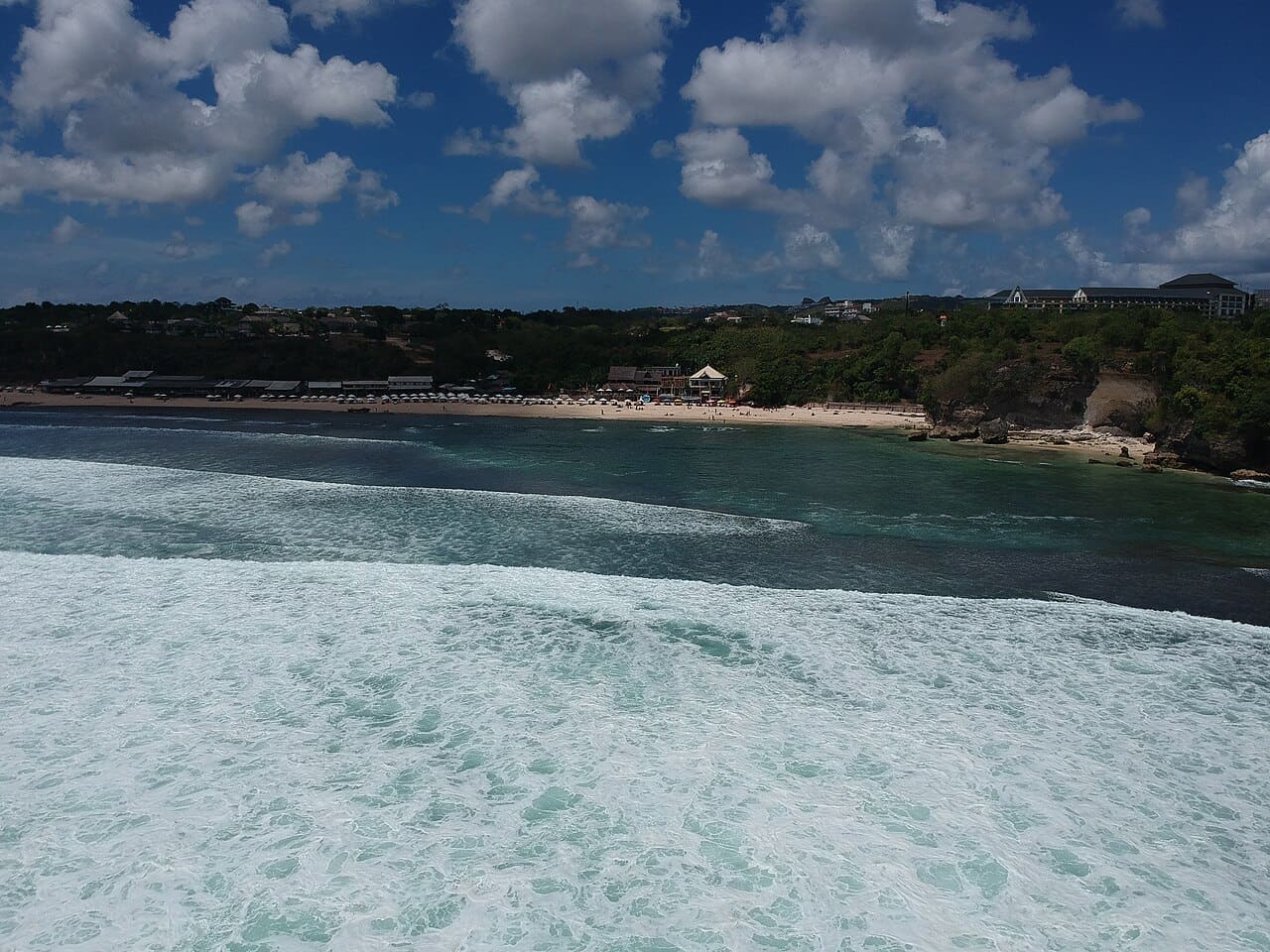
The northernmost break of the cluster: a left-hand wave running down a straight reef in three sections, typically around 50 m a ride and past 300 m on a perfect day. Reputable guides genuinely disagree on its tide — the points nobody disputes are that high tide works and the end section is dangerous on low. Medium-to-high tide with shoulder-to-head-high swell is the forgiving window; the current pushes you toward the shutdown section as swell builds, so exit early near the headland.
 #2
#2
Dreamland
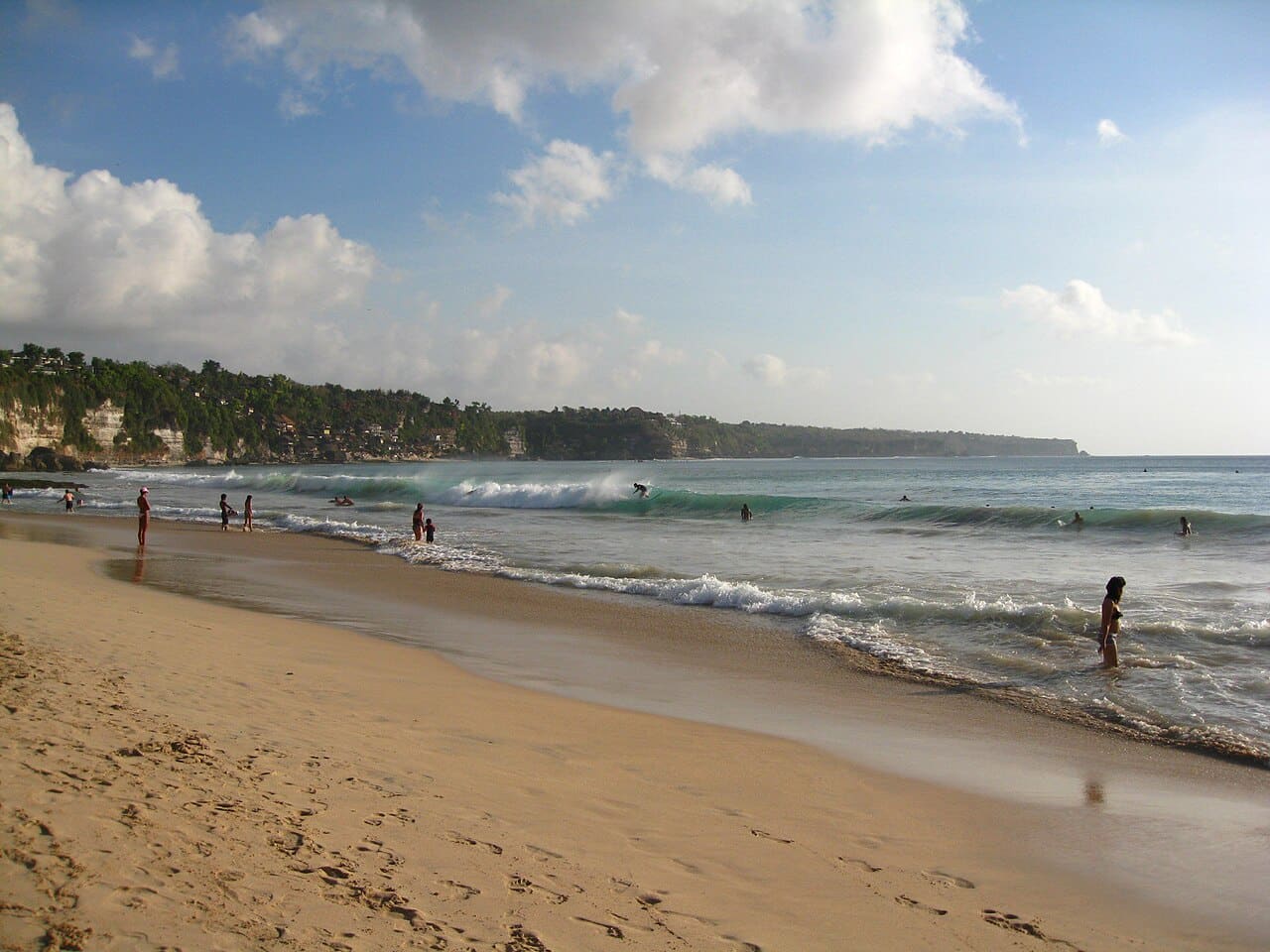
The soft option, with caveats. Four waves share the bay — a central A-frame with a short right and a faster left, two lefts at the south end, a right off the northern reef — over the sandiest, most forgiving bottom on the Bukit. Most guides say the lower the tide the better; mid tide is the safe call for beginners. The shore dump and a rip running out through the middle of the bay are what actually catch people, and there is no reliable lifeguard.
 #3
#3
Bingin
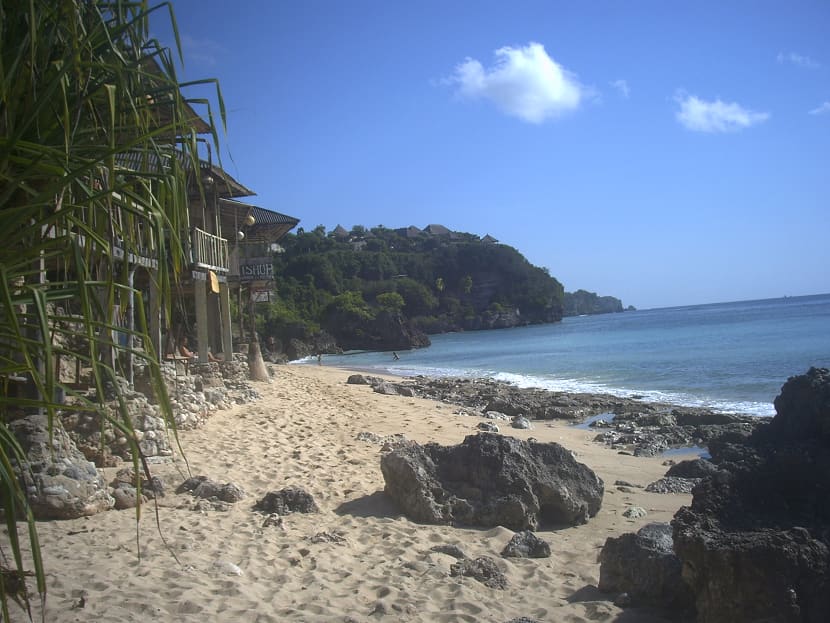
A short, pitching left barrel over a coral shelf that dries out at low tide. Low-to-mid on a medium swell is the window it is famous for — often called the easiest barrel in Bali, which is relative, not literal. The crowd is extreme and the locals have it completely dialled. One more thing: the cliffside warung strip was demolished in July 2025 and access is being rebuilt, so we confirm what is standing before anyone commits to the walk down.
 #4
#4
Impossibles
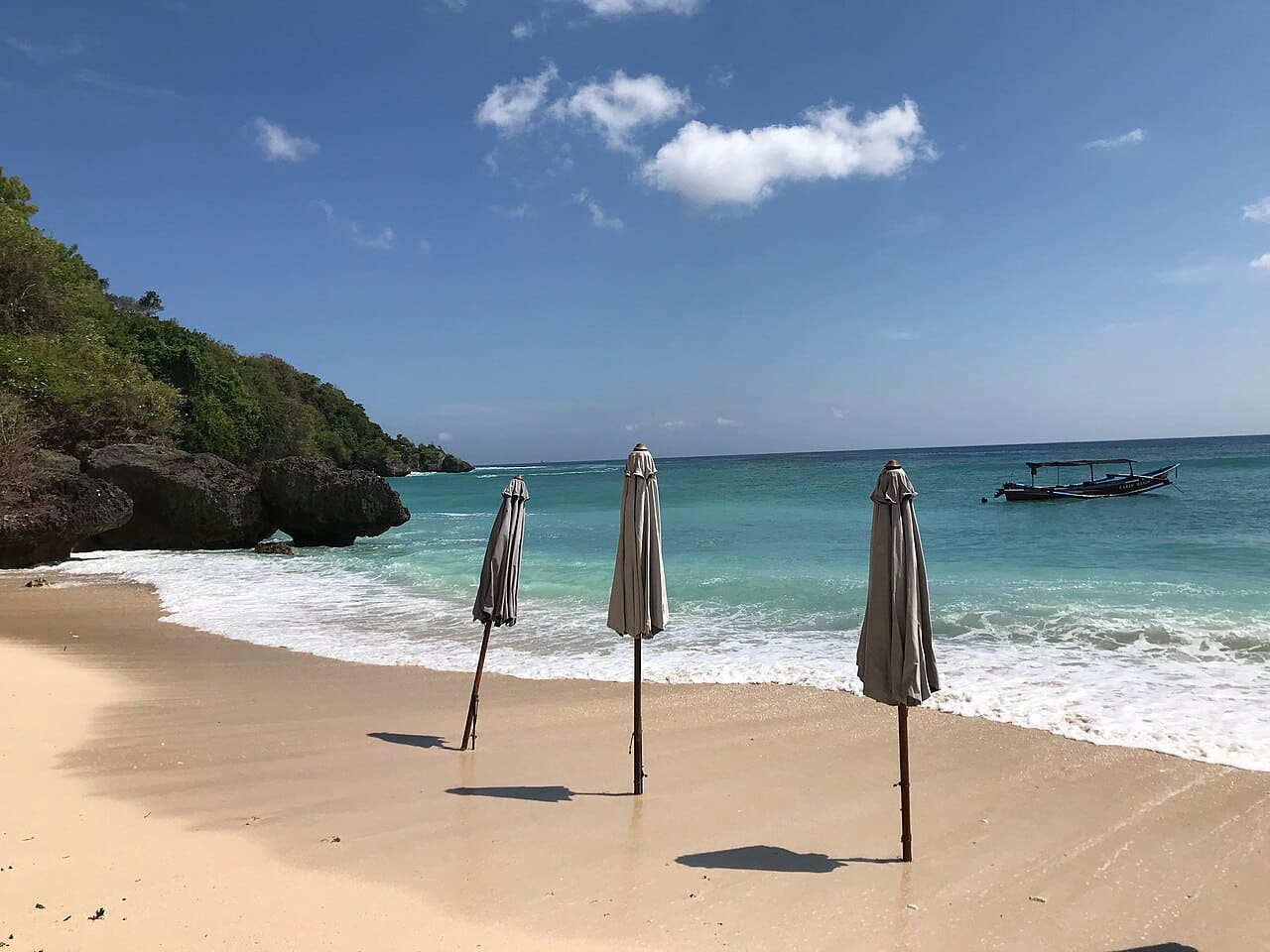
Three shifting left peaks along a long stretch of sharp, shallow reef between Padang Padang and Bingin. The name is honest: the sections run so fast that roughly one wave in ten breaks slowly enough to make, so wave selection is the whole game. The upper peak likes mid-to-high tide, the lower peaks low-to-mid. Unusually for the Bukit there is no current out the back, and the standard way in is the paddle from Padang beach through the channel.
#5
Padang Padang
The Balinese Pipeline, and the one wave here with no intermediate setting. It needs at least 4 ft of swell to break at all and only becomes the real Padang Padang above about 6 ft, when the long, properly hollow barrel appears in front of the rock. Mid-to-high rising tide; low is too shallow to be sensible. Falls almost always end on reef, the lineup is 10/10 crowded and skilled, and the bridge above gives one of the best free surf-watching views in Bali.
 #6
#6
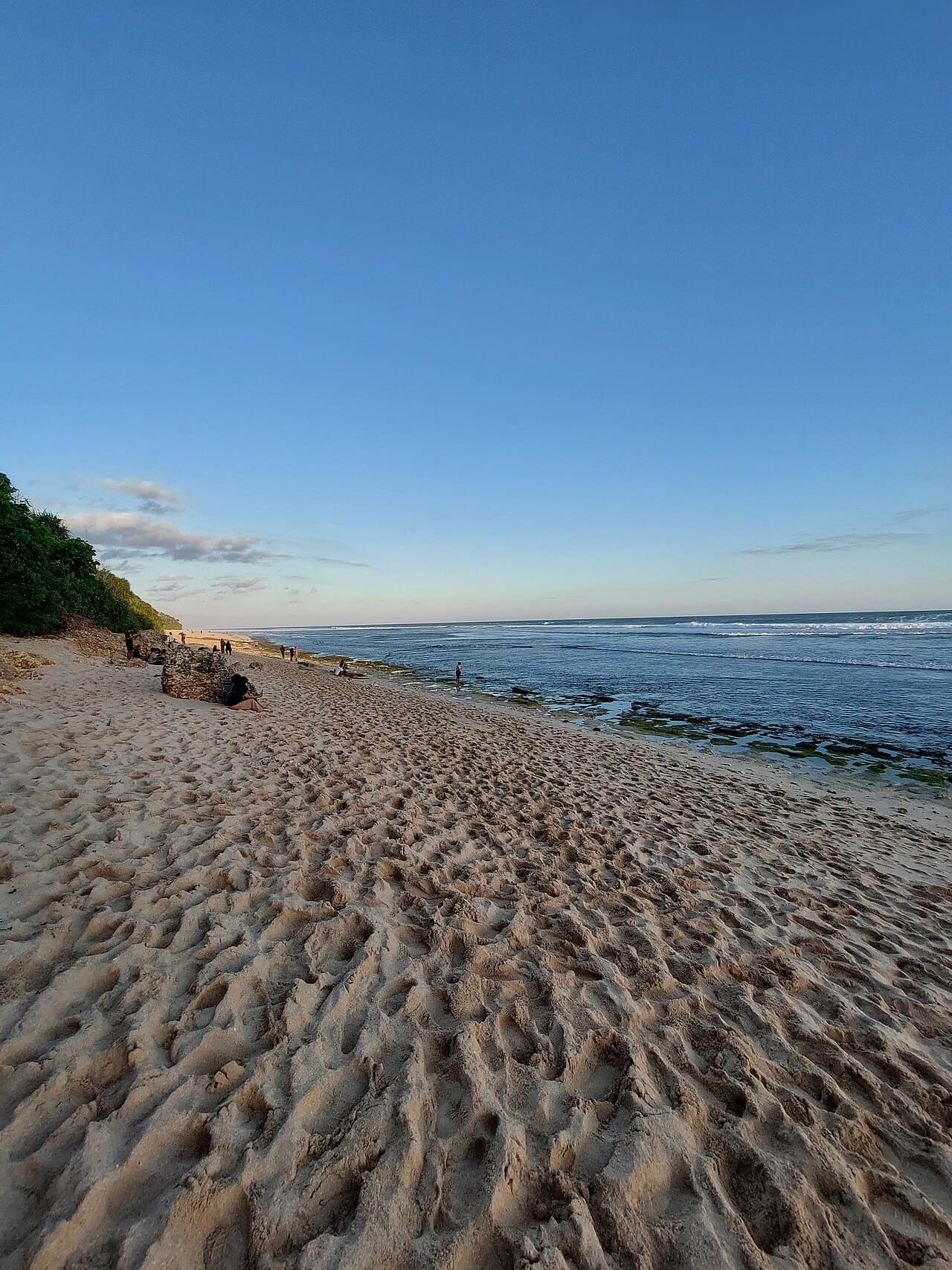
Nyang Nyang
A thick right over coral into a channel below the cliffs south of Uluwatu — and an advanced wave first, whatever older write-ups say. It wants a spring high tide (around 2 m of tide is cited as optimal), is unsurfable at low and sections badly at mid. Season runs October to April, when the swell drops to the size it needs. A steep road now runs down the cliff, so the famous 500 steps are optional. No lifeguard, and the locals are always in position.
 #7
#7
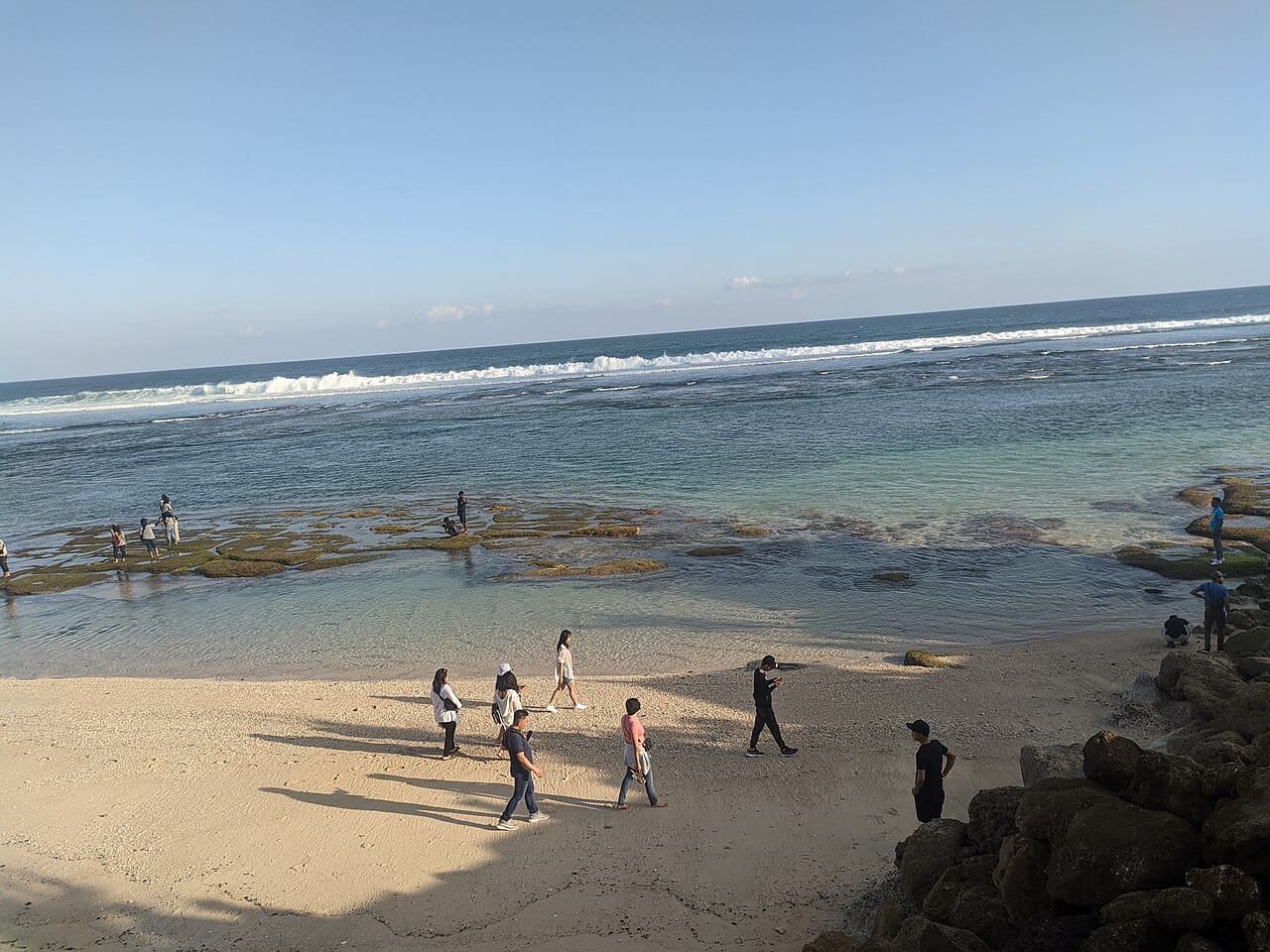
Green Bowl
A quick, steep right — plus a fickle left that improves on lower tides — peeling over reef into a well-defined channel. It faces south, so its season is inverted: November to April, March the most cited month, with the rare north wind as its offshore; dawn glass is the reliable window. It breaks on all tides; avoid high mainly because the beach itself floods and the exits wash out. Budget roughly 300-plus steps each way, and know it is always bigger than it looks from the top.
How the Bukit works: two coasts, two opposite seasons
The Bukit is the limestone foot of Bali, hanging just south of the airport, and its west coast holds the densest run of world-class waves on the island: Balangan, Dreamland, Bingin, Impossibles and Padang Padang in a line, with Uluwatu itself at the far end — that one gets its own guide, because the cave entry alone deserves the space. All of them break over reef except Dreamland's sandier bay, and all drink the same S-SW groundswell out of the Southern Ocean. Swell arrives year-round; what defines the season is wind. From roughly April to October the SE trade winds blow offshore into these west-facing reefs, with June to August the peak and August repeatedly cited as the most consistent month.
Green Bowl and Nyang Nyang break the pattern, and most roundups get this wrong. They sit on the south coast of the peninsula, so the same trades that groom Padang Padang blow them out sideways. Their season is the inverse — roughly October to April, when the swell drops to the size they want and the mornings go glassy before any wind arrives. Their true offshore is a north wind, which Bali rarely produces, which is why every serious session there is a dawn session. The practical upshot: the Bukit never fully switches off. It just changes coasts.
Then there is tide, the master variable. Bali swings up to about 2.5 m on spring tides — enough to take one reef from unsurfable to perfect inside a single session. The rule that held across every source we checked: more water means fuller, slower and more forgiving; less water means hollower, faster and closer to the coral. Never trust a static tide time printed on a page, including this one. Pull a live tide table every morning; our tides, swell and wind guide explains how to read one.
The stair count, spot by spot
Every wave on this page sits below a cliff, and the descent is part of what each spot demands — board under one arm, water for the climb, and a realistic look at your legs after a three-hour session. Dreamland is the single exception: you walk off the sand. At the other extreme, Green Bowl's staircase runs to roughly 300 to 387 steps depending on who counted, and the wave is famously always bigger than it looks from the top of that cliff.
Bingin needs its own honest paragraph. On 21 July 2025 the provincial and regency governments demolished 48 unpermitted structures along the beach — most of the cliffside warung strip that surf guides still describe as the way down and the place to leave your bag, for Impossibles as well as Bingin. A staged IDR 20 billion redevelopment — new beach access, a wider staircase, toilets — has since been announced. Until it settles, treat any published Bingin access instructions, including ours, as provisional; our drivers confirm what is actually standing before a client commits to the walk down.
- Balangan — enter near the headland; walk the reef at low tide, short paddle at high
- Dreamland — straight off the beach through the New Kuta development; no stairs, no cave
- Bingin — steep cliff paths, currently being rebuilt after the 2025 demolition
- Impossibles — paddle from Padang Padang beach through the channel and around the reef
- Padang Padang — stairs through the rock cleft below the bridge; beach fee around Rp 10,000
- Nyang Nyang — a steep road now runs down the cliff; the roughly 500 steps are optional
- Green Bowl — the full staircase, roughly 300 steps and more; count them on the way back up
Who paddles out, and who watches from the bridge
Be honest with yourself here, because the reef will not be flexible about it. Padang Padang proper is expert territory: falls land on shallow, sharp coral, the outgoing water drags you over the sucking end section, and the lineup is as crowded, skilled and competitive as anywhere in Indonesia. Bingin at low tide belongs to surfers who already know the contours of the shelf. Nyang Nyang is an advanced wave first, whatever its empty lineup suggests from the clifftop. There is no shame in the alternative — watching Padang Padang from the bridge on a proper swell is one of the best free spectacles in Bali, and we happily drive non-surfing partners down for exactly that.
There are real windows for everyone else. Baby Padang, the right-hander across the channel from the famous left, breaks over seaweed-cushioned reef, wants mid-to-high tide, and is the safest wave you can ride in this whole group — busy but friendly, and exactly the kind of venue a coach wants for a first reef session. Our private surf lesson runs from $35 with board and coach included, and the instructor picks the venue by tide, not by timetable. Dreamland at mid tide on a small swell suits beginners who respect the shore dump. Balangan at medium-to-high tide, shoulder-to-head-high, is the improver's wave — just don't paddle out alone, and exit near the headland before the current feeds you to the end section. More waves at this level are in our beginner spots guide.
Getting there with boards, and timing the drive
The Bukit punishes fixed plans. A tide window opens and shuts inside a session, the west coast wants you at dawn before the trades wake up, and the spot that looked right from the cliff can be closing out by the time you have carried a board down 300 steps. The way we run surf days here is deliberately loose: a car with driver for the day from $59, boards in the back, and the plan written in pencil. Check the tide chart over breakfast, drive to the break whose window is open, let the driver wait on the clifftop while you surf — then move when the tide does. The seven spots sit close together on one small peninsula, so chasing the window is a short drive, not a commitment.
Two practical notes. Boards travel fine in the car, and our surfboard rental and transport guide covers picking one up before you head down the peninsula. And on arrival day, remember the Bukit starts just south of the airport — this is the rare surf destination where you can land in the morning and be looking at the lineup the same day. A private airport pickup from $15 takes you and a board bag straight there, and like everything we run it is booked over WhatsApp with no prepayment — which matters on a peninsula where the plan should change with the tide.
FAQ
Is Padang Padang surf suitable for intermediates?
No — Padang Padang proper is an advanced-to-expert wave, and the honest move for intermediates is to watch it from the bridge. It needs at least 4 ft of swell to break at all and becomes a long, hollow barrel above about 6 ft, with falls that almost always end on shallow reef. Baby Padang, the right-hander across the channel, is the option below that level: softer, seaweed-cushioned reef and a friendly lineup.
What tide do you surf Bingin Beach on?
Low to mid tide on a medium swell is Bingin's famous barrel window — but the coral shelf dries out at low, so that window belongs to surfers who know the reef. Mid to high gives the safest clearance at the cost of a shorter, softer wall, and on a small swell at high tide it goes gentle enough that beginners do surf it. Check access before you go: the cliffside strip was demolished in July 2025 and is being rebuilt.
Why is the Bali surf spot called Impossibles?
Because most of its waves genuinely cannot be made — the left-hand sections break so fast down the reef that roughly one wave in ten runs slowly enough for a long ride. Wave selection matters more here than fitness or bravery. The consolations are real: the reef is long with spread-out takeoff zones, and there is no current out the back, so you can sit, wait and hunt the makeable one.
Is Dreamland Beach good for beginner surfers?
Conditionally, yes — Dreamland has the sandiest, most forgiving bottom of the Bukit surf spots, walk-in access with no cliff stairs, and works from just 2-4 ft of southwest swell. The conditions: go at mid tide on a small day, and respect the shore dump, which is the hazard that actually catches beginners here. There is also a rip running out through the middle of the bay and no reliable lifeguard, so stay leashed to your board.
What tide is best for Balangan surf?
Medium to high tide with a shoulder-to-head-high swell is the safest published answer — reputable guides genuinely disagree beyond that, one camp favouring the monthly tidal extremes, another mid-to-high. Both agree high tide works, and every source that describes the reef in detail says the end section is dangerous at low tide. If you are an improver: higher tide, smaller swell, exit near the headland, and don't paddle out alone.
When can you surf Green Bowl?
From roughly November to April — the opposite of the west-coast Bukit season, because Green Bowl faces south and the dry-season SE trades that groom Padang Padang blow it out. March is the most cited month, and dawn is the dependable window since its true offshore is a north wind Bali rarely delivers. It breaks on all tides with mid the common pick; avoid high tide mainly because the beach floods and the exit paths wash out.
Recommended Bali tours for this guide
Private Car with Driver in Bali
This is one of the most useful products in Bali because so many plans become easier once transport is flexible. It is perfect for custom sightseeing, shopping days, family pacing, and travelers who already know roughly where they want to go.
- Duration
- Flexible daily use
- Area
- All major Bali regions
- Format
- Private transport service
- Best for
- Travelers who want total route flexibility
From $59 per car No prepayment
View tour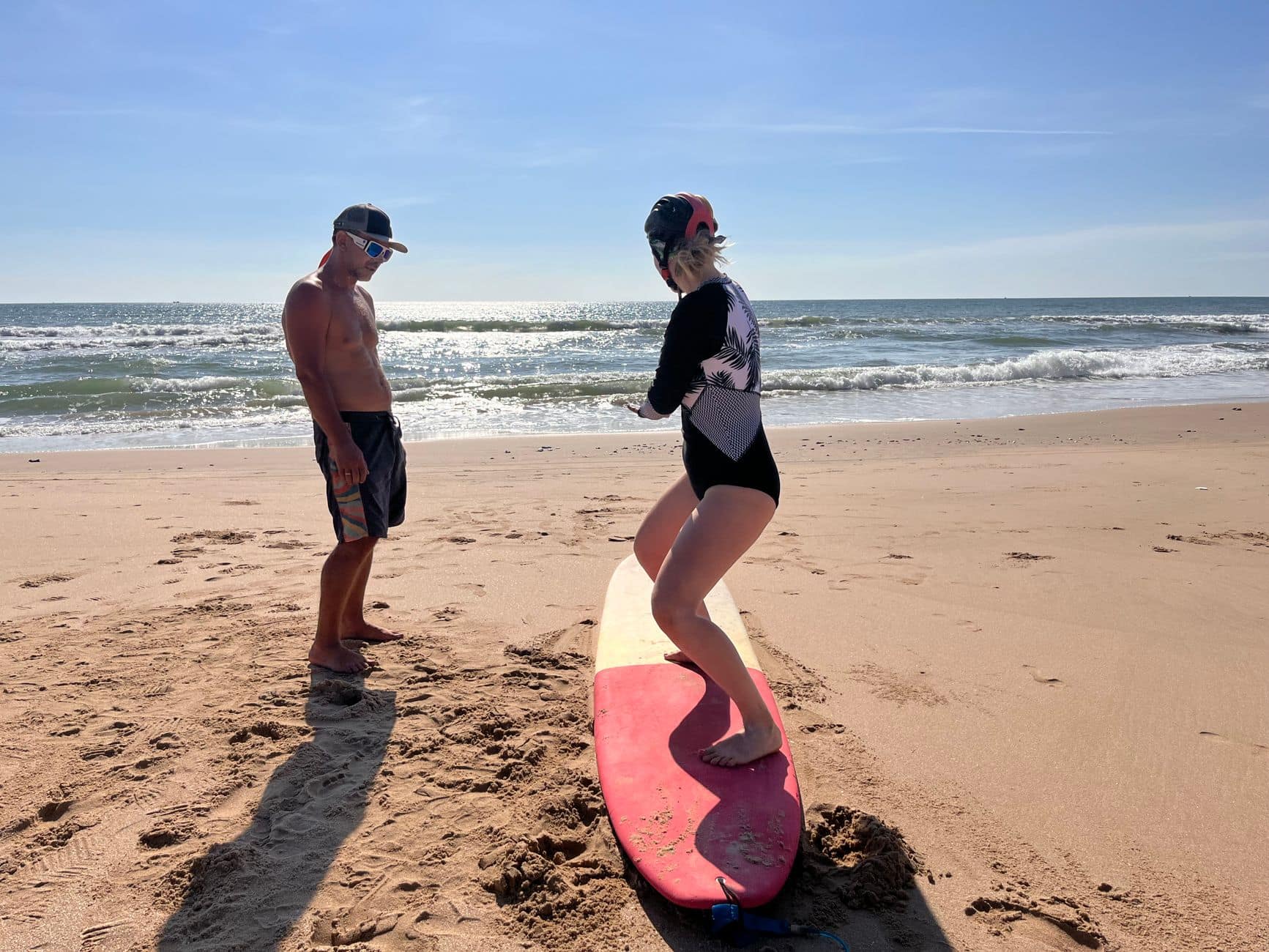
Bali Surf Lesson for Beginners
A surf lesson is one of the best short-format Bali activities because it feels local, active, and iconic without taking over the whole day. It is ideal for couples, friends, solo travelers, and anyone curious about the island's surf culture.
- Duration
- 2-4 hours
- Area
- Beginner-friendly Bali surf beaches
- Format
- Water activity
- Best for
- Beginners and casual active travelers
From $35 No prepayment
View tour
Bali Airport Transfer
Airport transfers are not glamorous, but they have an outsized impact on how the trip starts. A clean pickup, clear driver coordination, and direct route to the hotel make a huge difference after a long flight.
- Duration
- Depends on hotel area
- Area
- Ngurah Rai Airport and Bali hotel areas
- Format
- Private transfer service
- Best for
- New arrivals and stress-free departures
From $15 per car No prepayment
View tour