

Ask where to learn to surf in Bali and the honest answer is a short list: Kuta, Legian, Double Six, Seminyak and the inside peak at Berawa — the beaches that break over genuine sand. Batu Bolong in Canggu earns a place too, but as an exception with terms attached, because its bottom is rock and reef with sand patches, not the sand beach the photos imply. That distinction is the whole guide: a first-timer falls constantly, and sand forgives what rock does not. Below we rank the six places we actually take beginners, give the one tide rule that holds across the entire strip — mid to high, rising — and name the Canggu waves that look beginner-friendly on a phone screen and are anything but. Lessons run from $35, board and coach included.
By Alex Moskvin, Founder of SB Excursions · Published 21 May 2026 · Updated 16 October 2026
Tour on this route: Bali Surf Lesson for Beginners — From $35, 2-4 hours.
What is the best surf spot in Bali for beginners?
Kuta Beach — sand through the whole impact zone, and usually the smallest waves on the coast because Kuta Reef and the Bukit peninsula filter the swell before it arrives. Two kilometres of beach spread the crowds into separate peaks. Surf it mid to high on a rising tide; the south end toward Discovery is the stretch least troubled by rips.
This guide also answers:
- Where is the best place to learn to surf in Bali?
Top picks from this guide
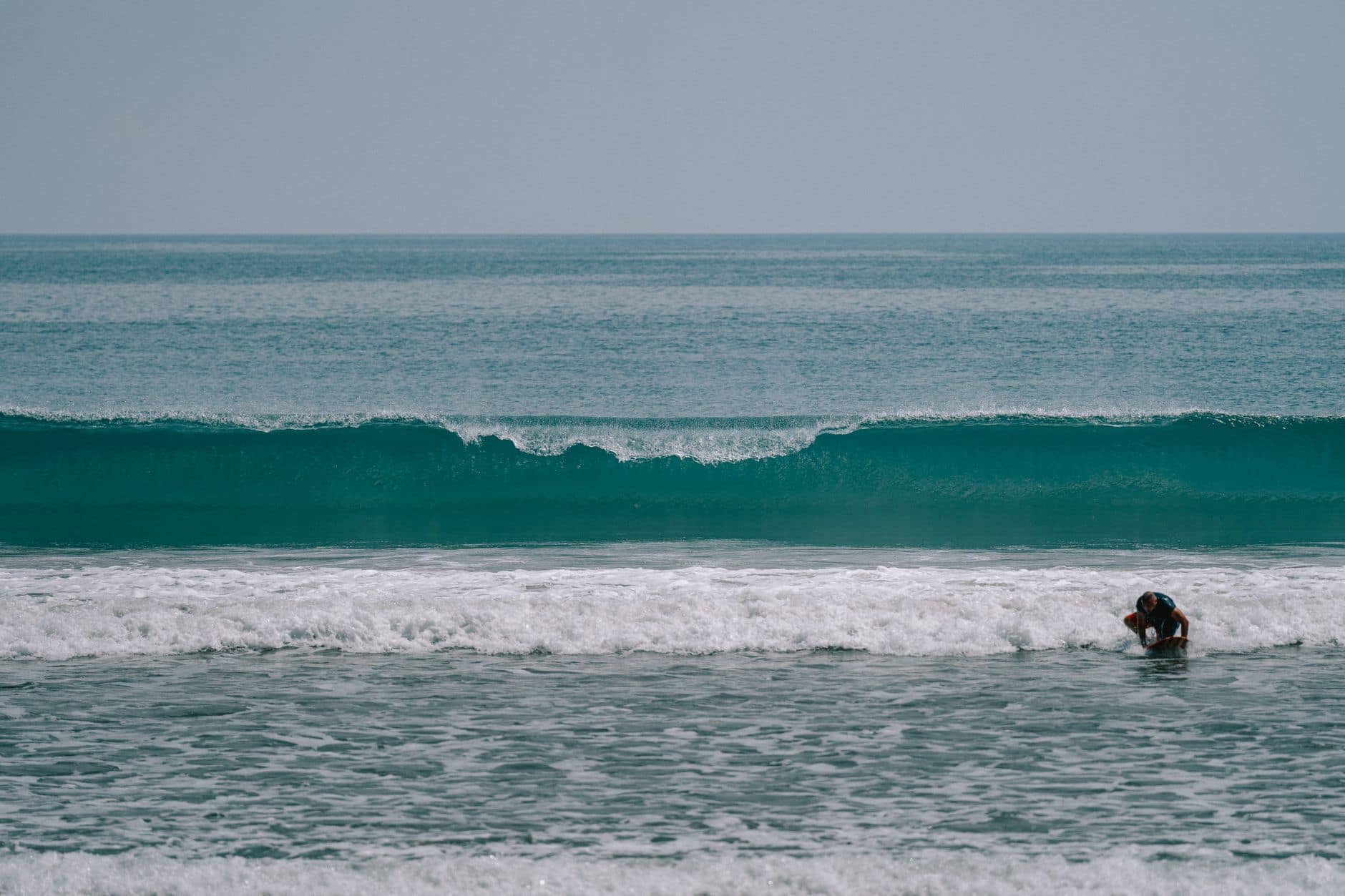 #1
#1
Kuta Beach
The benchmark, and still the answer. Sand from the shoreline out through the whole impact zone, with no reef anywhere, and usually the smallest surf on the strip because Kuta Reef and the Bukit peninsula filter the swell before it lands. Two kilometres of beach spread the famous crowds into tolerable peaks; surf schools favour the higher tide, when the whitewater is at its mellowest. The south end toward Discovery is the stretch least troubled by rips.
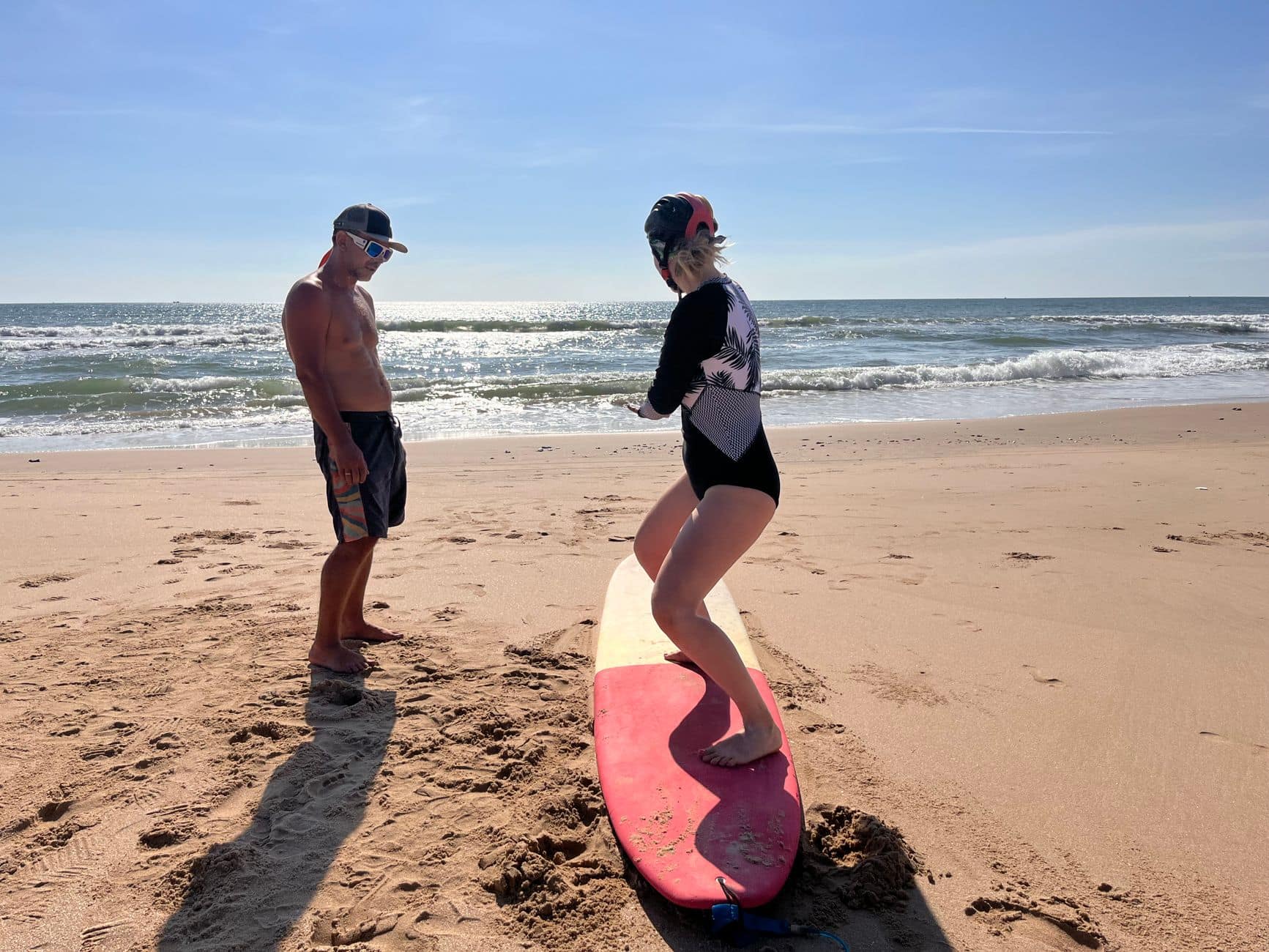 #2
#2
Legian
One beach north and appreciably more swell — guides report days when Legian runs close to twice the size of Kuta. Still genuine sand, still both lefts and rights off shifting banks, and fine for beginners at one to three feet on a rising mid tide. On a dropping low it turns into heavy close-outs, and on bigger swells the high-tide shorebreak dumps hard onto the sand, so treat it as the week-two beach, not the day-one beach. Noticeably quieter than Kuta.
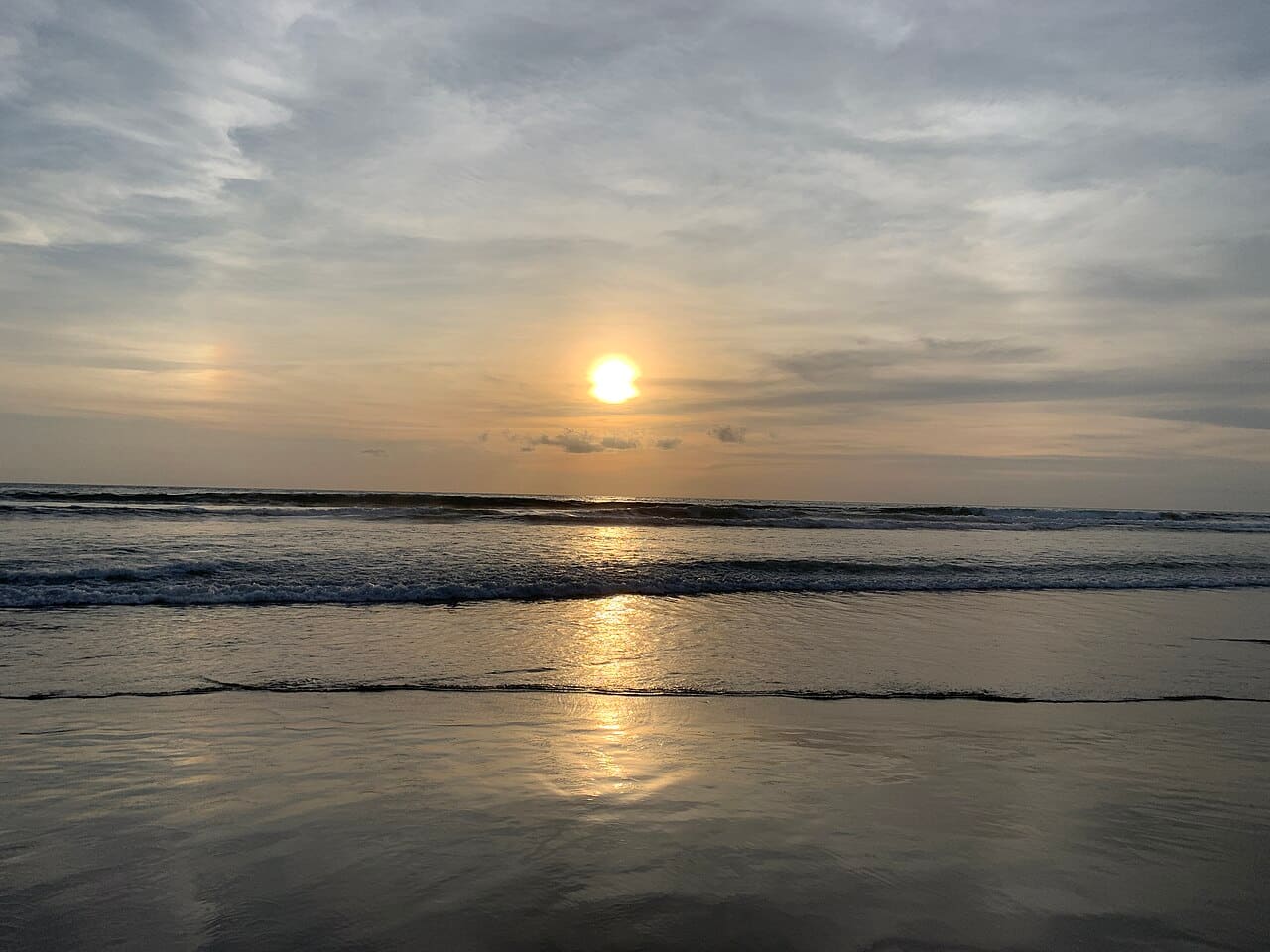 #3
#3
Double Six
Sand with no reef in any direction, lifeguards on the beach, and a walk-in entry at the end of Jalan Double Six. The sandbars shift, so whether the day serves lefts or rights depends on where the rips last pushed the sand. First-timers learn in the inside whitewater; the outside bank suits improvers on a longboard. Surf it mid to high on the push — the consensus against low tide here is near-universal — and in the morning, before the sea breeze.
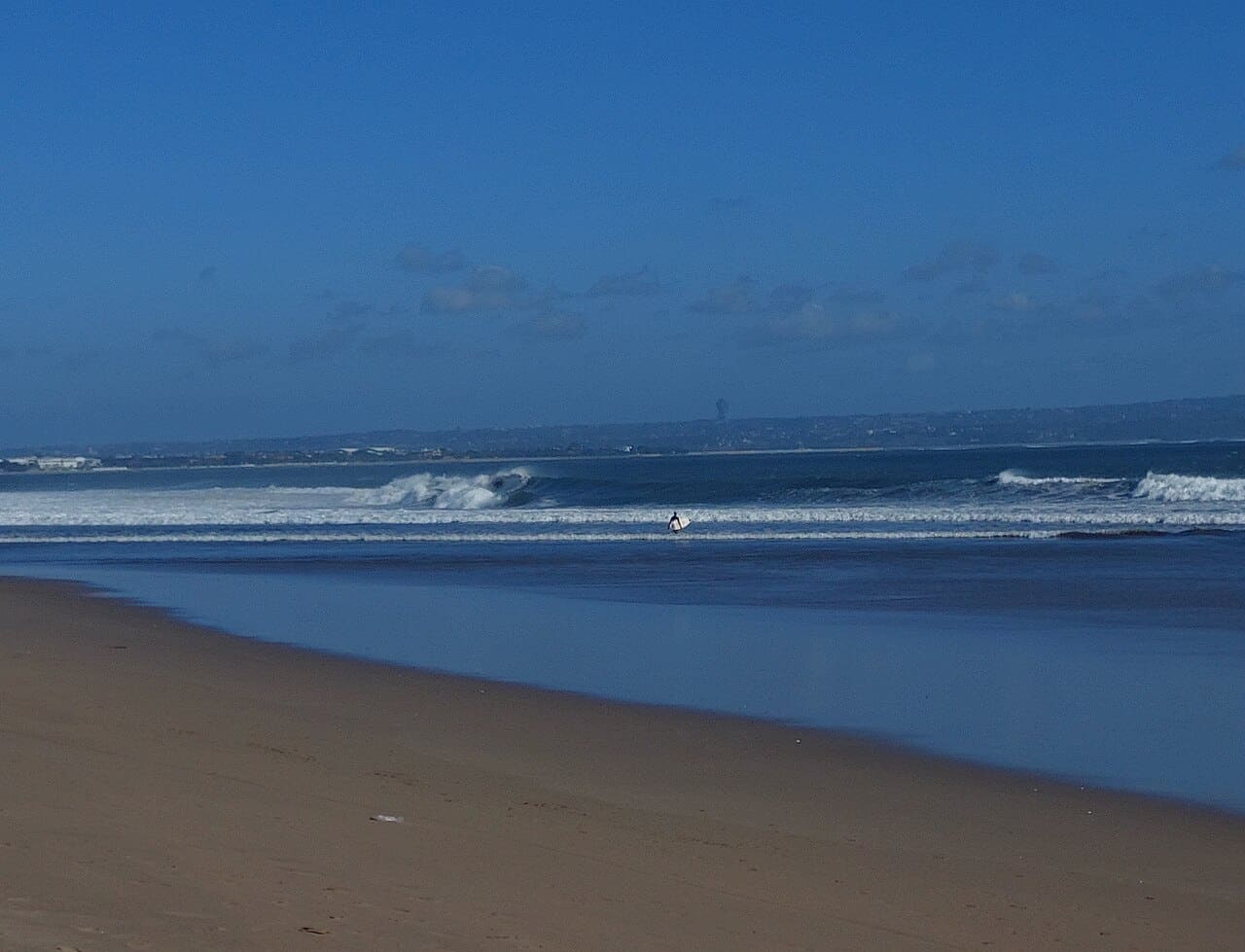 #4
#4
Seminyak Beach
The least crowded sand beach on the whole Kuta strip, which makes it the option when you want repetitions without traffic. Stay on Seminyak Beach proper: the named peaks at Petitenget and Ku De Ta are punchier, carry rock patches that get shallow at low tide, and belong to improvers. Quality depends entirely on the day's sandbanks. After heavy wet-season rain the water near Petitenget deteriorates enough that we simply move the session south.
 #5
#5
Berawa (the inside Peak only)
The one Canggu beach with a genuinely sand-bottom learner zone — but only the inside Peak. Rock and coral sit out the back and at The Ledge to the south, so a beginner's session stays on the Peak, full stop. It is markedly quieter than Batu Bolong. On tide, the honest answer: our sources contradict each other outright, so we apply the strip rule — mid to high, rising. After heavy rain the river pushes dirty water into the lineup; give it a day.
 #6
#6
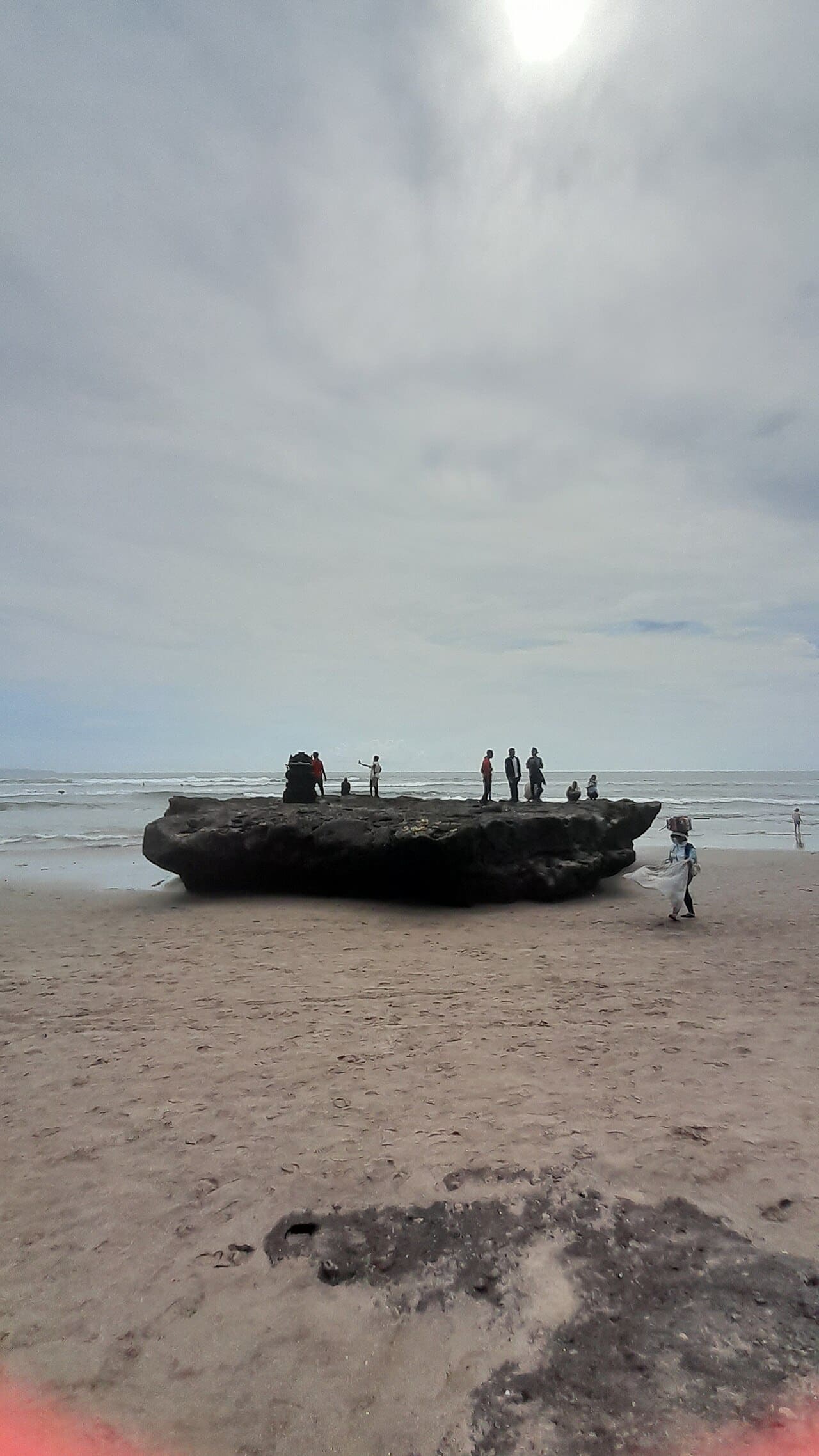
Batu Bolong — the exception
The exception, with its terms stated plainly: this is not a sand beach. The bottom is sand over a flat-ish rock and reef shelf, with sea urchins that matter once the tide drops out. The wave itself is slow, soft and long — which is why every surf school in Canggu is on it, and why the realistic hazard is somebody else's longboard rather than the bottom. Come once you stand consistently, aim for mid to high tide on the push, and paddle out through the channels beside the reef.
The rule that organises everything: sand bottom
Every spot on this page obeys a single rule: sand under the take-off, sand under the whole ride. A beginner falls on most of the waves they attempt — that is the deal — and what you land on decides what falling costs. The strip from Kuta through Legian and Seminyak breaks over sand, not reef, which is the entire reason Bali is the easiest major destination in the world to learn in. And ignore the '3-5 foot beginner waves' line that circulates on marketing pages: a genuine first-timer learns in knee-to-waist whitewater, and the sand beaches serve exactly that, essentially every day of the year.
Our private beginner lesson runs from $35 for a 2-4 hour session, board, leash and coach included, booked on WhatsApp with no prepayment. The instructor chooses between Kuta, Legian and Double Six on the morning itself — by tide and sandbank, not by timetable. If you want to know what the session actually looks like, step by step, our beginner surf lesson guide walks through all of it.
One tide rule covers the whole strip
Mid to high, on a rising tide — that setting works at every beach in this guide and is dangerous at none of them, which is why our instructors default to it. Low tide is the common enemy: the sand beaches turn into fast, heavy close-outs, and the rock-bottom Canggu spots go shallow enough to expose reef and sea urchins. This is also why our lesson start times float with the tide chart rather than sitting at a fixed hour.
The wind rule is even simpler: surf in the morning. Dry-season trade winds blow from the easterly quadrant — offshore to side-offshore for this coast — and the sea breeze chops everything up from late morning onward. If every beach looks too big on the day, head south: Kuta usually carries the smallest surf on the strip, because Kuta Reef and the Bukit peninsula filter the swell before it arrives. For the full mechanics — swell period, spring tides, why the same beach behaves differently week to week — see our guide to Bali surf conditions.
The waves that look beginner-friendly on Instagram and are not
Canggu is the most photographed learn-to-surf destination in Bali, and most of Canggu is not sand. That gap between the feed and the bottom is where beginners get hurt, so here is the blacklist — every spot on it is rock, reef, rips or a boat ride. When you are ready for the step up, our Canggu surf spots guide covers them properly, tide windows and all:
- Old Man's — the wave is genuinely mellow, but the take-off zones sit over reef; only the first hundred metres or so of the paddle-out is sand
- Echo Beach's main left — shallow, jagged volcanic reef and an intermediate-to-advanced wave; one widely copied guide calls it sand and 'all levels', and it is wrong
- The Sandbar next to Echo Beach — actually sand, but fast and hollow; an improver's wave, not a first-timer's
- Pererenan — a volcanic rock shelf that goes very shallow on the inside at anything below mid tide
- Seseh — quiet black sand in the photos; strong, unpredictable rips, rock sections mixed into the sand, and no lifeguards watching you
- Kuta Reef, Airport Lefts, Airport Rights — sharp coral that you reach by boat; nothing about them is beginner surfing
When a beginner should come
The beginner beaches work all twelve months; the honest question is what condition they are in. The windows we recommend are late April to early June and September to October: dry-season offshore mornings without the full weight of mid-year swell. June through August is peak season on the charts precisely because the ocean is at its most powerful — the open-ocean swell average climbs to 2.0-2.2 metres — and rip currents scale with it. Great months for the Bukit reefs; poor months for a first-timer at an open beach break.
December to March is the trade-off block: the smallest waves of the year, but the west coast turns onshore by afternoon and the monsoon flushes the rivers — Kuta, Legian and Seminyak collect up to 60 tonnes of plastic a day at the peak of it. Some schools argue the wet season suits beginners because the swell is smallest; that logic works at Sanur's sandy lagoon on the east coast, not at Kuta or Canggu. Water is warm all year — no wetsuit, ever. The full picture, month by month, is in our Bali surf season guide.
Getting a board to the right beach at the right hour
If you sleep in Kuta, Legian or Seminyak, logistics barely exist: every beach in this guide down to Seseh is a walk-in off the sand, board under your arm. From Ubud, Uluwatu or Sanur it becomes a timing problem, because the window that matters — morning glass on a rising mid tide — does not wait for traffic. From Ubud the drive runs 60-90 minutes depending on traffic, so a first lesson means leaving not long after dawn.
The clean solution is a car with driver for the day from $59 — boards fit, the driver waits while you surf, and when Batu Bolong is elbow-to-elbow he moves you down the coast to Berawa or Seminyak instead. Flying in with your own board bag, our private airport pickup from $15 saves the arrival-day negotiation. Tell us the tide window on WhatsApp and our drivers build the morning around it.
FAQ
What is the best surf spot in Bali for beginners?
Kuta Beach — sand through the whole impact zone, and usually the smallest waves on the coast because Kuta Reef and the Bukit peninsula filter the swell before it arrives. Two kilometres of beach spread the crowds into separate peaks. Surf it mid to high on a rising tide; the south end toward Discovery is the stretch least troubled by rips.
Where is the best place to learn to surf in Bali?
The sand-bottom strip from Kuta through Legian to Seminyak — the only stretch where a complete beginner can fall all morning with nothing but sand underneath. First lessons happen in knee-to-waist whitewater, a private session costs from $35 with board and coach included, and the instructor picks the exact beach on the day by tide and sandbank rather than by timetable.
Is Canggu a good place to learn to surf?
Partly. Batu Bolong is soft and slow and every surf school uses it, but its bottom is rock and reef with sand patches — not sand — with urchins at low tide and one of the most crowded lineups in Bali. Berawa's inside Peak is the one genuinely sand-bottom learner zone in Canggu. A true first lesson is easier at Kuta or Double Six; save Canggu for week two.
Which surf spots in Bali should beginners avoid?
Anything without sand under the take-off: Echo Beach's main peak (jagged volcanic reef), Pererenan (rock shelf), Old Man's take-off zones, and the boat-access coral reefs — Kuta Reef, Airport Lefts and Airport Rights. Seseh looks calm and empty in photos but carries strong rips with no lifeguards. If a wave made a famous surf video, it almost certainly breaks over reef — watch it, don't paddle at it.
What tide is best for beginner surfing in Bali?
Mid to high on a rising tide — that setting is safe at every beach in this guide and dangerous at none of them. At low tide the sand beaches close out fast and heavy, and the rock-bottom Canggu spots get shallow enough to expose reef and sea urchins. It is why our lesson times float with the tide chart instead of sitting at a fixed hour.
When is the best time of year to learn to surf in Bali?
Late April to early June and September to October — dry-season offshore mornings without the full power of the mid-year swell. June to August brings the year's biggest surf and strongest rips; December to March turns the beginner beaches onshore by afternoon and dirty, with monsoon plastic landing on Kuta, Legian and Seminyak. You can still learn then — book the earliest slot of the day and lower expectations.
Recommended Bali tours for this guide
Bali Surf Lesson for Beginners
A surf lesson is one of the best short-format Bali activities because it feels local, active, and iconic without taking over the whole day. It is ideal for couples, friends, solo travelers, and anyone curious about the island's surf culture.
- Duration
- 2-4 hours
- Area
- Beginner-friendly Bali surf beaches
- Format
- Water activity
- Best for
- Beginners and casual active travelers
From $35 No prepayment
View tour
Private Car with Driver in Bali
This is one of the most useful products in Bali because so many plans become easier once transport is flexible. It is perfect for custom sightseeing, shopping days, family pacing, and travelers who already know roughly where they want to go.
- Duration
- Flexible daily use
- Area
- All major Bali regions
- Format
- Private transport service
- Best for
- Travelers who want total route flexibility
From $59 per car No prepayment
View tour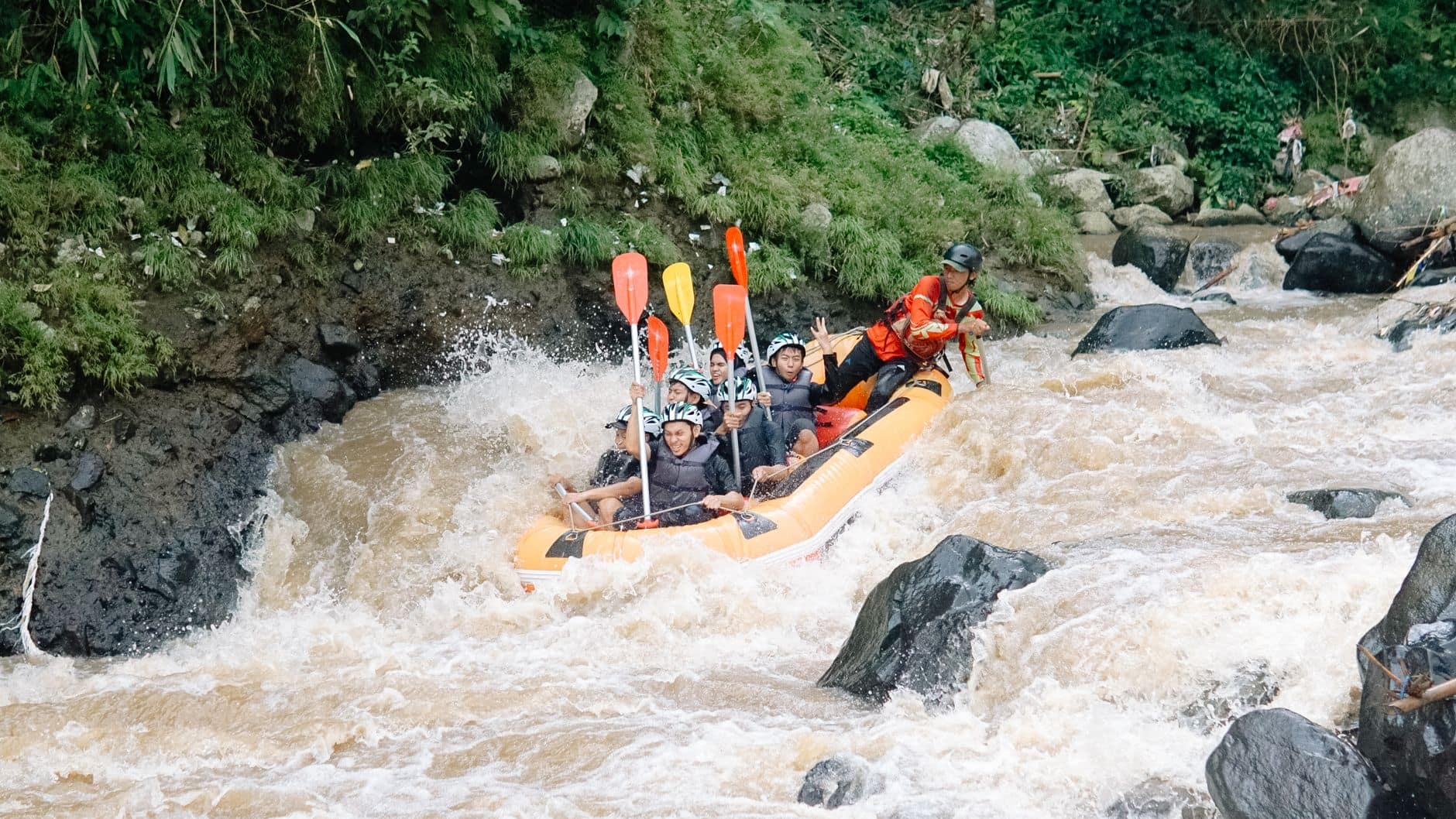
Bali White Water Rafting, Ayung River
White water rafting is one of Bali's easiest adventure products to fit into a trip because it feels active without being overly technical. It is especially strong for guests who want something memorable that still works for mixed groups.
- Duration
- 4-6 hours
- Area
- Bali river routes
- Format
- Adventure activity
- Best for
- Families, couples, and active groups
From $25 No prepayment
View tour