

Uluwatu is one reef with five named sections, and the tide decides which of them you surf. Temples and the Peak want mid to high water; Racetrack only becomes Racetrack as the tide drains; Outside Corner and the Bombie wait for the biggest swells of the dry season. Everything breaks left over a flat limestone-coral platform, everyone enters and exits through the cave at Suluban, and the current runs north past the Peak whether you planned for it or not. This guide walks the reef section by section — which tide and size each one works at, how to time the cave on a high tide, what the crowd really looks like, and how to get there from Canggu or Seminyak with boards in the car. Honest reading: it is not a beginner wave at any tide.
By Alex Moskvin, Founder of SB Excursions · Published 21 May 2026 · Updated 16 October 2026
Tour on this route: Private Car with Driver in Bali — From $59 per car, flexible daily use.
Is Uluwatu safe to surf?
Safe enough for experienced surfers who match the section to the tide — and genuinely dangerous for anyone else. The reef is sharp and shallow, a strong current runs north along the point, and the cave floods and surges at high tide, which is when mistimed exits cause most injuries. It is not a beginner wave at any tide. For a first session, going out with a guide is the standard recommendation, not an upsell.
This guide also answers:
- Can beginners take a surf lesson at Uluwatu?
- How does an Uluwatu surf day trip work?
Top picks from this guide
 #1
#1
The Peak
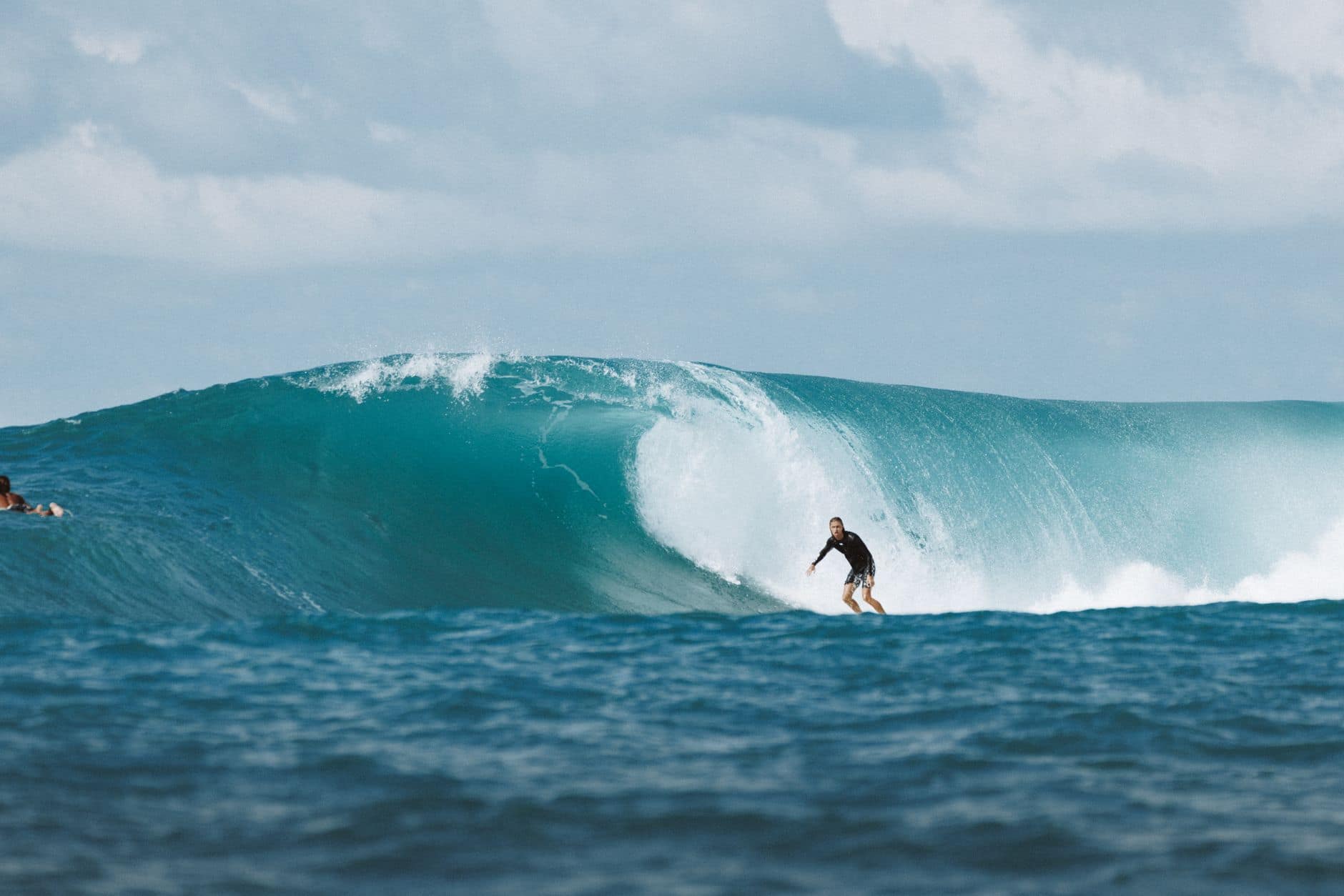
The section straight out from the cave, which makes it the most consistent, the most surfed and the most crowded at Uluwatu — one guide rates the crowd ten out of ten. A powerful, barrelling takeoff into a bowling wall with a tapering shoulder, best on mid to high tide; it gets shallow and starts closing out as the water drops. It works from the smallest swells that reach the Bukit up to double-overhead faces, with the occasional short right spinning off toward the cliff.
 #2
#2
Racetrack
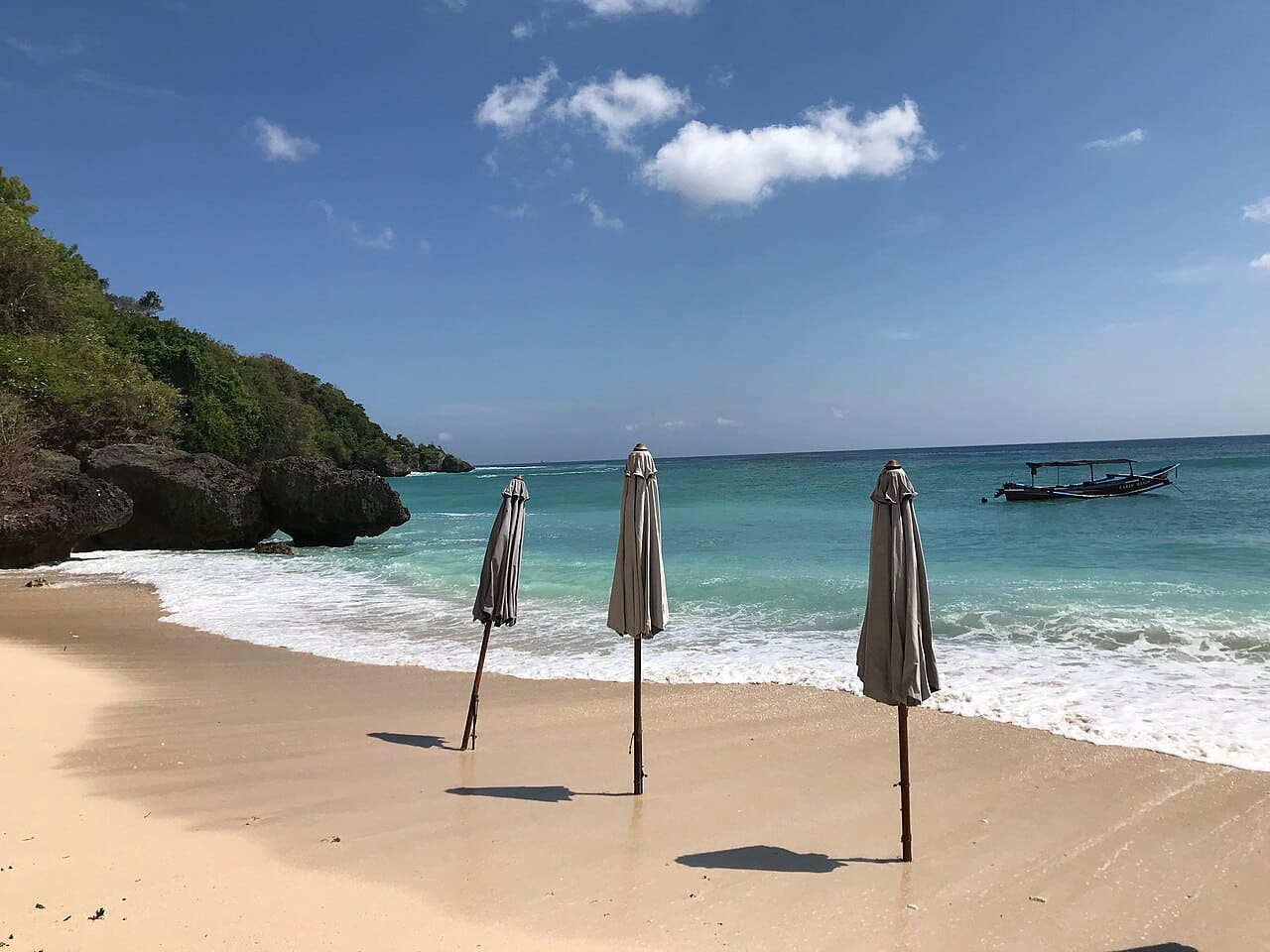
North of the Peak, over the shallowest, sharpest stretch of the reef. It technically breaks through all tides but only becomes Racetrack proper as the water drains: a super-fast, hollow drainer that peels 100 metres and more, with documented four-second barrels on the lowest tides of the month. This is where most Uluwatu reef injuries happen — advanced to expert only. If the current sweeps you past it on the way in, ride the drift and come ashore at Padang Padang instead of fighting back.
 #3
#3
Temples
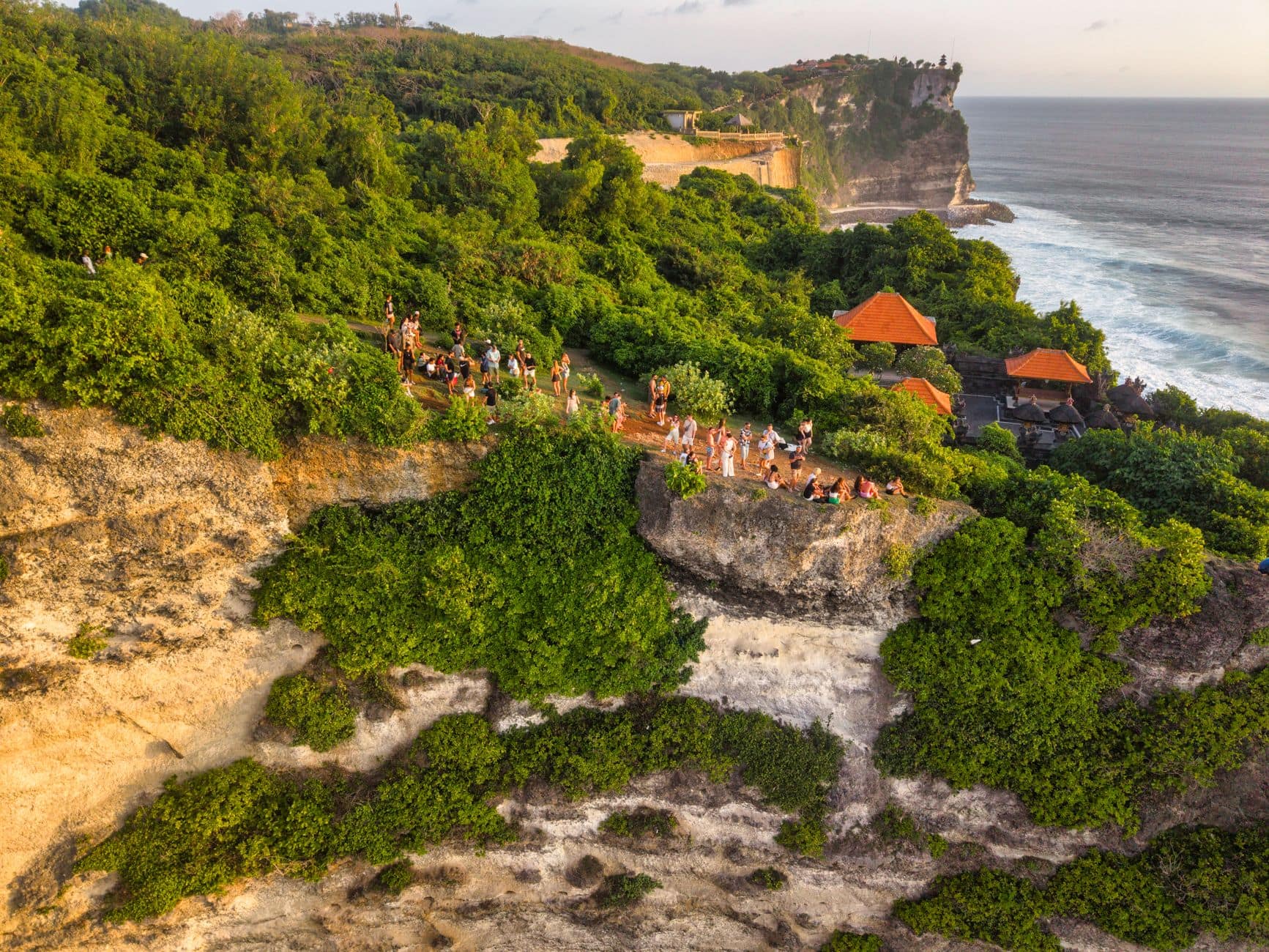
The southernmost section, and the long paddle against the current is exactly why its crowd is the thinnest of the main peaks. A bombie outside refracts swell onto the takeoff, so Temples breaks as thick, powerful double-up barrels rather than a clean bowl, running about 100 metres before shutting down. Mid to high tide is the window, with the best shape at mid. The right call when the Peak is unbearable — provided you budget real energy for the paddle back south.
 #4
#4
Outside Corner
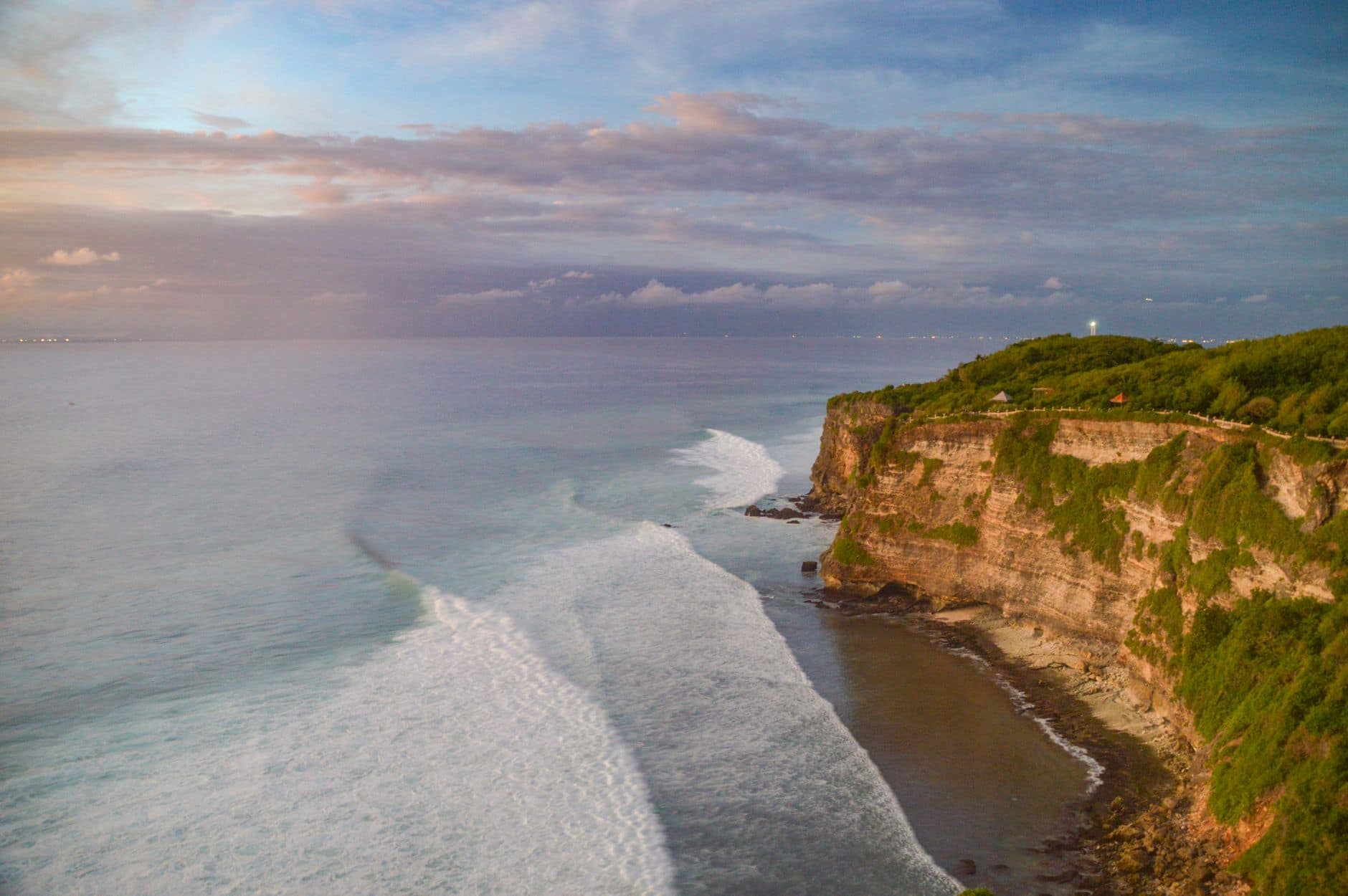
The outer point section, breaking seaward of the start of Racetrack — only the Bombie lies further out. It does not turn on below about six feet of open-ocean swell, then serves thick, pushy walls rolling 100 to 200 metres that ask for big carving turns rather than barrels. It breaks through the tides; on big swells go on the low, because the cave exit and the incoming-tide current — not the wave face — are what turn a session bad. Size keeps the lineup honest and thin.
#5
The Bombie
The outermost peak of the whole system — a deep-water bombora beyond Outside Corner that only breaks properly from roughly triple overhead, holding faces of 20 to 40 feet. On the biggest days a Bombie wave links through Outside Corner for rides approaching two kilometres. Effectively empty: a handful of big-wave surfers ride it, some with tow or boat support. For everyone else it is the show you watch from the clifftop with a coffee.
One reef, five named sections
Uluwatu is not one wave. It is a flat limestone-and-coral reef platform under the cliffs at Pecatu, and every section on it breaks left — in order, south to north: Temples, the Peak, Racetrack, Outside Corner and, furthest out, the Bombie. The Peak sits directly in front of the cave, which is why it is where every first-time visitor ends up and why it is the busiest. The reef picks up swell from about 2 ft up to 15 ft and beyond, and each section has its own tide and size window — reading those windows is the whole art of surfing this spot.
One correction that saves embarrassment in the lineup: travel sites often list 'Suluban' as a separate break. It is not one. Suluban is the cove and cave below the warung strip that give access to the reef — any 'Suluban wave' you have read about is Uluwatu's Peak or Racetrack. Uluwatu is also just the southern anchor of a longer run of reefs: Padang Padang, Impossibles and Bingin sit minutes up the coast, close enough to check as a fallback on the same drive.
Which tide for which section
Bali runs a big tidal range — from about zero to 2.5 metres on spring tides — so this reef can go from unsurfable to perfect inside a single session. The rule that holds across every section: higher tide means fuller, slower and more forgiving, with more water over the reef; lower tide means hollower, faster and far shallower. What changes from section to section is which side of that trade you want.
We plan sessions around a live tide chart on the day, never around remembered times — the windows move too much through the month. Our tides, swell and wind guide covers how to read the chart; here is what it means at Uluwatu:
- The Peak — mid to high. Gets shallow and starts closing out as the tide drops. The most consistent section, working on the smallest swells that reach the Bukit.
- Temples — mid to high, best shape at mid. Thick double-up barrels and a long paddle that keeps the crowd down.
- Racetrack — low. It only becomes Racetrack proper as the tide drains, and the lowest tides of the month turn it into an experts-only, multi-section barrel.
- Outside Corner — size first, tide second. Needs about 6 ft of open-ocean swell to turn on; it breaks through the tides, but on big swells go on the low — the cave exit and the incoming-tide current, not the wave face, are what end sessions badly.
- The Bombie — tide is not the gate. Higher tide is the most commonly cited preference, but at the triple-overhead-plus size it needs, it breaks on essentially all tides. Swell is the switch — and note that high tide makes the cave far more dangerous.
The cave: getting in is easy, getting out is the skill
Everyone enters and exits Uluwatu through the same hole in the cliff: stairs and walkways drop from the clifftop through the warung strip to a limestone cave at Suluban that opens straight onto the water. At low tide the cave floor and the reef in front of it are exposed — you walk around 100 metres across shallow, sharp reef to reach the channel. Slow and cutting, but low-risk if you watch your feet; booties are strongly recommended. At high tide the cave floods. You can paddle straight out of the mouth, but water surges in and out and slams the cliff walls, so time your entry and exit to a lull between sets. Mistimed exits are the main injury mechanism here, and on a big swell at high tide the cave is genuinely dangerous.
Once outside, do not sit and drift — the rip pulls you north toward Racetrack. Coming back in is the part that catches people: the current runs from Temples north past the Peak toward Racetrack and on toward Padang, so aim well south of the cave — upcurrent — and let the drift carry you onto it. If you overshoot past Racetrack, do not fight your way back against the flow. Keep going and come ashore at Padang Padang, or wait for a lull and cross a wider, deeper part of the reef.
For a first session, the advice is uniform across every serious source: go out with a guide who knows the cave. At Uluwatu that is the standard recommendation, not an upsell — the exit is the exam.
Season, size and the crowd
The dry season — roughly April to October, peaking June to August — is Uluwatu's season, because the southeast trade winds blow offshore into this west-southwest-facing reef. The wave itself picks up Southern Ocean groundswell all year; what the wet season from November to March ruins is the wind, when west and northwest onshores chop the face apart. Dawn and evening glass-offs are the premium sessions in any month. For the wider calendar, see our month-by-month surf season guide.
The crowd deserves its own paragraph, because here it is a genuine hazard rather than an annoyance. Uluwatu is routinely described as one of the busiest lineups in Bali, and it is worst when the surf is small — anything under head-high funnels every surfer on the Bukit onto the Peak, where loose boards and dropped-in takeoffs rank among the top hazards and localism is real. The lineup thins noticeably above 6 ft. The two escapes both cost you something: the long paddle south to Temples, or the size out at Outside Corner.
Is Uluwatu safe — and is it your wave yet?
Honest answer: Uluwatu is safe for surfers who can already handle a shallow reef break and read a tide chart, and it is not a beginner wave at any tide — no section, no size, no exception. The hazards are concrete rather than exotic: sharp, shallow coral; a strong current running north up the point; a cave that surges at high tide; and a dense, mixed-ability crowd. All of them are manageable with experience and a plan, and we go deeper on the general question in is surfing in Bali safe.
If you are still learning, the move is not a smaller day at Uluwatu — it is a different wave. Beginner lessons happen on sand-bottom beaches, and our private surf lesson costs from $35 for a 2-4 hour session with board and coach included. Near Uluwatu itself, improvers surf Baby Padang, the mellow right across the channel from Padang Padang with one of the few low-stress paddle-outs on the Bukit. Watch the main reef from the clifftop until the day it looks inviting rather than terrifying — that shift is the honest sign you are ready.
Getting there with boards: the drive, the parking, the stairs
Uluwatu sits at the far southern end of the Bukit Peninsula, and the road over the plateau is at its emptiest before dawn — convenient, because dawn is also when the wind is cleanest. Our car with driver runs from $59 for the day and boards fit inside — no roof racks, no rope, no scooter ride with a board under one arm. You park at the clifftop above the warung strip, and from there everything travels down the stairs by hand, so pack light and leave the board bag in the car.
The day-trip shape that works: arrive for the tide your section wants — first light if the chart cooperates — surf it, then take breakfast in the warungs hanging over the reef and watch the tide rebuild the wave in real time. Because the driver waits, you can paddle out again when the next window opens instead of committing to one shot. Flying in with boards? Our private airport pickup runs from $15 if you would rather go straight from the terminal to the cliffs.
FAQ
Is Uluwatu safe to surf?
Safe enough for experienced surfers who match the section to the tide — and genuinely dangerous for anyone else. The reef is sharp and shallow, a strong current runs north along the point, and the cave floods and surges at high tide, which is when mistimed exits cause most injuries. It is not a beginner wave at any tide. For a first session, going out with a guide is the standard recommendation, not an upsell.
What tide is best for surfing Uluwatu?
It depends on the section. The Peak and Temples want mid to high tide; Racetrack only turns on as the tide drops, and its lowest-tide version is for experts; Outside Corner cares about swell size more than tide. The broad rule: higher tide means fuller and more forgiving, lower means hollower, faster and shallower. Read a live tide chart on the day — never plan around remembered or published times.
Can beginners take a surf lesson at Uluwatu?
No — the main Uluwatu reef is not a lesson wave at any tide or size. Beginner lessons in Bali run on sand-bottom beaches, and a private lesson costs from $35 for a 2-4 hour session with board and coach included. Around Uluwatu itself, improvers surf Baby Padang, the mellow right across the channel from Padang Padang, while the clifftop warungs are the right place to study the main reef.
When is the best time of year to surf Uluwatu?
The dry season, roughly April to October, with June to August the biggest and most consistent stretch — southeast trade winds blow offshore into the reef. The wave picks up Southern Ocean swell year-round, but from November to March the west and northwest onshores wreck the shape. Dawn and evening glass-offs are the premium sessions in any month, whatever the calendar says.
How does an Uluwatu surf day trip work?
Leave early: the reef sits at the southern tip of the Bukit, and a dawn arrival buys the cleanest wind and the thinnest crowd of the day. A car with driver costs from $59 for the day and boards fit inside; the driver waits at the clifftop while you surf, so you can run a second session when the tide window reopens instead of committing to one shot.
How crowded is Uluwatu?
Very — it is routinely described as one of the busiest lineups in Bali, and counterintuitively the crowd is worst when the surf is small. It thins noticeably once sets pass six feet. The Peak, directly in front of the cave, is the most crowded section; Temples and Outside Corner are the quietest, at the price of a long paddle or a big-wave skill set.
Recommended Bali tours for this guide
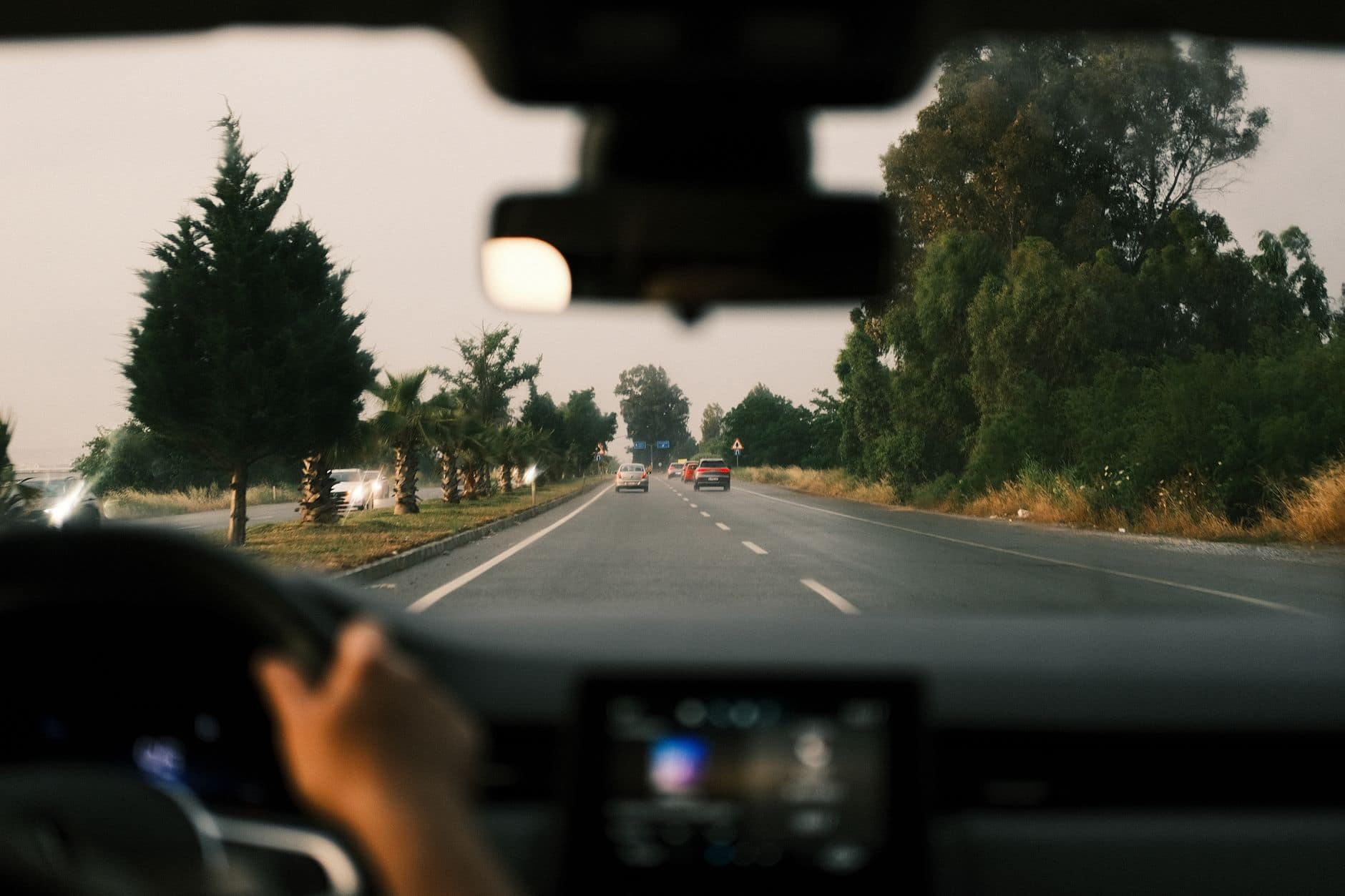
Private Car with Driver in Bali
This is one of the most useful products in Bali because so many plans become easier once transport is flexible. It is perfect for custom sightseeing, shopping days, family pacing, and travelers who already know roughly where they want to go.
- Duration
- Flexible daily use
- Area
- All major Bali regions
- Format
- Private transport service
- Best for
- Travelers who want total route flexibility
From $59 per car No prepayment
View tour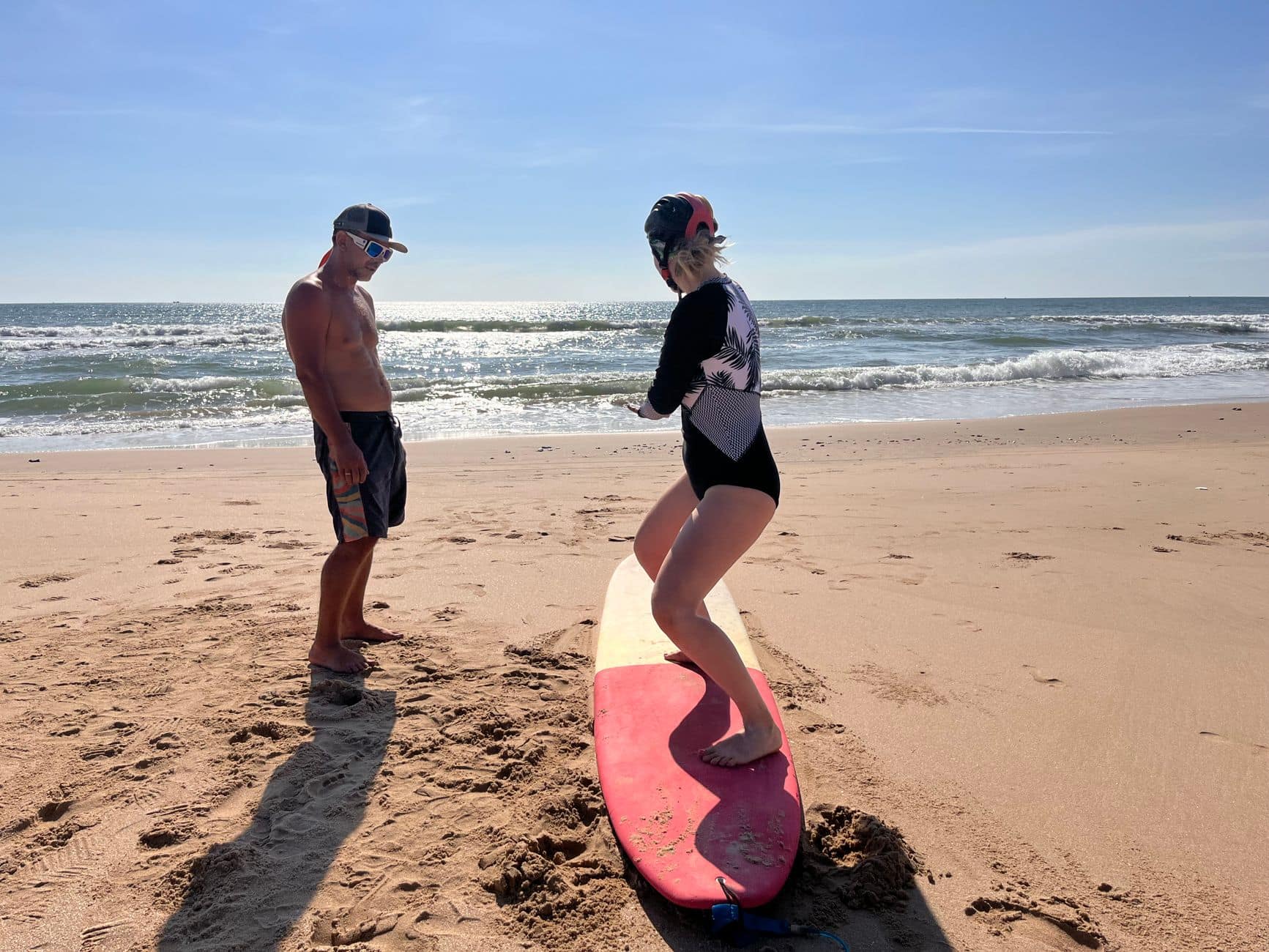
Bali Surf Lesson for Beginners
A surf lesson is one of the best short-format Bali activities because it feels local, active, and iconic without taking over the whole day. It is ideal for couples, friends, solo travelers, and anyone curious about the island's surf culture.
- Duration
- 2-4 hours
- Area
- Beginner-friendly Bali surf beaches
- Format
- Water activity
- Best for
- Beginners and casual active travelers
From $35 No prepayment
View tour
Bali Airport Transfer
Airport transfers are not glamorous, but they have an outsized impact on how the trip starts. A clean pickup, clear driver coordination, and direct route to the hotel make a huge difference after a long flight.
- Duration
- Depends on hotel area
- Area
- Ngurah Rai Airport and Bali hotel areas
- Format
- Private transfer service
- Best for
- New arrivals and stress-free departures
From $15 per car No prepayment
View tour