

Canggu sells itself as a beginner surf town, and the brochure skips one detail: most of the strip breaks over rock. Of the seven named spots from Seseh down to Berawa, only the Sandbar in front of La Brisa and Berawa's inside Peak sit over genuine sand — Batu Bolong, Old Man's, Echo Beach and Pererenan are reef or lava-rock shelf, and Seseh mixes black sand with rock. That does not make Canggu a bad place to surf; Batu Bolong remains one of the softest, longest longboard waves in Bali. It does mean the tide chart is not optional, and the "sand-bottom beginner beach" line you read elsewhere is wrong. This guide walks the strip north to south — bottom, tide, level and the honest crowd rating for each — the way our drivers brief surfers before a dawn run.
By Alex Moskvin, Founder of SB Excursions · Published 21 May 2026 · Updated 16 October 2026
Tour on this route: Bali Surf Lesson for Beginners — From $35, 2-4 hours.
Which Canggu surf spot is best for beginners?
Berawa's inside Peak — it is the only genuinely sand-bottom learning zone in Canggu. Batu Bolong and Old Man's are the standard lesson waves and their take-offs are soft and slow, but both break over rock and reef, so go with an instructor who times the tide for mid to high on the push. For a very first lesson, the true sand beaches south toward Legian and Kuta are more forgiving still.
This guide also answers:
- Where should I surf a longboard in Canggu?
Top picks from this guide
 #1
#1
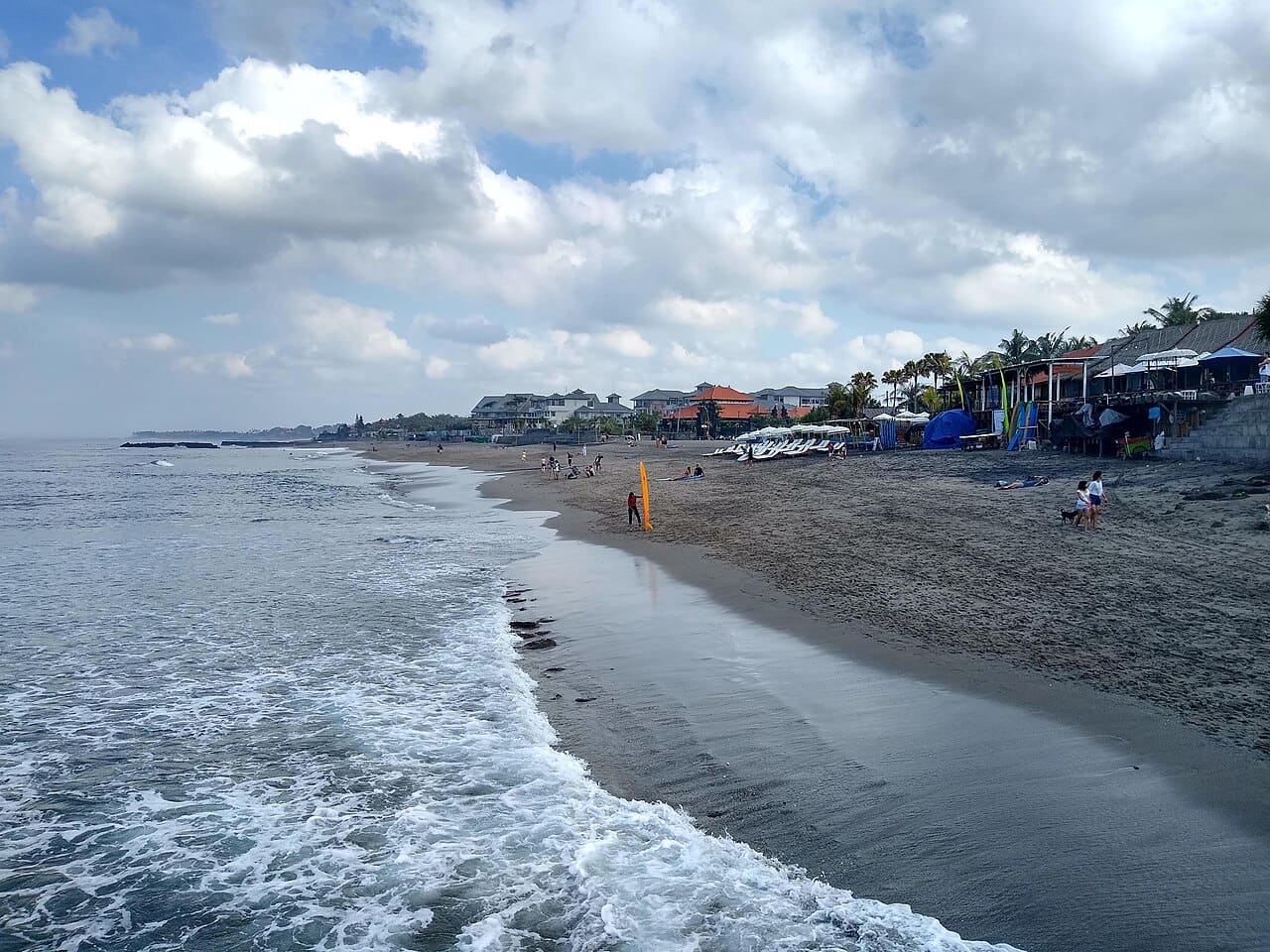
Seseh
The quiet top end of the strip: long lefts and shorter rights off black-sand banks mixed with rock sections, and often almost nobody out. The catch is everything else — strong, unpredictable rips, no lifeguards, no surf schools, help a long way away. Sources describe the bottom inconsistently, so treat any precise claim with suspicion. We drive intermediates here when the main peaks are heaving; we do not bring beginners, sand or no sand.
 #2
#2
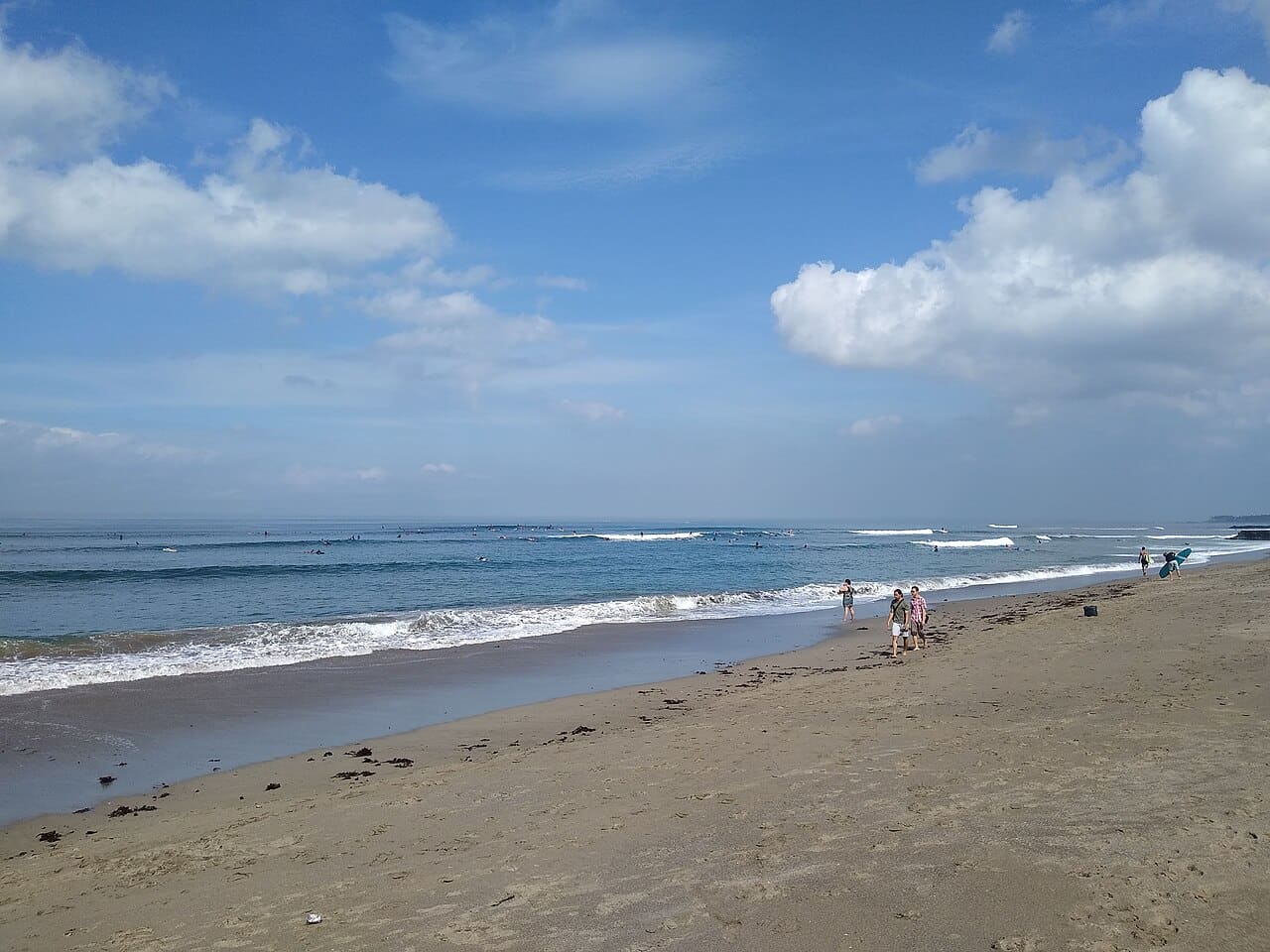
Pererenan
A volcanic rock shelf, not a beach break: a punchy right runs into the channel and a longer left-hand wave shuts down over the shallow inside — guides disagree about which is the better wave. Surf it mid to high tide and kick out of the left early; low tide puts near-dry rock and sea urchins under you. It maxes out around head-high, and quiet is relative here — 40-plus surfers at dawn on a 2 ft day is a documented reality.
 #3
#3
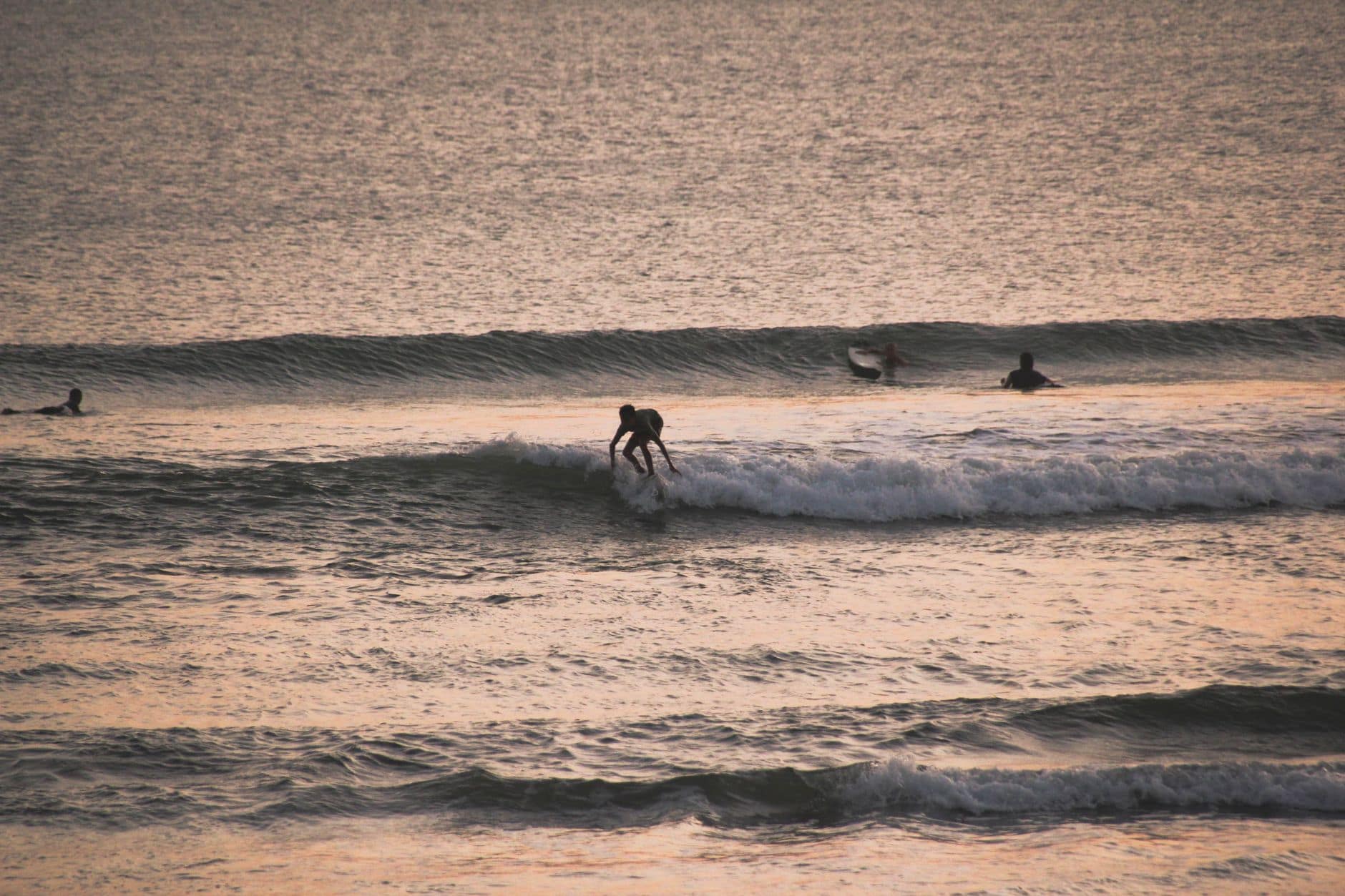
Echo Beach
Central Canggu's serious wave: a fast, tubey left over jagged volcanic reef, with a shorter right off the same peak. It starts working around 3 ft and barrels on solid swell, and it is intermediate to advanced, full stop — low tide exposes sharp, uneven rock, and the south-end rip that ferries you to the lineup pulls hard. One guide calls Echo Beach sand-bottom and all-levels; that describes the sandy peaks down the beach, not this left.
 #4
#4
The Sandbar
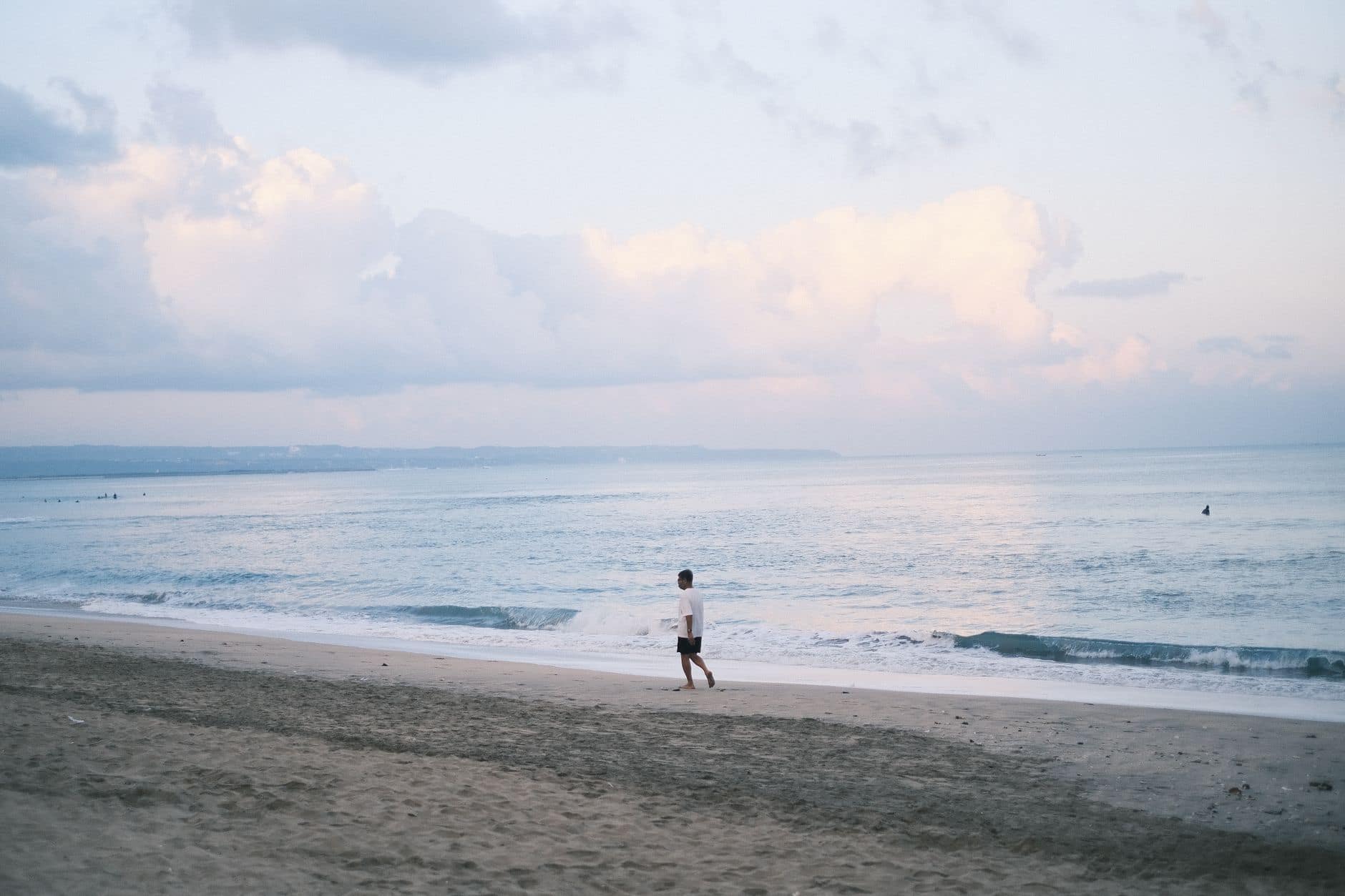
One of only two genuine sand bottoms in Canggu, one bank over from Echo Beach's reef. Sand does not mean gentle: the wave here is fast and hollow, an improver's wave rather than a first-timer's — the place to push a shorter board harder, knowing a fall costs a rinse instead of reef rash. If you want Echo-adjacent speed without the rock underneath, this is the honest middle step.
 #5
#5
Old Man's
Soft, slow and forgiving — which is exactly why the whole world is on it. The take-off zones are reef, not sand; only the first 100 m or so of the paddle-out is sandy. Lefts wall up more, slower rights peel toward the Batu Bolong channel, and multiple peaks spread a 10/10 crowd a little better than next door. Tide reports genuinely conflict here, so keep it simple: around mid tide, avoid the extremes.
 #6
#6
Batu Bolong
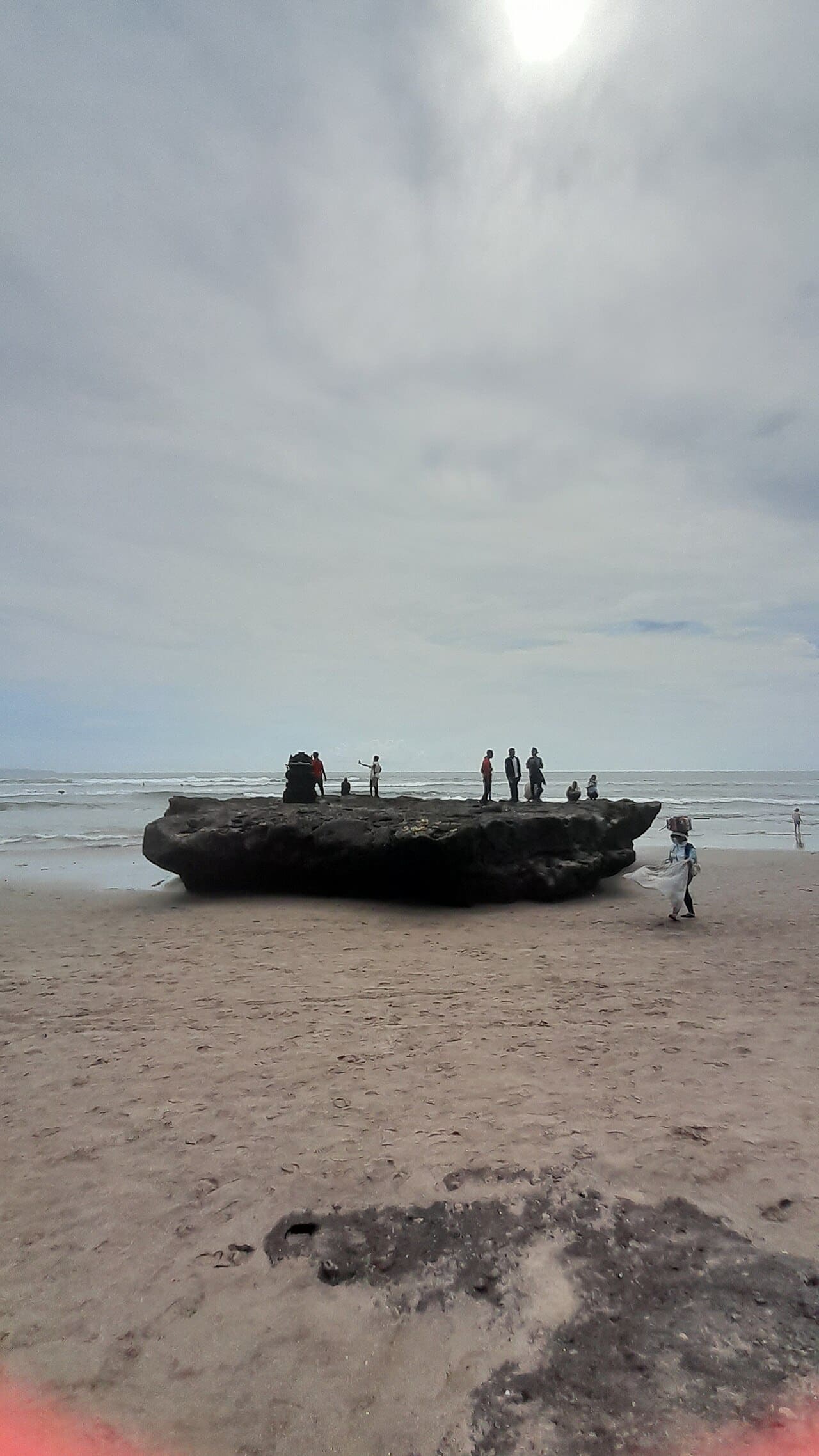
Canggu's most famous wave and its most misdescribed: the bottom is sand over a rock and reef shelf, not a sand beach. The main wave is a long, slow left that can run beyond 100 m; a shorter, faster right breaks off the same peak. Ride it on a rising mid-to-high tide — low means shallow rock and urchins, full high goes fat and mushy. The lineup is a true 10/10, and the likeliest thing to hit you is someone else's longboard.
#7
Berawa
The only Canggu spot with a genuinely sand-bottom beginner zone — and only at the inside Peak. Out the back and south at The Ledge the bottom turns to rock and reef, so learners stay inside. Quieter than the Batu Bolong stretch though no longer empty, and the shifting bank runs hot and cold: barrels one day, mushy close-outs the next. Guides contradict each other outright on the best tide here, and after heavy rain the river makes the water genuinely dirty.
The strip north to south, and what is actually under you
From north to south, the surf spots in Canggu run: Seseh, Pererenan, Echo Beach, the Sandbar, then the shared Old Man's and Batu Bolong reef, with Berawa at the southern end. The town markets itself as a learn-to-surf capital, and here is the detail the marketing skips: only the Sandbar and Berawa's inside Peak break over genuine sand. Batu Bolong, Old Man's, Echo Beach and Pererenan sit on reef or volcanic rock shelf, and Seseh mixes black sand with rock sections. None of it is the live razor coral of the Bukit, but rock still decides your tide window and what a bad fall costs.
The whole strip takes the same south-west swell and cleans up on the same wind: offshore for Canggu is north through north-east to east, which in practice means dawn. The sea breeze fills in from late morning and turns everything to chop, so the working day here starts at first light. For how these waves rank against the rest of the island, our best surf spots in Bali guide puts Canggu in context.
The honest crowd picture
We will not pretend otherwise: central Canggu is some of the most crowded surf in Bali. The useful part is that the crowd is not evenly spread, and ten minutes of driving changes everything:
- Batu Bolong and Old Man's — a genuine 10/10. Surf schools, rental foamies and longboards on every peak; the realistic hazard is board collision, not the bottom. Old Man's multiple take-off zones disperse people slightly better than Batu Bolong's single peak.
- Echo Beach and Pererenan — smaller numbers, tighter zones. Echo's take-off area is narrow, so it feels more crowded than the count suggests; Pererenan can see 40-plus surfers at dawn on a 2 ft day, so nobody should drive there expecting a secret.
- Berawa and Seseh — the quiet end. Berawa is noticeably calmer than the Batu Bolong stretch though no longer empty; Seseh is where you go for a near-empty lineup, with the rip-and-remoteness caveats that come with one.
Tides: the one rule that keeps you off the rocks
If you take one line from this page, take this one: mid to high tide, on the push. Every rock spot on the strip — Batu Bolong, Echo Beach, Pererenan — goes dangerously shallow at low tide, with sea urchins in the mix at Batu Bolong and Pererenan, and low tide is no gift at the sand spots either, which close out over the inner banks. Full high has its own cost at Batu Bolong, where the wave goes fat and mushy. Two footnotes: at Old Man's the guides argue both ways, so treat it as around mid and avoid the extremes; at Berawa the sources contradict each other outright, and quality there is about the bank, not the chart. The mechanics behind all of this are in our tides, swell and wind guide.
Season is simpler. May to September or October is the dry season: trade winds blowing offshore or cross-offshore for this coast and the most consistent south-west groundswell, strongest June to August. November to March swings the wind onshore from the west, and Canggu's rivermouths add their own problem — runoff, debris and poor water quality after rain, worst around Berawa and Pererenan. The mellow waves stay rideable year-round, but in the wet months the session is dawn or nothing. The month-by-month picture is in our Bali surf season guide.
Where a Canggu surf beginner actually fits
Searches for beginner surfing in Canggu return a lot of confident nonsense, so here is the honest routing. A true first-timer belongs in whitewater over sand, and Berawa's inside Peak is the only such zone in Canggu — the wider, softer alternative is the real sand strip further south toward Legian and Kuta. Batu Bolong and Old Man's are legitimate step-two waves: soft take-offs, slow walls, every surf school in town uses them — provided someone times the tide for you and you accept that the bottom is rock. Our private surf lesson runs from $35 for a 2-4 hour session, board and coach included, and the instructor picks the tide window rather than a timetable — which on this strip is most of the safety.
Leave Echo Beach's left, Pererenan and Seseh alone until you are comfortably riding green waves: shallow rock at the first two, lonely rips at the third. For beginner-safe picks across the whole island, see Bali surf spots for beginners.
Getting there with boards, and timing the drive
Every spot on this strip is a walk-in off the beach — no boats, unlike the Kuta and Airport reefs further south — but each has its own narrow access lane and small toll: about Rp2,000 on the Jalan Batu Mejan side for Echo Beach, about Rp4,000 per person at Jalan Pantai Berawa, and Pererenan collects its own small fee. The lanes are slow, and a longboard on a scooter rack in Canggu traffic is its own extreme sport. Our car with driver runs from $59 for the day and boards fit inside — the standard surf-day pattern is a first-light check of two or three peaks before committing, with the driver holding dry clothes and coffee money while you surf.
Timing beats everything else here. The wind window closes late morning, so a dawn start is the plan in the dry season and non-negotiable in the wet. And if you are landing with a board bag, a private airport pickup from $15 gets you and it to Canggu without a taxi-rank negotiation — the same WhatsApp thread then sorts the next morning's surf run.
FAQ
Which Canggu surf spot is best for beginners?
Berawa's inside Peak — it is the only genuinely sand-bottom learning zone in Canggu. Batu Bolong and Old Man's are the standard lesson waves and their take-offs are soft and slow, but both break over rock and reef, so go with an instructor who times the tide for mid to high on the push. For a very first lesson, the true sand beaches south toward Legian and Kuta are more forgiving still.
Is Batu Bolong surf over sand or rock?
Rock — Batu Bolong breaks over a flattish rock and reef shelf with sand patches, not the sand-bottom beach many blogs promise. It is still the friendliest wave in central Canggu: soft, slow take-offs and long walls that every surf school uses. Respect the tide, though. At low the inside goes shallow and there are urchins on the reef; on a rising mid-to-high it is a different, kinder wave.
Is Echo Beach surf beginner-friendly?
No. Echo Beach's main peak is a fast, sometimes tubey left over shallow, jagged volcanic reef, and it belongs to intermediate and advanced surfers — low tide exposes sharp rock and the south-end rip pulls hard. You will find one guide calling Echo sand-bottom and all-levels; that describes the sandy peaks along the beach and the Sandbar next door, not the main left-hand wave. Beginners should surf the Sandbar, Batu Bolong or Berawa instead.
Is Berawa good for surfing?
Yes — Berawa is the quieter central-Canggu option with something for two levels: mellow lefts and rights over the sand-bottom inside Peak for beginners, and rock and reef out the back and at The Ledge to the south for intermediates. It is inconsistent — barrels one day, mushy close-outs the next — and guides genuinely disagree on its best tide. After heavy rain the river pushes dirty water into the lineup, so give it a day.
Where should I surf a longboard in Canggu?
Batu Bolong first — it is the classic Canggu longboard wave, a slow left-hand wave that can wall up beyond 100 metres on the right day — with Old Man's next to it offering the same pace across more take-off zones. The cost is company: both rate a genuine 10/10 for crowd, and the realistic hazard is somebody else's board, not the bottom. Dawn on a rising mid tide is the least chaotic window.
When is the best time to surf in Canggu?
May to September or October, and in the morning. Dry-season trade winds blow offshore to cross-offshore for this coast and the south-west groundswell is at its most consistent, strongest June to August. Year-round, the sea breeze wrecks the surface by late morning, so plan dawn sessions. From November to March the wind swings onshore and rain flushes the rivermouths — chop, debris and poor water quality, rideable at the mellow spots but dawn only.
Recommended Bali tours for this guide
Bali Surf Lesson for Beginners
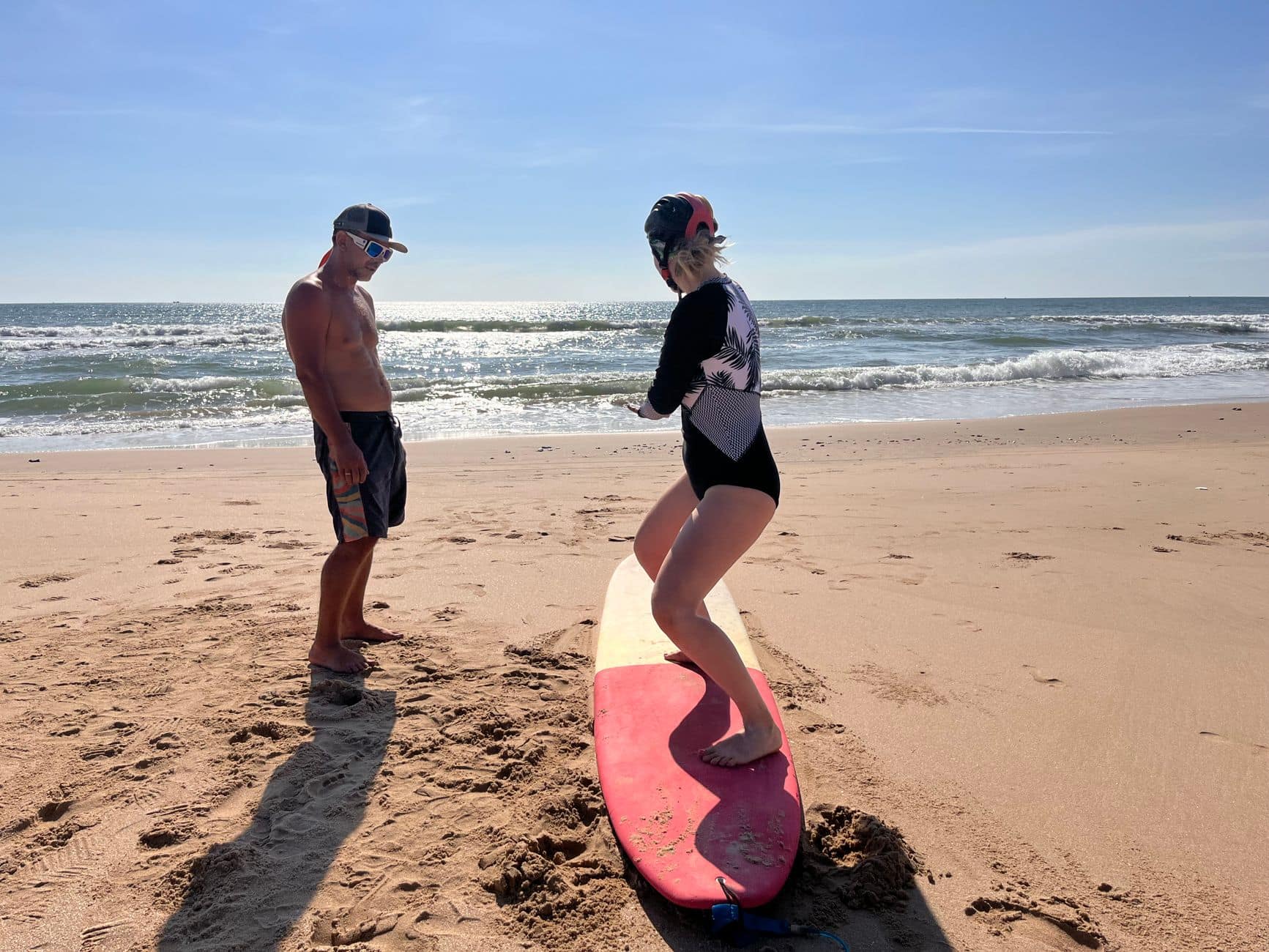
A surf lesson is one of the best short-format Bali activities because it feels local, active, and iconic without taking over the whole day. It is ideal for couples, friends, solo travelers, and anyone curious about the island's surf culture.
- Duration
- 2-4 hours
- Area
- Beginner-friendly Bali surf beaches
- Format
- Water activity
- Best for
- Beginners and casual active travelers
From $35 No prepayment
View tour
Private Car with Driver in Bali
This is one of the most useful products in Bali because so many plans become easier once transport is flexible. It is perfect for custom sightseeing, shopping days, family pacing, and travelers who already know roughly where they want to go.
- Duration
- Flexible daily use
- Area
- All major Bali regions
- Format
- Private transport service
- Best for
- Travelers who want total route flexibility
From $59 per car No prepayment
View tour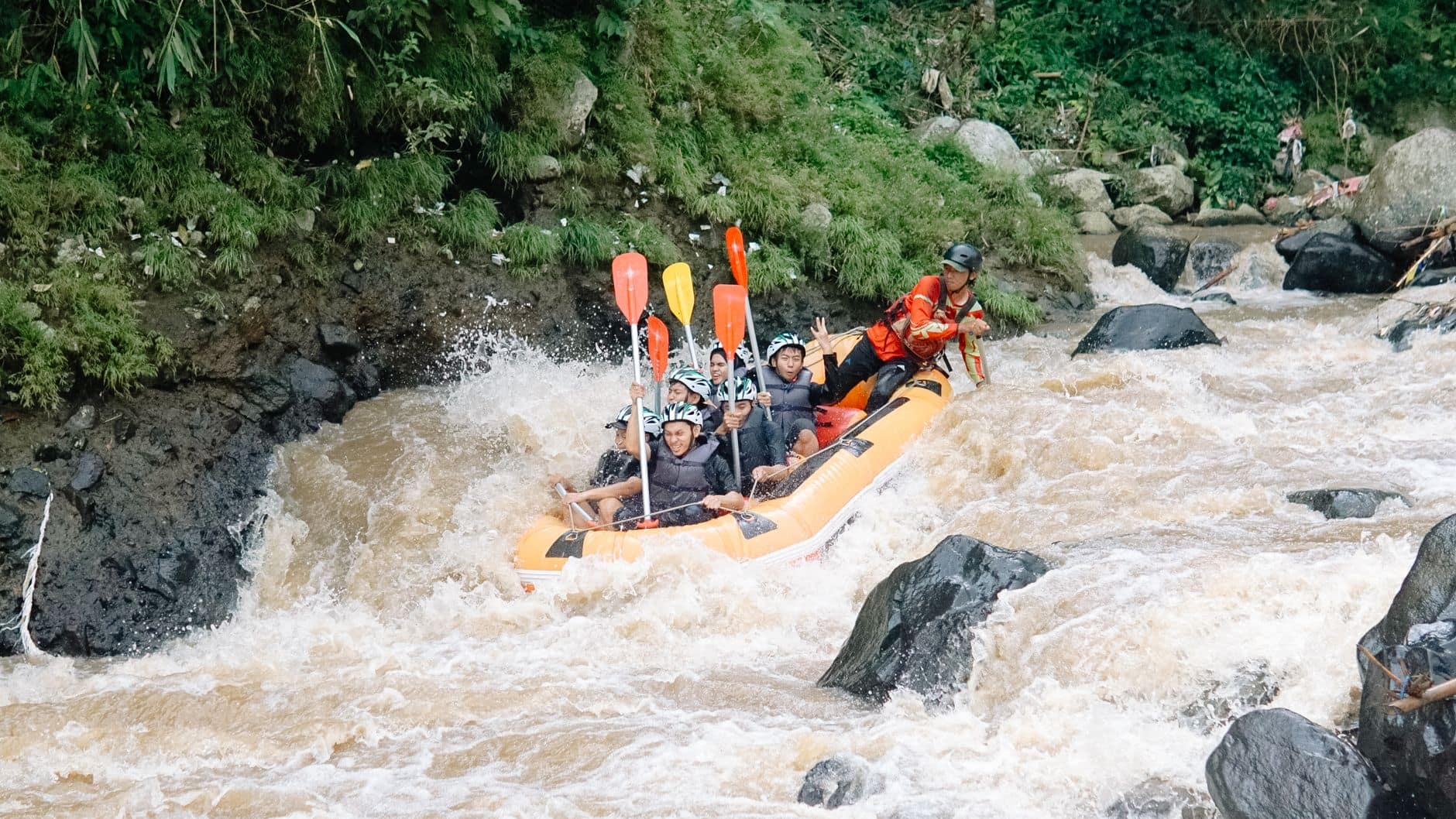
Bali White Water Rafting, Ayung River
White water rafting is one of Bali's easiest adventure products to fit into a trip because it feels active without being overly technical. It is especially strong for guests who want something memorable that still works for mixed groups.
- Duration
- 4-6 hours
- Area
- Bali river routes
- Format
- Adventure activity
- Best for
- Families, couples, and active groups
From $25 No prepayment
View tour