

From November to March the monsoon blows the famous west-coast breaks out by mid-morning, and Bali's second surf map opens: Keramas, Sanur, Serangan, Nusa Dua and Padang Galak turn offshore instead. This guide explains the seasonal inversion honestly, including the part most pages skip — the wind flips but the swell does not, so the east coast runs smaller and its marquee waves need real swell to switch on. Then we go break by break: who each wave is actually for, the tide band that keeps you off live coral, the crowds and localism as they really are, and the dawn-wind rule that decides whether you surf at all. Plus the logistics that make or break an east-side session — drive times, jukung prices, and getting boards to the beach before first light.
By Alex Moskvin, Founder of SB Excursions · Published 21 May 2026 · Updated 16 October 2026
Tour on this route: Private Car with Driver in Bali — From $59 per car, flexible daily use.
When is the best time to surf Bali's east coast?
November to March, when the west-to-northwest monsoon blows offshore on the east side — at Nusa Dua, ideal offshore wind runs around 60% of the time in December-February against almost none from May to September. You can still surf Keramas or Sanur in the dry season, but only in the window from first light to about 9:30am, before the trades swing everything onshore.
This guide also answers:
- Can beginners surf in Sanur?
- Why is Serangan the go-to wet-season surf spot?
- Where should you surf in Bali during the wet season?
Top picks from this guide
 #1
#1
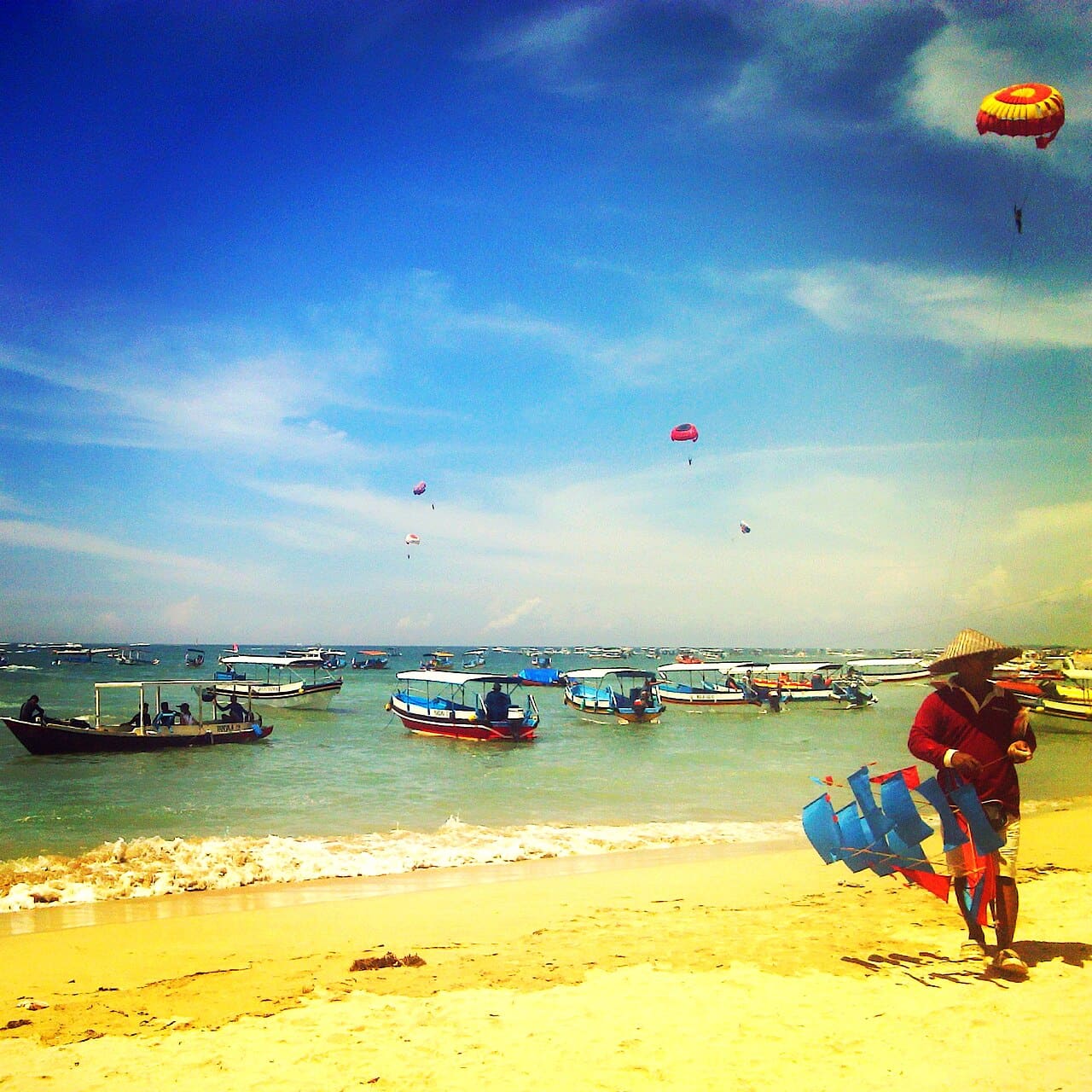
Serangan (Turtle Island)
A field of shifting lefts and rights over coral-and-stone reef, and the biggest swell magnet on the east coast — it starts working under 3 ft, holds 6 ft-plus and rarely goes flat. The inside A-frame suits improvers on small days; the outside peaks are for experienced surfers. Expect the most crowded lineup of the wet season, and also the friendliest — the vibe is consistently reported as good-natured. Mid to high tide; at low you are walking on live coral and urchins.
 #2
#2
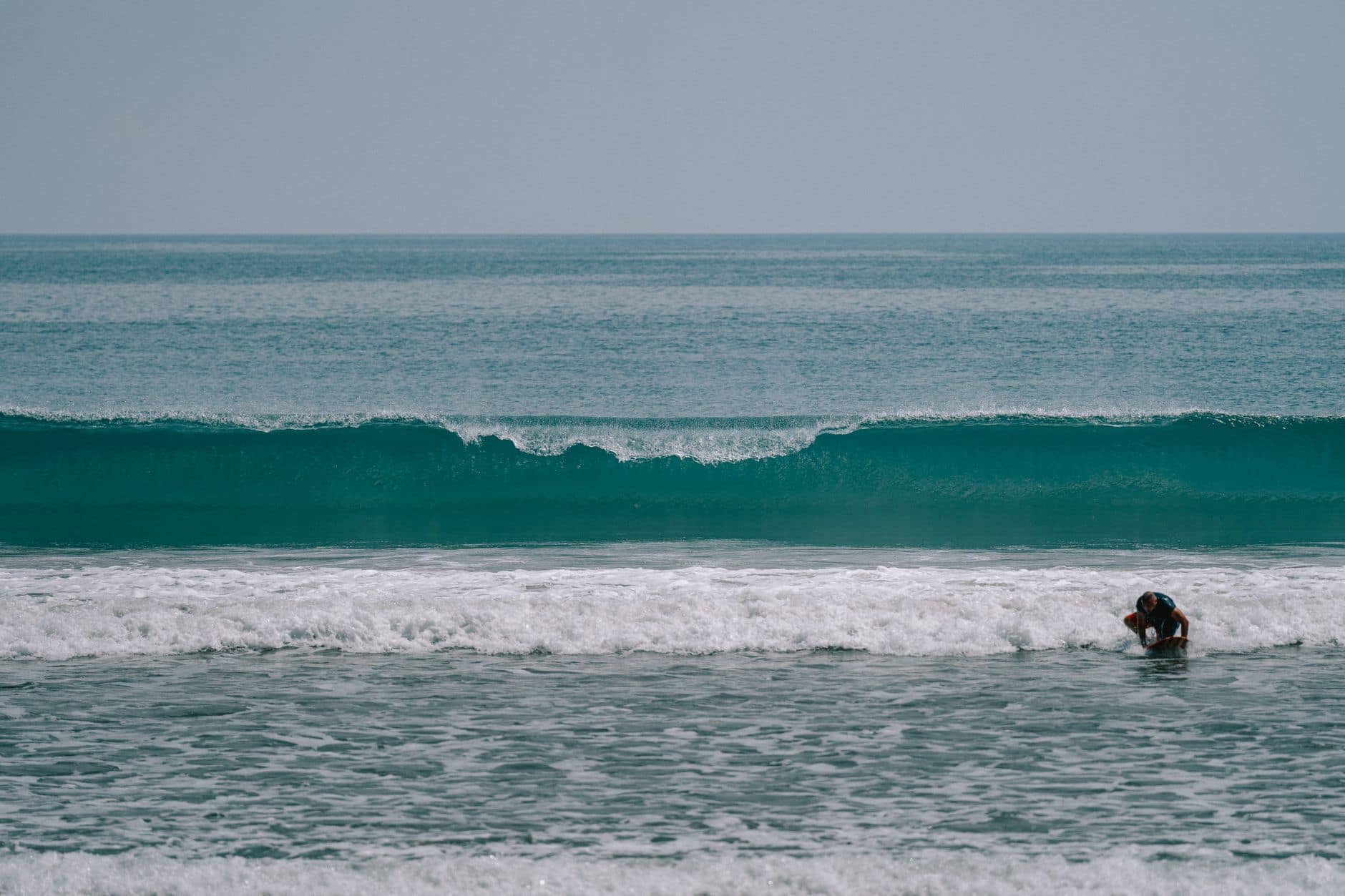
Keramas
A world-class right over black volcanic reef, fed by a river-cut channel that funnels swell straight onto the peak — which is why it stays rideable on small days and jacks so abruptly. Wet season is prime and when it barrels best, from about 3 ft up to double overhead. It is also a WSL venue with floodlit night surfing at Komune, busy from dawn, with real localism and a jagged reef that has ended trips. Advanced and up, mid to high tide, never low.
 #3
#3
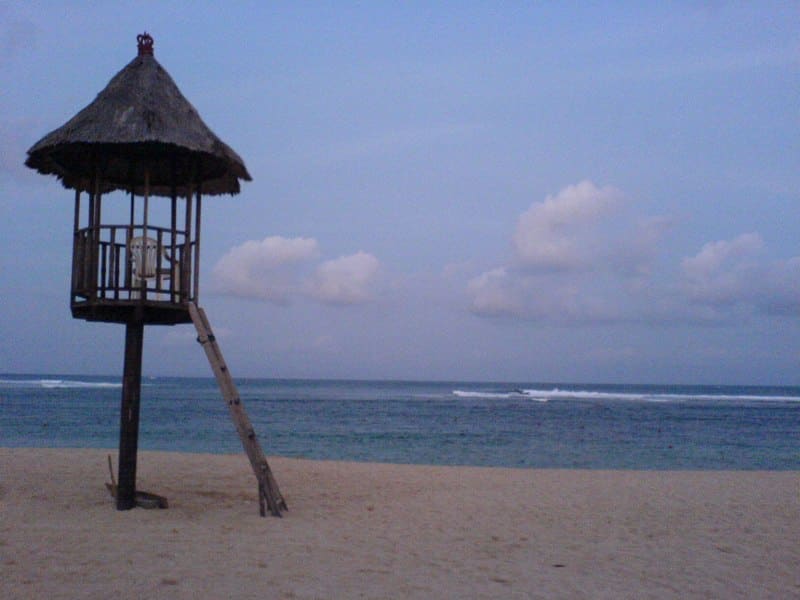
Nusa Dua — Main Peak and satellites
The wet season's answer to Uluwatu: exposed enough that it almost never goes flat, which makes it the banker on the small days that dominate November to March. The Main Peak is a long right that starts around 3-5 ft and holds 12 ft-plus — advanced to expert territory — while the satellite peaks nearby give intermediates a way in. Budget for the position: the reef sits well offshore, the sweep runs like a river on higher tides, and a boat beats the twenty-minute paddle.
 #4
#4
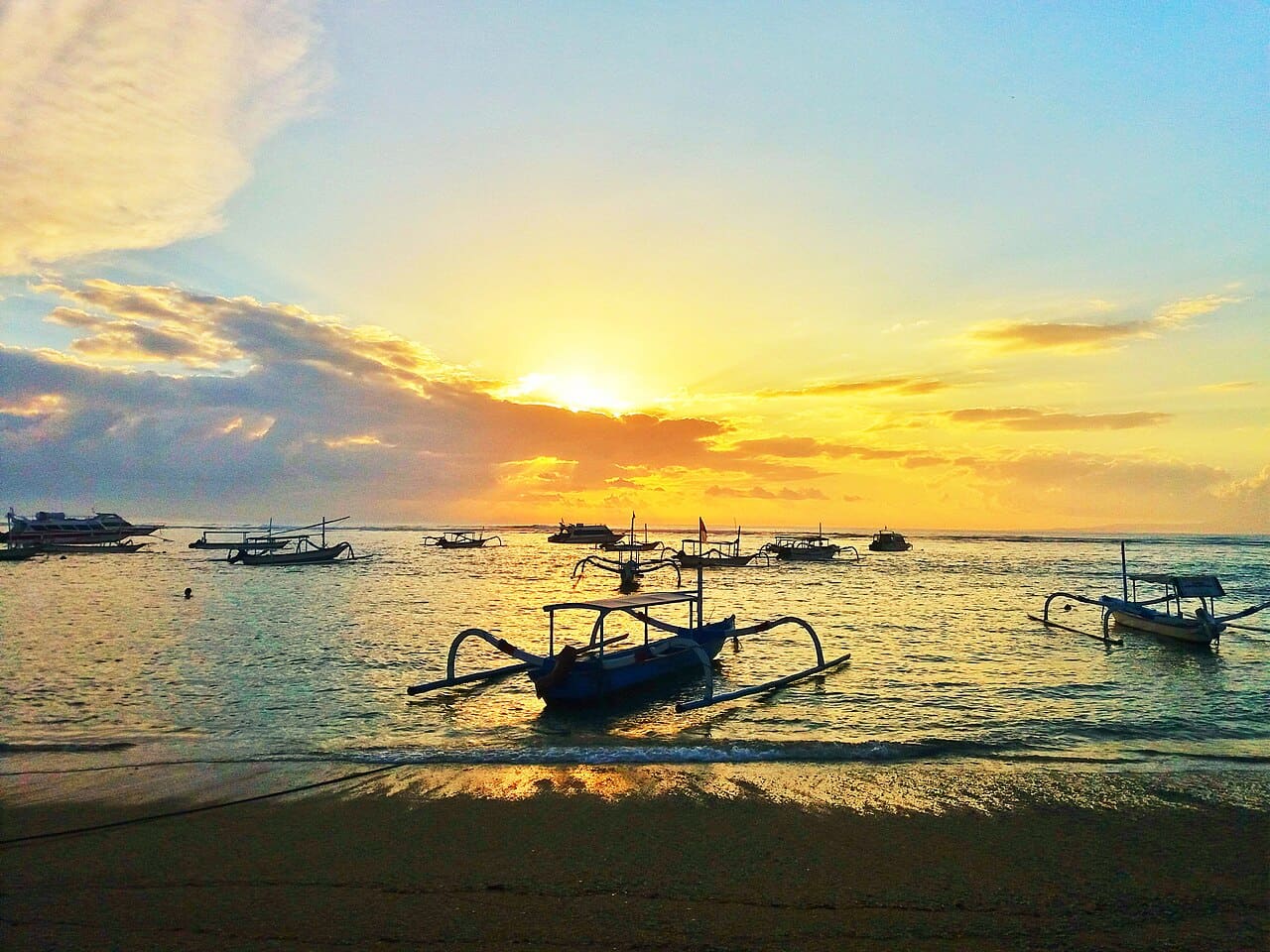
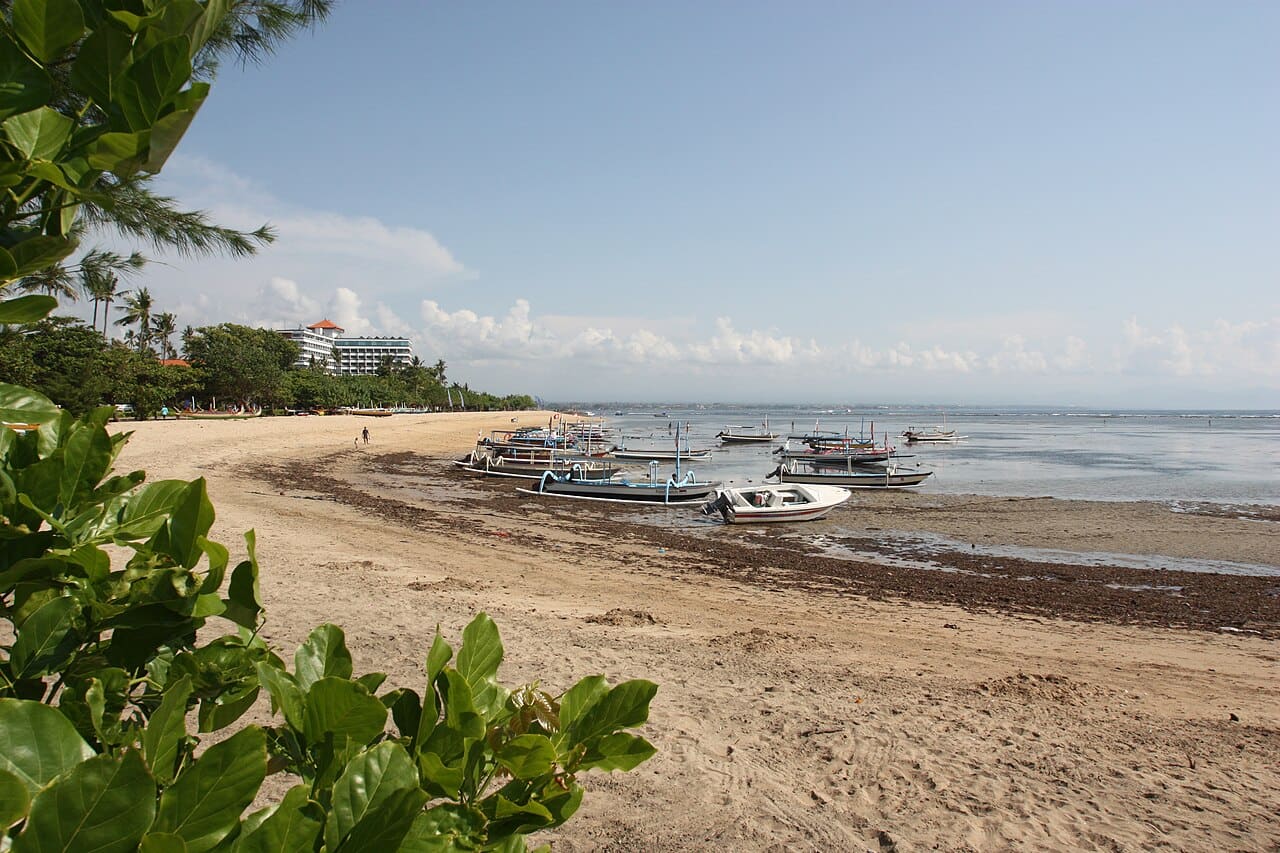
Sanur — Baby Reef
The entry point that makes the east side work for everyone else: mellow lefts and rights breaking in deeper, more forgiving water inside Sanur bay, 700 m to a kilometre off Pantai Mertasari. It works best on the small swells that frustrate the outer reefs, which is exactly why Sanur's surf schools and longboarders live here. The crowd is busy but calm rather than competitive. Take a jukung out — around Rp 90,000 for a three-person boat — and keep it to mid or high tide; it is still reef.
 #5
#5
Sanur Reef
When it lines up, one of the fastest, hollowest right barrels in Indonesia — rides of 100 m-plus get reported. The catch is the word when: even in its best month it is rideable only around 22% of the time, and the local benchmark says the Nusa Dua reefs must be double-overhead before it truly wakes. Very shallow sharp coral, serious currents off the Lombok Strait, and localism that several independent sources call entrenched. Experts only, by boat from Mertasari, on the mid-to-high window.
#6
Padang Galak
The one sand-bottom option in the group: a black-sand rivermouth beach break with a fast right and a left that bends over a bowl of reef. Sandbars shift, so the wave — and its best tide — changes between seasons; check it on the day rather than trusting last year's notes. Consistent, around 150 days a year, and the natural pick for surfers not ready to fall on coral. Honest caveats: a board-snapping shore dump, rocks in the sand, and rivermouth water worth skipping after heavy rain.
 #7
#7
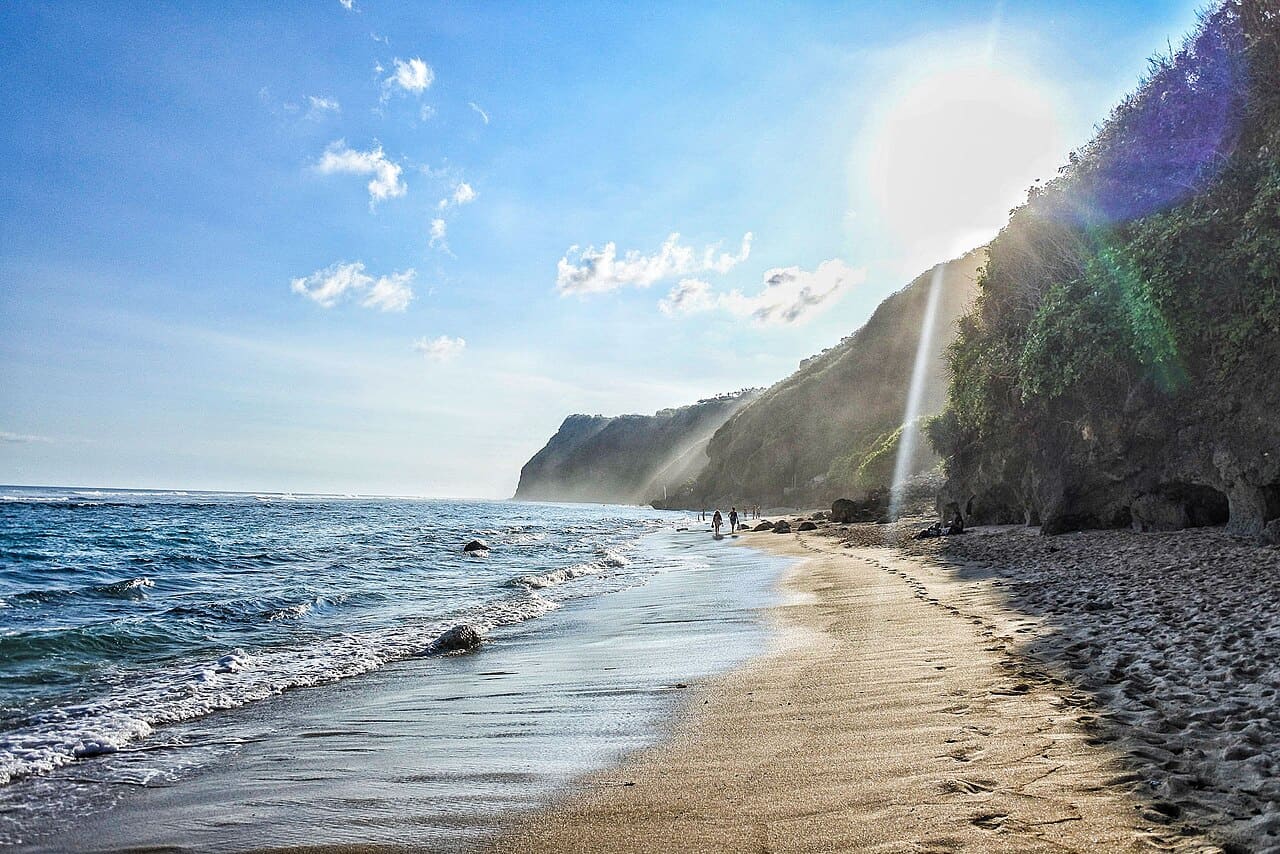
Green Ball (Green Bowl)
The odd one out — it sits on the Bukit's south tip near Ungasan, not the east coast, and earns its place in wet-season lists purely on wind: it needs a northerly, and a plain westerly blows cross-shore here. On a small swell at dawn it is an uncrowded right, with a left on offer, over reef, reached by a long, steep cliff staircase that keeps the lineup thin. Respect the rip running out through the channel, and treat it as a quiet morning option, not a backup for Keramas.
Why the east coast switches on in the wet season
Bali's surf seasons are a story about wind, not swell. From roughly April to October the dry-season trades blow from the east to south-east — offshore at Uluwatu and the Kuta-Canggu strip, straight onshore at Sanur and Keramas. From roughly November to March the monsoon arrives from the west to north-west and the island flips: the beaches in our Canggu surf guide turn to chop by mid-morning while the east coast wakes up offshore. The swap is near-total — at Nusa Dua, ideal offshore wind runs around 60% of the time in December-February and falls to almost nothing from May through September.
What never flips is the swell. Every wave Bali gets is Southern Ocean groundswell from the south-west to south, all twelve months, and the east coast only receives it after it bends around the Bukit and through the Bali-Lombok gap. It arrives filtered: on the same day the east side usually runs smaller than the west, wet-season swell is smaller to begin with — the typical range is quoted at 2-5 ft — and Sanur sits in an extra shadow cast by Nusa Penida. So the reliable wet-season calls are the swell magnets, Serangan and Nusa Dua, which almost never go flat; Keramas is the quality wave but goes quiet on small swell, and Sanur Reef needs the Nusa Dua reefs double-overhead before it wakes at all. Our month-by-month season guide puts numbers on every month.
The dawn-wind reality
In the wet season the monsoon itself is your offshore, and it is generous: January reports at Keramas show light offshore holding well past midday. The constraint is the sky instead — afternoon squalls and thunderstorms are the session-enders from November to March, so the rhythm is surf the morning, keep one eye on the horizon after lunch.
In the dry season the east coast still opens, but strictly early. Overnight the trades weaken and cool air drains off the slopes of Mount Agung, spreading seaward as a land breeze that holds a light offshore over Keramas and Sanur at first light. As the land heats, the sea breeze and the returning trade swing it all onshore — in August the flip lands around 9:00-9:30am. Paddle out at dawn or accept a bumpy session; there is no afternoon rescue. How wind, tide and swell period interact is unpacked in our conditions guide.
One outlier to file correctly: Green Ball appears in wet-season lists, but it sits on the Bukit's south coast, not the east, and it wants a wind from the north — a plain westerly blows cross-shore there. Treat it as a dawn-glass call on small swell, not a monsoon banker.
One tide rule for the whole coast
Bali runs a big, fast tide — the spring range at Sanur reaches about 2-2.4 m, which can carry a reef from perfect to dry inside one session. Across the east coast the safe rule is mid to high, never low: low tide means sharp live coral at Sanur, Serangan and Nusa Dua, and jagged exposed volcanic rock at Keramas. Guides argue about each spot's exact optimum, so read these as bands rather than appointments:
- Keramas — mid to high; sources disagree on which is better, none of them defend low
- Serangan — mid to high; at low you are walking across live reef and sea urchins
- Nusa Dua — mid to high, with the caveat that the sweep along the reef runs hardest on the higher tides
- Sanur Reef — a narrow mid-to-high window; the high tide fattens the barrel and is what makes it survivable
- Padang Galak — a sandbar break, so the best tide depends on this year's banks; check on the day
Getting boards to the east side before first light
Because the whole game is arriving early, the drive is part of the surf plan. Serangan sits 15-20 minutes from Sanur and about 15 from the airport; Keramas is roughly 45 minutes from Sanur up the coastal bypass, with paid parking behind the beach and a short walk to the channel; Padang Galak hides down a gravel track that is genuinely hard to find on a first visit. A private car with driver runs from $59 for the day, boards fit inside, and pre-dawn pickups are normal for us — you want to be waxing up at first light, not watching the wind turn through a windscreen.
Two access notes. The Sanur reefs are boat territory: local jukungs run from the Mertasari beachfront for around Rp 90,000-100,000, and at Nusa Dua a boat beats the twenty-minute paddle to the Main Peak. Serangan is the honest asterisk — current guides contradict each other on whether you can still drive the causeway or whether access went boat-only, so we confirm the arrangement on the day rather than promise either version. And since Sanur doubles as the fast-boat port, fast boat tickets with pickup from $15 are easy to fold into the same trip — just know that Lembongan's Shipwrecks is a dry-season wave, onshore in exactly the monsoon that lights up this coast.
Match the wave to your level — the honest version
The east side is mostly reef, and its marquee waves are not tour products. Keramas is advanced to expert: an abrupt take-off over jagged rock, a world-tour pedigree, and a lineup that is packed and competitive from dawn, with localism that is real. Sanur Reef is expert only, with localism several independent sources describe as entrenched. Nusa Dua's Main Peak holds some of the biggest paddle-in surf on the island. We drive more clients to watch Keramas barrel than to surf it, and we consider that good guiding.
The defensible recommendations are Serangan for intermediates — crowded, forgiving, good-natured — Baby Reef for beginners and longboarders, and Padang Galak for anyone not ready to fall on coral. If you are still at the whitewater stage, a private surf lesson from $35 with board and coach included is a faster road than trial and error on a reef, and our intermediate spots guide maps the step after that.
FAQ
When is the best time to surf Bali's east coast?
November to March, when the west-to-northwest monsoon blows offshore on the east side — at Nusa Dua, ideal offshore wind runs around 60% of the time in December-February against almost none from May to September. You can still surf Keramas or Sanur in the dry season, but only in the window from first light to about 9:30am, before the trades swing everything onshore.
Is Keramas suitable for intermediate surfers?
Treat Keramas as advanced to expert. The wave jacks abruptly over jagged volcanic reef, the end section runs shallow, and the lineup — a world-tour venue with floodlit night sessions — is crowded and competitive from dawn, with real localism. One guide rates it intermediate-friendly; every other source we trust says otherwise. Intermediates get more waves and a far friendlier crowd at Serangan, back toward Sanur.
Can beginners surf in Sanur?
Yes — at Baby Reef, the mellow inside break in Sanur bay where the surf schools operate. It breaks left and right in deeper, more forgiving water, works best on small swell, and the crowd is calm. Take a jukung from Pantai Mertasari, around Rp 90,000 for three people, and stick to mid or high tide. Do not confuse it with Sanur Reef, the expert wave on the outer reef — the names get blurred and they are different sports.
Why is Serangan the go-to wet-season surf spot?
Because it catches the most swell on the east coast and rarely goes flat — deep water offshore lets it work from under 3 ft — while NW through SW winds all keep it clean when other spots go sideshore. The price is Bali's most crowded wet-season lineup, though it is consistently reported as the friendliest. One honest note: land access over the causeway is disputed in current guides, so confirm the arrangement, or go by boat, before you commit.
Where should you surf in Bali during the wet season?
On the east and south-east side: Serangan and Nusa Dua as the reliable calls, Keramas when a proper swell runs, Baby Reef for beginners, Padang Galak for a sand bottom. The west coast — Kuta, Canggu, the Bukit's west reefs — spends December to March onshore and choppy, and the monsoon also delivers a plastic tide onto the west-facing beaches. Wet-season waves are smaller, typically quoted at 2-5 ft, but the mornings are clean.
What tide should you surf on Bali's east coast reefs?
Mid to high, and never low — that is the one rule the whole coast agrees on. Bali's spring tides move around 2-2.4 m in about six hours, and at low the reef flats turn into exposed live coral at Sanur, Serangan and Nusa Dua and jagged volcanic rock at Keramas. Guides disagree on each spot's exact optimum, so read the band, not the hour, and remember a session can change completely as the tide swings.
Recommended Bali tours for this guide
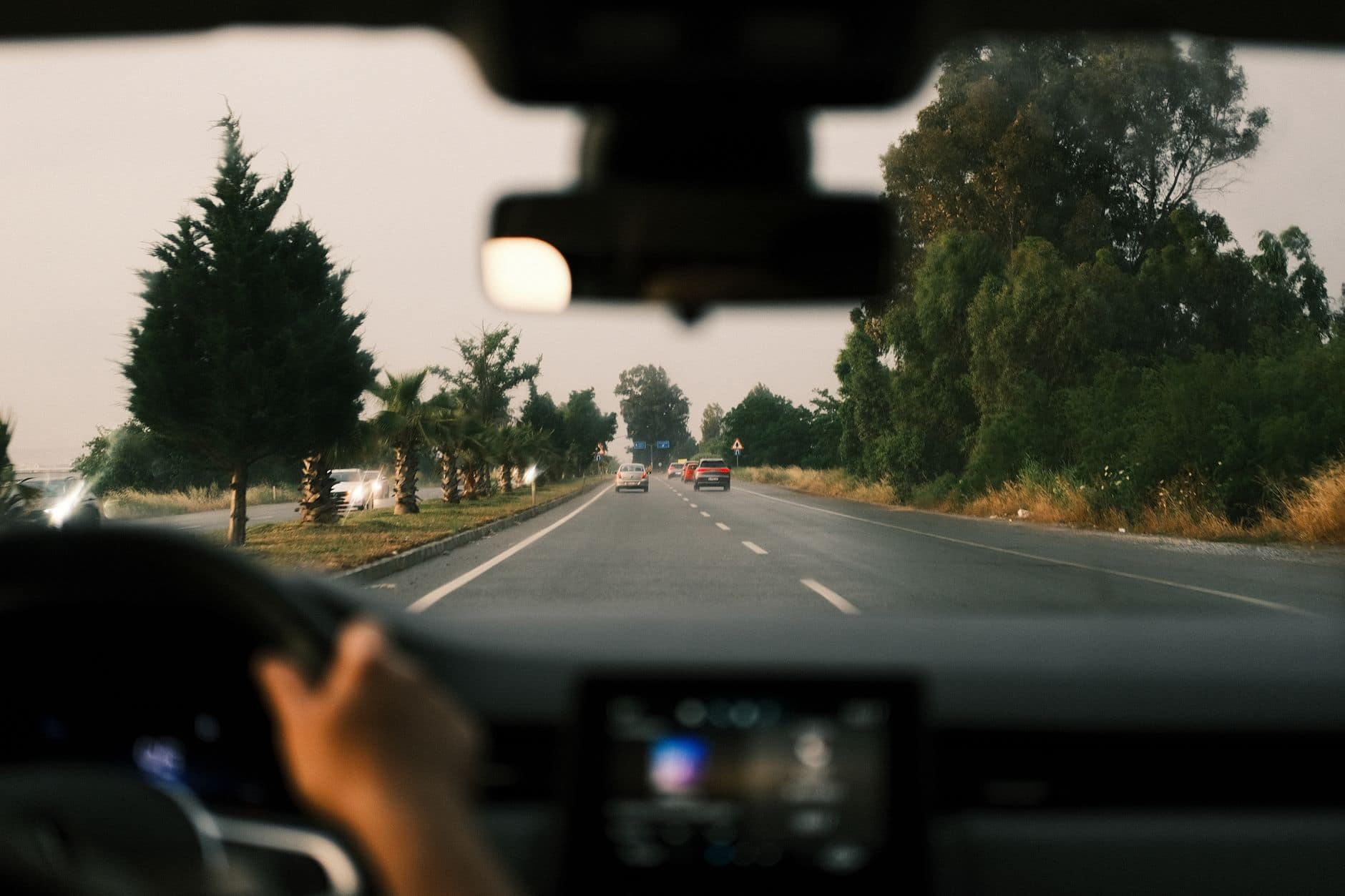
Private Car with Driver in Bali
This is one of the most useful products in Bali because so many plans become easier once transport is flexible. It is perfect for custom sightseeing, shopping days, family pacing, and travelers who already know roughly where they want to go.
- Duration
- Flexible daily use
- Area
- All major Bali regions
- Format
- Private transport service
- Best for
- Travelers who want total route flexibility
From $59 per car No prepayment
View tour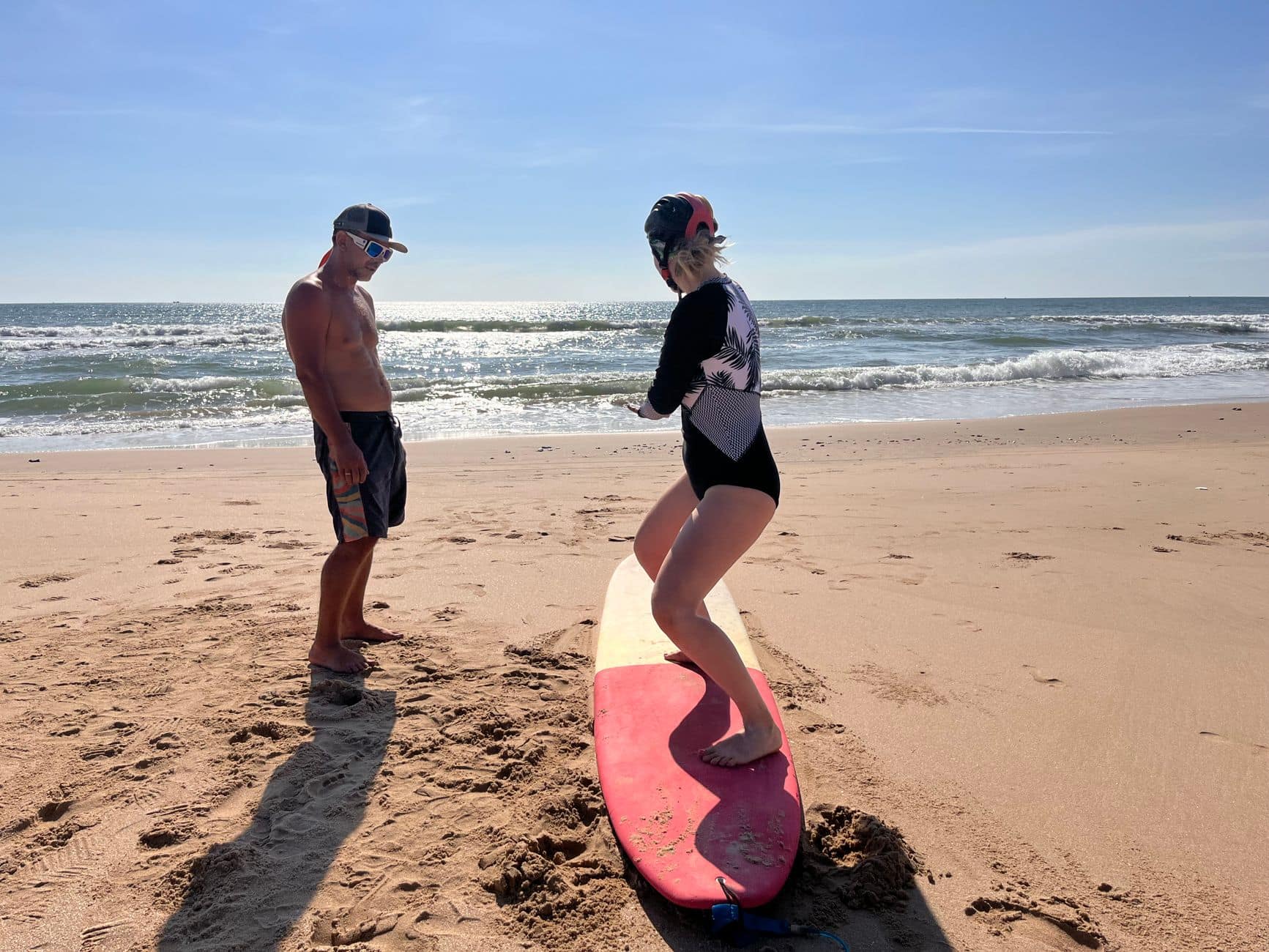
Bali Surf Lesson for Beginners
A surf lesson is one of the best short-format Bali activities because it feels local, active, and iconic without taking over the whole day. It is ideal for couples, friends, solo travelers, and anyone curious about the island's surf culture.
- Duration
- 2-4 hours
- Area
- Beginner-friendly Bali surf beaches
- Format
- Water activity
- Best for
- Beginners and casual active travelers
From $35 No prepayment
View tour
Bali Fast Boat Transfer
Fast boats are simple once booked correctly, but confusing when you are juggling ports, check-in windows, and hotel distance. This service helps turn the whole process into a clean transfer day instead of a stressful logistics puzzle.
- Duration
- Depends on destination
- Area
- Bali harbors and island routes
- Format
- Transfer service
- Best for
- Island-bound travelers
From $15 No prepayment
View tour