

The surf between Canggu and Uluwatu gets more crowded every season, and the honest fix is not a secret spot — it is distance. Drive west for two hours and Bali changes: the lineups at Medewi and Balian hold a fraction of the south-coast crowd, Medewi's left point peels for several hundred metres, and Balian's rivermouth works year-round on every tide. The price of that space is real: 2-2.5 hours in the car to Medewi, a cobblestone entry that punishes bare feet, and strong currents with nobody much around. This guide covers both waves honestly — tides, seasons, hazards, who they suit — plus the two smaller spots nearby, what the drive actually takes, and how to bring boards without arguing with a hatchback.
By Alex Moskvin, Founder of SB Excursions · Published 21 May 2026 · Updated 23 October 2026
Tour on this route: Private Car with Driver in Bali — From $59 per car, flexible daily use.
Is Medewi the best longboard wave in Bali?
It is the strongest candidate on the island. Medewi is a slow, mellow left point that peels for several hundred metres — up to roughly 500 m on the right swell — and it is famous for length rather than power, which is exactly what a longboard wants. Ride it around mid to high tide, wear booties for the boulder entry, and go at dawn while the northeast land breeze holds the face clean.
This guide also answers:
- Are Medewi and Balian really uncrowded?
- How long is the drive from Canggu to Medewi and Balian?
Top picks from this guide
 #1
#1
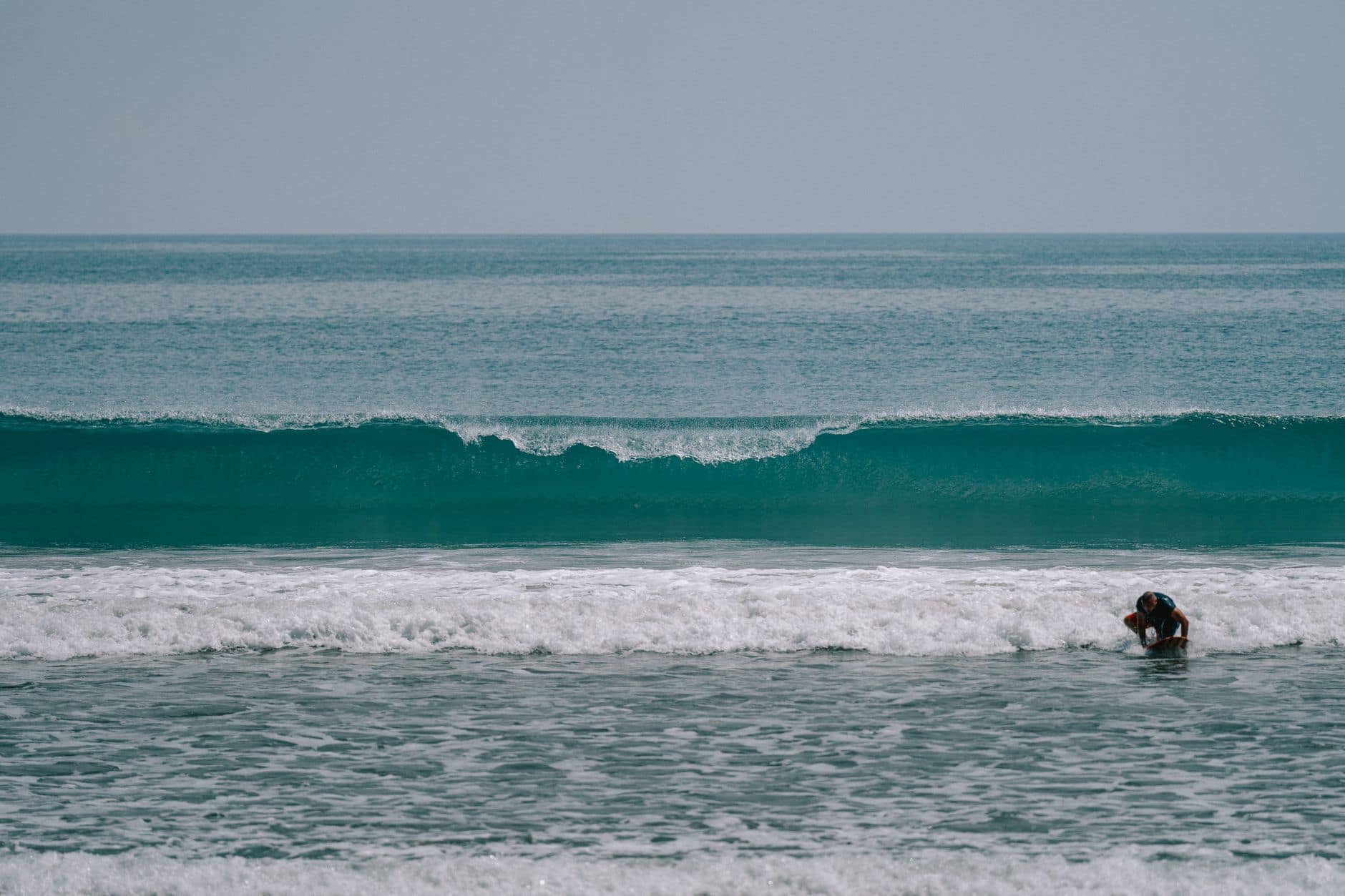
Medewi — the long left point
Bali's signature long left: a slow, mellow wall peeling over a cobble-and-sand shelf for several hundred metres — up to ~500 m on the right swell. It is famous for length, not power, which is exactly why longboarders love it. Best around mid to high tide; it breaks on all tides, but low water exposes the boulders. Dry season, May to October, brings the most power and the cleanest morning offshores.
 #2
#2
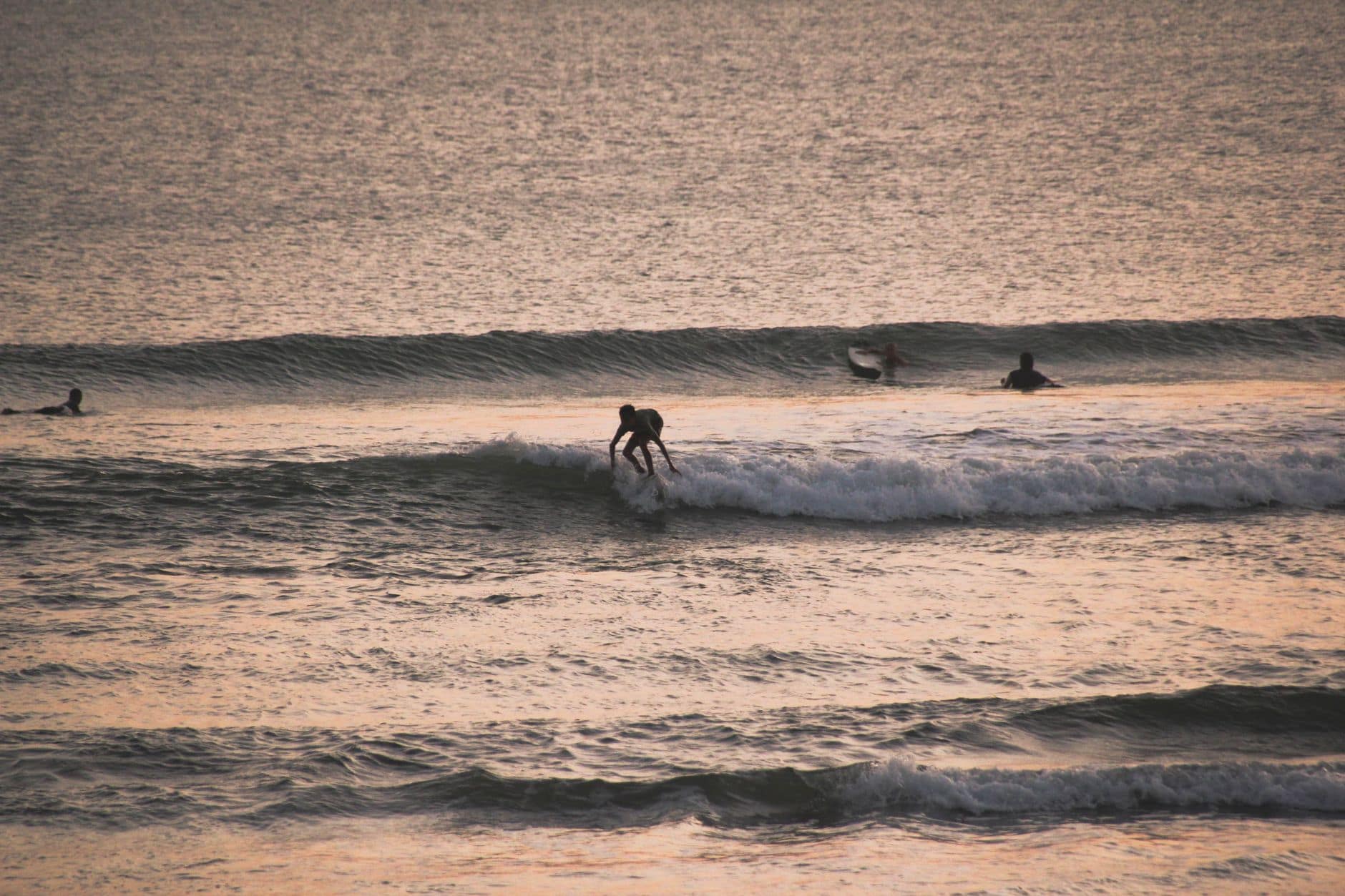
Medewi Right
A few hundred metres south of the famous left, a genuinely separate wave breaks right off the rivermouth — faster, steeper and hollower than the point, over the same boulder bottom. It needs more swell to work and the takeoff is not for improvers, but the lineup is notably lighter than the main peak. Walk south along the beach, cross the first river, and ask a local where the paddle-out channel runs.
 #3
#3
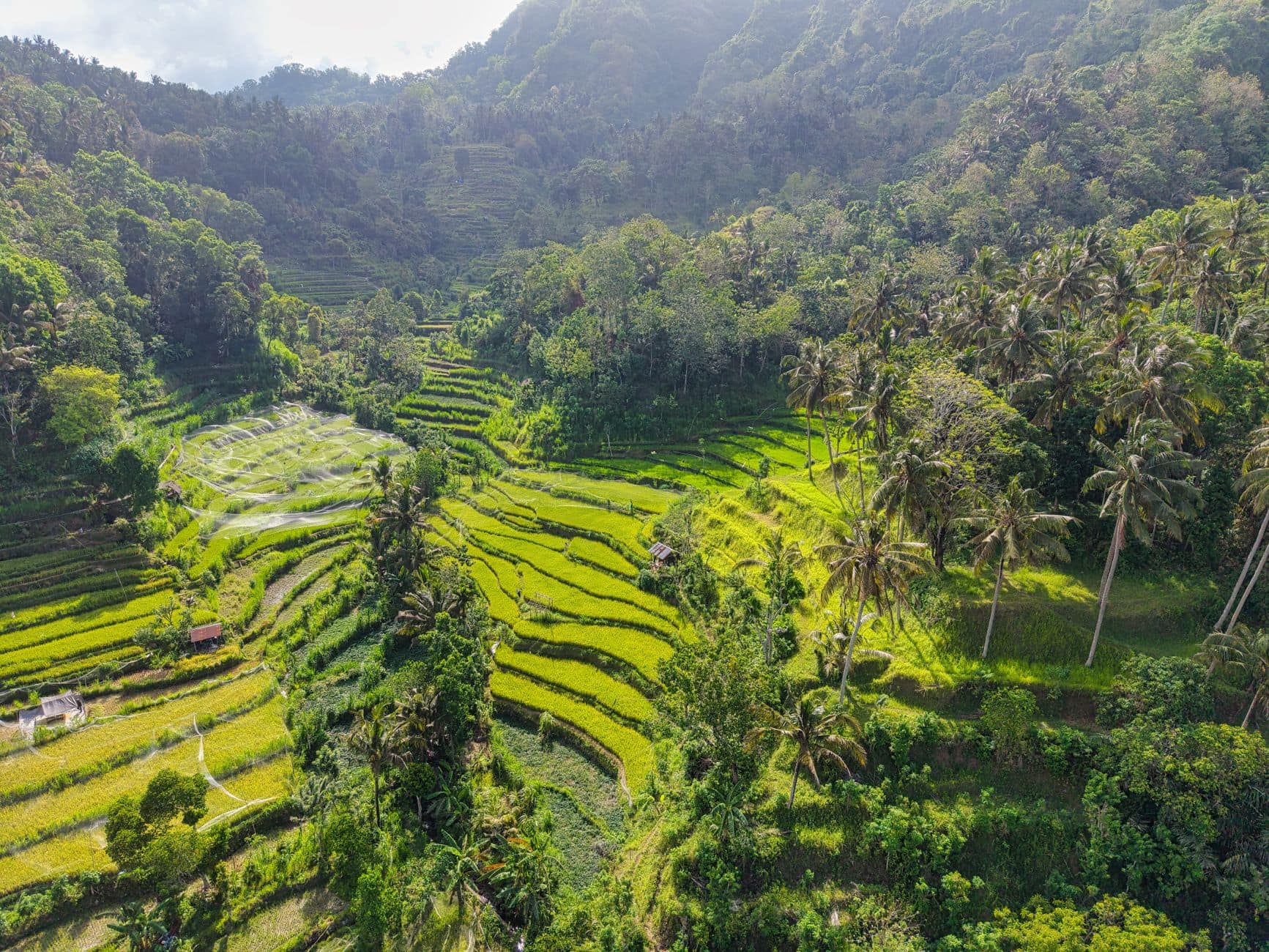
Pulukan
The standard fallback: an A-frame over sand and rock with a notable right, one beach east of Medewi on the same road. It works on low to mid tide, picks up swell when Medewi is too small, and shuts down when the swell gets too big. More exposed to wind than the point, so it is a morning call — but the crowd is close to zero most days.
 #4
#4
Balian — the rivermouth
The most consistent spot in west Bali and the easiest place on the island to promise waves: it works year-round and on all tides — lower tide punchier, higher tide mellower. The river builds a cobble bank where the lefts wrap longer than the rights, and it holds anything from knee-high to triple overhead. Fine for improvers on small days; it gets serious above head-high. Skip the first rains of the wet season — the river runs dirty.
 #5
#5
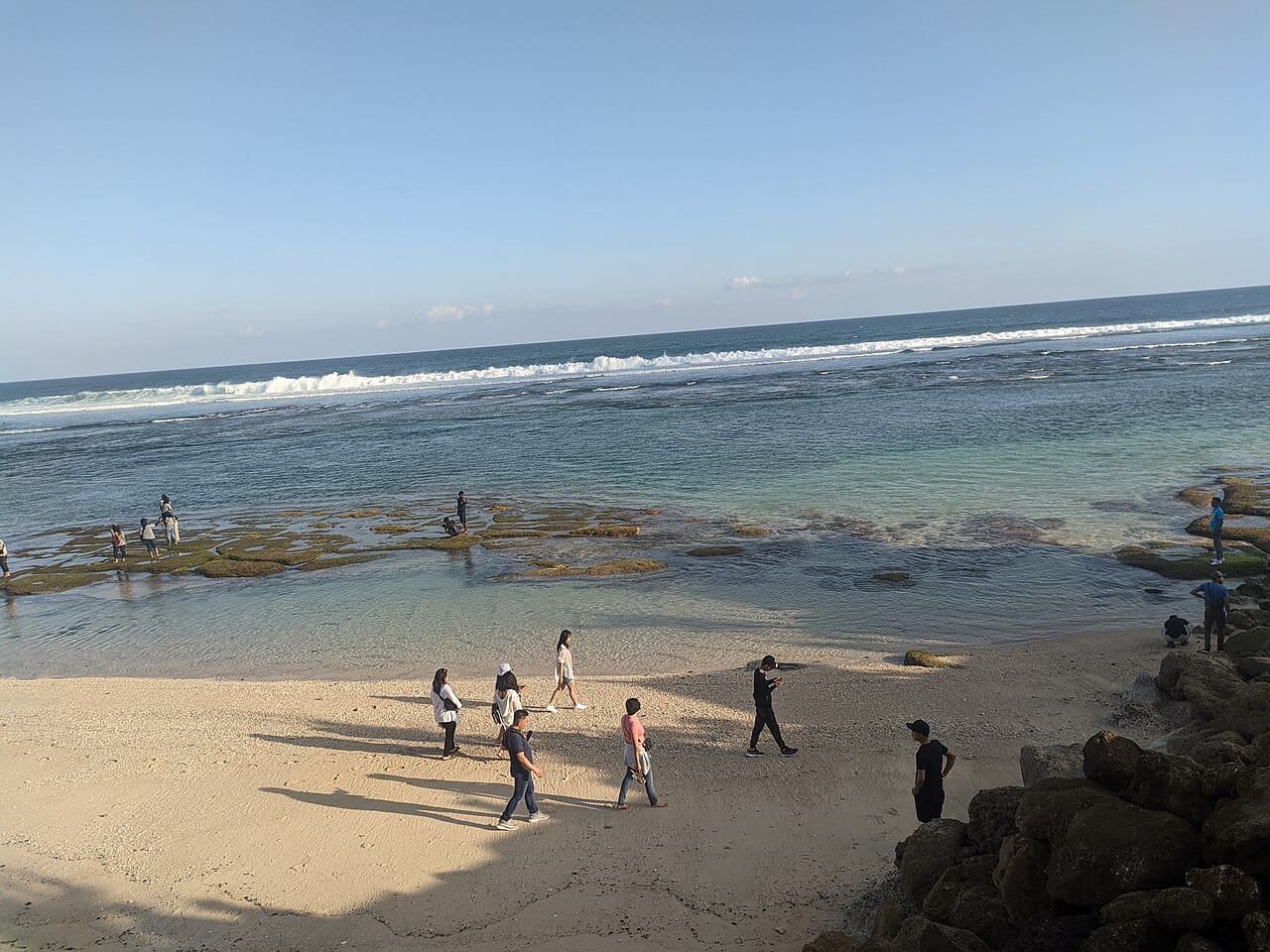
Soka — a stop, not a session
We list Soka as a beach stop, not a surf spot, and that is deliberate. The only two surf reports we could find flatly contradict each other — one describes a mellow longboard paddle, the other an extremely shallow outer reef that is rarely surfed — and no source gives a tide or a wave direction. As a black-sand photo-and-coffee stop on the way to Balian it earns its place; as a session it is a gamble we will not sell you.
 #6
#6
The drive west
The road is sealed the whole way and a normal car handles it fine — the constraint is the boards, not the asphalt. Small hatchbacks, which is what most ride-hail cars in Canggu are, frequently cannot take them, and drivers develop sudden 'car problems' when a board bag appears. Book a van or an SUV with racks, confirm board carriage when you book, and leave before dawn to meet the land breeze.
Why Bali's quietest surf is two hours west
Every season the lineups from Canggu to Uluwatu absorb more surfers, and every season more people ask us about uncrowded surf spots in Bali as if there were a password. There is not. What exists is distance: the coast between Balian and Medewi catches the same southwest swell as the famous breaks, but it sits a real drive from the cafes, and that drive is the whole filter. Medewi runs light to moderate midweek and only fills when a proper swell lands; Balian is explicitly rated low-crowd by the same guides that call it ultra consistent; Pulukan, one beach further, is close to empty. The west is getting busier year on year — but it remains nowhere near Kuta or Canggu levels, and these are the quietest established waves on the island that a normal car can reach.
One structural note before the spot-by-spot: west Bali is goofy-foot country. Medewi is a left, and at Balian the lefts wrap longer and arrive more often than the rights — the only dependable right out here is Medewi Right, which needs extra swell to break at all. If you surf regular and hate your backhand, weigh that before committing to the drive; our map of Bali's best surf spots shows where the rights live.
Medewi: the long left, and what the cobblestones do to your feet
Medewi is Bali's signature long left point — a slow, unhurried wall that peels down a cobble-and-sand shelf for several hundred metres on a good swell. Exactly how many hundred is genuinely disputed: one surf camp claims over 800 m, another says up to 500 m, so we will promise you up to ~500 m and let the wave over-deliver. It is famous for length, not power, and that is precisely the appeal — this is the closest thing Bali has to a purpose-built longboard wave, and single-fins outnumber shortboards most mornings. Tide: best around mid to high. It breaks on all tides, but a fuller ocean keeps the wall smooth and the boulders covered.
Now, your feet. The entry is a field of rounded boulders — slippery, some barnacle-covered — and you cross it at least twice per session. At low tide the rocks stand exposed and the walk gets slower and meaner; booties are strongly recommended, and nobody who packed a pair has ever regretted it. From the parking and the warungs it is about a five-minute walk across the rocks to the water. Once in, respect the currents and rips — the wave is gentle, but the ocean around it is not obliged to be. In the wet season Medewi goes smaller and mushier, which actually suits learners, though the water quality drops after rain.
Balian: the rivermouth that always has something
Balian is the easiest wave in Bali to promise someone. It is rated ultra consistent, works year-round, and breaks on all tides — the tide changes its character rather than switching it off: lower tide livens it up into punchier, more performance-style walls, higher tide mellows it out. The river feeds a cobblestone bank at the mouth and the peaks shift along it, lefts and rights both, with the lefts longer. It holds everything from knee-high to triple overhead, and the guides that rate it say it is best around head to head-and-a-half high and excellent up to double overhead.
Two honest notes. First, skill level: sources genuinely disagree about who Balian is for — one lists it beginner-to-intermediate, another intermediate-to-advanced — and both are right, because the wave changes personality with size. Call it improver-friendly when small, serious above head-high. Second, the rivermouth itself: avoid the first rains of the wet season, when stormwater runoff pushes dirty water into the lineup. Sea urchins and jellyfish turn up, and occasional shark sightings are reported in several guides — anecdotal rather than confirmed, but we would rather you hear it from us than in the lineup. For how tide, swell and wind interact on this coast, our tides, swell and wind guide goes deeper.
Getting there with boards: the drive is the easy part
The road is not the obstacle people imagine. The Denpasar-Gilimanuk trunk road is sealed the whole way, a normal car handles every metre of it, and there is no 4WD moment anywhere. The real constraint is the boards: standard hatchbacks — which is what most ride-hail cars in Canggu are — frequently cannot take them, and drivers are known to develop sudden 'car problems' when a passenger appears with a board bag. Scooter racks are the local solution, and they are the wrong solution here: a two-hour-plus highway run with a board on your hip is no way to arrive fresh for a long paddle.
This is exactly the trip our private car with driver exists for — from $59 for the day, boards fit, the driver leaves when you say and waits while you surf. Tell us at booking that boards are coming and we send a car they actually fit in. Leave before first light: the reliable clean window out west is the dawn land breeze off the northeast quadrant, and it is worth being in the water while it still holds. Some surfers skip the south coast entirely and point west straight from the plane — a private airport pickup from $15 starts the trip without a taxi negotiation. For what renting versus bringing your own actually costs, see our board rental and transport guide.
- Balian: ~1.5-2 hours from Canggu or Seminyak on the sealed west-coast road
- Medewi: 2-2.5 hours, longer in traffic — sources quote anything from 1.5 to 3 hours; plan for the honest end
- Balian to Medewi: ~24 km, about 30 minutes — close enough to check both in one morning
- Boards need roof racks, a van or an SUV — arrange it at booking, not at the kerb
So is the two-hour drive worth it?
For the right surfer, without hesitation. If you are an improver or better who counts waves per session rather than bars per beach, a longboarder chasing length, or a goofy-footer tired of living on your backhand — the west coast pays the drive back with interest, in wave count and in silence. If you are a complete beginner, honestly, no: your money is better spent on a sand-bottom beach in the south, where a private lesson costs from $35 with board and coach included, and the spots in our beginner spots guide forgive every mistake a cobblestone shelf would punish.
Two ways to squeeze more from the trip. First, stay a night: Balian and Medewi are about 30 minutes apart, and two dawn sessions for one drive changes the arithmetic completely. Second, break the drive at Soka — a black-sand beach between Tabanan and Balian that we list as a photo-and-coffee stop, not a surf spot, because the few reports about its wave flatly contradict each other. Stretch your legs, take the picture, keep driving. Booking, as always, is a WhatsApp message with no prepayment — tell us the date and whether boards are coming, and we will tell you what time to set the alarm.
FAQ
Is Medewi the best longboard wave in Bali?
It is the strongest candidate on the island. Medewi is a slow, mellow left point that peels for several hundred metres — up to roughly 500 m on the right swell — and it is famous for length rather than power, which is exactly what a longboard wants. Ride it around mid to high tide, wear booties for the boulder entry, and go at dawn while the northeast land breeze holds the face clean.
Are Medewi and Balian really uncrowded?
By Bali standards, yes. Medewi runs light to moderate midweek and only fills when a real swell arrives; Balian is explicitly rated low-crowd despite being the most consistent wave on this coast; Pulukan is close to empty. The filter is the 2-2.5 hour drive from Canggu. The west is getting busier every year, but it remains nowhere near Kuta or Canggu levels.
What tide is best at Medewi?
Mid to high tide. The wave breaks on all tides, but a fuller ocean gives the smoothest walls and — just as important — keeps water over the rounded boulders on the inside. At low tide the rocks stand exposed, the entry and exit turn slow and slippery, and booties stop being optional. Time the session around the fuller half of the tide and the whole day gets easier.
Can beginners surf at Balian Beach?
Only conditionally. Guides genuinely disagree about Balian's level — some list it beginner-to-intermediate, others intermediate-to-advanced — because the wave changes with size: improver-friendly when small, serious above head-high. A complete beginner is better off on the sand-bottom beaches of the south with an instructor, and should come to Balian once green waves and a cobblestone bottom are no longer news.
How long is the drive from Canggu to Medewi and Balian?
Plan 2-2.5 hours to Medewi, longer in traffic — sources quote anything from 1.5 to 3 hours, and the optimistic figure only happens at dawn. Balian is closer, about 1.5-2 hours, and the two spots sit roughly 24 km / 30 minutes apart, so checking both in one morning is easy. The road is sealed the whole way; the real planning issue is a car that takes boards.
When is the surf season in west Bali?
May to October, the dry season, brings the most power and the cleanest conditions — the coast faces southwest, so the dry-season wind from the northeast quadrant blows offshore, and the dawn land breeze is the reliable window. Both spots stay rideable year-round though: Balian is rated ultra consistent on any tide, and Medewi's wet season is smaller and mushier, which actually suits learners.
Recommended Bali tours for this guide
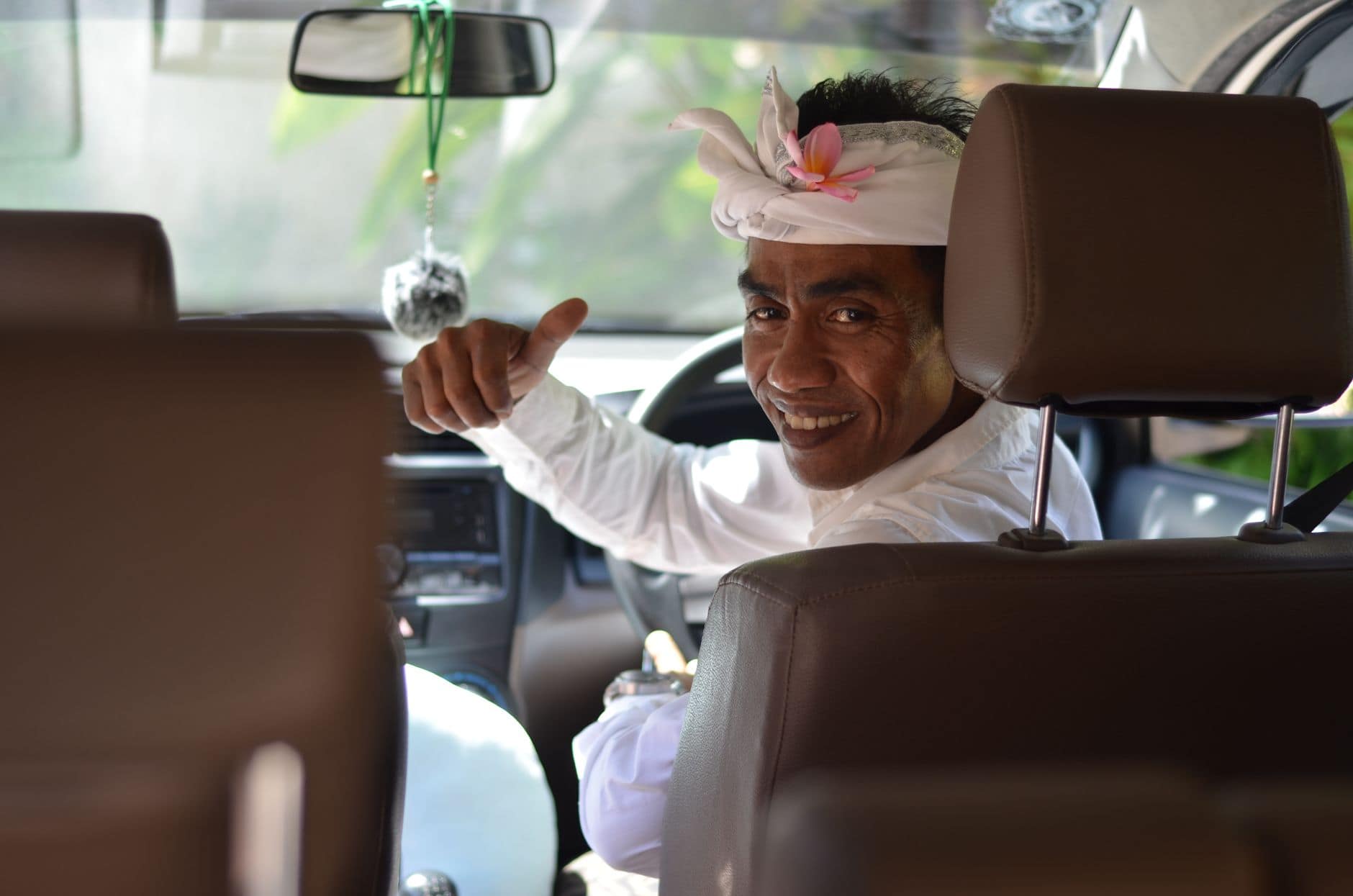
Private Car with Driver in Bali
This is one of the most useful products in Bali because so many plans become easier once transport is flexible. It is perfect for custom sightseeing, shopping days, family pacing, and travelers who already know roughly where they want to go.
- Duration
- Flexible daily use
- Area
- All major Bali regions
- Format
- Private transport service
- Best for
- Travelers who want total route flexibility
From $59 per car No prepayment
View tour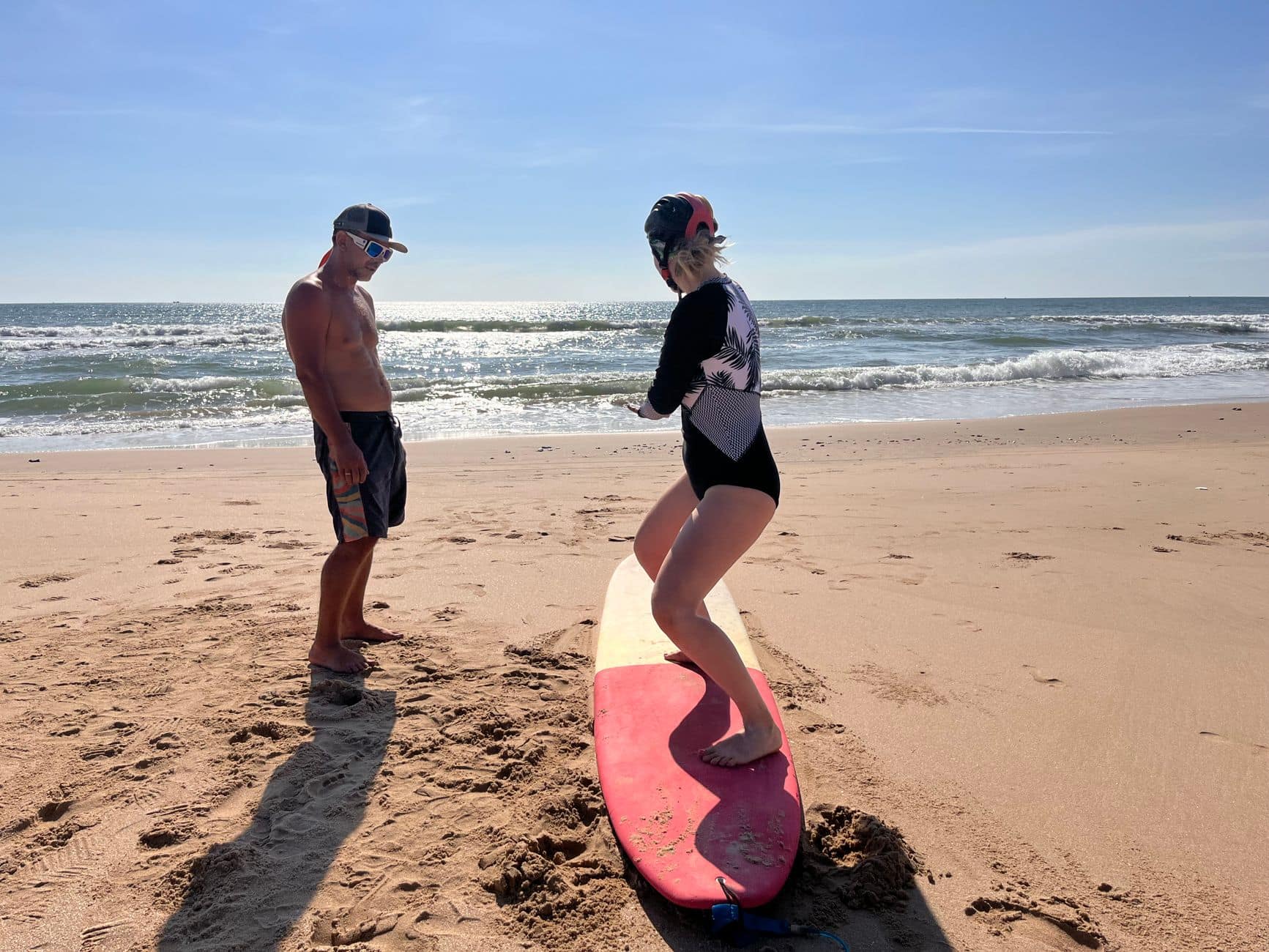
Bali Surf Lesson for Beginners
A surf lesson is one of the best short-format Bali activities because it feels local, active, and iconic without taking over the whole day. It is ideal for couples, friends, solo travelers, and anyone curious about the island's surf culture.
- Duration
- 2-4 hours
- Area
- Beginner-friendly Bali surf beaches
- Format
- Water activity
- Best for
- Beginners and casual active travelers
From $35 No prepayment
View tour
Bali Airport Transfer
Airport transfers are not glamorous, but they have an outsized impact on how the trip starts. A clean pickup, clear driver coordination, and direct route to the hotel make a huge difference after a long flight.
- Duration
- Depends on hotel area
- Area
- Ngurah Rai Airport and Bali hotel areas
- Format
- Private transfer service
- Best for
- New arrivals and stress-free departures
From $15 per car No prepayment
View tour