

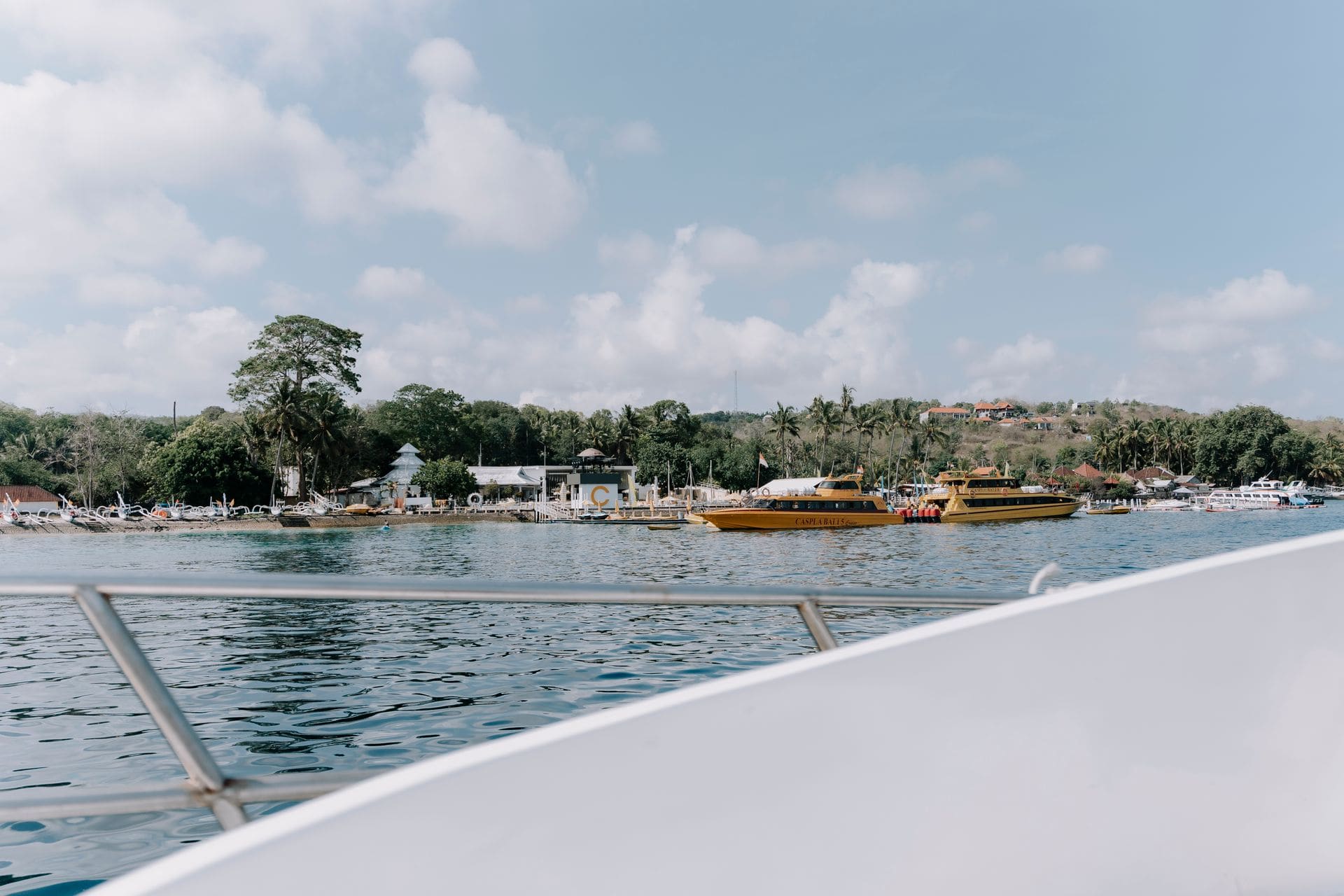
There is no airport on any of the three Gili Islands, so every arrival is by boat, and the real choice is how much of the journey happens on the road and how much at sea. Padang Bai in east Bali gives the shortest crossing — advertised at 90 minutes, realistically nearer two hours — and the longest drive. Sanur and Serangan in the south sit close to the airport belt but put you 2.5 to 3.5 hours at sea, often with a Nusa Penida or Lembongan stop the ticket does not spell out. Standard 2026 fares run around IDR 325,000 to 550,000 one way, with harbour tax paid in cash on top. The part most guides skip is the safety record: this fleet has burned, capsized and sunk, the most recent fatal incident on the corridor in August 2026, and we would rather you read that here.
By Alex Moskvin, Founder of SB Excursions · Published 21 May 2026 · Updated 23 October 2026
Tour on this route: Bali Fast Boat Transfer — From $15, depends on destination.
How much does it cost to get from Bali to Gili Trawangan?
A standard one-way fast-boat ticket was published in 2026 at IDR 325,000-550,000 from Padang Bai and IDR 425,000-550,000 from Sanur or Serangan, which aggregators list as roughly USD 22-42 — treat the dollar figure as approximate. Harbour tax is extra and paid in cash at the gate, widely quoted as Rp 10,000 in Bali and Rp 20,000 at the Gili end; budget IDR 10,000-25,000 per side and check at the gate, because sellers report variations. The same seat can differ two- to threefold between booking channels, so compare before you buy.
This guide also answers:
- How long is the fast boat from Bali to the Gili Islands?
- Can you fly from Bali to the Gili Islands?
- Should I leave from Sanur, Serangan or Padang Bai?
Top picks from this guide
 #1
#1
Padang Bai fast boat, the shortest crossing
The main Gili harbour and the closest point on Bali to the islands. Advertised crossing is 1.5 hours; realistically 1h45 to 2h30 depending on operator, sea state and whether the boat calls at Gili Air first. Standard 2026 fares run IDR 325,000-550,000 one way — sampled August 2026 departures showed Semaya at Rp 400,000, D'Camel at Rp 475,000 and Eka Jaya at Rp 675,000. The trade is road time: 2-2.5 hours from Kuta or Sanur, and a pickup that can start before dawn.
 #2
#2
Sanur terminal, best facilities and most stops
Bali's only genuinely modern passenger terminal, and the easiest harbour to reach by taxi or ride-hailing. Fares to Gili Trawangan were published at around IDR 425,000-550,000 one way in August 2026, naming The Tanis, Starfish Fast Cruise and Scoot in that band. Crossings are quoted at 2.15-3.5 hours. The catch is routing: many Sanur 'Gili' sailings call at Nusa Lembongan or Nusa Penida first, and the duration on the booking page is often the leg to that first island, not to yours.
 #3
#3
Serangan, twenty minutes from the airport
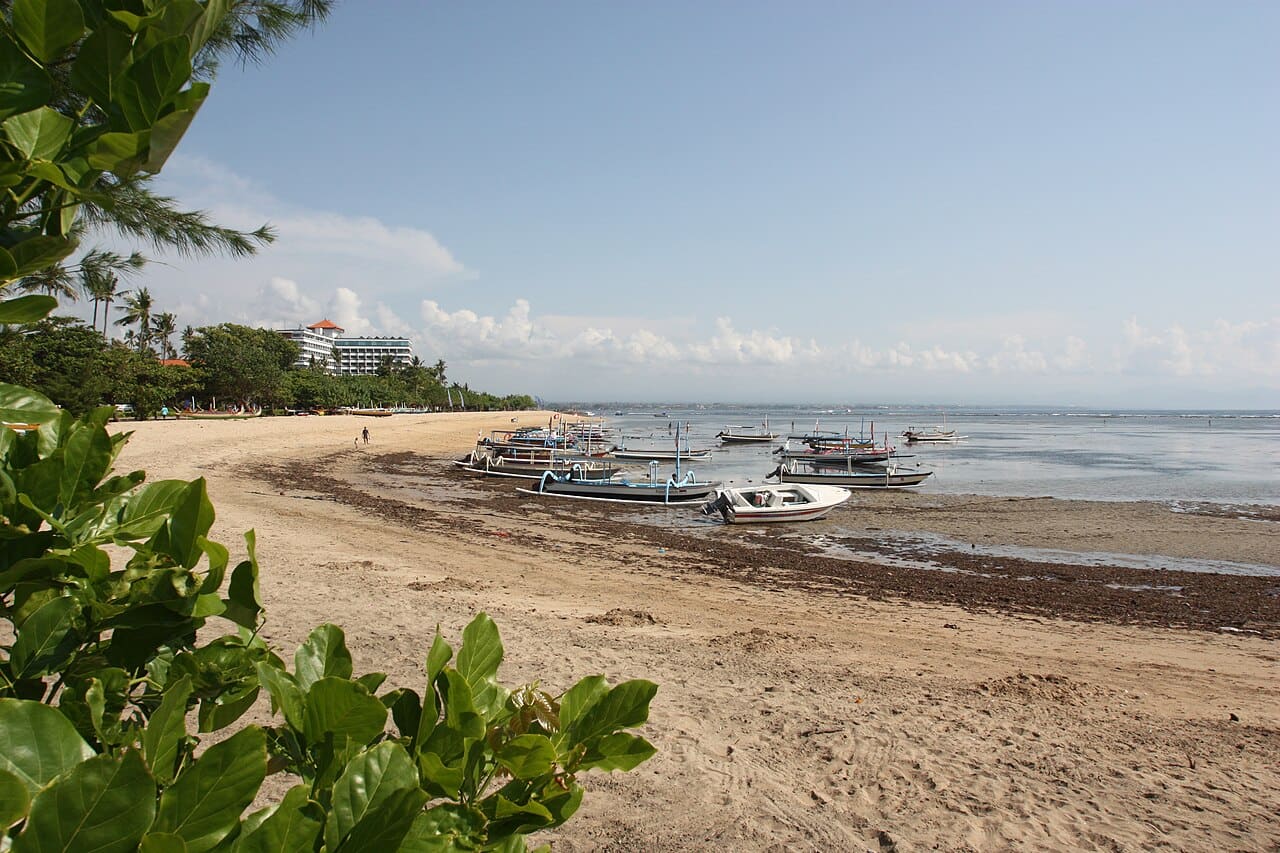
Just south of Sanur, used by Blue Water Express, Gili Getaway and Marina. Operators put it roughly 20 minutes from Ngurah Rai airport and about 20 from Seminyak and Kuta in light traffic, which is the entire reason to choose it. You pay for that in sea time: 2.5-3.5 hours, with Blue Water's Serangan to Gili Air run quoted around 3.5, on the exposed side of the strait. Standard fares roughly IDR 425,000-550,000 as published in 2026.
 #4
#4
Amed, the one-hour crossing that may not exist
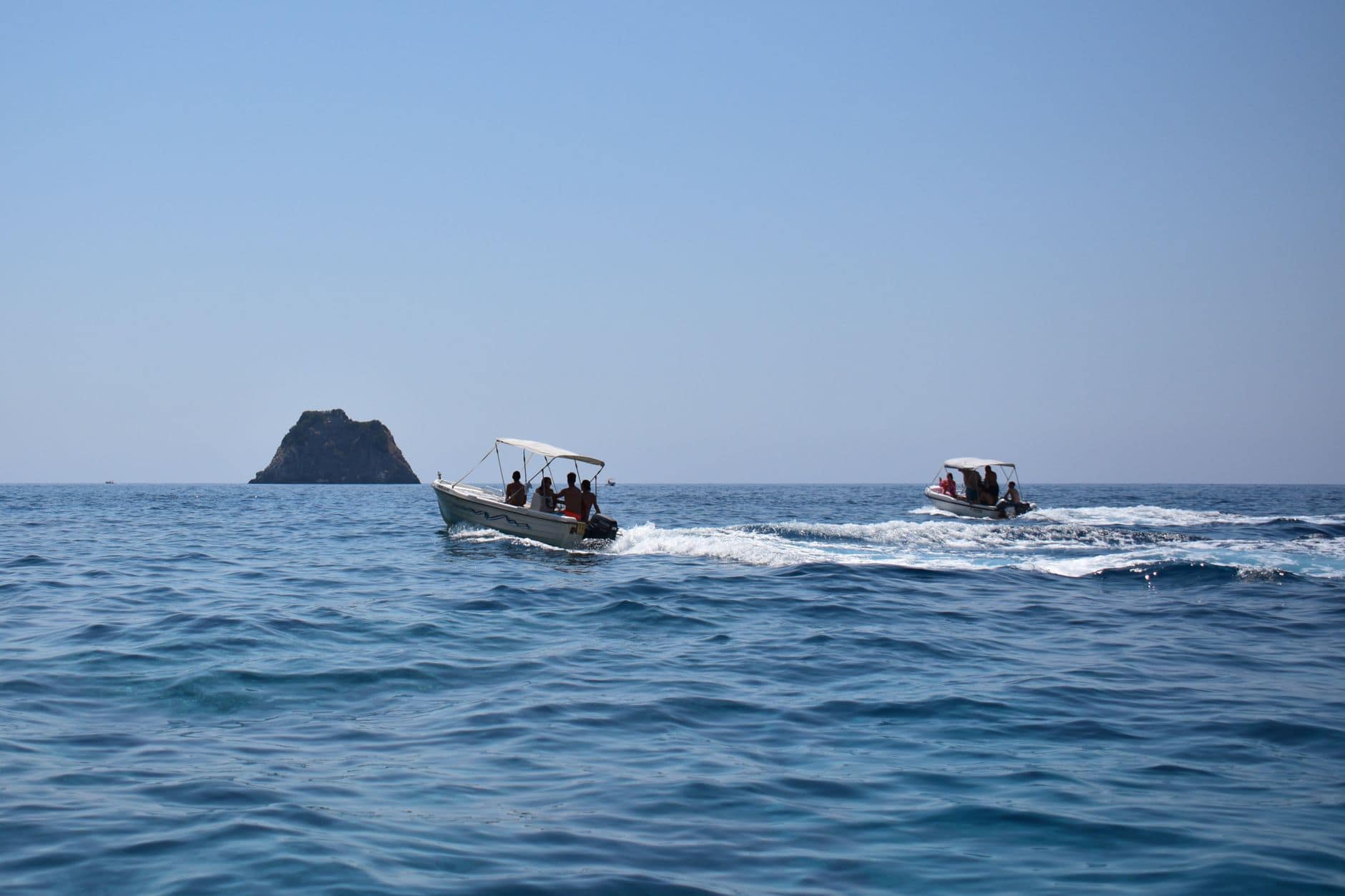
Historically the fastest way across: 45-60 minutes to Gili Trawangan from Jemeluk beach, run mainly by Freebird Express. Sources actively disagree about whether it still runs. Several report the harbour closed to commercial fast boats for want of a proper jetty, while aggregators still list an Amed departure and some sellers openly route 'Amed to Gili' by van to Padang Bai instead. Travellers have arrived at the beach to find no boat. Get written confirmation from the operator before building a day around it.
#5
The public ferry to Lembar, then north by road
The state ASDP roll-on ferry crosses to Lembar in south-west Lombok — it does not go to the Gilis. Adult foot passengers paid IDR 65,300 as published in February 2026; the IDR 46,000 figure still circulating on travel sites is out of date. Scheduled at 4-5 hours, commonly 5-6 and occasionally near 8. Then 1.5-2.5 hours by road to Bangsal and a local boat: realistically 10-14 hours door to door. Ticketing is online-only through Ferizy — there are no counters at the port.
 #6
#6
Fly to Lombok and come in from Bangsal
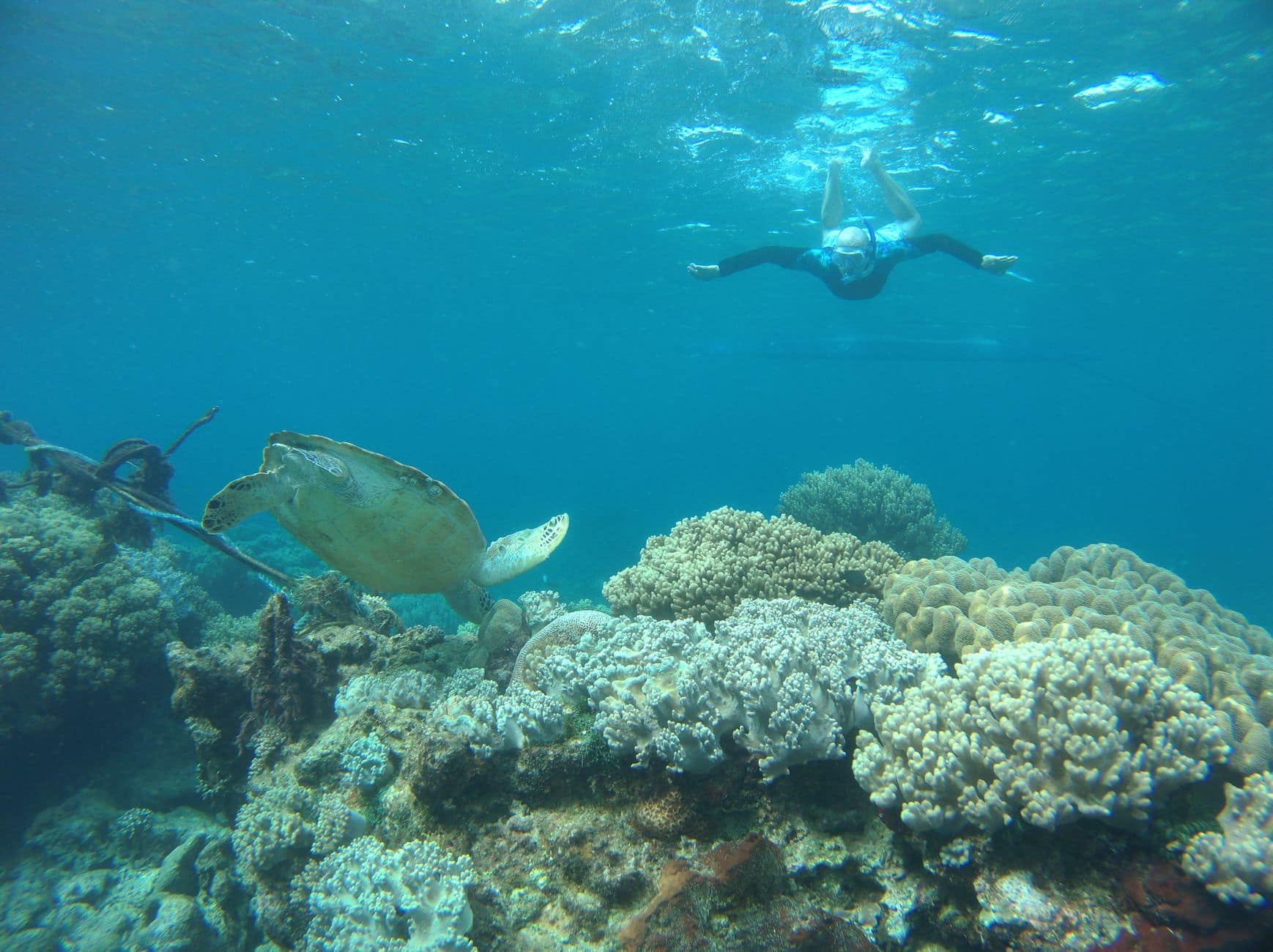
You cannot fly to the Gilis — none of the three islands has an airstrip, and every arrival is by boat. What you can do is fly Bali to Lombok International Airport and approach from the Lombok side: roughly 1.5-2.5 hours by road north to Bangsal, then a short local crossing of a few minutes to Gili Air or up to 40 by public boat to Trawangan. Whether it saves money depends entirely on the airfare; what it buys is a sea crossing measured in minutes rather than hours.
 #7
#7
Bangsal harbour and the local boats
Every local boat to the Gilis leaves from here, run by the Koperasi Karya Bahari, a boat-owners' cooperative with an effective monopoly on the crossing. Times are short: about 3-15 minutes to Gili Air, 10-20 to Gili Meno, 30-40 to Gili Trawangan by public boat and roughly 10 by private speedboat. Fares are genuinely disputed — sources spread from about IDR 25,000 to IDR 100,000 per person — and a charter runs IDR 300,000-350,000 per boat, more after 18:00. Buy at the official desk.
#8
The island hopper between the three Gilis
Two scheduled circuits a day link the three islands, run by the same cooperative — there are no bridges, and the channel currents make swimming across genuinely unsafe. Reported timings have the morning run leaving Gili Air around 08:30, Gili Meno 08:50 and Gili Trawangan 09:30, with an afternoon circuit from mid-afternoon. Times shift and are posted at the harbour office, so confirm the day before. Fares are small and disputed, roughly IDR 20,000-45,000 a leg. Miss the hop and you charter.
What it actually costs to reach Gili Trawangan
The honest answer is a band, not a number. A standard one-way fast-boat ticket was published in 2026 at IDR 325,000-550,000 from Padang Bai and IDR 425,000-550,000 from Sanur or Serangan. Aggregators put the same seats at USD 22-42, averaging around USD 29 in their 2026 listings, but treat the dollar figure as approximate — it moves with the rate. Sampled departures on a single August 2026 date came in at Rp 400,000 for Semaya, Rp 475,000 for D'Camel and Rp 675,000 for Eka Jaya on the same route. Premium products sit higher: an Eka Jaya premium seat around Rp 790,000, and Blue Water Express reported at Rp 950,000 one way with transfers included — that last figure comes from an undated reseller page, so treat it as indicative rather than a quote.
Two things are almost never inside the ticket price. Harbour tax is paid in cash at the gate — widely quoted as Rp 10,000 at Padang Bai and Rp 20,000 at the Gili end, roughly Rp 40,000 for a return — though several sellers report variations, so carry IDR 10,000-25,000 per side and check at the gate. The second is margin: the same seat on the same boat can differ two- to threefold between booking channels, which makes any price you find online a data point rather than the price. We sell fast boat tickets with hotel pickup from $15 depending on route and operator, quoted over WhatsApp with the operator named and no prepayment, so you can hold it against whatever else you have been shown.
Getting to the harbour, and what the shuttle really means
Padang Bai is the harbour our drivers know best, and the drive is the honest cost of the shortest crossing. Operators quote roughly 1.5-2 hours from Ubud, 2-2.5 from Kuta, Seminyak or Sanur, 2.5-3 hours or more from Canggu and about 20 minutes from Candidasa. Those are traffic-dependent marketing estimates rather than measurements — plan on plus or minus 45 minutes. The number that reshapes your day is not the drive but the shuttle pickup time, which sellers set 2.5-3.5 hours before sailing because the van collects other passengers en route. Door to door, Ubud to Gili Trawangan is realistically 5-6 hours despite the 90-minute crossing printed on the ticket.
Almost every ticket is sold as including a shared hotel shuttle, and that is the single most oversold element on this route: the zones are narrow, and the surcharge tends to be disclosed late. If the pickup window does not work for you — small children, an early flight the day before, or simply wanting to arrive at the harbour awake — a private car with driver from $59 per car leaves when you say and drops you at the fast-boat beach rather than at the ASDP ferry terminal, which is a separate place in the same bay and a mistake taxi drivers make regularly.
- Named as free pickup zones by one operator: Kuta, Legian, Nusa Dua, Denpasar city, Seminyak, Sanur and central Ubud around Monkey Forest
- Inverted for others: Blue Water Express includes central Ubud, Candidasa and Padang Bai but charges extra for South Bali hotels, because it sails from a different port
- Usually surcharged or not served at all: Canggu, Uluwatu, Sidemen, Amed, Lovina, Munduk
- No operator publishes surcharge amounts in IDR — get the figure in writing before you book, not at the door
- Ask for the pickup time before booking, not after: for an 08:00 Padang Bai sailing, a South Bali or Canggu pickup can be 04:30-05:30
- The return drop-off can take longer than the crossing, because the shuttle works around every other passenger's hotel
- Baggage is capped by the boat, commonly 20-25 kg, with excess charged; check-in is typically 30-60 minutes before departure
Direct is not the same as non-stop
Very few Bali-Gili fast boats are point-to-point. Most run a circuit: a Bali port, sometimes a Nusa island, then Gili Trawangan, then Gili Air, then Bangsal on Lombok. Sellers call that 'direct' when what they mean is no change of boat, not no stops. An intermediate island call typically adds 45-90 minutes including time at anchor. Padang Bai departures come closest to genuinely direct — Gili Trawangan usually first at about 1.5 hours, Gili Air about 1h45-2h, Bangsal last. Sanur and Serangan sailings frequently call at Nusa Penida or Nusa Lembongan first: Blue Water runs Serangan 08:00 to Nusa Penida, then Nusa Penida 09:15 onward, and Scoot routes via Lembongan.
Three consequences follow. The quoted duration on a booking page is often the leg to the first island rather than to yours, so a Gili Air ticket on a Trawangan-first boat is 20-40 minutes longer than advertised. A minority of 'Bali to Gili' tickets are really Bali to Lombok tickets terminating at Bangsal with a shuttle boat attached. And Gili Meno is served directly by fewer operators — Eka Jaya advertises direct sailings from Padang Bai and Serangan; otherwise you land on Trawangan or Air and hop. At anchor transfers move passengers and luggage between vessels in open water, which nobody mentions at the counter. Our step-by-step guide to reaching Gili Trawangan walks one route through end to end.
The safety record, and what to check before you board
This is the part we would rather over-explain than reassure you about. The Bali-Gili fleet has a documented history of fires, capsizes and sinkings. Gili Cat II exploded and burned about 200 metres out of Padang Bai on 15 September 2016 with 35 aboard, killing two European passengers and injuring 13-19; officials attributed it to a short circuit near the fuel tank. Marina Srikandi sank with 32 aboard on a Gili route. On 4 June 2025 the fast boat Tanis capsized off Nusa Lembongan with 89 aboard after being struck by a wave, with no deaths. On 5 August 2025 Dolphin II capsized on the Nusa Penida-Sanur leg with 80 aboard, killing three — reporting described it as the fourth maritime incident in Bali within weeks.
The comfortable assumption that the big public ferry must be the safe option does not survive the record either. On 12 August 2026 the Padangbai-Lembar ferry KM Putri Yasmin caught fire in the Lombok Strait: one 19-year-old passenger died and 172 people were evacuated against a manifest listing 131, with officials confirming more people were aboard than the manifest showed — exactly the failure that makes a rescue harder. The UK FCDO warns that sea conditions change rapidly, that safety standards vary between providers and that vessels can be crowded, overloaded and poorly maintained; Australia's Smartraveller notes operators may not comply with international safety and maintenance standards. No source establishes a documented safety-record difference between named operators, so paying at the top of the band buys a bigger, newer hull and a better-resourced crew, not an audit. Our guide to whether the Gili Islands are safe covers the islands themselves.
Several sources advise travellers who are pregnant, prone to seasickness, travelling with very small children, or living with mobility or cardiac conditions to reconsider the fast boat altogether. That is their advice, and we pass it on rather than talk you out of it. Here is the checklist we would run through ourselves, in order:
- A named ticket and a place on the passenger manifest — give your real name at check-in and count your party; a manifest is only as good as the process behind it
- Life jackets visibly stowed in the cabin, enough for everyone aboard. Child sizes are often unavailable, so bring your own if you need one — the FCDO says this explicitly
- A life raft, GPS and VHF, ideally an EPIRB — the better operators advertise the specification, which is what makes it checkable
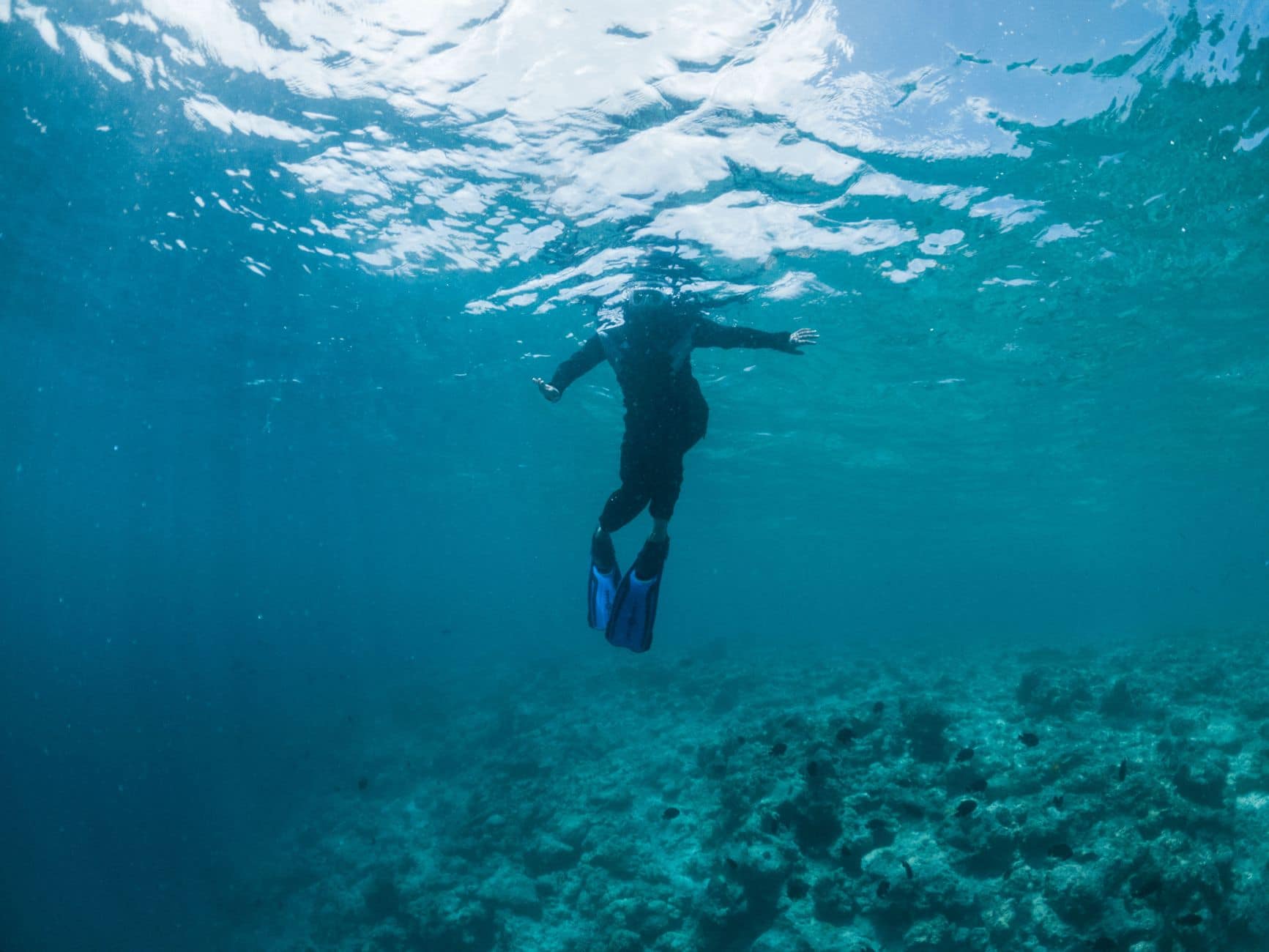
- Windows that open and exits you can find from your seat — passengers escaped the 2025 Lembongan capsize by breaking the windows
- A boat not obviously loaded past its stated capacity — walk away and take the next sailing rather than squeeze on
- Travel insurance that does not exclude fast-boat or small-vessel travel, checked before you leave home rather than at the harbour
- The operator's written weather policy: whether a cancellation means a refund or only a reschedule — in practice most reschedule
- No crossings after dark unless you are satisfied the vessel is properly equipped, which is the FCDO's wording
Sea state, cancellations, and the flight you should not book
Sea state, not distance, decides whether you sail. Typical wave height on the route is 1-2 metres; in strong wind or the rainy season it can exceed 3 metres, particularly in the afternoon. December to February is the northwest monsoon and the roughest period, with January and February bringing the heaviest, most sustained weather. One operator-adjacent report of a BMKG maritime forecast for 22-23 January 2026 gave 2.5-6.0 metre waves on several Bali-Lombok-Gili routes with fast boats suspended pending harbourmaster clearance — a single reported forecast rather than a norm, but it shows the ceiling. April to October is calmest, and April-June and September-October combine calm water with fewer crowds. Within any day, the 08:00-10:00 departures are consistently the smoothest, and that holds even in the wet season.
Two things follow. Dry season does not mean calm: July and August winds regularly produce a rough ride despite the sunshine. And cancellations are decided by the harbourmaster at short notice, often on the morning itself and communicated late. The most expensive mistake on this route is scheduling the Gili-to-Bali return for the same day as an international flight. Build in at least one buffer night, and more in January and February. It can strand you at the island end too — the small boats to Gili Meno and the inter-island hoppers stop running in conditions the larger Bali-Gili boats still handle.
Day trip, overnight, or moving in for a week
The Gilis absorb whatever time you give them, and the crossing is the constraint. A day trip is two crossings and a pre-dawn pickup inside a single day, which is doable from South Bali on a morning Padang Bai sailing and leaves you a few hours on the sand. Our Gili day tour runs from $115 and our Gili overnight getaway from $70. If you have any flexibility at all, we push people towards the overnight: the late afternoon and the early morning are the two windows when the islands are quiet, and the day trip is precisely the version that misses both. Our day-trip guide works through whether it is worth doing at all.
Which island you land on changes the trip more than which boat you take. Most fast boats stop at Gili Trawangan first and Gili Air second, and Gili Meno is the one served directly by fewer operators — otherwise you land elsewhere and take the hopper across. Our comparison of Trawangan, Air and Meno sets out the differences before you commit a ticket to one of them. Whichever you pick, book the return with a night in hand: the harbourmaster, not your calendar, decides whether the boat sails.
FAQ
How much does it cost to get from Bali to Gili Trawangan?
A standard one-way fast-boat ticket was published in 2026 at IDR 325,000-550,000 from Padang Bai and IDR 425,000-550,000 from Sanur or Serangan, which aggregators list as roughly USD 22-42 — treat the dollar figure as approximate. Harbour tax is extra and paid in cash at the gate, widely quoted as Rp 10,000 in Bali and Rp 20,000 at the Gili end; budget IDR 10,000-25,000 per side and check at the gate, because sellers report variations. The same seat can differ two- to threefold between booking channels, so compare before you buy.
How long is the fast boat from Bali to the Gili Islands?
From Padang Bai it is advertised at 1.5 hours and realistically takes 1h45 to 2h30; from Sanur or Serangan it is 2.15 to 3.5 hours. Add 45-90 minutes if the boat calls at Nusa Penida or Nusa Lembongan on the way, which many South Bali sailings do. Door to door is the number that matters: Ubud to Gili Trawangan is realistically 5-6 hours once the shuttle pickup and check-in are counted, despite the 90-minute headline on the ticket.
Can you fly from Bali to the Gili Islands?
No — none of the three Gili islands has an airstrip, so every arrival is by boat. The nearest you can get by air is a flight from Bali to Lombok International Airport, then roughly 1.5-2.5 hours by road north to Bangsal, then a short local crossing: a few minutes to Gili Air, about 10-20 to Gili Meno, 30-40 to Gili Trawangan by public boat. It removes the Lombok Strait crossing from your itinerary, which is worth considering in January and February.
Should I leave from Sanur, Serangan or Padang Bai?
Padang Bai if you want the least time at sea, Sanur or Serangan if you want the least time in a van. Padang Bai is 2-2.5 hours' drive from the Kuta, Seminyak and Sanur belt but only about two hours' crossing. Serangan is put at roughly 20 minutes from the airport in light traffic but 2.5-3.5 hours at sea on the exposed side of the strait. Sanur has by far the best terminal but the highest share of sailings that call at a Nusa island first. If anyone in the party gets seasick, take Padang Bai.
How do you get between Gili Trawangan, Gili Meno and Gili Air?
By the public island hopper, which runs two scheduled circuits a day and costs roughly IDR 20,000-45,000 a leg — sources disagree on the exact fare, so treat it as a range rather than a figure. Reported morning timings leave Gili Air around 08:30, Gili Meno 08:50 and Gili Trawangan 09:30, with an afternoon circuit; confirm at the harbour ticket office the day before, because times shift and are only posted locally. Missing the hop means a private charter at IDR 300,000-350,000 per boat, with a surcharge after 18:00.
Are the fast boats to the Gili Islands safe?
The record is mixed and we will not pretend otherwise: this fleet has a documented history of fires, capsizes and sinkings, including Gili Cat II out of Padang Bai in 2016 with two dead, Dolphin II in August 2025 with three dead, and the Padangbai-Lembar public ferry KM Putri Yasmin, which burned in August 2026 killing one, with 172 people evacuated against a 131-person manifest. The UK FCDO warns that standards vary between providers and vessels can be crowded and poorly maintained. Cross in the morning, prefer April-October, check life jackets and exits before you sit down, and make sure your insurance does not exclude small-vessel travel.
Recommended Bali tours for this guide
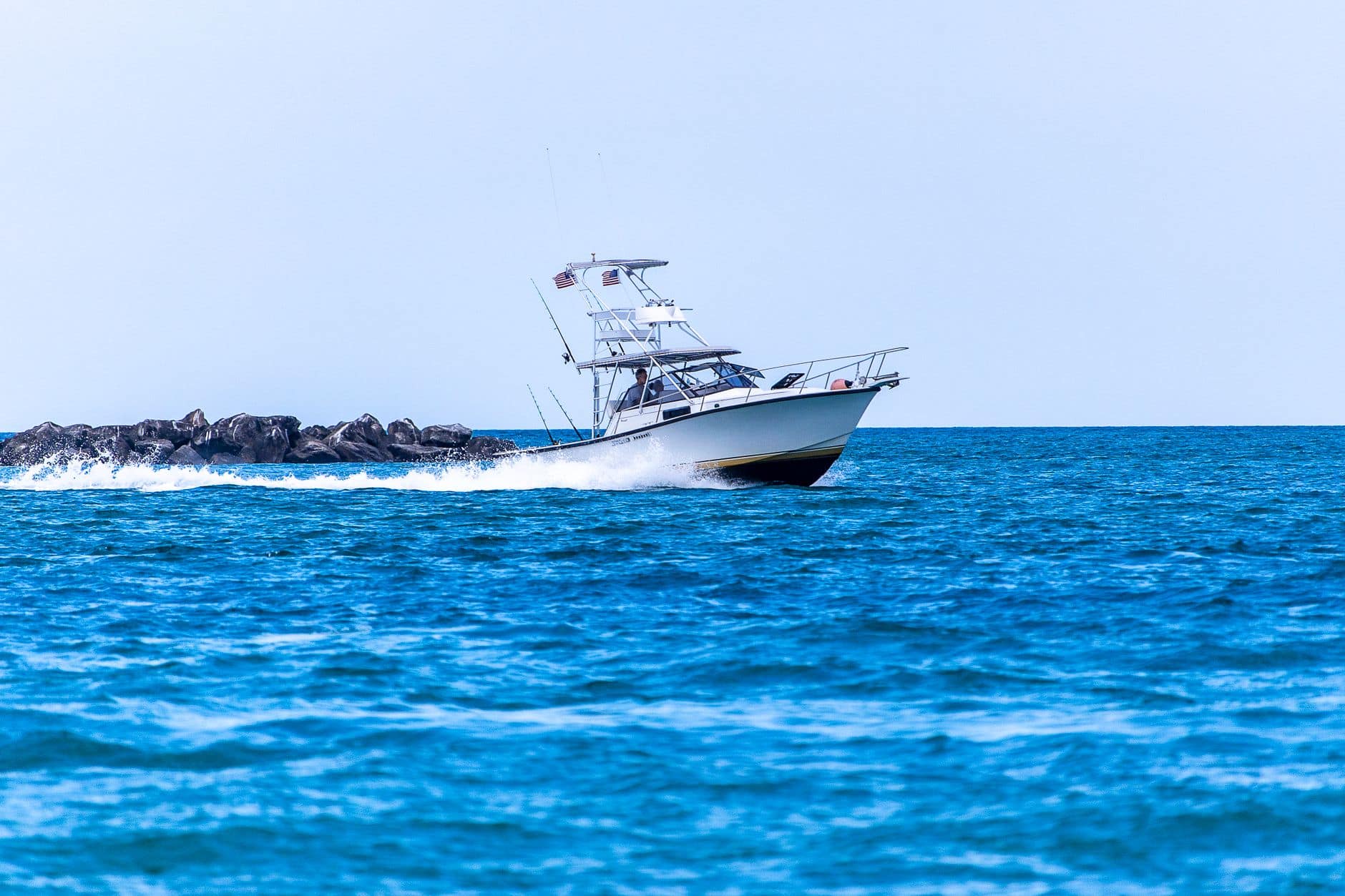
Bali Fast Boat Transfer
Fast boats are simple once booked correctly, but confusing when you are juggling ports, check-in windows, and hotel distance. This service helps turn the whole process into a clean transfer day instead of a stressful logistics puzzle.
- Duration
- Depends on destination
- Area
- Bali harbors and island routes
- Format
- Transfer service
- Best for
- Island-bound travelers
From $15 No prepayment
View tour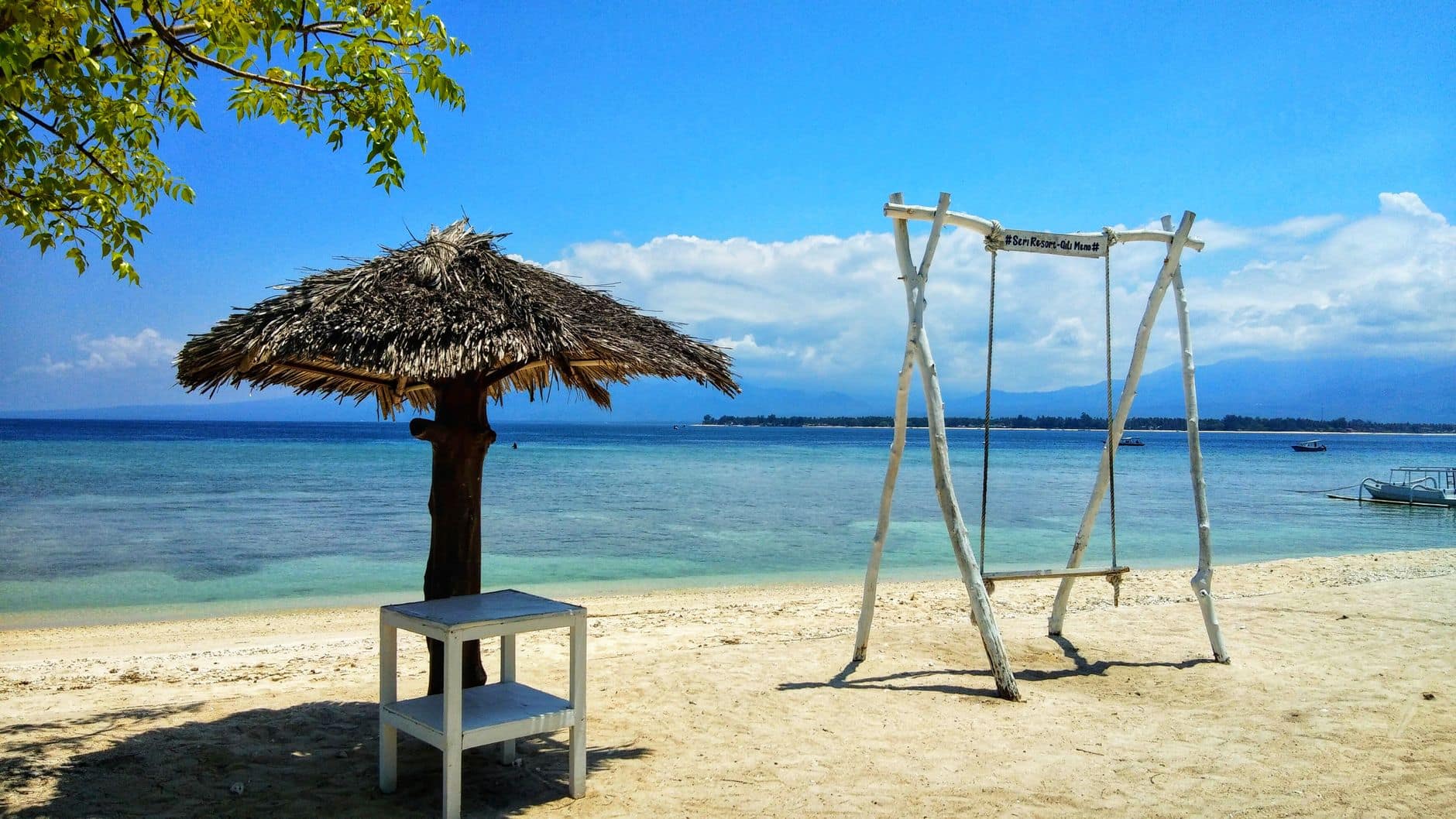
Gili Islands Getaway from Bali
The Gili trip is perfect for travelers who want to connect Bali with a slower island stay or a big sea-focused day. Timing, departure ports, and luggage flow matter here, so setup support adds real value.
- Duration
- Full day or multi-day base route
- Area
- Gili Islands connection
- Format
- Fast boat island transfer route
- Best for
- Travelers extending beyond Bali
From $70 No prepayment
View tour
Bali Airport Transfer
Airport transfers are not glamorous, but they have an outsized impact on how the trip starts. A clean pickup, clear driver coordination, and direct route to the hotel make a huge difference after a long flight.
- Duration
- Depends on hotel area
- Area
- Ngurah Rai Airport and Bali hotel areas
- Format
- Private transfer service
- Best for
- New arrivals and stress-free departures
From $15 per car No prepayment
View tour