

Yes, you can learn to surf in Bali with zero experience — it is arguably the easiest place in the world to start. The beaches from Kuta to Canggu break over sand, the water holds 27-29°C all year, and a private beginner lesson costs from $35 for a 2-4 hour session with board, leash and instructor included. Most first-timers stand up within the opening hour, because the lesson happens in waist-deep whitewater rather than out the back. This guide walks through the seven steps of a first lesson, from the land briefing to your first unassisted ride, plus what to bring, when the beginner season peaks, and which famous waves to leave alone until you can handle a reef break.
By Alex Moskvin, Founder of SB Excursions · Published 21 May 2026 · Updated 23 October 2026
Tour on this route: Bali Surf Lesson for Beginners — From $35, 2-4 hours.
How much does a surf lesson in Bali cost?
A private beginner surf lesson costs from $35 for a 2-4 hour session, booked direct on WhatsApp with no prepayment. That covers the soft-top board, leash and an instructor in the water with you. Board-only rental on the beach costs a few dollars an hour, but first-timers progress far faster with a push and live corrections.
This guide also answers:
- How long does it take to learn to surf in Bali?
- What should I wear for a surf lesson in Bali?
Top picks from this guide
 #1
#1
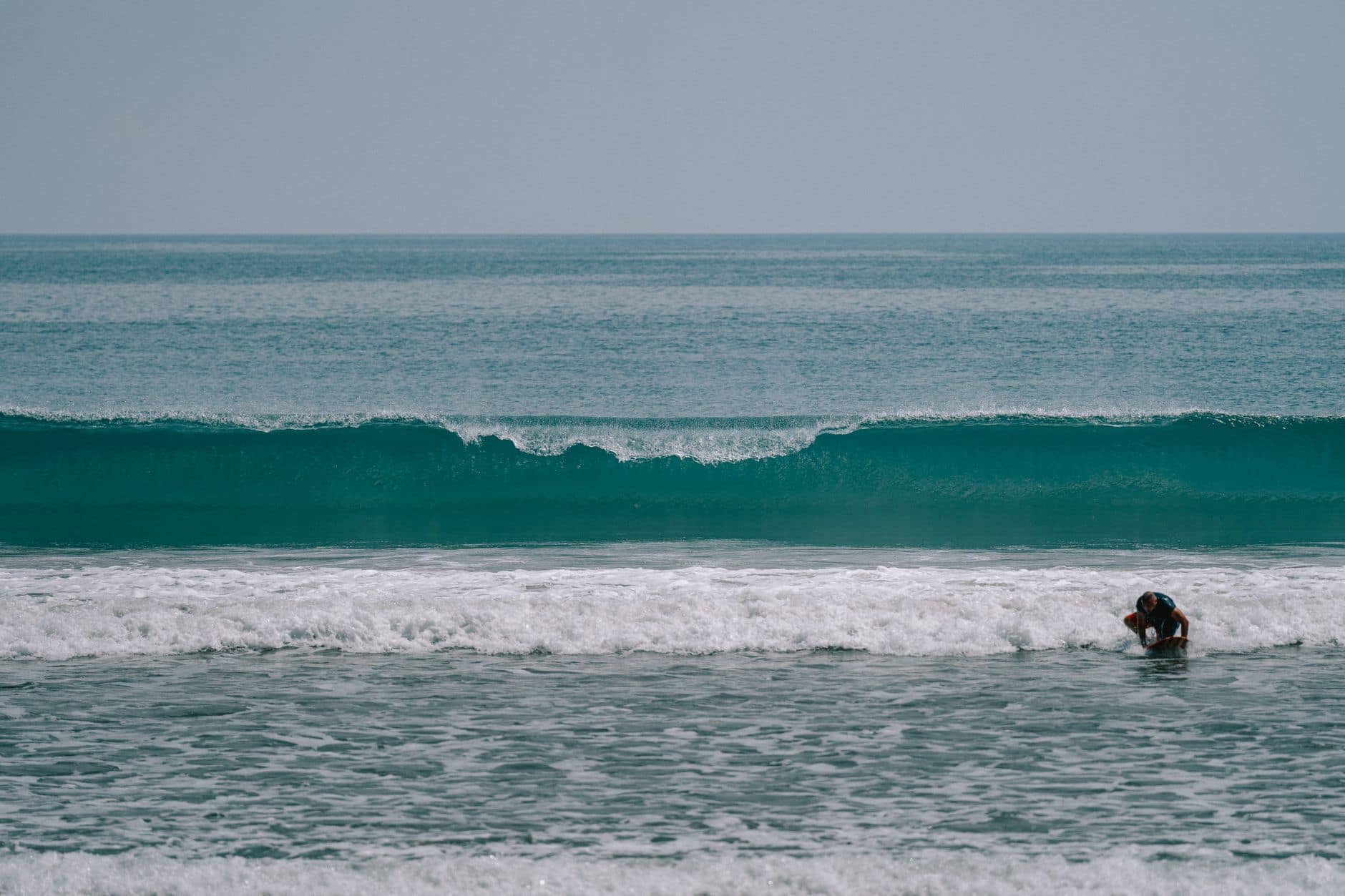
Choose a sand-bottom beach
Every first lesson stands or falls on the beach choice. The strip from Kuta through Legian to Canggu breaks over sand, so a wipeout ends in a splash rather than a reef scrape — the single biggest reason Bali beats most learn-to-surf destinations.
 #2
#2
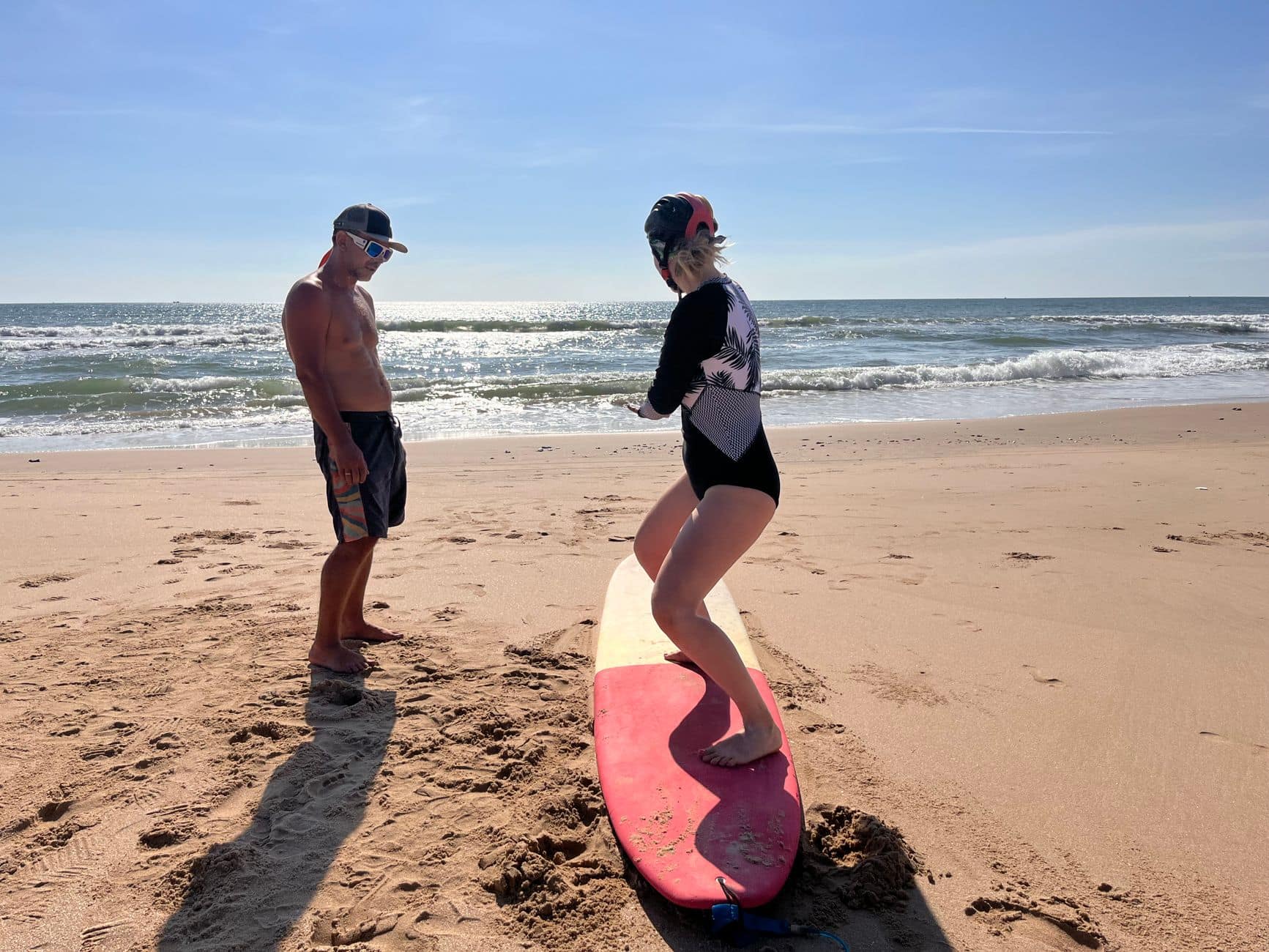
The land briefing
Ten to fifteen minutes on the sand: the parts of the board, how the leash works, where the wave will push you, and the two habits that prevent most beginner injuries — fall flat and shallow, and cover your head when you surface.
 #3
#3
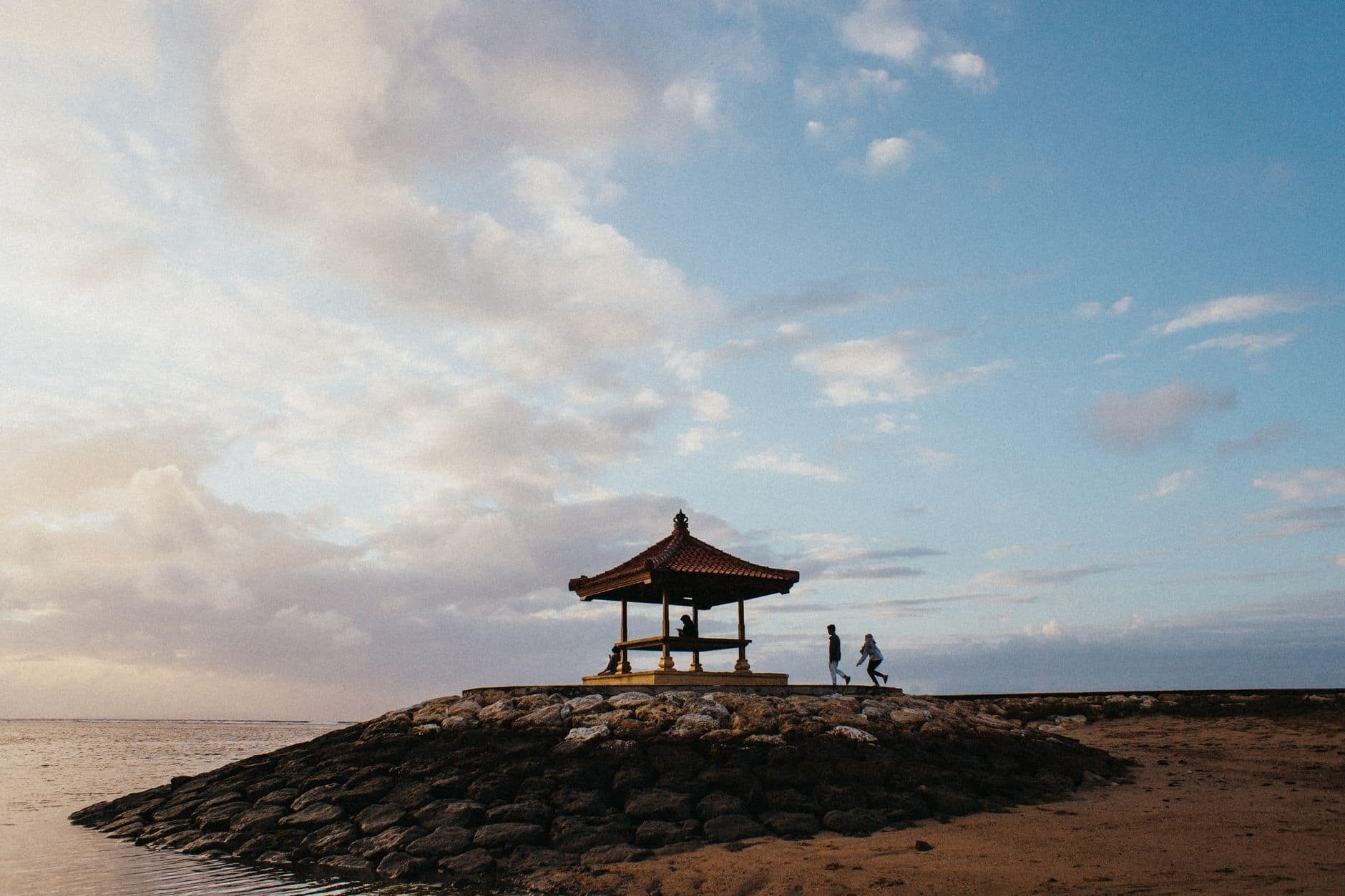
Pop-up drills on the beach
You rehearse the pop-up on dry sand — chest up, back foot planted, front foot landing between your hands — until it compresses into one motion. It feels repetitive; it is also the drill that decides whether you stand in the first hour.
 #4
#4
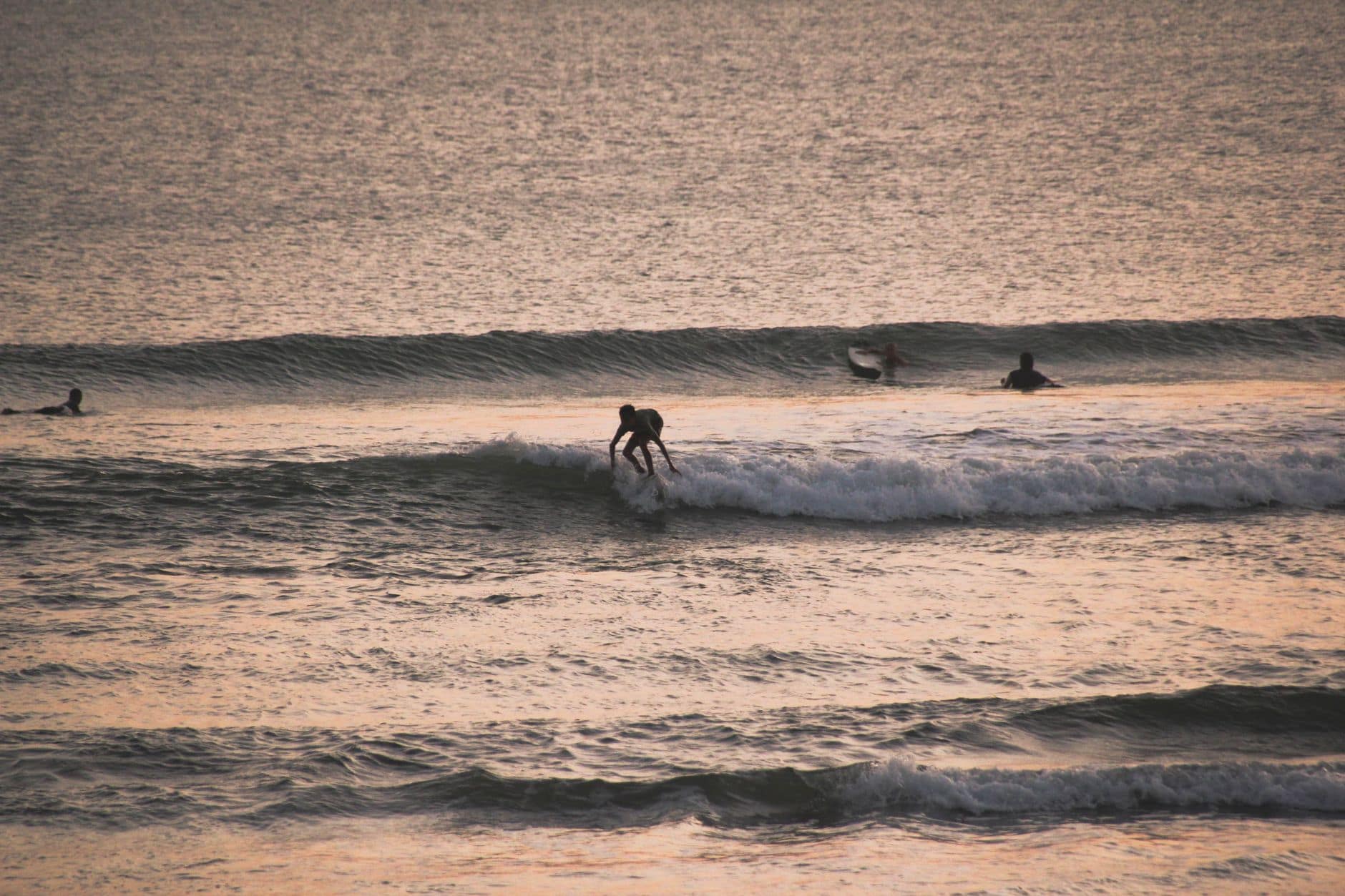
Whitewater rides with a push
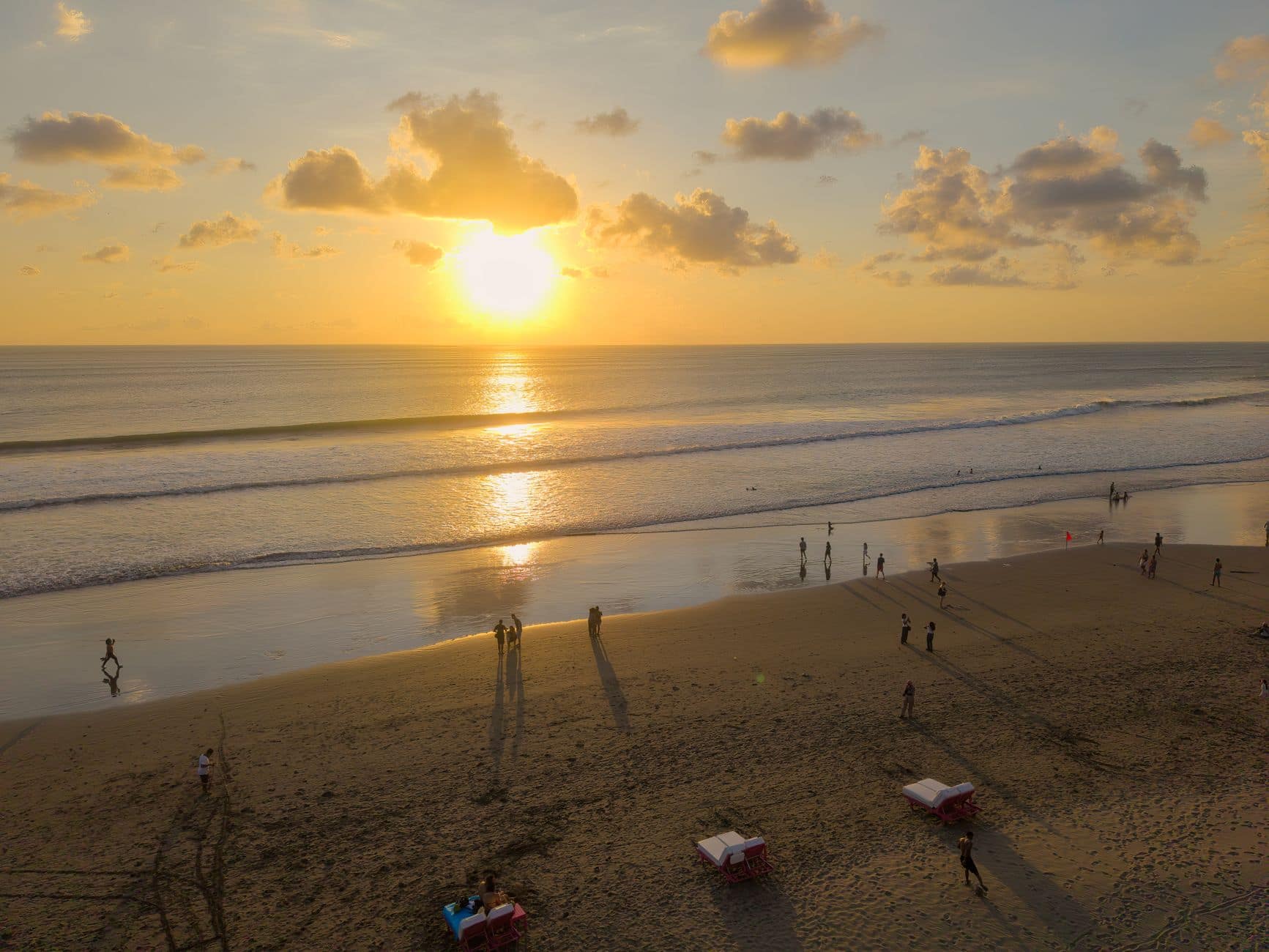
The instructor holds the tail, reads the broken wave and pushes you into it at exactly the right moment. The whitewater runs straight toward the beach, so your only job is the pop-up. Most beginners ride to the sand inside the first hour.
 #5
#5
Catching whitewater on your own
The push disappears and you take over: turn the board, paddle hard as the wave arrives, feel the pick-up, then pop. Timing your own take-off is the actual thing being taught — the assisted rides earlier were rehearsal for this.
 #6
#6
The debrief on the beach
A good instructor closes with specifics: your stance drifted too far back, your eyes dropped to the board, you popped to your knees first. These three faults account for most failed rides, and they are far easier to fix now than after a month of bad habits.
 #7
#7
Green waves and lesson two
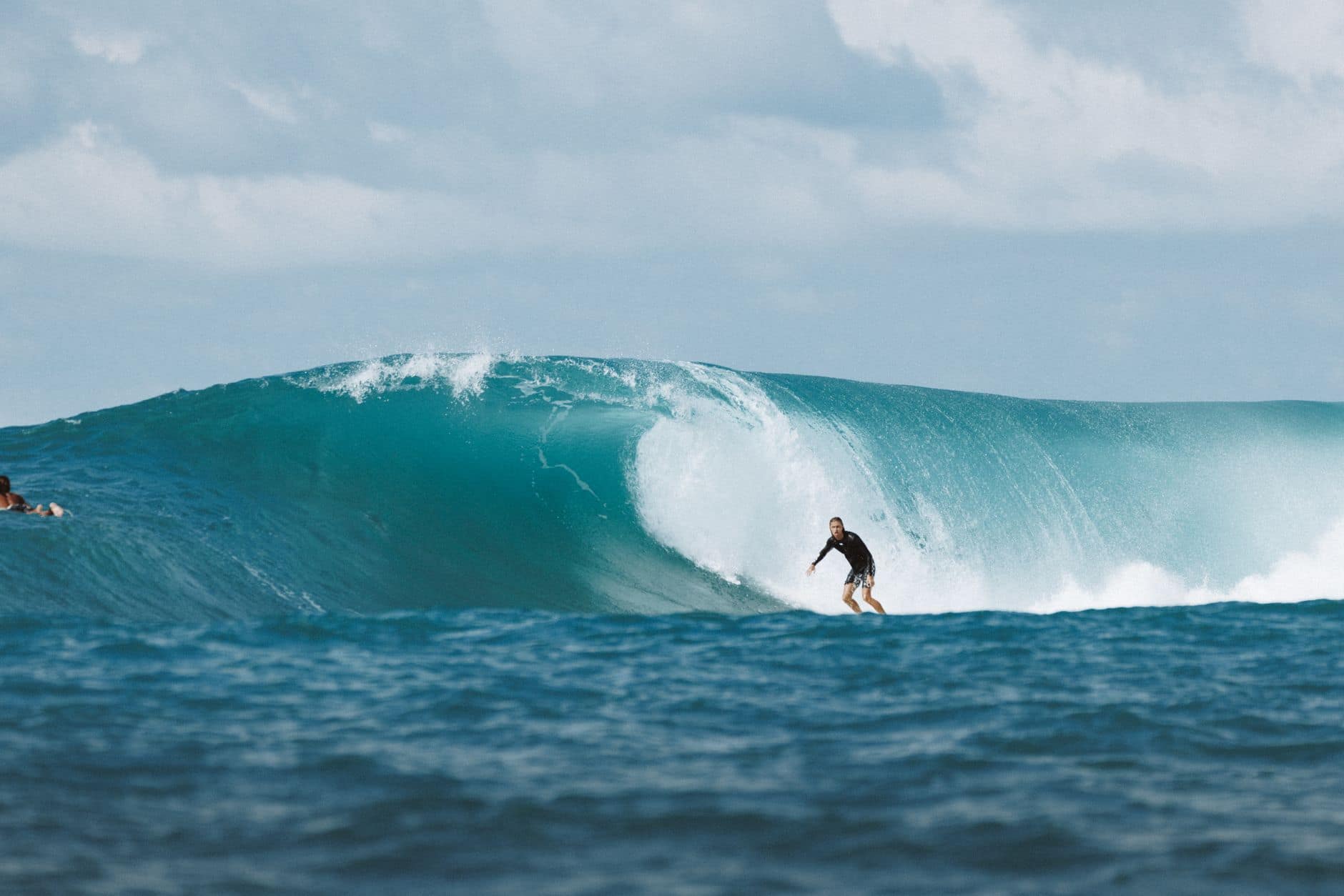
After 3-5 sessions most learners paddle out past the broken water and catch small unbroken waves. That is the moment surfing becomes surfing — and the moment beach choice, tide and crowd start to matter, which is exactly what a local instructor navigates for you.
Why Bali is the easiest place to learn to surf
Bali is the easiest major destination to learn to surf because the beaches where lessons happen — the strip from Kuta through Legian and Seminyak to Canggu — break over sand, not reef. Falling is part of learning, and here a fall costs you nothing. Add water that holds 27-29°C year-round so a wetsuit is never needed, and Indian Ocean swell that delivers rideable whitewater essentially every day, and the arithmetic is simple: nowhere else combines this much practice time with this little consequence for mistakes.
Our beginner surf lesson runs from $35 for a 2-4 hour session with a private instructor, booked over WhatsApp with no prepayment. Session timing is flexible — the instructor picks the tide window and confirms the exact start on WhatsApp the day before. That tide-matching is the quiet advantage of a private lesson over a fixed-schedule group: you surf when the wave is at its friendliest, not when a timetable says so.
What is included in a surf lesson and what to bring
A beginner lesson covers the equipment side completely: a soft-top board, leash and an instructor who stays within arm's reach for the whole water session. You bring only what goes on your body, and the short list below makes more difference than people expect:
- Reef-safe sunscreen, applied 20 minutes before the water — midday sun over a reflective sea burns faster than anywhere else on your trip
- A rashguard or snug T-shirt — board rash on the chest and stomach is the most common beginner complaint after sunburn
- Swimwear that survives whitewater — board shorts with a drawstring, a sports-style top rather than a beach one
- A dry change of clothes and a towel for the drive back, plus a dry bag if you want your phone on the sand
Leave valuables at the hotel; the beach is one of the few places in Bali where an unattended bag is a genuine risk. Our packing guide covers reef-safe sunscreen and dry bags in more detail, including what actually holds up in salt water.
When is the beginner season in Bali
You can learn to surf in Bali in every month of the year — the beginner question is not whether there are waves, but how clean the mornings are. From April to October the dry season brings light offshore wind to the west-coast beaches at dawn: the whitewater is orderly, the sets are evenly spaced, and an early session feels like the ocean is cooperating. From November to March the wet season swings the wind onshore by early afternoon, so the same beach turns lumpy after lunch — still perfectly learnable, but book the earliest slot of the day.
Tide matters more than month. Every beginner beach has a window — usually around mid tide — when the whitewater rolls long and even instead of dumping on the sand. This is why the lesson time floats rather than being fixed: the instructor reads the tide chart, not the clock. For the bigger seasonal picture, see our month-by-month guide to Bali. And if a storm blows the surf out entirely, white water rafting on the Ayung River from $25 is the standard swap — same adrenaline, no wind problem.
Where beginners surf, and where they should wait
Beginner lessons happen on the sand-bottom strip between Kuta and Canggu: Kuta and Legian for the widest, softest whitewater, Batu Bolong in Canggu for a slightly punchier wave once you are standing consistently. Everything about these beaches suits the first month of surfing — gradual depth, sand underfoot, lifeguarded sections, and warungs to debrief in afterwards. Our Canggu and Seminyak beaches guide walks the whole strip beach by beach.
The famous waves from the videos — Uluwatu, Padang Padang, the Bukit reef breaks — are a different sport. They break over shallow reef, the paddle-outs are serious, and a beginner in that lineup is a hazard to themselves and everyone riding. Watch them from the clifftop instead (our Uluwatu and Bukit beaches guide lists the viewpoints) and come back in a year. If you are staying outside the south — Ubud, for example — the drive to the surf strip runs 60-90 minutes depending on traffic, and a private car with driver from $59 per car turns the lesson into a relaxed beach day rather than a logistics exercise.
FAQ
How much does a surf lesson in Bali cost?
A private beginner surf lesson costs from $35 for a 2-4 hour session, booked direct on WhatsApp with no prepayment. That covers the soft-top board, leash and an instructor in the water with you. Board-only rental on the beach costs a few dollars an hour, but first-timers progress far faster with a push and live corrections.
Can I learn to surf in Bali with no experience?
Yes — Bali is one of the most forgiving places in the world to start. Lessons run in waist-deep whitewater over a sand bottom, the water is warm enough to skip a wetsuit, and the soft-top boards are wide and stable. Most complete beginners stand up and ride to the beach during their first session.
How long does it take to learn to surf in Bali?
Most beginners stand in whitewater during their first 2-4 hour lesson. Expect 3-5 sessions before you paddle into unbroken green waves on your own, and a couple of weeks of daily surfing before turning feels natural. Consistency matters more than talent — two lessons on consecutive days beat two lessons a week apart.
What is the best time of year to learn to surf in Bali?
April to October is the cleanest window — dry-season mornings bring light offshore wind to the west-coast beaches and small, orderly waves. You can still learn from November to March; book the earliest session of the day, because wet-season wind chops the water up by early afternoon.
Is surfing in Bali safe for beginners?
Yes, on the sand-bottom beaches between Kuta and Canggu where lessons are held — falls end in water and sand, the boards are soft-topped, and instructors keep you inside waist-to-chest depth. The reef breaks around Uluwatu and the Bukit are a different sport; leave them until you surf green waves confidently.
Do I need to be a strong swimmer for a surf lesson?
No — the lesson happens in standing-depth water, and the board plus leash keep you floating. You should be comfortable getting splashed and briefly tumbled by broken waves. If you cannot swim at all, say so when booking so the instructor keeps the session in the shallowest water.
What should I wear for a surf lesson in Bali?
Swimwear that stays put in whitewater, plus a rashguard or snug T-shirt against board rash and sun. No wetsuit is needed — the water sits around 27-29°C year-round. Apply reef-safe sunscreen 20 minutes before the session and bring a dry change of clothes for the ride back.
Which beach in Bali is best for a first surf lesson?
Kuta and Legian have the widest, most forgiving whitewater and the gentlest sand bottom, which is why most first lessons happen there. Batu Bolong in Canggu is the step up — still sand, slightly punchier waves, more crowd. Your instructor picks between them based on the day's tide and swell.
Recommended Bali tours for this guide
Bali Surf Lesson for Beginners
A surf lesson is one of the best short-format Bali activities because it feels local, active, and iconic without taking over the whole day. It is ideal for couples, friends, solo travelers, and anyone curious about the island's surf culture.
- Duration
- 2-4 hours
- Area
- Beginner-friendly Bali surf beaches
- Format
- Water activity
- Best for
- Beginners and casual active travelers
From $35 No prepayment
View tour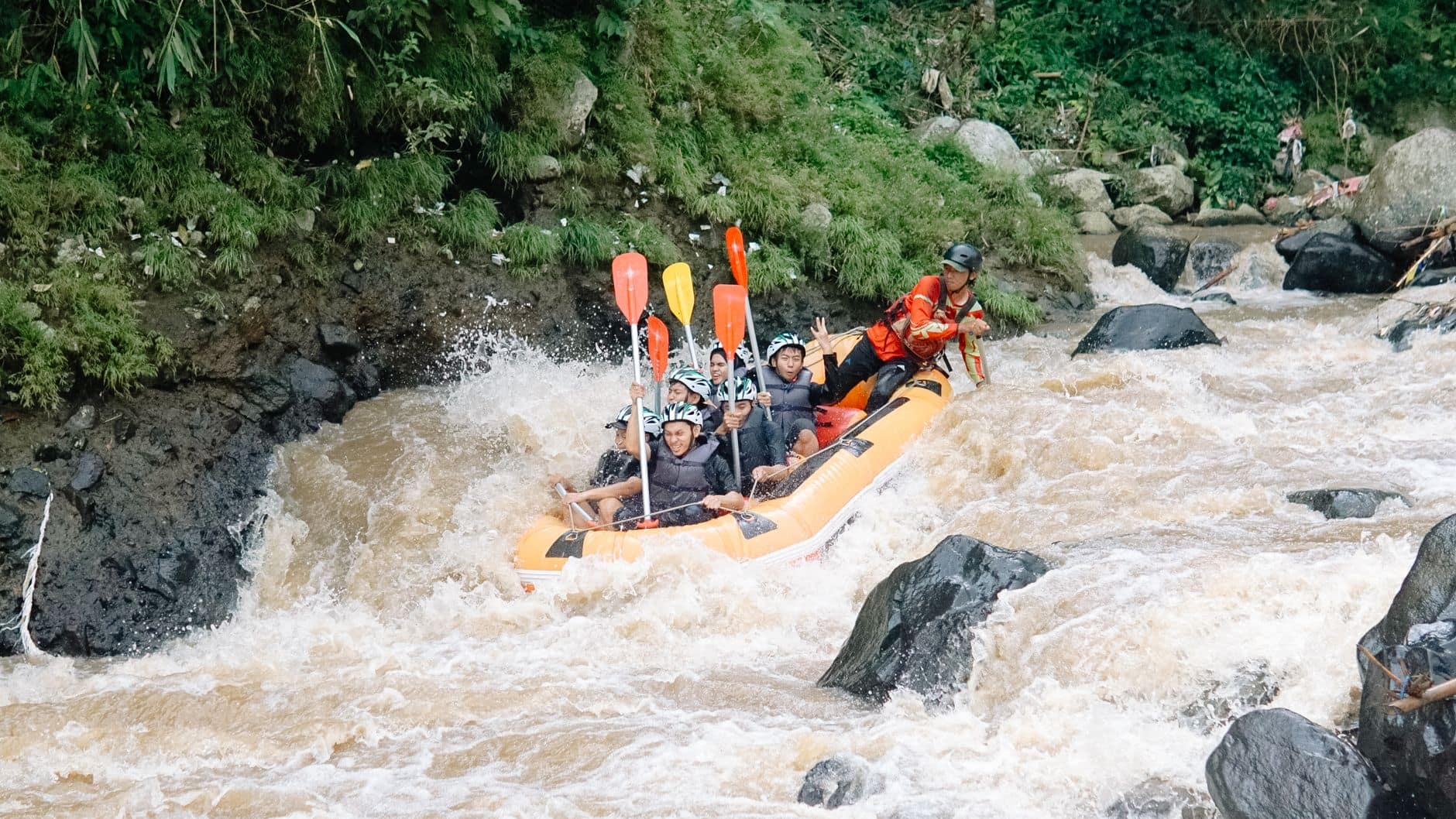
Bali White Water Rafting, Ayung River
White water rafting is one of Bali's easiest adventure products to fit into a trip because it feels active without being overly technical. It is especially strong for guests who want something memorable that still works for mixed groups.
- Duration
- 4-6 hours
- Area
- Bali river routes
- Format
- Adventure activity
- Best for
- Families, couples, and active groups
From $25 No prepayment
View tour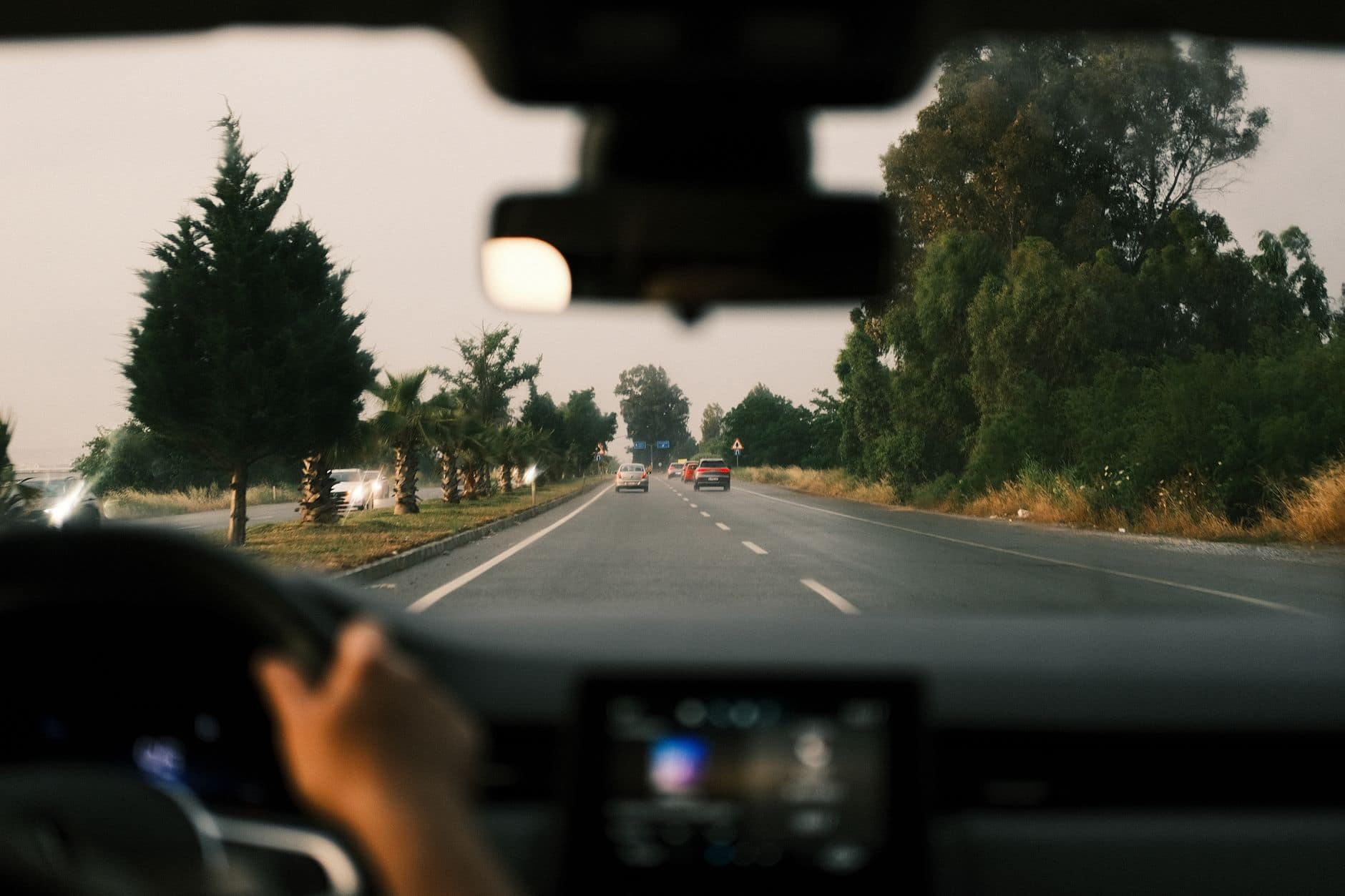
Private Car with Driver in Bali
This is one of the most useful products in Bali because so many plans become easier once transport is flexible. It is perfect for custom sightseeing, shopping days, family pacing, and travelers who already know roughly where they want to go.
- Duration
- Flexible daily use
- Area
- All major Bali regions
- Format
- Private transport service
- Best for
- Travelers who want total route flexibility
From $59 per car No prepayment
View tour